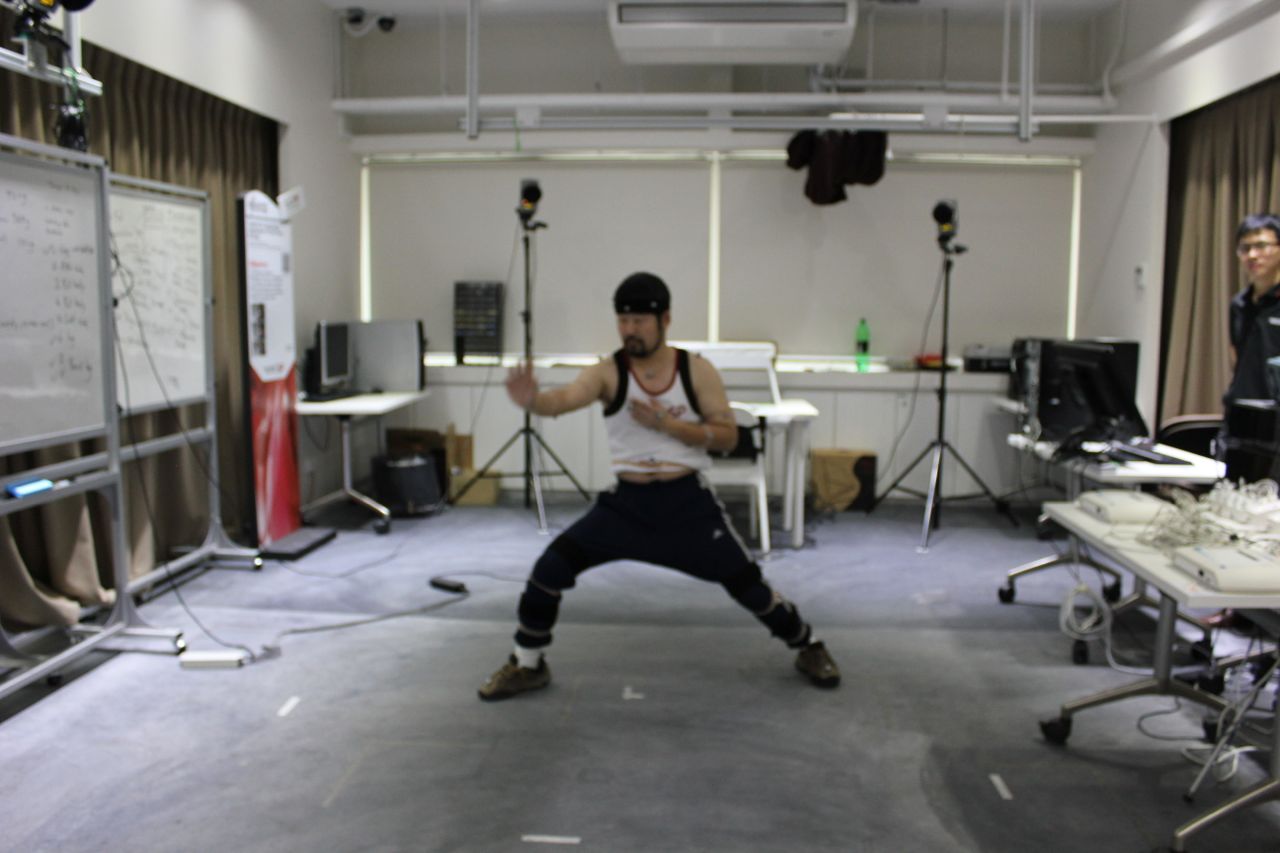
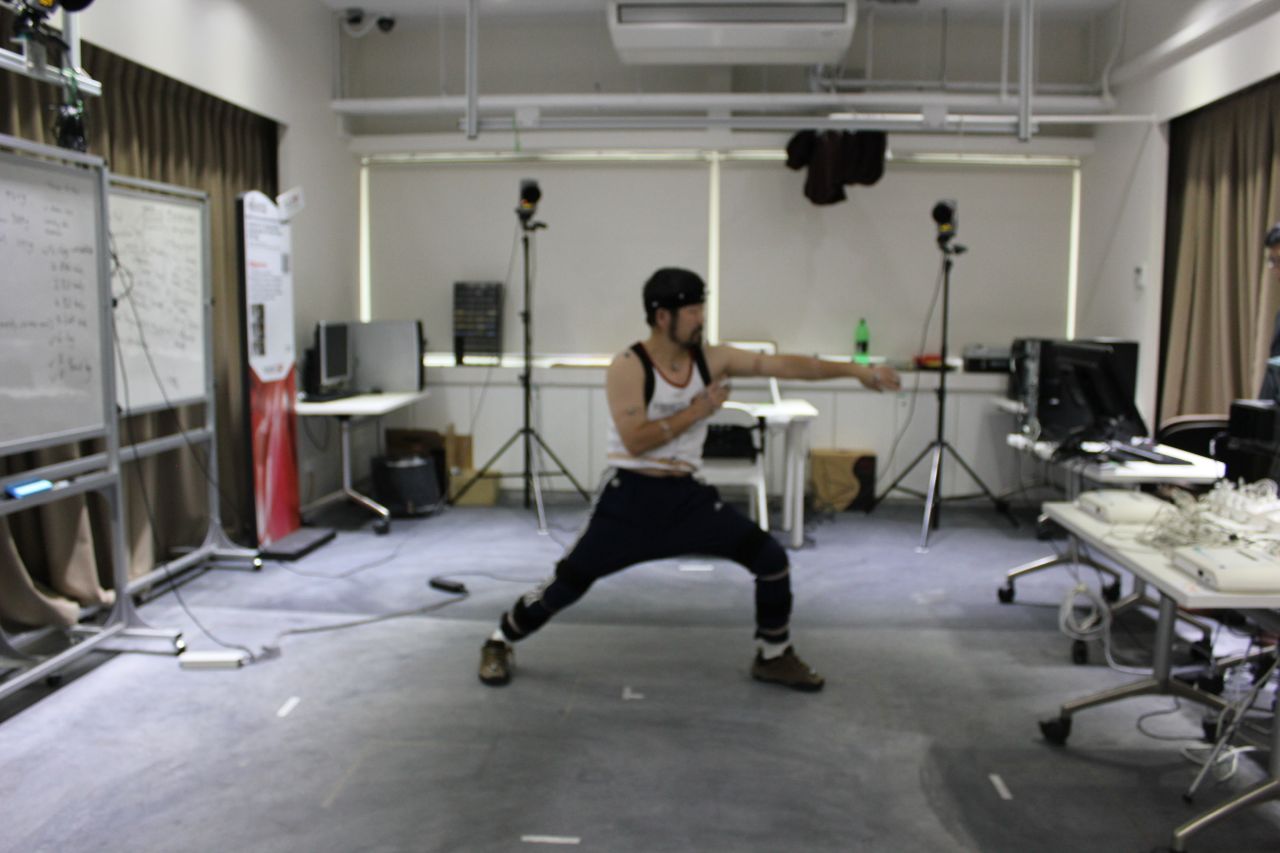
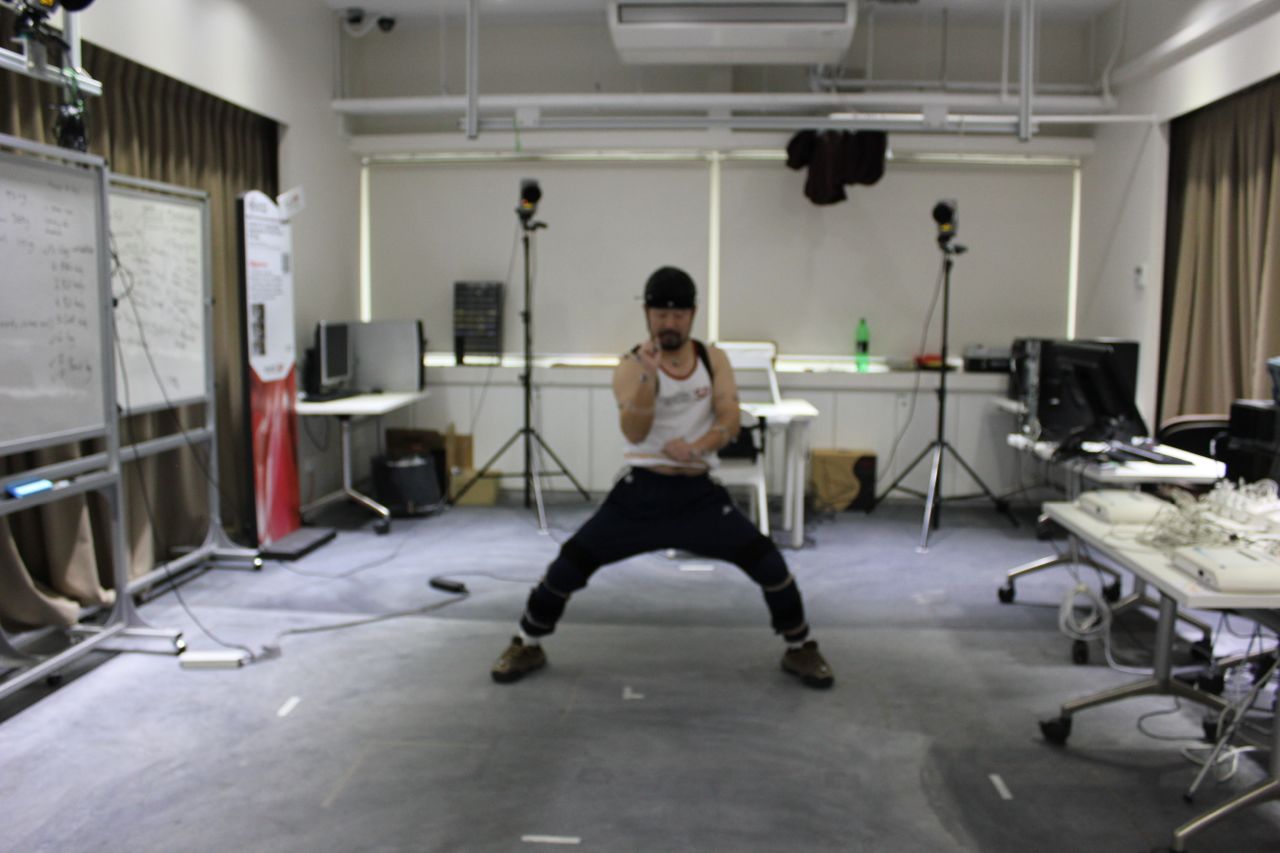
Chen Style Taijiquan Practical Method pays a great deal of attention to the lines on the human body. No matter in the performance of the routines, or in push hands, the body will naturally form energy lines. Some lines are formed quite naturally while others are formed gradually only after specialized training.
Knowledge
View posts in sub-category:
Application Articles Body and Posture Class (Workshop) Notes Common Errors Glossary and terms Hunyuan Knowledge-Movement Explanations Learning Method Principle-Concept Principle-List Principle-Rule Principle-Technical Push Hands Quotations Routine Names Routines Videos Stories Student Evaluations (Private) Taiji Apparatus Taiji FAQ Taiji Sword Thoughts and Understanding Workshop and Class Notes
Yesterday I was pushing hands with taiji brothers and felt distinctly different from before. I could feel that I was doing taiji with the lower body now. The form is starting to change my body structure. It is changing me. Please tell me what I should pay attention to at this stage.
- Sept. 22, 2011 Read more
Recently Master Chen was in Ottawa again to teach another three day seminar. On the last day I had the pleasure of attending. It began with some push hands, interspersed with Yilu practice and several exercises. During the course of his instruction Master Chen recounted many interesting stories and examples. Quite a number of concepts and principles were discussed, with the following notes summarizing elements of what I took away from this eventful day. Read more
In taijiquan movements, there is one correct way of doing a move but endless incorrect ways of trying to do the same move.
This is my first public Practical Method Yilu form display in Singapore.
-
- The elbow and waist (from one side of the waist to the other side) must have a Read more
- The hand and foot must have a connection through the waist, or dantiian area. In this case the waist becomes the modifier. Read more
Master: Double checking: Aside from the Kua opening, i.e. making a line towards the opponent, the Kua also rotates? That is it turns like a wheel along that line? That feeling is rather strong lately. Thanks! Nicholas
English Link: http://practicalmethod.com/2011/09/jiang-zhoucun-taiji-lecture-on-daqingshan-2011/
You can view the video locally here: 可以在这里观看:

Or through Tudou in China. 或通过中国土豆网观看:
Ping Wei is one of Master Chen Zhonghua’s indoor disciples. He lives and teaches Chen Style Taijiquan Practical Method in Phoenix, AZ. USA.
August 28, 6:30am, Phoenix, AZ. Temp: 35 C. Read more
“实用”拳法之我见
李信明
陈中华老师在2011年7月 首期大青山国内实用拳法培训班上,幽默地讲了一个小故事,大意是有个老猎人用了一辈子猎棒,技艺精熟,每次上山打猎都收获不少。有一天有人向他推荐新式的 火枪,并演示了用法和效果; Read more
A simple exercise we did this morning is to experience pushing by not pushing (forward).
Hunyuan World 2004 gave participants access to an enormous wealth of essential knowledge on taijiquan. One of these gems of information relates to peng, a topic of great interest to camp participants. As an example of the teaching available at Hunyuan World events, I share Master Chen Zhonghua’s response to students’ questions on peng, which also led to more general comments on his interpretation of taiji. Read more
(translated by Michael Koh of Singapore)
TaiJi Quan is a special and unique martial art from China. Similar to Chinese calligraphy, classics culture and Traditional Chinese Medicine, she is both profound and captivating. Causes many practitioners to train night and day, laboriously and diligently. However, the number of people who has mastered this art is like stars at dawn, far and few. My story of my Taiji journey is divided to before and after I come to know Master Chen Zhong Hua. This is my brief testimony as a show of gratitude (to Master Chen).
A clip from the Ireland 2010 workshop.
Taiji movement is similar to movement of the umbrella top, which is controlled by the ring around its handle.
Videos below.
为追思恩师而作
杨喜寿 Read more