 |
The Universal Logic of Relationship
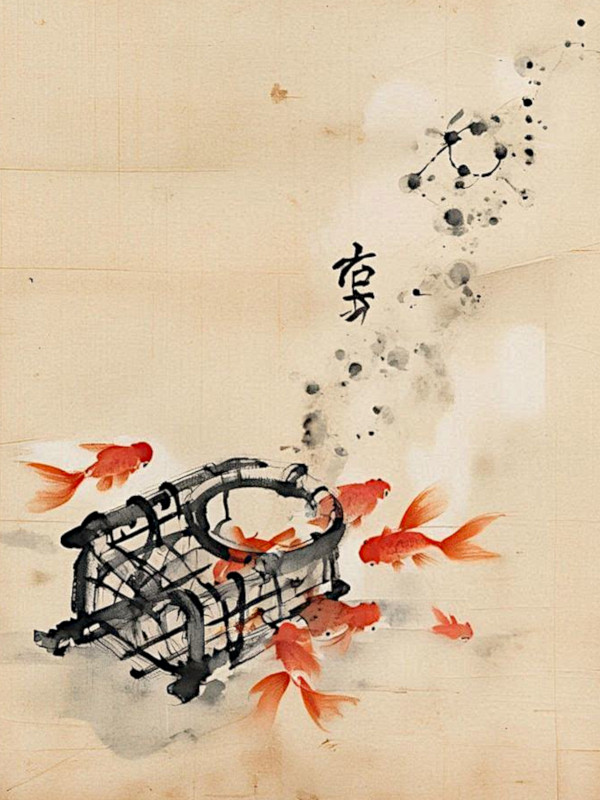
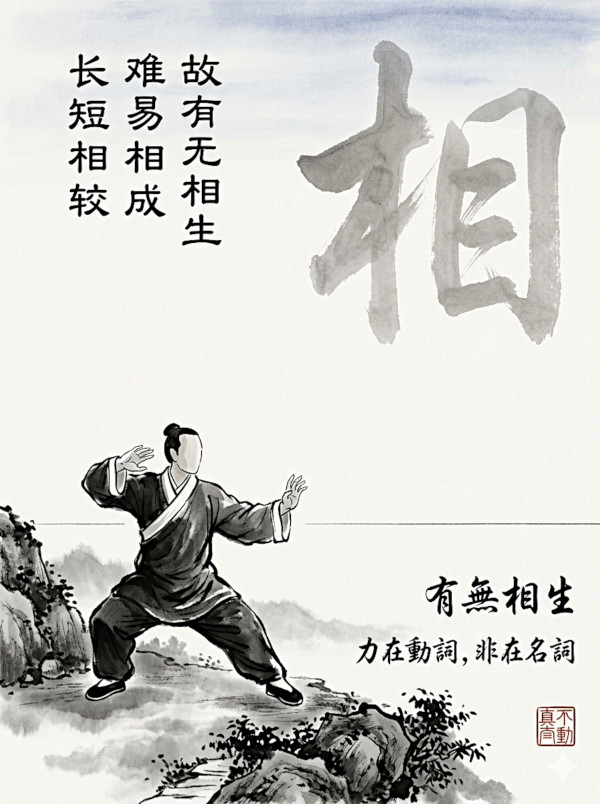
Most people view martial arts as a collection of techniques: strikes, stances, and sequences to repeat. But Taijiquan, practiced at its deepest level, is a living grammar written in bone, breath, and timing. This essay explores the moment philosophy stops being abstract and begins to animate the body. Drawing on the teachings of Masters Hong Junsheng and Chen Zhonghua, it traces how the relational logic of the Daodejing takes its most literal form in the coordination of a turning waist and a sinking elbow. |
| Through a close analysis of three classical movements, a startling claim emerges: every Taiji movement is a sentence with its own syntax. When the structure is flawed, the meaning collapses, and the failure is mechanical rather than aesthetic. In this system, power isn’t generated. It is earned through correct relationship. This is for anyone who suspects the body knows things the mind hasn’t yet mastered. | |
| (This article is based on the lecture notes Dynamic Pairs in Motion Toronto, 2010.) |
|
Knowledge : Workshop and Class Notes
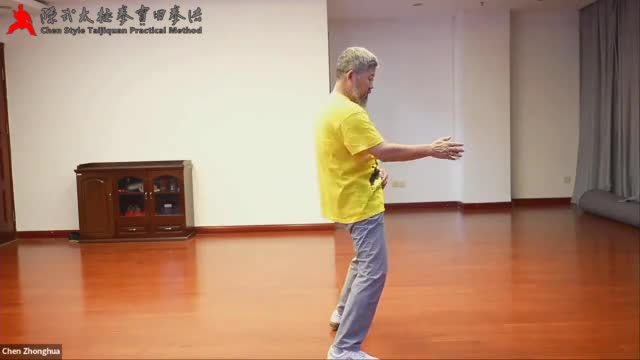
Presenter: Chen Zhonghua Length: 48 mins Difficulty: 3/5 Language: English
Year: 2026 Location: Edmonton, Canada
If you like this video, there is an even greater value in purchasing one of the packages below.
Purchase 2026 English Instructor Class Video Package
NOTE:
- Video packages are designed for the convenience of students.
- Some packages are in fact classifications of videos.
- Some videos in packages might have been published and purchased by you individually.
- Average prices of videos in packages are considerably lower than individual videos. The number of videos in the package will increase until the sum of all individual video prices equal to two times or more of the package price.
- In view of this, if you have purchased a video that are also included in a package your have purchased, or vice versa, we will not give refunds or equivalents.
- All videos in packages are paid videos. They are restricted to your personal viewing and other usage. You do not have copyright of the videos and therefore you do not have permission to give/share with others.
- Please note that as a customer/user of the website and/or student of Chen Zhonghua, you have given him and the companies/organizations he represents permission to use videos or photos with you, both personally and commercially.
- Making a paid purchase constitutes agreement to the above terms.
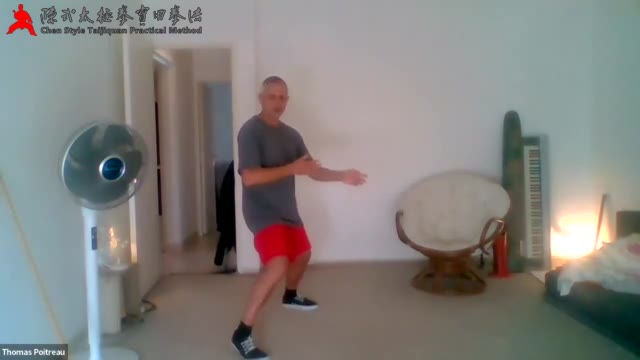
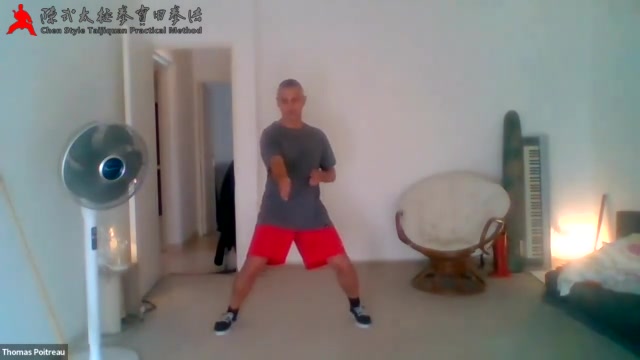
Presenter: Chen Zhonghua Length: 64 mins Difficulty: 3/5 Language: English
Year: 2026 Location: Edmonton, Canada
Presenter: Chen Zhonghua Length: 59 mins Difficulty: 3/5 Language: English
Year: 2026 Location: Edmonton, Canada
If you like this video, there is an even greater value in purchasing one of the packages below.
Purchase 2025 Chen Zhonghua Australian Class Video Package
NOTE:
- Video packages are designed for the convenience of students.
- Some packages are in fact classifications of videos.
- Some videos in packages might have been published and purchased by you individually.
- Average prices of videos in packages are considerably lower than individual videos. The number of videos in the package will increase until the sum of all individual video prices equal to two times or more of the package price.
- In view of this, if you have purchased a video that are also included in a package your have purchased, or vice versa, we will not give refunds or equivalents.
- All videos in packages are paid videos. They are restricted to your personal viewing and other usage. You do not have copyright of the videos and therefore you do not have permission to give/share with others.
- Please note that as a customer/user of the website and/or student of Chen Zhonghua, you have given him and the companies/organizations he represents permission to use videos or photos with you, both personally and commercially.
- Making a paid purchase constitutes agreement to the above terms.
Presenter: Chen Zhonghua Length: 54 mins Difficulty: 3/5 Language: English
Year: 2026 Location: Edmonton, Canada
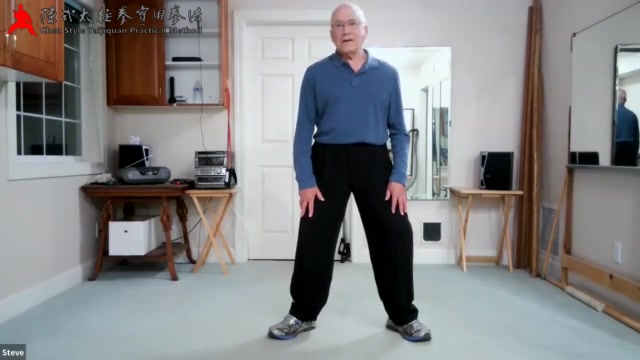
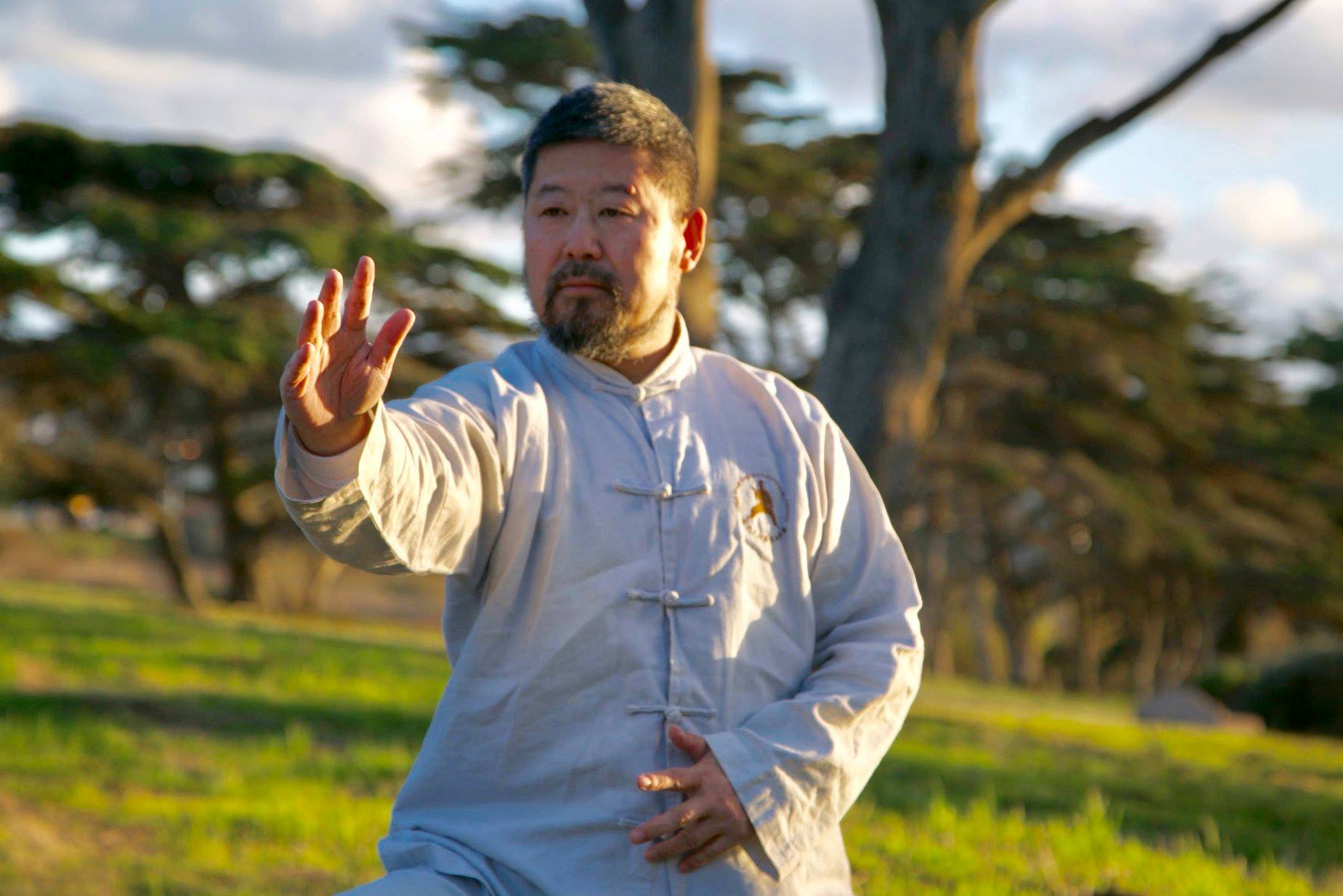
Presenter: Chen Zhonghua Length: 60 mins Difficulty: 3/5 Language: English
Year: 2026 Location: Edmonton, Canada
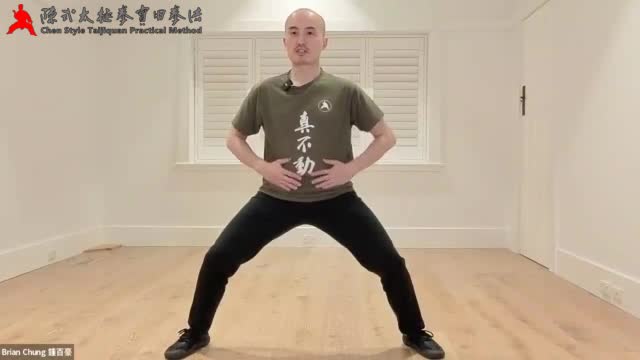
Presenter: Chen Zhonghua Length: 61 mins Difficulty: 3/5 Language: English
Year: 2026 Location: Edmonton, Canada
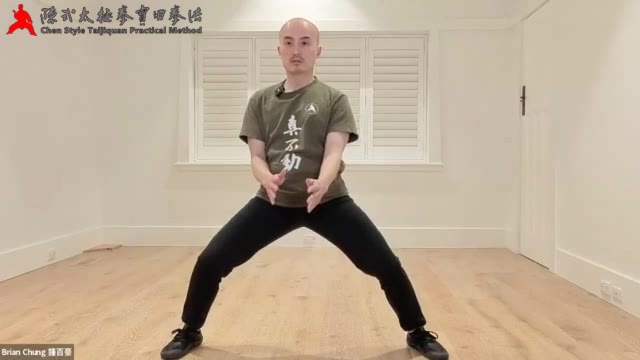
Presenter: Chen Zhonghua Length: 49 mins Difficulty: 3/5 Language: English
Year: 2026 Location: Edmonton, Canada
If you like this video, there is an even greater value in purchasing one of the packages below.
Purchase 202511-202610 Chen Zhonghua European Class Video Package
NOTE:
- Video packages are designed for the convenience of students.
- Some packages are in fact classifications of videos.
- Some videos in packages might have been published and purchased by you individually.
- Average prices of videos in packages are considerably lower than individual videos. The number of videos in the package will increase until the sum of all individual video prices equal to two times or more of the package price.
- In view of this, if you have purchased a video that are also included in a package your have purchased, or vice versa, we will not give refunds or equivalents.
- All videos in packages are paid videos. They are restricted to your personal viewing and other usage. You do not have copyright of the videos and therefore you do not have permission to give/share with others.
- Please note that as a customer/user of the website and/or student of Chen Zhonghua, you have given him and the companies/organizations he represents permission to use videos or photos with you, both personally and commercially.
- Making a paid purchase constitutes agreement to the above terms.
Presenter: Chen Zhonghua Length: 63 mins Difficulty: 3/5 Language: English
Year: 2026 Location: Edmonton, Canada
Presenter: Chen Zhonghua Length: 53 mins Difficulty: 3/5 Language: English
Year: 2026 Location: Edmonton, Canada
If you like this video, there is an even greater value in purchasing one of the packages below.
Purchase 2026 English Instructor Class Video Package
NOTE:
- Video packages are designed for the convenience of students.
- Some packages are in fact classifications of videos.
- Some videos in packages might have been published and purchased by you individually.
- Average prices of videos in packages are considerably lower than individual videos. The number of videos in the package will increase until the sum of all individual video prices equal to two times or more of the package price.
- In view of this, if you have purchased a video that are also included in a package your have purchased, or vice versa, we will not give refunds or equivalents.
- All videos in packages are paid videos. They are restricted to your personal viewing and other usage. You do not have copyright of the videos and therefore you do not have permission to give/share with others.
- Please note that as a customer/user of the website and/or student of Chen Zhonghua, you have given him and the companies/organizations he represents permission to use videos or photos with you, both personally and commercially.
- Making a paid purchase constitutes agreement to the above terms.
Presenter: Chen Zhonghua Length: 54 mins Difficulty: 3/5 Language: English
Year: 2026 Location: Edmonton, Canada
 |
The Mechanics of Distinction
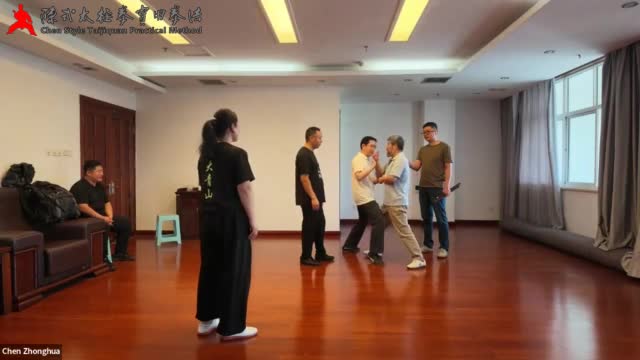
If philosophy is the blueprint, the body is the laboratory. In Part 2, we move from the page to the training hall to examine the uncompromising mechanics of the Chen Style Practical Method. Through a “grammar of symmetry,” we break down the functional role of the kua, the structural necessity of peng, and the explosive coordination of fajin. Learn why “one thing doing only one thing” is not just a training rule, but a mechanical requirement for structural integrity. |
| (This article is based on the lecture notes Dynamic Pairs in Motion Toronto, 2010.) |
|
Presenter: Chen Zhonghua Length: 52 mins Difficulty: 3/5 Language: English
Year: 2026 Location: Edmonton, Canada
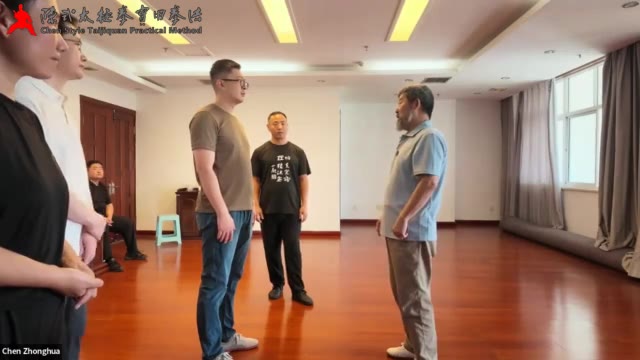
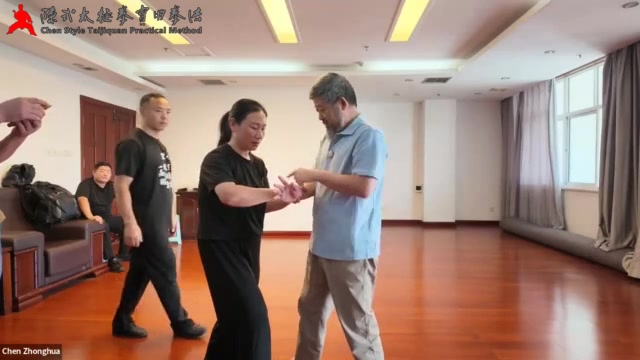
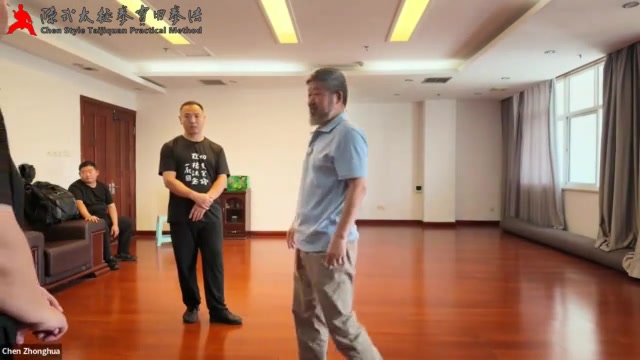
Presenter: Chen Zhonghua Length: 56 mins Difficulty: 3/5 Language: English
Year: 2026 Location: Edmonton, Canada
If you like this video, there is an even greater value in purchasing one of the packages below.
Purchase 202511-202610 Chen Zhonghua European Class Video Package
NOTE:
- Video packages are designed for the convenience of students.
- Some packages are in fact classifications of videos.
- Some videos in packages might have been published and purchased by you individually.
- Average prices of videos in packages are considerably lower than individual videos. The number of videos in the package will increase until the sum of all individual video prices equal to two times or more of the package price.
- In view of this, if you have purchased a video that are also included in a package your have purchased, or vice versa, we will not give refunds or equivalents.
- All videos in packages are paid videos. They are restricted to your personal viewing and other usage. You do not have copyright of the videos and therefore you do not have permission to give/share with others.
- Please note that as a customer/user of the website and/or student of Chen Zhonghua, you have given him and the companies/organizations he represents permission to use videos or photos with you, both personally and commercially.
- Making a paid purchase constitutes agreement to the above terms.
Presenter: Chen Zhonghua Length: 63 mins Difficulty: 3/5 Language: English
Year: 2026 Location: Edmonton, Canada
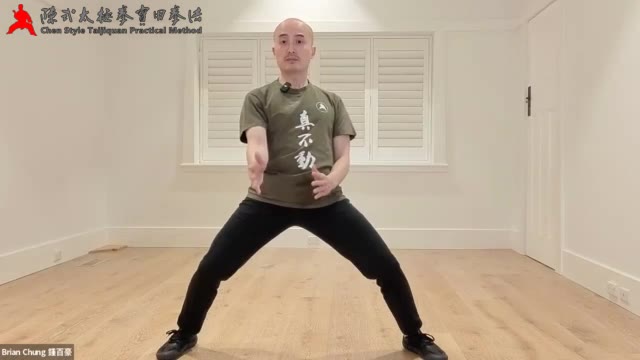
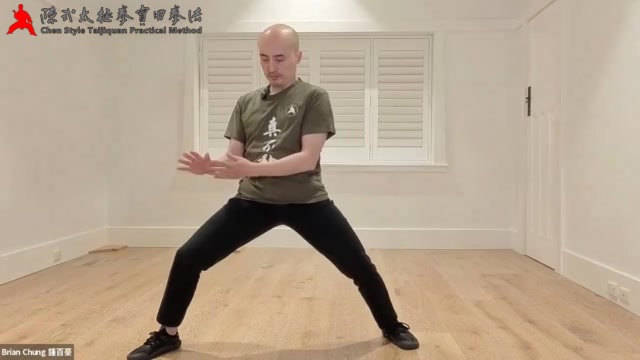
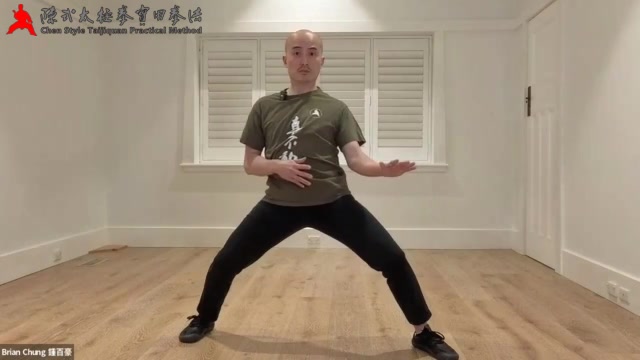
Presenter: Chen Zhonghua Length: 51 mins Difficulty: 3/5 Language: English
Year: 2026 Location: Edmonton, Canada
If you like this video, there is an even greater value in purchasing one of the packages below.
Purchase 2026 English Instructor Class Video Package
NOTE:
- Video packages are designed for the convenience of students.
- Some packages are in fact classifications of videos.
- Some videos in packages might have been published and purchased by you individually.
- Average prices of videos in packages are considerably lower than individual videos. The number of videos in the package will increase until the sum of all individual video prices equal to two times or more of the package price.
- In view of this, if you have purchased a video that are also included in a package your have purchased, or vice versa, we will not give refunds or equivalents.
- All videos in packages are paid videos. They are restricted to your personal viewing and other usage. You do not have copyright of the videos and therefore you do not have permission to give/share with others.
- Please note that as a customer/user of the website and/or student of Chen Zhonghua, you have given him and the companies/organizations he represents permission to use videos or photos with you, both personally and commercially.
- Making a paid purchase constitutes agreement to the above terms.
Presenter: Chen Zhonghua Length: 58 mins Difficulty: 3/5 Language: English
Year: 2026 Location: Edmonton, Canada
Presenter: Chen Zhonghua Length: 55 mins Difficulty: 3/5 Language: English
Year: 2026 Location: Edmonton, Canada
Presenter: Chen Zhonghua Length: 66 mins Difficulty: 3/5 Language: English
Year: 2026 Location: Edmonton, Canada
Presenter: Chen Zhonghua Length: 65 mins Difficulty: 3/5 Language: English
Year: 2026 Location: Edmonton, Canada
Presenter: Chen Zhonghua Length: 49 mins Difficulty: 3/5 Language: English
Year: 2026 Location: Edmonton, Canada
If you like this video, there is an even greater value in purchasing one of the packages below.
Purchase 202511-202610 Chen Zhonghua European Class Video Package
NOTE:
- Video packages are designed for the convenience of students.
- Some packages are in fact classifications of videos.
- Some videos in packages might have been published and purchased by you individually.
- Average prices of videos in packages are considerably lower than individual videos. The number of videos in the package will increase until the sum of all individual video prices equal to two times or more of the package price.
- In view of this, if you have purchased a video that are also included in a package your have purchased, or vice versa, we will not give refunds or equivalents.
- All videos in packages are paid videos. They are restricted to your personal viewing and other usage. You do not have copyright of the videos and therefore you do not have permission to give/share with others.
- Please note that as a customer/user of the website and/or student of Chen Zhonghua, you have given him and the companies/organizations he represents permission to use videos or photos with you, both personally and commercially.
- Making a paid purchase constitutes agreement to the above terms.
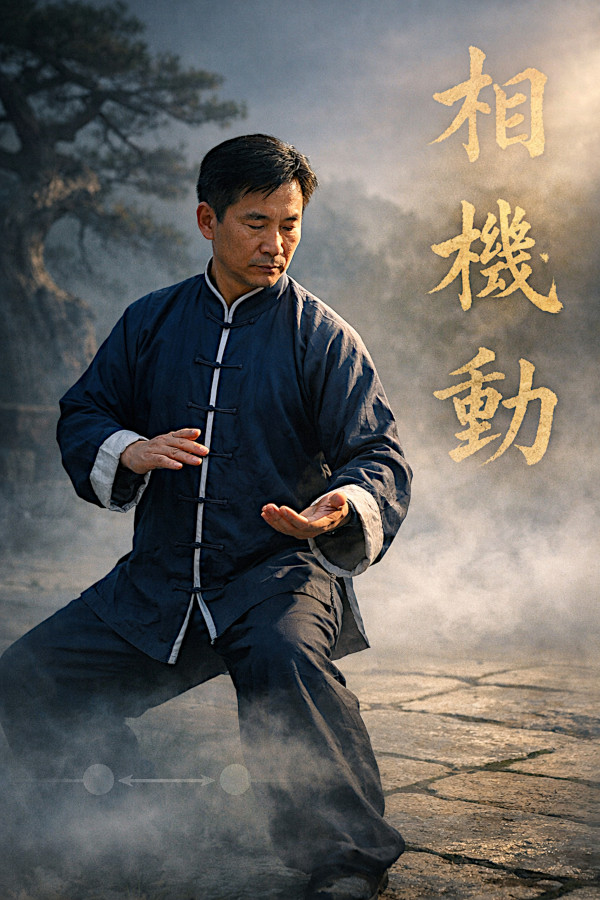 |
Master Chen’s Refinement of Daoist Dialectics
Most explanations of Taijiquan begin with qualities: relaxation, balance, yielding. These are not incorrect, but they are imprecise. They describe how the art appears, not how it works. This essay proposes a more exact frame: Taijiquan operates as a kind of grammar. Its power does not arise from isolated techniques or attributes, but from structured relationships between parts, governed by rules as precise as those that organize language. |
| Classical Daoist texts provide the earliest articulation of this logic. The Daodejing expresses it through relational verbs: being and non-being generate each other; difficult and easy complete each other. The Zhuangzi dissolves fixed identity, showing that meaning arises only through relation. Twentieth-century masters such as Hong Junsheng and Chen Zhonghua do not merely reinterpret these ideas. They enact them physically. What appears across these sources is not only conceptual continuity, but a shared functional logic. | |
| (This article is based on the lecture notes Dynamic Pairs in Motion Toronto, 2010.) |
|
Presenter: Chen Zhonghua Length: 56 mins Difficulty: 3/5 Language: English
Year: 2026 Location: Edmonton, Canada
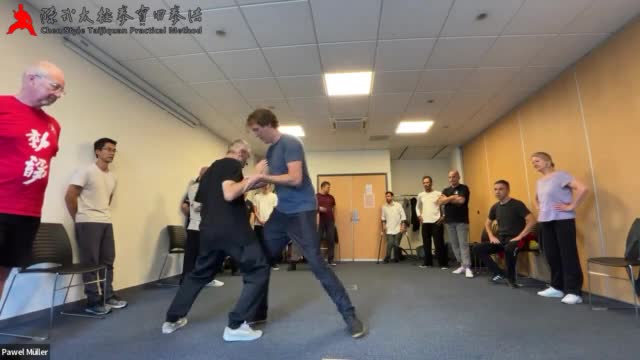
Presenter: Chen Zhonghua Length: 53 mins Difficulty: 3/5 Language: English
Year: 2026 Location: Edmonton, Canada
If you like this video, there is an even greater value in purchasing one of the packages below.
Purchase 2026 English Instructor Class Video Package
NOTE:
- Video packages are designed for the convenience of students.
- Some packages are in fact classifications of videos.
- Some videos in packages might have been published and purchased by you individually.
- Average prices of videos in packages are considerably lower than individual videos. The number of videos in the package will increase until the sum of all individual video prices equal to two times or more of the package price.
- In view of this, if you have purchased a video that are also included in a package your have purchased, or vice versa, we will not give refunds or equivalents.
- All videos in packages are paid videos. They are restricted to your personal viewing and other usage. You do not have copyright of the videos and therefore you do not have permission to give/share with others.
- Please note that as a customer/user of the website and/or student of Chen Zhonghua, you have given him and the companies/organizations he represents permission to use videos or photos with you, both personally and commercially.
- Making a paid purchase constitutes agreement to the above terms.
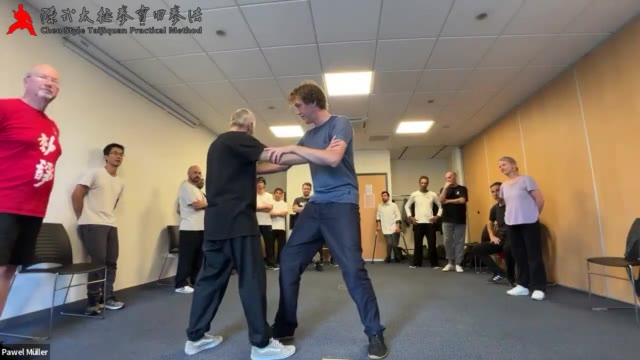
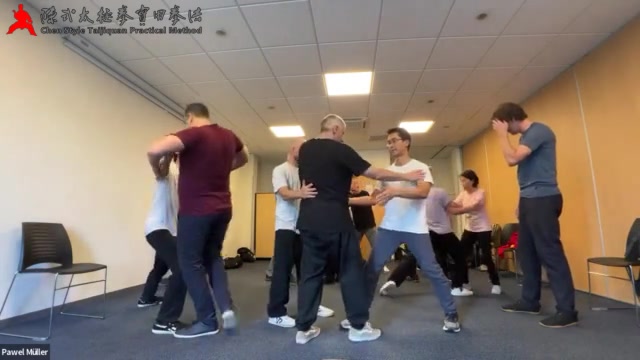
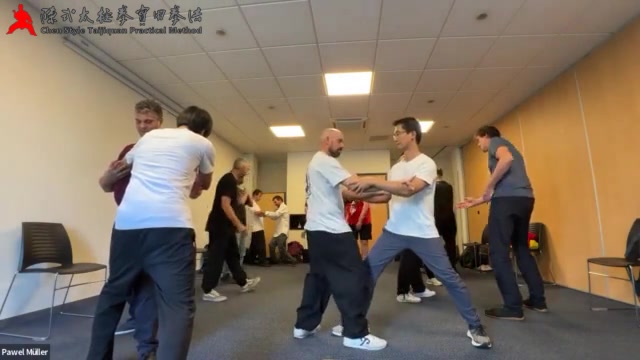
Presenter: Chen Zhonghua Length: 58 mins Difficulty: 3/5 Language: English
Year: 2026 Location: Edmonton, Canada
If you like this video, there is an even greater value in purchasing one of the packages below.
Purchase 2025 Chen Zhonghua Australian Class Video Package
NOTE:
- Video packages are designed for the convenience of students.
- Some packages are in fact classifications of videos.
- Some videos in packages might have been published and purchased by you individually.
- Average prices of videos in packages are considerably lower than individual videos. The number of videos in the package will increase until the sum of all individual video prices equal to two times or more of the package price.
- In view of this, if you have purchased a video that are also included in a package your have purchased, or vice versa, we will not give refunds or equivalents.
- All videos in packages are paid videos. They are restricted to your personal viewing and other usage. You do not have copyright of the videos and therefore you do not have permission to give/share with others.
- Please note that as a customer/user of the website and/or student of Chen Zhonghua, you have given him and the companies/organizations he represents permission to use videos or photos with you, both personally and commercially.
- Making a paid purchase constitutes agreement to the above terms.
Presenter: Chen Zhonghua Length: 55 mins Difficulty: 3/5 Language: English
Year: 2026 Location: Edmonton, Canada
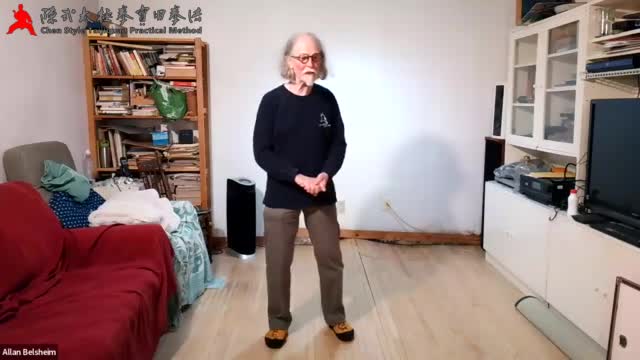
Presenter: Chen Zhonghua Length: 54 mins Difficulty: 3/5 Language: English
Year: 2026 Location: Edmonton, Canada
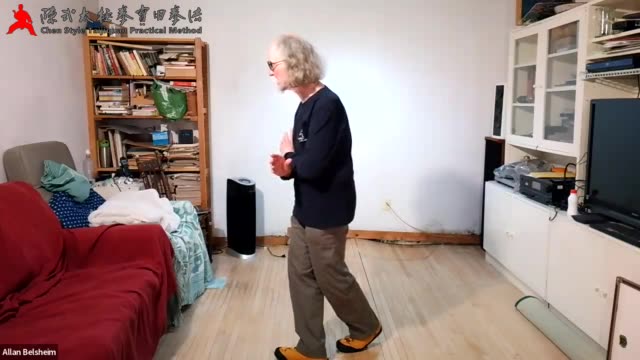
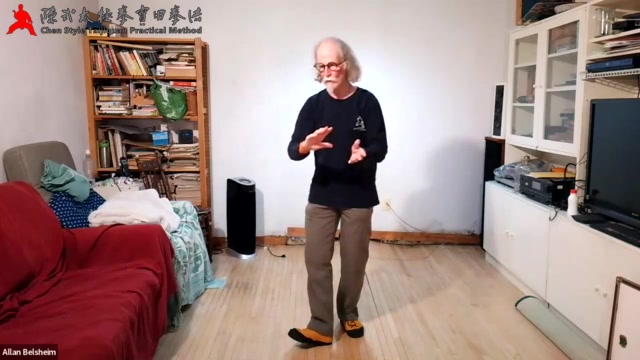
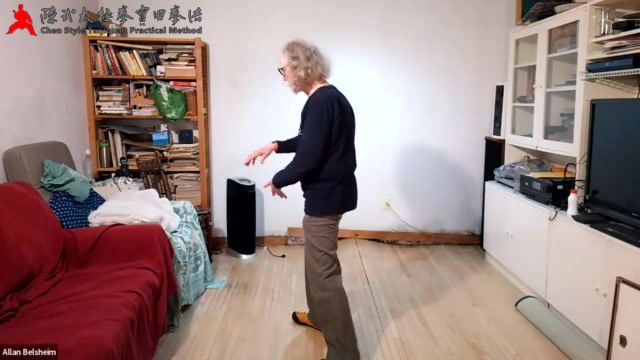
Presenter: Chen Zhonghua Length: 67 mins Difficulty: 3/5 Language: English
Year: 2026 Location: Edmonton, Canada
Presenter: Chen Zhonghua Length: 61 mins Difficulty: 3/5 Language: English
Year: 2026 Location: Edmonton, Canada
Presenter: Chen Zhonghua Length: 54 mins Difficulty: 3/5 Language: English
Year: 2026 Location: Edmonton, Canada
If you like this video, there is an even greater value in purchasing one of the packages below.
Purchase 2026 English Instructor Class Video Package
NOTE:
- Video packages are designed for the convenience of students.
- Some packages are in fact classifications of videos.
- Some videos in packages might have been published and purchased by you individually.
- Average prices of videos in packages are considerably lower than individual videos. The number of videos in the package will increase until the sum of all individual video prices equal to two times or more of the package price.
- In view of this, if you have purchased a video that are also included in a package your have purchased, or vice versa, we will not give refunds or equivalents.
- All videos in packages are paid videos. They are restricted to your personal viewing and other usage. You do not have copyright of the videos and therefore you do not have permission to give/share with others.
- Please note that as a customer/user of the website and/or student of Chen Zhonghua, you have given him and the companies/organizations he represents permission to use videos or photos with you, both personally and commercially.
- Making a paid purchase constitutes agreement to the above terms.
Presenter: Chen Zhonghua Length: 67 mins Difficulty: 3/5 Language: English
Year: 2026 Location: Edmonton, Canada
If you like this video, there is an even greater value in purchasing one of the packages below.
Purchase 2025 Chen Zhonghua Australian Class Video Package
NOTE:
- Video packages are designed for the convenience of students.
- Some packages are in fact classifications of videos.
- Some videos in packages might have been published and purchased by you individually.
- Average prices of videos in packages are considerably lower than individual videos. The number of videos in the package will increase until the sum of all individual video prices equal to two times or more of the package price.
- In view of this, if you have purchased a video that are also included in a package your have purchased, or vice versa, we will not give refunds or equivalents.
- All videos in packages are paid videos. They are restricted to your personal viewing and other usage. You do not have copyright of the videos and therefore you do not have permission to give/share with others.
- Please note that as a customer/user of the website and/or student of Chen Zhonghua, you have given him and the companies/organizations he represents permission to use videos or photos with you, both personally and commercially.
- Making a paid purchase constitutes agreement to the above terms.

Presenter: Chen Zhonghua Length: 53 mins Difficulty: 3/5 Language: English
Year: 2026 Location: Edmonton, Canada


Presenter: Chen Zhonghua Length: 54 mins Difficulty: 3/5 Language: English
Year: 2026 Location: Edmonton, Canada


Presenter: Chen Zhonghua Length: 66 mins Difficulty: 3/5 Language: English
Year: 2026 Location: Edmonton, Canada
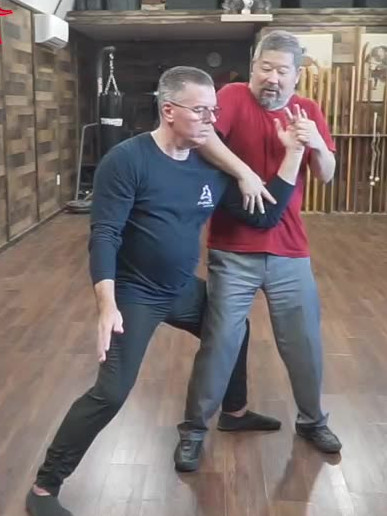 |
Michael Calandra, a retired veteran of the NYPD, 10th Dan Hanshi in Isshin-Ryu Karate, and owner of the Seishinkan West Dojo in Wittmann, Arizona, hosts The Martial Truth Podcast. In this wide-ranging conversation, Master Chen Zhonghua details his journey from a university student collecting Wushu forms to becoming the International Representative for the Chen Style Taijiquan Practical Method. The interview opens with the vivid story of his encounter with a “mystery master” in a public park. An experience that shattered his previous understanding of martial arts and led him to become a disciple of the legendary Hong Junsheng. |
| The discussion shifts to the physical manifestation of this art: Daqingshan. Master Chen describes the transformation of a barren, secluded mountain into a massive, 200,000-square-foot international training center and home to an annual International Taiji competition. He emphasizes the importance of integrity in his sponsored competition, explaining how he utilizes modern technology and international judges to eliminate the bias and corruption that often plague traditional martial arts tournaments.Finally, the dialogue tackles the controversial “Internal vs. External” debate. Master Chen rejects the notion of “internal” as a mysterious or magical shortcut, instead using the “Stealth Fighter” analogy to describe high-level engineering and hidden mechanics. He concludes by asserting that the legendary health benefits of Taiji are a direct byproduct of its martial structure; without the rigorous training and correct alignment required for combat, the art loses its inherent power to heal and prolong life. | |
|
Adapted from a Podcast Transcript:
“The Martial Truth Podcast EP20” Interview with Master Chen Zhonghua 1 broadcasted Jul 24, 2023 |
|
Presenter: Chen Zhonghua Length: 54 mins Difficulty: 3/5 Language: English
Year: 2026 Location: Edmonton, Canada
If you like this video, there is an even greater value in purchasing one of the packages below.
Purchase 2026 English Instructor Class Video Package
NOTE:
- Video packages are designed for the convenience of students.
- Some packages are in fact classifications of videos.
- Some videos in packages might have been published and purchased by you individually.
- Average prices of videos in packages are considerably lower than individual videos. The number of videos in the package will increase until the sum of all individual video prices equal to two times or more of the package price.
- In view of this, if you have purchased a video that are also included in a package your have purchased, or vice versa, we will not give refunds or equivalents.
- All videos in packages are paid videos. They are restricted to your personal viewing and other usage. You do not have copyright of the videos and therefore you do not have permission to give/share with others.
- Please note that as a customer/user of the website and/or student of Chen Zhonghua, you have given him and the companies/organizations he represents permission to use videos or photos with you, both personally and commercially.
- Making a paid purchase constitutes agreement to the above terms.
Presenter: Chen Zhonghua Length: 57 mins Difficulty: 3/5 Language: English
Year: 2026 Location: Edmonton, Canada
Presenter: Chen Zhonghua Length: 61 mins Difficulty: 3/5 Language: English
Year: 2026 Location: Edmonton, Canada
Presenter: Chen Zhonghua Length: 45 mins Difficulty: 3/5 Language: English
Year: 2026 Location: Edmonton, Canada
If you like this video, there is an even greater value in purchasing one of the packages below.
Purchase 2025 Chen Zhonghua Australian Class Video Package
NOTE:
- Video packages are designed for the convenience of students.
- Some packages are in fact classifications of videos.
- Some videos in packages might have been published and purchased by you individually.
- Average prices of videos in packages are considerably lower than individual videos. The number of videos in the package will increase until the sum of all individual video prices equal to two times or more of the package price.
- In view of this, if you have purchased a video that are also included in a package your have purchased, or vice versa, we will not give refunds or equivalents.
- All videos in packages are paid videos. They are restricted to your personal viewing and other usage. You do not have copyright of the videos and therefore you do not have permission to give/share with others.
- Please note that as a customer/user of the website and/or student of Chen Zhonghua, you have given him and the companies/organizations he represents permission to use videos or photos with you, both personally and commercially.
- Making a paid purchase constitutes agreement to the above terms.
Presenter: Chen Zhonghua Length: 55 mins Difficulty: 3/5 Language: English
Year: 2026 Location: Edmonton, Canada