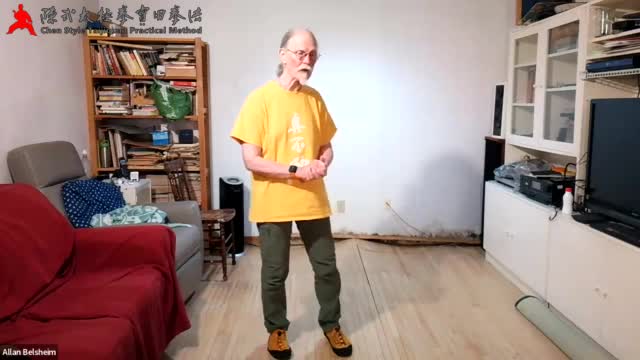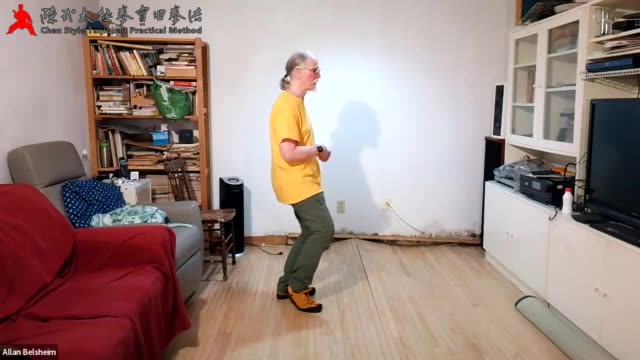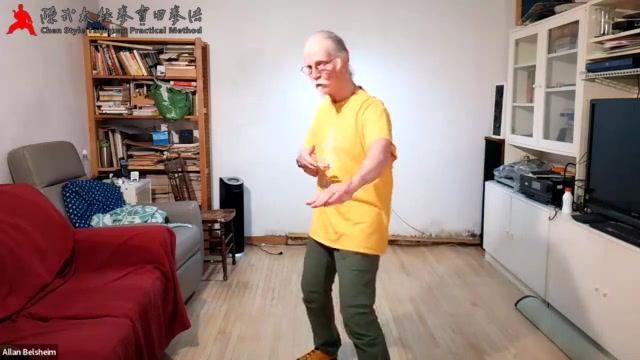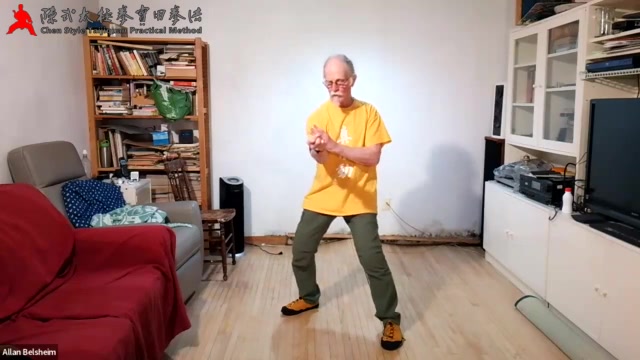
Presenter: Chen Zhonghua Length: 63 mins Difficulty: 3/5 Language: English
Year: 2026 Location: Edmonton, Canada
Chen Style Taijiquan and Hunyuan Taiji email: practicalmethod@qq.com
View posts in sub-category:
Application Articles Body and Posture Class (Workshop) Notes Common Errors Glossary and terms Hunyuan Knowledge-Movement Explanations Learning Method Principle-Concept Principle-List Principle-Rule Principle-Technical Push Hands Quotations Routine Names Routines Videos Stories Student Evaluations (Private) Taiji Apparatus Taiji FAQ Taiji Sword Thoughts and Understanding Workshop and Class Notes



 |
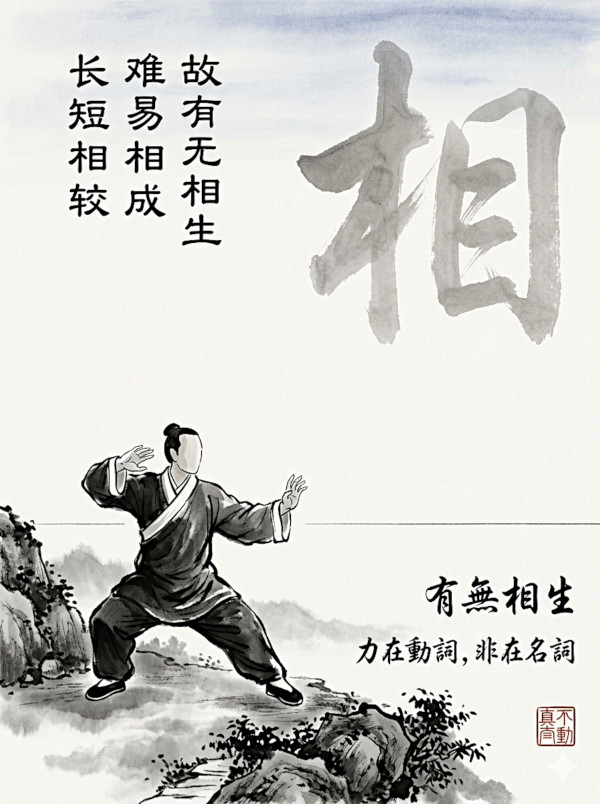
The Universal Logic of Relationship
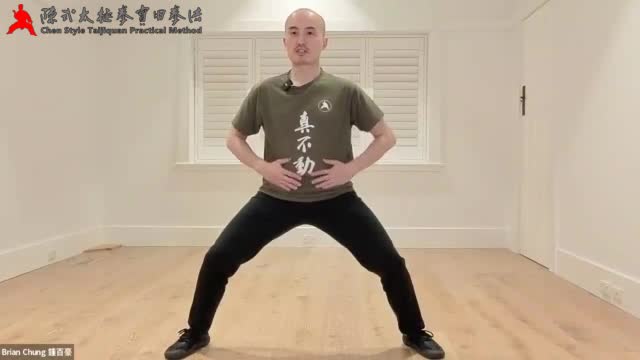
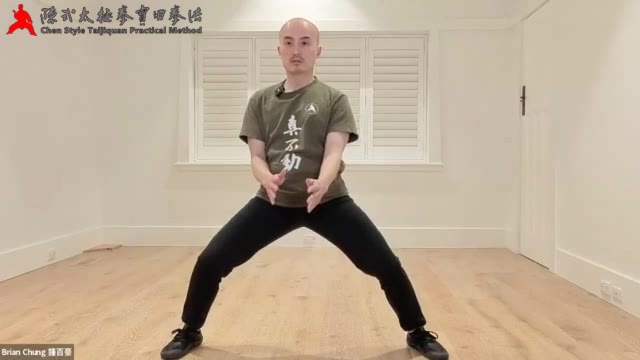
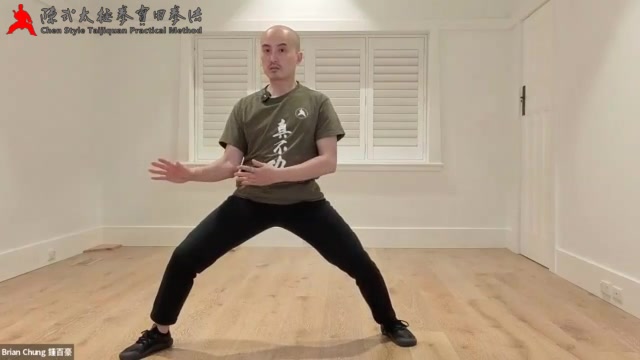
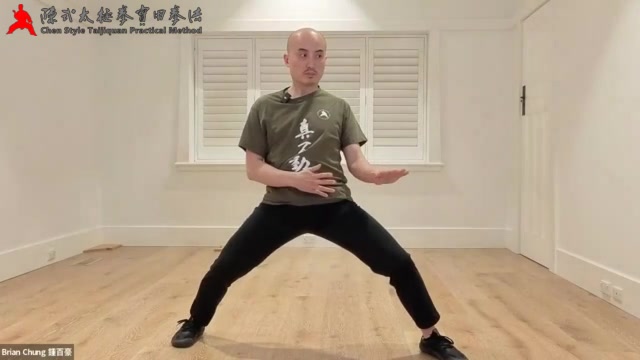
Most people view martial arts as a collection of techniques: strikes, stances, and sequences to repeat. But Taijiquan, practiced at its deepest level, is a living grammar written in bone, breath, and timing. This essay explores the moment philosophy stops being abstract and begins to animate the body. Drawing on the teachings of Masters Hong Junsheng and Chen Zhonghua, it traces how the relational logic of the Daodejing takes its most literal form in the coordination of a turning waist and a sinking elbow. |
| Through a close analysis of three classical movements, a startling claim emerges: every Taiji movement is a sentence with its own syntax. When the structure is flawed, the meaning collapses, and the failure is mechanical rather than aesthetic. In this system, power isn’t generated. It is earned through correct relationship. This is for anyone who suspects the body knows things the mind hasn’t yet mastered. | |
| (This article is based on the lecture notes Dynamic Pairs in Motion Toronto, 2010.) |
|
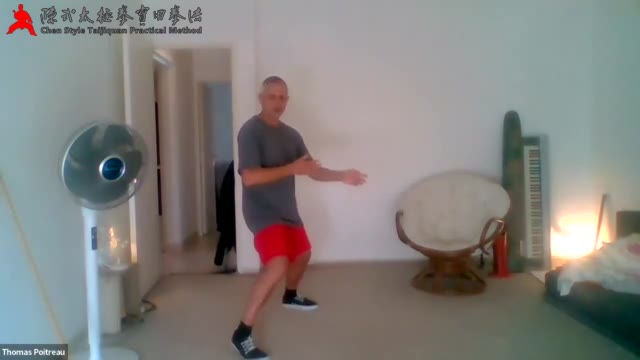
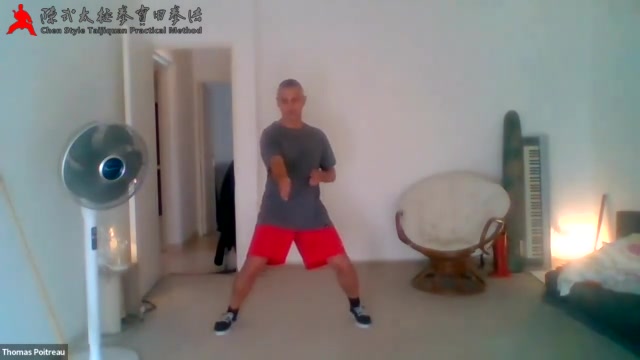
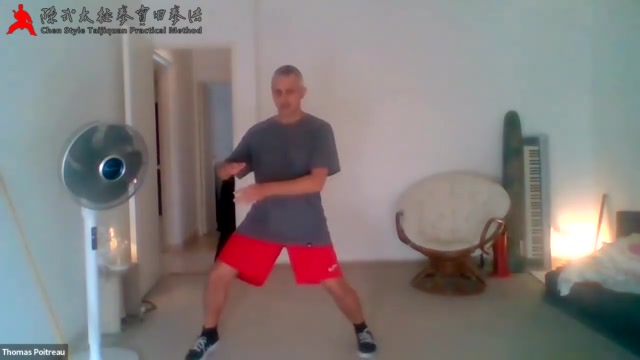
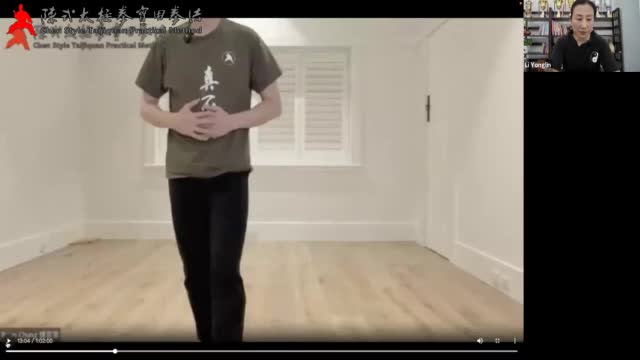
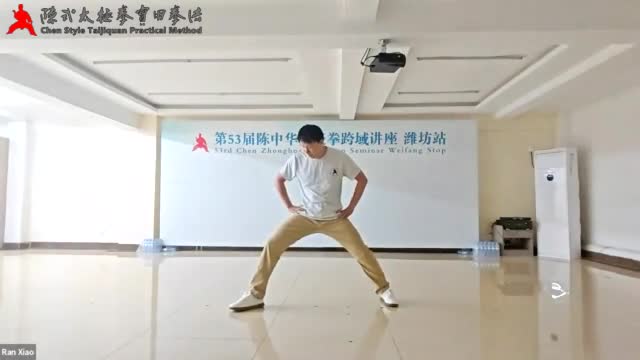
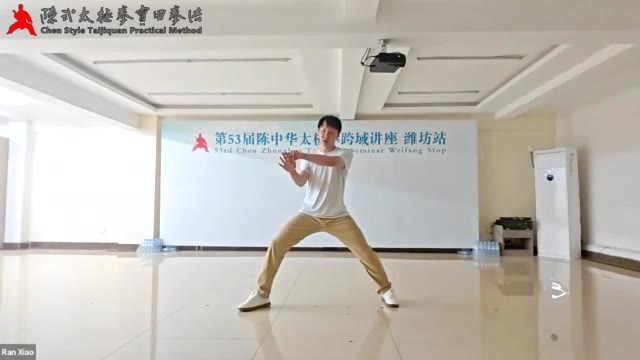
 |
The Mechanics of Distinction
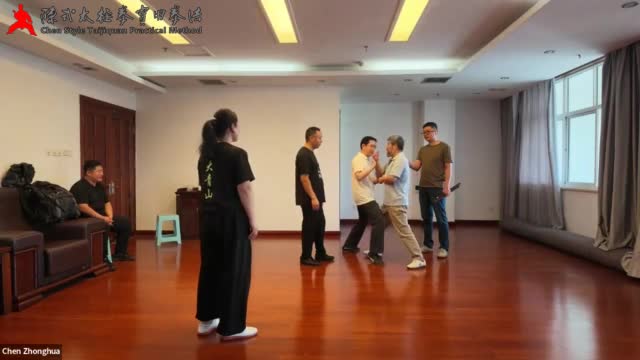
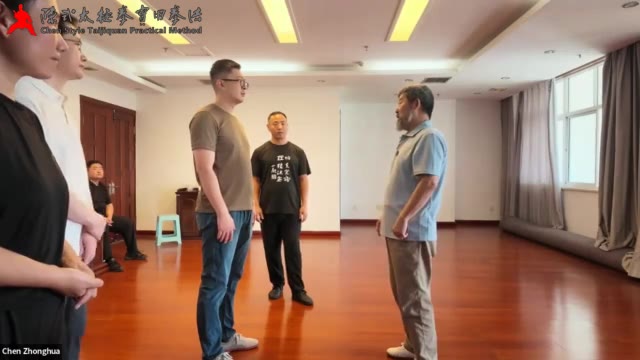
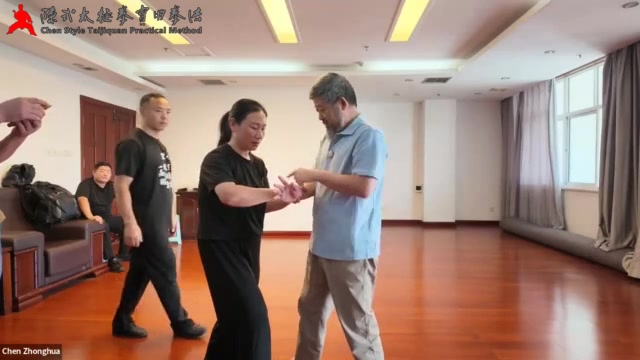
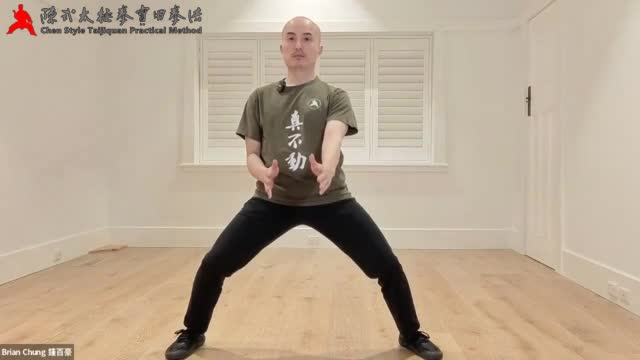
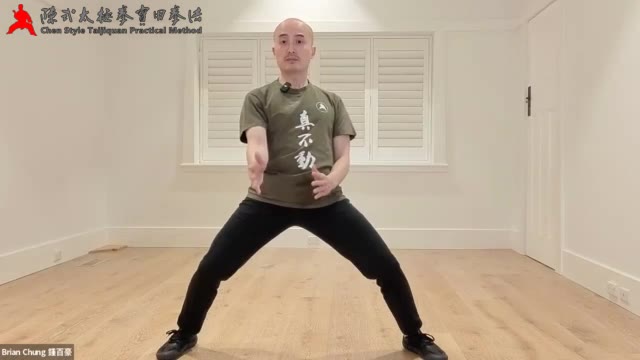
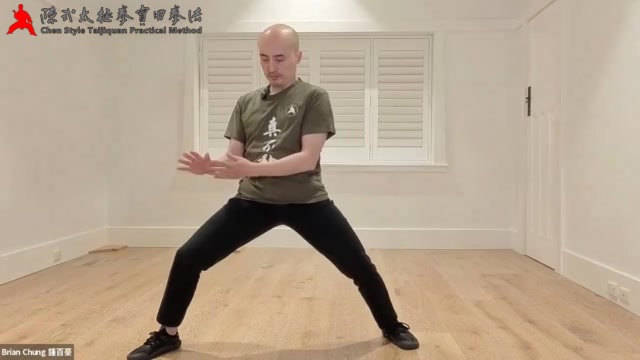
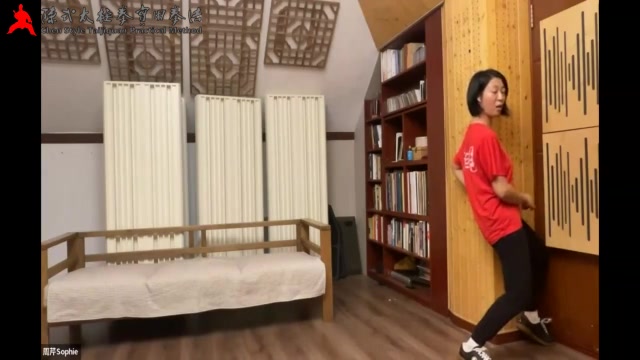
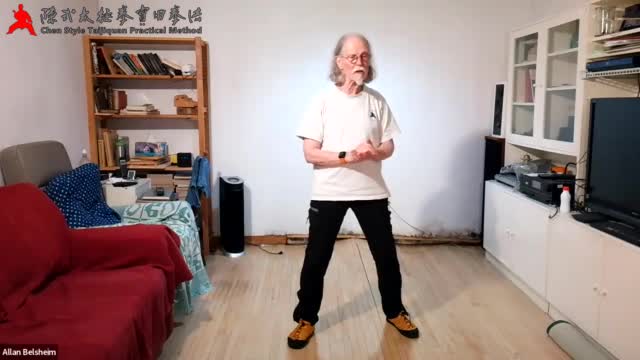
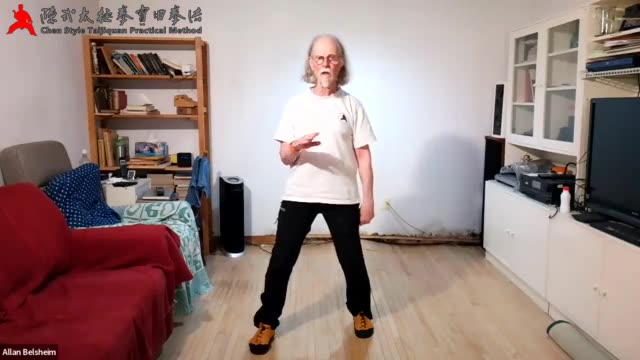
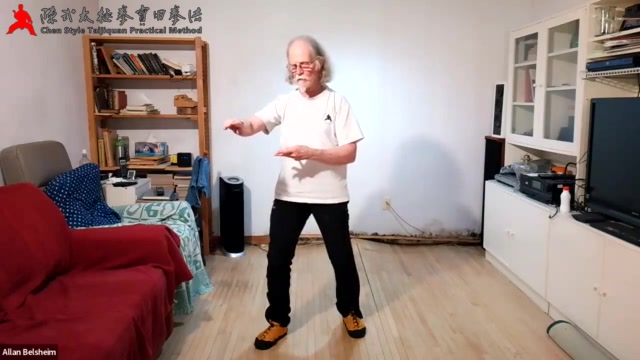
If philosophy is the blueprint, the body is the laboratory. In Part 2, we move from the page to the training hall to examine the uncompromising mechanics of the Chen Style Practical Method. Through a “grammar of symmetry,” we break down the functional role of the kua, the structural necessity of peng, and the explosive coordination of fajin. Learn why “one thing doing only one thing” is not just a training rule, but a mechanical requirement for structural integrity. |
| (This article is based on the lecture notes Dynamic Pairs in Motion Toronto, 2010.) |
|
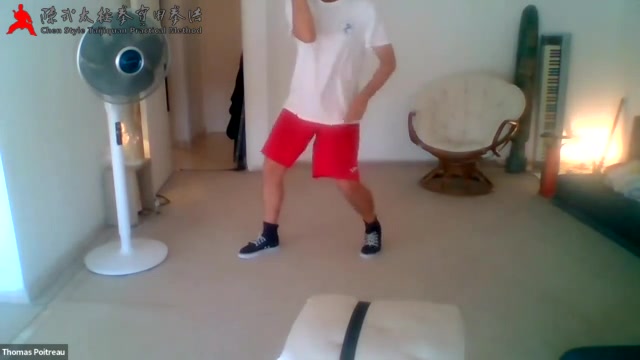
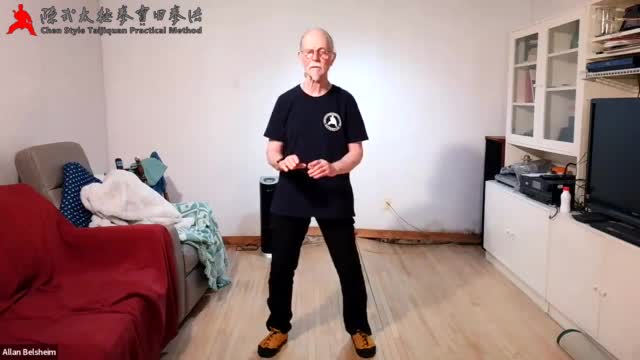
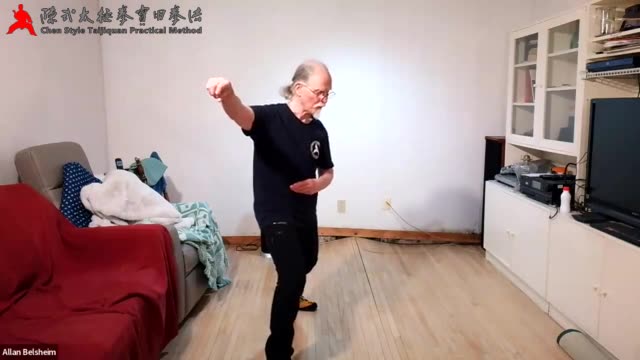
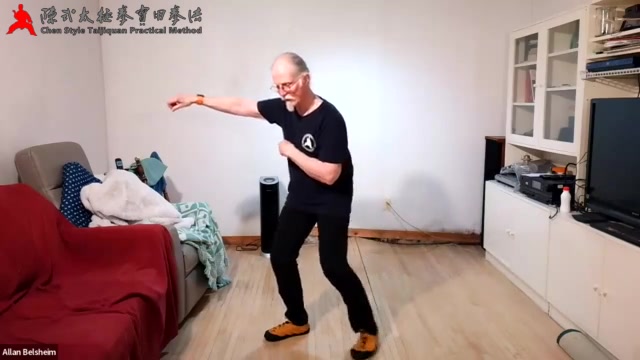
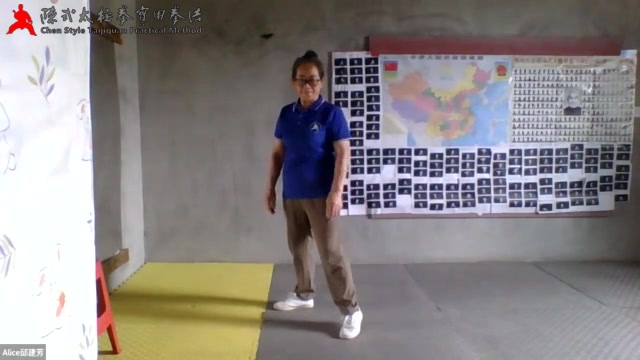
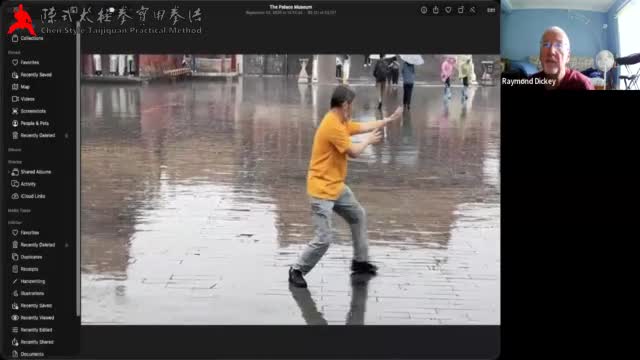
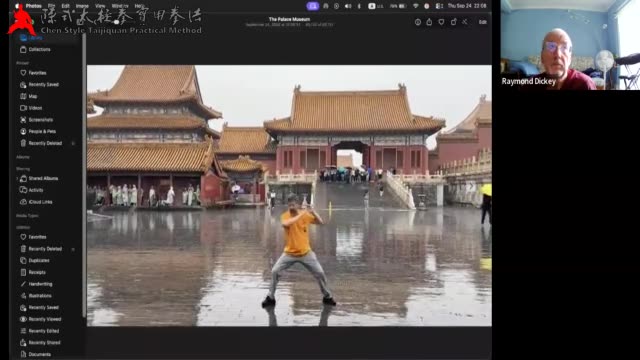
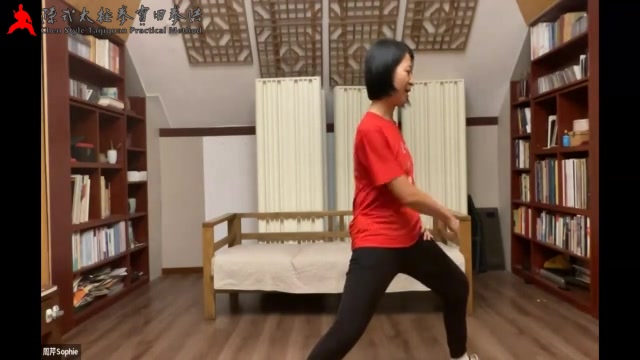
 |
Master Chen’s Refinement of Daoist Dialectics
Most explanations of Taijiquan begin with qualities: relaxation, balance, yielding. These are not incorrect, but they are imprecise. They describe how the art appears, not how it works. This essay proposes a more exact frame: Taijiquan operates as a kind of grammar. Its power does not arise from isolated techniques or attributes, but from structured relationships between parts, governed by rules as precise as those that organize language. |
| Classical Daoist texts provide the earliest articulation of this logic. The Daodejing expresses it through relational verbs: being and non-being generate each other; difficult and easy complete each other. The Zhuangzi dissolves fixed identity, showing that meaning arises only through relation. Twentieth-century masters such as Hong Junsheng and Chen Zhonghua do not merely reinterpret these ideas. They enact them physically. What appears across these sources is not only conceptual continuity, but a shared functional logic. | |
| (This article is based on the lecture notes Dynamic Pairs in Motion Toronto, 2010.) |
|