 (translated by Michael Koh of Singapore)
TaiJi Quan is a special and unique martial art from China. Similar to Chinese calligraphy, classics culture and Traditional Chinese Medicine, she is both profound and captivating. Causes many practitioners to train night and day, laboriously and diligently. However, the number of people who has mastered this art is like stars at dawn, far and few. My story of my Taiji journey is divided to before and after I come to know Master Chen Zhong Hua. This is my brief testimony as a show of gratitude (to Master Chen).
Knowledge
View posts in sub-category:
Application Articles Body and Posture Class (Workshop) Notes Common Errors Glossary and terms Hunyuan Knowledge-Movement Explanations Learning Method Principle-Concept Principle-List Principle-Rule Principle-Technical Push Hands Quotations Routine Names Routines Videos Stories Student Evaluations (Private) Taiji Apparatus Taiji FAQ Taiji Sword Thoughts and Understanding Workshop and Class Notes
A clip from the Ireland 2010 workshop.
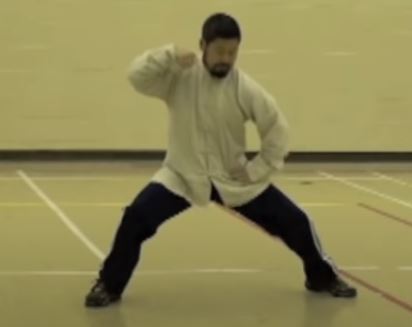
Taiji movement is similar to movement of the umbrella top, which is controlled by the ring around its handle.
Videos below.
为追思恩师而作
杨喜寿 Read more
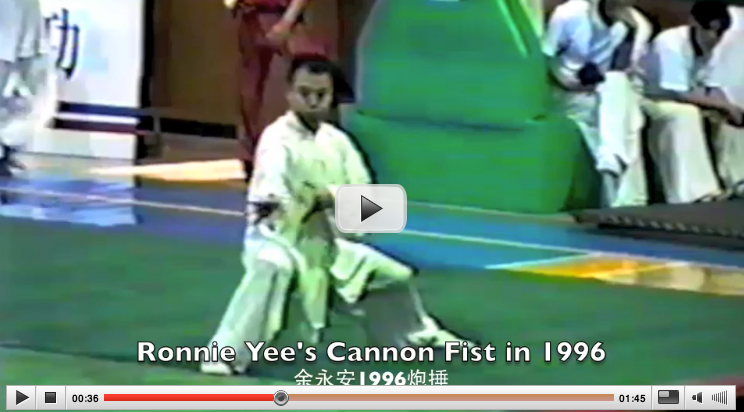
一、关于基本功
单手圈:手臂放松,身体保持不动,坐腕(手腕伸直),肘顶肋,力落在后脚;出手不出肘,收肘不收手;手要高于肩,头不动手不抬肩下沉
正圈手在肘之上;反圈肘在手之上 Read more
This time is the third time I went to DaQingshan. I feel excited. I was lucky to have attended the first Daqingshan Chen style taijiquan practical method training course by Master Chen and Hong Sen, my father.
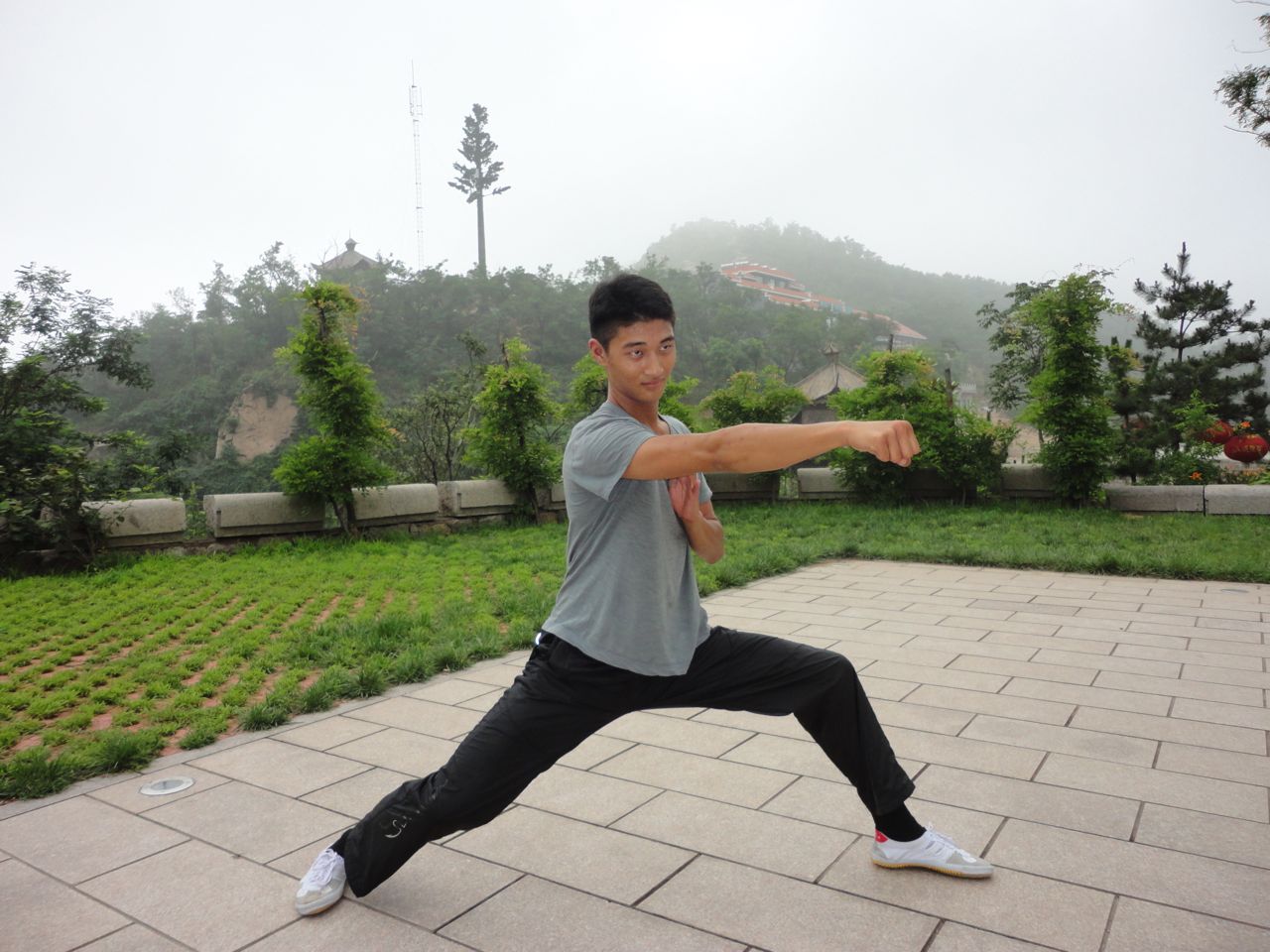 Brennan Toh set a new record of 150 Yilus in one day on June 26th, 2011. Two days before his taiji brother Steven Chan left. Steven previously set a record of 124 in one day. Yilu repetition is designed to train body endurance and integrity. It was said that Chen Fake did 25 yilus a day for many years consistently. Way to go, Brennan!
These notes were compiled by myself throughout the workshop held July 2-3. I have done my best to recapture important topics, therefore any inaccuracies are entirely on my behalf. The notes are presented as they were written – chronological and point form. Read more
Below are all the notes I took during this workshop, although they do not cover every day. Thank you so very much Master Chen and Allan, as well as everyone who attended. It was another excellent workshop, and was great to meet Ronnie, Charles, Lee, Drew, and Carlos. Read more
Han Yue is a disciple of Grandmaster Li Enjiu.
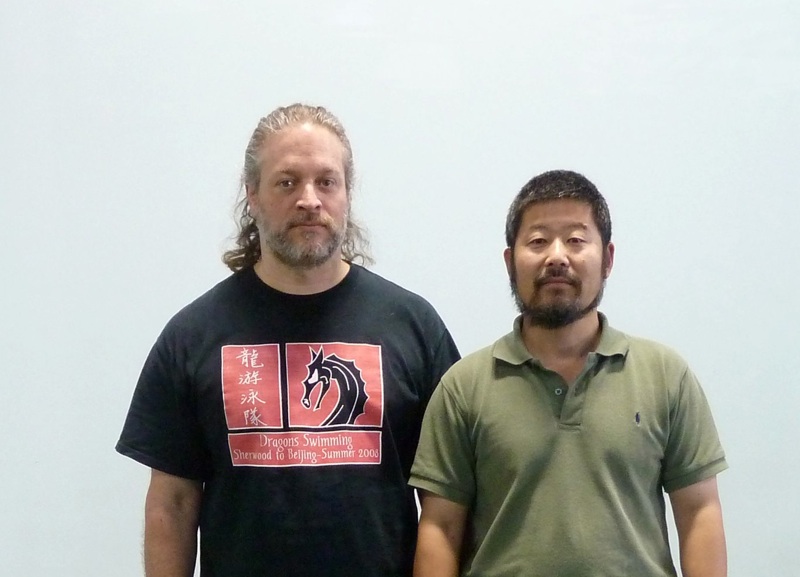 I started learning the Practical Method from video in February of this year (2011). Because I had studied Chen Style Taijiquan since 2006 and did not have a Practical Method teacher in my area, I thought I could learn from the wealth of information and videos available on the Practical Method website.
My first videos were the Basic Foundations and Yilu (First Routine) Detailed Instructions. I have since bought the Energy Alignment videos and various Mini Lessons. I also recommend Yilu Corrections.
Read more
In this mini lesson held at a Toronto workshop, Master Chen Zhonghua started by explaining the intricate 360 degree rotation of the shoulder in a positive circle and went on the explain many important taiji movement concepts including how two points link, how many points work together, etc.
Presenter: Chen Zhonghua Length: 32 min. In: English Year: 2011 Difficulty:3/5 At:Toronto
In recent years, Grandmaster Hong Junsheng’s Chen Style Taijiquan Practical Method is gaining popularity all over the world. Many inquire to this website as to how to become an official branch of the Chen Style Taijiquan Practical Method.

 One concept which seems to come up in almost every lesson and principle Master Chen teaches is connection. But what does “being connected” actually mean? How do we achieve it and what are the benefits of being connected? I think these are all important questions that any serious Chen Style Taijichuan Practical Method student needs to explore and understand in order to gain a deeper understanding of this complex art. While most practioners seem to focus on the external choreography of the art, which is the first step and the foundation of the Yilu, I think the answer to what connection is can only be found by focusing on what happens inside the body. Taiji is, after all, an internal martial art!
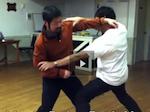
A continuation on push hand lesson, how to add after matching the opponent’s force. In this clip Master Chen Zhonghua demonstrated adding force toward the opponent while maintaining the balance of matching power.
Author: Chen Zhonghua Length: 12 min. In: English Year: 2011 Difficulty:3/5 At:Maple Ridge
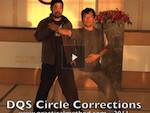
Master Chen corrected circles of 12 students. Good video to see if you have the same mistakes.
Author: Chen Zhonghua Length: 27 min. In: English Year: 2011 Difficulty:2/5 At:Daqingshan
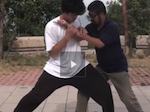
In this video, Master Chen Zhonghua points out some finer details of Erlu to Steve Chan.
Author: Chen Zhonghua Length: 13 min. In: English Year: 2011 Difficulty:4/5 At:Daqingshan
Today, we recorded Yilus of Master Chen students from Wulian and Rizhao.
Videos below. Read more
Clip from Suspended Head Mini Lesson