Toronto, Oct 23, 2018
Read more
Chen Style Taijiquan and Hunyuan Taiji email: practicalmethod@qq.com
View posts in sub-category:
Application Articles Body and Posture Class (Workshop) Notes Common Errors Glossary and terms Hunyuan Knowledge-Movement Explanations Learning Method Principle-Concept Principle-List Principle-Rule Principle-Technical Push Hands Quotations Routine Names Routines Videos Stories Student Evaluations (Private) Taiji Apparatus Taiji FAQ Taiji Sword Thoughts and Understanding Workshop and Class Notes
Toronto, Oct 23, 2018
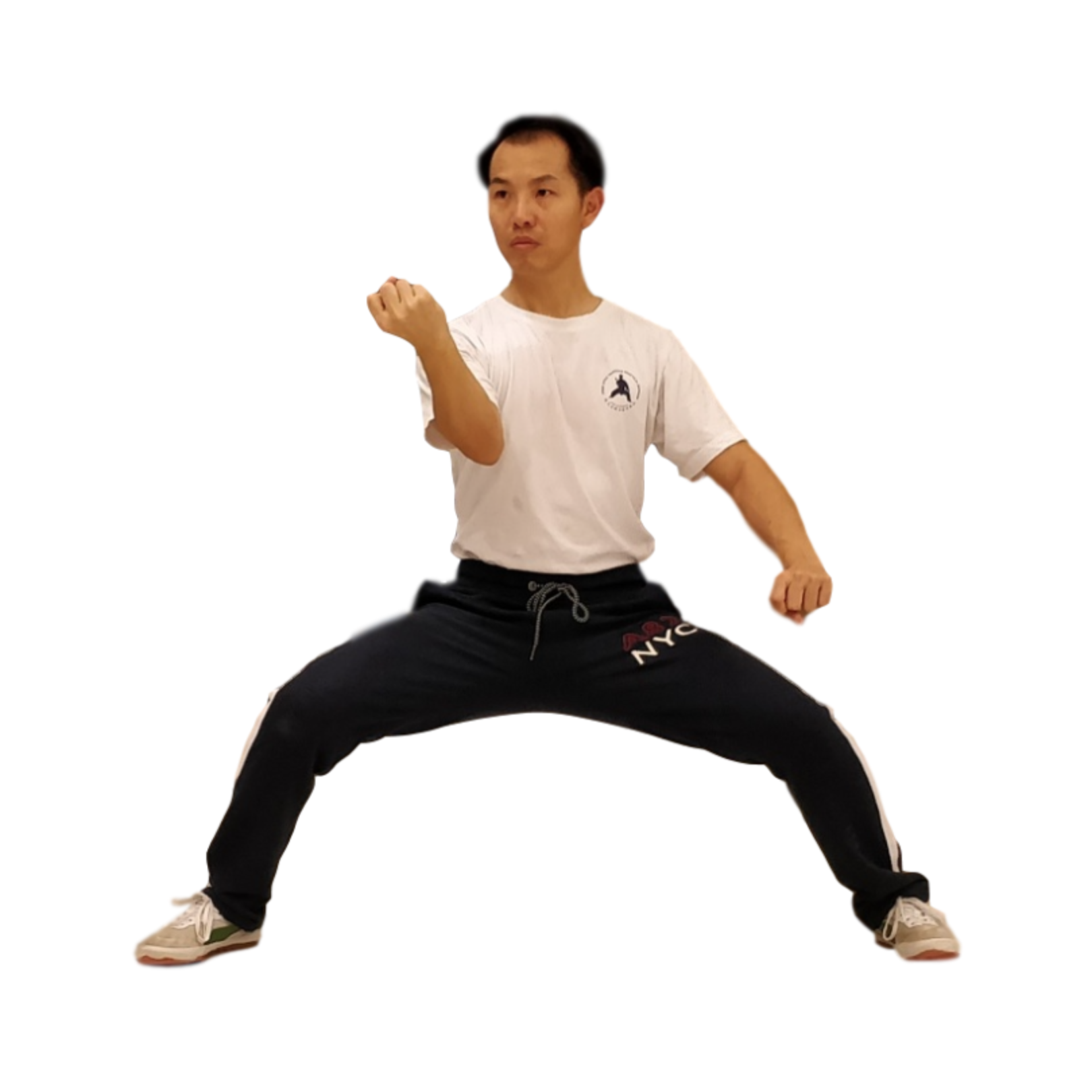
The ability to lock the opponent is an important one we need to continuously to improve on in Practical Method. In order to send the opponent to the floor in what seemingly an effortless manner (in reality, it is not really effortless), we always need to lock the opponent first. However, more often than not, especially at the beginning of our learning, we use a lot of brute force to keep the opponent in certain position. However, locking the opponent simply means disallowing him or her to move. As long as the opponent is not moving, the objective is achieved. Read more
Precision is a word consistently used in Practical Method Taijiquan. But what does that mean in terms of practice? One aspect during Yilu is to not only complete the movement, but to know exactly where that move is aiming towards (which is why knowledge of applications is important). It is not enough to repeat the move, but to understand the energy alignment and aim. As our training continues to develop, and we become more aware of additional body parts (ie: to become aware of the elbow, become aware of the hip, etc.), we are able to aim more pieces towards the same objective – making the move more effective as each body part compounds power on the next.

That same exactness and consciousness of movement is required during push hands. When the foot is being moved, it’s not being moved forward or backwards, but to a very specific spot. The practitioner needs to be aware of exactly where that foot needs to be for that situation, and move it there with purpose.
Every interaction needs to move towards a goal. Too often we push to get a feeling of the other person, to practice getting in a favourable position, waiting for the opponent to make a mistake to capitalize on, etc. This is following our own familiar pattern. Within taijiquan we must be able to change the energy of the interaction without changing the shape.
Efficiency of movement is not changing the position/contact points in order to get into a place that is familiar to us. Rather, it is often to be able to capitalize on the position you are already in. Become comfortable despite being in an awkward position. You have to be able to let go of your ideas on what is a bad position in order to achieve a certain objective. It is often when we feel our body is uncomfortable that our body fights back, getting in our own way of being able to do what we need to do. The mind needs to let go first, train, and the body will follow.
http://practicalmethod.com/2010/05/yilu-detailed-applications-1-online-video-trailer/
 Nathan Heintz was accepted as Master Chen Zhonghua’s disciple on July 28, 2018 at the North American Practical Method Training Camp in Cedar Rapids, Iowa.
The discipleship ceremony also welcomed Spencer Jones and Edward Liaw as disciples. Read more
The three basic vertical stretches: Read more
爱荷华 Iowa180727 – Patty Harantty
*** Square brackets [ ] are used to show my own attempt to add clarity, and not necessarily the words of Master Chen
P1:
Beyond the contact point you have to stretch forward
Behind the contact point you have to stretch back
Threading…like coaxial cable…pulling dough to stretch it thin
Produce a dot
Everything behind has to line up with front finger (which is pointing at the target) and makes it’s way to the rear foot…you need every body part to complete the job Read more
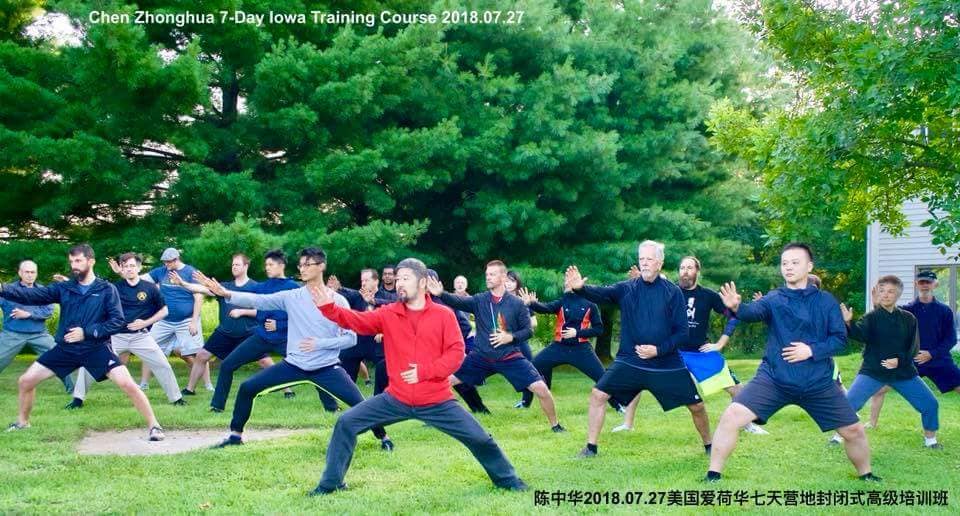 What brings 40 people and 16 disciples to the little city of Cedar Rapids, Iowa? For over a dozen years, Master Chen Zhonghua has been visiting the American Midwest to teach Practical Method and introduce people to Chen Style Taijiquan. Students visited from New York, Texas, Hawaii, Arizona, Colorado, Arkansas, Ohio, California, and Canada to train and learn. Read more
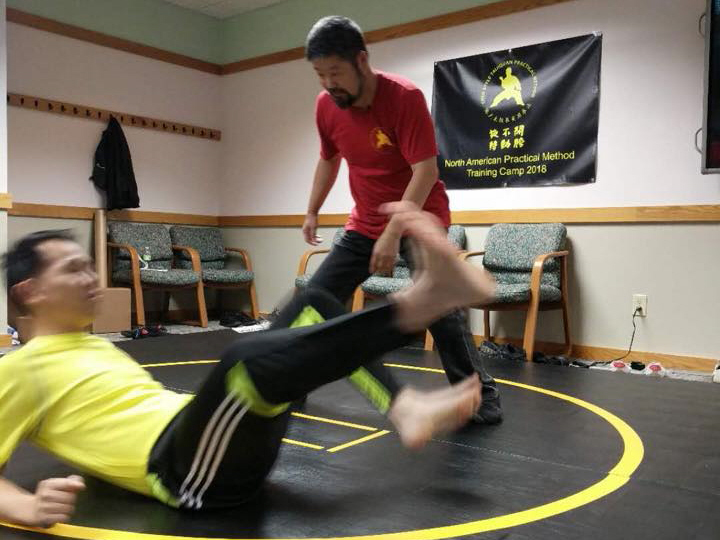
We are collecting people’s impressions of Master Chen’s ability in the format of a short and concise description. Is there anything that shocks you when you met him for the first time? Please add your own impression as a comment below. The following are a few examples:
Wall – Kelvin Ho
Spear that pokes at you – Kelvin Ho
Body is different from a normal person – Kelvin Ho
Able to move individual body part – Kelvin Ho Read more
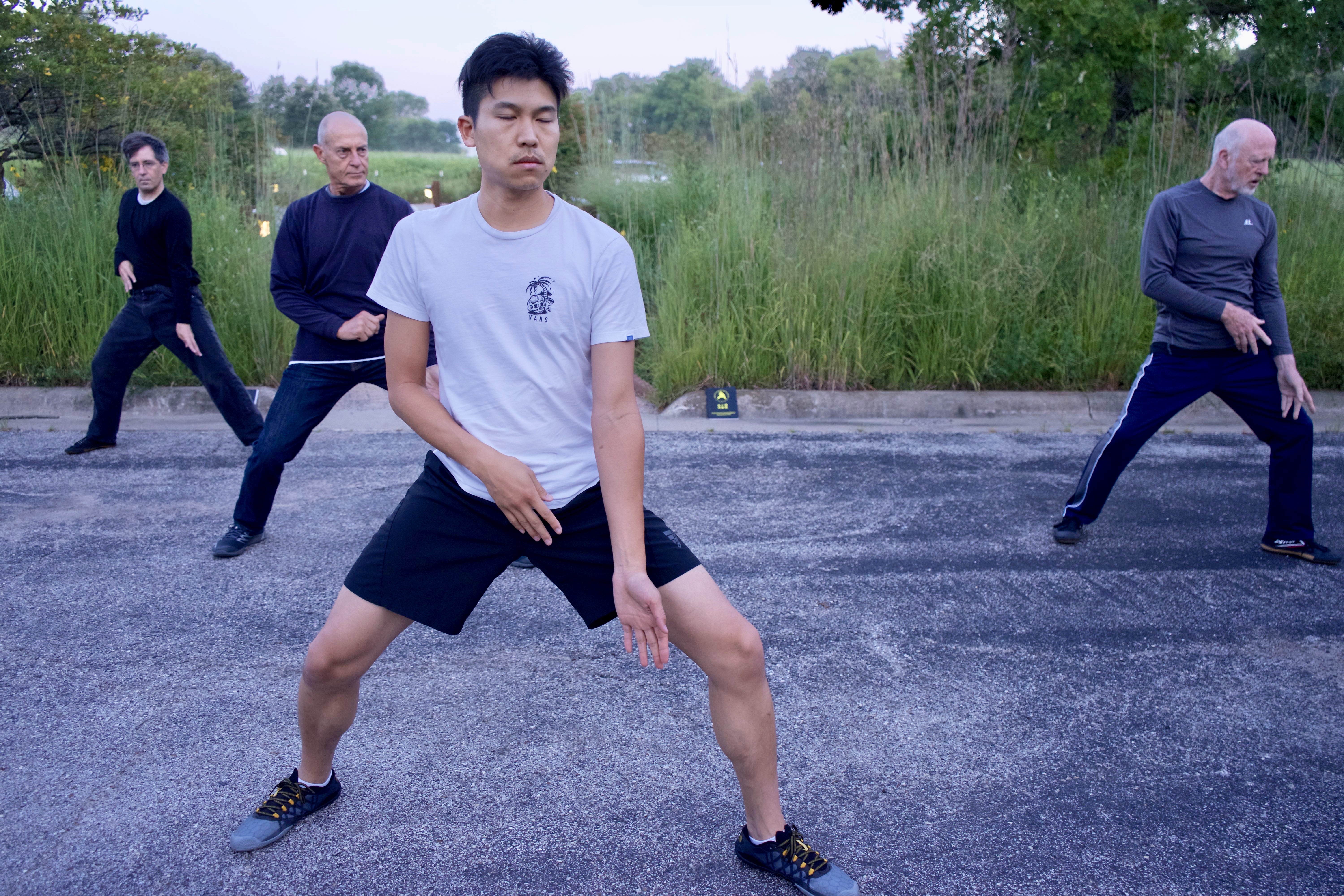
The body must separate into two. For example in the opening move, part of the body faces forward and part of it rotates 45 degrees
Read more
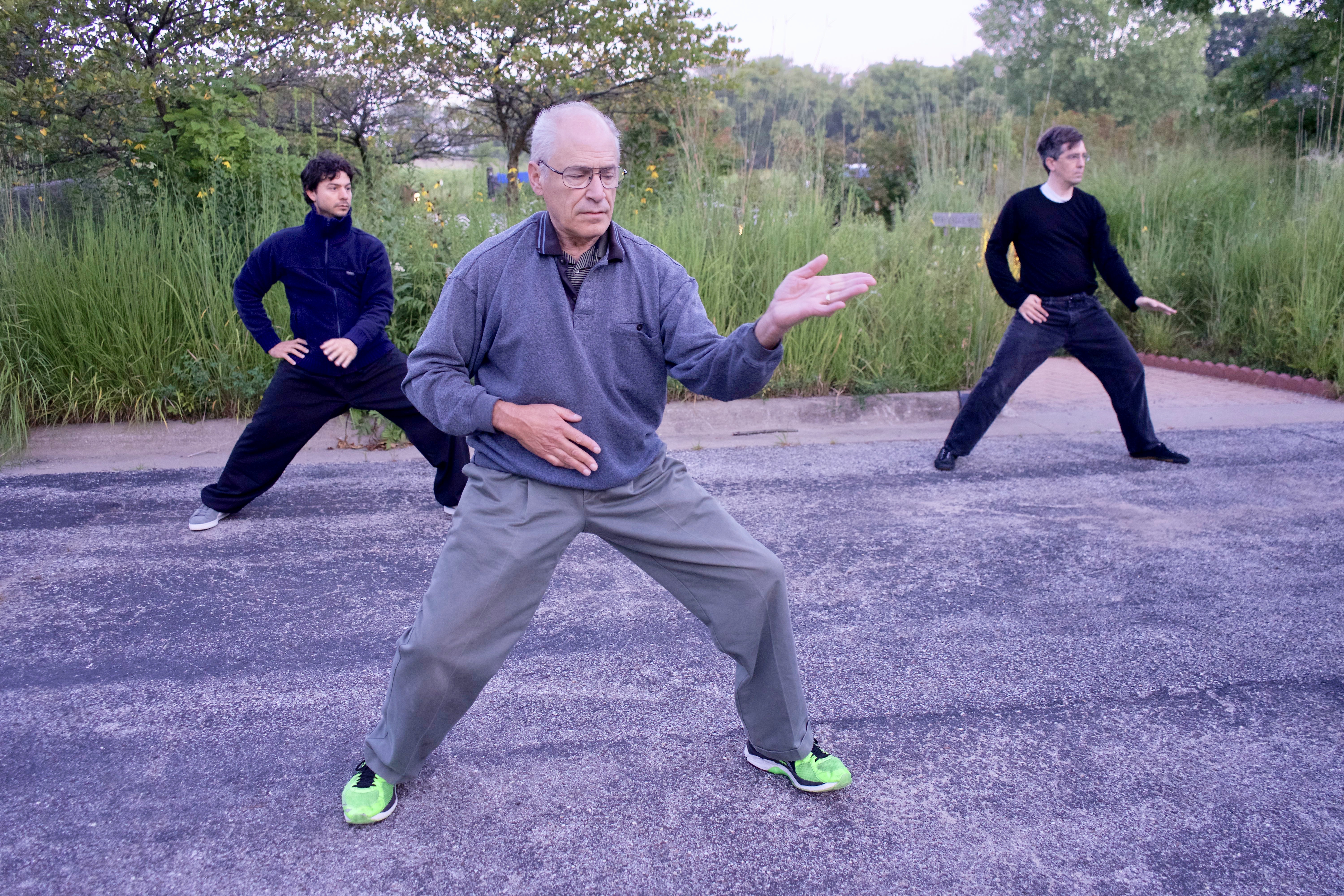
I’m extremely pleased at what I’ve taken away from the camp. I have a lot to work on between now and the next Master Chen Zhonghua workshop, for instance:
Read more

Pretend to fight to find the end points. Once locked, move-in the middle point.
(Alignment) Rear fingers look for the front elbow. The rear kua looks for the rear elbow.
Observe Brennan leg movement in this video, an important part of form practice is to train the bottom half.
Review and summary of V. workshop of Master Chen in Prague 2018.
The 6th Daqingshan International Competition

Daqingshan Mountain from the Pagoda
The start of my stay in China coincided with the 6th International Daqingshan Competition (April 28th to 30th this year), a yearly gathering that Master Chen started to promote both Taijiquan forms (a series of choreographed movements particular to each Family style) and also to provide a stage for a large scale Push Hands (a means of practicing Taiji techniques whilst trying to unbalance your opponent) tournament.
Someone asked a question in the Youtube comment of Master Chen video.
This is what I wrote back:
A: Taijiquan is structural power, from long time practice, you can find out the most efficient way to generate this power from joints relationship
Q: But how did the first founder of Taichi knew in the first place that if he started an unconventional ways with long practices he would achieved something?
how would you answer this question?
For long time student, please notice how Master Chen uses practical method principle in this routine
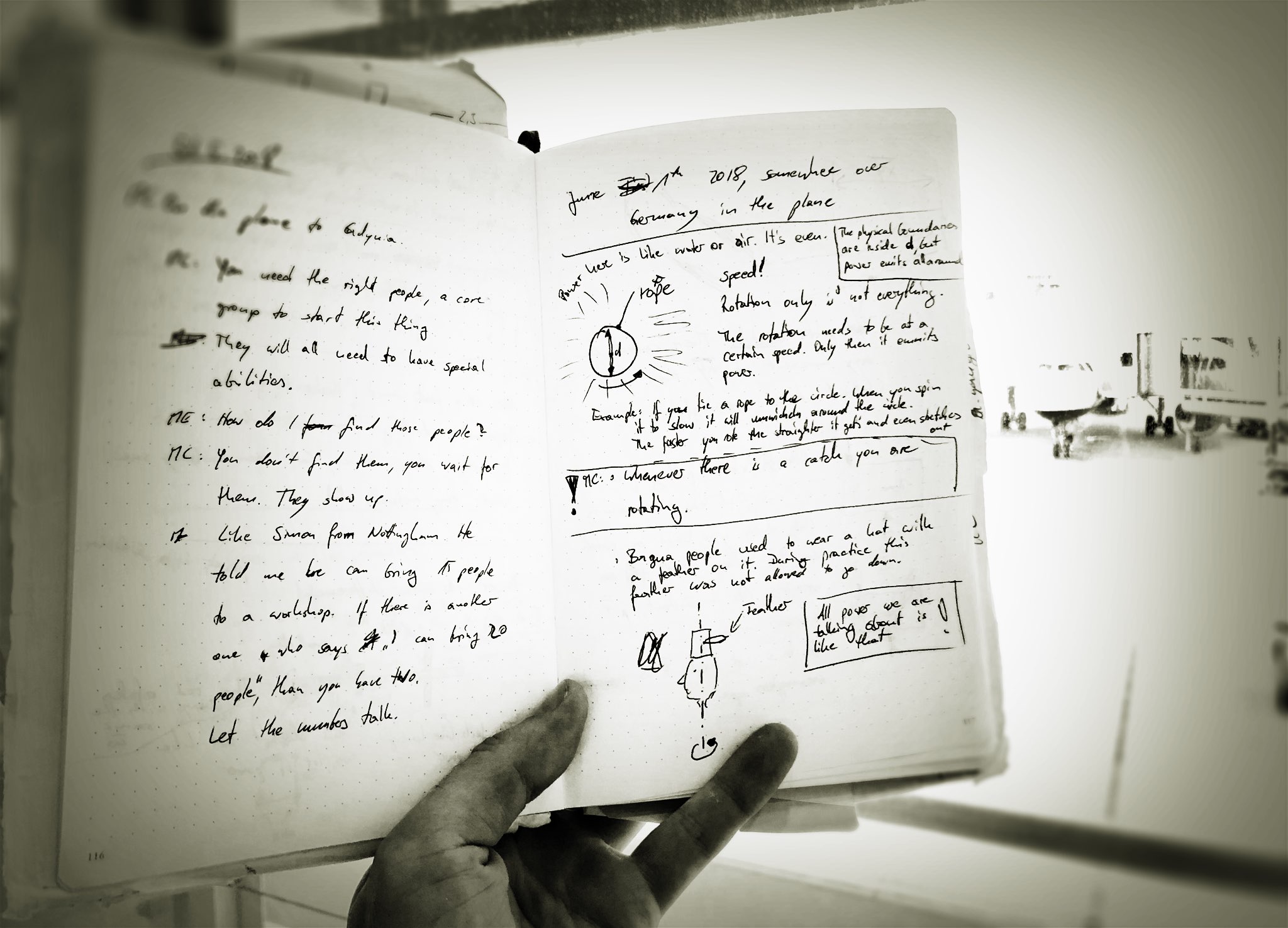 I’m writing this at about 30,000 feet on the plane from Munich, Germany to Toulouse, France. Master Chen Zhonghua is sitting next to me, it’s late evening and we are both tired from traveling shortly after noon.
On the last flight, from Danzig, Poland to Munich Master Chen gave me another lesson about rotation.
Some of those ideas I had already heard on a flight almost two years ago, but what Master Chen taught me a few hours ago goes much, much further, of course. Some questions were answered, especially regarding applying the theory on the body.
The application cannot be written down, really. It must be demonstrated and felt. Trying do write it down will never do justice to the physical experience felt in person. Read more

During push hands practice, Master Chen Zhonghua often says, “Get out of the way”. The result is that the opponent falls right into a hole (to the ground). I had a recent understanding of this phrase. Whose way that I need to get out of? It’s opponent’s path to the ground, and I am right in the middle blocking it. In theory, if I can remove myself from that path, the opponent will happily (or not so happily) reach his/her destination (the ground).
In more practical terms, I need to lure the opponent into using me for support without him realizing it, I then put a lid above/behind him. Without losing the lid, I get out of the way to remove my support for him. With no further pushing, he will fall right into where my support was originally. A differential is created at that time. A related article on differential: Opening the trap door from below.
Read more
Presenter: Chen Zhonghua Length: 9 min. In: English Year: 2016 Difficulty:1/5
Importance of Head in Taijiquan
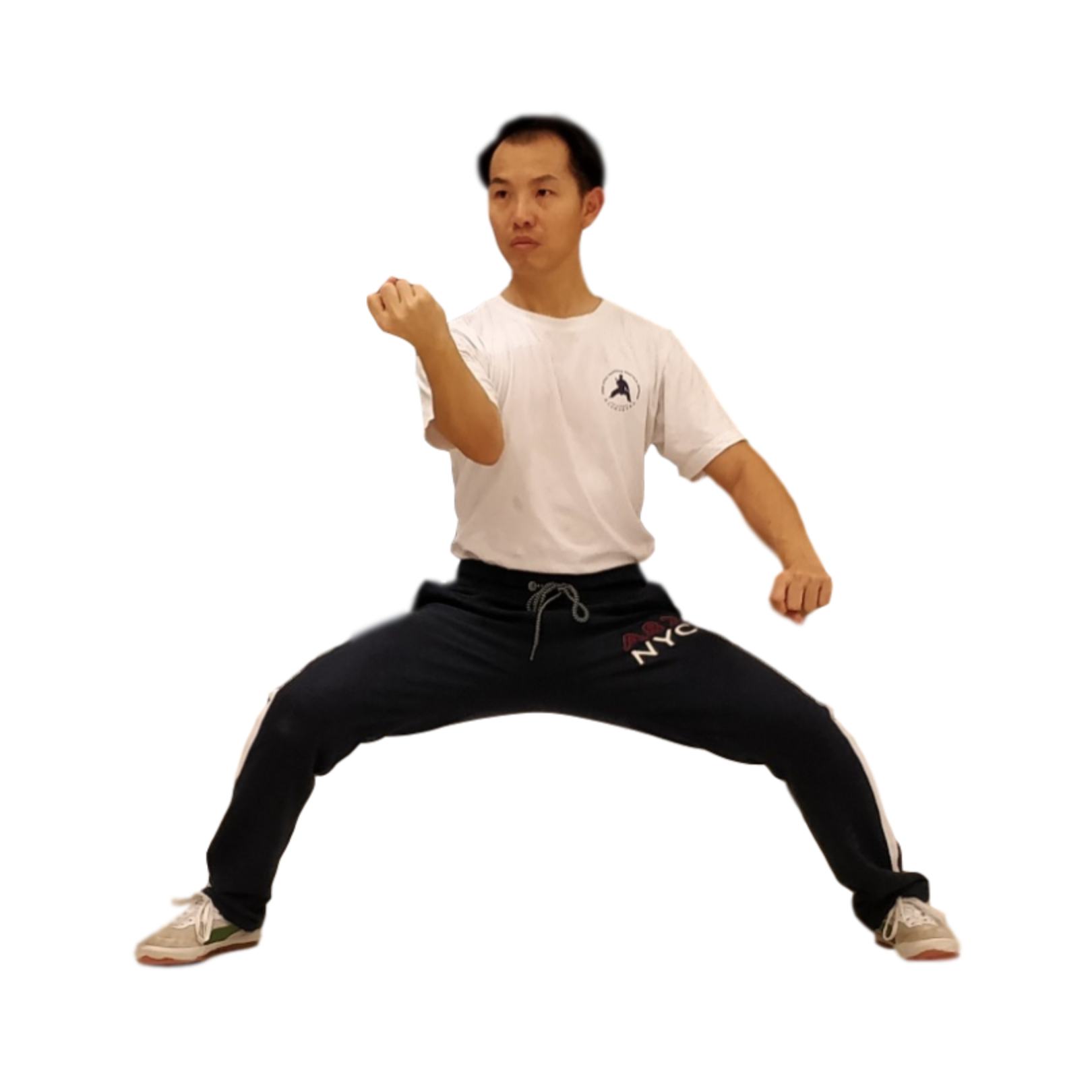 In the Ottawa Mar 24-25, 2018 workshop, Master Chen Zhonghua re-emphasized the importance of creating a differential. He mentioned that steam would always rise up through an opening in a pot, and water would always run down a fall. These are examples of having a differential. We don’t force the steam up or push the water down. It is the property of steam or water given the situation. As long as the particular situation happens, the steam or water will simply behave that way. Steam and water are examples of a differential in position. There are also timing differential, power differential, length differential, movement differential, etc.