Youtube video suggested by James Tam:
Chen Style Taijiquan and Hunyuan Taiji email: practicalmethod@qq.com
View posts in sub-category:
Application Articles Body and Posture Class (Workshop) Notes Common Errors Glossary and terms Hunyuan Knowledge-Movement Explanations Learning Method Principle-Concept Principle-List Principle-Rule Principle-Technical Push Hands Quotations Routine Names Routines Videos Stories Student Evaluations (Private) Taiji Apparatus Taiji FAQ Taiji Sword Thoughts and Understanding Workshop and Class Notes
Youtube video suggested by James Tam:
I have put together some spreadsheets with the form names listed in English and Chinese, with pinyin annotations for those interested in learning Mandarin.
We hereby solemnly declare, our school is in no way or shape related to the Ma Baoguo who was KOed in 40 seconds today (May 17, 2020).
Chen Style Xinyi Hunyuan Taijiquan (Abbreviated as Hunyuan Taiji 陈式心意混元太极拳,简称混元太极拳) was founded by the late Grandmaster Feng Zhiqiang, with its aim as a health exercise for human health. It is an excellent cultural heritage. To date, it has a history of close to one hundred years.
Ma Baoguo has violated our trademark ™ name to call his style Hunyuan Xingyi Taiji Gate (浑元形意太极门) and has repeatedly tarnished our reputation. My grandfather’s disciples have on many occasions launched lawsuit against him. Further, the Hunyuan Taiji Wushu Development Center and the Hunyuan Taiji Professional Committee under the Beijing Martial Arts Association reserve the right to take legal actions against those social media which continue to associate us with such frauds.
Gao Yuan
郑重声明,今天被40秒KO的马保国和本门无关!陈式心意混元太极拳简称混元太极拳,由一代宗师冯志强先生所创办,致力于造福百姓健康,为优秀的非物质文化遗产。发展至今,已经近百年历史。马保国是山寨碰瓷我心意混元,起名为浑元形意太极门,屡次败坏我们混元太极门派盛名,曾多次被我外公的弟子起诉。另如再有自媒体不注重事实,妄自菲薄。混元太极武术文化发展中心,北京武协混元太极拳专业委员会将保留追究其法律责任的权利。
高原

Thus far, the videos I have selected as curriculum have been focused on the functional aspects of using ones own bio-mechanical structure and the structure of the opponent to “take up space” for the gaining of strategic positioning and for martial purposes. The video “Step up to Ji” gave a basic procedure of how to make contact while matching power and move in other body parts that adhere to the Practical Method’s principle of separated and sequential movements. In the following video, “Move into Empty Space”, several lessons were taught by Master Chen in various ways to take up the opponents space and demonstrated a few examples of applications, such as going down and adding a dimension.
In this video, Master Chen teaches additional methods of taking up space by “whatever happens, you fill in the gaps”. It is taking out space, working with space, playing with timing, and/or playing with structure. The information from the previous video online classes come into play. Significant additions are made in this video that further advances ones’ repertoire on how to use ones’ structure and the intentional use of working with space as a means of building martial skills and abilities.
Bees, Bubbles and Taiji
What’s common between all the above entities? You guessed it – Emergence!

Observing their behaviour shows how distinctly order emerges out of what looks like chaos when looked at superficially.
From work of bees in beehives and work of ants in colonies to swarming of birds or school of fish almost everything in nature display Emergent behaviour. All these earthly creatures act locally doing simple repetitive activities following a fixed rule but collectively they can overcome problems and perform complex feats.
Read more
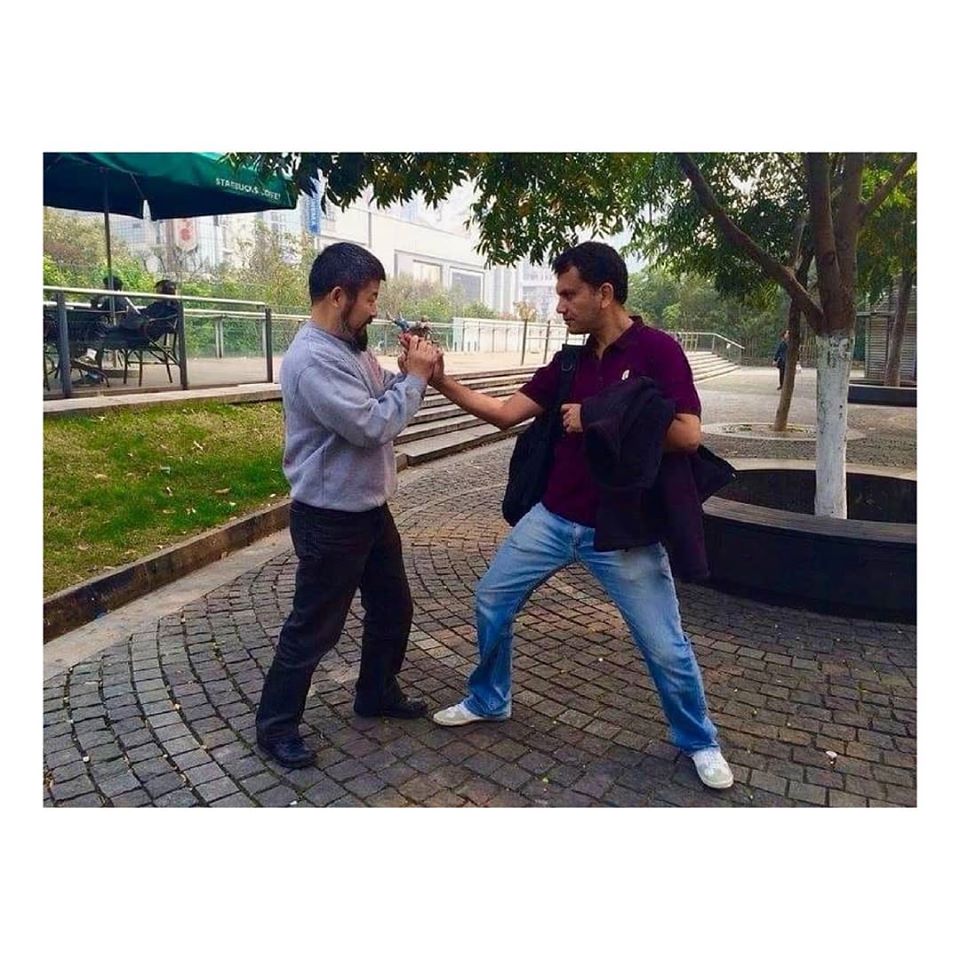
Ever wondered why Taiji is so magical especially at the hands of true masters?
I first experienced that magic when I met Master Zhonghua Chen in Daqingshan on a warm July evening of 2012. Ever since that moment I have developed a fixation of sort to figure out what is behind that magic – it is so ever present in everything Master Chen does, it is impossible to differentiate between the magic and the magician! Read more
Master Wang Zhanjun uses the video clip “Sink the Waist to Press the Elbow and Whip” to analyze taiji in his teachings. The animation at the end was created by Xu Jingpeng. Master Wang is the son of Grandmaster Wang Xi An, one of the 4 Tigers of the Chen Village. Wang Zhanjun is also. Ten-time National Push-Hands champion in China.

We will have an online class based on this video using the comment section of this video at 10:30 am Central Time, 11:30 pm Eastern Time on Saturday, April 4, 2020. On the days that I am teaching, I have selected a series of videos that will be taught in a sequential manner. The primary emphasis will be improving your understanding of how to take an opponent’s space that utilizes the principles that are inherit to Chen Style Practical Method Taijiquan. The video’s include:
Read more
Master Chen Zhonghua always amazes me, whether it is at the next workshop (there is always something new and amazing) or looking back — such as in this video captured during a workshop in Ottawa ten years ago… an easy, seemingly simple, and clean bounce:
What do you see in the video?
John Upshaw: Everything is on a line. He added the right leg to the line…left arm to right leg…
Lou Sacharske: Watch his right shoulder, as he adds the right leg, there is zero deviation to telegraph the execution.
James Tam: I believe the rotation axis is the one joining Shifu’s left shoulder and front foot. And, the stick (effective energy pathway) is from his back foot to Steve’s upper back.
Online practice groups are a way to support and motivate each other along our Practical Method journey.
Anyone learning Practical Method can conduct an online foundations practice group regardless of where you are in the world.
Yilu and foundations are for warm up
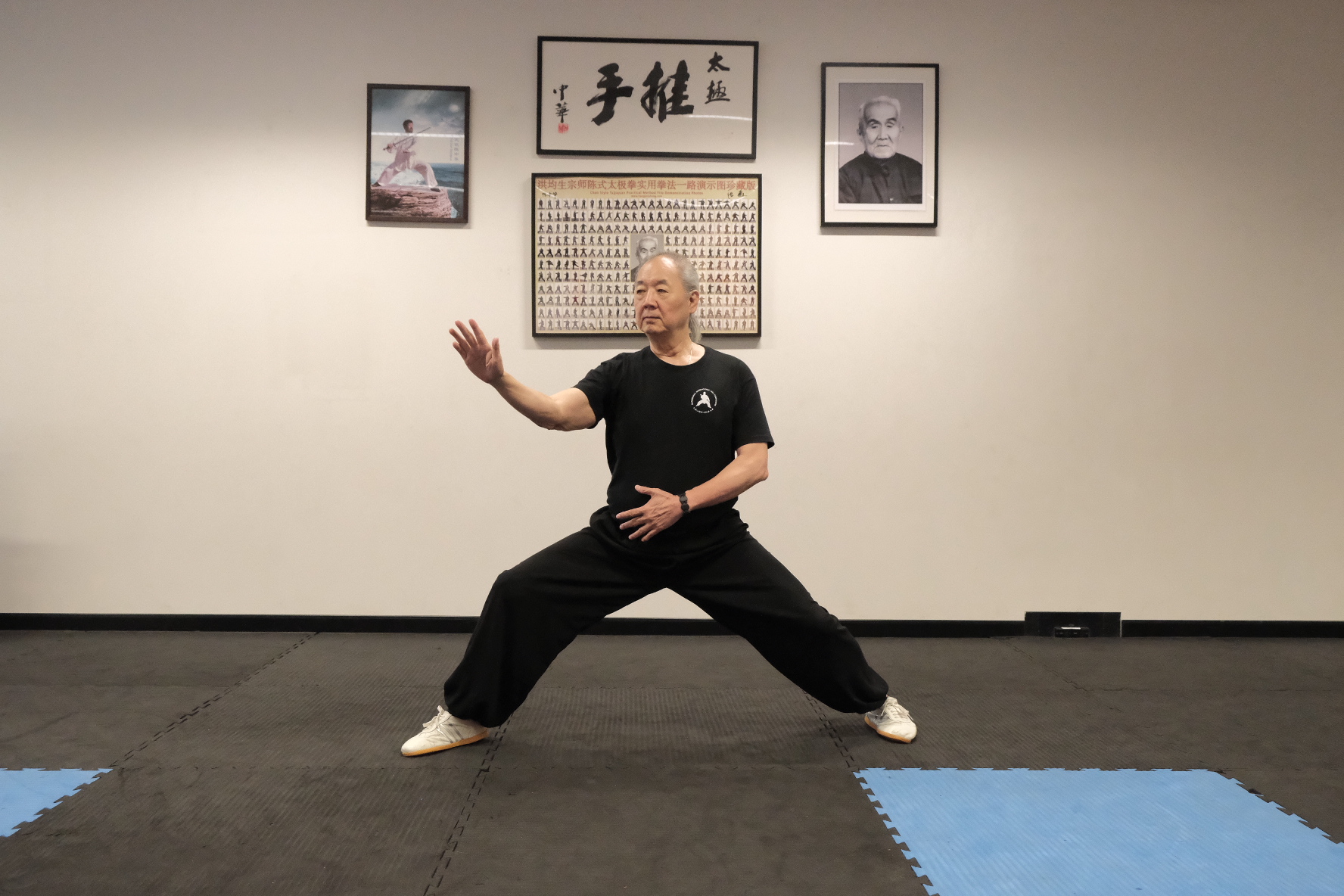
John Saw at Sydney Chen Zhonghua Taiji Academy – 8 March 2020
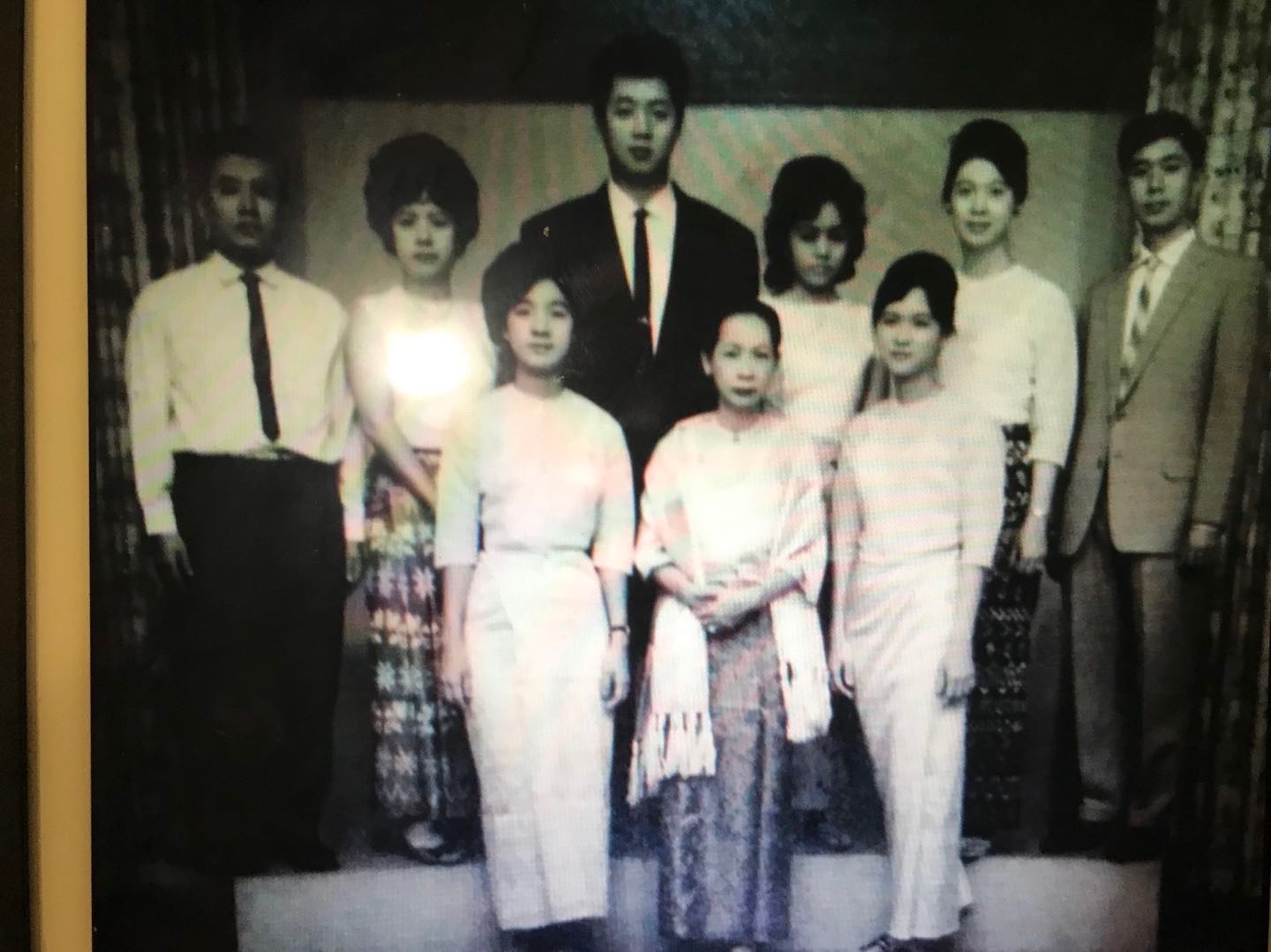
John Saw – Burma Days
John Saw – Burma Days
John Saw – Gambling Days
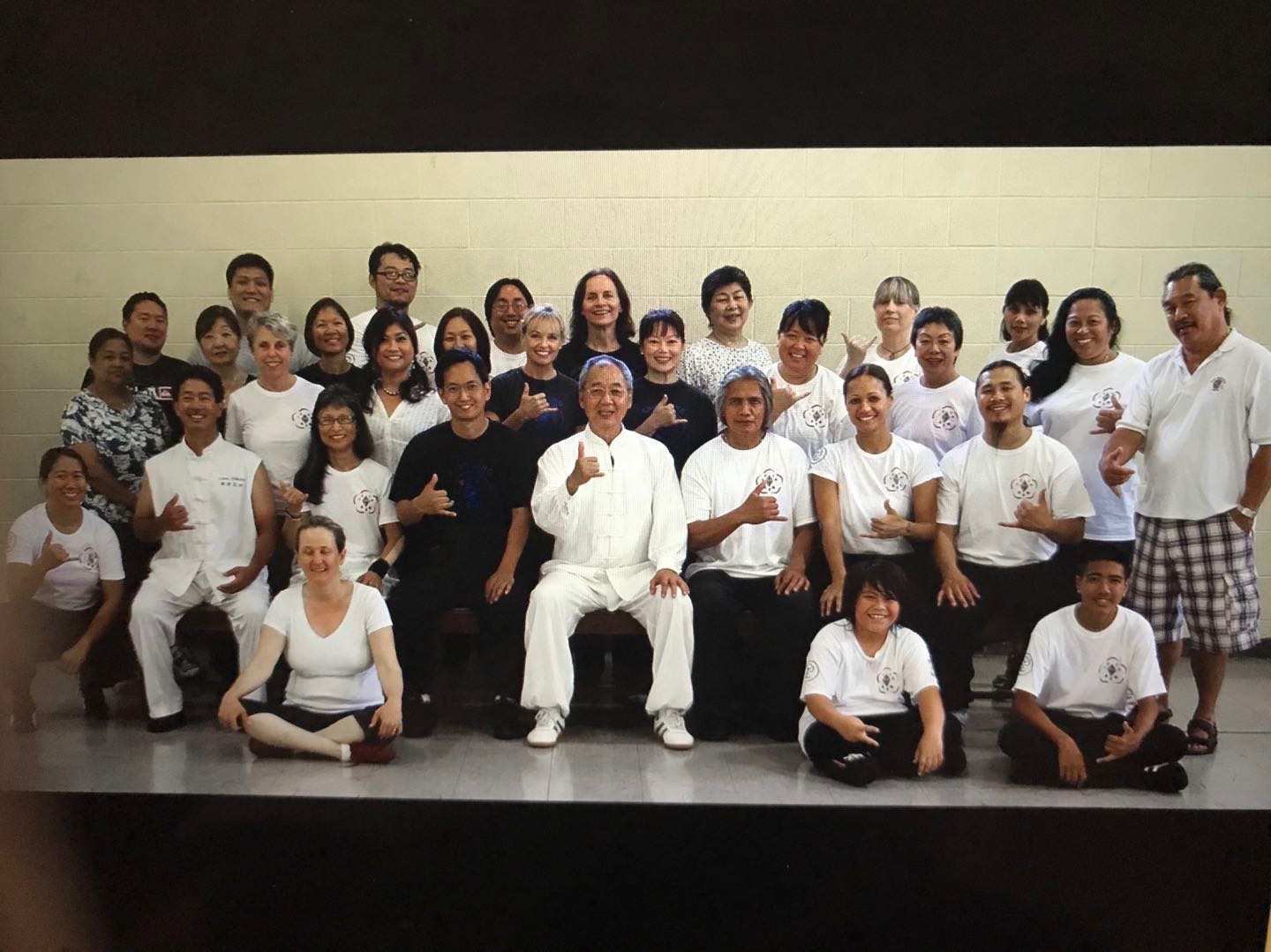
John Saw – Qigong Days
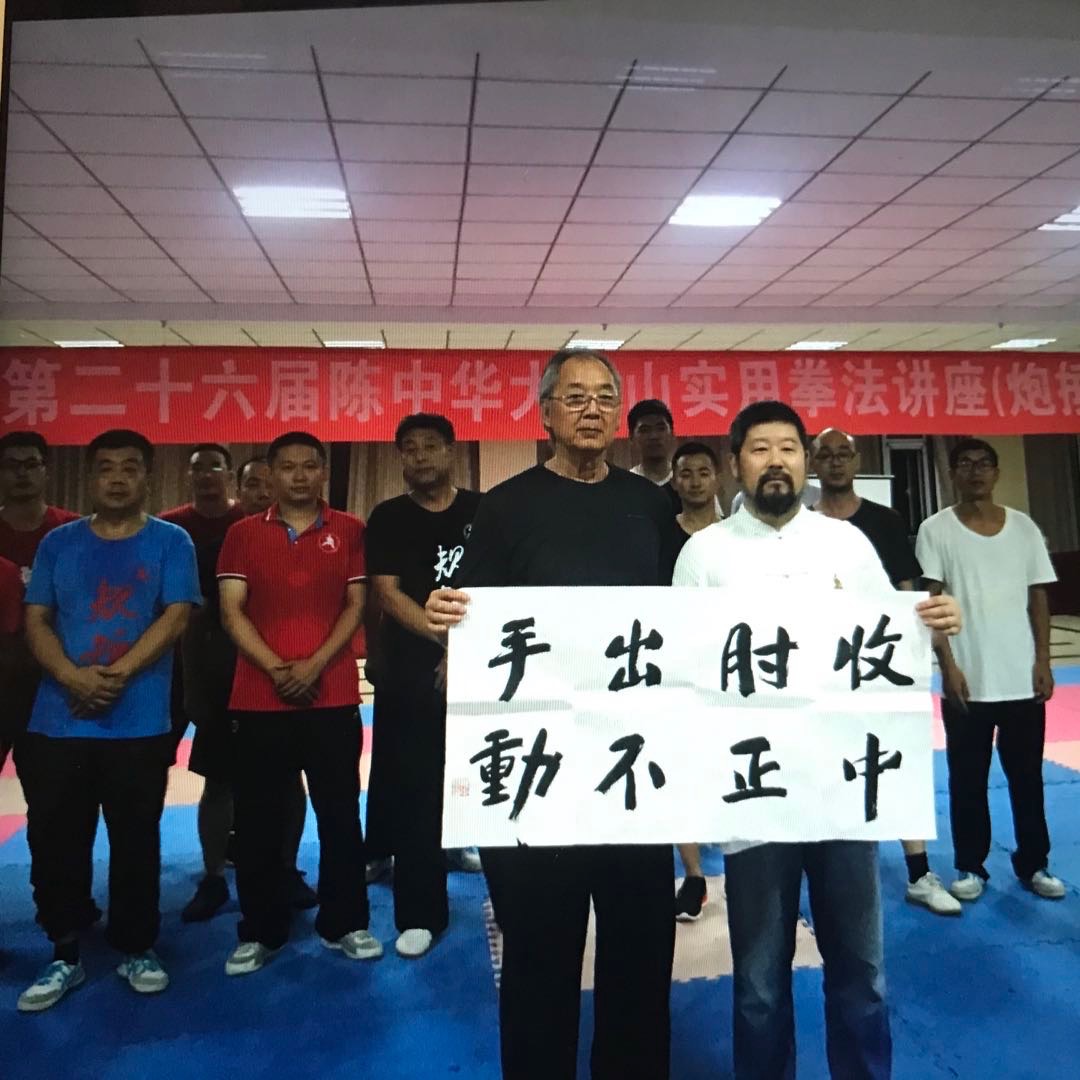
John Saw with Master Chen Zhonghua at Daqingshan
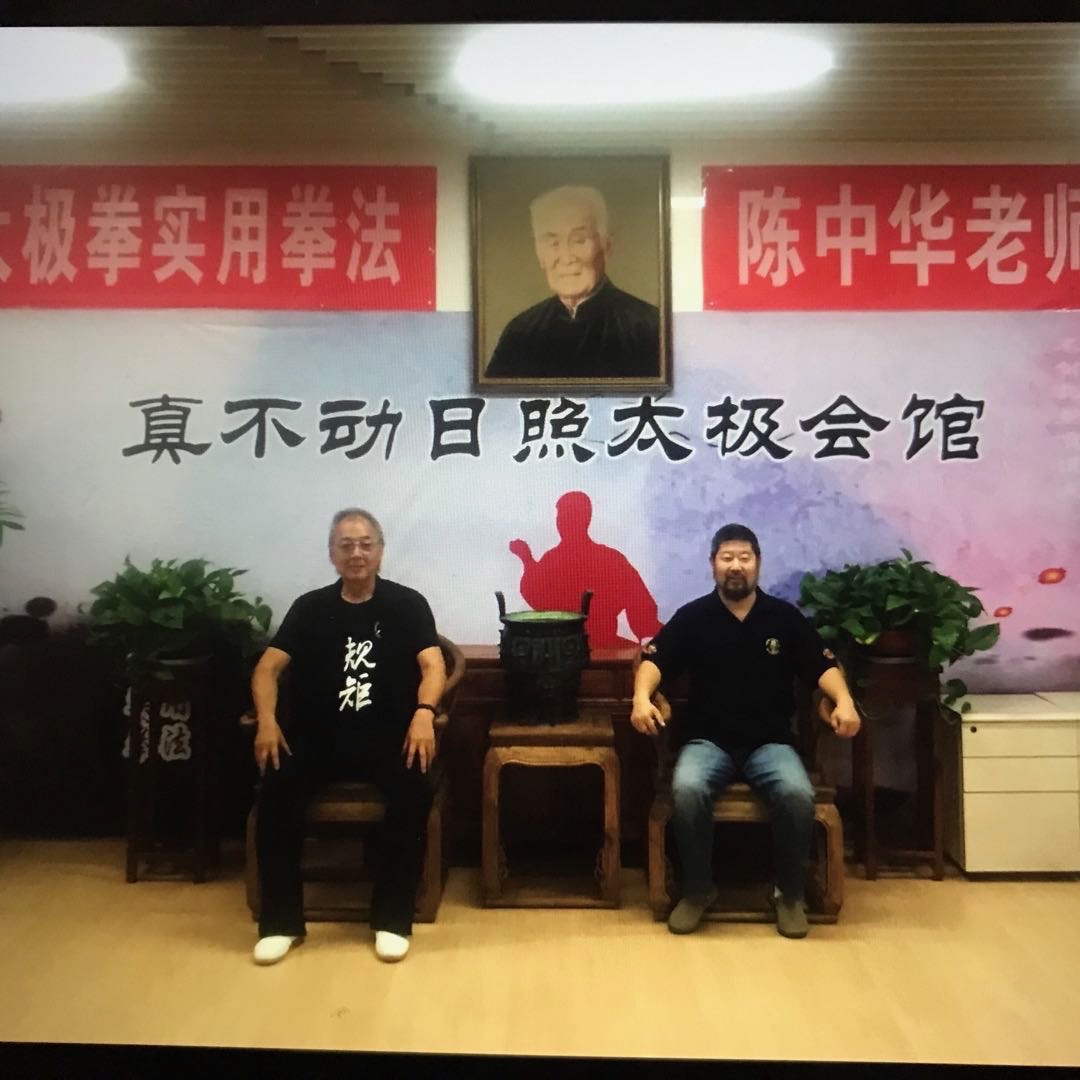
John Saw with Master Chen Zhonghua at Zhenbudong Rizhao Taiji Acacdemy
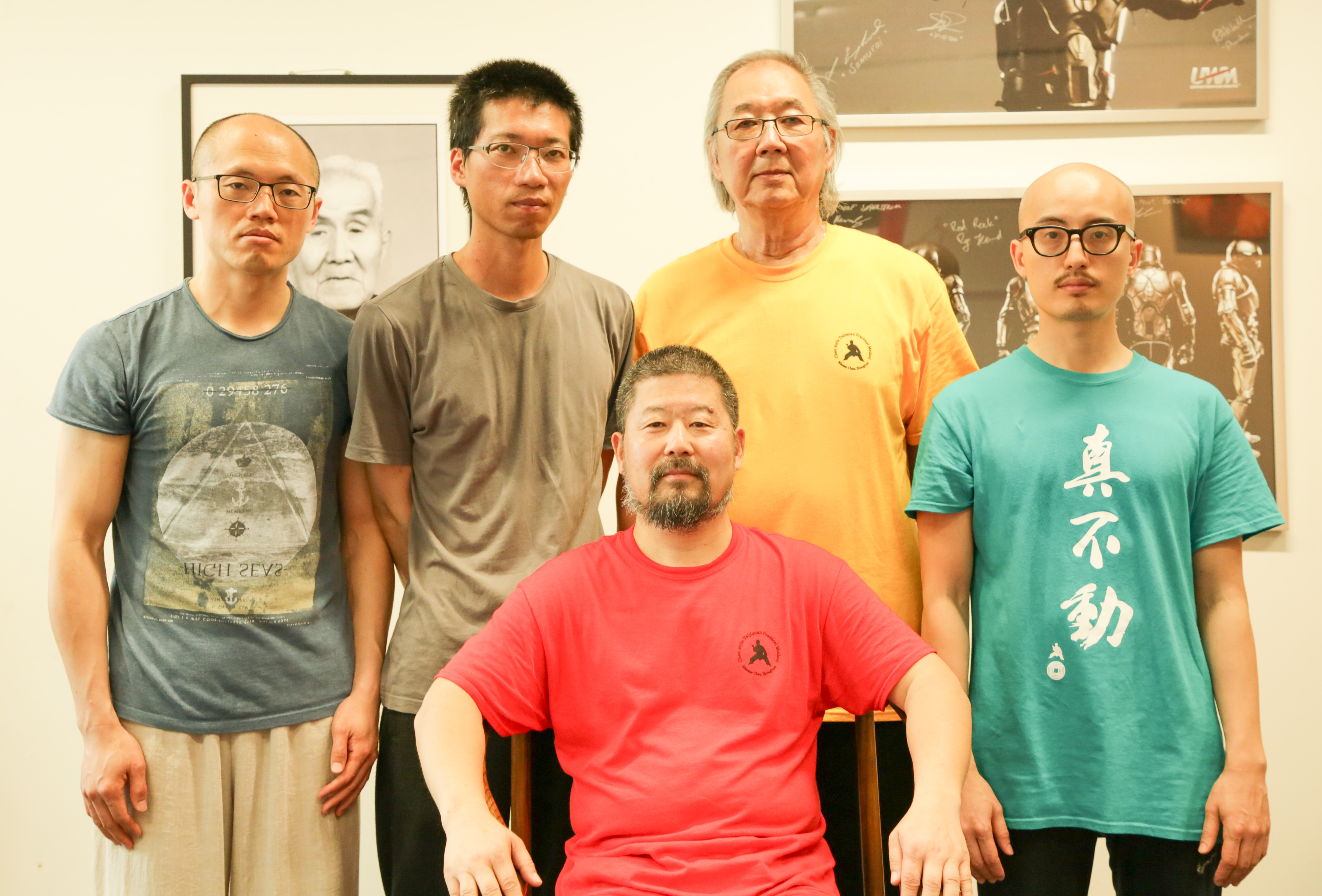
John Saw Discipleship Photo in Sydney with Master Chen Zhonghua
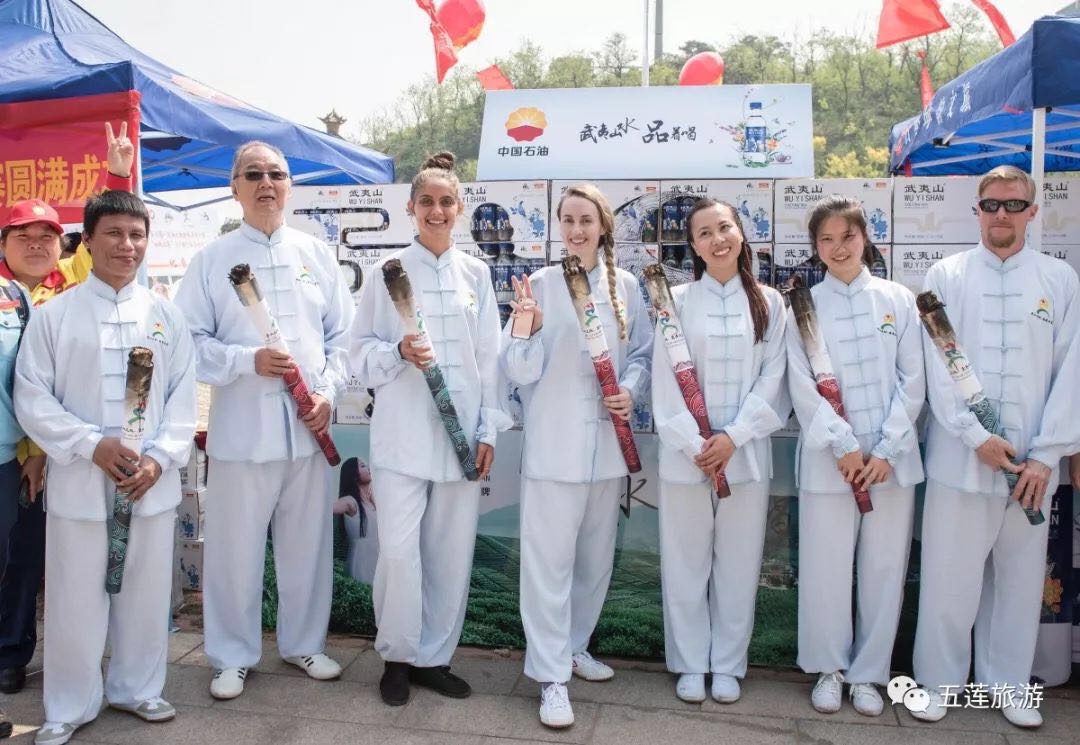
Daqingshan Taiji Flame Torch Bearer 2018
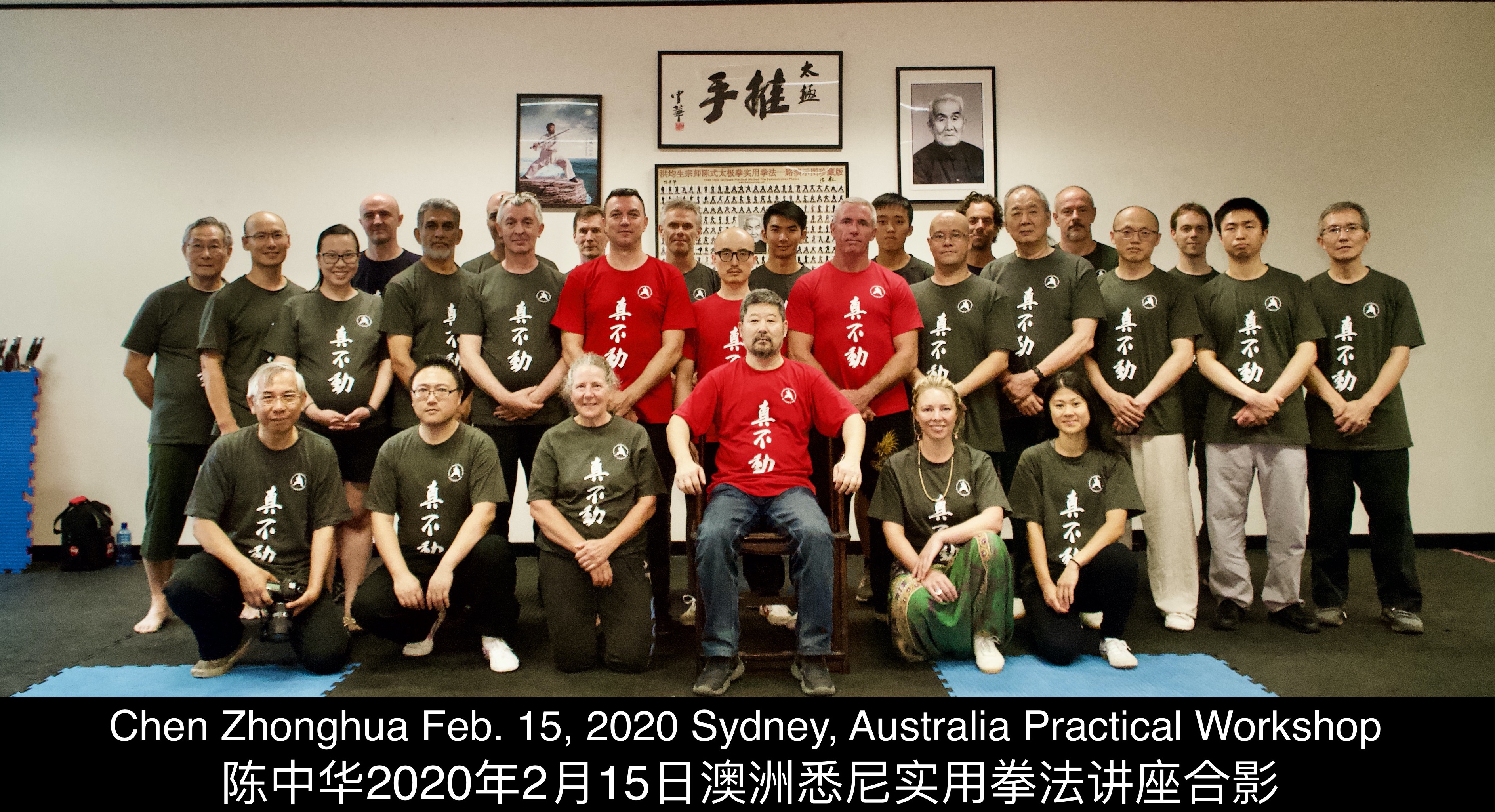
Chen Zhonghua Practical Method Workshop Sydney 2020 February
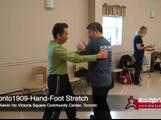
Chen Zhonghua’s Sept. 2019 Toronto Workshop Video.
Presenter: Chen Zhonghua Length: 10 min. In: English Year: 2019 Difficulty:2/5 At:Toronto
Question and Answer part two of the Chen Zhonghua Sept. 2019 Toronto Practical Method Workshop.
Presenter: Chen Zhonghua Length: 10 min. In: English Year: 2019 Difficulty:1/5 At:Toronto
Question and Answer session at the Sept. 2019 Chen Zhonghua Toronto Practical Method Workshop.
Presenter: Chen Zhonghua Length: 10 min. In: English Year: 2019 Difficulty:1/5 At:Toronto
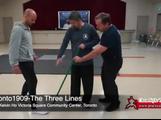
Master Chen Zhonghua’s Sept. 2019 Toronto Practical Method Workshop Videos.
Presenter: Chen Zhonghua Length: 10 min. In: English Year: 2019 Difficulty:3/5 At:Toronto

The intro, instructions and outro are in Polish, but you can turn on English subtitles.
I am curious about usefulness of this video for PM students around the world – if you think it is helpful enter your city name in the comment (on YouTube).
Enjoy the practice!
Chen Zhonghua’s Sept. 2019 Toronto Practical Method Seminar.
Presenter: Chen Zhonghua Length: 10 min. In: English Year: 2019 Difficulty:3/5 At:Toronto
Chen Zhonghua’s Sept. 2019 Toronto Practical Method Workshop videos.
Presenter: Chen Zhonghua Length: 10 min. In: English Year: 2019 Difficulty:3/5 At:Toronto
31st Daqingshan Chen Zhonghua Practical Method Seminar.
Presenter: Chen Zhonghua Length: 10 min. In: English Year: 2019 Difficulty:2/5 At:Daqingshan Chen Zhonghua Taiji Academy

Energy path is the pathway that energy travels on. There are both a physical path and a virtual path for a given setup. For any three points in the body, they can form a triangle (unless they all fall into one straight line). For this discussion, let’s use right hand, left kua and left foot as the three points. As similarly discussed in this previous article, while the right hand and left kua form one physical (solid) line, and the left kua and left foot form another physical (solid) line, the right hand and left foot form a virtual (invisible) line. While the actual energy travels along the two physical lines, it can be viewed as if it travels on the virtual line.
Read more
Mise en place (French pronunciation: [mi zɑ̃ ˈplas]) is a French culinary phrase that means “putting in place” or “everything in its place”. It refers to the setup required before cooking, and is often used in professional kitchens to refer to organizing and arranging the ingredients, the components that a cook will require for the menu items that are expected to be prepared during a shift.
Master Chen often has referred to “the set up” before applying power…before doing “your move”. What are the ingredients (components) of your set up? What needs to be in place before you do your move/apply power? Please add ingredients!!!
Up until the 2019 seminar in Iowa I did not know my moves were fake. My moves imitated the real thing but were not real. They still are not what I want them to be, but now I have the tools to get me closer to the real thing. Master Chen showed me how to find the line.
There is a line to be found in all Practical Method motions. The hand and elbow has to stay on track. A good way of understanding this is comparing the motion to a bi-folding door. There is a fixed end that does not move, the handle and the end that moves on the track. The shoulder is the fixed end, the elbow is the handle and the hand is the end that is on the track. The handle pulls the door open and pushes it shut. The end on the track does not perform the action. The elbow pushes and pulls the hand on the track. The hand never moves. This concept should eventually spread throughout the body. Master Chen explains this the best on the “Sydney 2014 Workshop 1” Online Video. This video contains a lot of valuable information.
Currently I am working this concept in my yilu. I am also working on not moving the mid-line of my body as well as keeping a knee fixed during transitions. I have a long way to go, however thanks to Master Chen and the disciples at the Iowa summer training camp, I have the tools to get me where I need to be for the next time we meet up.
My current first 13
Day 1
Jieshou, a Chinese word that means “accept hand”, is a term used in Practical Method. You will get an idea of what it means after viewing the video clip.
It is important to know that Practical Method does not allow head-on collision in making initial (or any other) contact with the opponent.
This is a clip of teaching video at the Dec. 2019 New York workshop.
I was invited along with a number of taiji teachers in Toronto to perform at the 2019 Fountain of Youth Qi Event on Nov. 23, 2019. Each teacher first performed a routine of his choice on stage. In the 2nd part of the event, each teacher demonstrated Cloud Hands, Single Whip and White Crane (Goose) Spread Its Wings of his style. Over generations of transmission, there are many variants of these moves. Many thanks to Sharon Liu, Founder of Fountain of Youth Qi for the invitation and organization of such event.
Official Page: http://www.dyysg123.com/206593211320581365232424739178236373103426371.html
Read more

Today, there was a discussion among some of the North American disciples on intent. What is it? What does it mean?
The discussion allowed me to solidfy a couple of things.
In 2019 Iowa Camp, shifu mentioned:
Spencer’s notes:
The camp’s lessons this time were pervaded by the idea of “intention”. Intention in PM is what we call “to lead”. For example, in the positive circle, the elbow in is the “lead” Intention has no meaning in itself, but it changes everything. I am starting to realize this is one of the reasons Master Chen’s form looks so much different than mine and I can never figure out why. Your eyes can only see movement. The act of leading translates to intention, and when intention is used, the action is different. In with elbow, turn at waist, out with hand… You have to be clear about those intentions. Say them aloud! When the intention is clear, you produce a very thin line. From one large thing, you pull out one dot. This is the concept of silk reeling. Read more