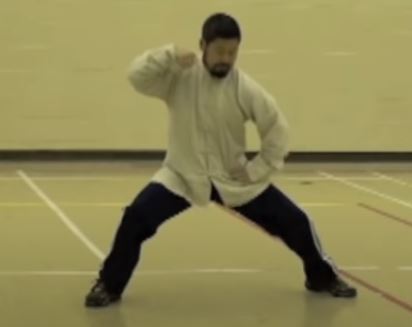
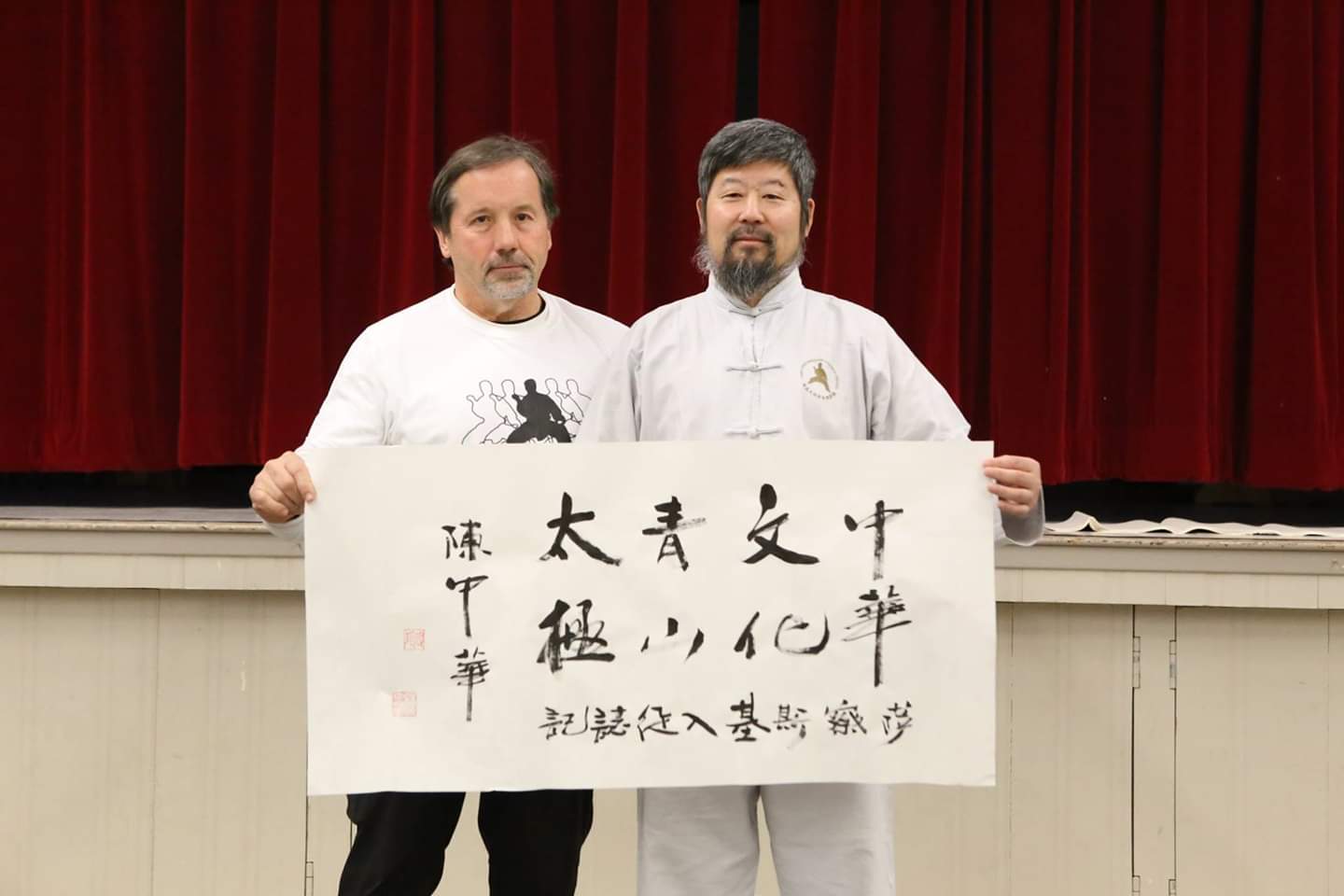
This photo was taken on Nov. 20, 2012. Thanks to Wei Ping and the Phoenix Group!
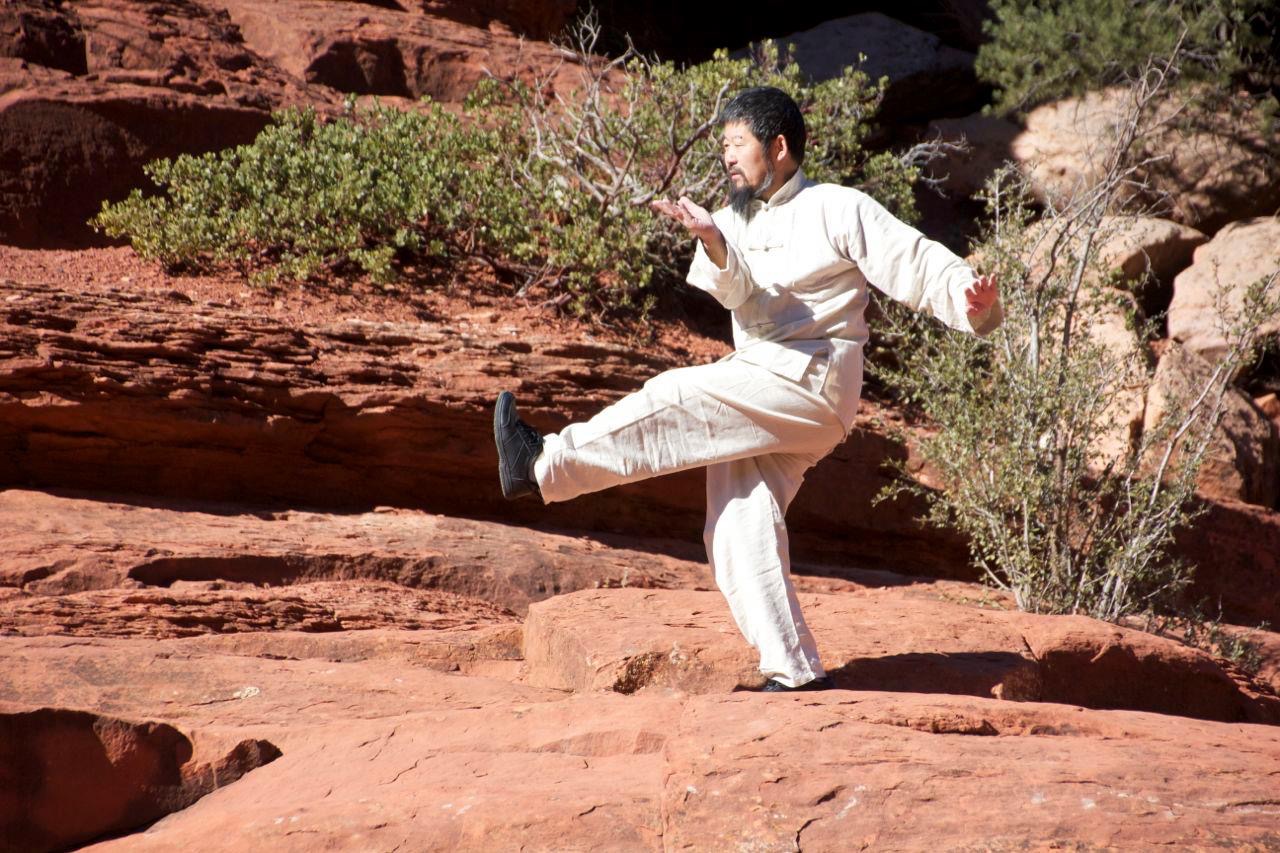
Chen Zhonghua in Sedona 2012
Chen Style Taijiquan and Hunyuan Taiji email: practicalmethod@qq.com
View posts in sub-category:
Application Articles Body and Posture Class (Workshop) Notes Common Errors Glossary and terms Hunyuan Knowledge-Movement Explanations Learning Method Principle-Concept Principle-List Principle-Rule Principle-Technical Push Hands Quotations Routine Names Routines Videos Stories Student Evaluations (Private) Taiji Apparatus Taiji FAQ Taiji Sword Thoughts and Understanding Workshop and Class Notes
This photo was taken on Nov. 20, 2012. Thanks to Wei Ping and the Phoenix Group!
Chen Zhonghua in Sedona 2012
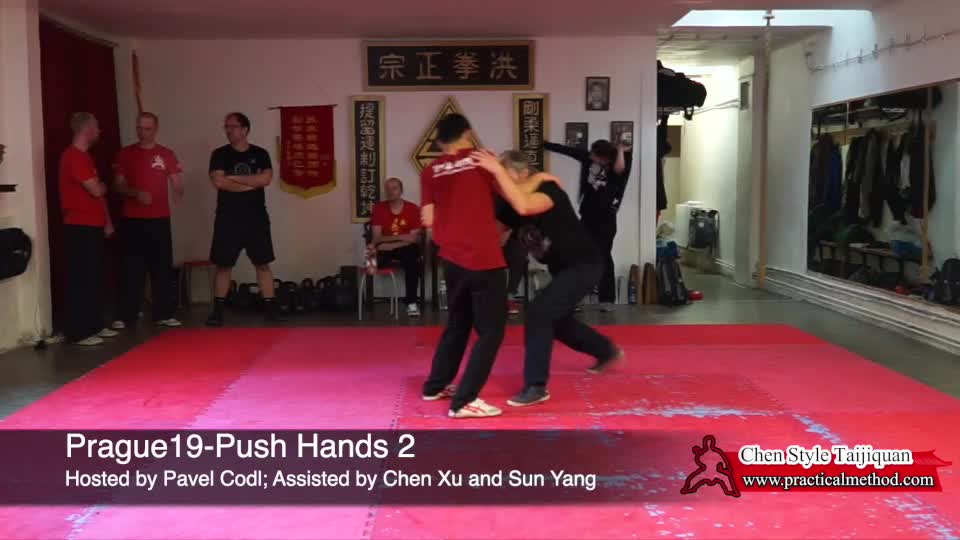
Push Hands Part 2 of the Chen Zhonghua 2019 Prague Workshop. Presenter: Chen Zhonghua Length: 10 min. In: English Year: 2019 Difficulty:1/5 At:Prague
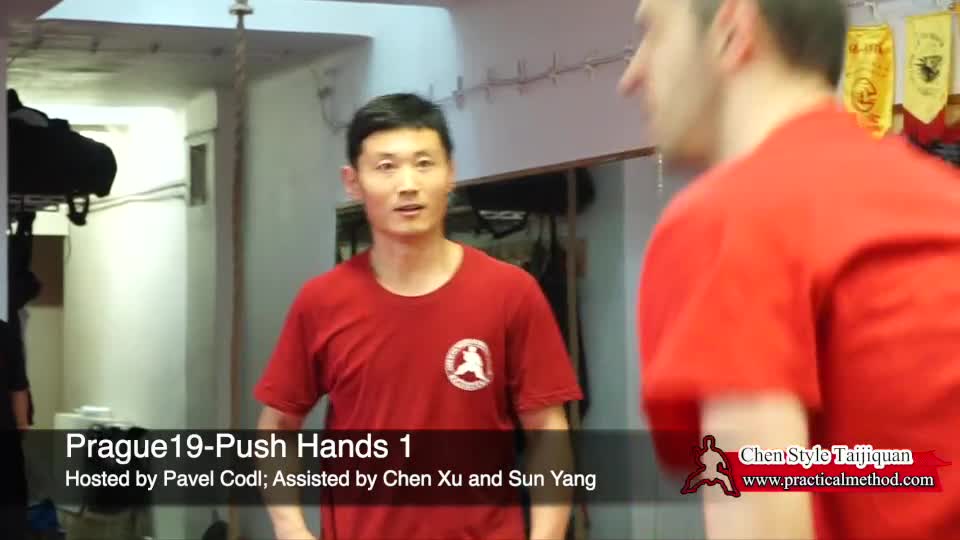
Push Hands training session of the 2019 Chen Zhonghua Prague Practical Method Workshop. Presenter: Chen Zhonghua Length: 10 min. In: English Year: 2019 Difficulty:1/5 At:Prague
Chen Zhonghua’s 2019 Prague Practical Method Workshop videos. Presenter: Chen Zhonghua Length: 10 min. In: English Year: 2019 Difficulty:1/5 At:Prague
Chen Zhonghua’s 2019 Prague Practical Method Workshop videos.Presenter: Chen Zhonghua Length: 10 min. In: English Year: 2019 Difficulty:1/5 At:Prague
Chen Zhonghua’s 2019 Prague Practical Method Workshop videos. Presenter: Chen Zhonghua Length: 10 min. In: English Year: 2019 Difficulty:1/5 At:Prague
Chen Zhonghua’s 2019 Prague Practical Method Workshop videos. Presenter: Chen Zhonghua Length: 10 min. In: English Year: 2019 Difficulty:1/5 At:Prague
Chen Zhonghua’s 2019 Prague Workshop videos. Presenter: Chen Zhonghua Length: 10 min. In: English Year: 2019 Difficulty:1/5 At:Prague
Ottawa Broadsword Seminar on Oct. 26, 2019.
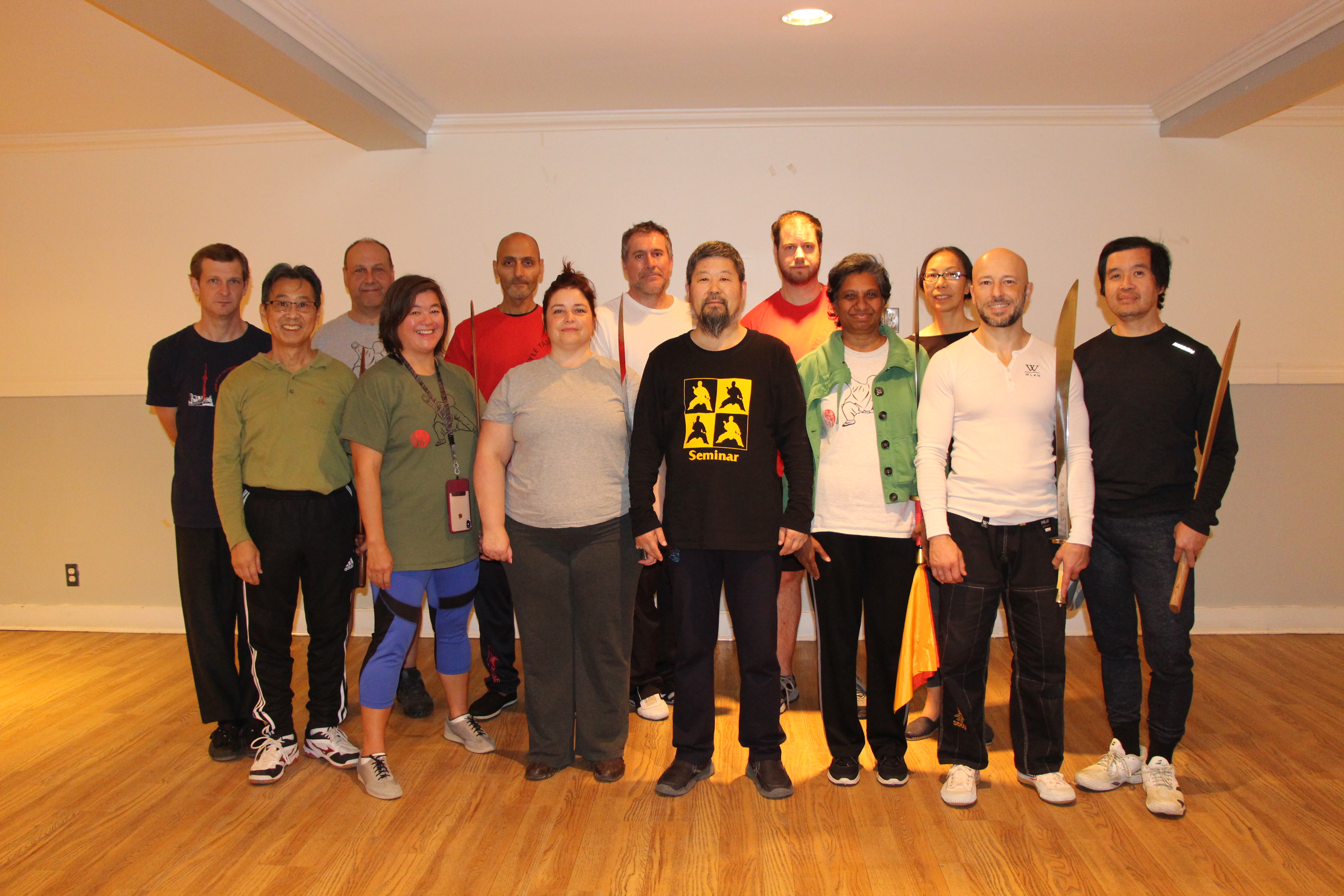
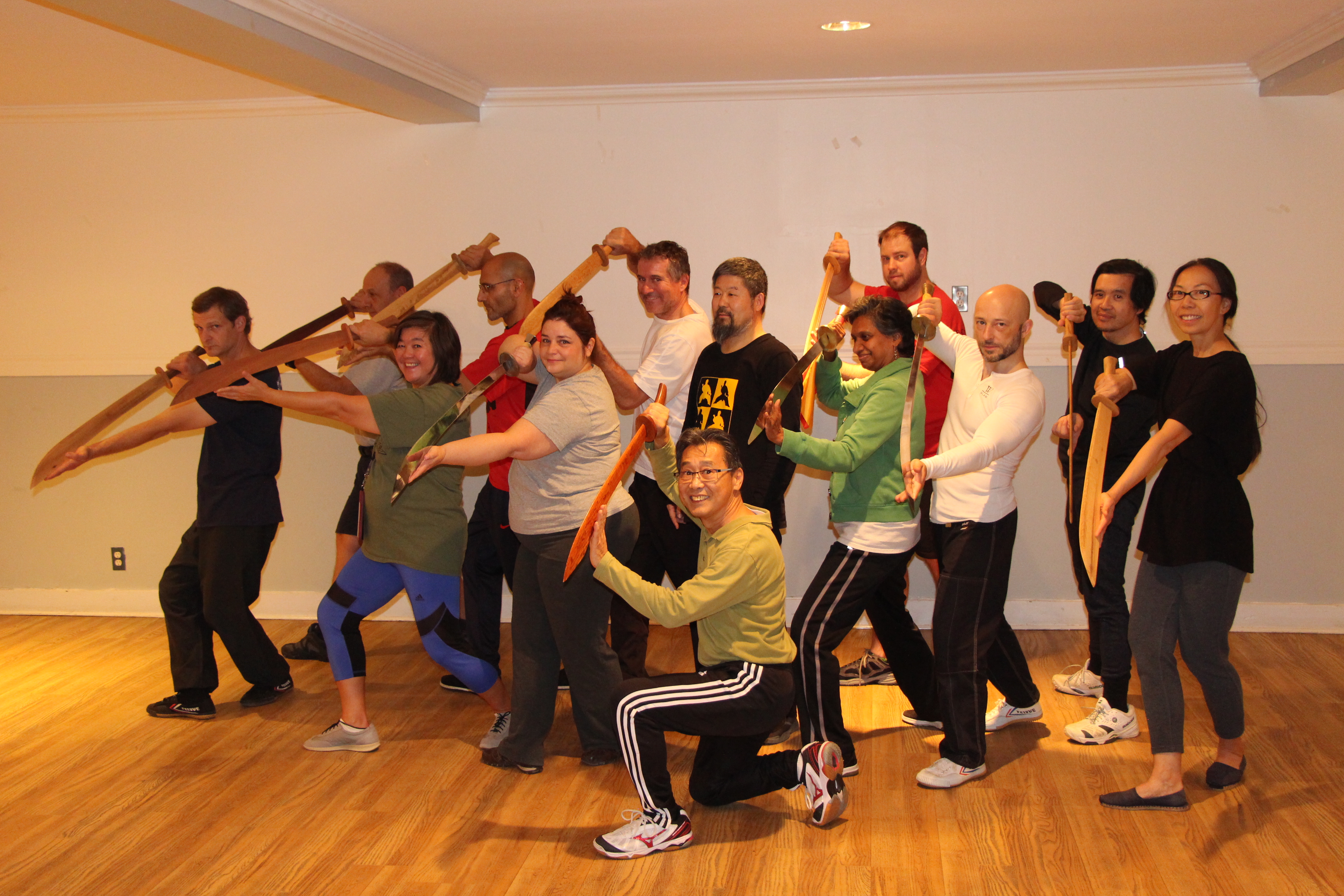
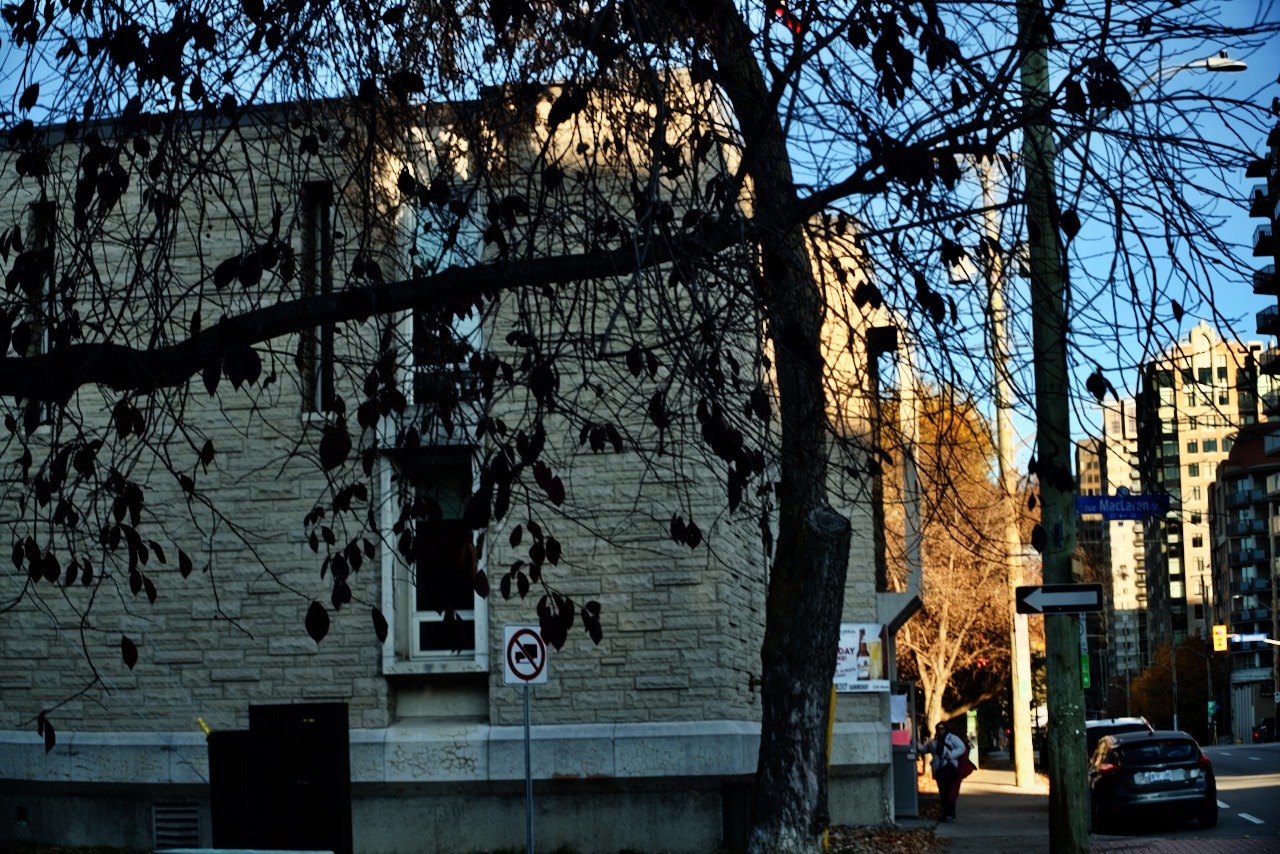
渥太华讲座场地20191026 – Walking towards the Legion Hall.
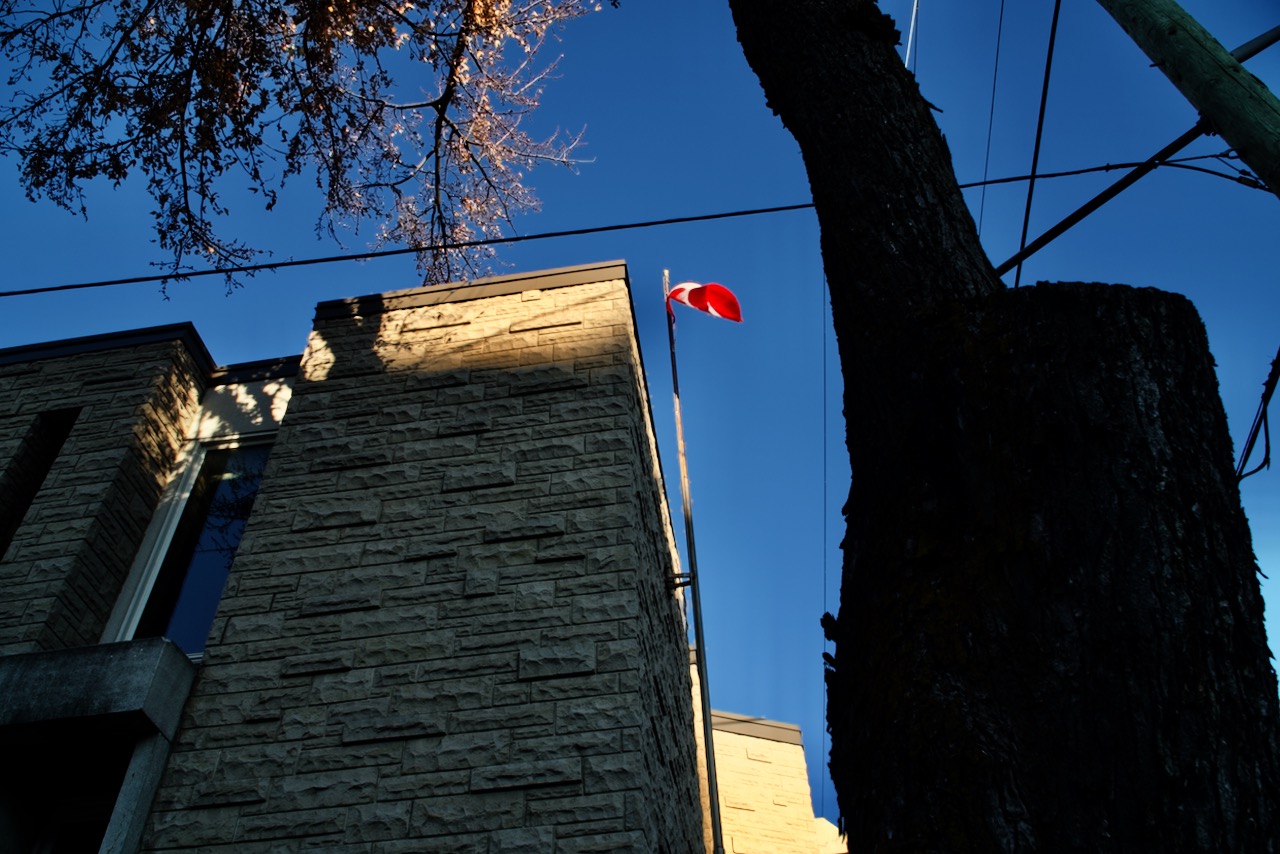
渥太华讲座场地20191026 – 1
This is where we held our first Ottawa Practical Method Seminar in March 1998.

渥太华讲座场地20191026 – 3
Front Door of the Legion Hall
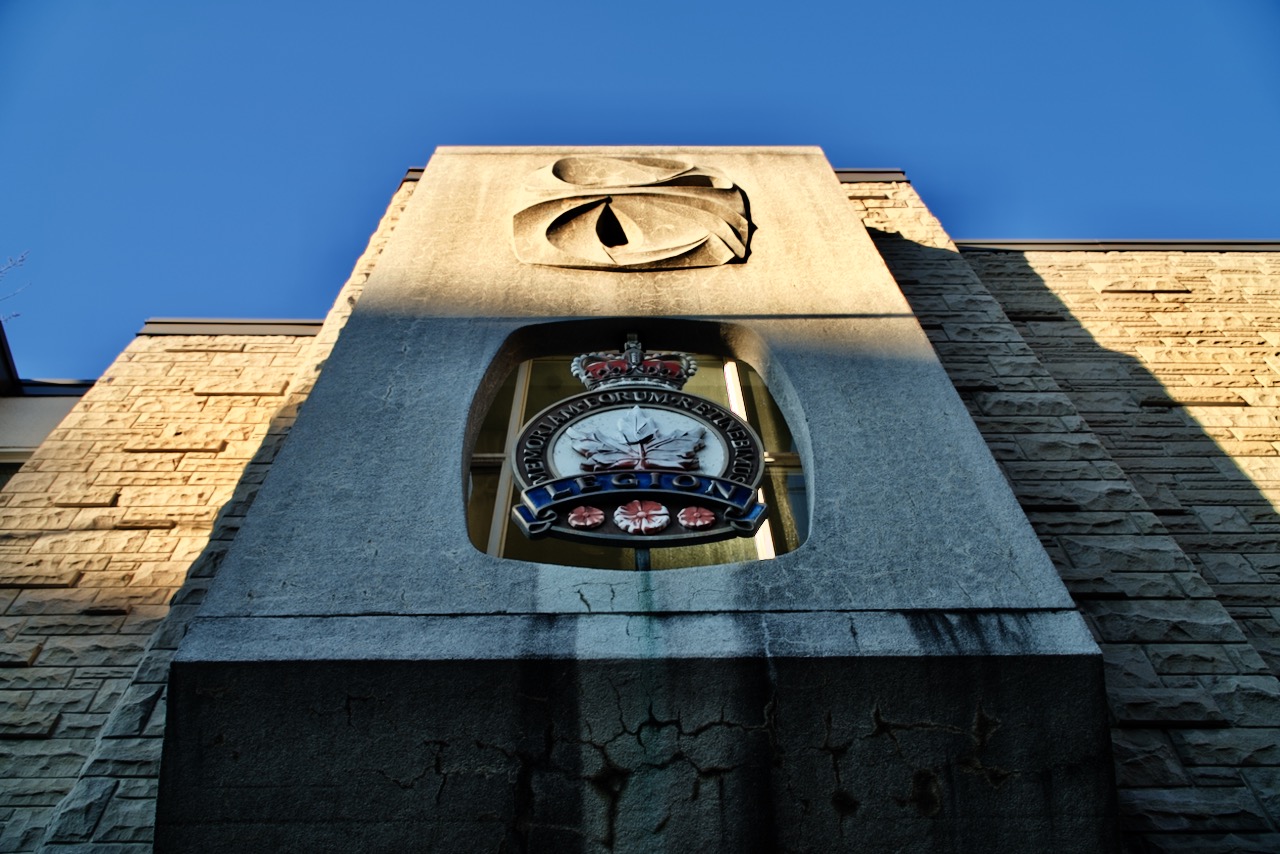
渥太华讲座场地20191026 – 2
Front of the building of the Legion Hall on Montgomery.

Master Chen showing Rick Pietila how to align the rear elbow with the front hand
Recently at a 2019 Toronto CA workshop hosted by Kevin Ho, Master Chen Zhonghua demonstrated and taught the participants a training drill that requires the starting position to have the rear heel off the floor and both hands in a double push position, chest high. While going over this drill and teaching to the finer more precise details, he offered that we students feel his back leg starting positions with our hands. One hand was to be placed on the ankle while the other on the inside thigh to feel the active tendons and muscles. He suggested that students pull or rake across these two areas to gain a better understanding of the physical requirements for the drill. When I took my turn, pulling across these areas, something registered with me to the feeling of the amount of tension in the leg as well as what precisely for this move was being used to generate such great power, and speed.
Read more
The gears twist on either side of the spine and your intention along with where you are looking can send power in any direction you want. You can also add better control by also changing the percentage of each lever. with straight spine hold with front left kua use right hand across. them Opening kua to right
Power comes from restrictions, stretch to point of rotation, Movement is muscle., no movement is a lever
Read more
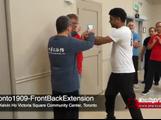
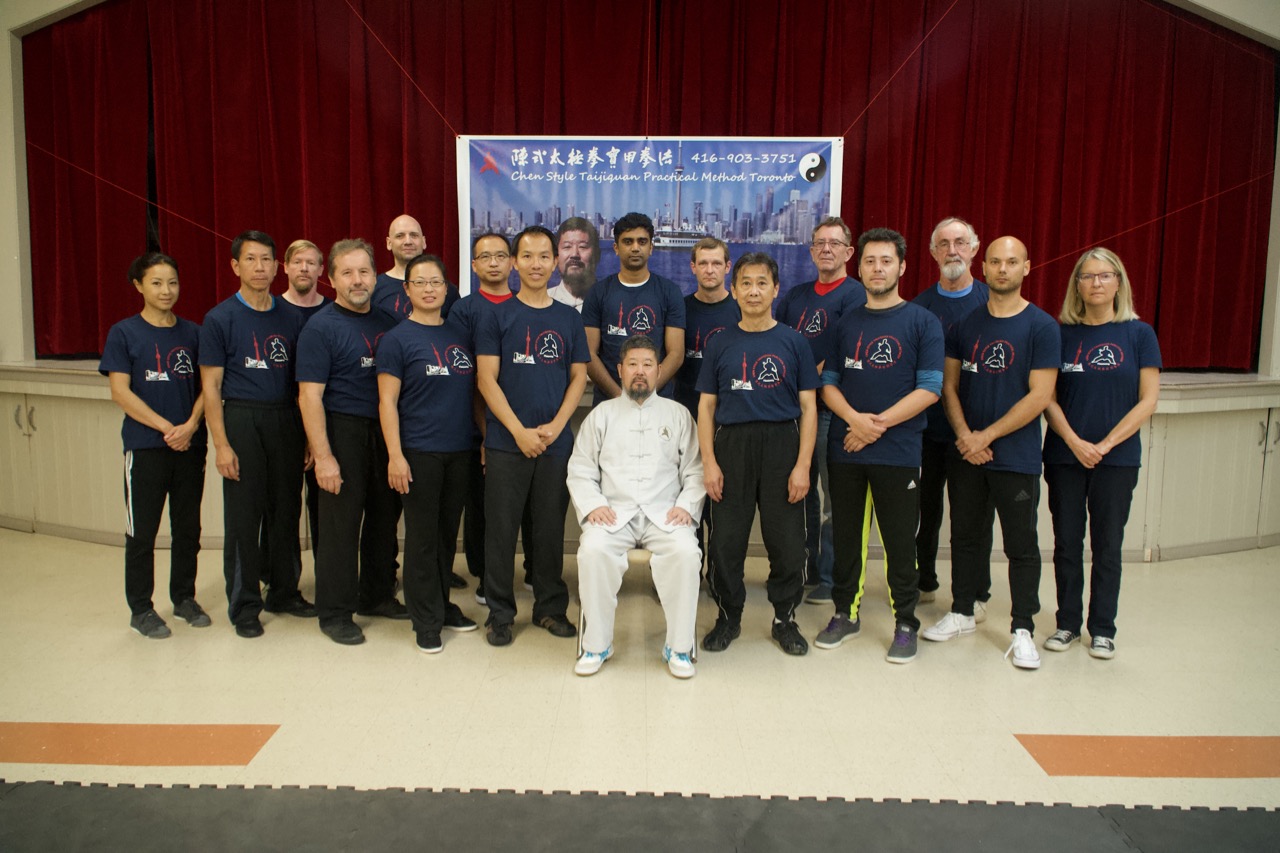
Master Chen Zhonghua’s Sept. 2019 Toronto Workshop on Practical Method.
Presenter: Chen Zhonghua Length: 10 min. In: English Year: 2019 Difficulty:3/5 At:Toronto
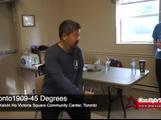
Master Chen Zhonghua’s Sept. 2019 Toronto Workshop on Practcal Method.
Presenter: Chen Zhonghua Length: 10 min. In: English Year: 2019 Difficulty:2/5 At:Toronto
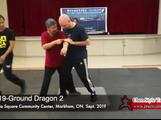
Master Chen Zhonghua’s Sept. 2019 Practical Method Workshop in the Toronto area.
Presenter: Chen Zhonghua Length: 10 min. In: English Year: 2019 Difficulty:2/5 At:Toronto
Chen Zhonghua’s Sept. 2019 Workshop in Toronto.
Presenter: Chen Zhonghua Length: 5 min. In: English Year: 2019 Difficulty:1/5 At:Toronto
Chen Zhonghua’s Sept. 2019 Toronto Workshop Videos.
Presenter: Chen Zhonghua Length: 10 min. In: English Year: 2019 Difficulty:3/5 At:Toronto

When practicing yilu:
Notes from Grandmaster Zhonghua Chen Workshop on Sept. 14 & 15, 2019, Edmonton, PM Studio

埃德蒙顿2019.09.14讲座合影。本文作者是右四(后)。 Read more

So we were doing lots and lots of six sealings four closings exercises at the end of the Vienna Workshop. I was leading the group and counting. Then, at #476 something in my hip cracked open. A rush of pure energy run through my body and I felt like a conductor between heaven and earth, and then … Read more
 First I had to not push the opponent and just find the wall with my back. When it wasn’t working so well it was because I was too far from the wall. It got a little bit better, but I was hitting the wall too straight so my stretch wasn’t as long as it could have been. Once that was fixed by lowering more to hit the wall, my fingers were not angled correctly towards the opponent and extending past the demarcation line. Once all those things were corrected, I was able to push better. Read more
 Positive circle steps. There are two steps and one modification. They are in, turn and out. Read more
Taiji is a “scientific” way of moving your body that the ancient Chinese believed was good for the body and good for fighting. Taiji is the art of yin and yang. Chinese culture was founded on this fundamental understanding of opposites. It’s not about right and wrong. It is about adapting to nature. Taiji is an exercise designed to make the body last longer. Read more
Power comes from restriction.
—Chen Zhonghua at the Sept. 2019 Toronto Workshop. Read more
Foot Hand Separation Exercise 2019.09.09 in Toronto, Canada.
With 6 sealing 4 closing, the forward fingers poke forward and the rear elbow pulls backward, and there is a straight line from the front finger to the rear elbow that stretches.
My practice is to take 3 random points and line them up.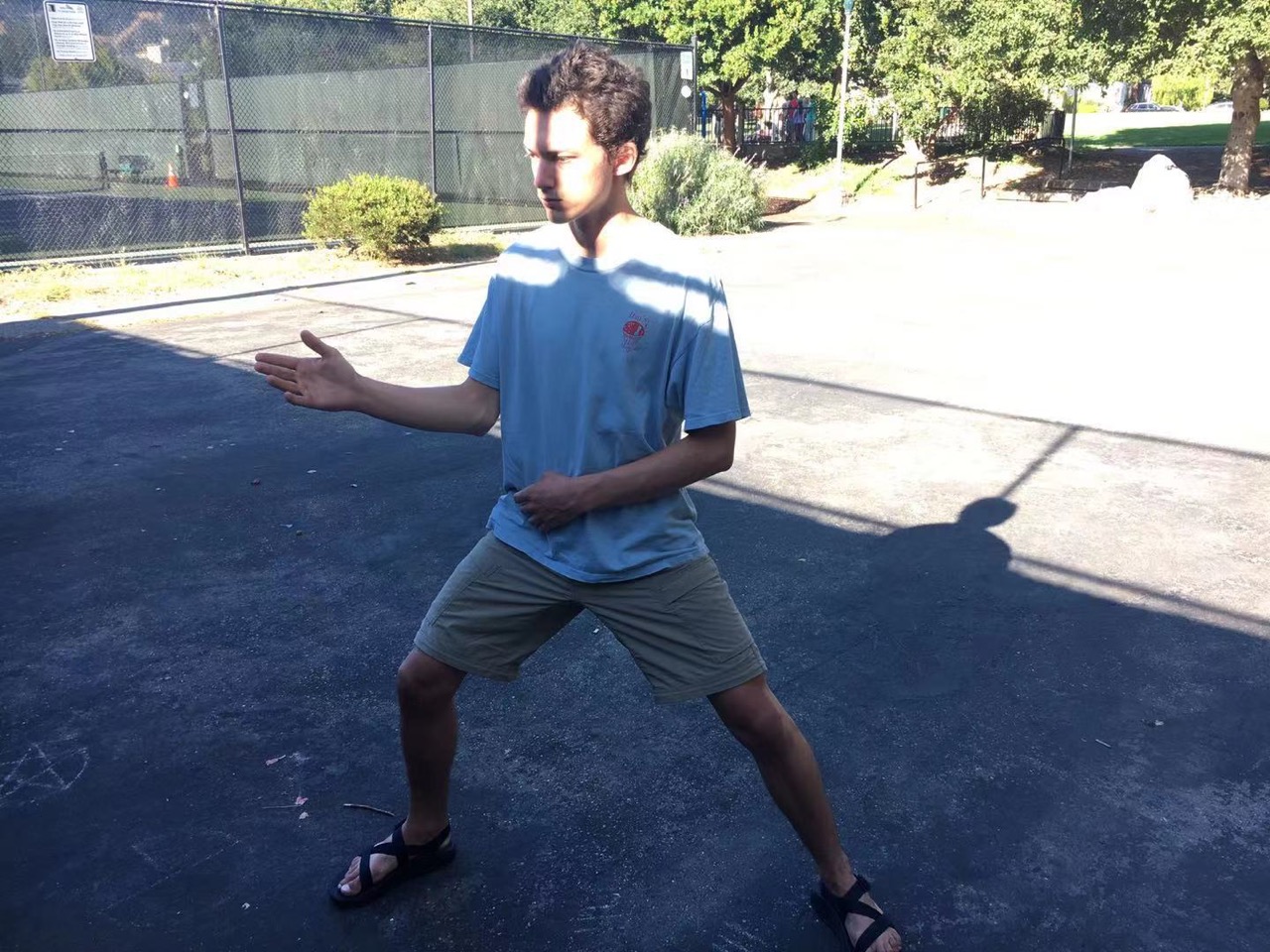
2019.09.08 pm Read more
For as long as I can remember my mother has been telling me that I have two crooked little fingers just like she has. It is nothing serious, if you look carefully, you may notice a little hump. As a young girl my mother had tried to make her little fingers straight by squashing them between the lid of her school desk. Somewhere along the line she must have come to peace with her crooked little fingers because she seems kind of proud that I inherited this quality from her.
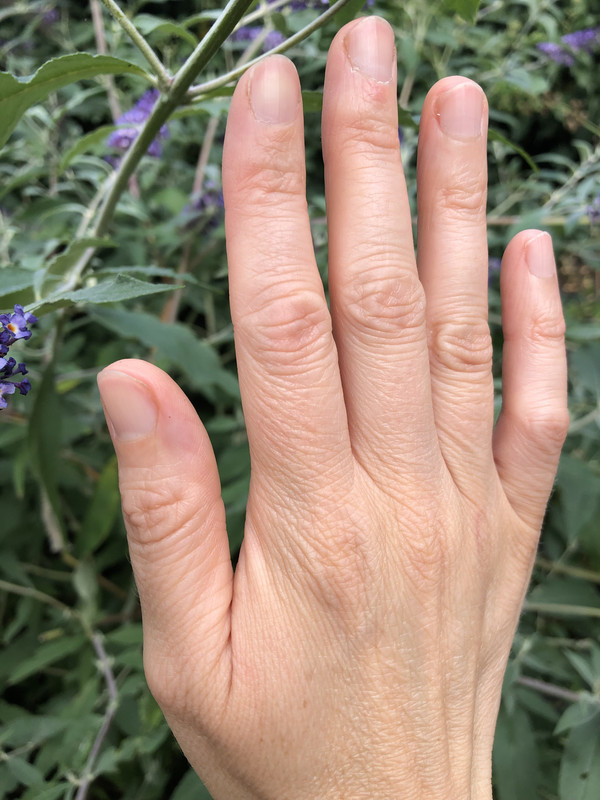
Tile hand: my crooked little finger
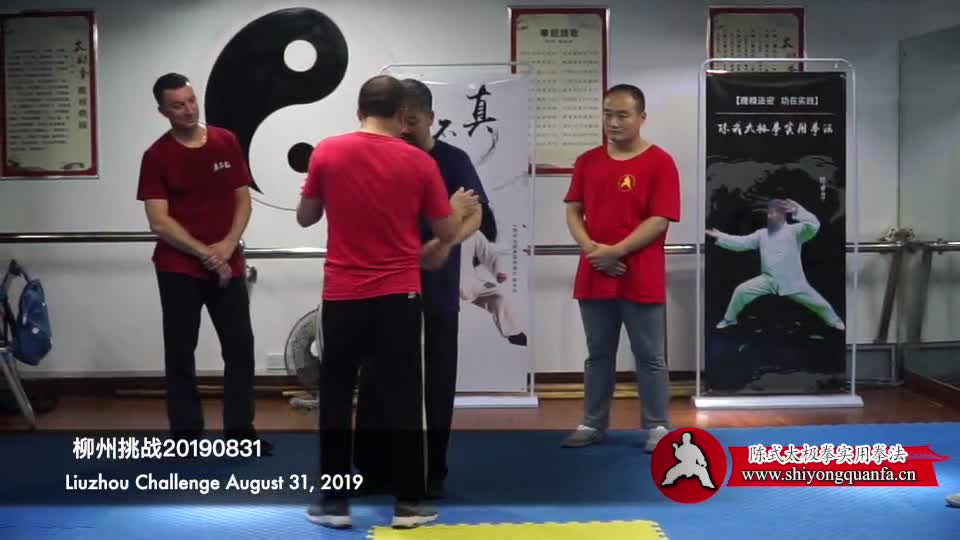
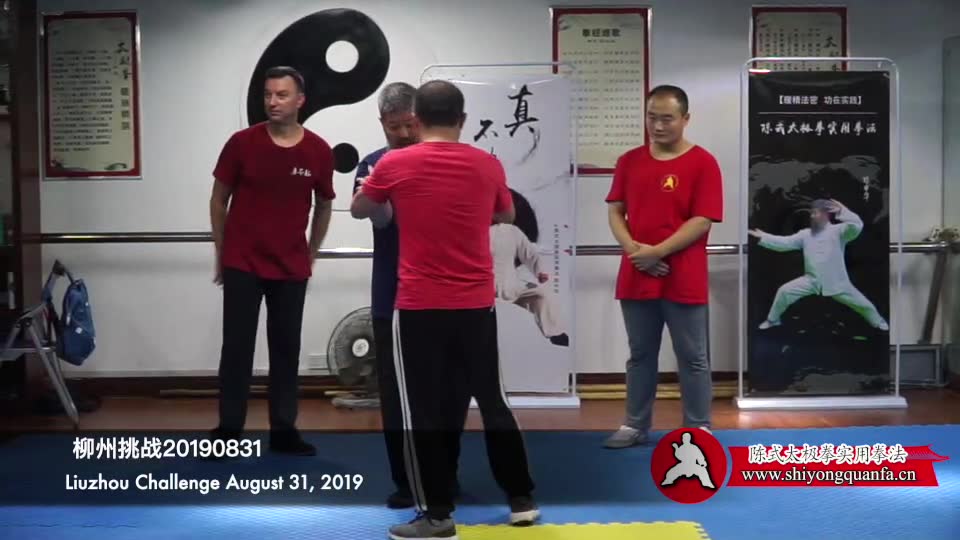
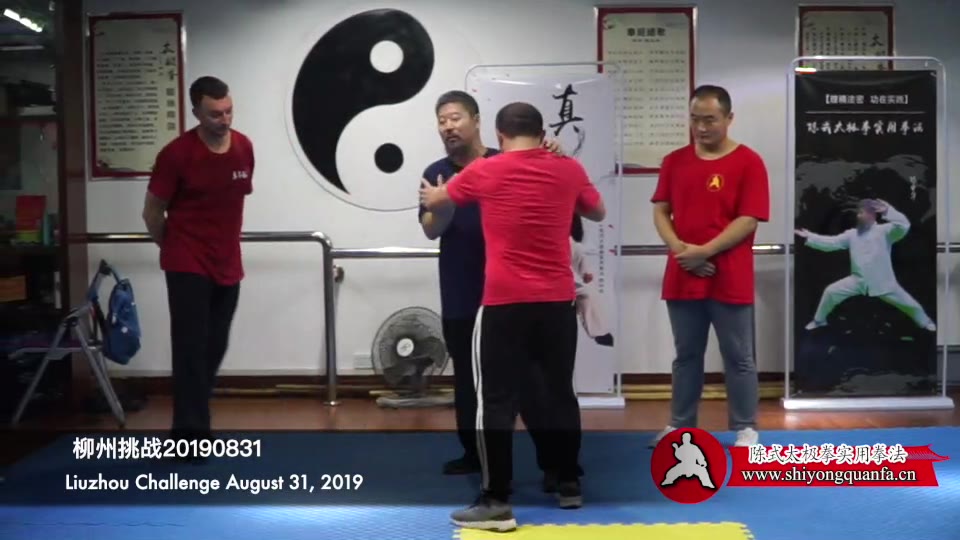
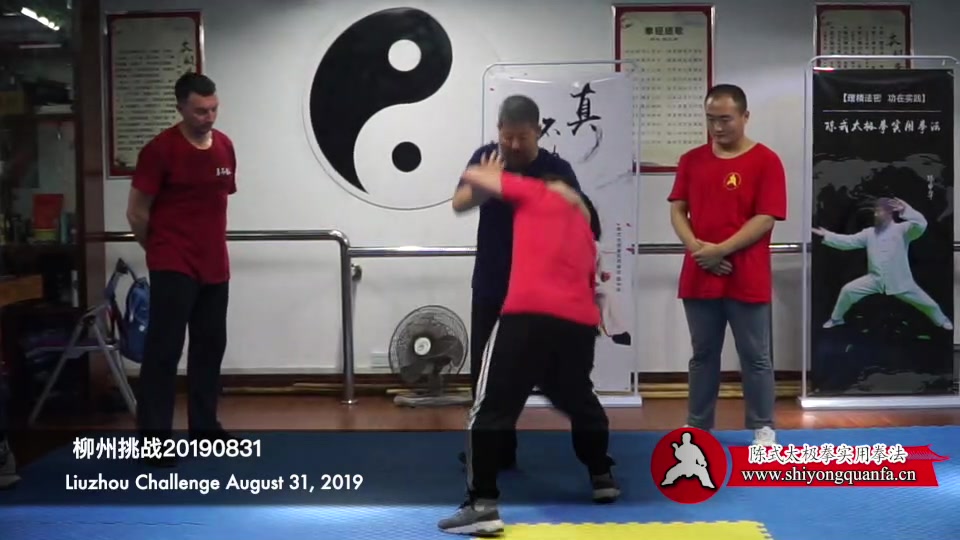
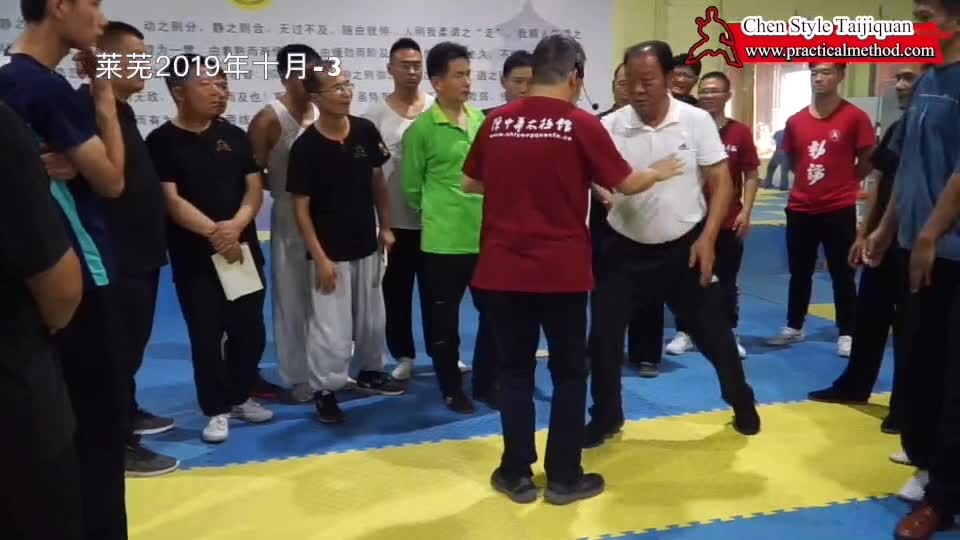
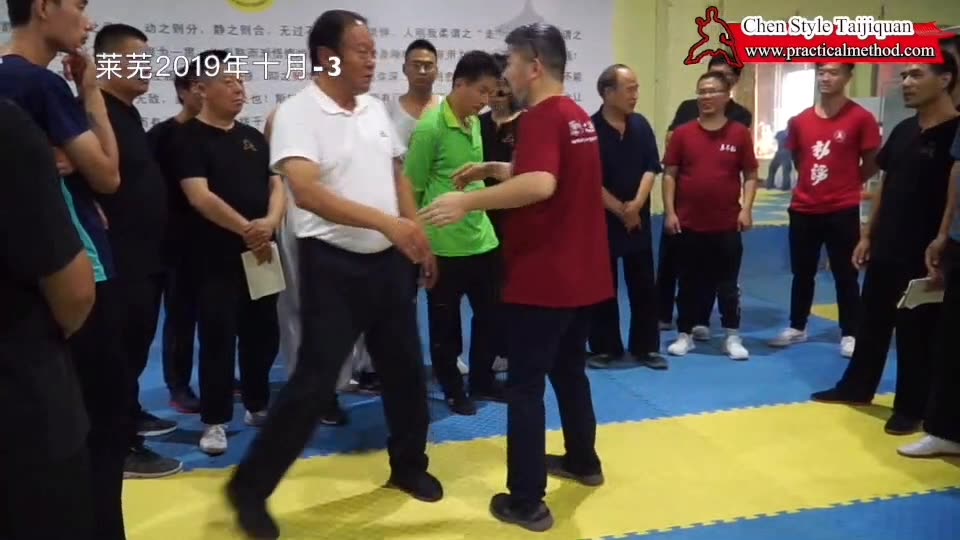
Comments on 2019 North American Practical Method training camp
From my perspective, this year’s training camp was outstanding! I came with the thought that I had progressed a lot but after a short time I realized (as usual) I have so much to learn. I am basically a very beginner but I can see that each time I attend a function with Master Chen I can get a little better grasp of what he is teaching.
Read more
Notes from Day 1, Phoenix Practical Method Workshop
These are pretty rough, just short statements.
Every movement needs to have intent and some reference. When we do taiji we need intent. Taiji is governed by yin yang.
We need to see what is really there. Usually we think we see but that is not what is really there.
Read more
Day 1
During a workshop earlier this year, Master Chen recommended that we utilize the “Yilu Record” tab to track our practice. As a result of starting this, I have found that it motivates me to basically do more, and to practice more consistently. Recording progress provides definitive feedback on effort and accomplishment. I have found it to be a very positive tool and extremely easy to use.