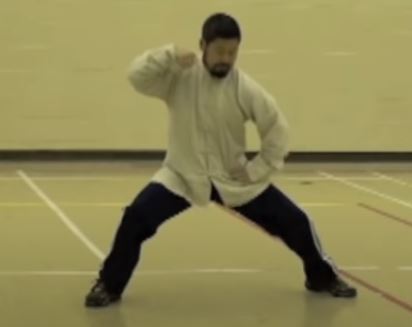
From lowering stress to strengthening muscles, the Chinese marital art can help patients overcome the side effects of chemotherapy.
Knowledge
View posts in sub-category:
Application Articles Body and Posture Class (Workshop) Notes Common Errors Glossary and terms Hunyuan Knowledge-Movement Explanations Learning Method Principle-Concept Principle-List Principle-Rule Principle-Technical Push Hands Quotations Routine Names Routines Videos Stories Student Evaluations (Private) Taiji Apparatus Taiji FAQ Taiji Sword Thoughts and Understanding Workshop and Class Notes

 What they are
is simple: challenges! This information is for the few who don’t know.
The case of study used is the challenges that happened in Yishui, Shandong, China on Feb. 1, 2015. The two videos are included below for references. There are lots of comments at the youtube site where the videos are. Read more
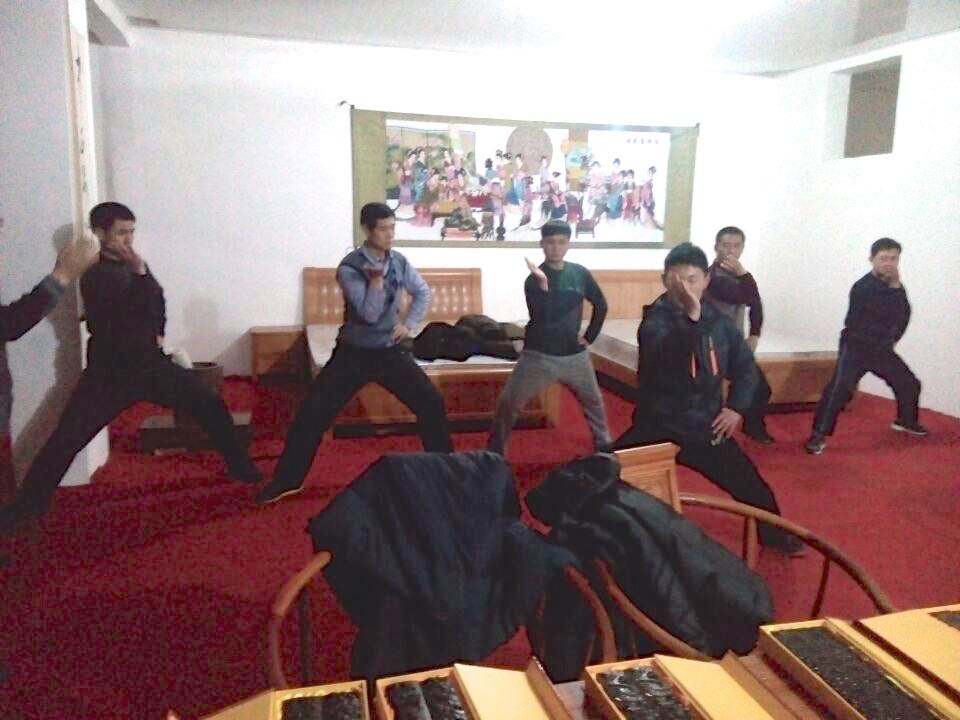 On the invitation of Mr. Lai Qingwen, two instructors from Daqingshan, Chen Xu and Li Xiaohui, went to Yishui, Shandong province to teach Chen Style Taijiquan Practical Method as taught by Master Chen Zhonghua. They will be in Yishui from January 30, to February 3, 2015. Read more
Notes from Toronto workshop:
-Make the dot longer to control where they fall. Must add 3rd dimension. Curved line automatically works in 3 dimensions.
-Change of position allows the length to be changed. Do not change the angle. Read more
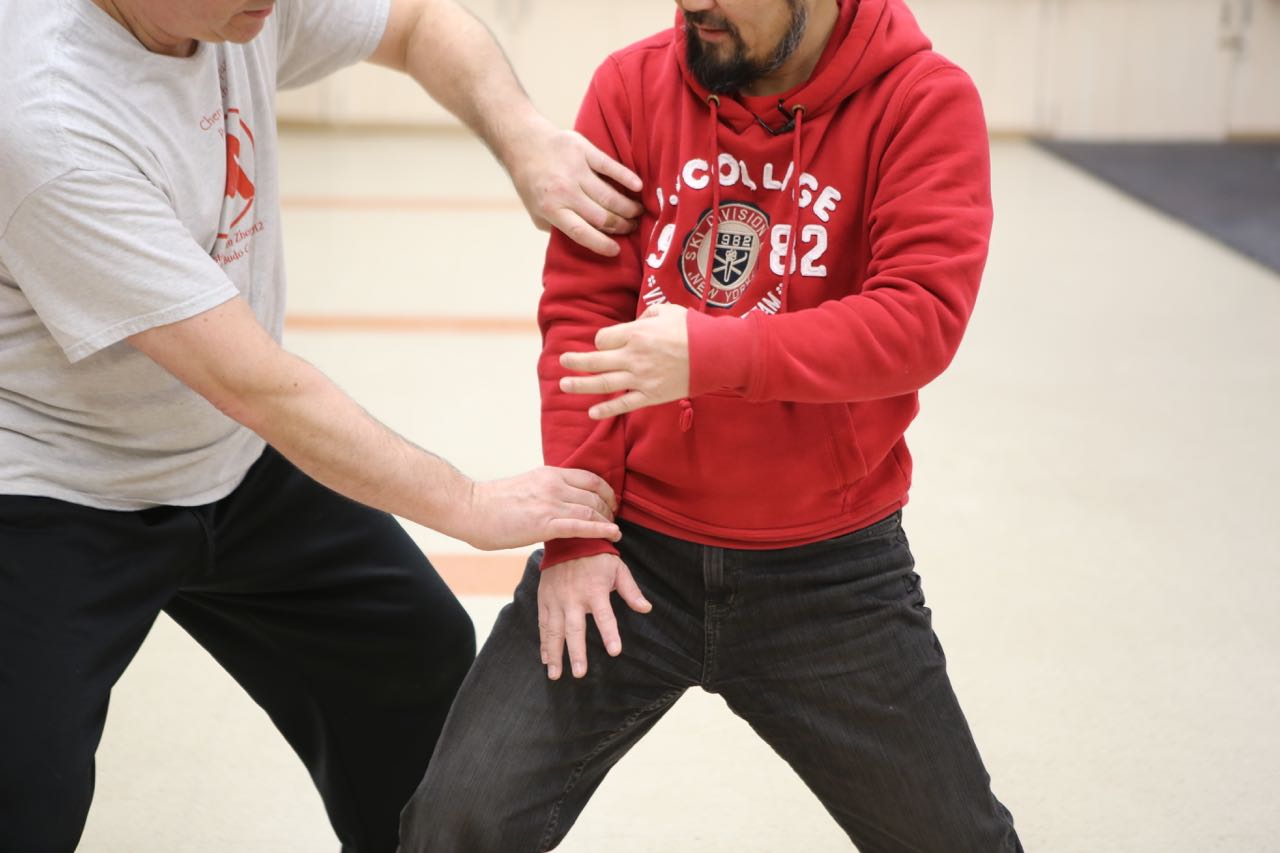 At the four-day workshop on Toronto from Jan. 15-19, 2015, I taught the basic principles of push hands action again. It is to: Read more
These are some of the photos at the Toronto Workshop on Jan. 15, 2015. Worked on Foundations, Yilu, and applications. Push Hands techniques are mainly based on scissors power: two lines crossing with a fixed spot on them.
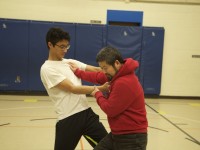
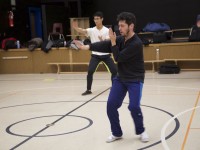
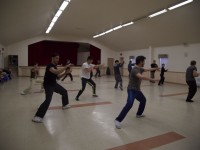
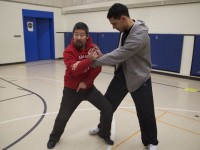
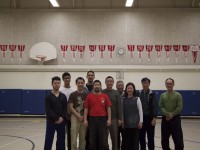
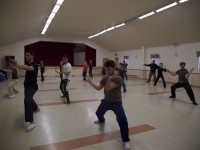
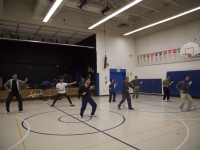
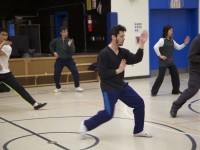
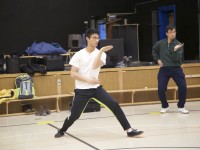
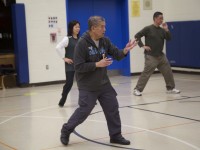
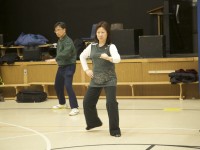
Master Chen says that we need to get in, get stuck, and then turn the waist. However, people do not like the feeling of being stuck. We think that we need to move around looking for any opportunity to do something. The reality is that every move is an opportunity.
For a person to function normally, the body and the mind must work together seamlessly. In taijiquan, this state of being is called the harmony of the body and the mind. It is also called the union of the body and the mind.
In terms of yin yang theory in taijiquan, body and mind are the opposite. They don’t always harmonize in many activities. The body mind connection becomes more and more distant as humans age. The practice of taijiquan, is said to help rebuild the body and mind connection for many people.
 In taijiquan, we have a saying “Both hands and the heart are forgotten”, and “The body and mind are harmonized as one”. To be more direct, we say that the learning and the using are the same. Both Grandmasters Chen Fake and Hong Junsheng said, “Practice the way you would use it”. One who can achieve this level of ability is certainly a skilled person. It is unfortunately too difficult to reach this level. Read more
 This is mine. What is yours?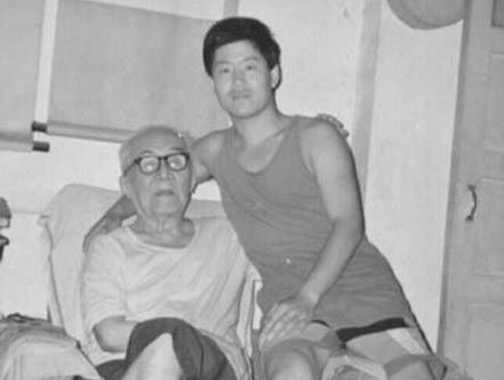
- Continue to watch my masters’ original videos and read their original writings.
- Teach sword and broadsword.
- Stay away from the corruption of the society and of the taiji world. This means I will not copy or forward anything from the web. Every word must come from my heart, from my own experiences and from my own hand.
 Although there are not really ‘ secrets ‘ in Taiji anymore, there are things that are extremely important, that are not well known or properly emphasized. Generally speaking, students are not shown ‘ leg methods ‘ until they are higher level, if ever. The correct ( and stealth like ) use of the leg is Read more

We must train to use a lot of power.
If you want to learn how to move a big rock and you just go up to it and use your hands to tip it back and forth, you are wasting your life. You have to get a good grip on it and try to lift it. If you can’t move it then: Read more
Dan Tian and Kua
 In a Phoenix Workshop a couple years ago, Master Chen talked about different schools of thought related to the concept of ” Setting Up the Furnace “. This has to do with the formation of a real and working Dantien. One school of thought believes, this is done energetically and when formed causes changes in the Read more
This video illustrate that gears are not always round, as long as there is good connection between two rotating objects, then transfer of power will happen. Having good connection is the key of generating indirect power in the body for taijiquan purpose. Read more
Another version:
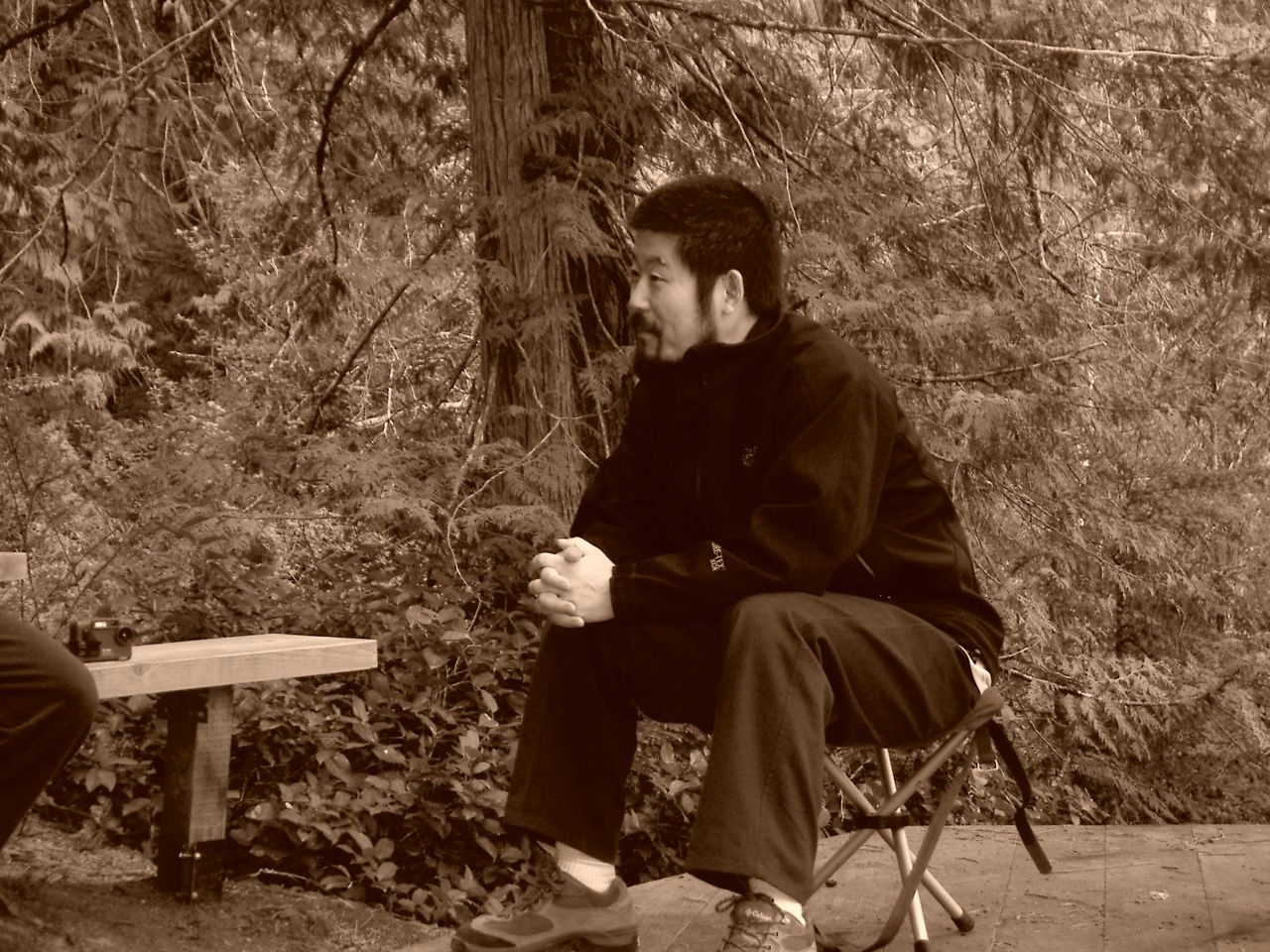 At the workshop in Maple Ridge today, we worked on “Stretching”. It is important to remember that a concept must be understood at it core level. We train the basic core elements of the concept, not its derivatives, deviations, adaptations or variations of the concept. For example, the core elements of a “stretch” is a locked point and a moving point. A variation is two moving points. Read more
To truly learn, we have to force ourselves to practice according to the principles; especially when we cannot comprehend, verify or believe.
Most people practice according to what and how they like to practice. That’s not learning.
Read more
Practice to create a lever in the leg to power the whole body. Clip from Daqingshan Full Time Taiji course.
Presenter: Chen Zhonghua Length: 16 min. In: English Year: 2014 Difficulty:1/5 At:Daqingshan, China
Daqingshan Full time training clip, discussing setting up a sequence of levers from arm to feet. The instructions cover the same subject repeated in chinese and english.
Presenter: Chen Zhonghua Length: 5 min. In: English & Chinese Year: 2014 Difficulty:1/5 At:Daqingshan, China
Training routine to utilize leg power from Daqingshan full time training.
Presenter: Chen Zhonghua Length: 3 min. In: English Year: 2014 Difficulty:1/5 At:Daqingshan, China
Separation in term of movement direction from Daqingshan full time course. This is one type of vector force.
Presenter: Chen Zhonghua Length: 7 min. In: English Year: 2014 Difficulty:3/5 At:Daqingshan, China
Talk on theory of original energy. clip from Master Chen Zhonghua’s 2014 Daqingshan full time training.
Presenter: Chen Zhonghua Length: 11 min. In: English Year: 2014 Difficulty:1/5 At:Daqingshan, China
 Today was the first day of the workshop in Sydney. After some adminstrative issues and handing out the t-shirts, Master Chen took control and started in quick sucession of static 3 count elbow in, turn waist, hand out. Soon this developed in stepping positive circles, and before everyone recovered the class was already twisting (wringing) the towel. We also explored the three way split, the effect of the resultant power (usually the other person on the ground).
We then continued with an extensive series of applications related to the movements of ‘Buddha’s Warrior’, and Master Chen demonstrated various variations to the applications with the foot kicking in the knee, the foot sliding behind the leg, the foot sliding behind the leg and kick the opponents leg from under them, the split of the kua at the front for higher moves and the back kua for lower hand moves, how the three way split applies to this, and much, much more. Read more
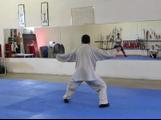
Energy alignment in Practical Method Cannon Fist form. Part One of Two Cannon Fist Alignment videos.
Presenter: Chen Zhonghua Length: 42 min. In: English Year: 2014 Difficulty:3/5 At:Phoenix, AZ, USA
Phoenix workshop participants, please contact Ping Wei for free access
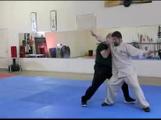
Second part of the Cannon Fist Alignment video. At the end of the video, there is a complete Cannon Fist demonstration by Master Chen Zhonghua in Italy in 2014.
Presenter: Chen Zhonghua Length: 27 min. In: English Year: 2014 Difficulty:3/5 At:Phoenix, AZ, USA
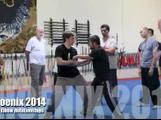
Split in Hand and Elbow, and talk on spiral power
Presenter: Chen Zhonghua Length: 7 min. In: English Year: 2014 Difficulty:2/5 At:Phoenix, AZ, USA
Phoenix workshop participants, please contact Ping Wei for free access
Alex has been training with me in Fredericton, NB for about three years. This summer, he completed 1000 repetitions of Yilu.
Keep up the good work!
A youtube viewer of video below asked:
Master Chen, how will know if can be used when we can practice 100%? How would we know if it is real or an illusion of our ability?
Please comment on this good question
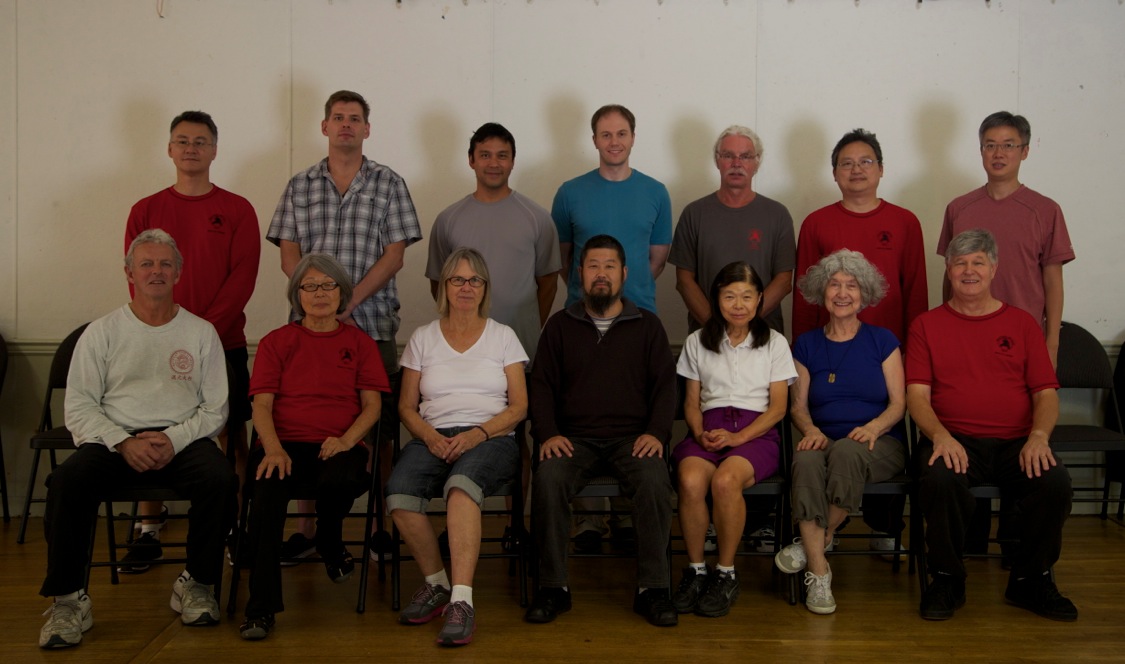
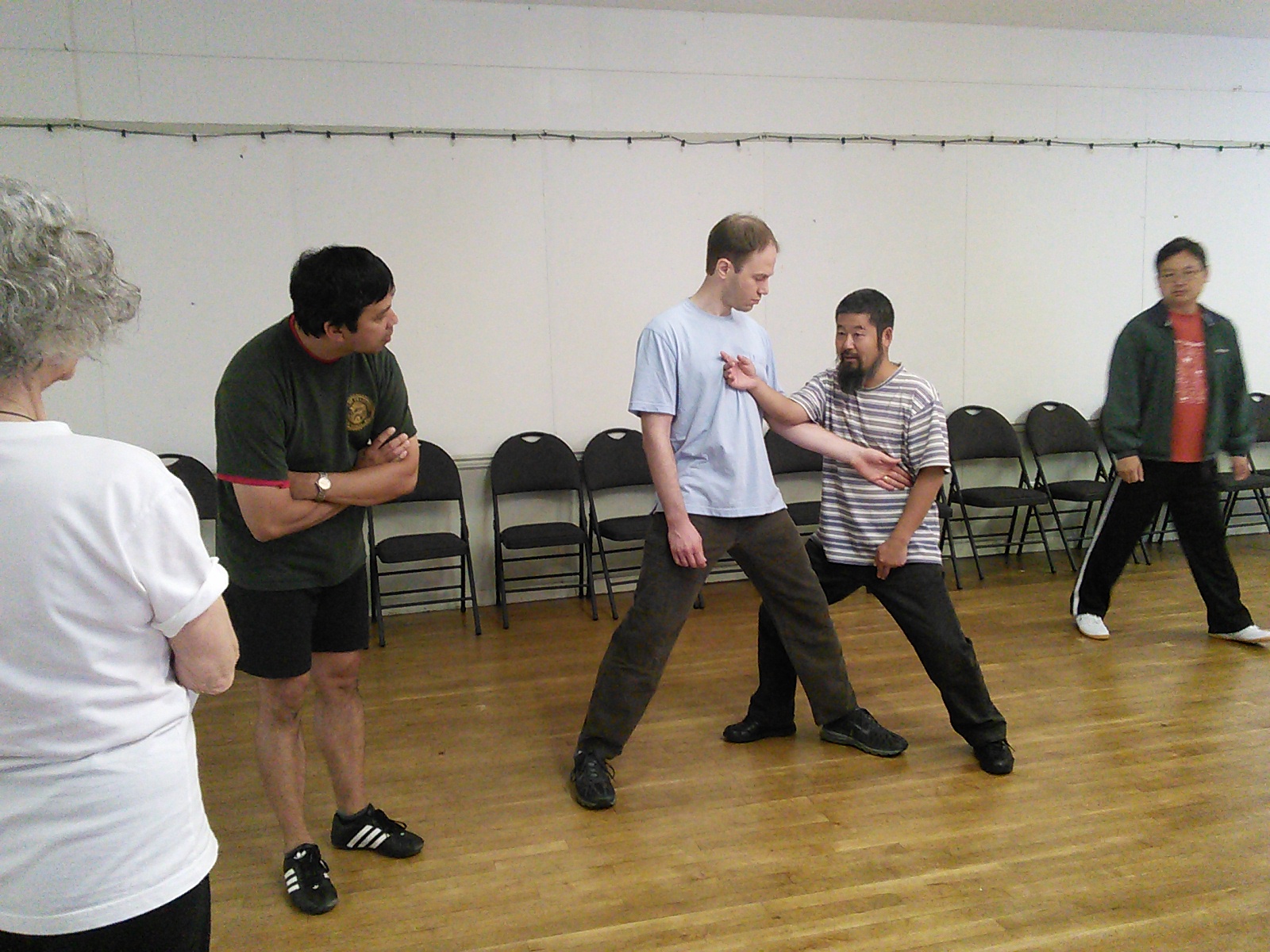
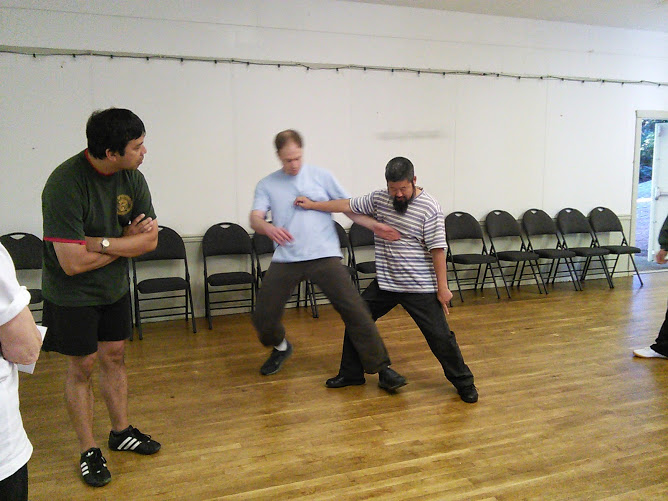
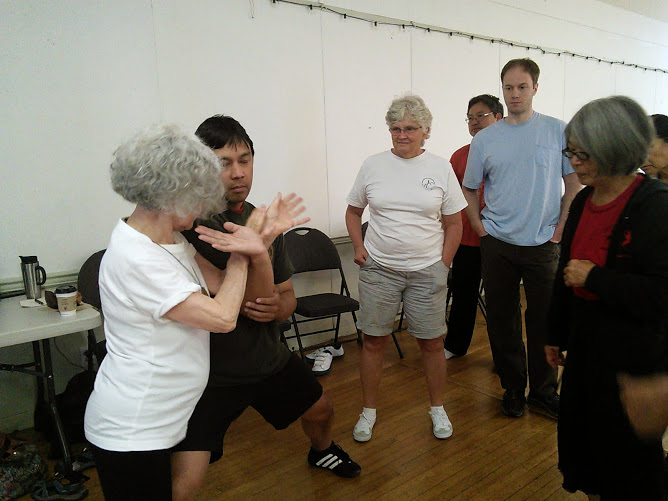

Master Chen told students to be clear in yilu, either arm or body move, not both.
 Taiji can certainly be considered a form of specialized technology, and like any specialized technology, this requires special language.
That language is something we have to be very careful of because, in many cases, a word with a ‘common’ meaning often has a special, more extensive, or more precise meaning than the one we would normally attribute to it.
Sometimes watching something in nature can be helpful in gaining understanding a type of movement. If you watch generally speaking you see ‘everything moving’ in a wavelike manner. But if you look more closely you will notice the movement is actually the result of a sequence of isolated actions connected by stretch. Every thing is NOT moving at the same time. There is an energy flow through the segments.
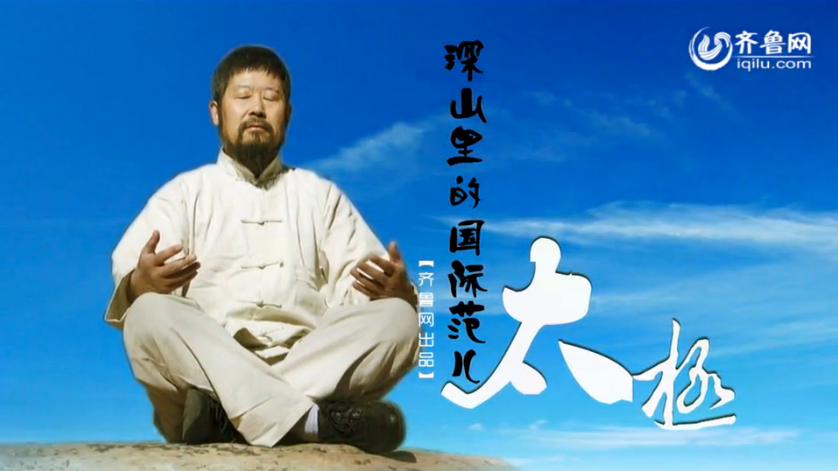 The video is in Chinese. Qilu network video reports on Chen Zhonghua’s taijiquan on Daqingshan, China.
深山里的国际范儿太极
http://v.iqilu.com/wdy/wcp/2014/0704/4095036.html