Knowledge
View posts in sub-category:
Application Articles Body and Posture Class (Workshop) Notes Common Errors Glossary and terms Hunyuan Knowledge-Movement Explanations Learning Method Principle-Concept Principle-List Principle-Rule Principle-Technical Push Hands Quotations Routine Names Routines Videos Stories Student Evaluations (Private) Taiji Apparatus Taiji FAQ Taiji Sword Thoughts and Understanding Workshop and Class Notes
Forms 55-68 of the Yilu Routine.
Presenter: Chen Zhonghua Length: 9 min. In: English Year: 2015 Difficulty:1/5 At:Edmonton, Alberta, Canada
You can buy all six videos for $40.00 here: http://practicalmethod.com/2020/07/yilu-detailed-instructions-all-six-sections-2015-online-video-purchase/
The Vancouver workshop was taught by Steve Chan and Bill Vanderhall. Driving in from Calgary, I was able to get some good training in and meet up with the Vancouver practical method group again. Read more
 |
Overcoming cultural and linguistic barriers is crucial in comprehending the profound meaning of Tàijíquán. Students of the Practical Method are fortunate to have Master Chen as their guide, navigating the intricacies and enigmas of this art. In 2010, Master Chen authored a concise Chinese summary of twenty-four essential principles within the Practical Method. This summary was subsequently refined in 2012. We have now translated this invaluable set of rules into English. |
 Shifu Chen Zhonghua often emphasizes how to learn Taijiquan. This web site has a great article called 6 Methods of Learning Tai Chi. (Read this if you have not already.) It expands and elaborates on Grandmaster Hong’s “Look, Listen, and Ask” practice method.
In motor control research, I found the neurological basis for this method of learning. There are neurological mechanisms called mirror neurons. The basic premise is when we see a person do something, mirror neurons fire off in our brain attempting to duplicate the pattern in our nervous system required to copy the movement. At first, it is an imperfect copy because it follows old neurological pathways. With repeated viewing of the action, our brains and nervous system do a really good job of creating new neurological pathways to accurately copy the movement. Read more
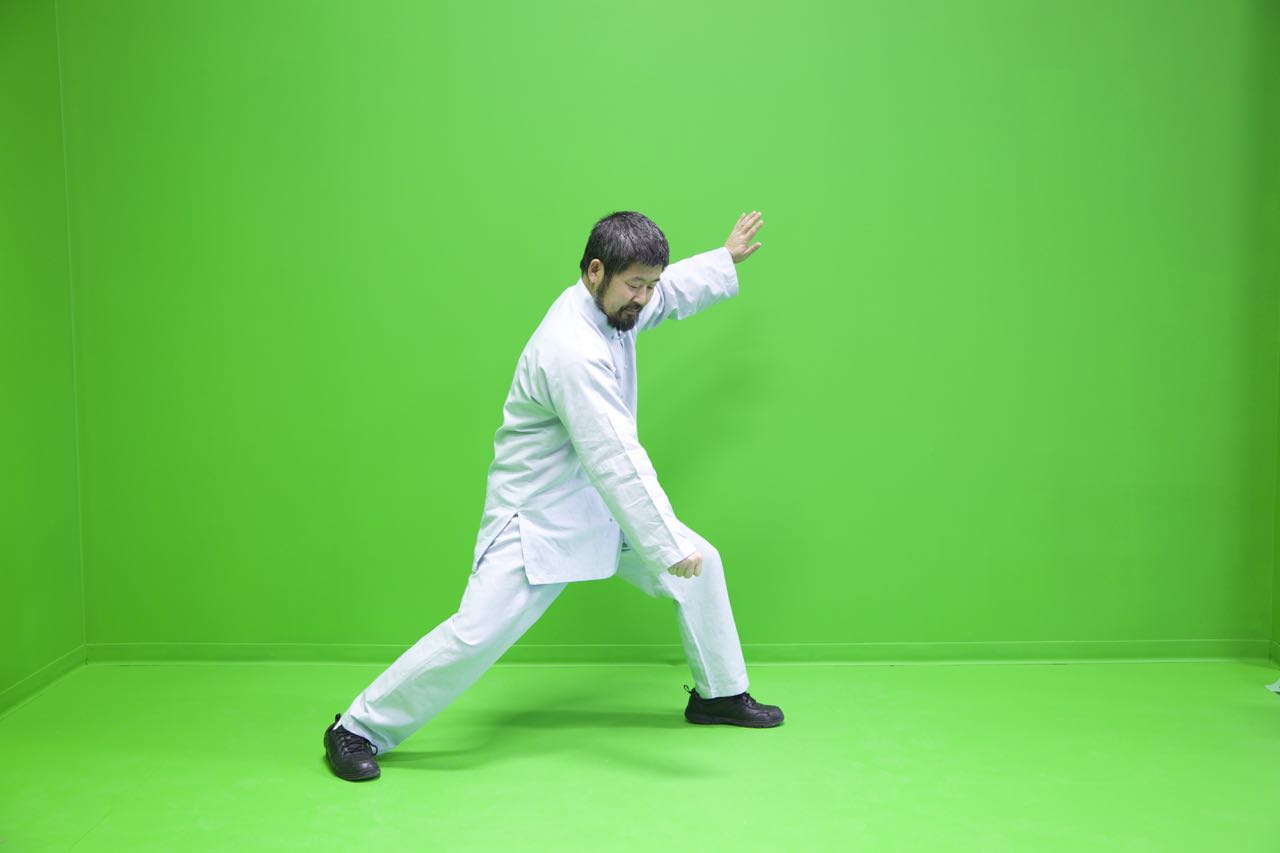
 The original meaning of the word is awkward. It refers to the energy that causes the opponent to feel awkward. During the learning stage, it is the requirement of this energy that the routines of the Chen Style Taijiquan Practical Method make the learner feel awkward first. Through years of training in an awkward way, the practitioner gets used to being in this awkward position and he starts to look normal. But when dealing with opponents, he produces an effect on the opponent that is extremely awkward to deal with.
This is one of the basic reasons why taiji is difficult to learn, and once learned, other people find taiji people difficult to deal with.
Presenter: Chen Zhonghua Length: 10 min. In: Chinese Year: 2015 Difficulty:5/5 At:大青山
Jiaobiejin, pronounced as cheobiejin, is a special characteristic of the Chen Style Taijiquan Practical Method system. Read more
 Many fake things originated as high level mastery. It is the people who don’t have the skill but want to present themselves as highly skilled masters that make people think that the original act was also fake.
Very often, when this happens, the average person tend to believe the fake act and refuse to believe the original real act.
This following diagram explains what is demonstrated in the video:
Read more
- Positive circle
Zheng Quan 正圈 Read more
Correction and Application for move 6 – 13
Presenter: Chen Zhonghua Length: 16 min. In: English Year: 2013 Difficulty:2/5
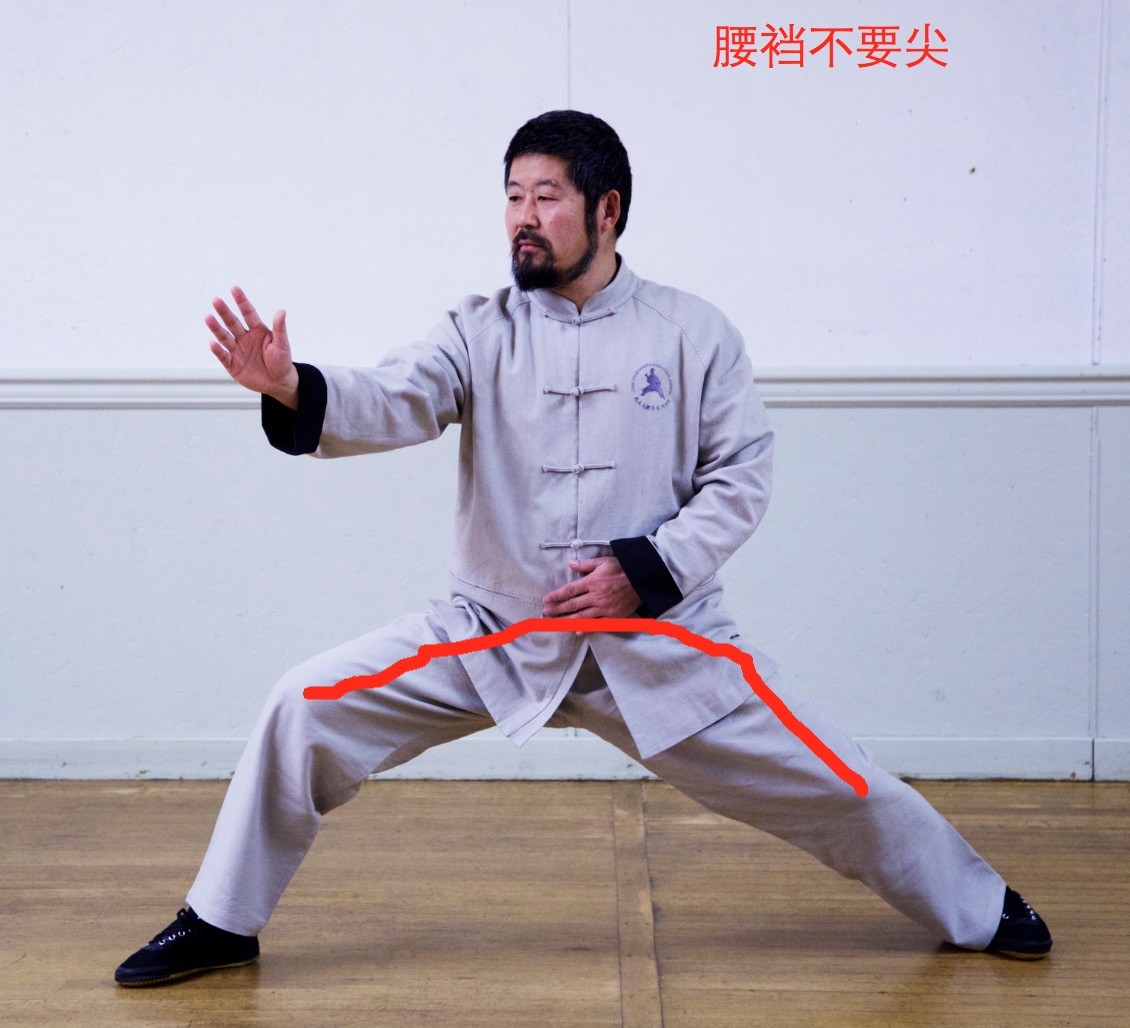
Don’t let YaoDang form a sharp angle
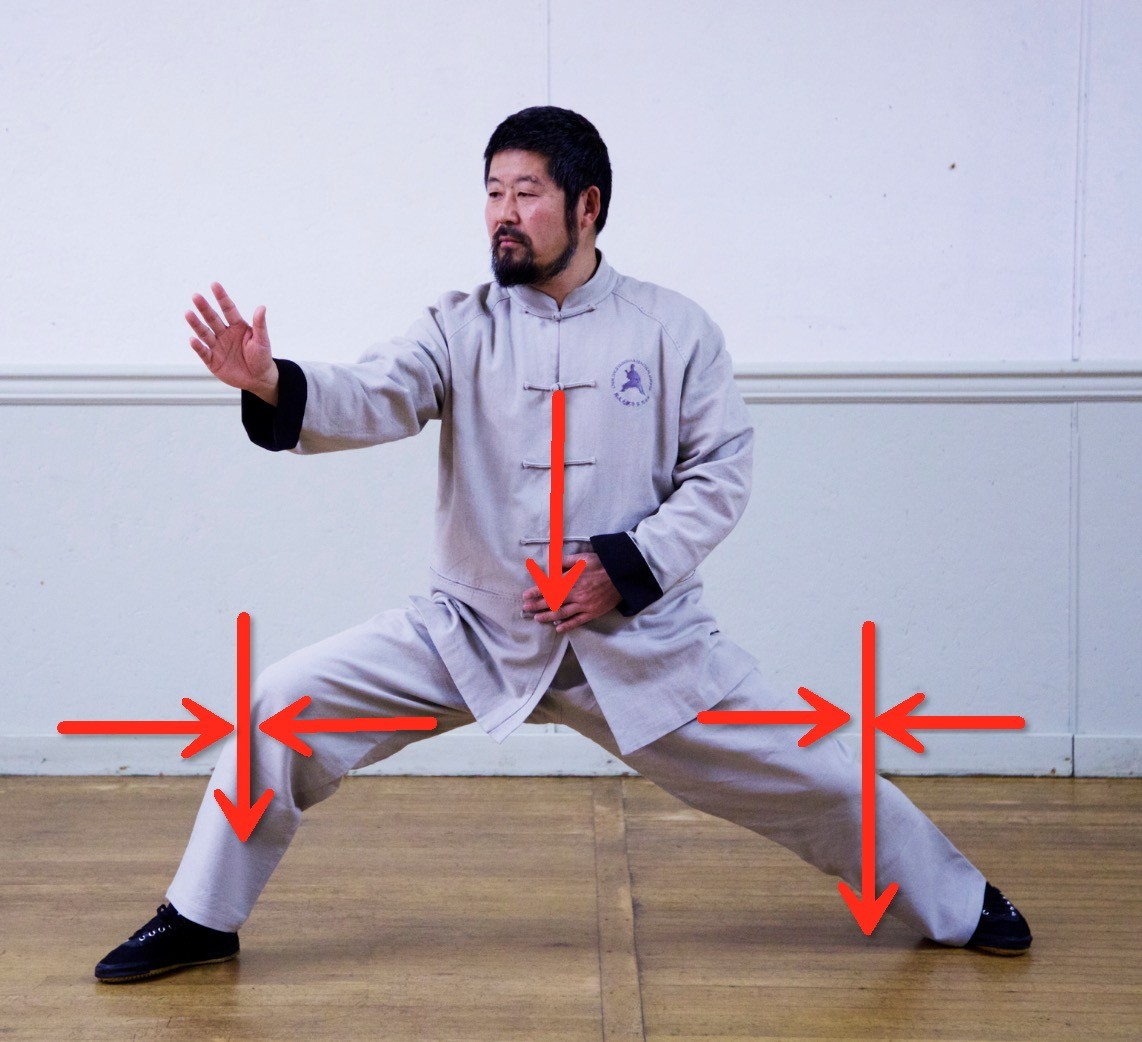
Training Method
Training Method:
定住两膝盖,丹田下压。裆就会慢慢变圆。
Anchor both knees, Press down dantian, ‘Dang’ will slowly becomes round
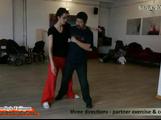
Two person exercise to practice three directions move
Presenter: Chen Zhonghua Length: 11 min. In: English Year: 2014 Difficulty:1/5 At:Berlin
Theory of three directions move video: link
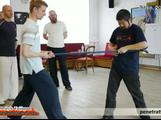
Hand-Elbow alignment on how to have penetrating power
Presenter: Chen Zhonghua Length: 9 min. In: English Year: 2014 Difficulty:1/5 At:Berlin
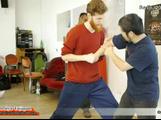
Keeping arm joints in 45 degree so it can open when opponent want to lock it.
Presenter: Chen Zhonghua Length: 3 min. In: English Year: 2014 Difficulty:1/5 At:Berlin
Bruce started learning Practical Method on Jan 5, 2015.
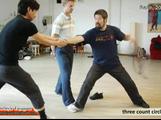
Detailed explanation and training method on alignment so energy flow in the three moves in circle.
Presenter: Chen Zhonghua Length: 26 min. In: English Year: 2014 Difficulty:2/5 At:Berlin
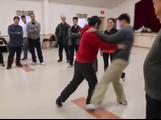
Presenter: Chen Zhonghua Length: 5 min. In: English Year: 2015 Difficulty:2/5 At:Toronto
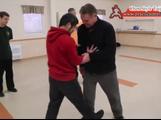
Take space out to make yourself full, and aiming to opponent lack of fullness
Presenter: Chen Zhonghua Length: 4 min. In: English Year: 2015 Difficulty:2/5 At:Toronto
1) Shovel out the front heel
2) Land the front toes and knee together
3) Extend the hands out
Note: Don’t push the opponent in step 1 and 2.
Forms 45-54 of the Yilu Routine.
Presenter: Chen Zhonghua Length: 7 min. In: English Year: 2015 Difficulty:1/5 At:Edmonton, Alberta, Canada
You can buy all six videos for $40.00 here: http://practicalmethod.com/2020/07/yilu-detailed-instructions-all-six-sections-2015-online-video-purchase/
Yilu Detailed Instructions Section 3, 2015. This section includes moves 29-44 of the Yilu form.
Presenter: Chen Zhonghua Length: 23 min. In: English Year: 2015 Difficulty:1/5 At:Edmonton, Alberta, Canada
You can buy all six videos for $40.00 here: http://practicalmethod.com/2020/07/yilu-detailed-instructions-all-six-sections-2015-online-video-purchase/
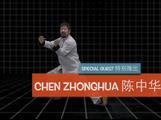
This is section one of 6 sections of the Yilu Detailed Instructions video by Master Chen Zhonghua. The instruction is set against a grid wall and grid floor so students can see precise positions of each move. This is a must-have for students of the Practical Method system. This video cover: Move 1 – 13. Other video in the series: Section 2
Presenter: Chen Zhonghua Length: 21 min. In: English Year: 2015 Difficulty:2/5 At:Edmonton
You can buy all six videos for $40.00 here: http://practicalmethod.com/2020/07/yilu-detailed-instructions-all-six-sections-2015-online-video-purchase/
June 20, 2014 (?)
I’m not entirely sure if the date for these notes is correct. I believe they were from an evening class, but they may have been from a workshop. I should have posted these right away, but better late than never I suppose. Read more
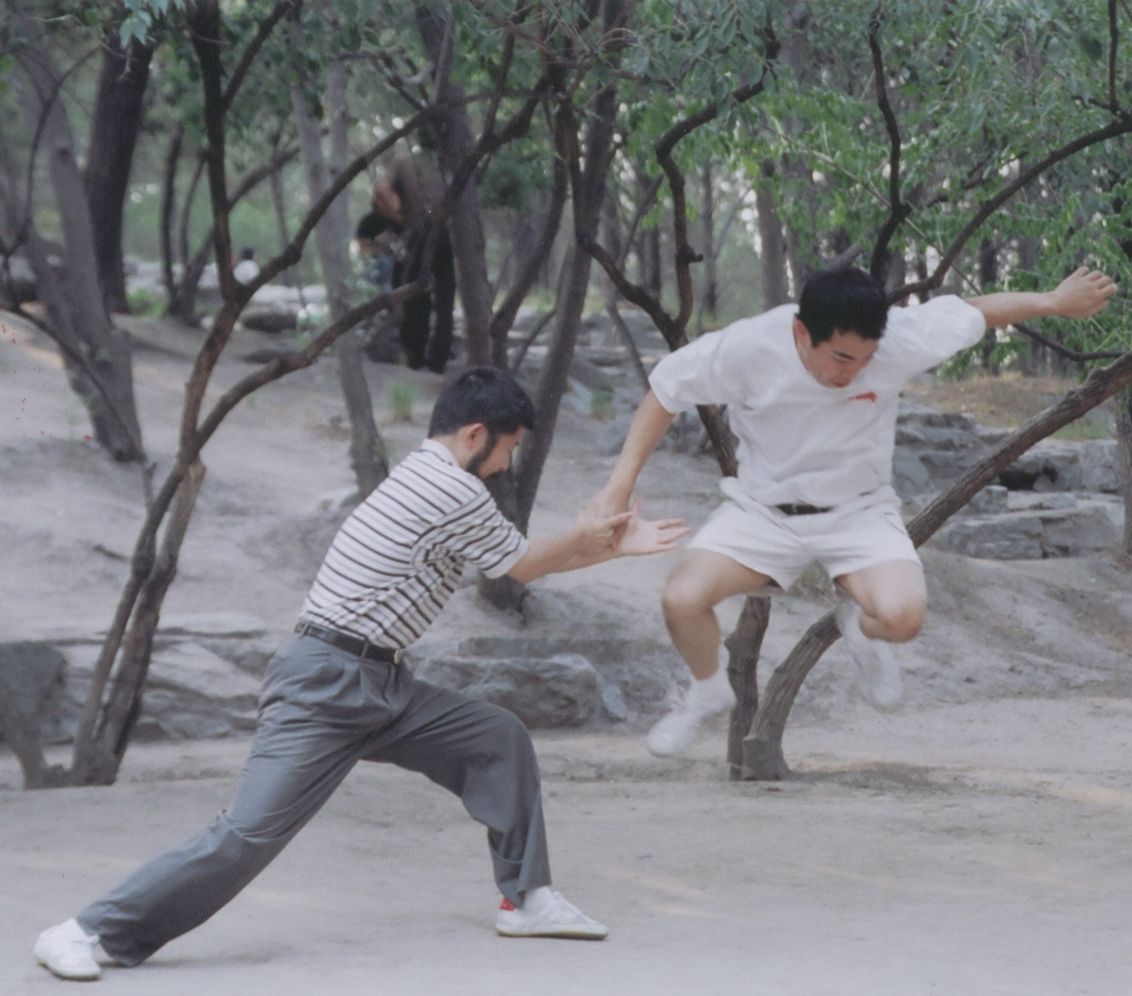 Last Sunday I made arrangements to have coffee then train with my elder disciple brother, Levi. He teaches Practical Method at The University of Iowa’s Chinese Martial Arts Club. We decided to train during his regularly scheduled class time as it provided a good space to practice. A new student arrived wanting to check out the class. Introductions were made. He was a visiting professor originally from China. After some discussion the gentleman disclosed he studied Hong Style Taijiquan for 7 years. Levi and I exclaimed that is the lineage we practice under our Shifu, Master Chen Zhonghua. He stated he studied under a disciple of GM Hong Junsheng and one of his grand-disciples, both Levi and I not having any knowledge of this Master. Read more
All form of life on earth came about in a process that is from simple to complex, with human beings the most complex of all creatures. Learning of taiji, and learning in general is a process that goes from complex to simple. When complex systems/issues are understood in simple terms, it is called “enlightenment”.
 I have a chance to clarify what Master Chen meant when he bring up the analogy of treating lumber by immersing it in water.
Our body has many pockets of energy that wants to go its own direction. This may be from previous training or habitual usage. In push hand these multiple energy does not work together, and it results in leak and blockage. Read more
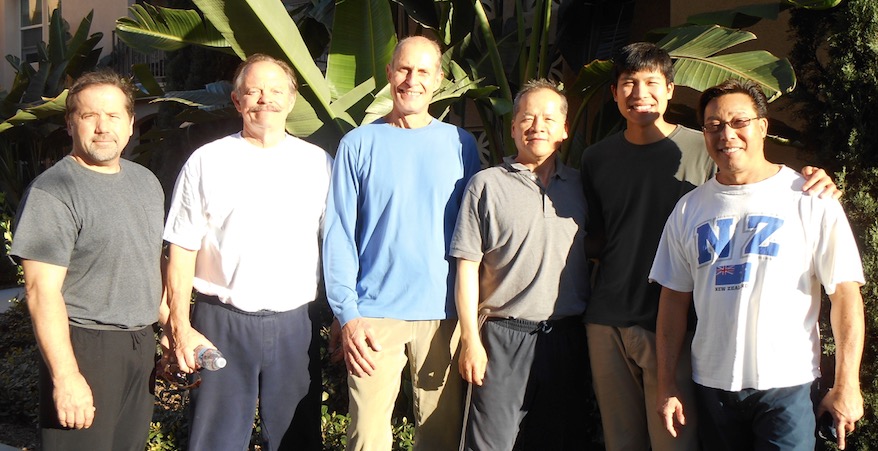 After two and half month passed since my first trip to Irvine, I went back on January 31. This time, Edward came to join the group. We worked briefly on foundations. Mostly, I focused on teaching Yilu.
Foundations are important. Yilu is the core. The more students know about Yilu, the more fun they can have while practicing alone. I was able to finish the first 30 forms to “Upper Cloud Hands” and “High Pat on Horse” in the morning. (We did the first 13 moves in last workshop.) Read more