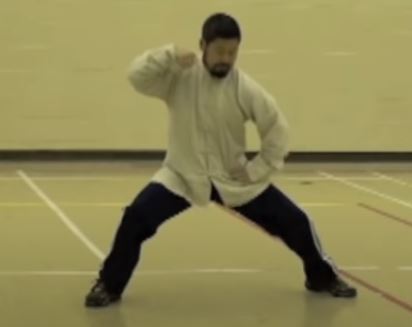
Albert’s private lesson with Master Chen, Wednesday, Dec 11, 2019, Phoenix, AZ.
“Ji” (Squeeze, 挤) is one of the eight hand techniques in Tai Ji Quan – peng, lu, ji, an, cai, lie, zhou, kao.
Read more
Chen Style Taijiquan and Hunyuan Taiji email: practicalmethod@qq.com
Day 1
Jieshou, a Chinese word that means “accept hand”, is a term used in Practical Method. You will get an idea of what it means after viewing the video clip.
It is important to know that Practical Method does not allow head-on collision in making initial (or any other) contact with the opponent.
This is a clip of teaching video at the Dec. 2019 New York workshop.
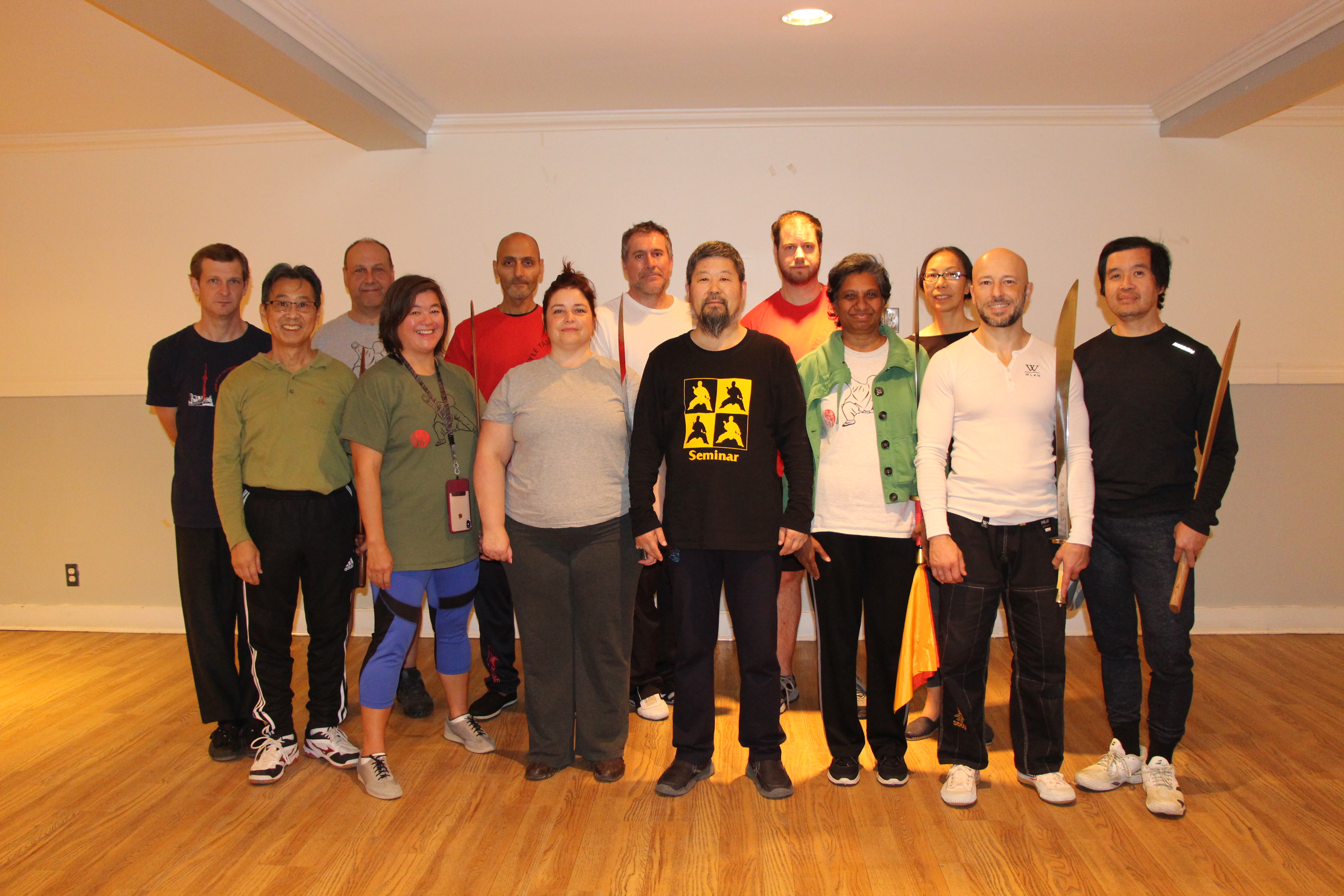
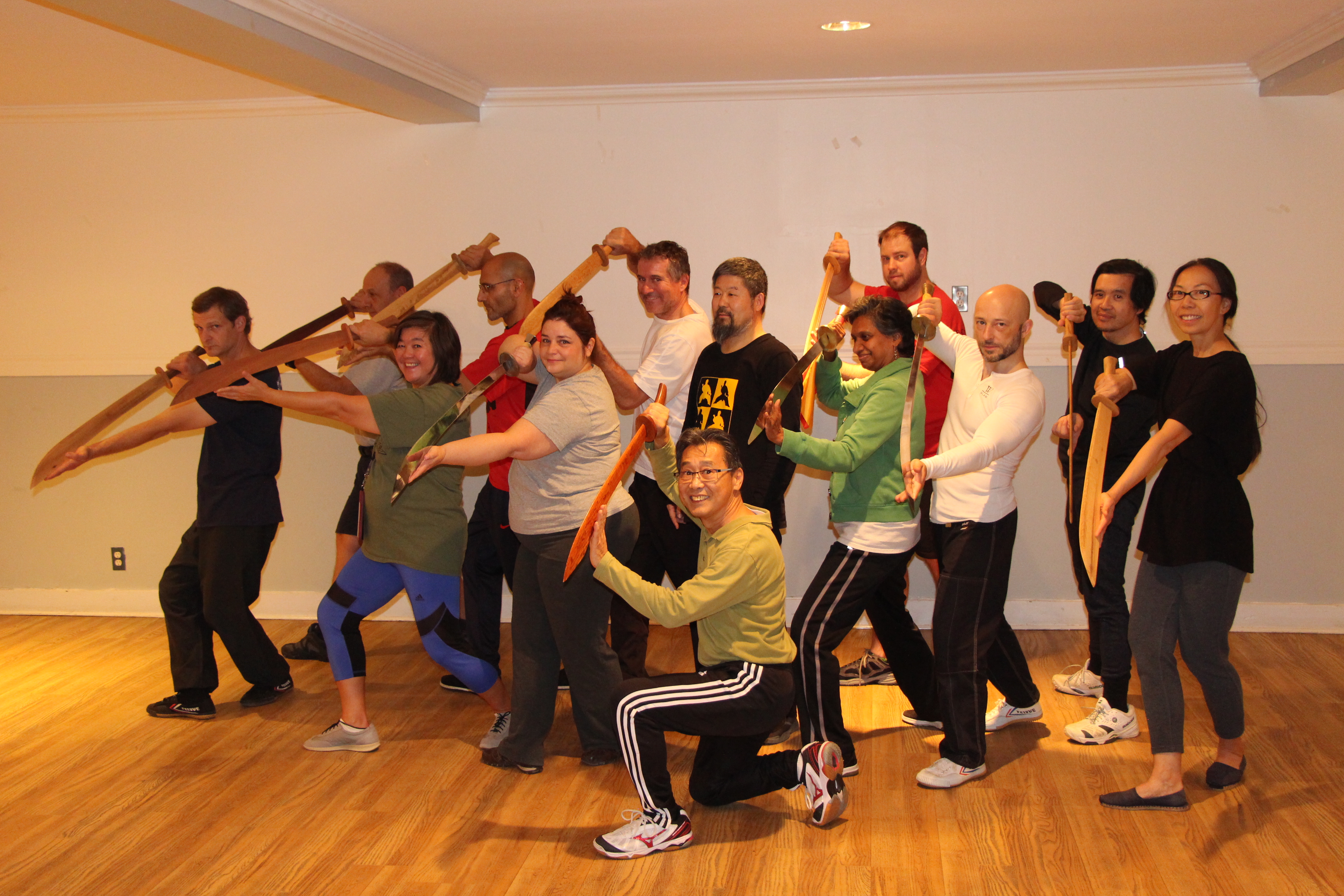
Ottawa Broadsword Seminar on Oct. 26, 2019.
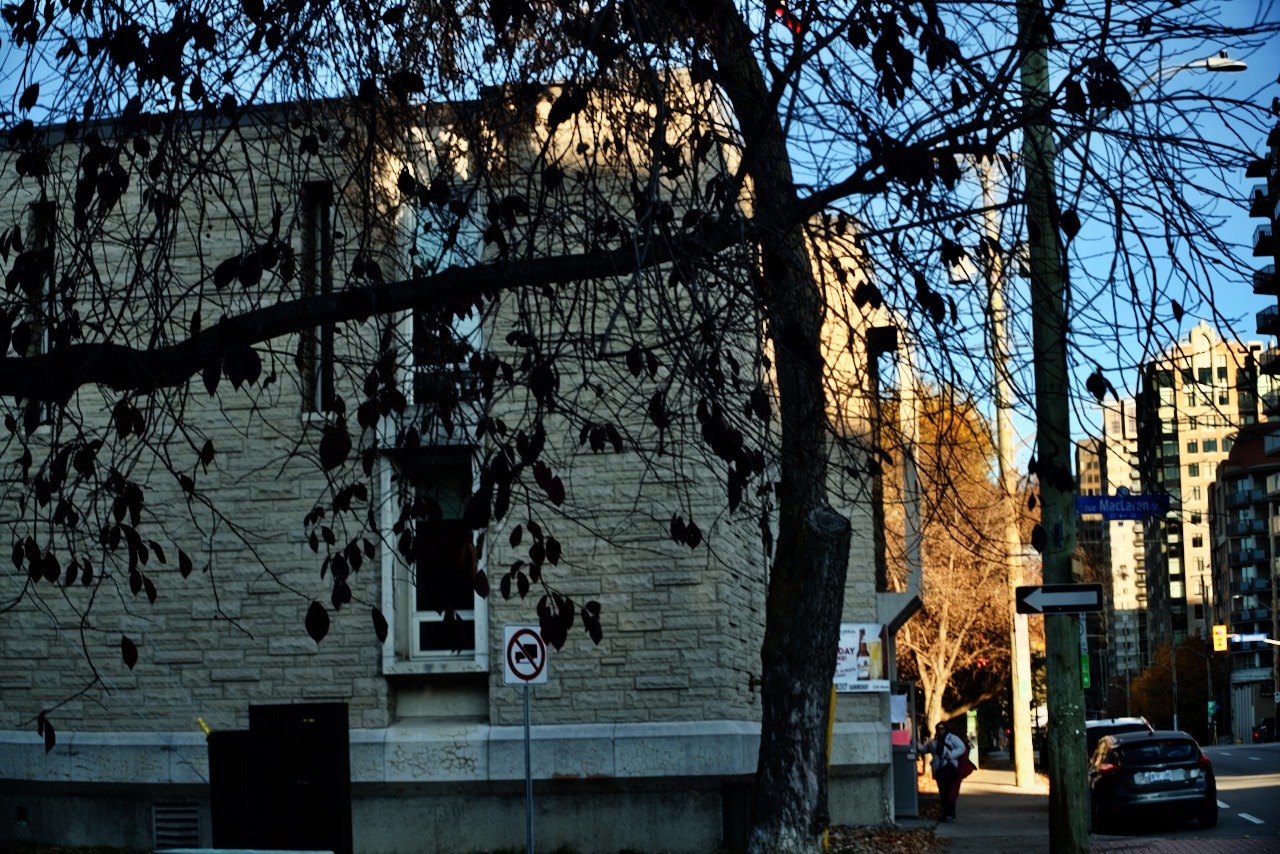
渥太华讲座场地20191026 – Walking towards the Legion Hall.
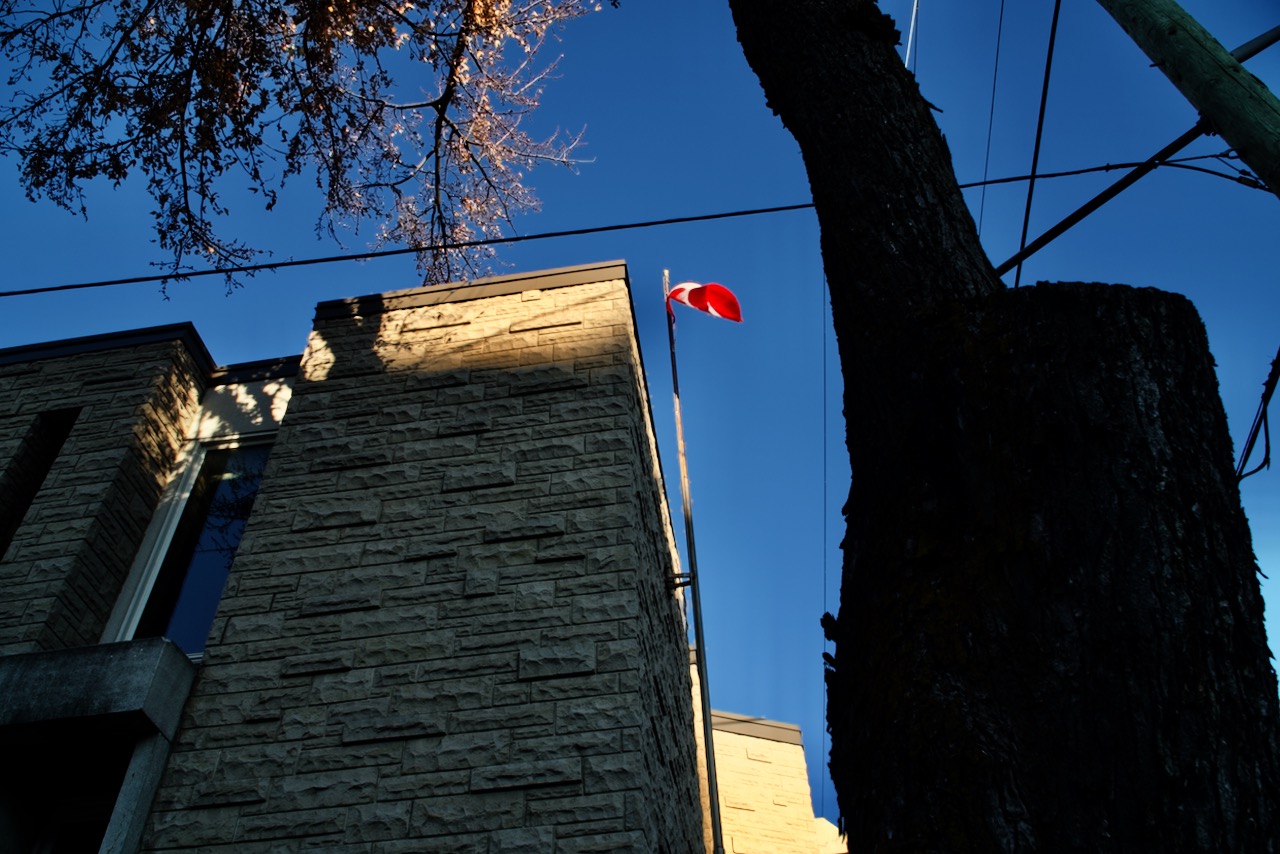
渥太华讲座场地20191026 – 1
This is where we held our first Ottawa Practical Method Seminar in March 1998.

渥太华讲座场地20191026 – 3
Front Door of the Legion Hall
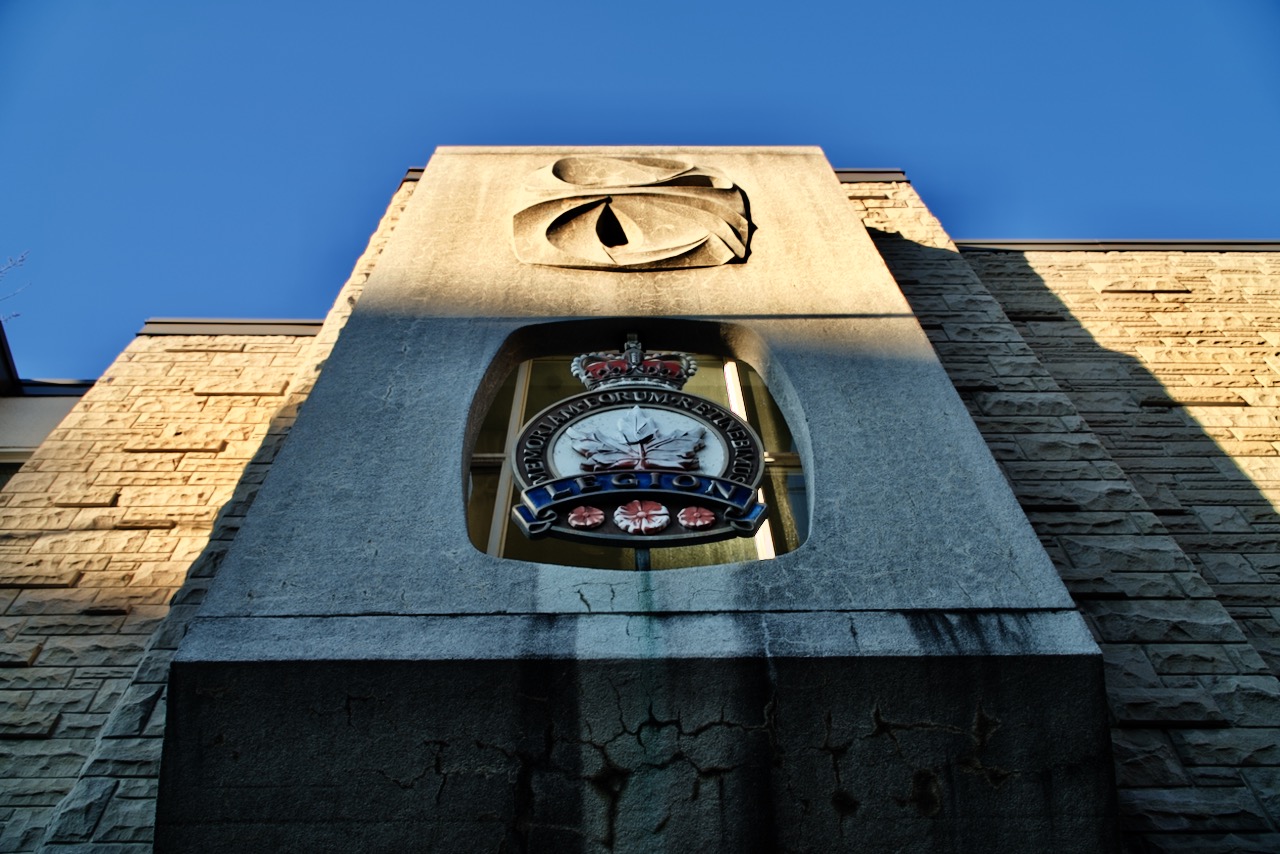
渥太华讲座场地20191026 – 2
Front of the building of the Legion Hall on Montgomery.
The gears twist on either side of the spine and your intention along with where you are looking can send power in any direction you want. You can also add better control by also changing the percentage of each lever. with straight spine hold with front left kua use right hand across. them Opening kua to right
Power comes from restrictions, stretch to point of rotation, Movement is muscle., no movement is a lever
Read more

When practicing yilu:
Notes from Grandmaster Zhonghua Chen Workshop on Sept. 14 & 15, 2019, Edmonton, PM Studio

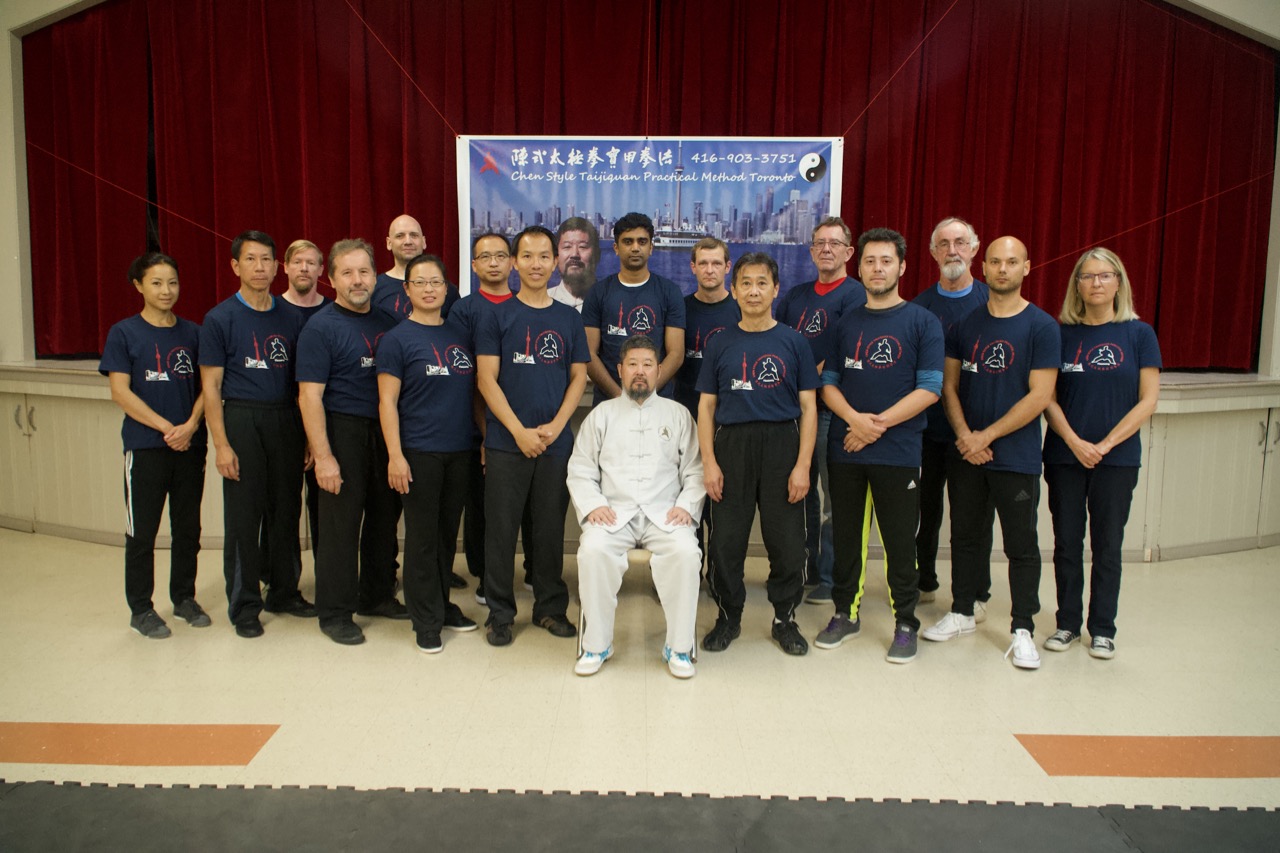
埃德蒙顿2019.09.14讲座合影。本文作者是右四(后)。 Read more

So we were doing lots and lots of six sealings four closings exercises at the end of the Vienna Workshop. I was leading the group and counting. Then, at #476 something in my hip cracked open. A rush of pure energy run through my body and I felt like a conductor between heaven and earth, and then … Read more
 First I had to not push the opponent and just find the wall with my back. When it wasn’t working so well it was because I was too far from the wall. It got a little bit better, but I was hitting the wall too straight so my stretch wasn’t as long as it could have been. Once that was fixed by lowering more to hit the wall, my fingers were not angled correctly towards the opponent and extending past the demarcation line. Once all those things were corrected, I was able to push better. Read more
 Positive circle steps. There are two steps and one modification. They are in, turn and out. Read more
2019.09.08 pm Read more
Comments on 2019 North American Practical Method training camp
From my perspective, this year’s training camp was outstanding! I came with the thought that I had progressed a lot but after a short time I realized (as usual) I have so much to learn. I am basically a very beginner but I can see that each time I attend a function with Master Chen I can get a little better grasp of what he is teaching.
Read more
Notes from Day 1, Phoenix Practical Method Workshop
These are pretty rough, just short statements.
Every movement needs to have intent and some reference. When we do taiji we need intent. Taiji is governed by yin yang.
We need to see what is really there. Usually we think we see but that is not what is really there.
Read more
Day 1
For this year’s Edmonton workshop we worked a lot on positive circle concepts and stretching.
Read more
The Zurich workshop is for Tuesday and Wednesday evening only as there aren’t enough weekend on my European tour this year. 13 people came to the workshop of which 7 came from Germany. This is expected for a first workshop. Read more
Italy Practical Method Seminar on March 29, 2019. Chen Xu and Sun Yang arrived on March 28, 2019. There was a brief tour of Venice and then training. Read more
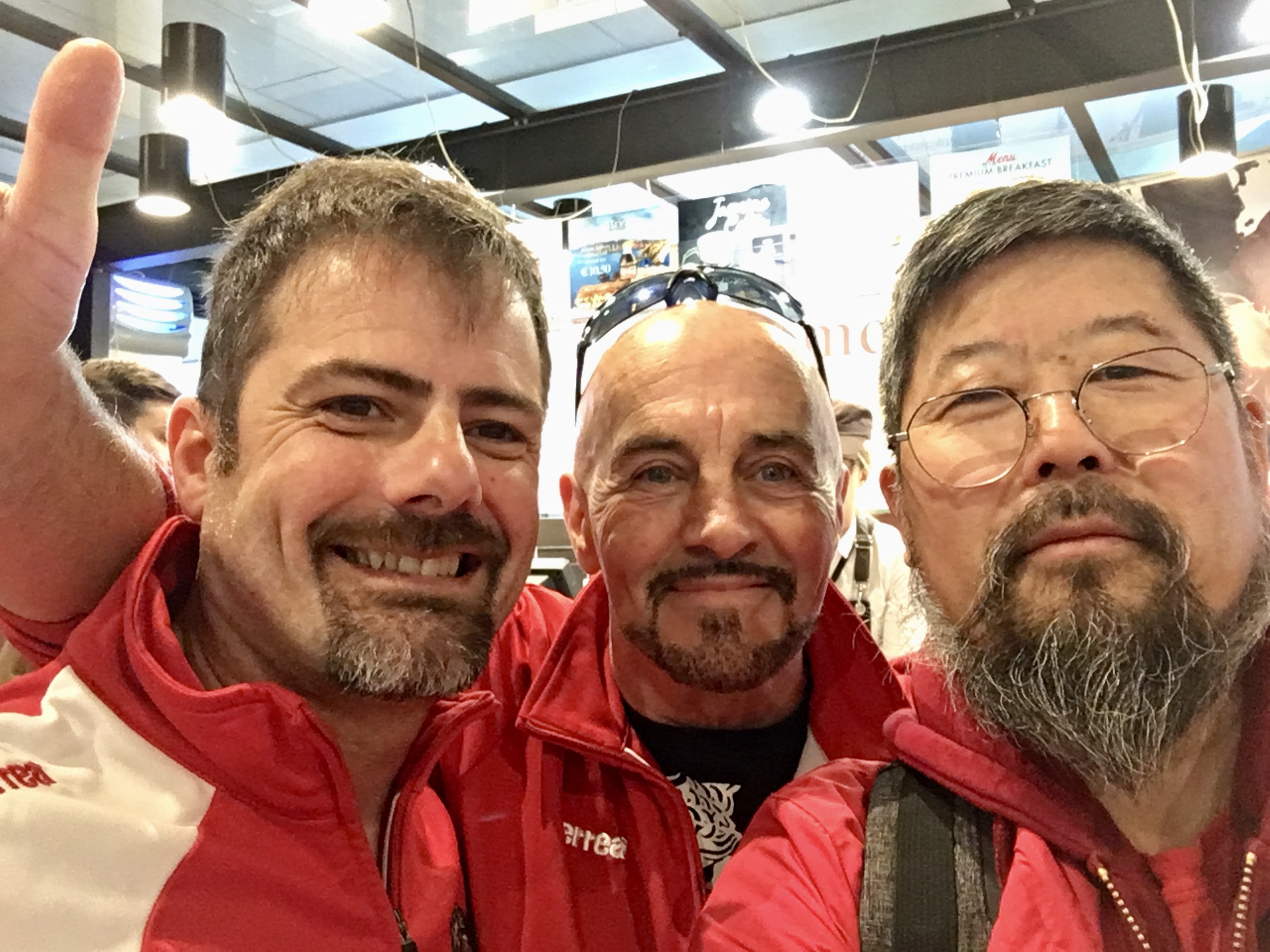
Michael Angelo, Jiuseppe Bon, Chen Zhonghua at the airport in Treviso.
The following are highlights of my workshop notes workshop March 2 to 5th. I have tried to organize them into categories so I could better relate them. I did not capture everything
Workshop notes:
All Questions Should be asked in order to bring clarity: Hear It , See it, Feel It – the 3 questions you want answered
Principle – Yin and Yang separation life – I want to be good
Concept – all moves are indirect education
Action – convert into action use
Read more
We are here because we’re humans, not animals.
Everything is like loose sand. Among the sand, some things might have a spark. There’s nothing wrong with sand, and nothing wrong with other ways of moving, such as other forms of martial arts or football. It just depends on what you want. Master Chen is looking for the sparks in the sand.
Read more
My attempt to recount what Master Chen said the morning of 3/2/2019 at the Toronto workshop
Read more
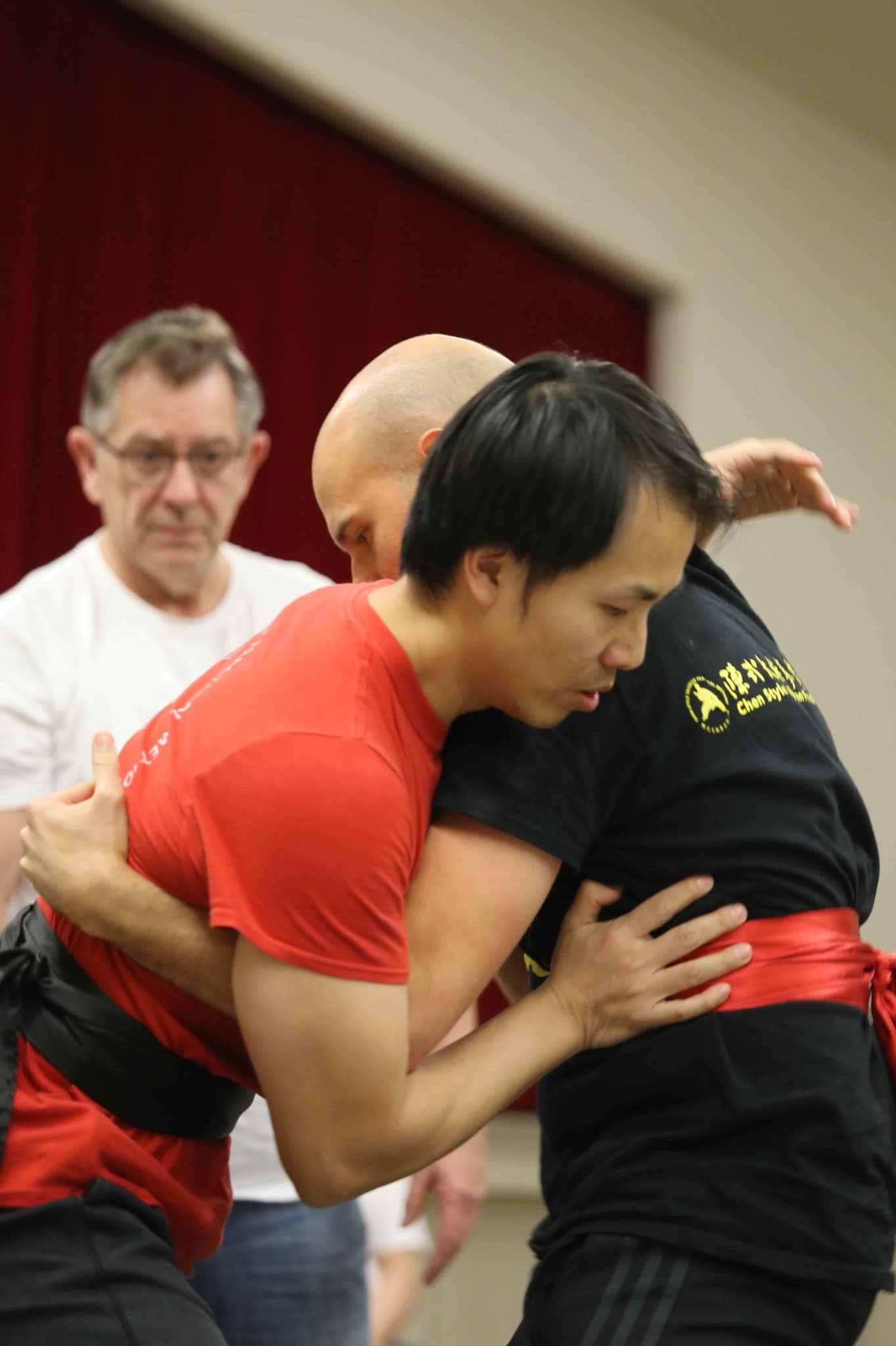
Fetch Water
At the Phoenix workshop Master Chen had someone place a pole from his hand to the arch of his back foot. In w/ elbow his and and forearm slid along the pole. He has a shorter pole placed by his front kua a slightly upward angle. His elbow followed the 2nd pole while the hand stayed on the 1st pole. He then said, it’s actually “out w/ foot” as the hand only guides the direction.
Read more
About learning
1. “The teacher teaches the principle. You go home and practice.”
2. Follow the principle. Don’t deviate.
Read more
2018.12.16 Sydney Workshop Day Two Notes – Brian Chung Read more
2018.12.15 Sydney Workshop Day One Notes – Brian Chung Read more
Attendees: Alex, OngWM, Flo, Chandra, Jojo
1. Twisting Towel train the Elbow to be in the Middle
2. Six Sealing 4 Closing train the Shoulder to
be in the Middle
3. Fetch Water train the Kua to be in the Middle
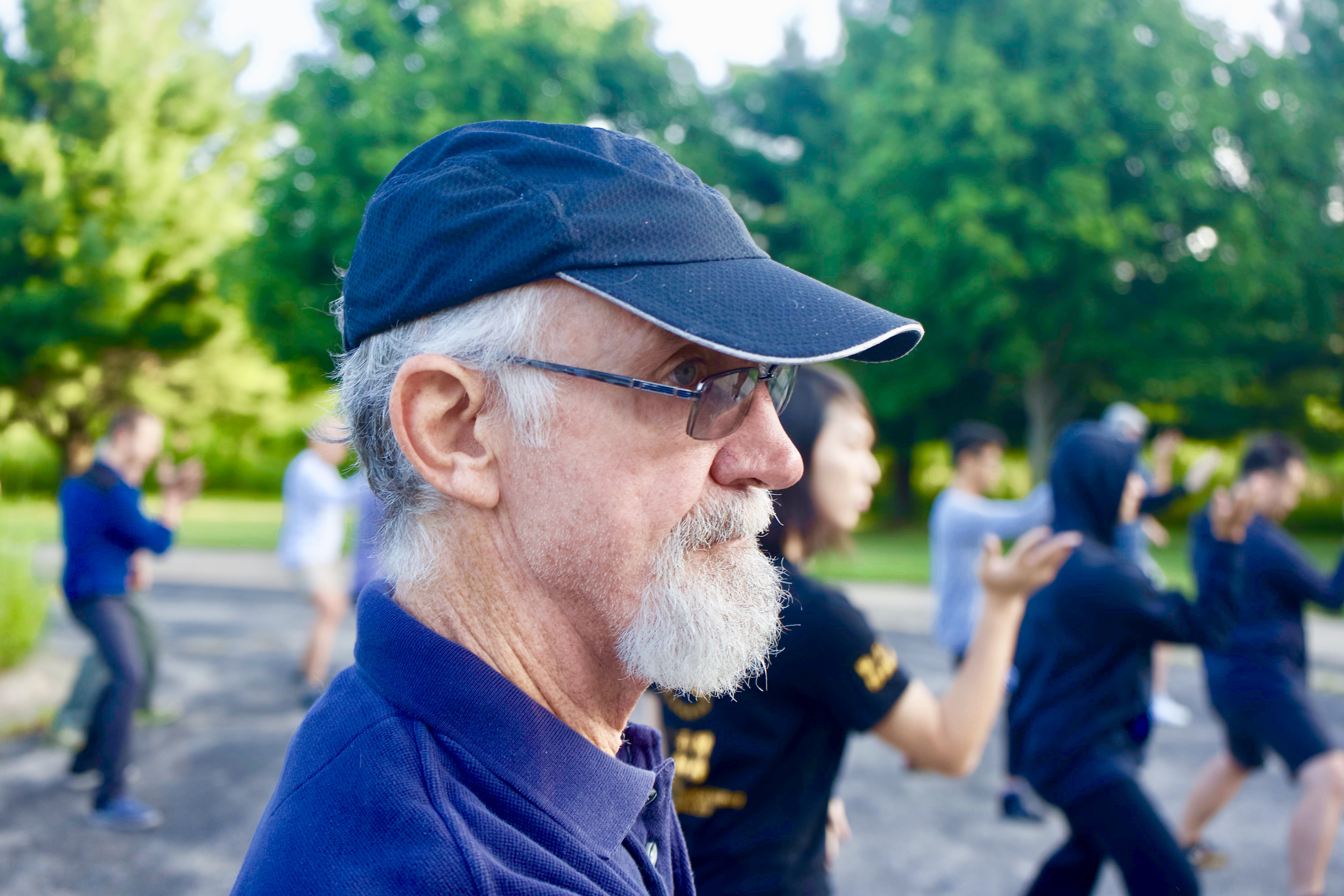
爱荷华 Iowa180727 – Patty Harantty
*** Square brackets [ ] are used to show my own attempt to add clarity, and not necessarily the words of Master Chen
P1:
Beyond the contact point you have to stretch forward
Behind the contact point you have to stretch back
Threading…like coaxial cable…pulling dough to stretch it thin
Produce a dot
Everything behind has to line up with front finger (which is pointing at the target) and makes it’s way to the rear foot…you need every body part to complete the job Read more
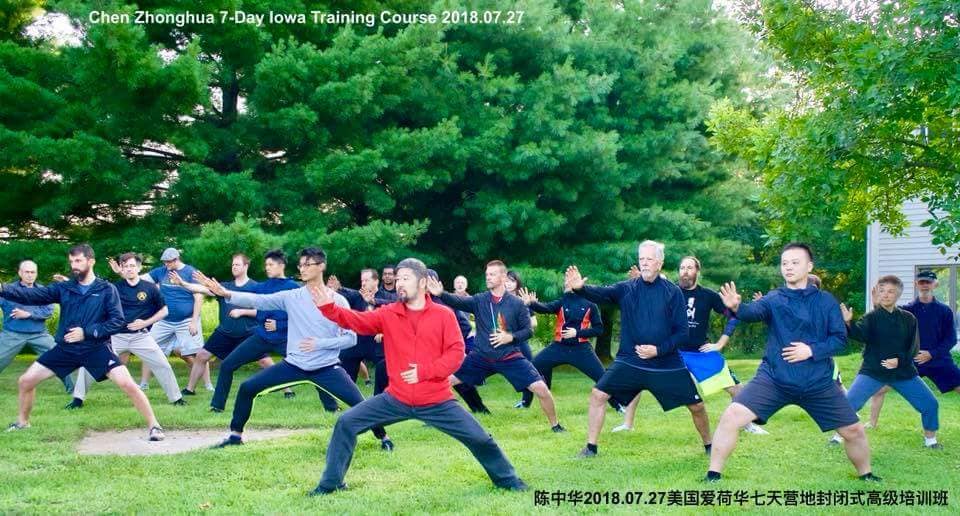 What brings 40 people and 16 disciples to the little city of Cedar Rapids, Iowa? For over a dozen years, Master Chen Zhonghua has been visiting the American Midwest to teach Practical Method and introduce people to Chen Style Taijiquan. Students visited from New York, Texas, Hawaii, Arizona, Colorado, Arkansas, Ohio, California, and Canada to train and learn. Read more
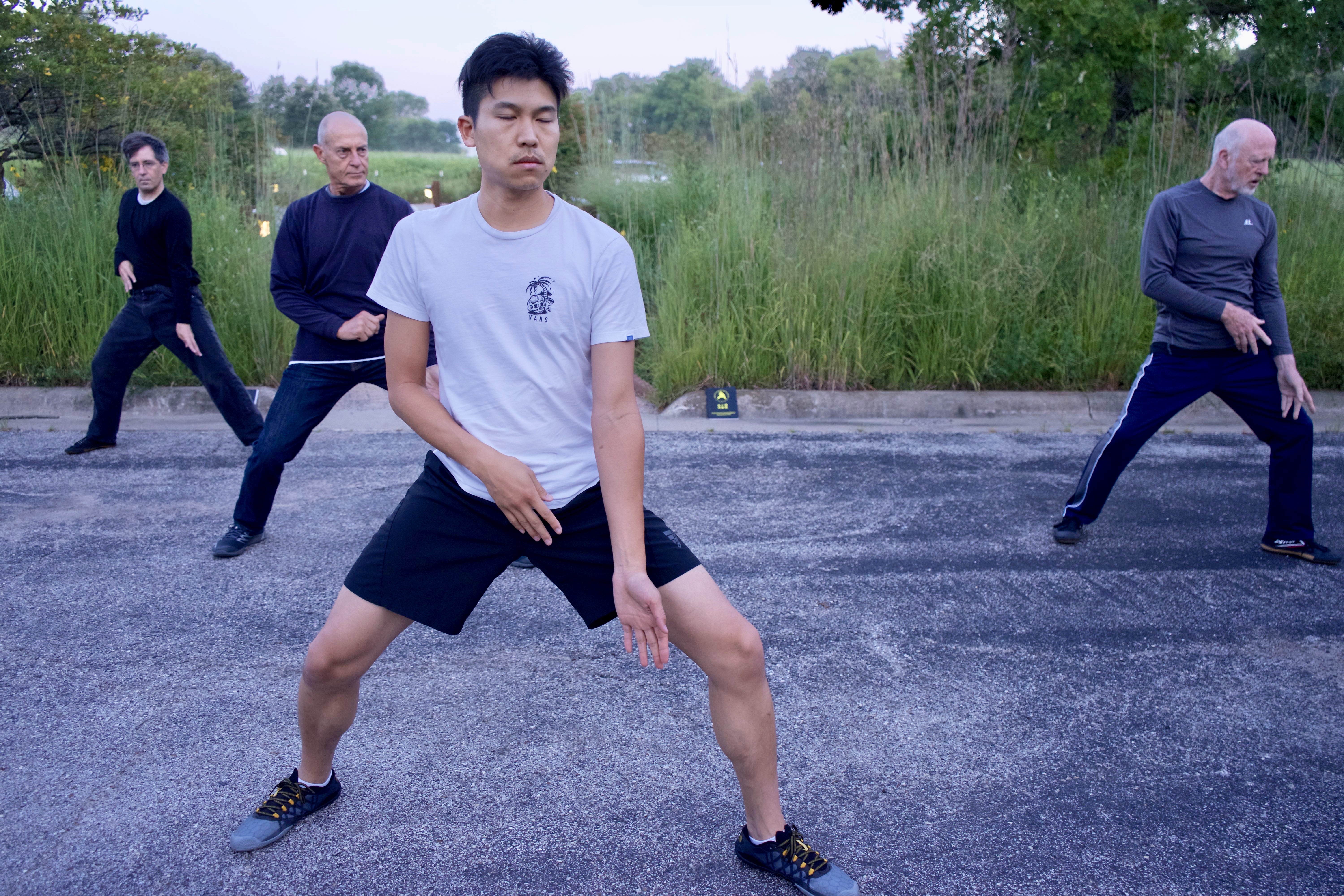
The body must separate into two. For example in the opening move, part of the body faces forward and part of it rotates 45 degrees
Read more
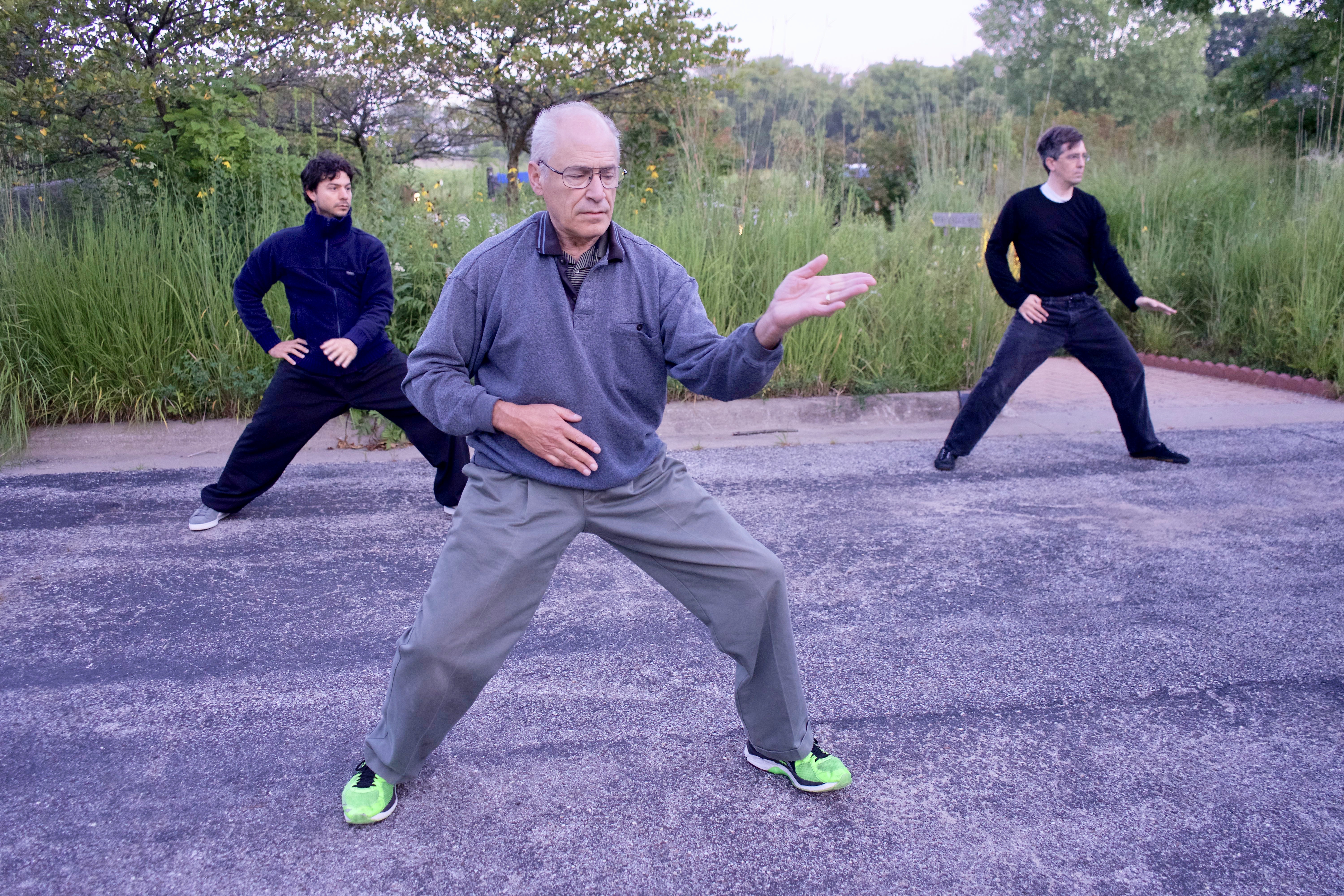
I’m extremely pleased at what I’ve taken away from the camp. I have a lot to work on between now and the next Master Chen Zhonghua workshop, for instance:
Read more
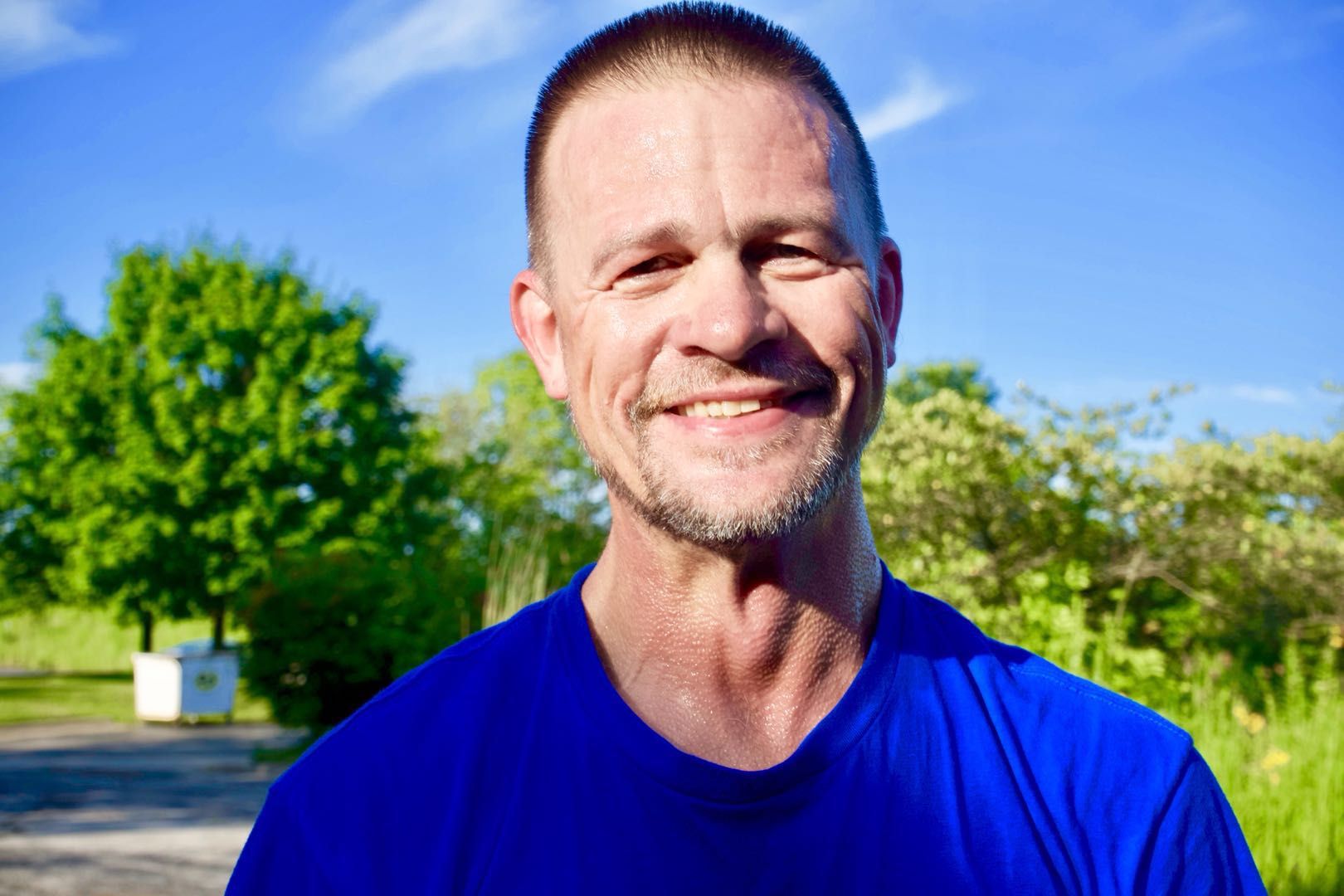
Pretend to fight to find the end points. Once locked, move-in the middle point.
(Alignment) Rear fingers look for the front elbow. The rear kua looks for the rear elbow.
Review and summary of V. workshop of Master Chen in Prague 2018.