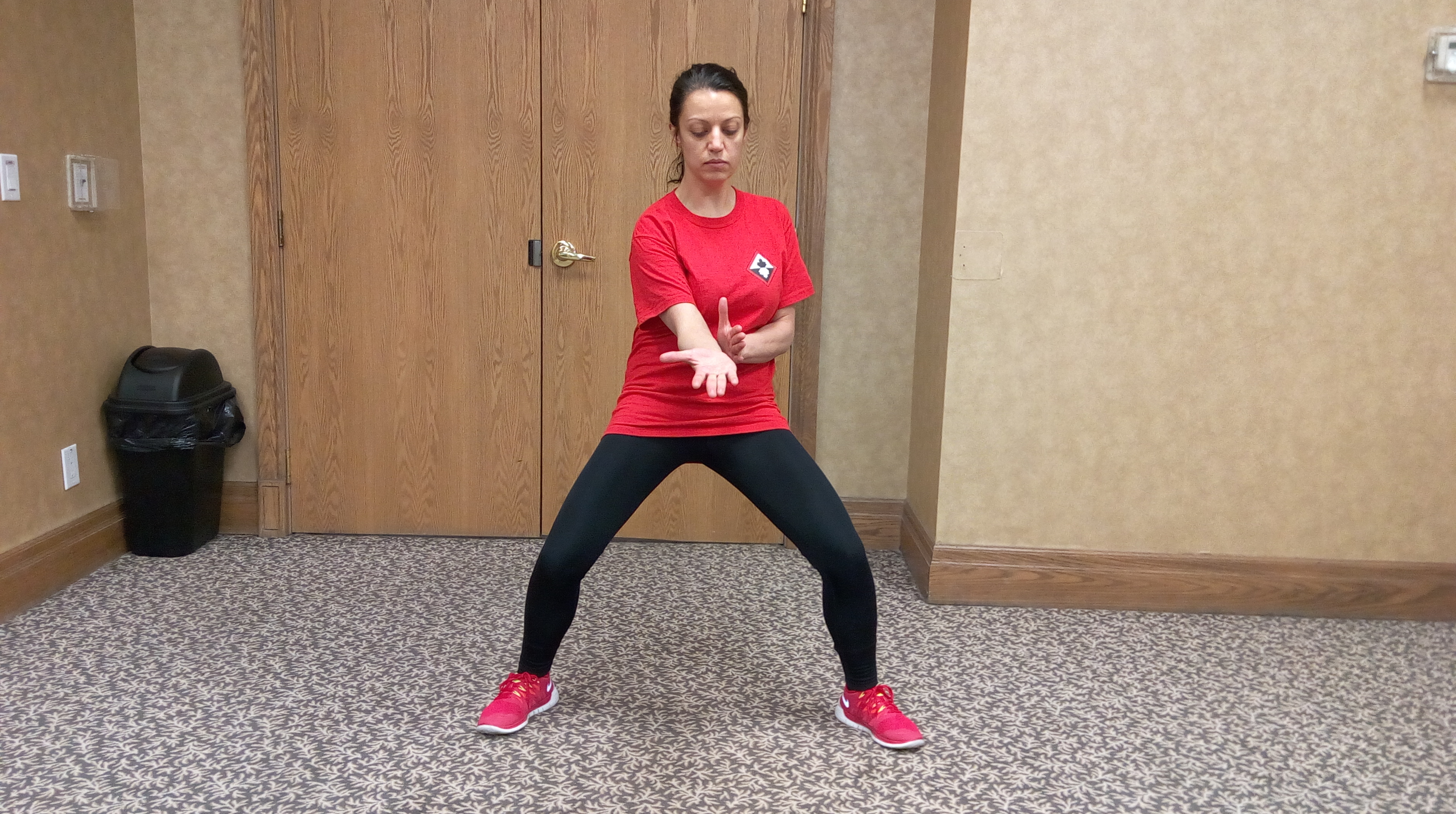
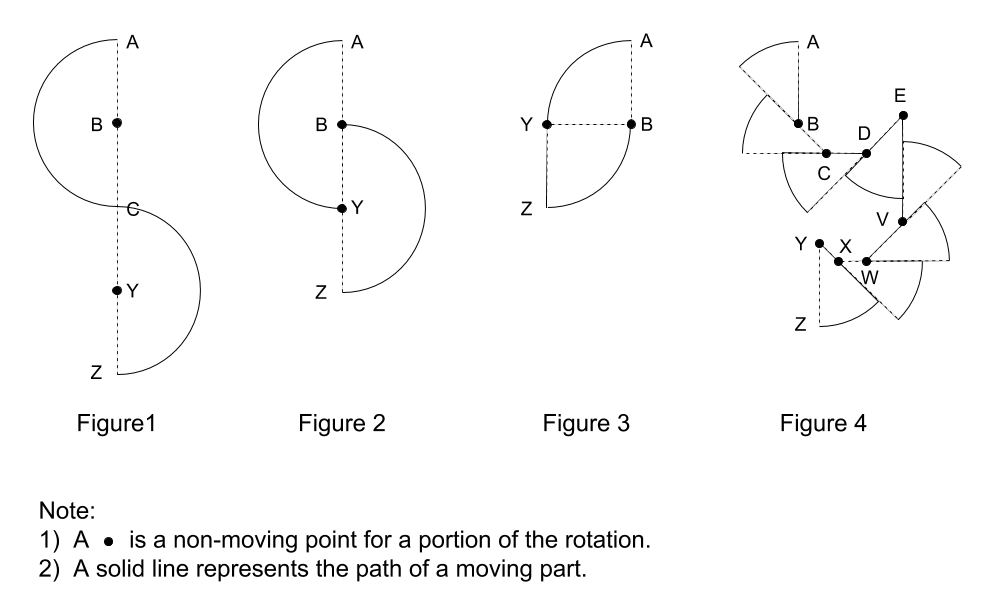
Movements are in the bones; rotations are in the joints. All Practical Method movements are straight movements. The system requires rotations. Rotations are achieved in two ways: Read more
Knowledge
View posts in sub-category:
Application Articles Body and Posture Class (Workshop) Notes Common Errors Glossary and terms Hunyuan Knowledge-Movement Explanations Learning Method Principle-Concept Principle-List Principle-Rule Principle-Technical Push Hands Quotations Routine Names Routines Videos Stories Student Evaluations (Private) Taiji Apparatus Taiji FAQ Taiji Sword Thoughts and Understanding Workshop and Class Notes
The understanding of vertical movements (line) and horizontal movements (line) is vital. Chen Style Taijiquan Practical Method system requires that all movements must be along the vertical line, not the horizontal line. Read more
Suspended head is an important principle of the Chen Style Taijiquan Practical Method. The suspended head allows the vertical stretch of the body to take place. This creates two lines in the body: 1) head left foot vertical line. 2) head right foot vertical line. Read more
The contacting point must stay in contact with the opponent. Don’t add anything or take away anything. By following this technical principle, one is also complying with the principle of indirect power. Read more
Every push in the Chen Style Taijiquan Practical Method system must be converted into a pull. This is a major concept. Read more
Master Chen has said in an interview that at certain stage he felt his overall strength get much better.
I asked him how was his training different after that stage. His reply is that the training progress to a different dimension. Each dimensions becoming less physical.
However student must complete the first level, Read more
Master Chen has a mini lesson on slow moves to train the core
Power on the opponent must be indirect. Any local power must be used only for adherence (zhuo, 着法). Indirect power is a key concept in the Chen Style Taijiquan Practical Method system.
On Sunday, Master Chen demonstrated how to set up multiple lines on an opponent’s body when pushing hands. The goal was to set up enough lines that the opponent finally felt like they had to jump out to escape, or they were bounced, or squeezed out. Read more
This is the requirement of the erected calf. In many styles of martial art, this concept is referred to as zhuang, pile, stake or zhan zhuang.
Tossing is action without rotation or without an axis.
Rotation is the key characteristic of Chen Style Taijiquan Practical Method. It sets this art apart from other arts. There are no natural rotations in human movements. They are made up as a result of specialized training in the Chen Style Taijiquan Practical Method system.
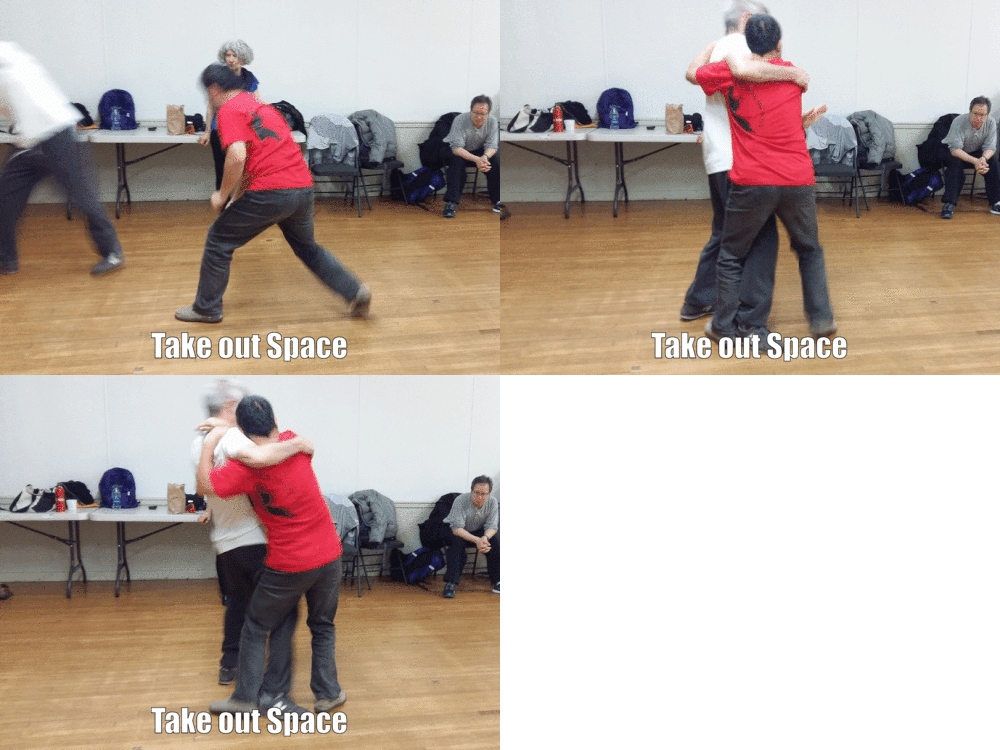
It looks like wrestling. It looks like wrestling. It looks like wrestling. Read more
In recent years, taiji has been (in China because of the demonstration at the 2008 Olympic Games Opening ceremony) described as moving clouds and running water. 行云流水。 Read more
This is the hand-elbow relationship. This method ensures that the hand and elbow are connected on a line so as to be useful in conducting energy.
Mini Lesson by John Dahms from Ottawa Practical Method Group
This is the “ten character dictum” by Grandmaster Hong Junsheng. Read more
This is the vertical alignment for the third vertical line. The kua acts as a socket for the shoulder. The shoulder does not physically sit inside the kua but must always be sitting in the kua remotely in terms of position and direction.
This concept is similar to the idea that what driving downhill, don’t put your car into neutral. Power must be constant and consistent in all taiji movements.
By following this principle of Chen Style Taijiquan Practical Method, our taiji actions will be different from normal human movements. We therefore, no longer “move” (Don’t move!). We become the other “Kind”. Read more
Inside and outside is a set of yin and yang. This principle refers to the movements in this set of yin yang separation. Read more
The outside must always be stronger than the inside like a bomb and an egg. The shells are considered outside. The reference to stronger or not of the outside and inside refers only to the physical property.
Don’t move! Don’t move your hands! Don’t move your torso! Don’t move your body! Don’t move your center! Don’t move your knee! Don’t move your feet! Read more

1. The human body and machine. 2. Shoulder-torso separation. 3. Upper and lower body separation. 4. Open the power to the outside. 5. How to go down. 6. Stretch out. Read more
This is another special characteristic and principle of the Chen Style Taijiquan Practical Method. First raised by GM Hong Junsheng.
Sit the wrist is a special term used in Chen Style Taijiquan Practical Method. It means that the wrist must be stretched open into a curved position and then locked into place. This is also part of the Tile Hand requirement.
The classic mention of this term is “understanding the three joints” (明三节). Read more
“the inside stays on the inside and the outside stays on the outside” is a major taiji principle. The five heads are considered outside; everything else is considered inside.
Range of motion refers to the ability to move and the extent of movements in taijiquan. It is NOT the same as flexibility. Read more
There are two types of movements in Chen Style Taijiquan Practical Method.
- Primary movements.
- Secondary movements. Read more