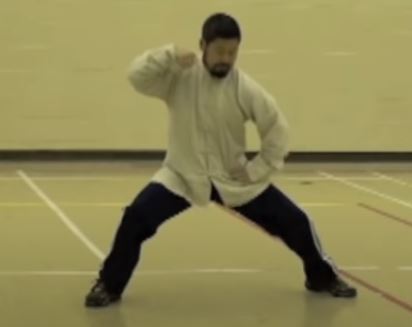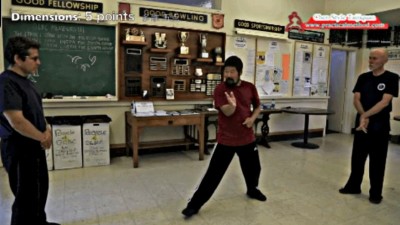
The “Dimension: 5 Points” online video builds upon the understanding and skills that were covered in the Step Up To Ji, Move Into Empty Space and Warping Energy 2 Online videos and classes. It allows Practical Method Taijiquan practitioners the opportunity to expand on ones’ understanding of how to use multiple dimensions to immobilize an opponent much like a spiderweb does to ensnare a moth helpless.
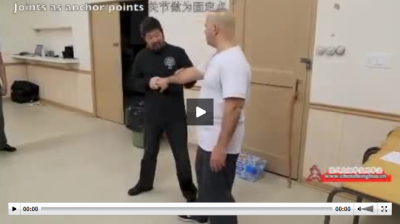
In this video, Master Chen showed us the concept of stretching through the joints, what it took to stretch from end to end in the body, what the impact was by adding a point in space. He introduced the concept of double helix, and what it could do to the opponent. He integrated all of these into our form practice.
See you at 10 am ET on Saturday, April 25, 2020 at http://practicalmethod.com/2015/01/joints-as-anchor-points-online-video-trailer/.

Thus far, the videos I have selected as curriculum have been focused on the functional aspects of using ones own bio-mechanical structure and the structure of the opponent to “take up space” for the gaining of strategic positioning and for martial purposes. The video “Step up to Ji” gave a basic procedure of how to make contact while matching power and move in other body parts that adhere to the Practical Method’s principle of separated and sequential movements. In the following video, “Move into Empty Space”, several lessons were taught by Master Chen in various ways to take up the opponents space and demonstrated a few examples of applications, such as going down and adding a dimension.
In this video, Master Chen teaches additional methods of taking up space by “whatever happens, you fill in the gaps”. It is taking out space, working with space, playing with timing, and/or playing with structure. The information from the previous video online classes come into play. Significant additions are made in this video that further advances ones’ repertoire on how to use ones’ structure and the intentional use of working with space as a means of building martial skills and abilities.
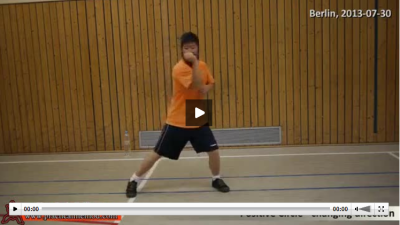
In this week’s third episode of our Positive Circle series, Master Chen covers how we create splitting of energy in the three counts of a positive circle, and how switching we learned last week is used to change direction.
See you at 10 am ET on Saturday, April 18, 2020 at http://practicalmethod.com/2014/02/changing-direction-in-positive-circle-online-video-trailer/.
Bees, Bubbles and Taiji
What’s common between all the above entities? You guessed it – Emergence!

Observing their behaviour shows how distinctly order emerges out of what looks like chaos when looked at superficially.
From work of bees in beehives and work of ants in colonies to swarming of birds or school of fish almost everything in nature display Emergent behaviour. All these earthly creatures act locally doing simple repetitive activities following a fixed rule but collectively they can overcome problems and perform complex feats.
Read more

Move into Empty Space
Various Methods
In this video viewers get to witness Master Chen teaching various methods of how to take up empty space along with a variety of applications. This complex video requires viewers to segment each movement in a number of lessons given. In addition, with the direct examples demonstrated, key principles inherit to practical method are embedded throughout the video.
Read more
Bhargav Khaund

I am an engineer by training, and I work in an energy and chemical company in a senior managerial role within the Supply Chain and business development function covering the Asian region.
Read more
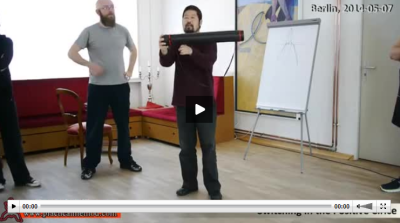
In this video, Master Chen covered the 3 main axes in the body, and how we could switch among them without tossing in the positive circle, and the analogy of a lever with different pivots. We discussed about the shoulder last week at Shoulder Movements in Positive Circle, we will continue this week regarding switching with the lower half of the body.
See you at 10 am ET on Saturday, April 11, 2020 at http://practicalmethod.com/2014/06/switching-in-the-positive-circle-online-video-trailer/
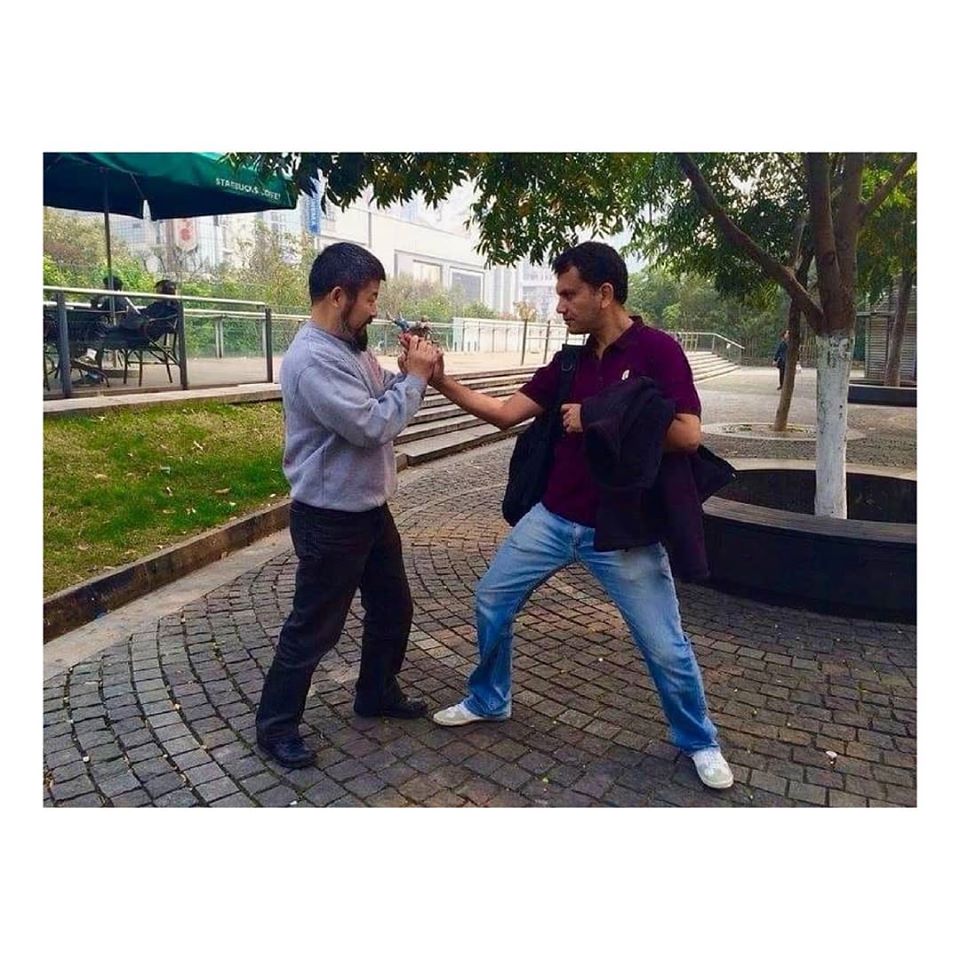
Ever wondered why Taiji is so magical especially at the hands of true masters?
I first experienced that magic when I met Master Zhonghua Chen in Daqingshan on a warm July evening of 2012. Ever since that moment I have developed a fixation of sort to figure out what is behind that magic – it is so ever present in everything Master Chen does, it is impossible to differentiate between the magic and the magician! Read more
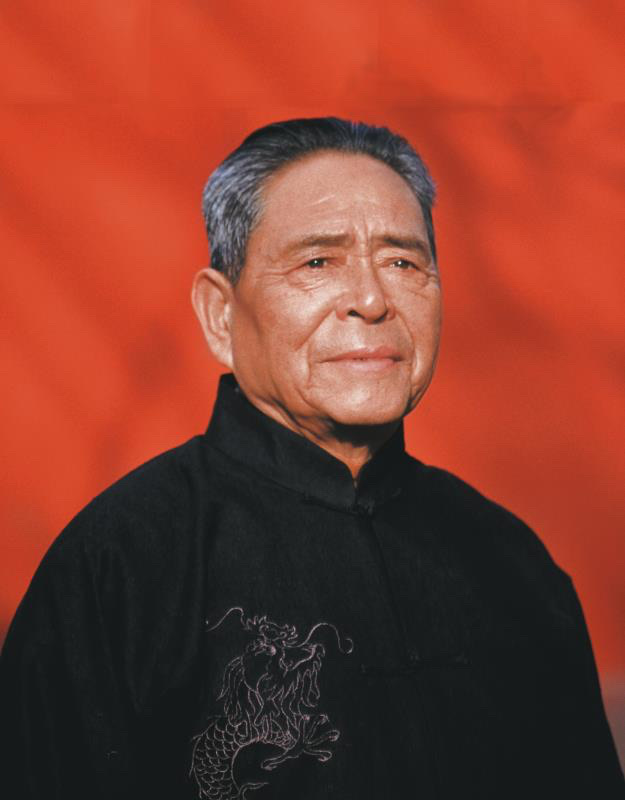
Remember My Masters Hong Junsheng and Feng Zhiqiang 2020.04.04.
It’s CHINESE Qingming (Memorial Day) in China today. Thinking of my two masters: Hong Junsheng and Feng Zhiqiang.
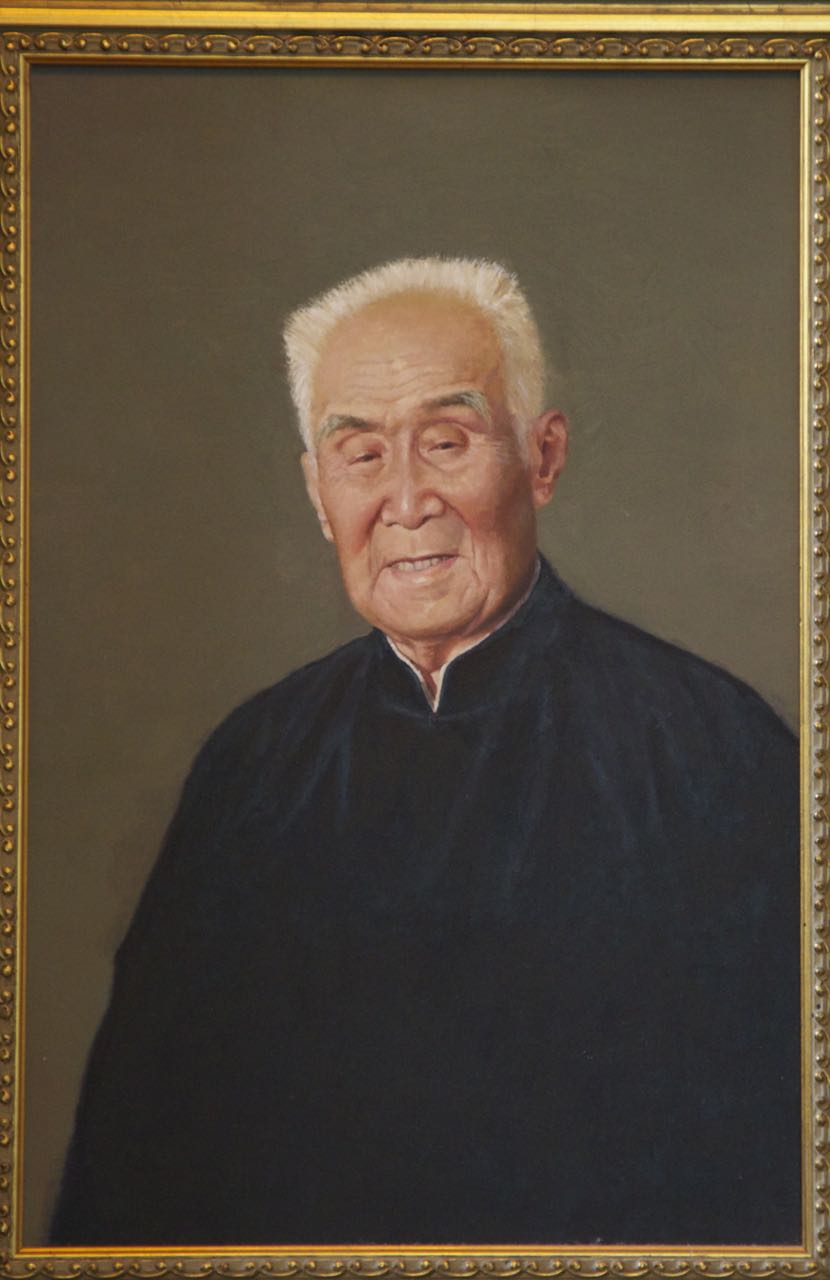
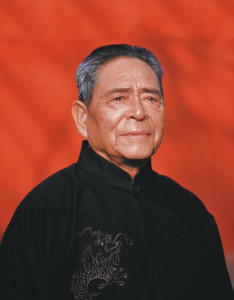
- Grandmaster Feng Zhiqiang
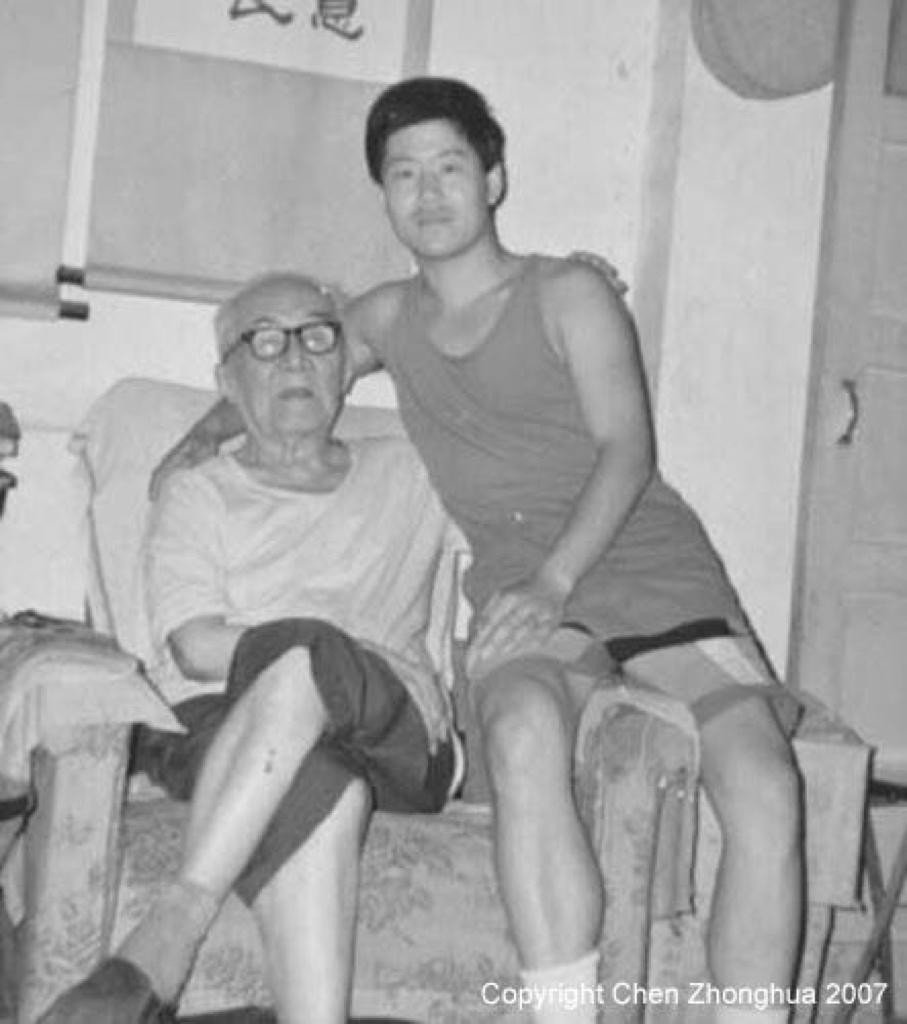
Chen Zhonghua with Grandmaster Hong Junsheng
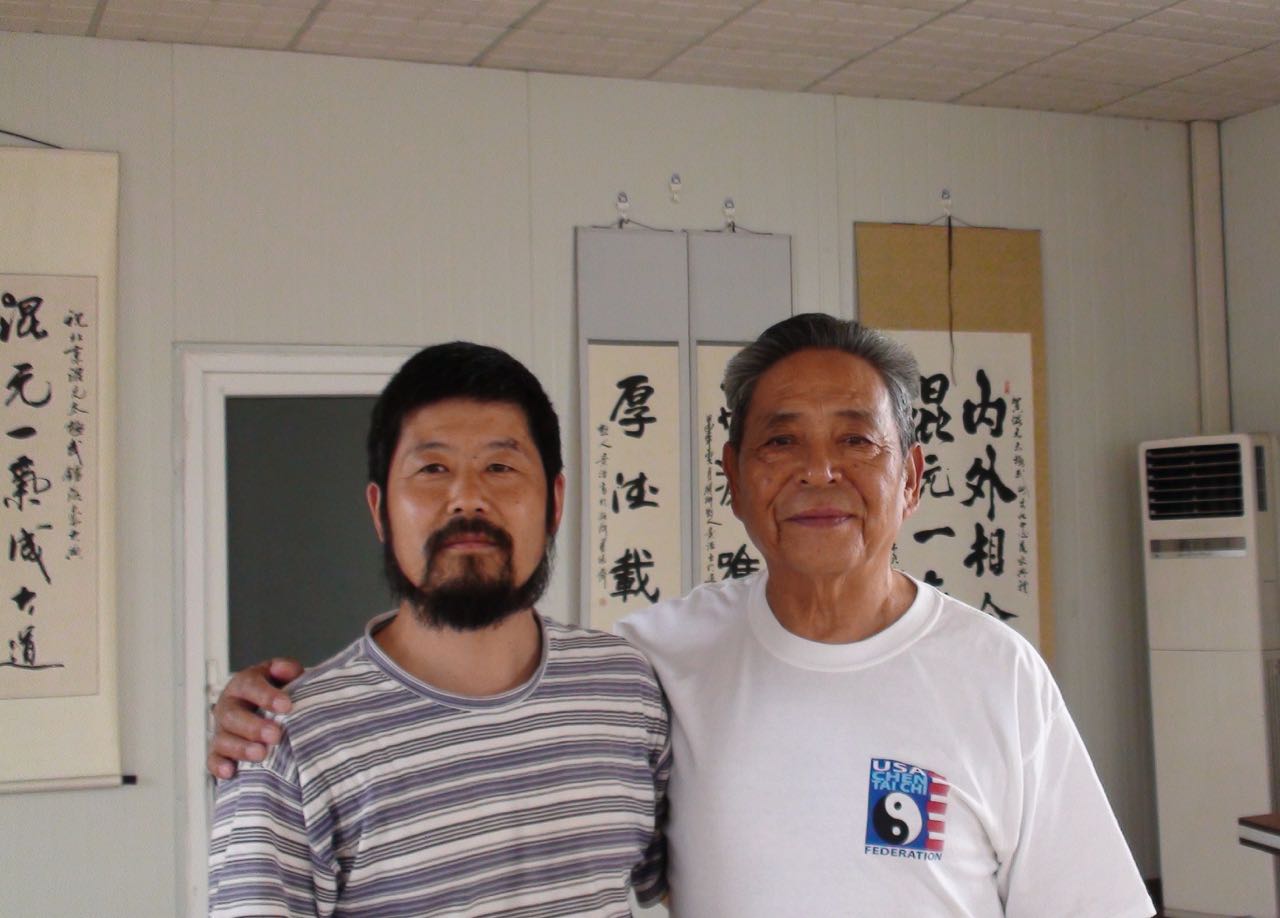
Chen Zhonghua with Grandmaster Feng Zhiqiang
Master Wang Zhanjun uses the video clip “Sink the Waist to Press the Elbow and Whip” to analyze taiji in his teachings. The animation at the end was created by Xu Jingpeng. Master Wang is the son of Grandmaster Wang Xi An, one of the 4 Tigers of the Chen Village. Wang Zhanjun is also. Ten-time National Push-Hands champion in China.

We will have an online class based on this video using the comment section of this video at 10:30 am Central Time, 11:30 pm Eastern Time on Saturday, April 4, 2020. On the days that I am teaching, I have selected a series of videos that will be taught in a sequential manner. The primary emphasis will be improving your understanding of how to take an opponent’s space that utilizes the principles that are inherit to Chen Style Practical Method Taijiquan. The video’s include:
Read more
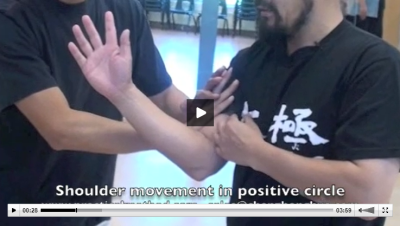
In this video, Master Chen showed us how to prevent an opponent’s incoming force from penetrating into ourselves with the 3rd count of the positive circle. It is a invaluable aspect of the positive circle.
We will have an online class based on this video using the comment section of this video at 10 am Eastern Time on Saturday, April 4, 2020. Come join us!
Master Chen Zhonghua always amazes me, whether it is at the next workshop (there is always something new and amazing) or looking back — such as in this video captured during a workshop in Ottawa ten years ago… an easy, seemingly simple, and clean bounce:
What do you see in the video?
John Upshaw: Everything is on a line. He added the right leg to the line…left arm to right leg…
Lou Sacharske: Watch his right shoulder, as he adds the right leg, there is zero deviation to telegraph the execution.
James Tam: I believe the rotation axis is the one joining Shifu’s left shoulder and front foot. And, the stick (effective energy pathway) is from his back foot to Steve’s upper back.
 I started learning practical method on 2005. I had a lesson once a week from one of Master Chen’s disciples. At that time I practiced maybe once per week.
Read more
Online practice groups are a way to support and motivate each other along our Practical Method journey.
Anyone learning Practical Method can conduct an online foundations practice group regardless of where you are in the world.
This is a post I found drafted but had not published. I thought I would finally share what I had written two years ago in 2018. It’s now March 2020.
……….
The value that you get from Master Chen Zhonghua’s Practical Method workshop is immeasurable. This is was my fourth workshop and I cannot explain just how much was packed into the two days.

Dear fellows,
I also want to announce it here, especially as our Taijiquan is a very central part of our life, that we are up to create a new community within the international township of Auroville, South India.
This should become a self-sustainable project, including training facilities, farming and all sort of arts, music, handcrafts etc. But more than that we want to Read more
Presenter: Chen Zhonghua Length: 9 min. In: English Year: 2019 Difficulty:1/5
Move the Middle (fix the two end and move the middle). Fixed the thigh contact; fix the hand elbow contact; use the kua movement to complete the action.
The last day of the 2020 March Zhonghua Chen Toronto Practical Method Workshop. By Chen Zhonghua and David Dahms.
Presenter: Chen Zhonghua Length: 9 min. In: English Year: 2019 Difficulty:1/5
This is that (concept)
–I missed a good deal today, especially right after lunch, but these are the notes I took–
Foundation practice and Yilu are to warm up the body. The body must be separated into Yin and Yang, structure and action. The body has to completely lock up with the exception of one piece. Then an action has to move that one piece. The action has to be outside the body, but it’s also in the body. It’s like a hand with a powerful grip on a screwdriver. The hand is not part of the screwdriver, but it is part of the screwdriver. All the action comes from the hand, none from the screwdriver. But they move as one.
We have to learn to get a hold on a line. Ignore the arm or whatever it is and just get a hold on the line. A hold requires being on both sides of the line. Scissors are designed to get a hold, to get on both sides, of something as thin as paper.
The power used to throw a cotton ball at someone is the same as the power used to throw a stone at someone. The difference is the cotton ball absorbs that power on impact, while the stone transfers that power to the person it hits on impact.
To deal with a solid object, use a stick. To deal with an object that’s not solid, use a bow and arrow. These two structures can be seen all throughout the world. They are fundamental.
The highest level of fighting is when someone adds the third dot to a line and finishes the opponent’s move for them. Taiji is unclear in a way that is clear. The three dots are totally independent and unrelated to each other, but they must happen at the same time. It is as though a professor is teaching a large class, and everyone is listening and paying attention at the same time, but they are listening and paying attention independent from each other. Our movements are completely separate from each other, but the opponent feels one move. A qun (large mythical bird) and a gnat cannot understand each other, the qun lives for millions of years, the gnat from 9:00 AM to 3:00 PM. And yet, their stories are the same: birth, growth, sex, reproduction, decay, death. They cannot relate, but it’s exactly the same. Taiji is everything put together by one thing: time
Yilu and foundations are for warm up
Presenter: Chen Zhonghua Length: 9 min. In: English Year: 2019 Difficulty:1/5
John Saw – My journey from a hotelier, gambler and Qigong Master to a faithful and loyal disciple of Master Chen Zhonghua 6
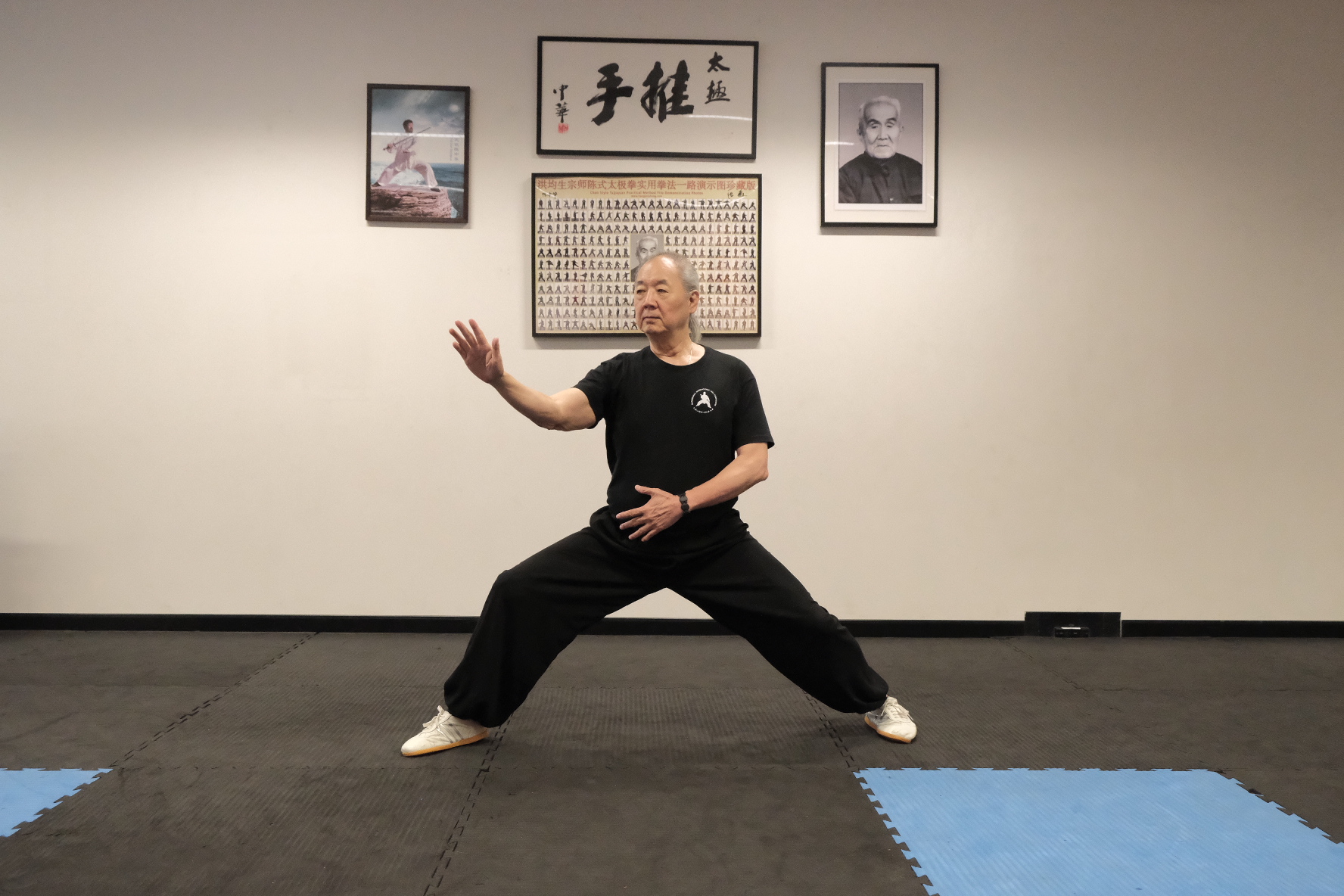
John Saw at Sydney Chen Zhonghua Taiji Academy – 8 March 2020
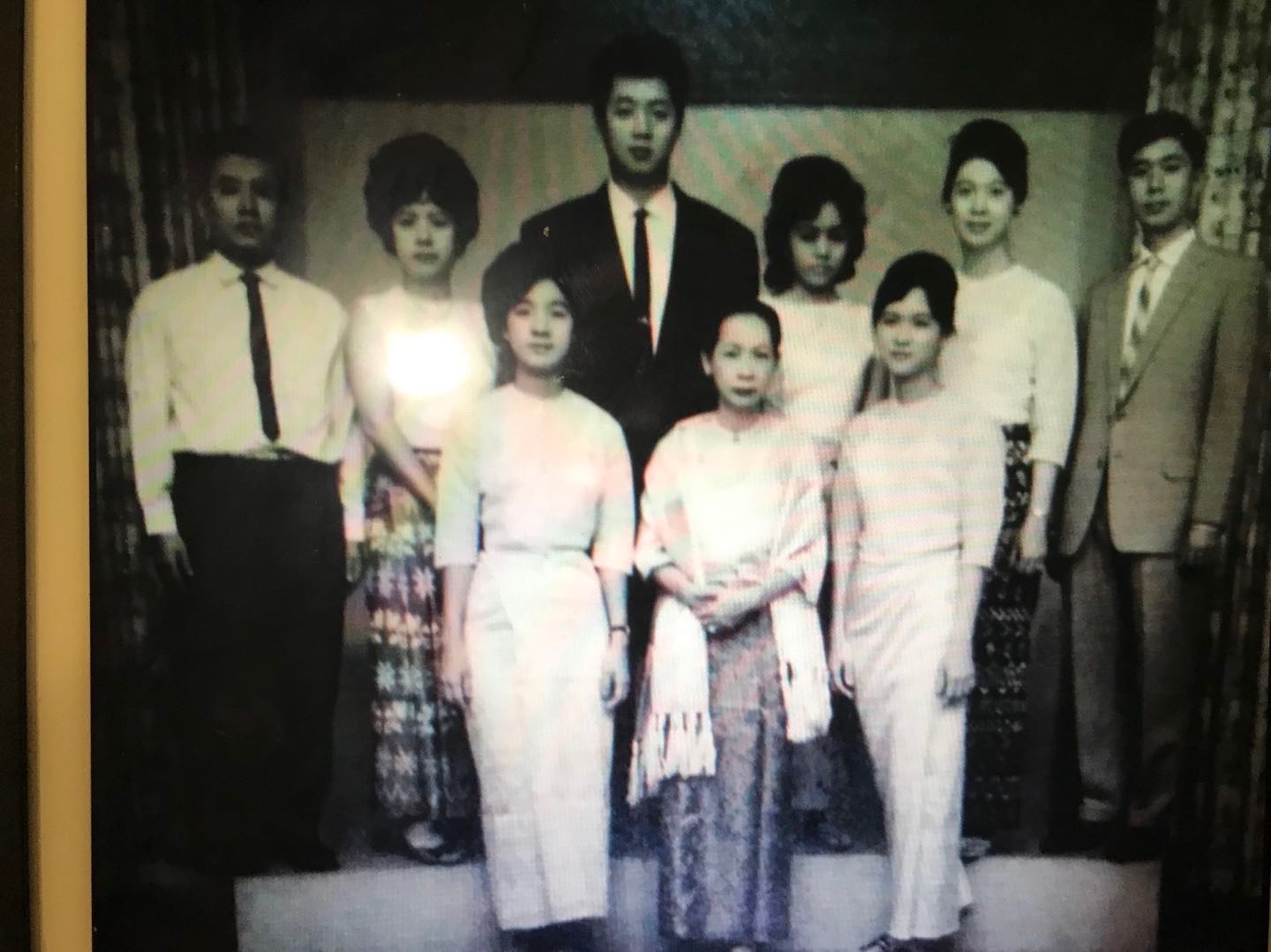
John Saw – Burma Days
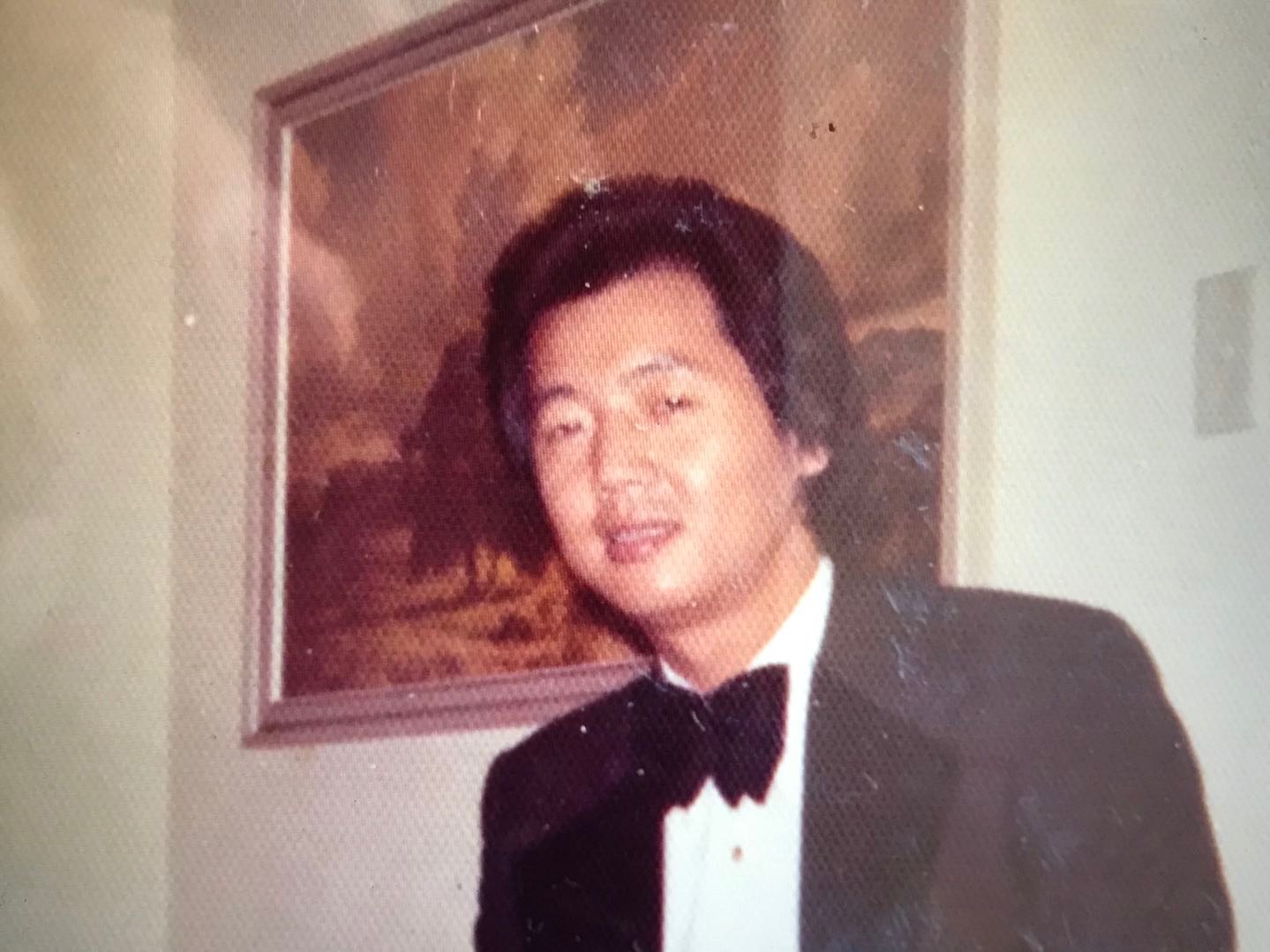
John Saw – Burma Days
John Saw – Gambling Days
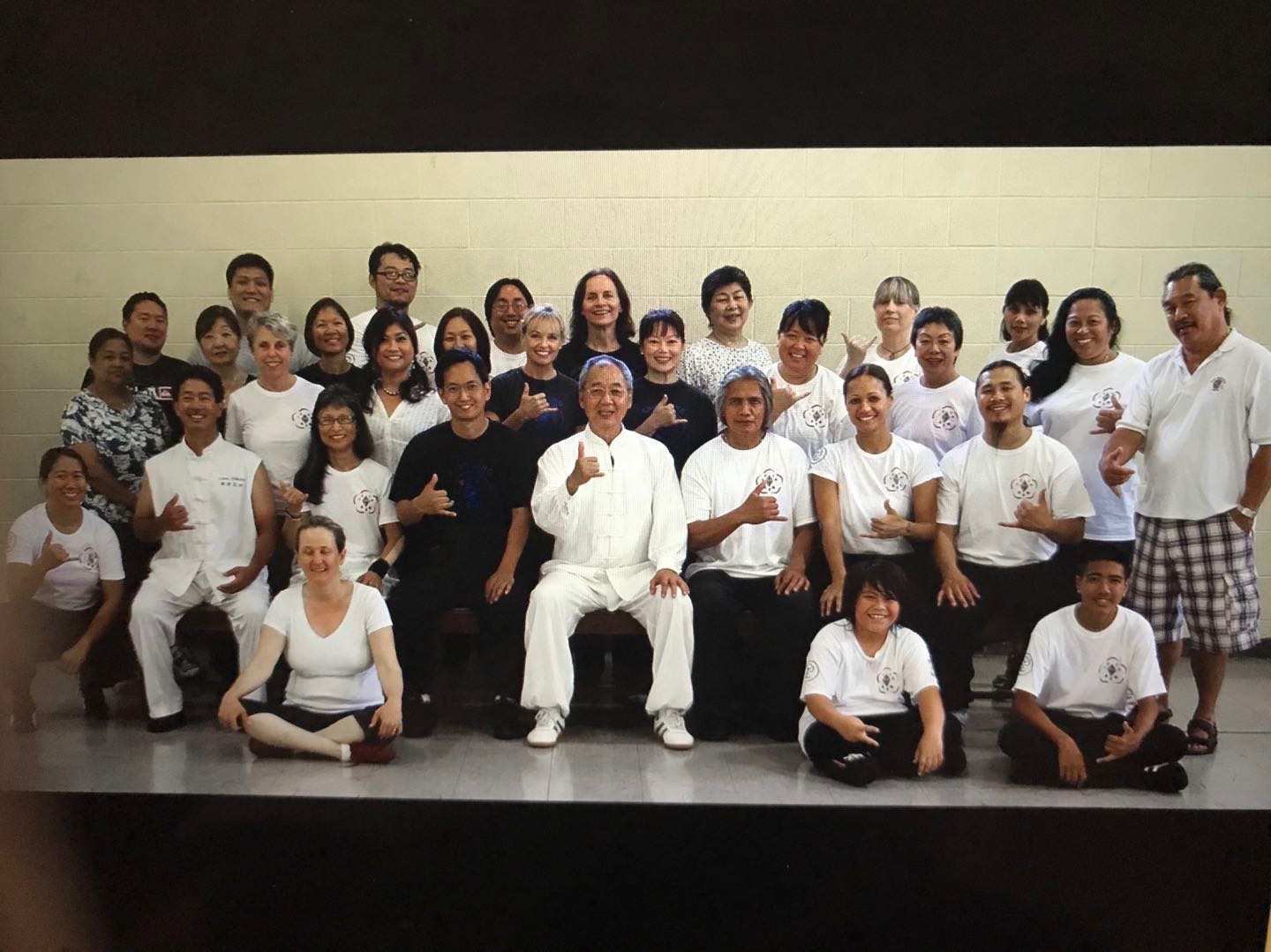
John Saw – Qigong Days
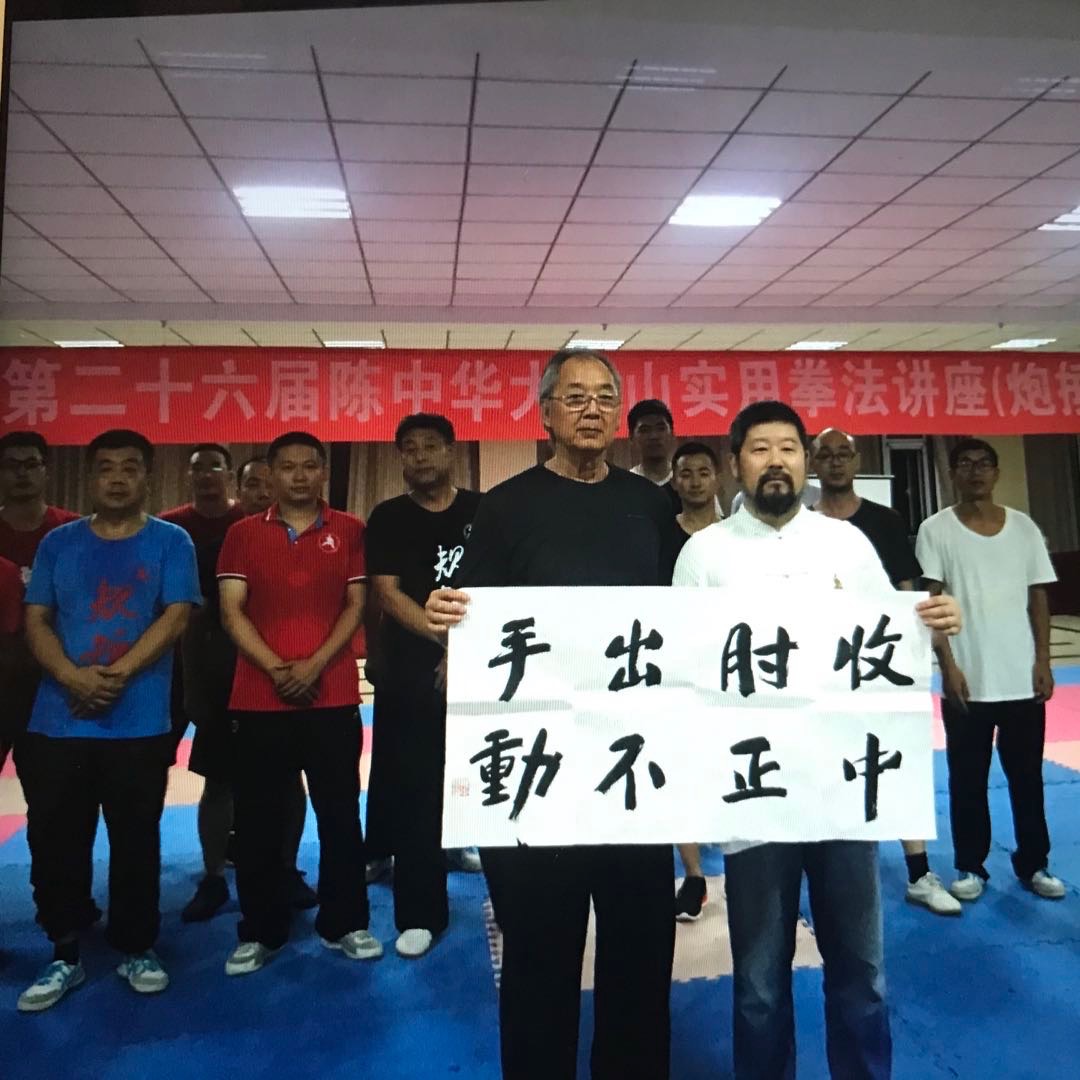
John Saw with Master Chen Zhonghua at Daqingshan
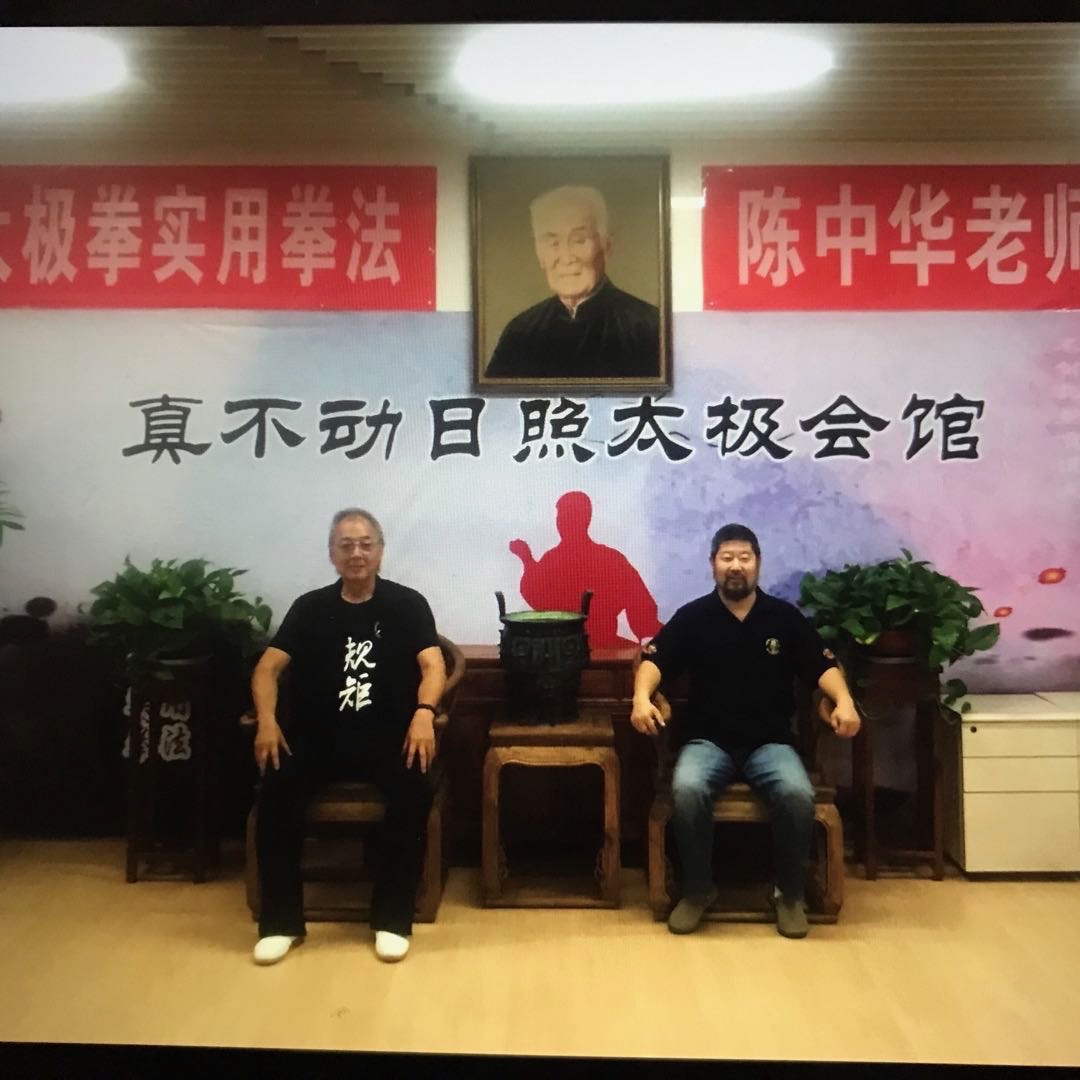
John Saw with Master Chen Zhonghua at Zhenbudong Rizhao Taiji Acacdemy
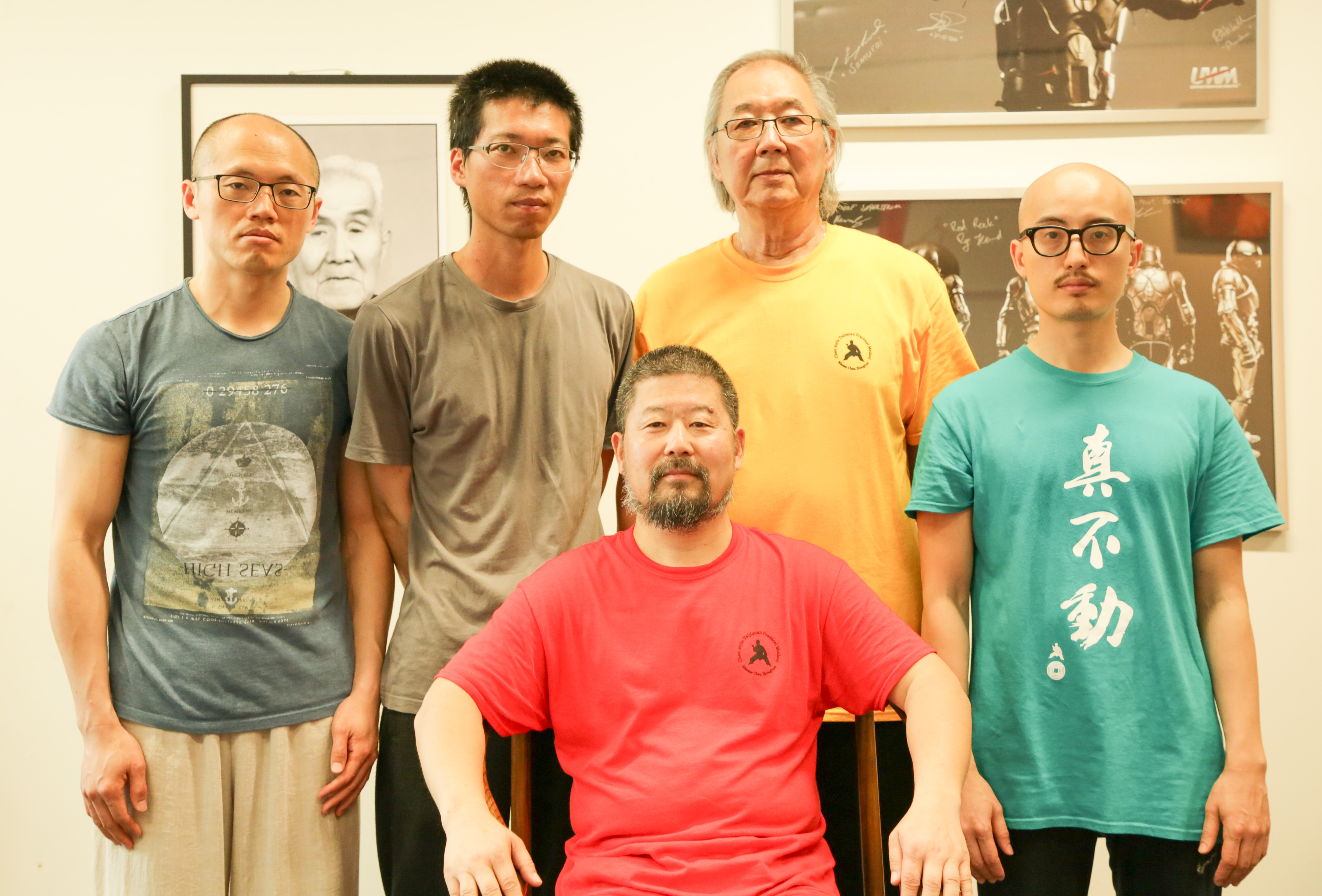
John Saw Discipleship Photo in Sydney with Master Chen Zhonghua
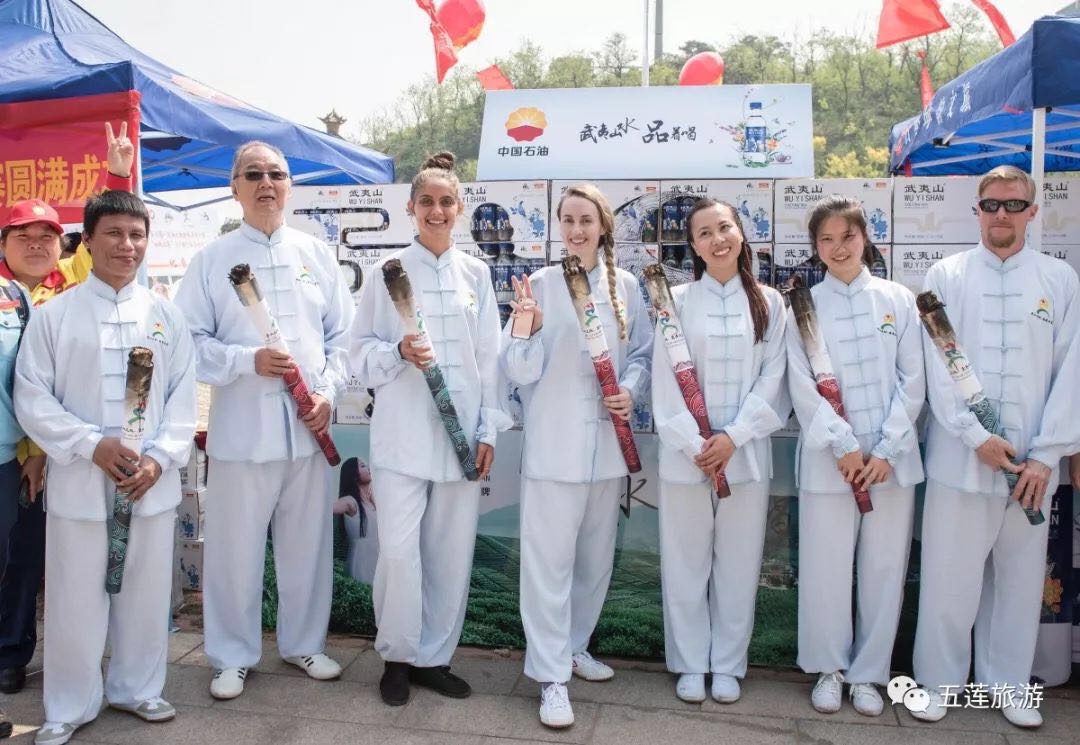
Daqingshan Taiji Flame Torch Bearer 2018
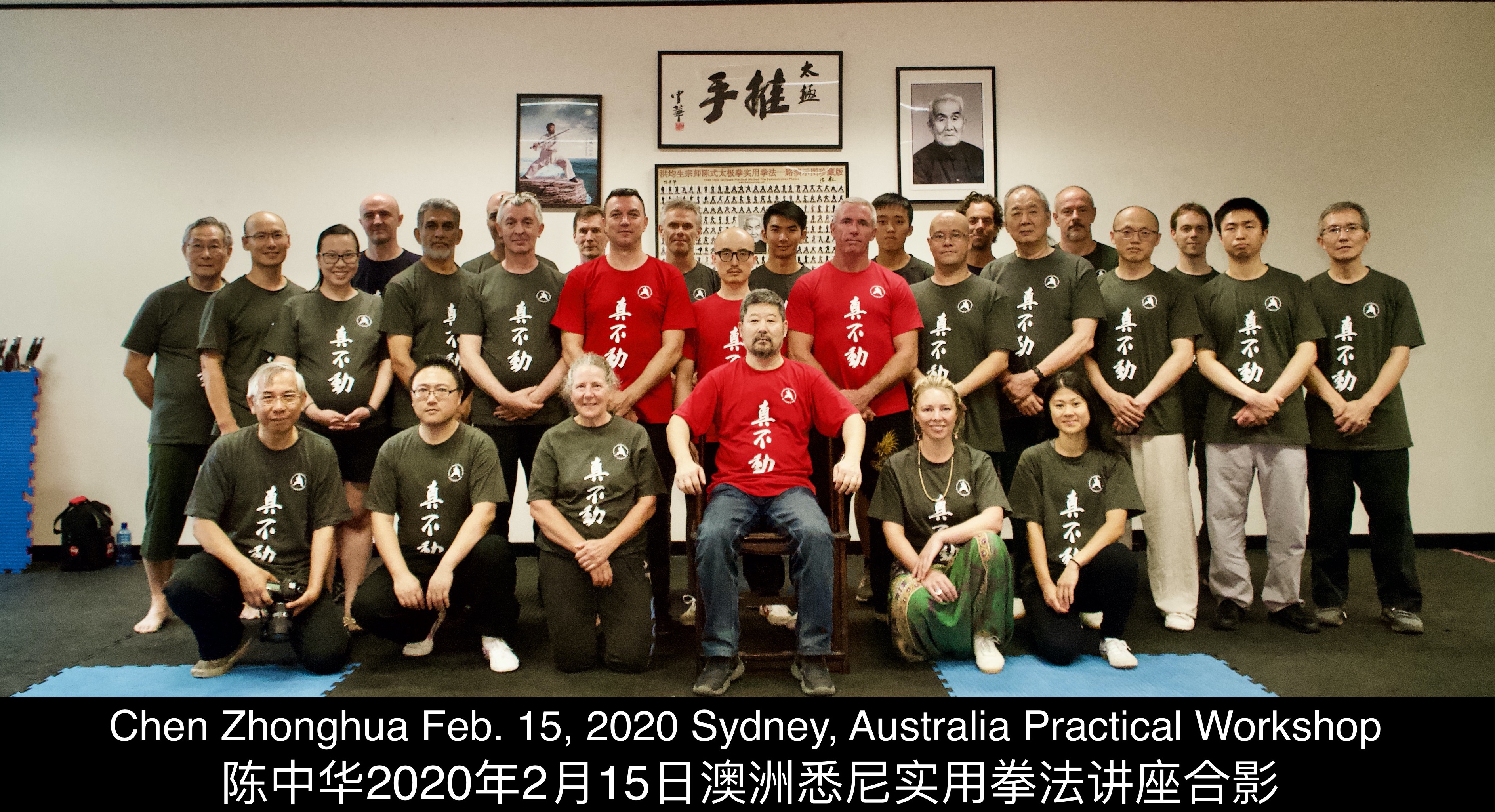
Chen Zhonghua Practical Method Workshop Sydney 2020 February
Tiger’s back and Bear’s waist (doesn’t have)
1) sequence of learning- learn Form (overall structure), stretch (no fight), and how to stretch
2) step in on moving positive circle. Elbow comes in, leg goes out in same direction no deviation
3) bypass/ turning over – there is no direct connection of 2 body parts as if there is you can not connect to ground , can not bypass,
Chen Zhonghua’s Sept. 2019 Toronto Workshop Video.
Presenter: Chen Zhonghua Length: 10 min. In: English Year: 2019 Difficulty:2/5 At:Toronto
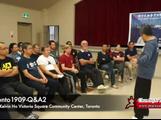
Question and Answer part two of the Chen Zhonghua Sept. 2019 Toronto Practical Method Workshop.
Presenter: Chen Zhonghua Length: 10 min. In: English Year: 2019 Difficulty:1/5 At:Toronto
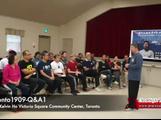
Question and Answer session at the Sept. 2019 Chen Zhonghua Toronto Practical Method Workshop.
Presenter: Chen Zhonghua Length: 10 min. In: English Year: 2019 Difficulty:1/5 At:Toronto
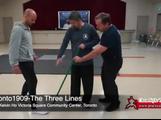
Master Chen Zhonghua’s Sept. 2019 Toronto Practical Method Workshop Videos.
Presenter: Chen Zhonghua Length: 10 min. In: English Year: 2019 Difficulty:3/5 At:Toronto

The intro, instructions and outro are in Polish, but you can turn on English subtitles.
I am curious about usefulness of this video for PM students around the world – if you think it is helpful enter your city name in the comment (on YouTube).
Enjoy the practice!
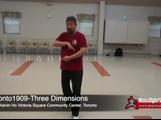
Chen Zhonghua’s Sept. 2019 Toronto Practical Method Seminar.
Presenter: Chen Zhonghua Length: 10 min. In: English Year: 2019 Difficulty:3/5 At:Toronto
Chen Zhonghua’s Sept. 2019 Toronto Practical Method Workshop videos.
Presenter: Chen Zhonghua Length: 10 min. In: English Year: 2019 Difficulty:3/5 At:Toronto
Presenter: Chen Zhonghua Length: 9 min. In: English Year: 2020 Difficulty:1/5