By following this principle of Chen Style Taijiquan Practical Method, our taiji actions will be different from normal human movements. We therefore, no longer “move” (Don’t move!). We become the other “Kind”. Read more
Inside and outside is a set of yin and yang. This principle refers to the movements in this set of yin yang separation. Read more
The outside must always be stronger than the inside like a bomb and an egg. The shells are considered outside. The reference to stronger or not of the outside and inside refers only to the physical property.
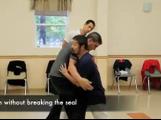
Stepping and the sequence of movements, Take out space, Move the floor not the body, Push without breaking the seal, Transfer the power from inside to the outside, Read more
Don’t move! Don’t move your hands! Don’t move your torso! Don’t move your body! Don’t move your center! Don’t move your knee! Don’t move your feet! Read more
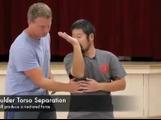
1. The human body and machine. 2. Shoulder-torso separation. 3. Upper and lower body separation. 4. Open the power to the outside. 5. How to go down. 6. Stretch out. Read more
This is another special characteristic and principle of the Chen Style Taijiquan Practical Method. First raised by GM Hong Junsheng.
Sit the wrist is a special term used in Chen Style Taijiquan Practical Method. It means that the wrist must be stretched open into a curved position and then locked into place. This is also part of the Tile Hand requirement.
The classic mention of this term is “understanding the three joints” (明三节). Read more
New 12-week course
Starting Jan. 21 2014 Read more
“the inside stays on the inside and the outside stays on the outside” is a major taiji principle. The five heads are considered outside; everything else is considered inside.
Range of motion refers to the ability to move and the extent of movements in taijiquan. It is NOT the same as flexibility. Read more
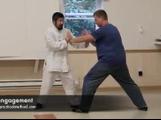
1. In with elbow, out with hand. 2. Details of the Positive Circle. 3. Ji: engagement. 4. Loose and Tight. 5. Inside and Outside. 6. Rotations. 7. Move or no move. 8. Sinking: Stable Switching. Read more
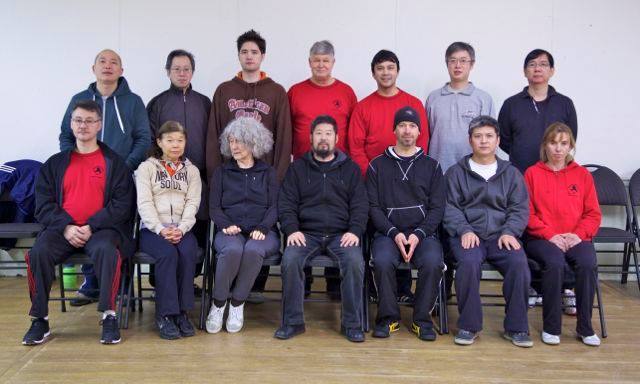 Blake from Seattle, and KS from Malaysia came to the workshop. Master Chen went over the Yin Yang relation in the legs, where one leg has to be still which sound simple but I find it hard to keep the front leg to not move. (Photos by Jay Smith) Read more
There are two types of movements in Chen Style Taijiquan Practical Method.
- Primary movements.
- Secondary movements. Read more
The kua must be higher than the knee. This ensures that the lower body stance remains an bridge arch. If the kua is lower than the knee, then this arch is reversed.
In transitional and extreme cases, this principle is temporarily violated.
Zhou Bu Li Lei. 肘不离肋。
The elbow can move past the centerline of the body. It can also go down and go inwards. It cannot move upwards or outwards.
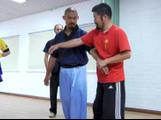
This means that the left hand must only be allowed to move in the left side of the torso. The right hand is only allowed to move in the right side of the torso. The demarcation line is the centerline of the chest.

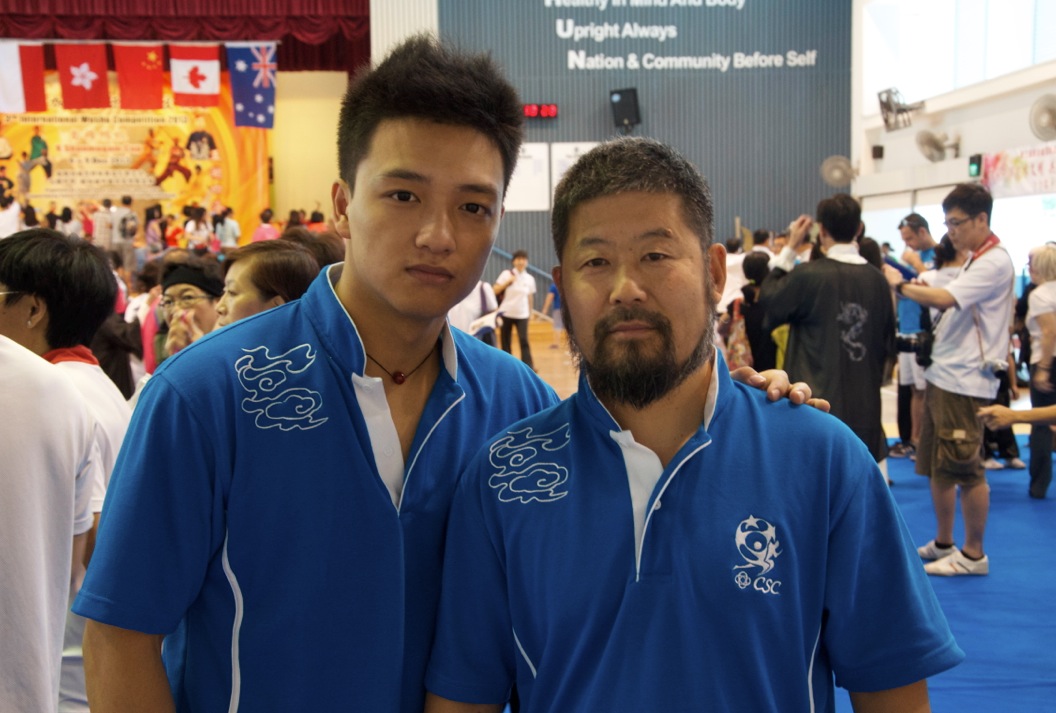
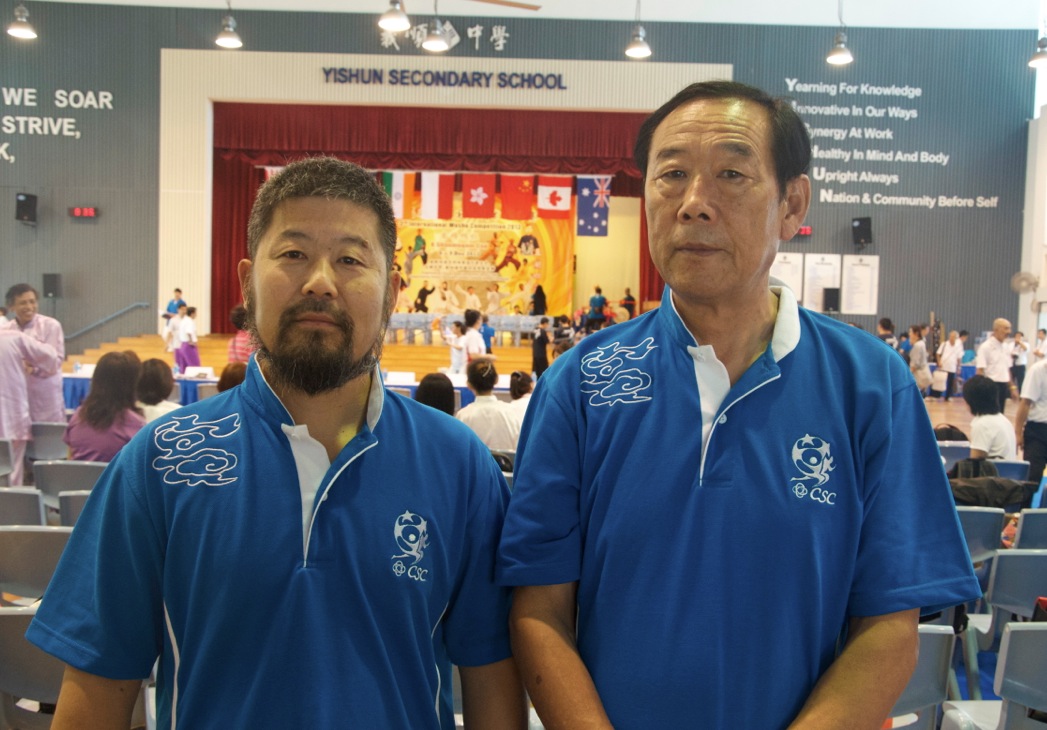
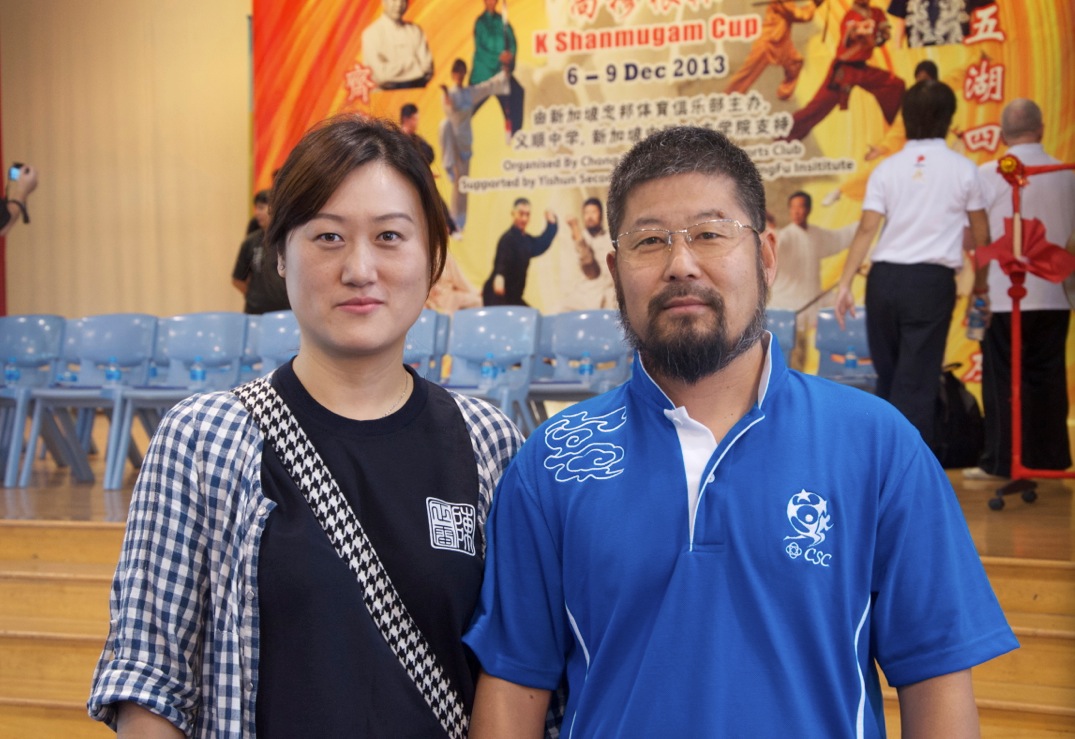
This is Chen Xu’s first competition outside China. Also Lawrence’s first competition in Singapore.
[wowslider id=”43″]
It has been a busy 2013 for Master Chen, Seasons Greeting and Happy New Year
source: https://www.facebook.com/yearinreview/HunyuantaijAcademy (need facebook login)
Hunyuantaiji Academy in Edmonton is closed from December 21 to January 5. New classes
start on January 6, 2114. The schedule will be revised for the first two weeks we are open, on
Monday, Jan. 6 and 13 and Tuesday Jan. 7 and 14 classes will start at 7 pm.All other classes
remain as usual, except there will be no Wednesday morning class until Jan. 22.
Best wishes for the holidays and hoping to see you in the New Year!
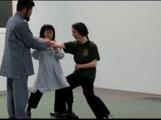
Application of the second half of the positive circle, how each attack has to go over the opponent’s defense. Detailed instruction and corrections. Read more
By pushing with power and muscle you allow your opponent to control your entire body. Instead, issue with a rotation and a stretch so that no muscle power is used. This way your opponent cannot use your own energy against you.
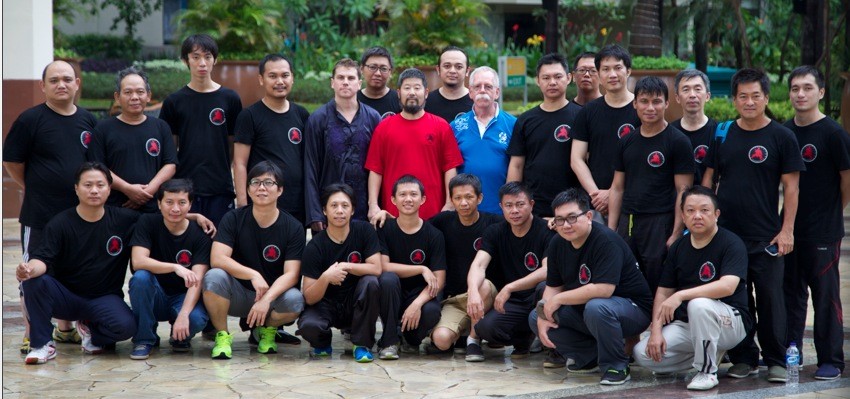
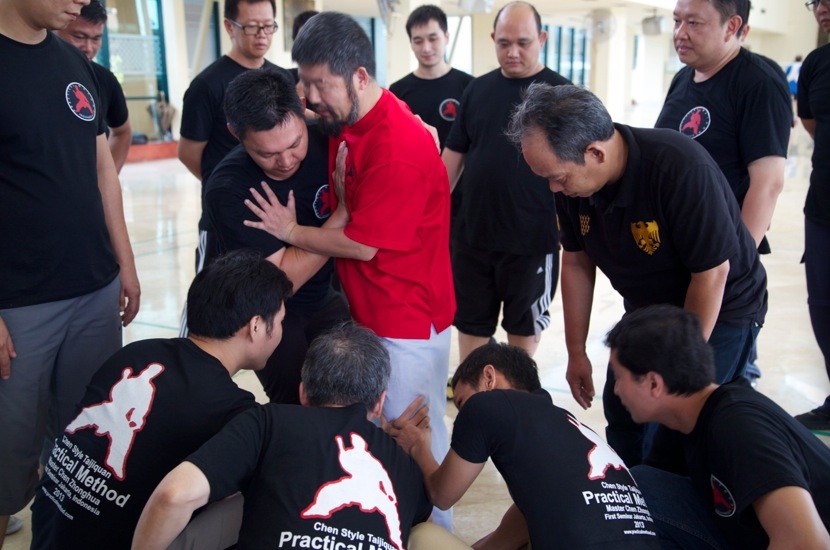
This video describes the different energies that are applied in one move and how they work together to attack an opponent’s structure. If done properly, no muscle power or energy is used or wasted. This can only happen if the body is connected through correct stretching and rotations.
By John Upshaw and Levi Sowers
The interaction occurring amongst the various elements of our body are numerous and complex. This is especially true when applied to the movements, and thereof lack of movements, in Chen Style Taijiquan Practical Method. The purpose of this article is to provide a framework that will allow the reader to conceptualize the necessary movements that are congruent with the taiji principals, and inherent to the Practical Method system. The 1, 2, 3 theory of taiji movements will be the framework for describing these internal relationships. We hope that readers will be able to distinguish between what parts of the body moves from what does not move. When that is identified, then a clearer understanding of the lines that are stretched upon within oneself becomes more recognizable. Read more
The hand will have the ability to issue and withdraw power when it is properly aligned with the elbow. This is a fundamental exercise that will enable future improvements in taiji push hands. Without the hand-elbow alignment and connection, indirect power cannot be developed.
Presenter: Chen Zhonghua Length: 38 min. In: English & Chinese Year: 2013 Difficulty:2/5 At:Daqingshan
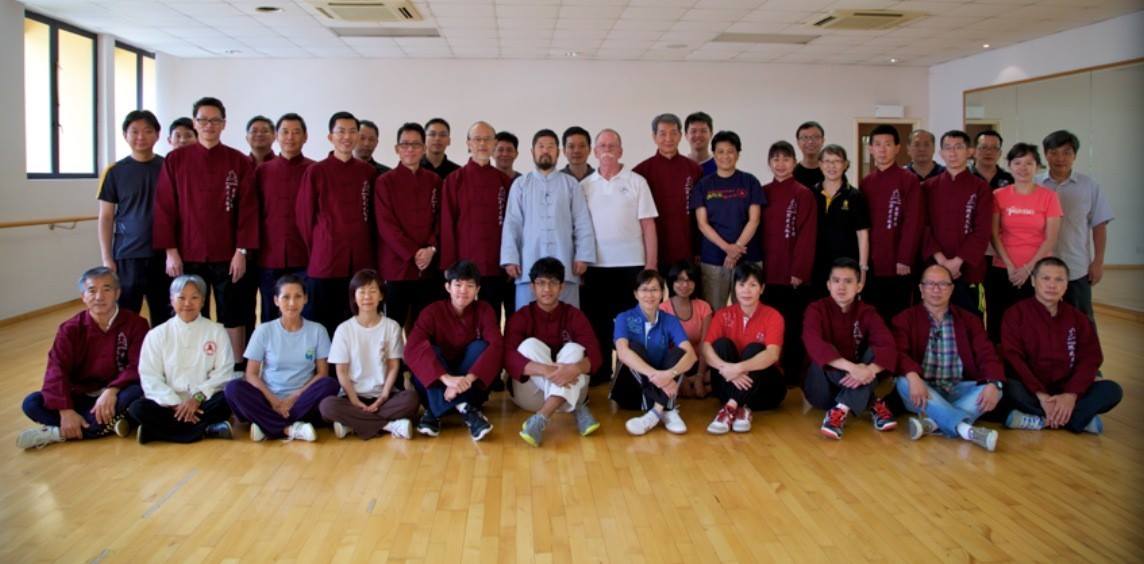
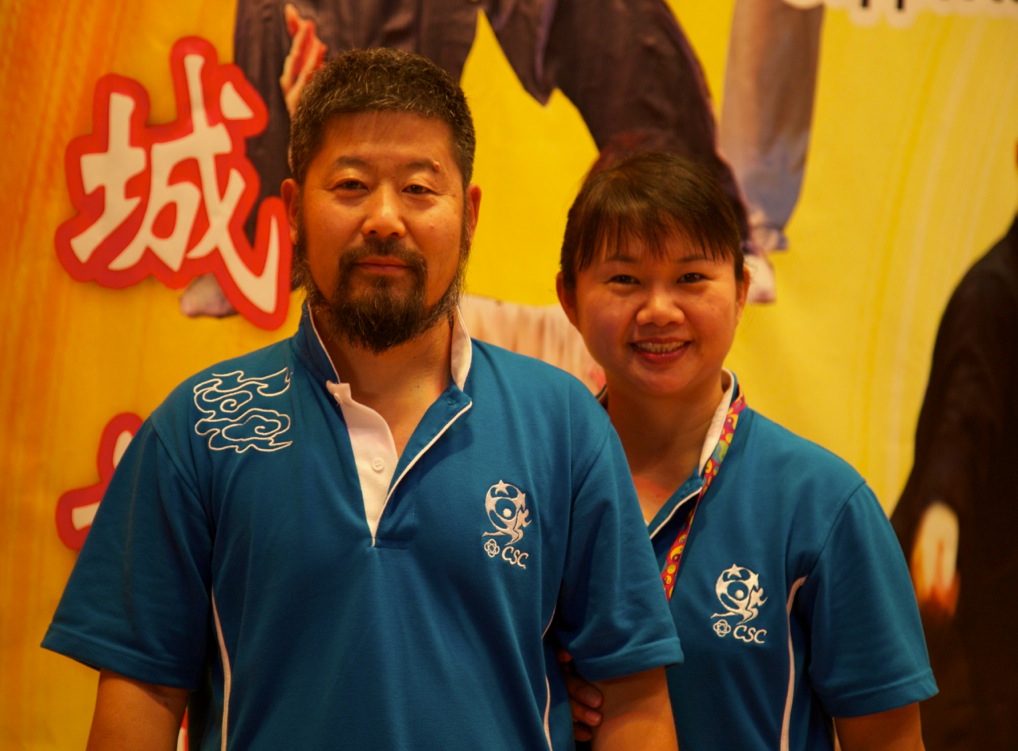
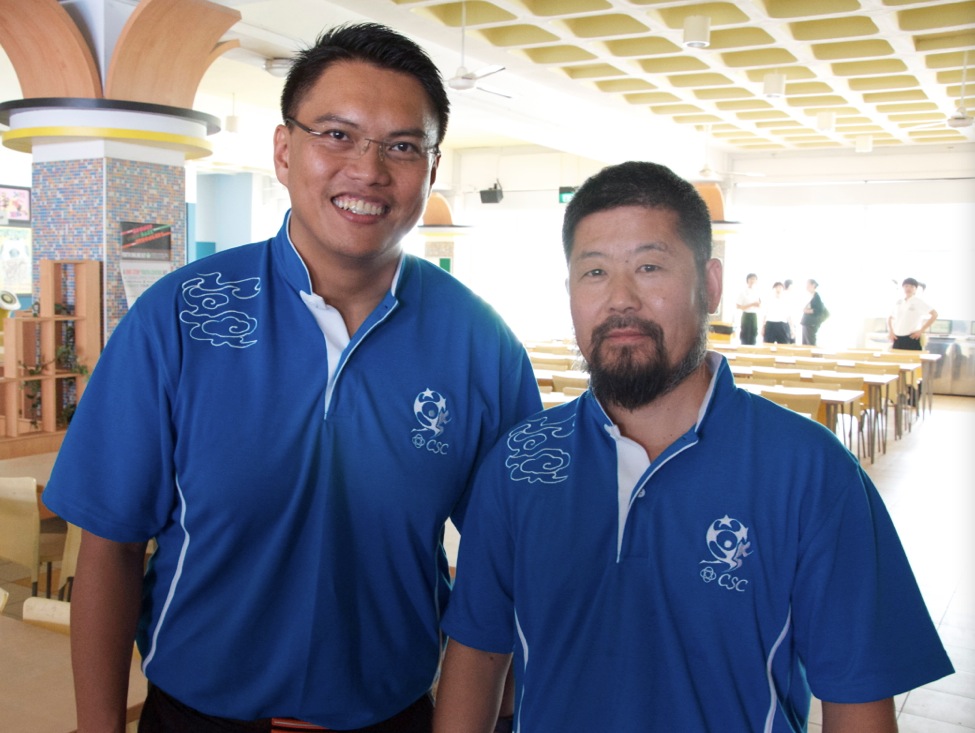
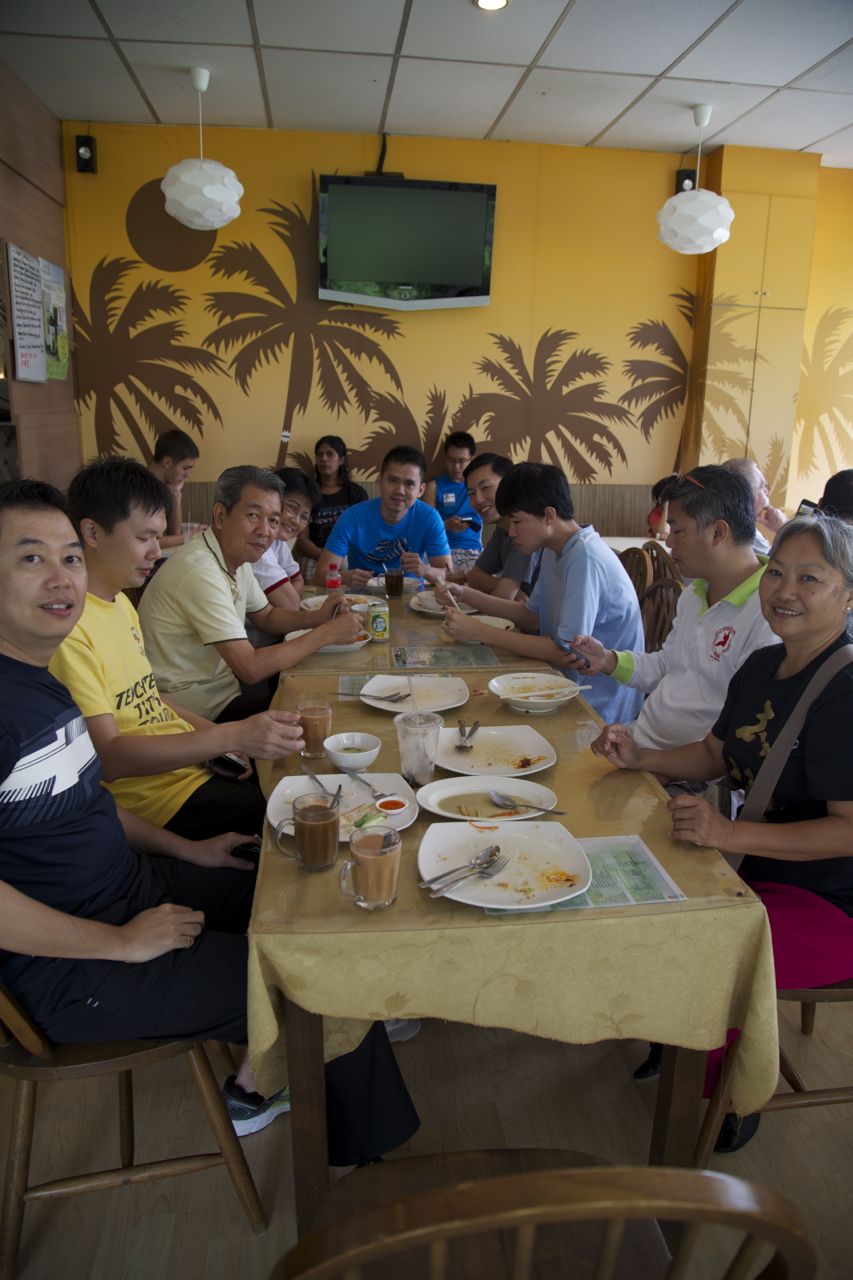
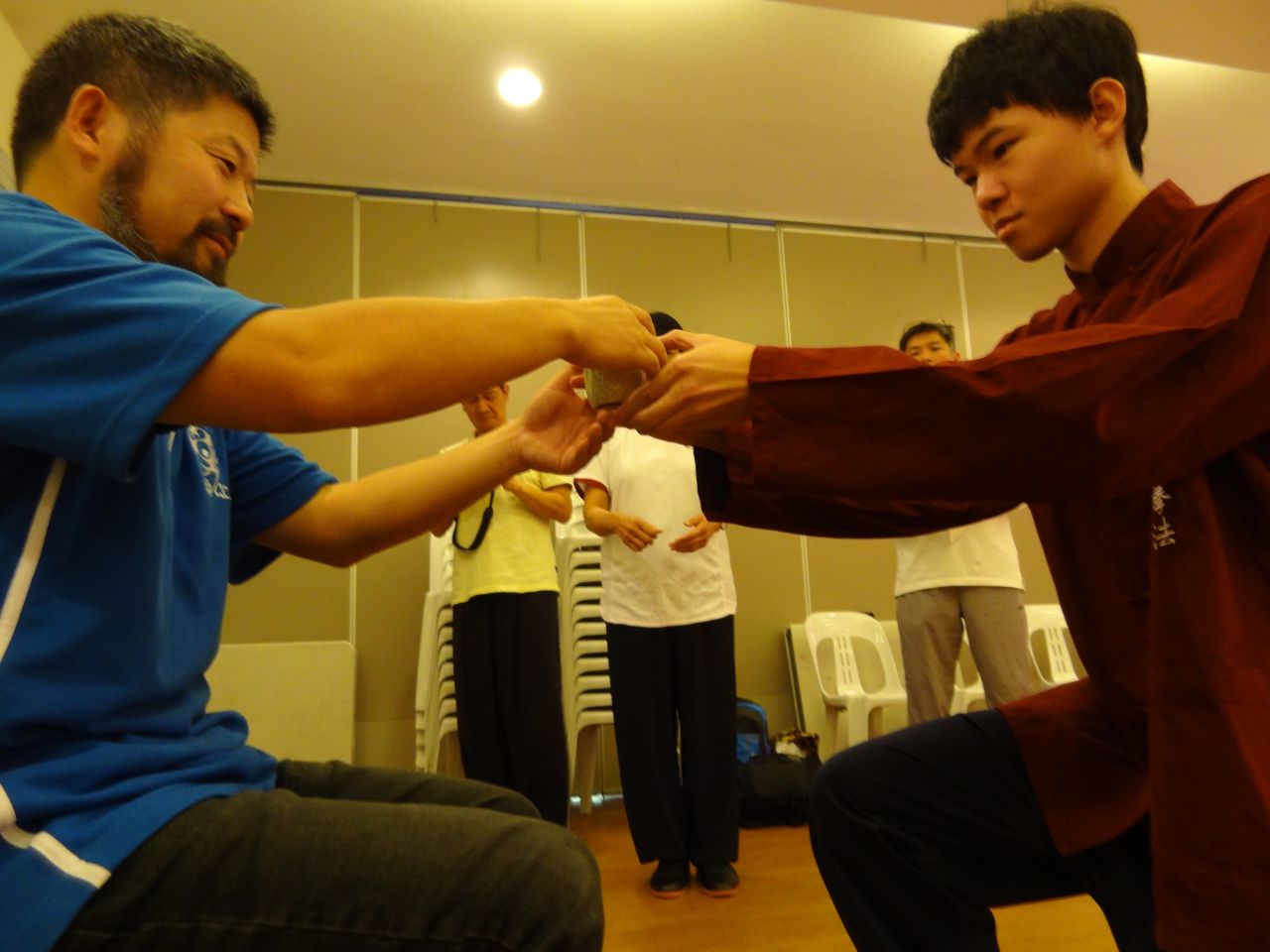
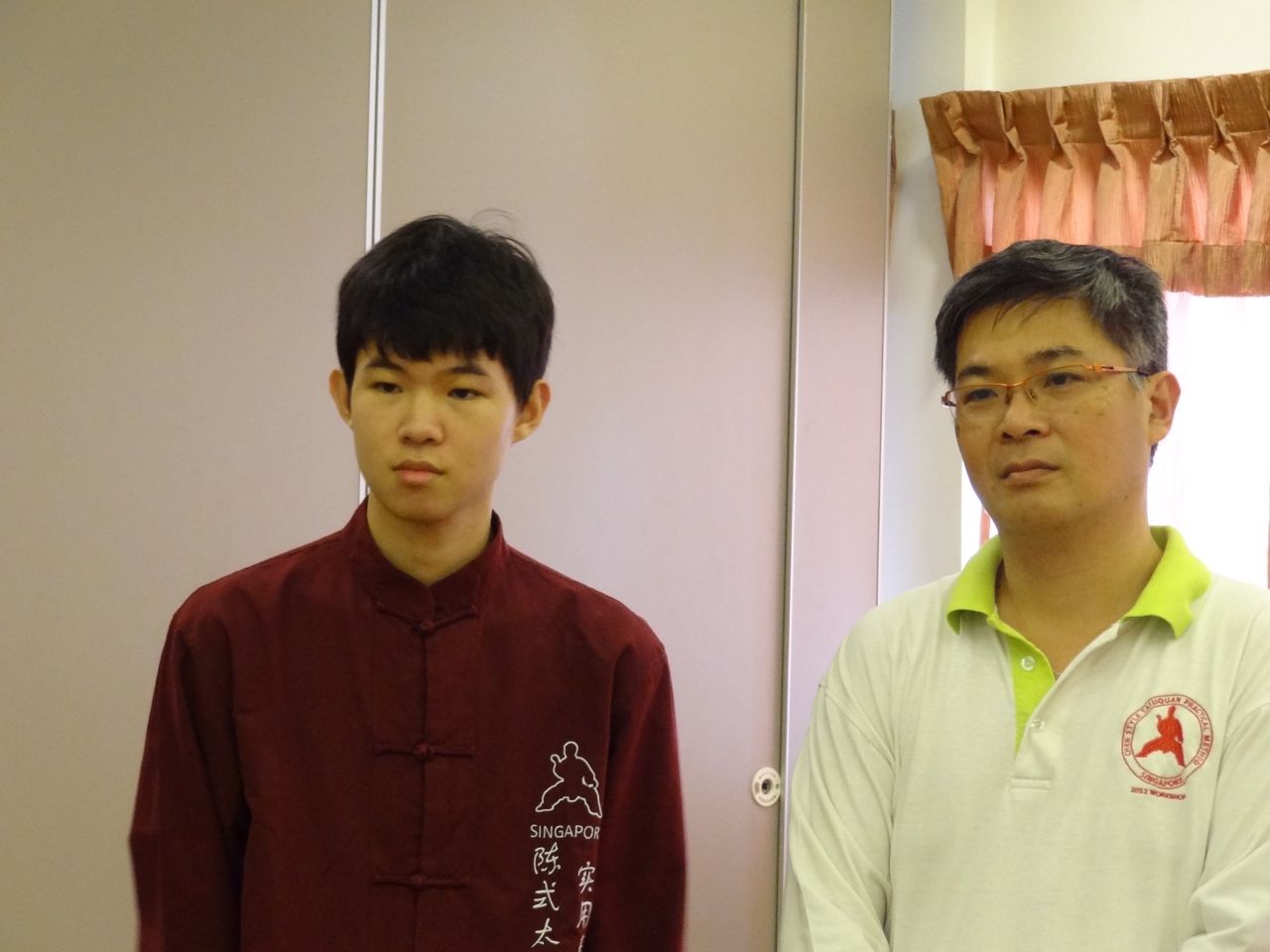
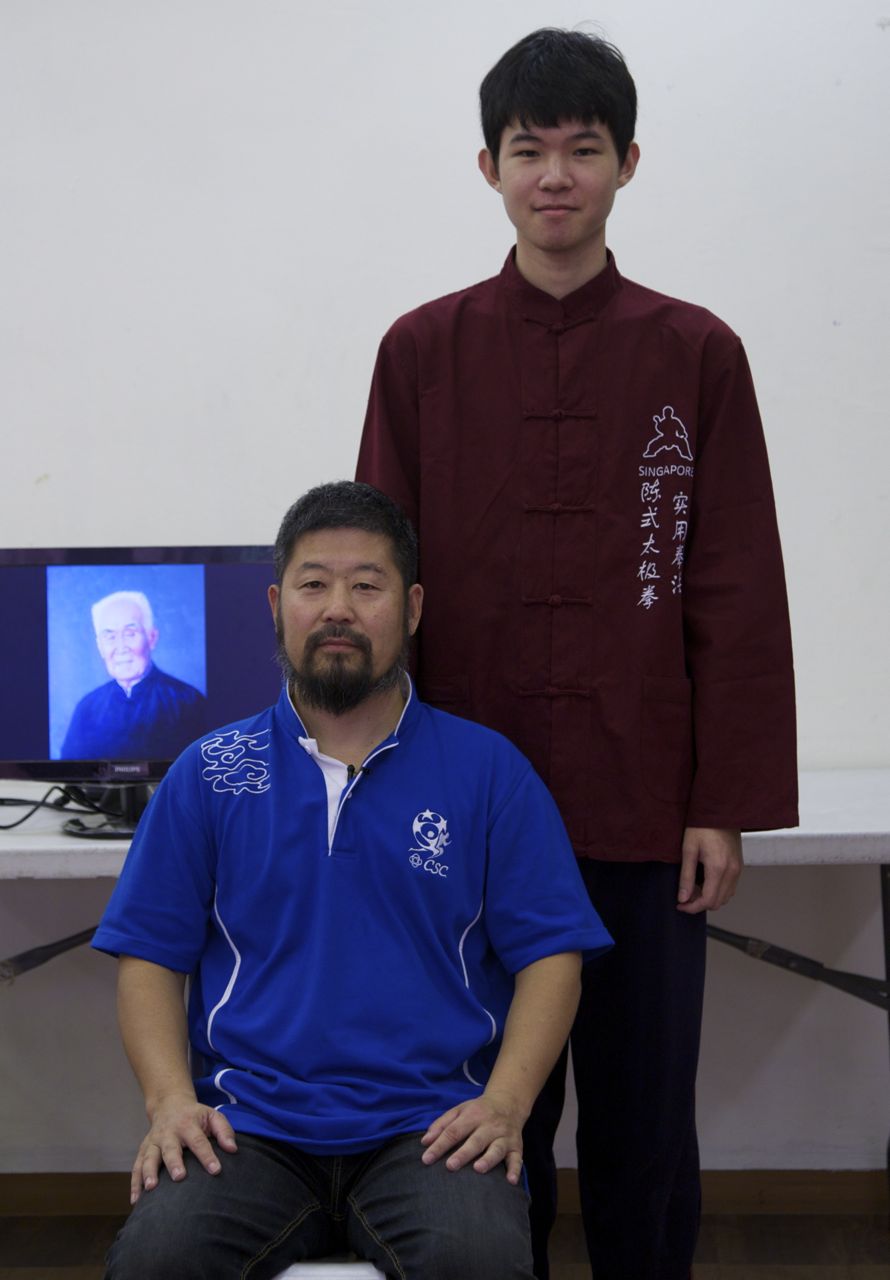
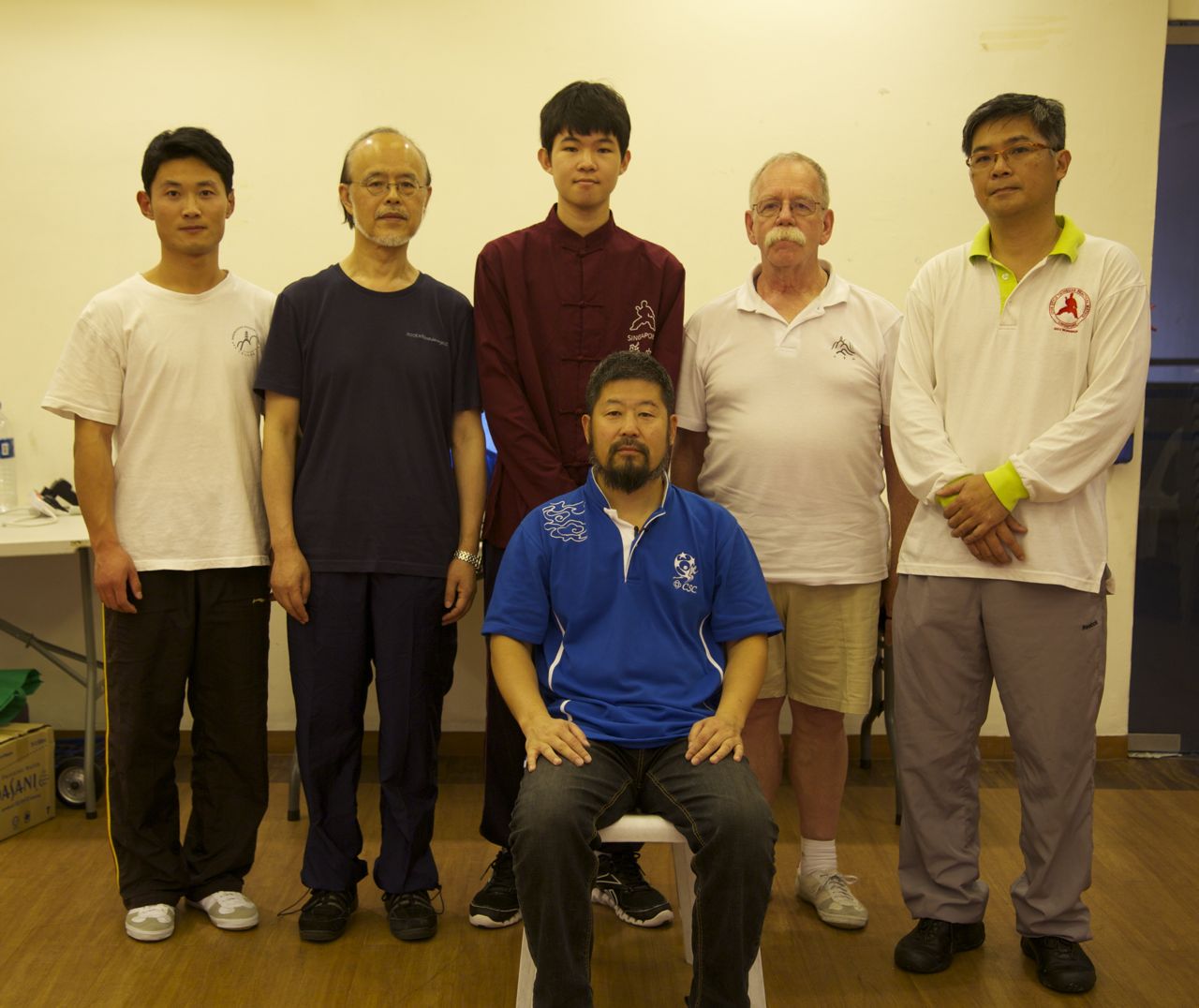
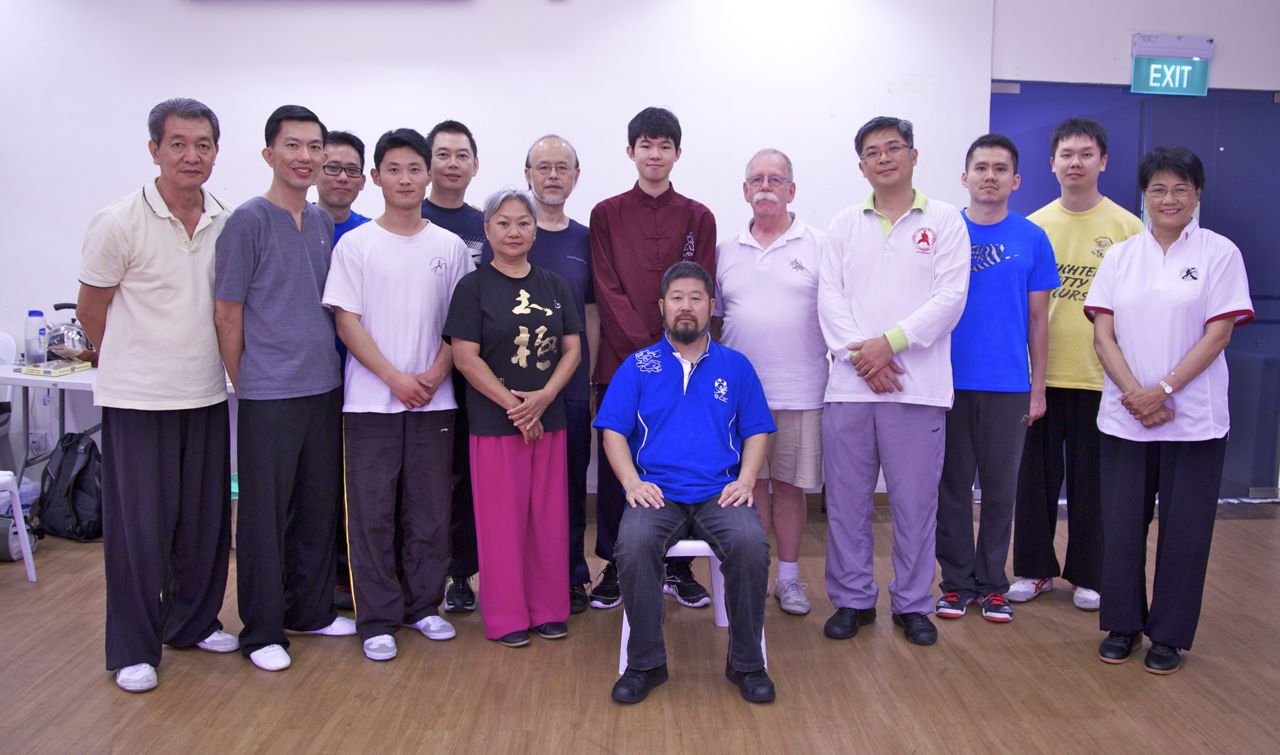
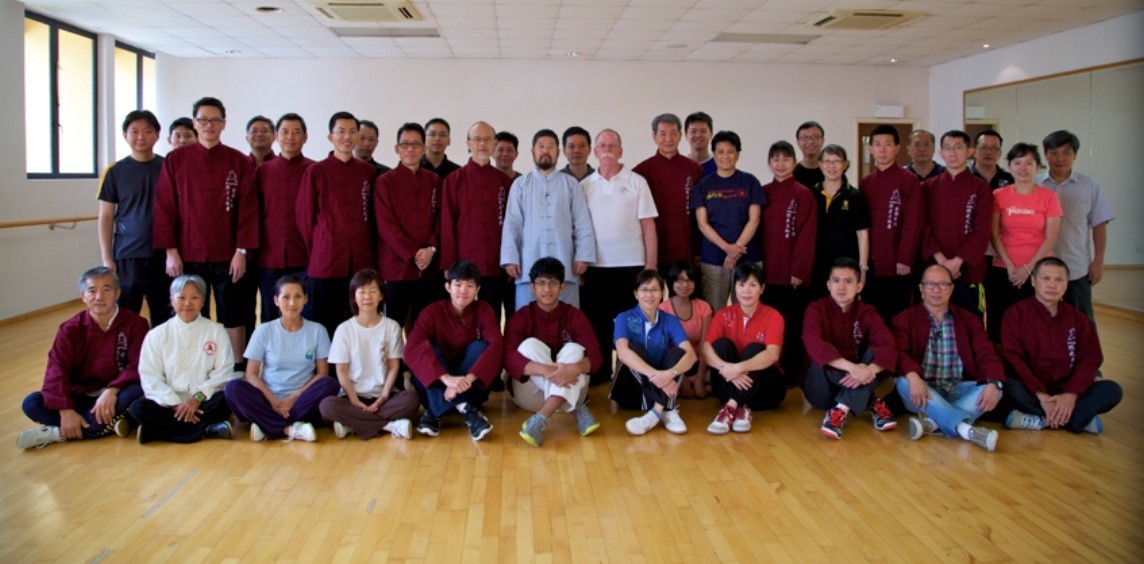
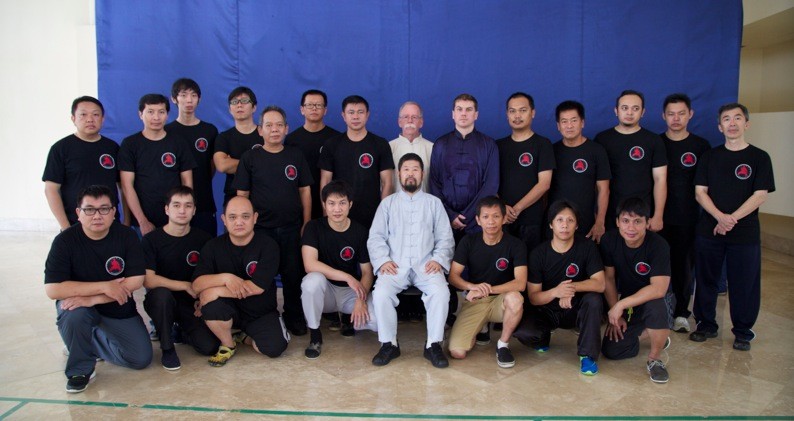
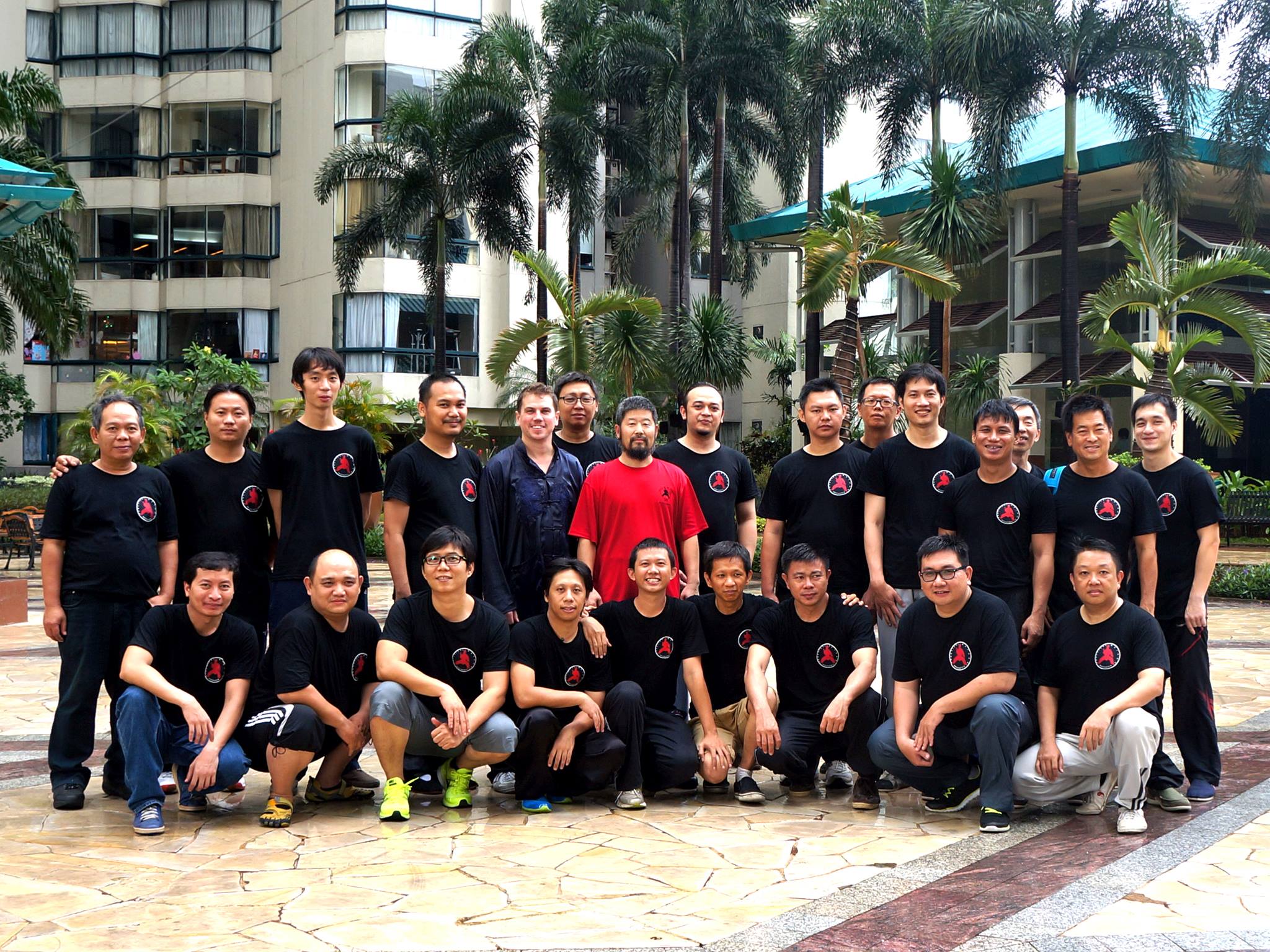
We have just completed our 3rd Singapore Practical Method Workshop, 14th & 15th Dec, 2013. These are pictures of the workshop. If you want to know more about future Master Chen’s workshop in Singapore, please join our Singapore facebook group at https://www.facebook.com/groups/PracticalMethodSingapore/