In the first form, all moves is done by internal/tendon stretches
 We have more than fifteen student from outside China arrriving from Singapore, United States, Canada, Poland, Germany, India, Poland, Australia, Belgium.
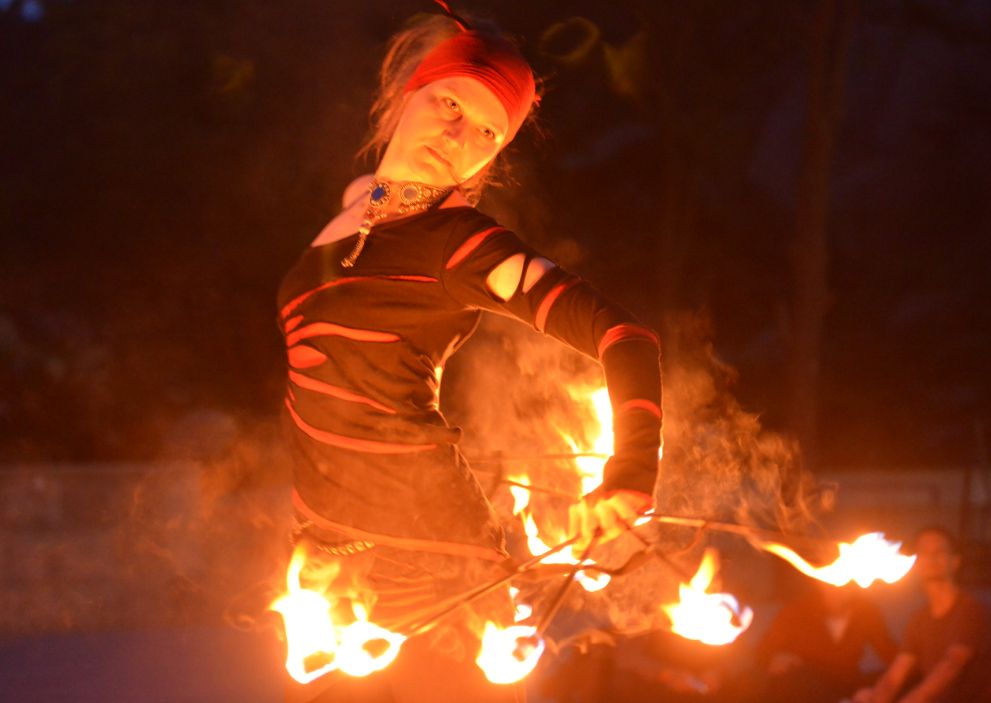
Last night, Lilli Keller gave us a preview of the fire dance she will perform during our Conference and competition next weekend. Read more
How to use the waist to create a third power
Presenter: Chen Zhonghua Length: 11 min. In: English Year: 2014 Difficulty:2/5 At:Iowa
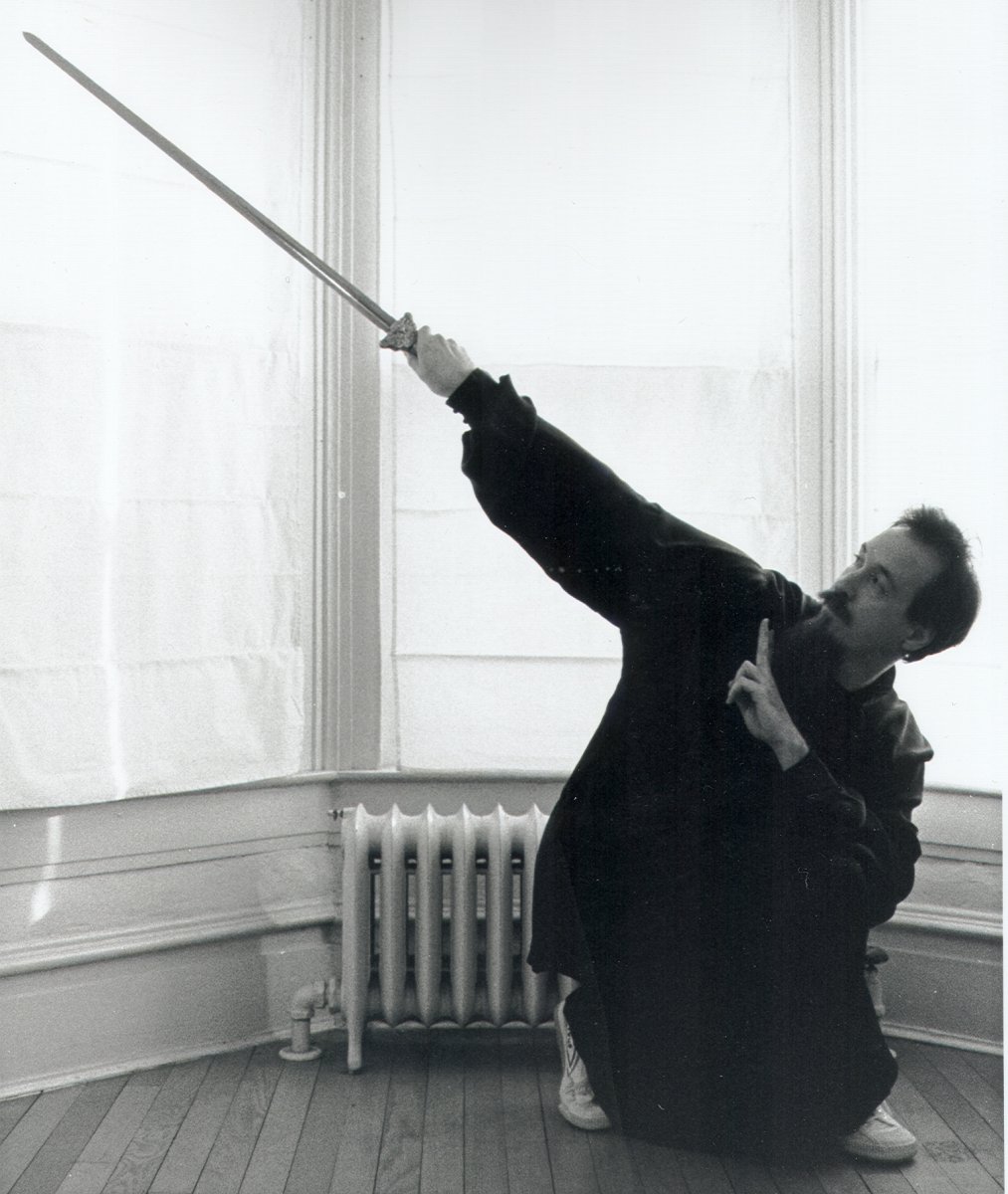
This summer, our adult class will focus on the traditional tai chi sword form. The class is limited to 10 participants of all levels, no experience is necessary.
- Learn the Chinese Sword, an ancient and graceful weapon. Improve balance, coordination, strength, and flexibility (The club has swords for participants to use. There will also be an option to purchase swords.)
The 10 Week course starts on June 16 2014. Classes are held on Mondays from 5 to 6:30 pm at the J.B. O’Keefe Centre on St. Thomas University Campus.
For more information, contact Jean-Philippe Ranger at jphranger@gmail.com.
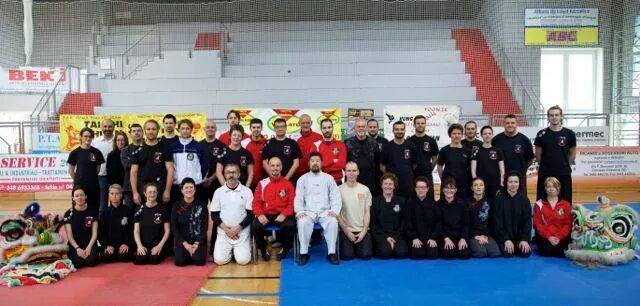

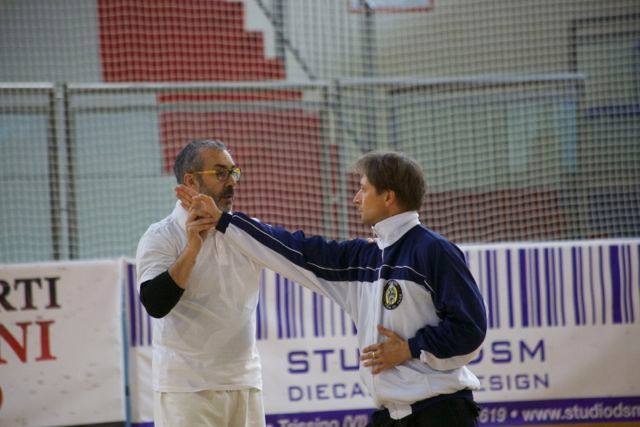
 How to maintain connections in the circle by opening the joints
Presenter: Chen Zhonghua Length: 5 min. In: English Year: 2013 Difficulty:1/5 At:Iowa
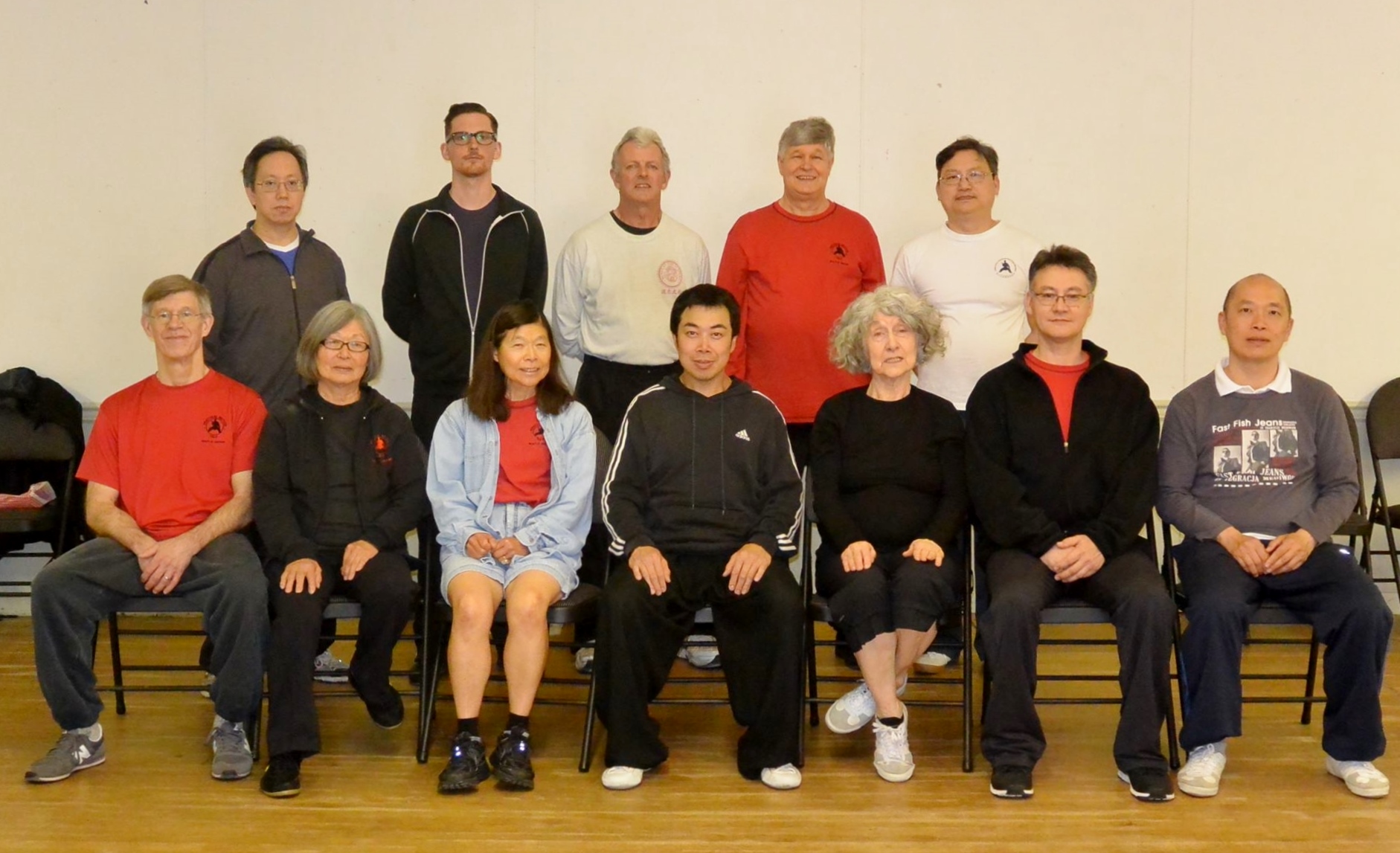
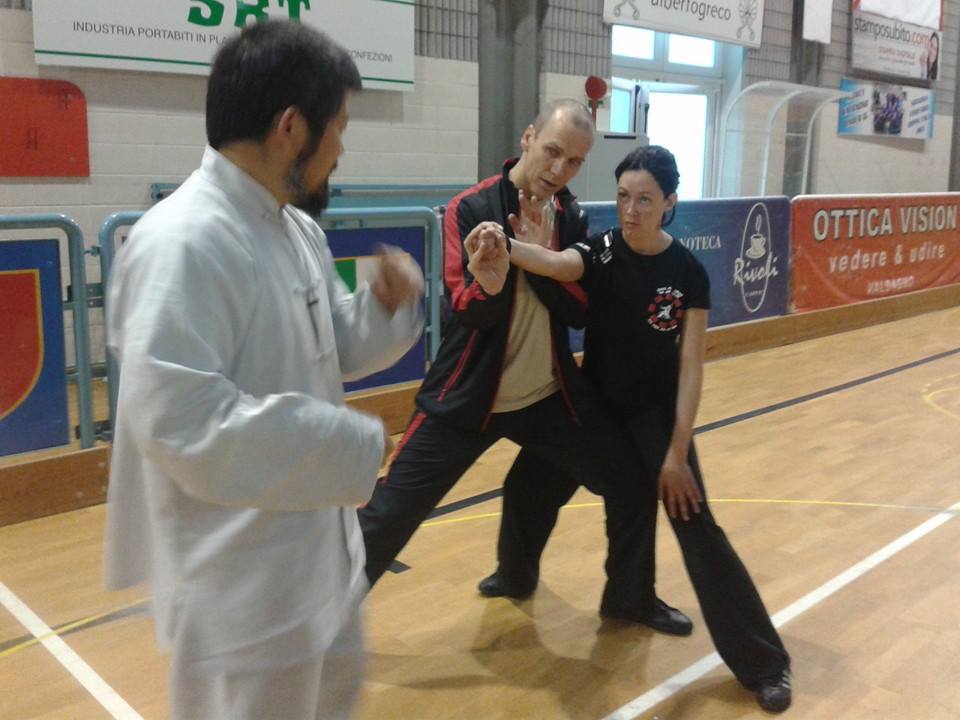
Ronnie taught us detailed Yilu moves, applications, and pattern push hand routine. Everyone learned a lot on the weekend
Read more
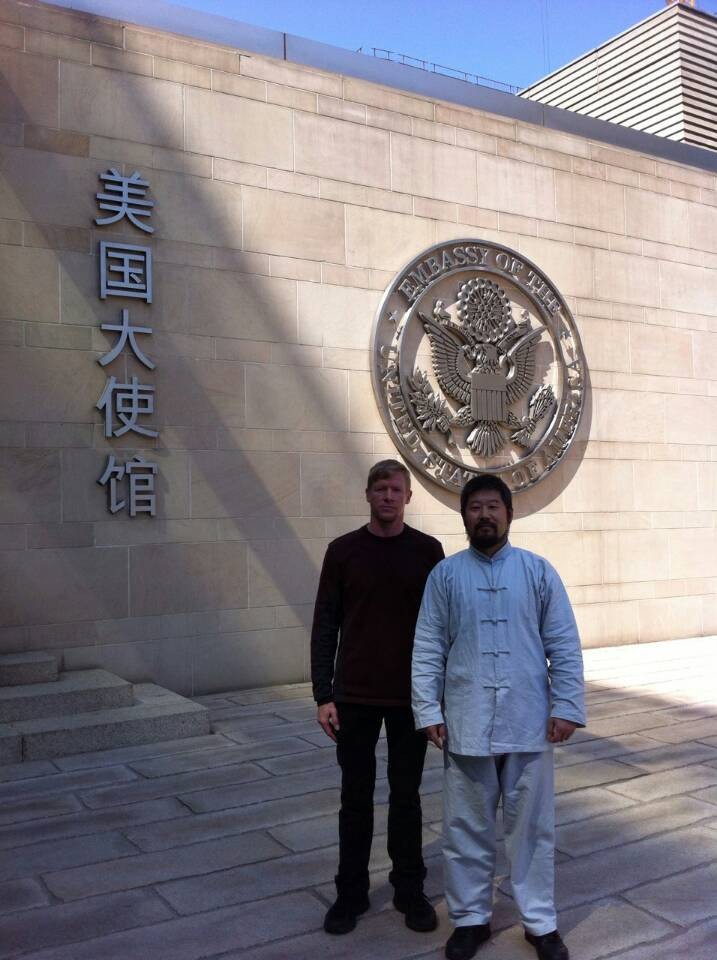
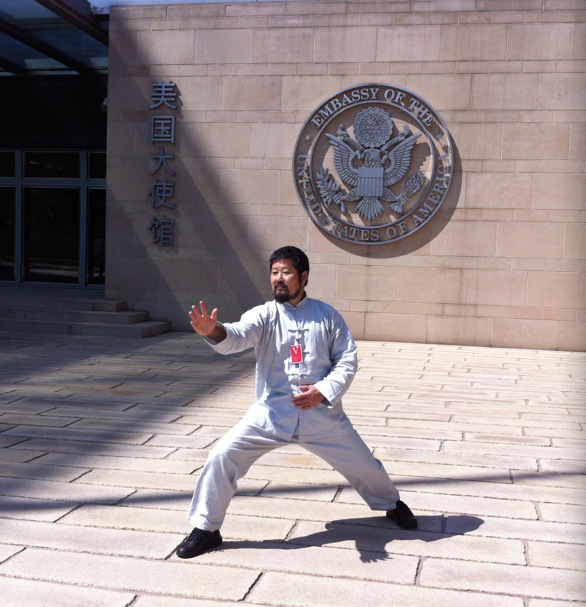
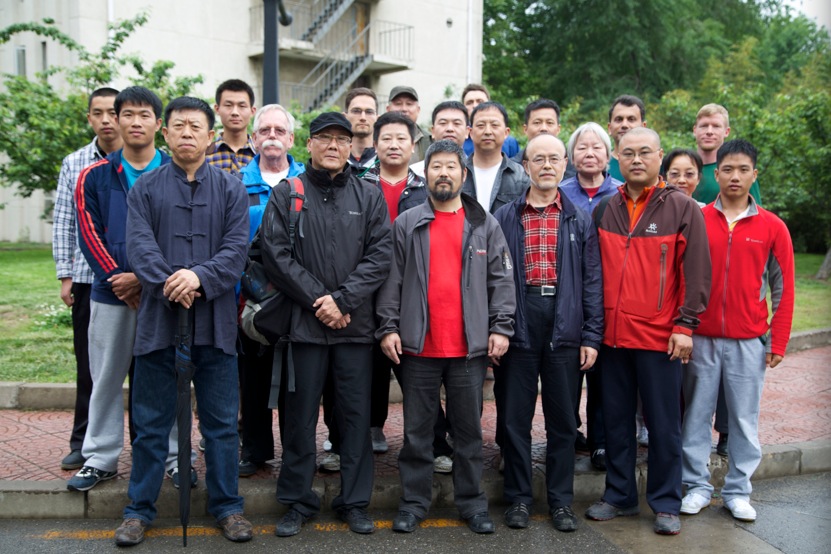
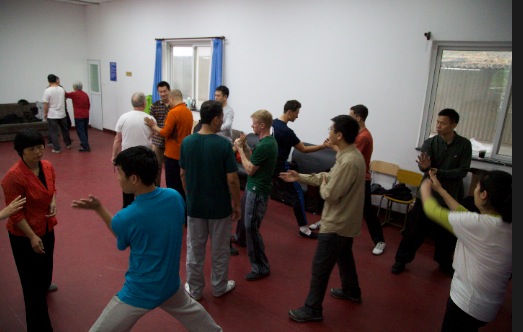

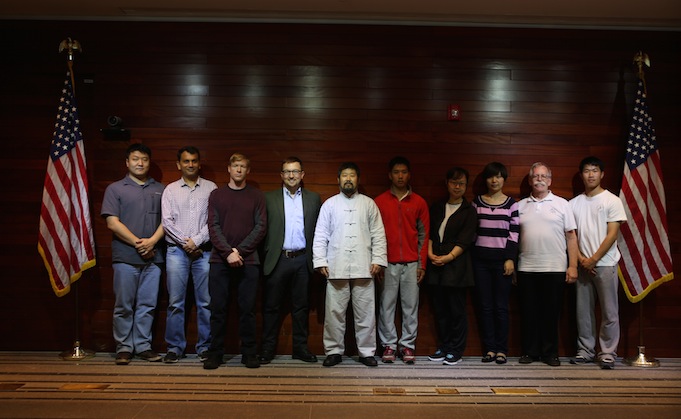
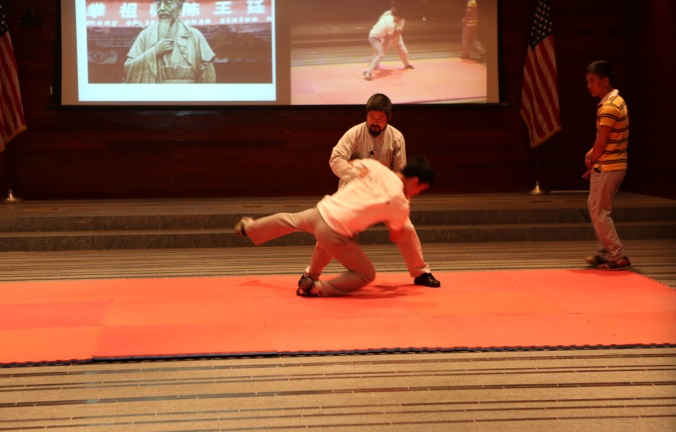
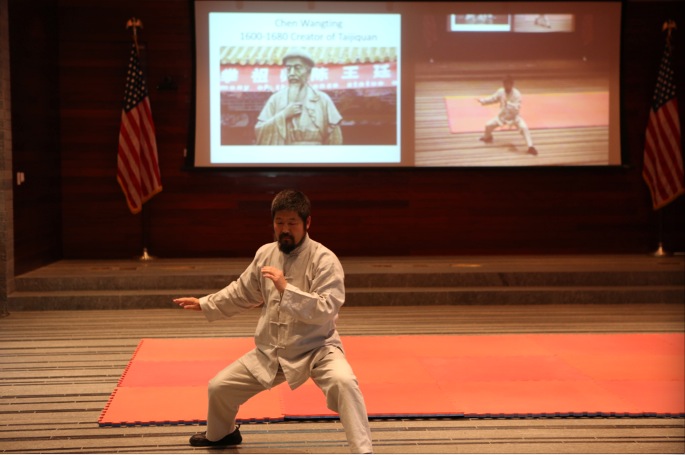
Pictures of last weeks workshop with Master Chen Zhonghua. Again it was a pure inspiration – Thank’s to Master Chen, we did benefit a lot![nggallery id=189]
 How to maintain vertical line as demarcation of movement. How it help maintain structure in the body.
Presenter: Chen Zhonghua Length: 3:44 min. In: English Year: 2014 Difficulty:2/5
Full time twin boys who trained for a month in 2013
Presenter: Chen Zhonghua Length: 38 min. In: English Year: 2013 Difficulty:1/5 At:Berlin
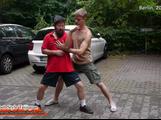
Detailed Yilu correction for intermediate students
Presenter: Chen Zhonghua Length: 98 min. In: English Year: 2013 Difficulty:3/5 At:Berlin
It was cold and raining on Tai Chi Day in New Hampshire, we celebrated inside a ice rink, and have a lot of fun……
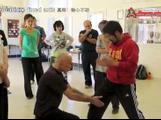
Mini lesson on true rotation, how it is produced, how movement comes out of no movement.
Presenter: Chen Zhonghua Length: 11 min. In: English Year: 2013 Difficulty:2/5 At:Oakland
Here is a version of the Broadsword Form that I performed at World Tai Chi Day 2014 in Houston. I’m posting it because I didn’t find many examples on line when I was looking for help. My own criticism is that my stance isn’t low enough or wide enough. One point I was working on was to have each move coming in, toward the body, or going out, away from the body, and to have smooth transitions between the two where appropriate. I would welcome what ever comment anyone might have.
Edit: You may notice that I left out one cut at the end. I was busy thinking about what I would need to do to move back to my starting position and forgot it. You can see it both in Carl Lindberg’s version and Steve Chan’s.
[wowslider id=”55″]


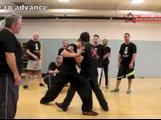
Training for yin/yang reversal in Taiji movement, how it is used to advance/gain territory in push hand
Presenter: Chen Zhonghua Length: 18 min. In: English Year: 2013 Difficulty:4/5 At:Iowa
Here is a pretty good example of the power of yin yang separation. Because there is a lot of power involved you can see (and feel) the difference very clearly. The video is of me operating a backhoe briefly. First I operate the backhoe arm without stabilizing the machine. The tractor tosses wildly and much of the power of the arm is lost. This is called energy being “dispersed”. Then I stabilize the machine and operate the arm. The power is greatly increased. This is called energy being “clear” and or “pure”. The difference in power extremely easy to feel, and I think is quite visually apparent. It is the direct result of the machine “not moving” while the arm is operated and moves freely (yin yang separation)
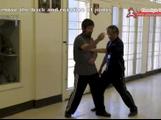
Mini lesson on the importance of not moving the back, training for isolation of the arm by doing spiral movement.
Presenter: Chen Zhonghua Length: 15 min. In: English Year: 2013 Difficulty:3/5 At:Oakland
The Drill
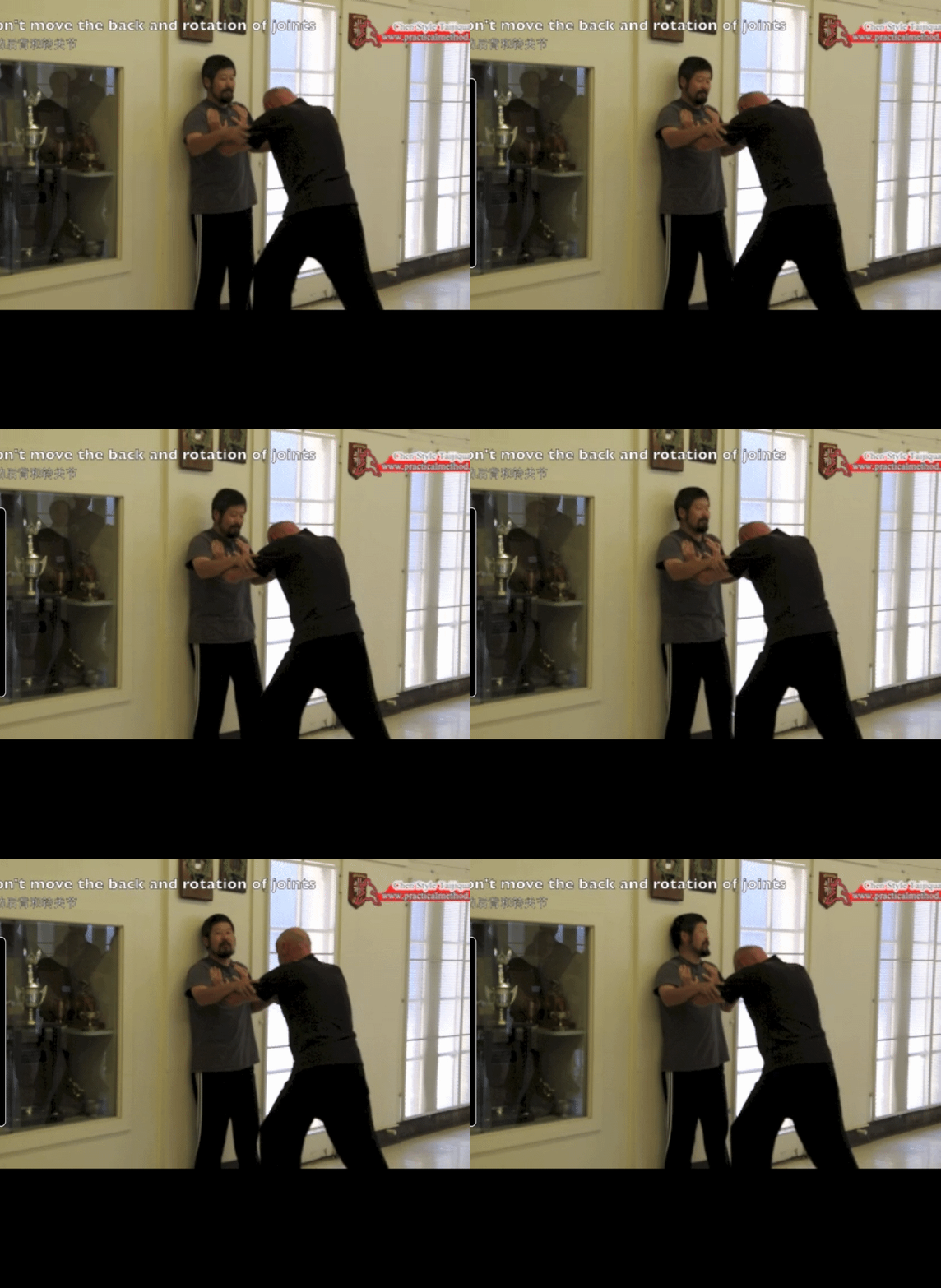
In the beginning of the video Master Chen demonstrates a drill that emphasizes separation. This is the primary theme throughout this instructional video. He stands with his back against the wall and has a student push against his torso. Without moving his back, he easily brushes the student’s hand off. He demonstrates this again, the wrong way, moving his back and shoulders, which then is unsuccessful at removing the student’s hands. Master Chen then explains with out separation, there is no yin and yang. “The separation of yin and yang is very important!”
The Lessons to Remember
“Once there is yin and yang, the recombination of what yin and yang can do becomes unlimited!”
“The separation gives you yin and yang. Once it is is separate, the recombined effort is what we call in taiji whole body movement. The body has to work as one unit, not one piece.”
GIF showing no seperation
GIF showing yin and yang seperation
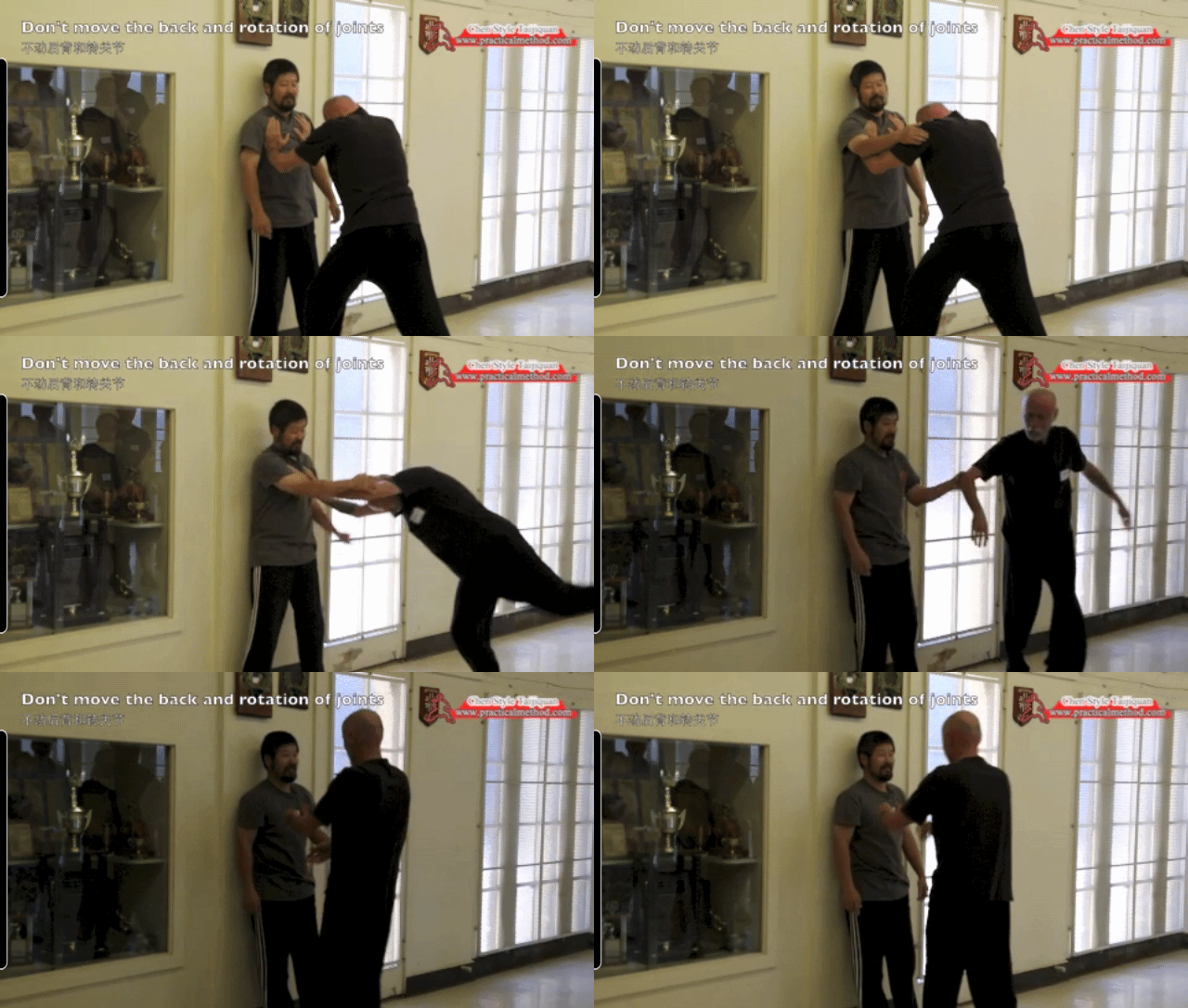
GIF showing differences between no separation and seperation
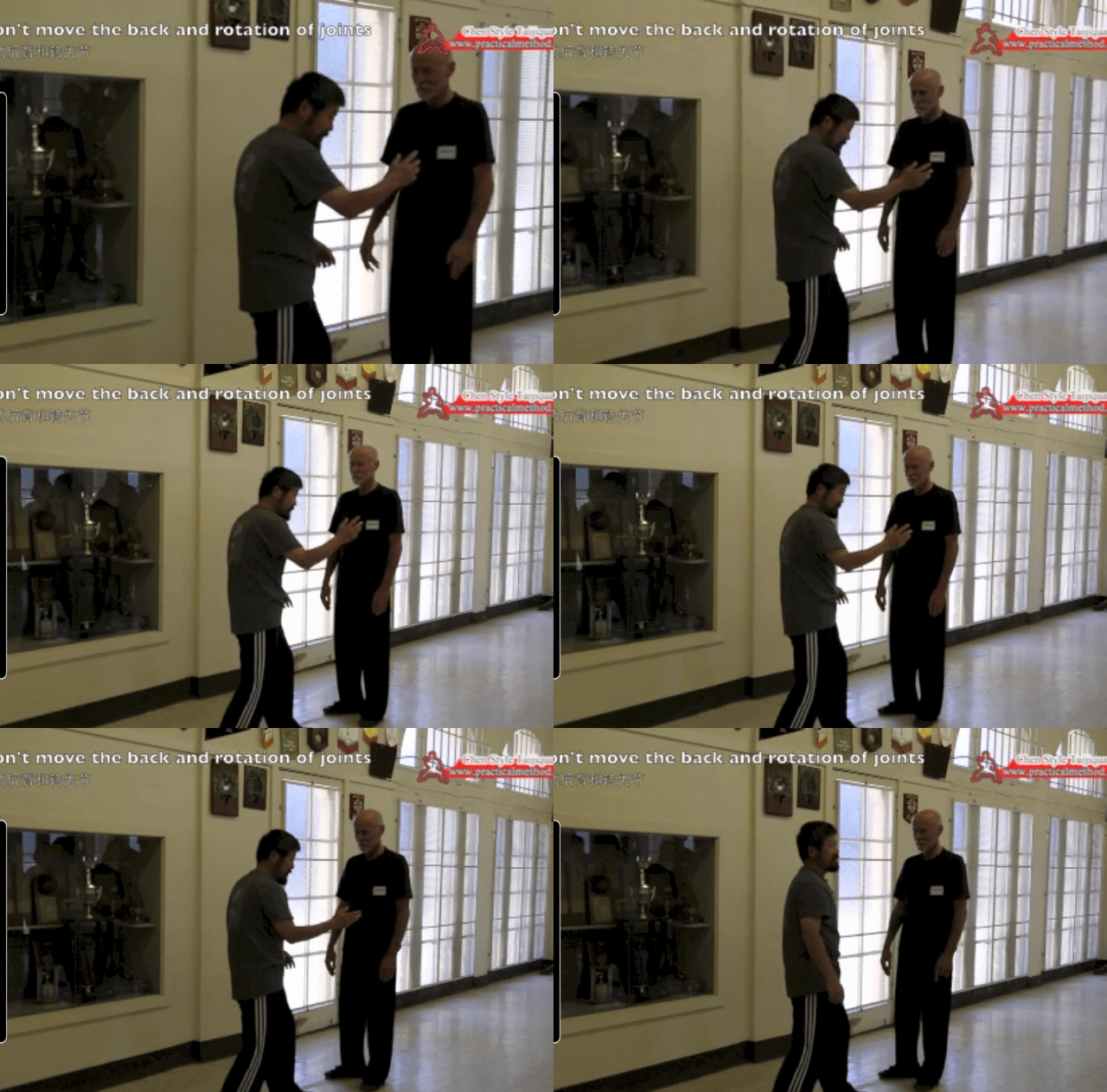
GIF Master Chen demonstrating the same principle of separation or isolated movements without the wall behind him

GIF showing the difference between the shoulder tossing and the shoulder rotating in it’s socket (open hand represents the socket and fist represents the shoulder joint

GIF demonstrating the drill once more
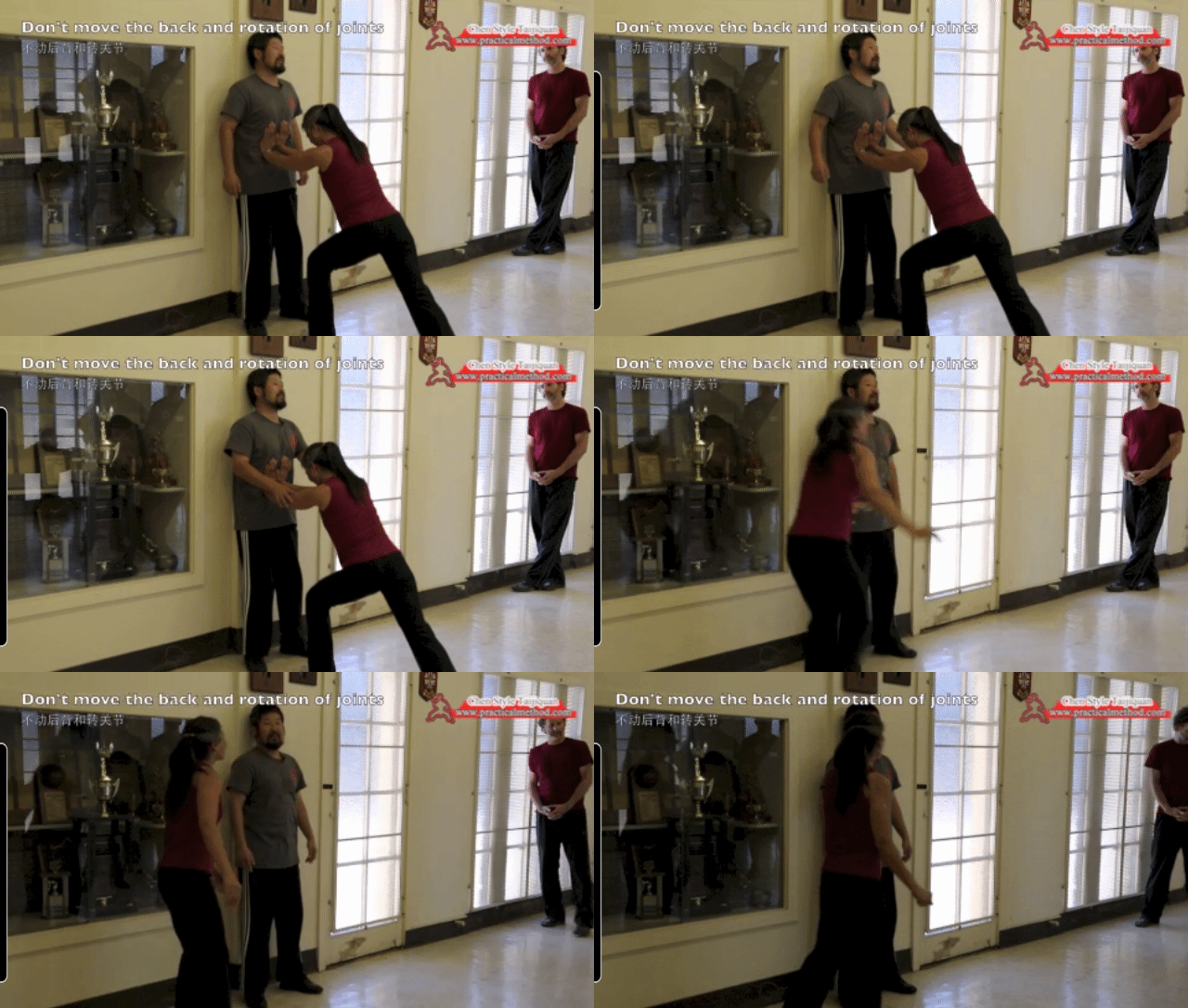
At the end of the video as Master Chen was doing the drill, he said you must experience this Chuck (Charles Paoletti disciple #19)! I met Chuck in 2013 and I can say with 100% accuracy, he is the biggest person I have met practicing Practical Method Taiji! Master Chen’s point was that if you train this with a more powerful person, and you are able to move their hands off of you while doing the drill, you did it right, achieving yin and yang separation!
Please ask questions or make statements about what you learned from this video.
 Attend Hunyuantaiji Academy’s International Tai Chi Qigong Day Showcase Saturday April 26, from 1 to 3 pm
and participate in our Demos of Chen Taiji, Hunyuan Taiji, Qigong, Weapons and Foundations for FREE.
Sunday April 27 will be a short Seminar Introduction to Silk Reeling and Detailed Qigong for only $50. Attend from 9 am to noon to become involved in this exciting exploration and introduction.
5222- 86 street NW, Edmonton AB. Phone 780-413-0454 (Leave message) or cell: 780-964-2434
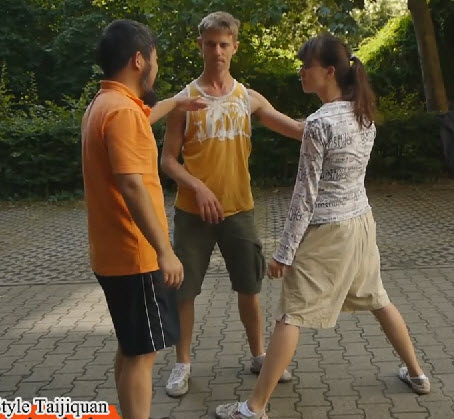 Hi buddies!
We just want to let you know that we (me and my small family) will be on DQS July, 18 to Aug, 26.
There will be our little boy with us (1 1/2 years old), so just in case feel free to talk to us because of sharing babysitting etc.
Hope to see some old friends again & looking forward,
Michael – Berlin, private mail: micha (a d)taiji-shiatsu (dot de)
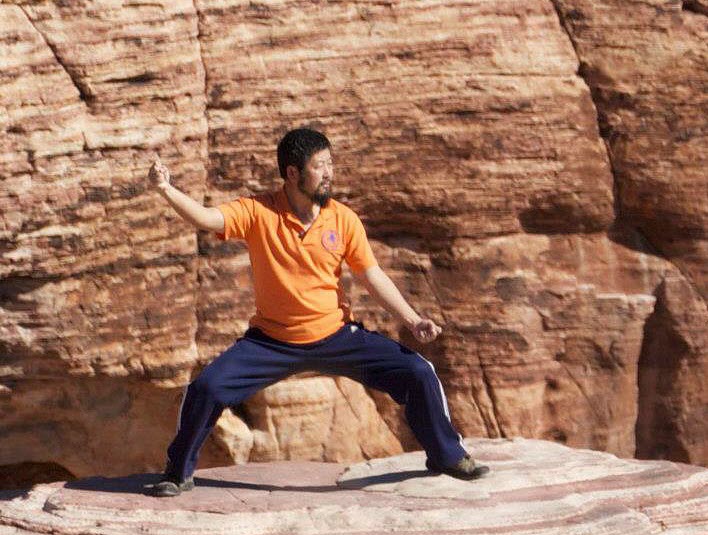 Master Chen Zhonghua is scheduled to come to Phoenix, USA on September 20 and 21 in 2014. He is going to teach the Practical Method Erlu (the Canon Fist) in the workshop. Don’t miss this rare opportunity to learn the Cannon Fist form directly from Master Chen.
More details will follow.
Book your space early by Contact Ping Wei: peace_defender2003@yahoo.com; 602-373-3457
Private lesson on the details of how inward and outward movement in Taiji, How to maintain vertical line in torso, Clarity in power, Move incrementally.
Presenter: Chen Zhonghua Length: 22 min. In: English Year: 2013 Difficulty:2/5 At:Maple Ridge
video by Yaron Seidman
All comments are welcome:
You can also see this video here (useful from within China, no YouTube stream):
http://www.practicalmethod.de/de/videos/taijiquan/tui-shou-pushhands/video/183
 Carmelo and Eric from Sacramento joined us this workshop. The theme of this workshop is when student follow Master Chen instruction, they will get stuck, and we have to learn to be comfortable getting in this position.
We did a new stepping exercise to bear out power from the waist to the arm, I find this exercise hard to get the alignment right, especially when trying it out with resistance
Video and more photos below Read more
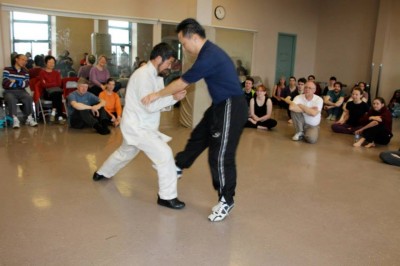 |
Rachel, Daniel, and James did an excellent job organizing an Open House and Workshop for the Weekend of April 05-06, 2014. On a beautiful spring morning, more than 50 people gathered to learn about the Chen Style Practical Method and to meet one of its distinguished proponents, Master Joseph Chen Zhonghua. |
 |
Chen Style Taijiquan Practical Method Toronto |
In Line with Energy Training, Replacement Move in Taiji,
The Cement in the Form
Presenter: Chen Zhonghua Length: 31 min. In: English Year: 2013 Difficulty:4/5 At:Berlin
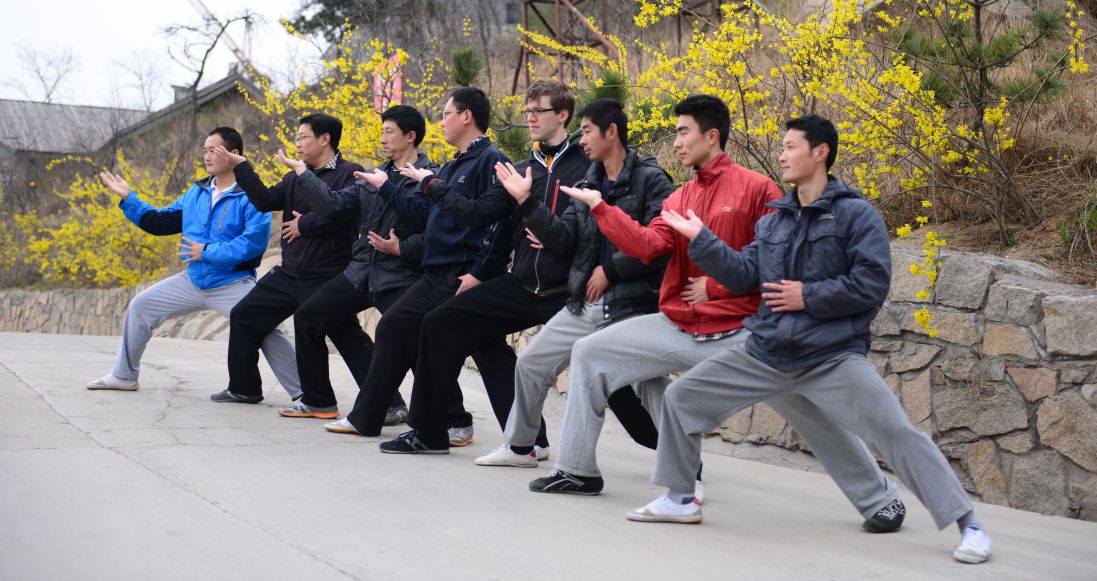 By Pawel Müller
Regarding DQS: I like it very much. I’m not practicing so much (only 4-5 hours daily) because I also try to learn chinese. Last weekend I become a cameraman and recorded some scenes for a short Read more
Partner training in matching incoming push and application
Presenter: Chen Zhonghua Length: 6 min. In: English & Chinese Year: 2013 Difficulty:2/5 At:Oakland