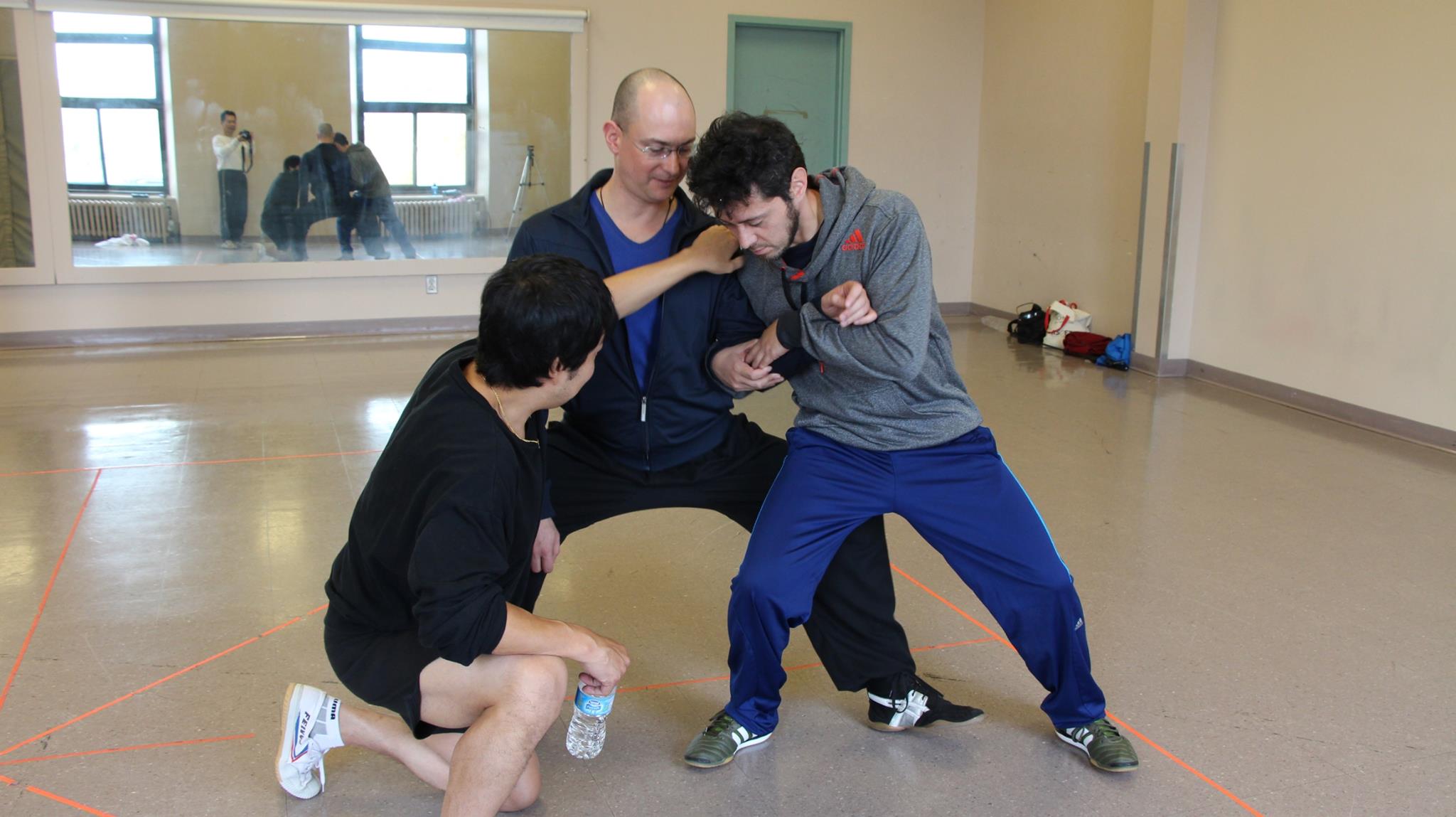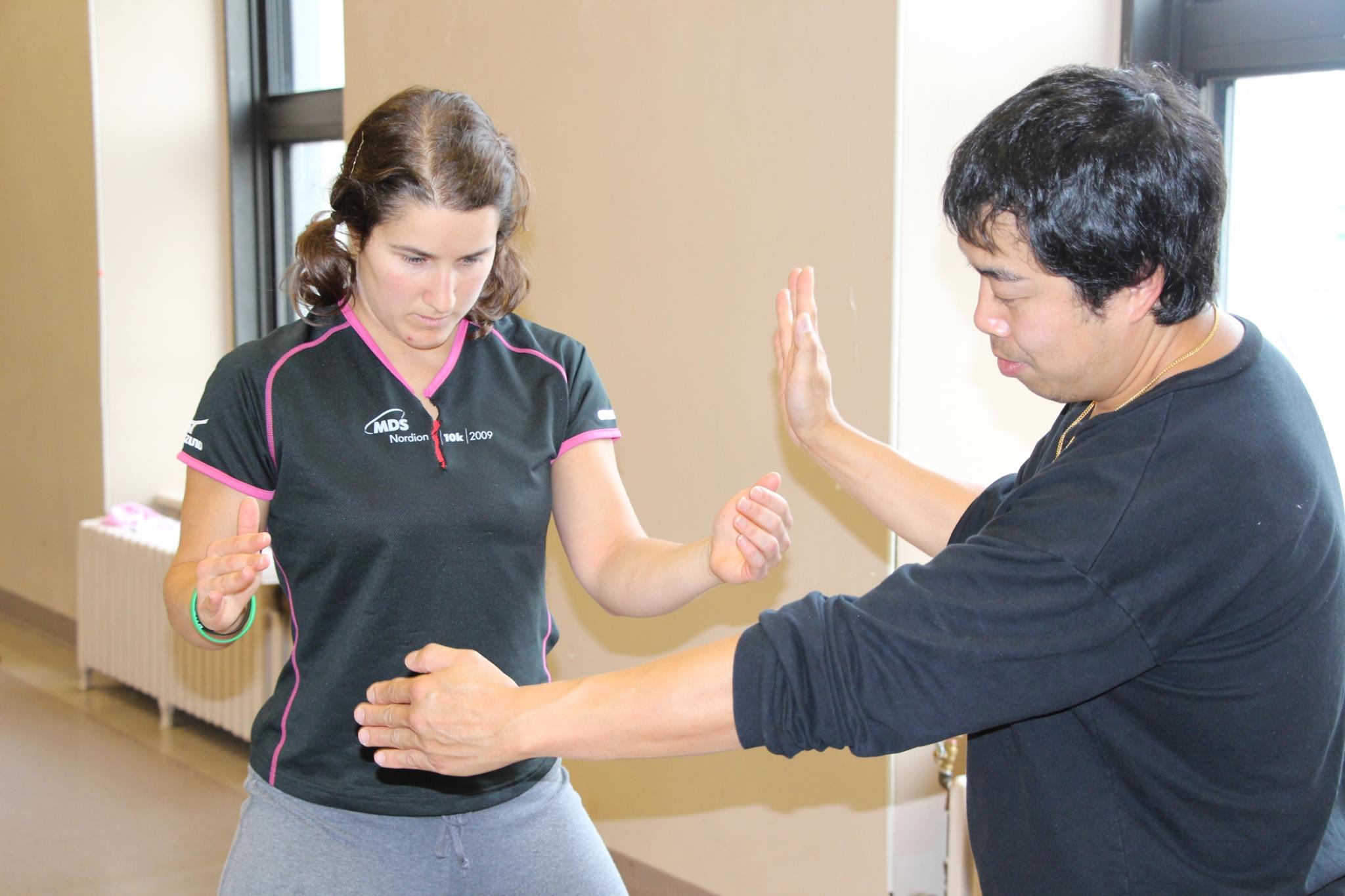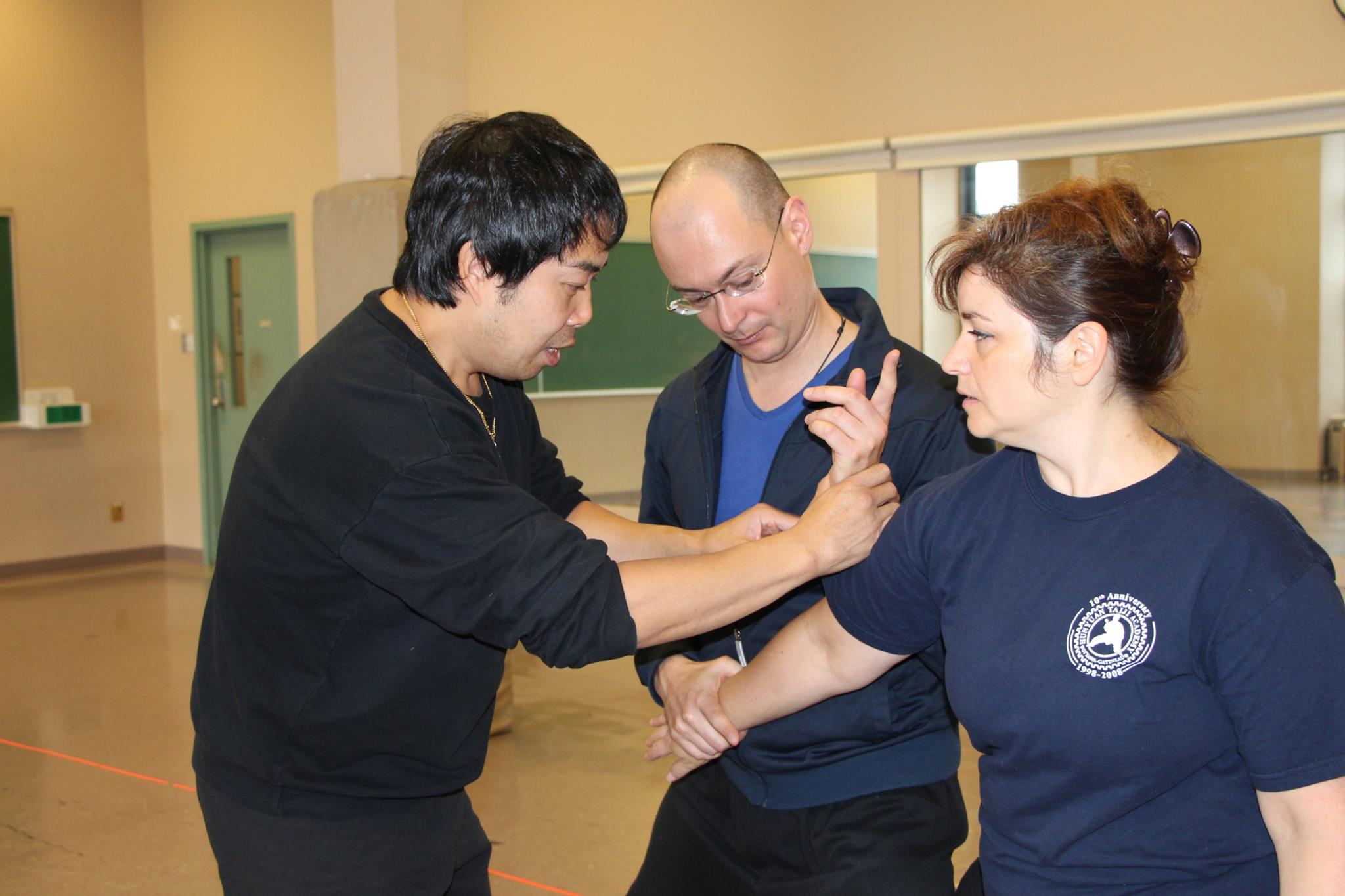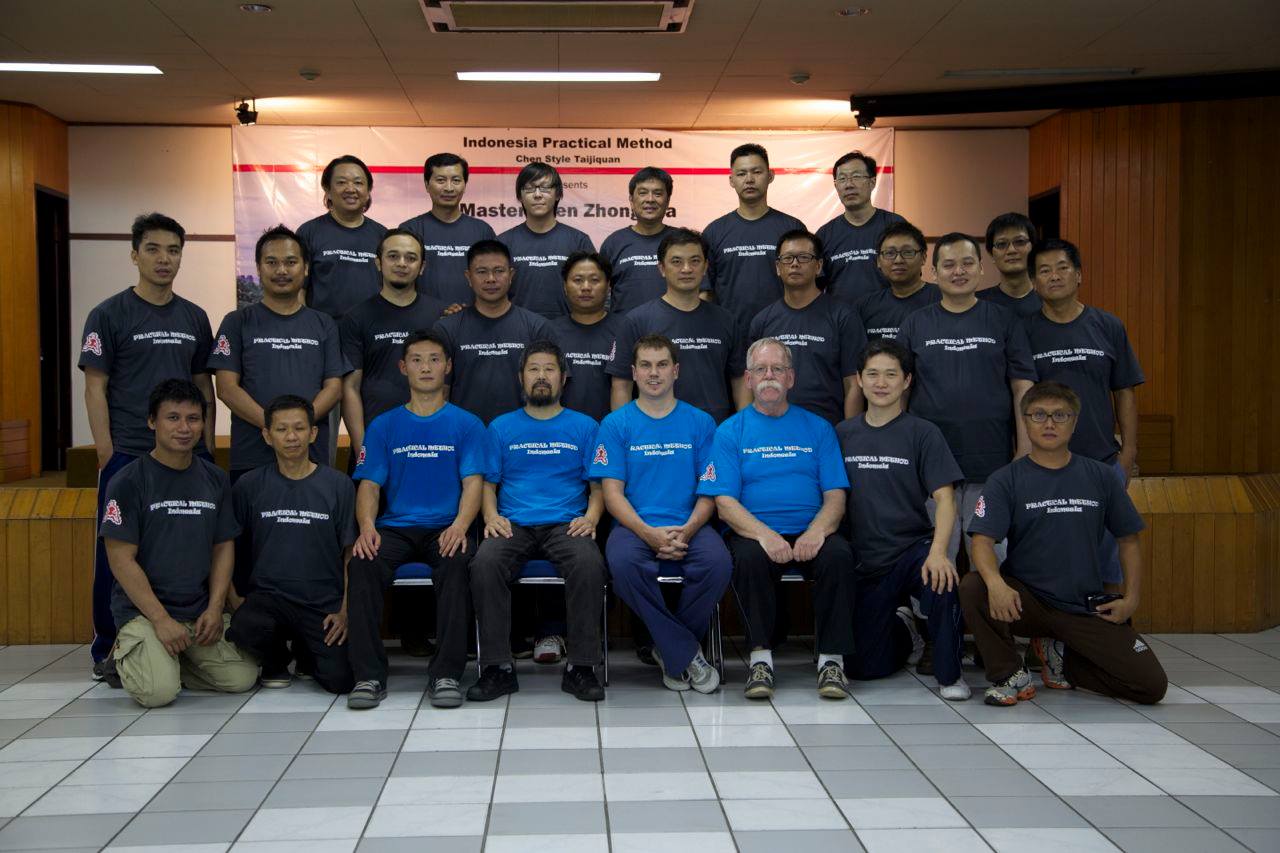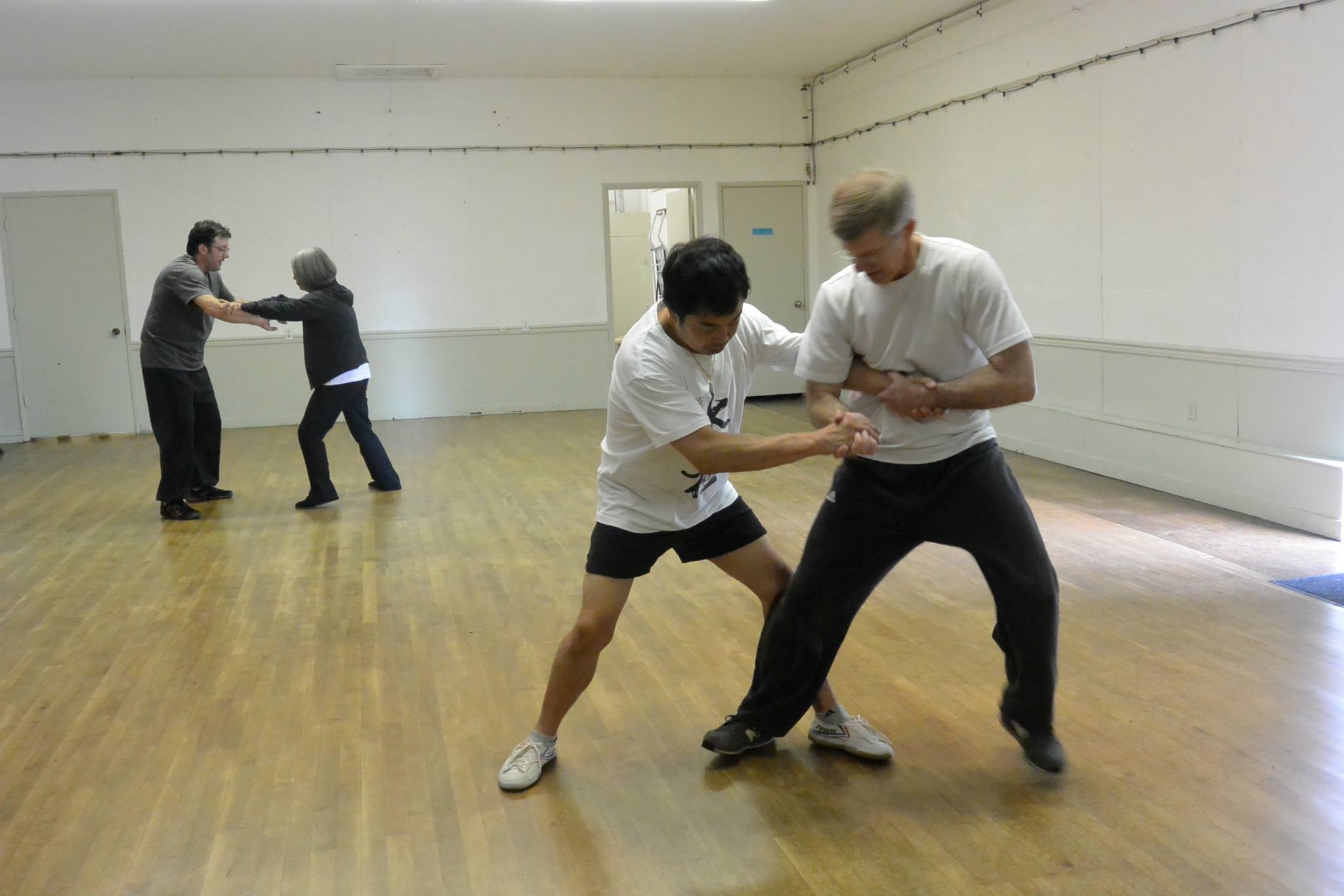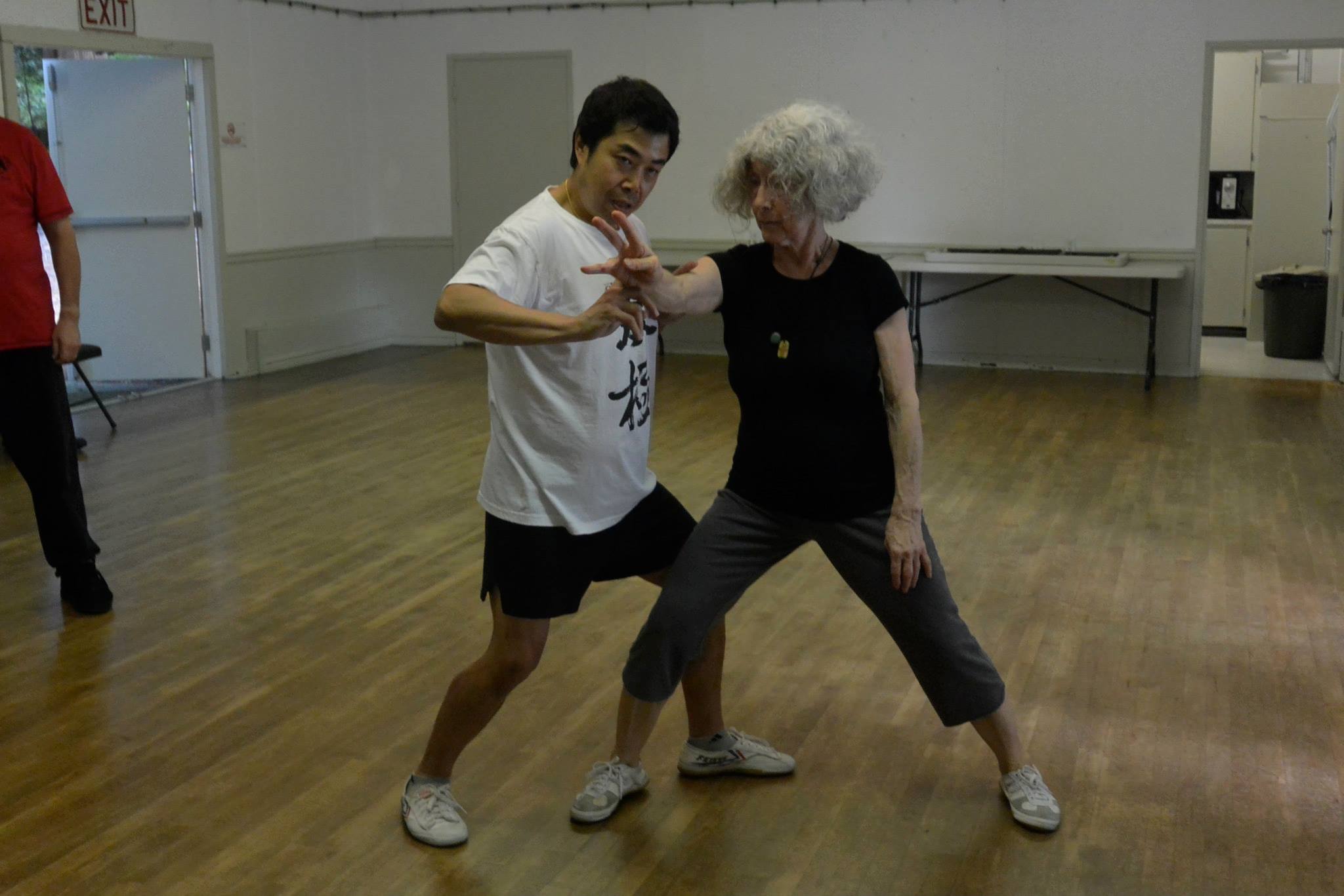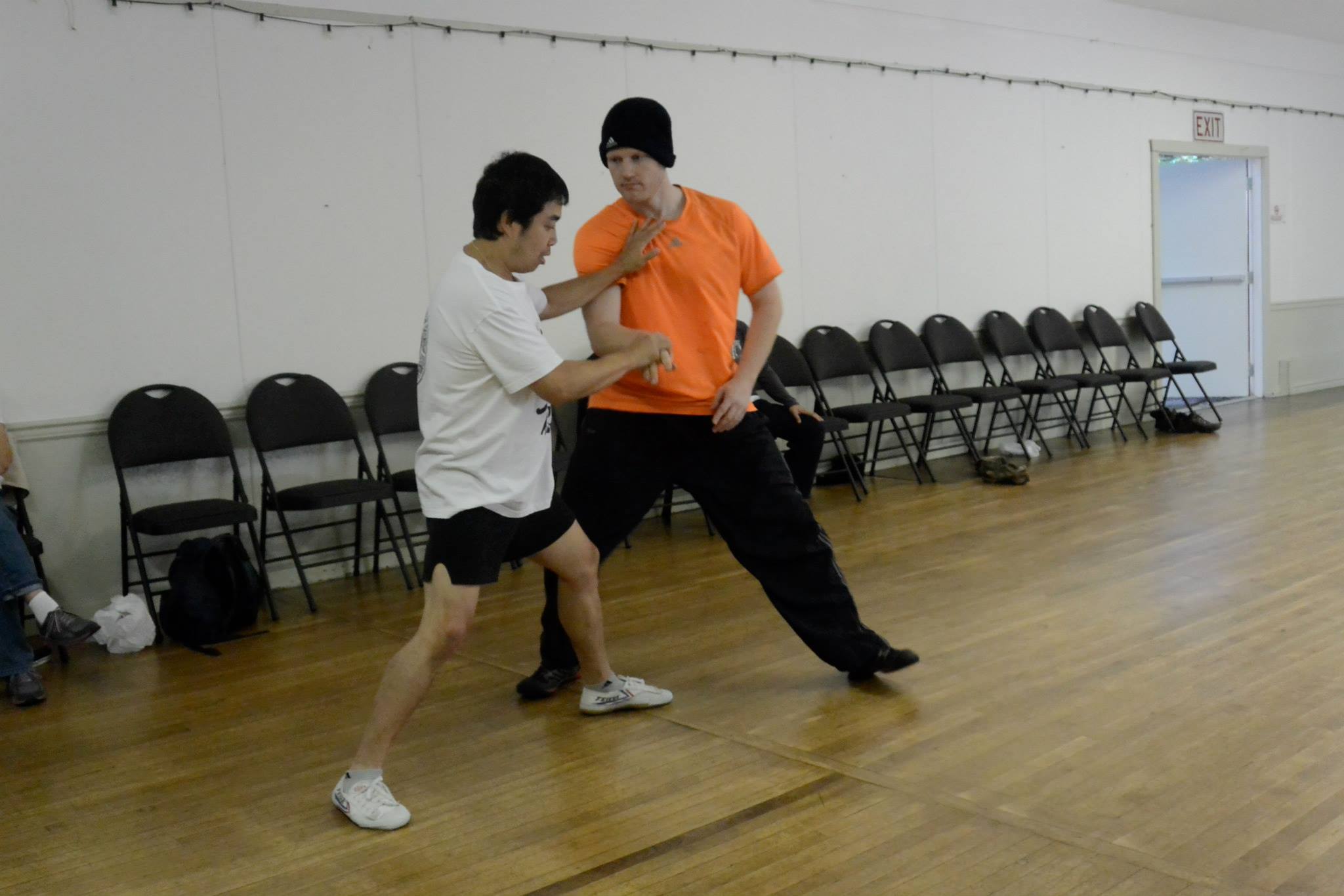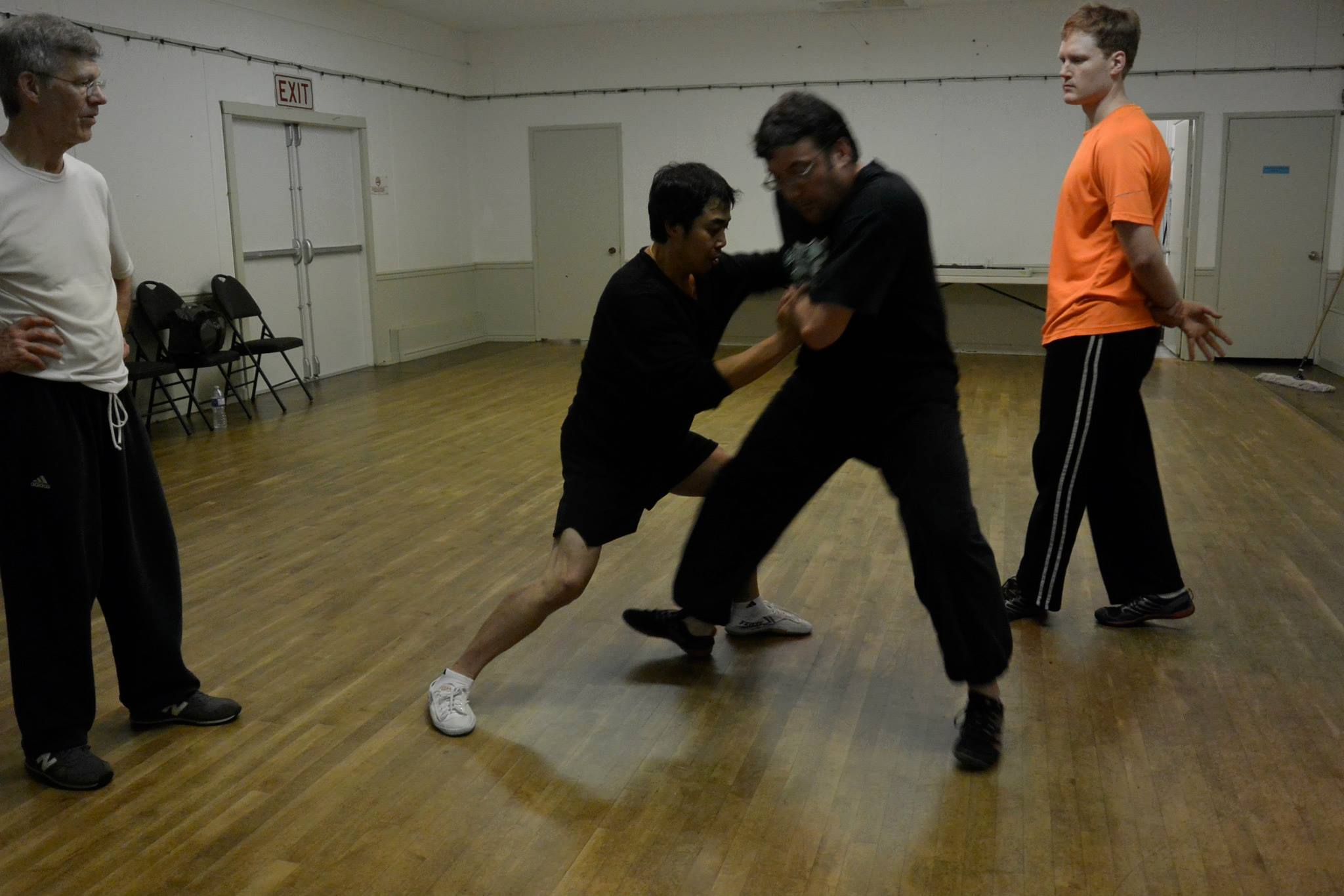
How to apply pressure without pushing, practice routine, stance position
Presenter: Chen Zhonghua Length: 32 min. In: English Year: 2013 Difficulty:2/5 At:Oakland
How to apply pressure without pushing, practice routine, stance position
Presenter: Chen Zhonghua Length: 32 min. In: English Year: 2013 Difficulty:2/5 At:Oakland
I met Alfred Yu and Hannes Richter last year when they came to Phoenix to attend Master Chen’s workshop. They could not come to Master Chen’s workshop this year. So, they invited me to go to Irvine to teach the foundation and Yilu. It’s a short trip for me. I took a morning flight from Phoenix to Orange County, by night I got back home.
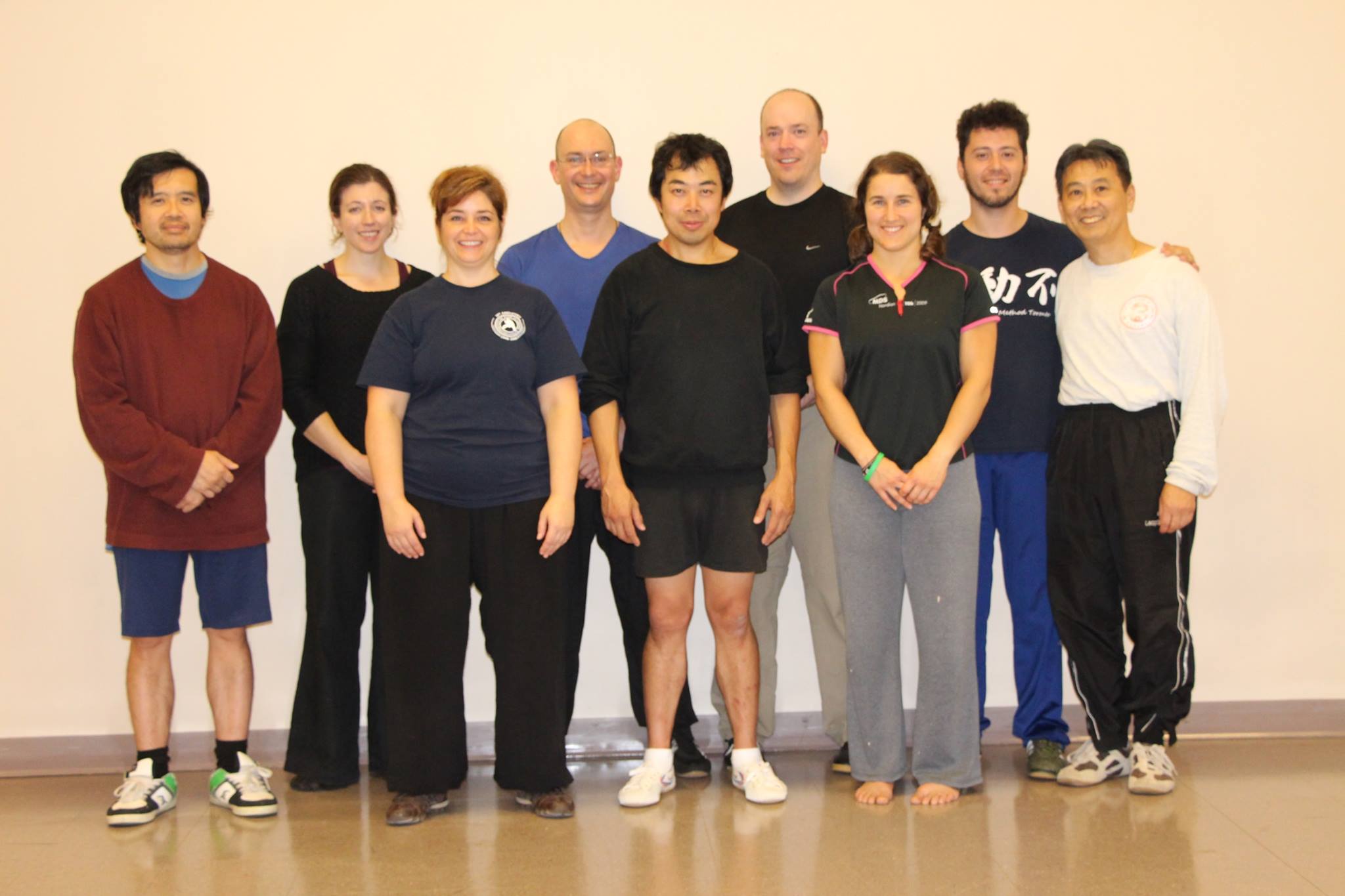
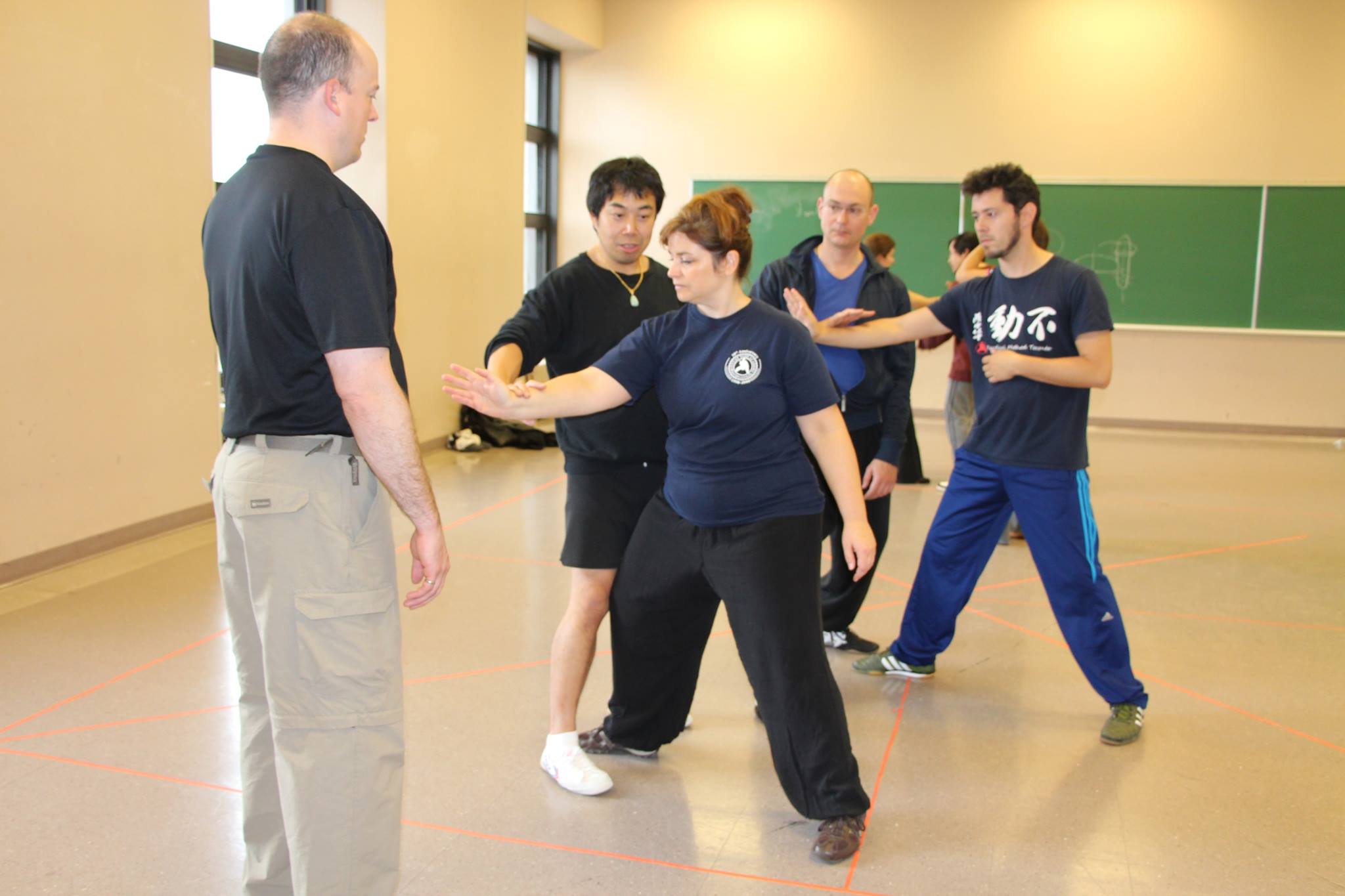
There are five people came to the class on Sunday, November 16. Three of them were total new to Practical Method. I taught foundations in the morning. I showed them “twisting towel”, “fetching water”, positive and negative circles, explained the purposes of each exercise, their elements in forms of Yilu, the concepts of “don’t move”, “open kua”, and “rotate”. In the afternoon, I taught the first 13 moves of Yilu, then a little push hand. It was a successful day. One person was going to stay just for an hour. It turned out that he stayed for the whole day.
I will go back to Irvine in late January or early February. If you are in the area, please contact Alfred Yu for more details. His email is mralyu@yahoo.com. His phone number is 949-331-2735.
Theory of dantian and pivoting, talk on learning
Presenter: Chen Zhonghua Length: 17 min. In: English Year: 2014 Difficulty:2/5 At:Toronto
Ball in a cradle
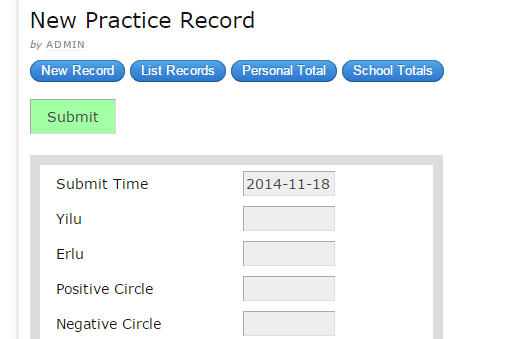 Kelvin Ho has added functionality to record student practice on the website. Now practice recording is tied to the website user login. Old records has been migrated to the new system.
Please try this new functionality by clicking the practice button in the top left corner.
Bruce from Denver, Mark from Chicago came to Vancouver for the workshop.
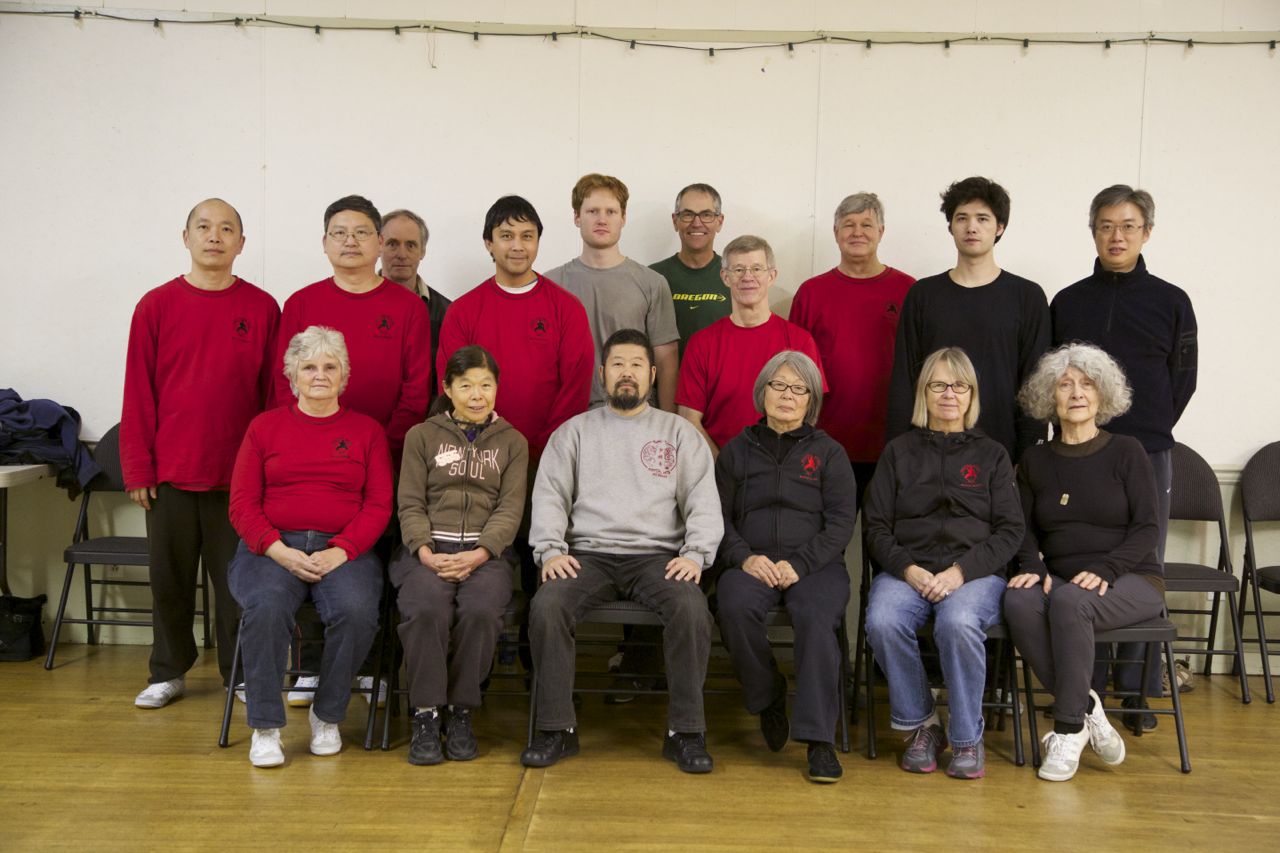
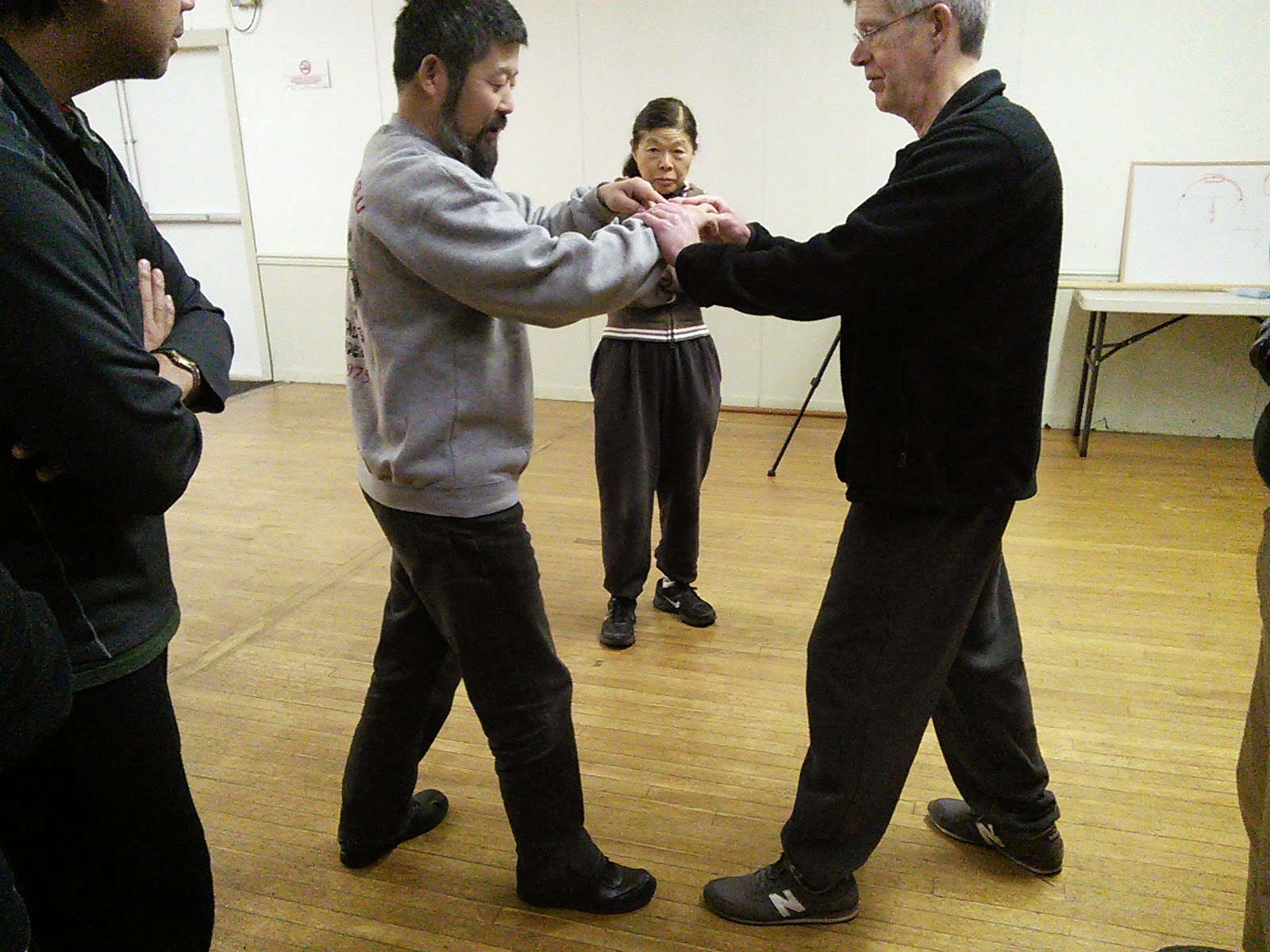
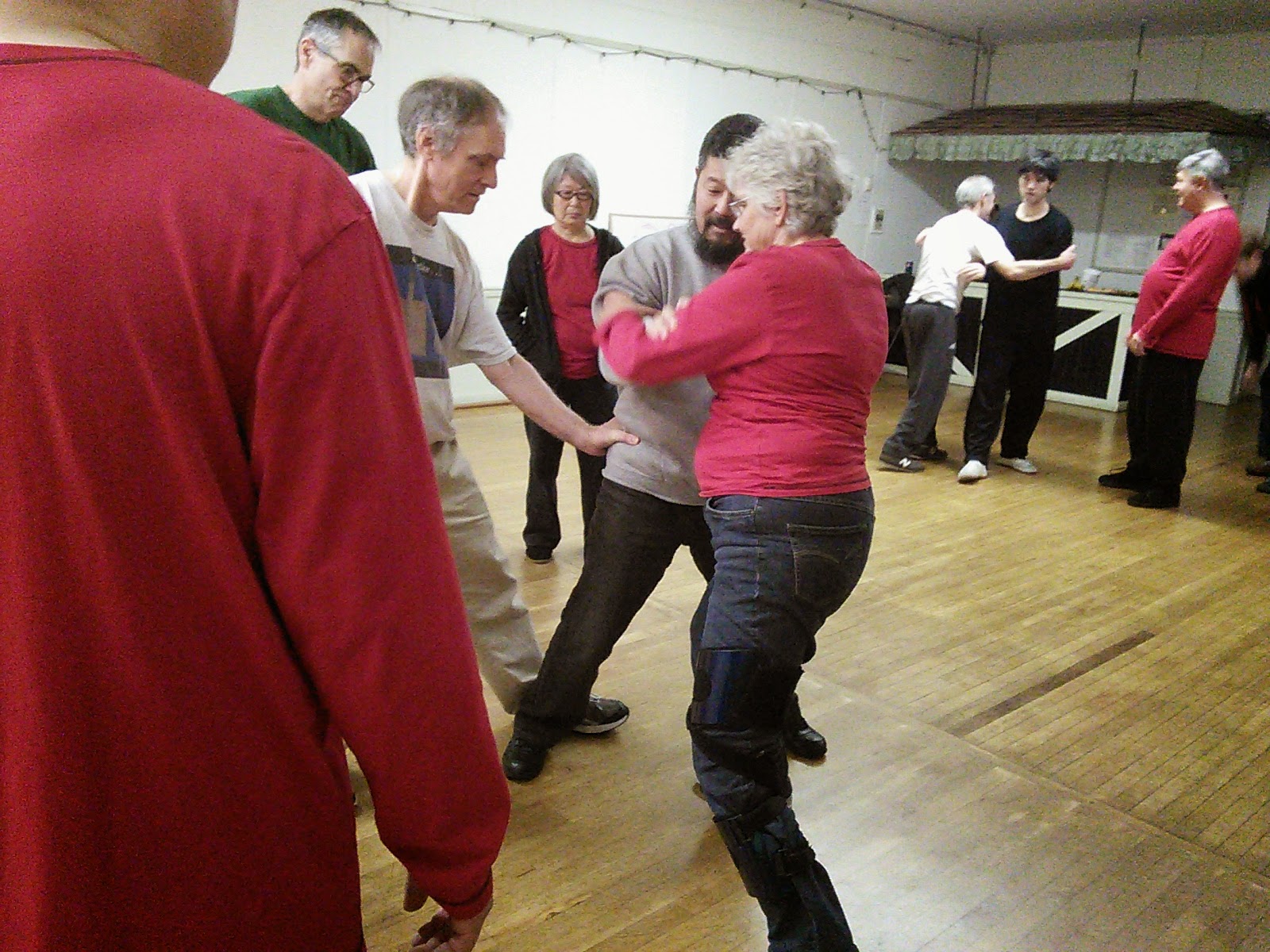
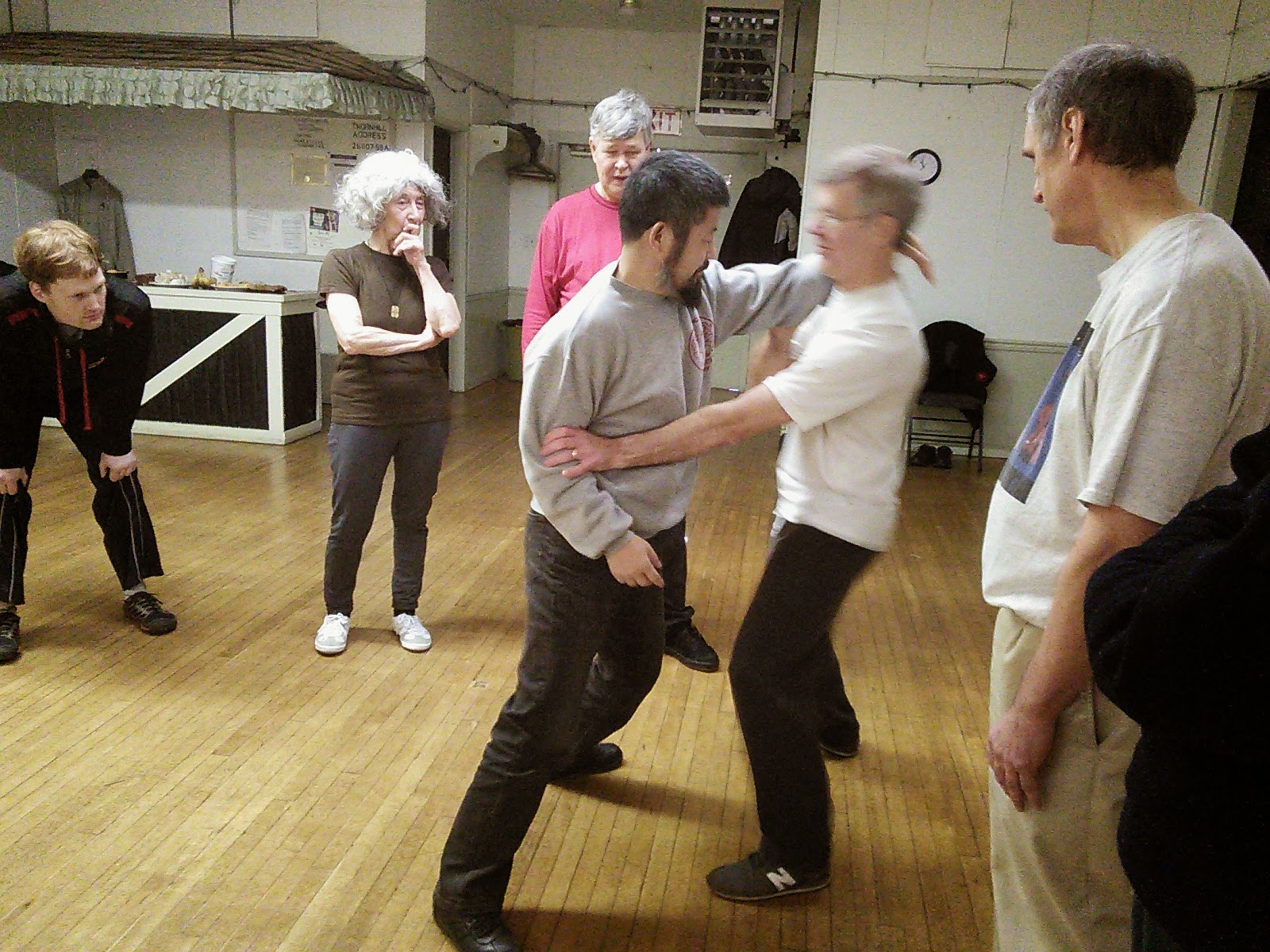

Practical Method in Toronto is expanding as Steve Man, Master Chen’s Disciple, introduced Practical Method to the Toronto Oriental Centre Taiji Group. In the opening weekend, the 20 new students learned positive circle and the first move of yilu, and there was a lot of excitement as they were exposed to the Steve’s detailed step-by-step instructions.
For more information, please visit http://taijinuts.wordpress.com/ or contact Steve Man at taijinuts@gmail.com.

More pictures can be found here.
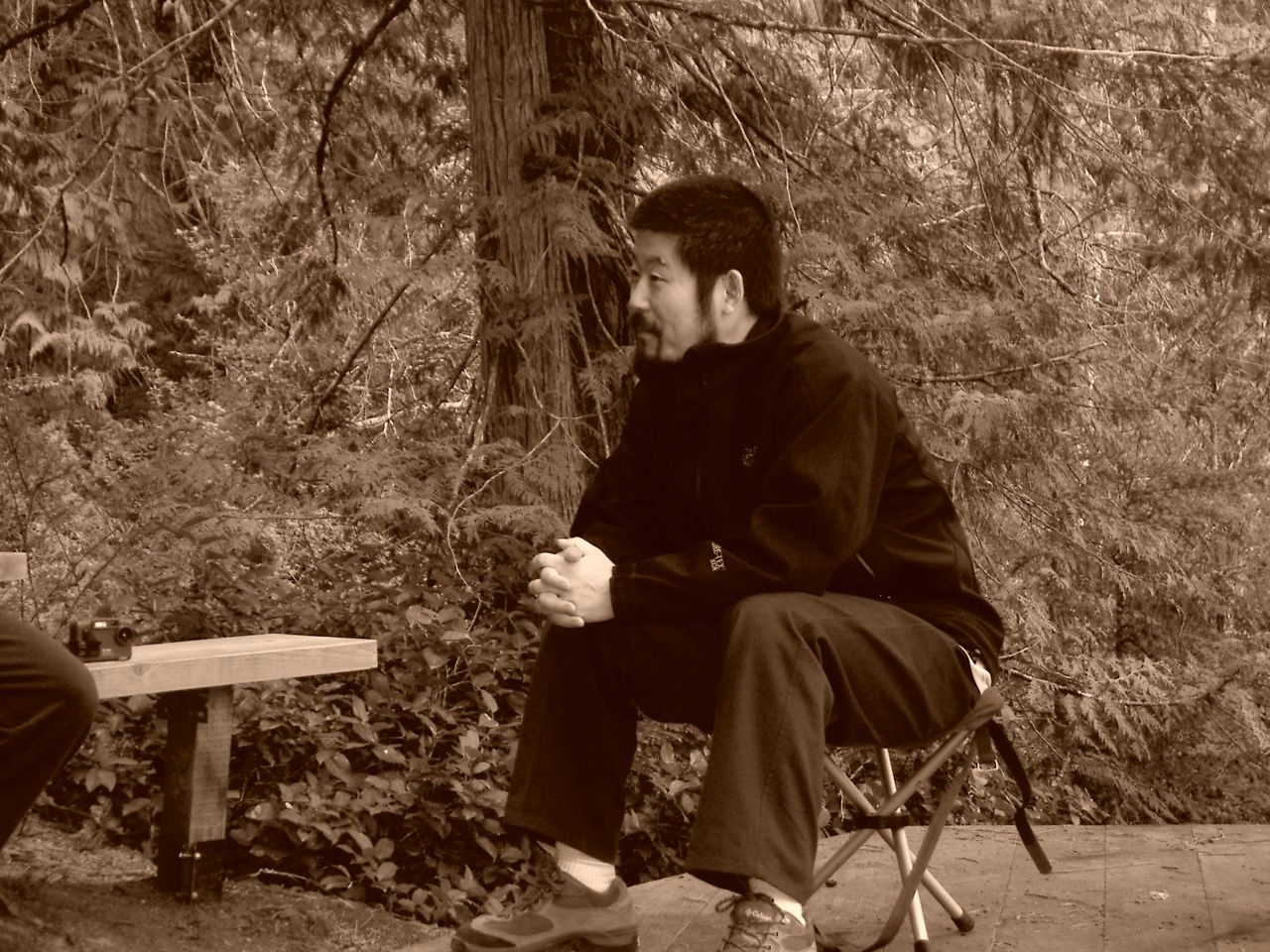 At the workshop in Maple Ridge today, we worked on “Stretching”. It is important to remember that a concept must be understood at it core level. We train the basic core elements of the concept, not its derivatives, deviations, adaptations or variations of the concept. For example, the core elements of a “stretch” is a locked point and a moving point. A variation is two moving points. Read more
Circle, Not moving, Practice according to principle, Q & A
Presenter: Chen Zhonghua Length: 30 min. In: English Year: 2014 Difficulty:1/5 At:Toronto
Lesson and practice to develop lever, jack knife in the arm
Presenter: Chen Zhonghua Length: 33 min. In: English Year: 2014 Difficulty:2/5 At:Toronto
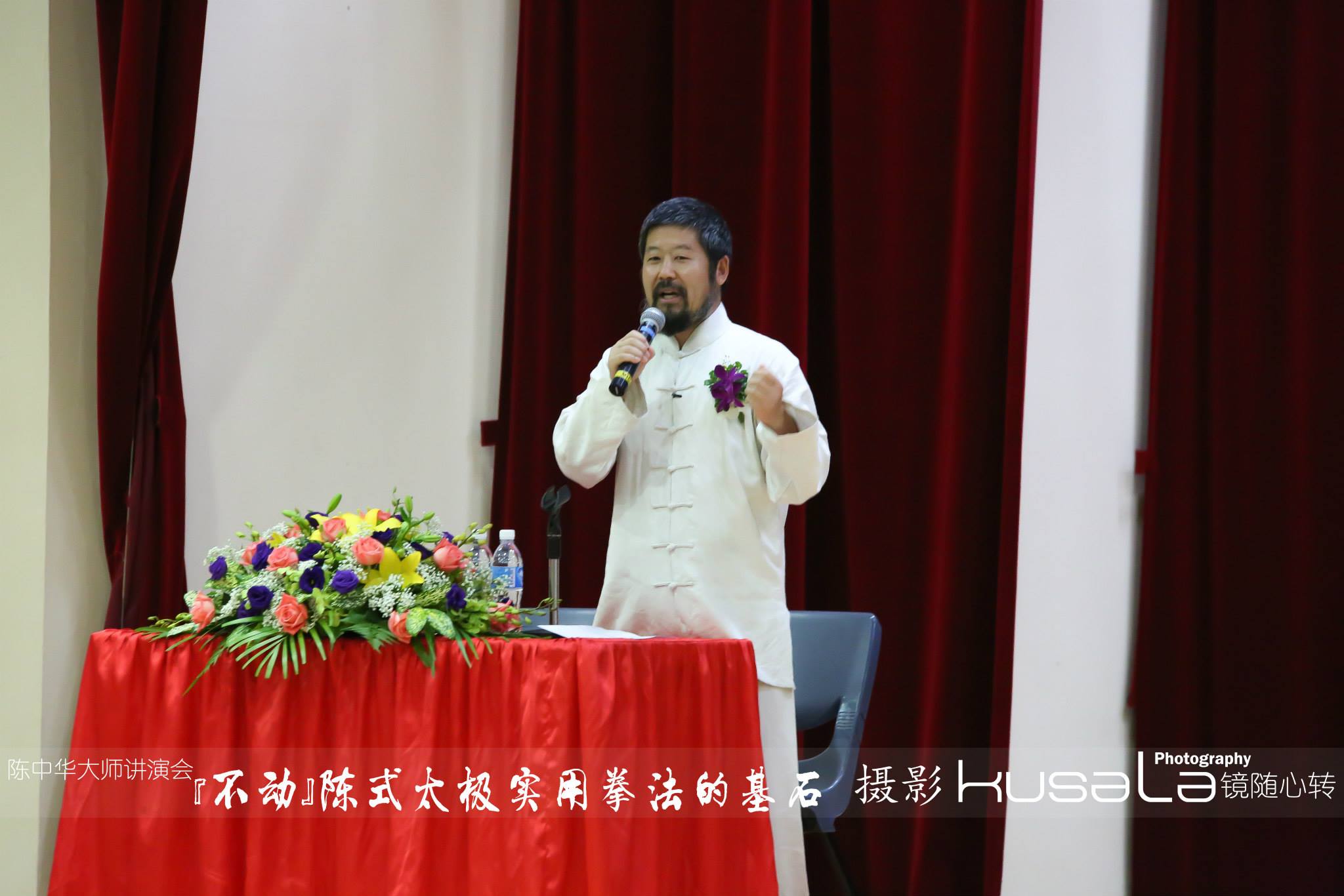
Hosted by Chen Style Taijiquan Association Singapore.
To truly learn, we have to force ourselves to practice according to the principles; especially when we cannot comprehend, verify or believe.
Most people practice according to what and how they like to practice. That’s not learning.
Read more
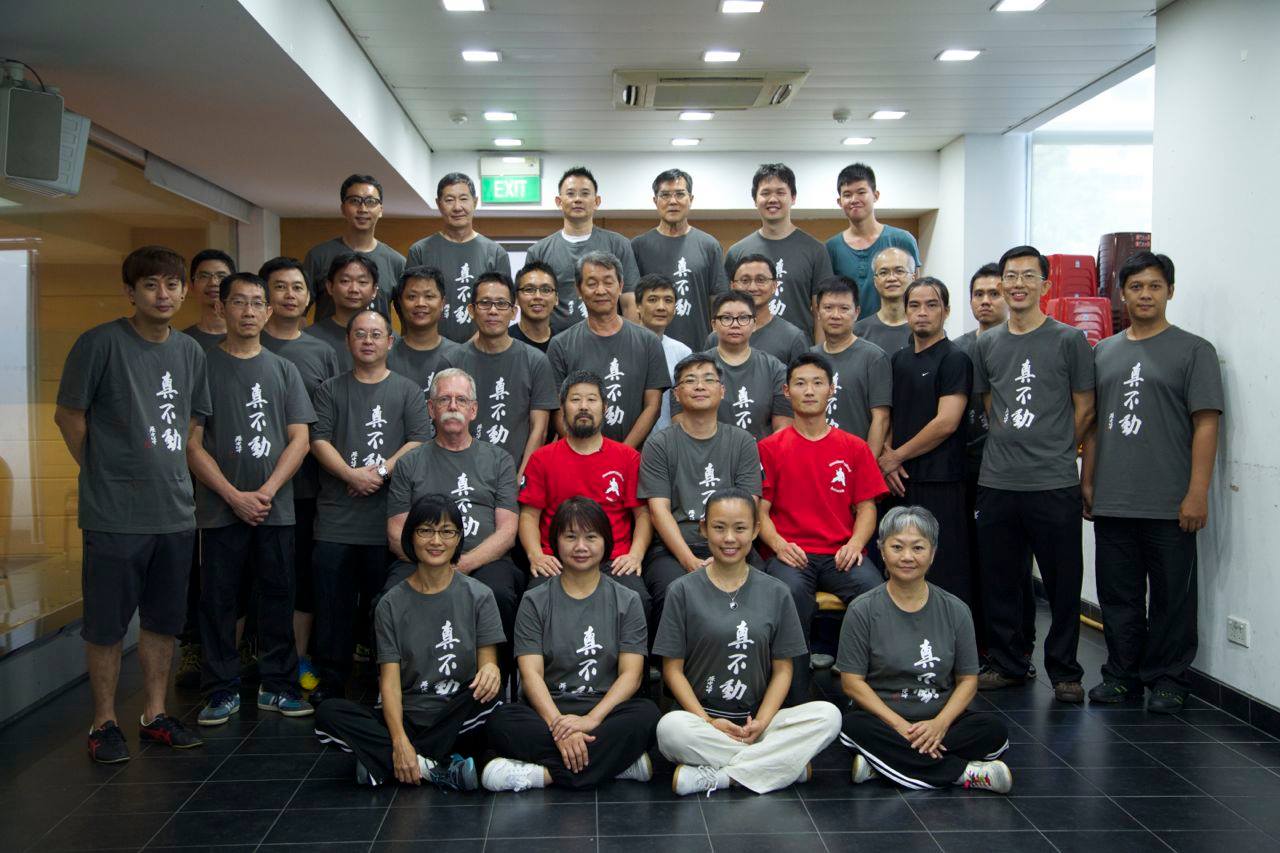
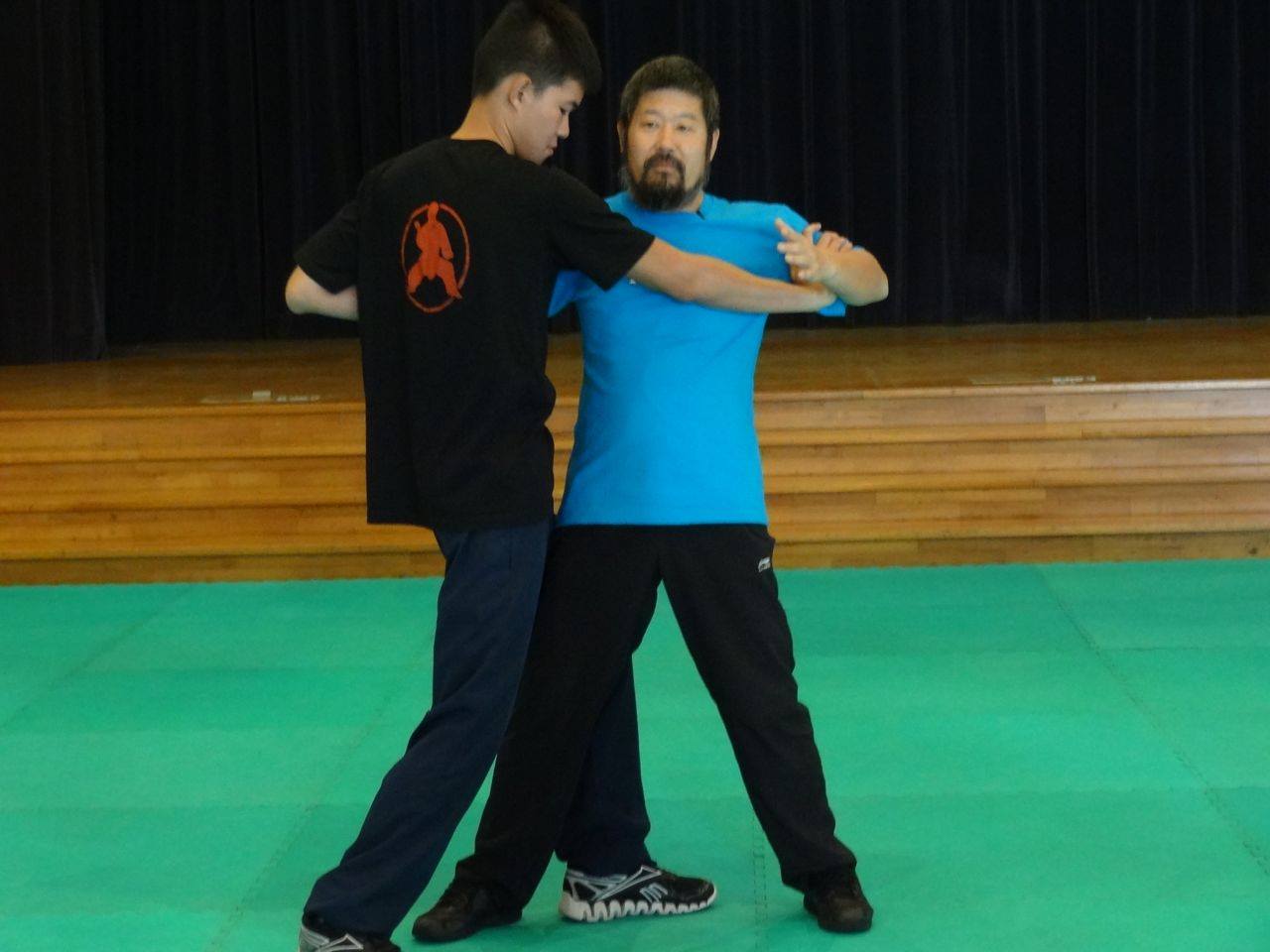
Photos from public seminar sponsored by the Singapore Chen Style Taijiquan


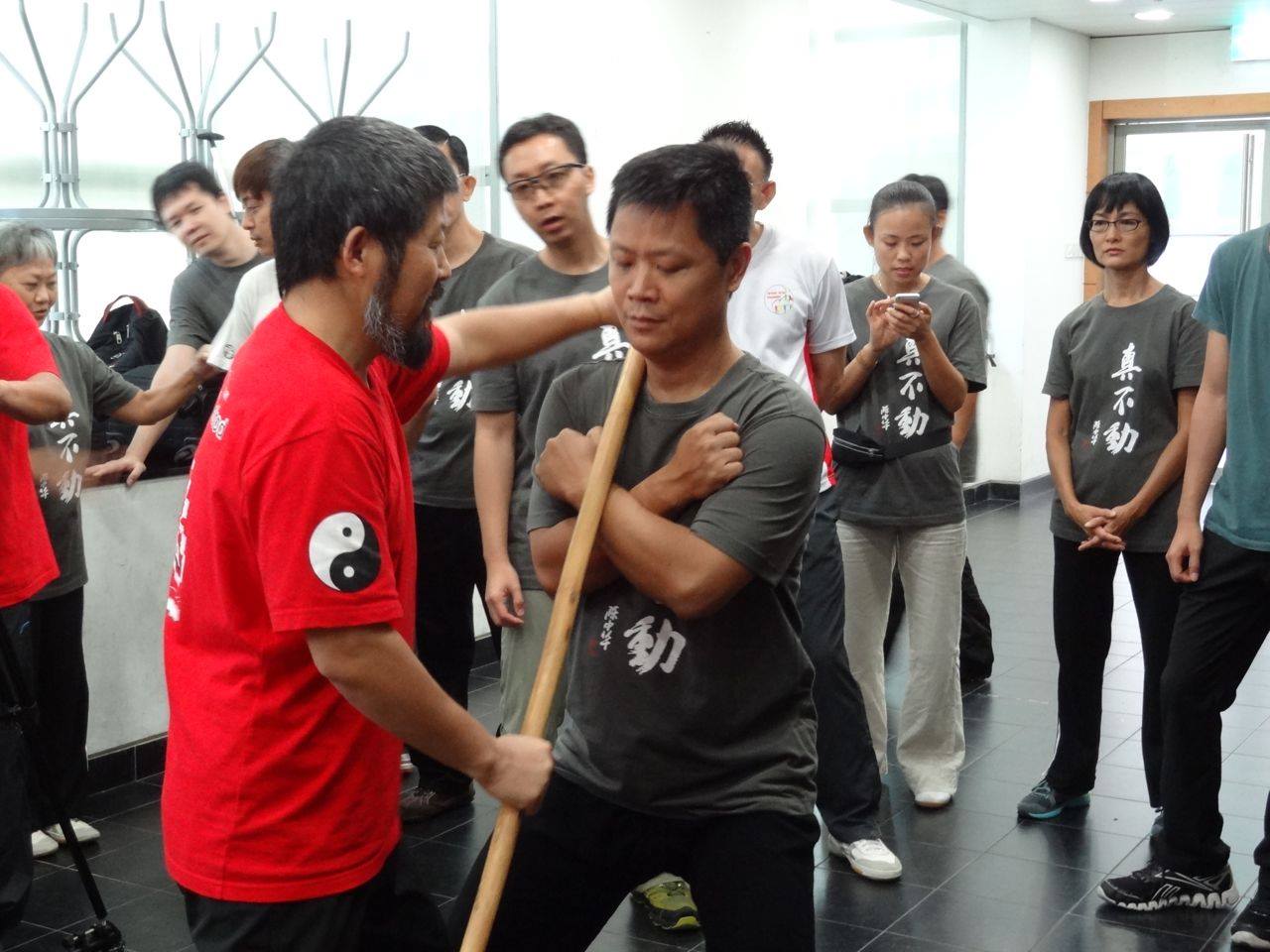
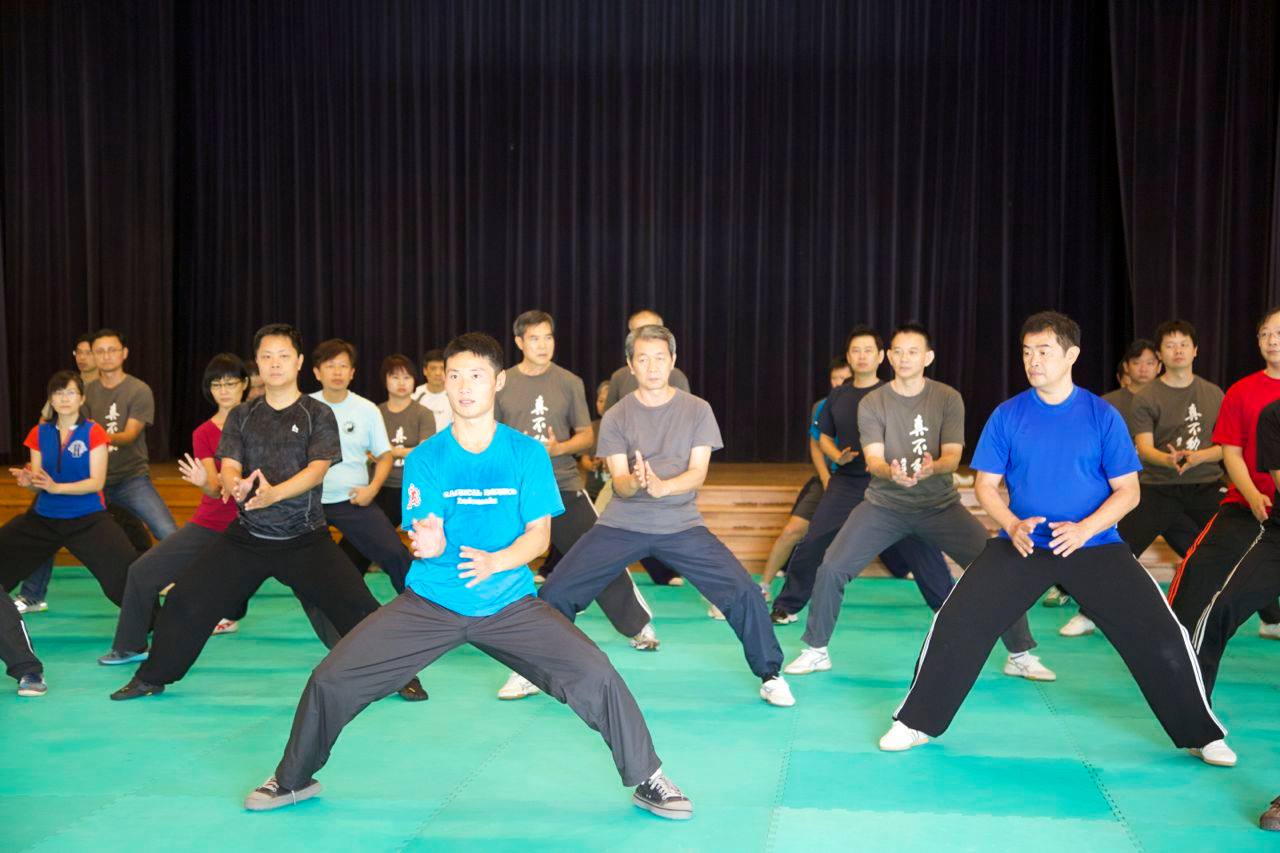
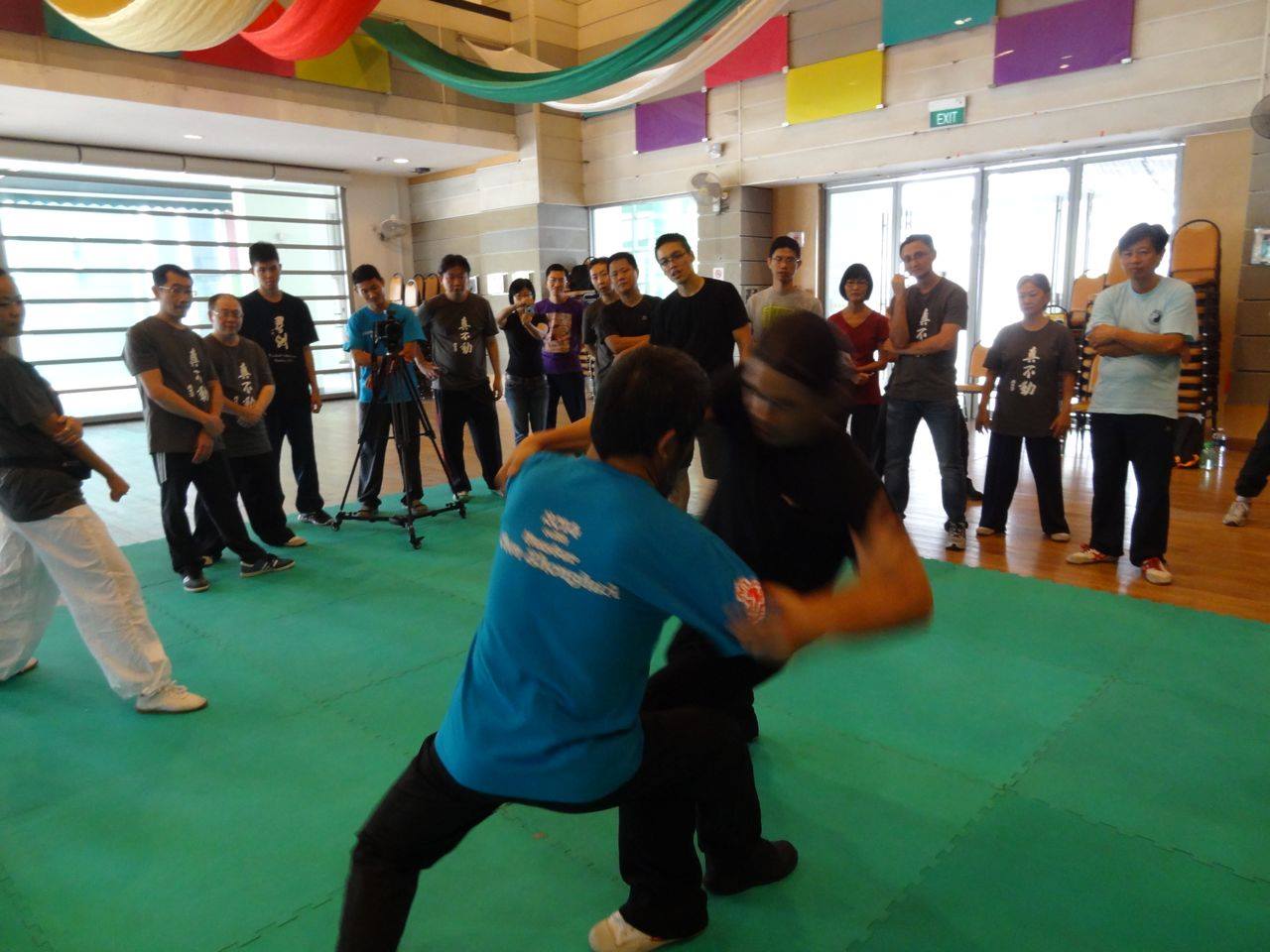
Presenter: Chen Zhonghua Length: 16 min. In: English Year: 2014 Difficulty:1/5 At:Daqingshan, China
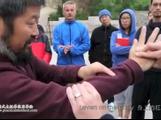
Daqingshan Full time training clip, discussing setting up a sequence of levers from arm to feet. The instructions cover the same subject repeated in chinese and english.
Presenter: Chen Zhonghua Length: 5 min. In: English & Chinese Year: 2014 Difficulty:1/5 At:Daqingshan, China
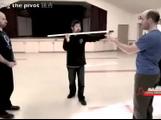
Changing the pivot/fulcrum to manipulate power generation
Presenter: Chen Zhonghua Length: 4 min. In: English Year: 2014 Difficulty:3/5 At:Toronto
 On another Fall Ottawa weekend, Rachel, James and Daniel of the Ottawa Practical Methods Group organized an intensive training seminar with Ronnie Yee, one of Master Joseph Chen’s Senior Disciples. For two days, students of the Practical Method in the Ottawa Region as well as Hugo from the Toronto group, enjoyed the stories and instructions from Ronnie.
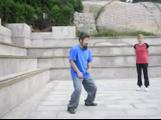
Training routine to utilize leg power from Daqingshan full time training.
Presenter: Chen Zhonghua Length: 3 min. In: English Year: 2014 Difficulty:1/5 At:Daqingshan, China
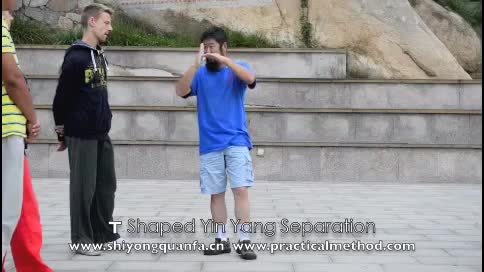 One of the lessons Master Chen elaborated on at the recent New York workshop was the principle in taiji of training from ‘ Square to Round ‘. This is an abbreviation that describes the difference in the body ( and the resulting changes ) that are the result of training the foundational method of Yilu vs. Cannon Fist , which is the implementation of foundation , applied in martial technique.
The more full expression of ‘ square to round ‘ , that was discussed in the workshop, was that, in the Yilu, ” …..the inside is ‘ square ‘ and the outside is ‘ round ‘….. “, meaning the inside linear movements apprear as a circular move on the outside, and that in Erlu ( cannon fist ) , ” …..the inside is ‘ round ‘, and the outside is ‘ square ‘…..”, meaning the rotation of the inner core, is circular, but the outside of the body must have the ability to fold or ‘wrap’ around corners ( square ).
Although this is really a very big subject requiring a lot of explanation, the following video helps to put these expressions into perspective.
http://practicalmethod.com/2014/10/t-shaped-yin-yang-separation-online-video-purchase/
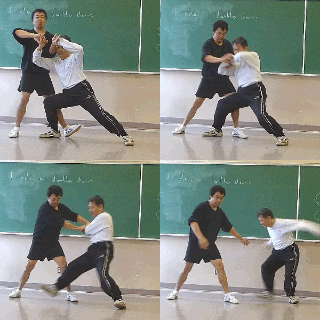
Separation in term of movement direction from Daqingshan full time course. This is one type of vector force.
Presenter: Chen Zhonghua Length: 7 min. In: English Year: 2014 Difficulty:3/5 At:Daqingshan, China
How to make connection in own body, and how to disrupt connection in opponent’s
Presenter: Chen Zhonghua Length: 14 min. In: English Year: 2014 Difficulty:2/5 At:Toronto
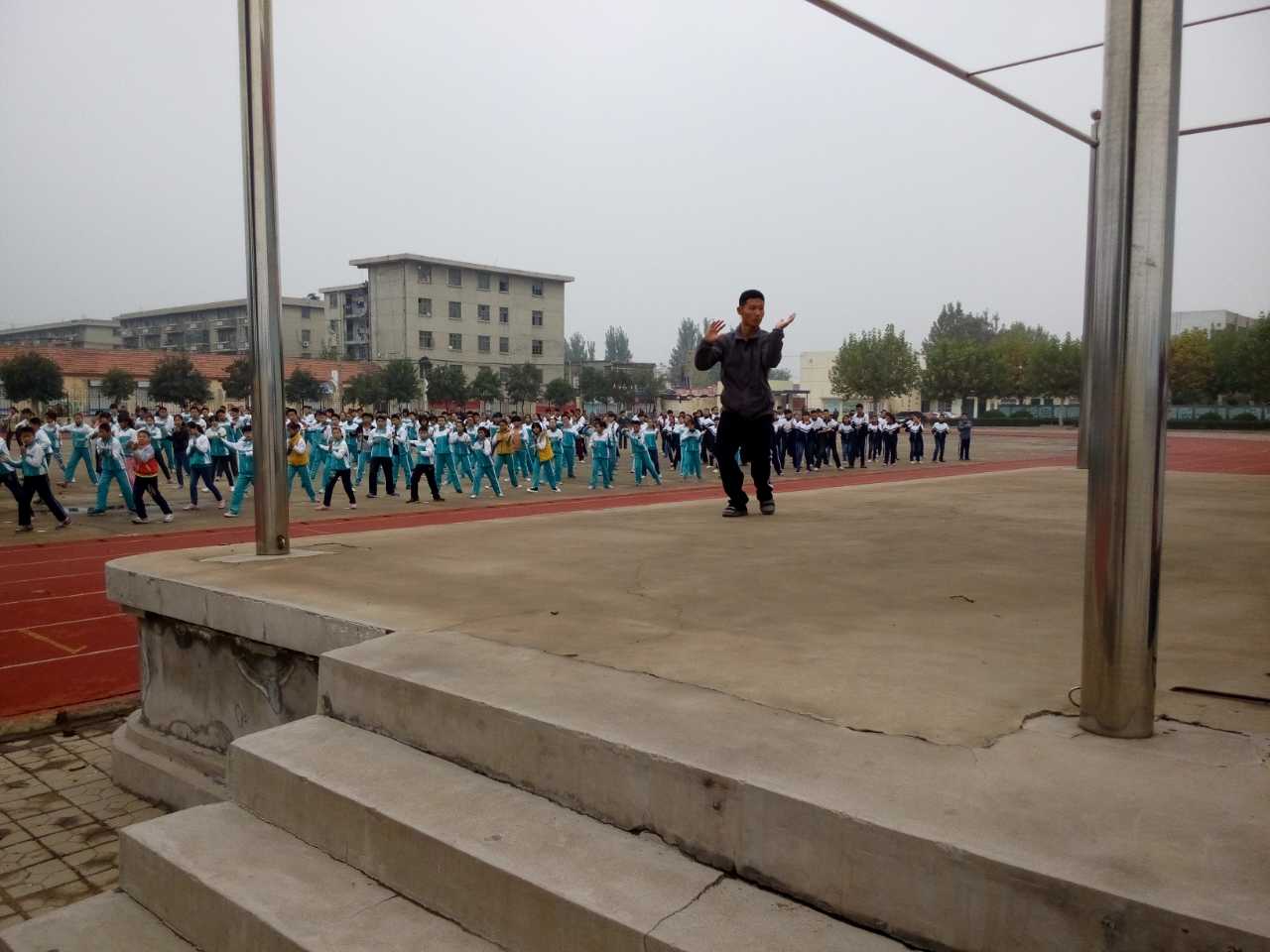
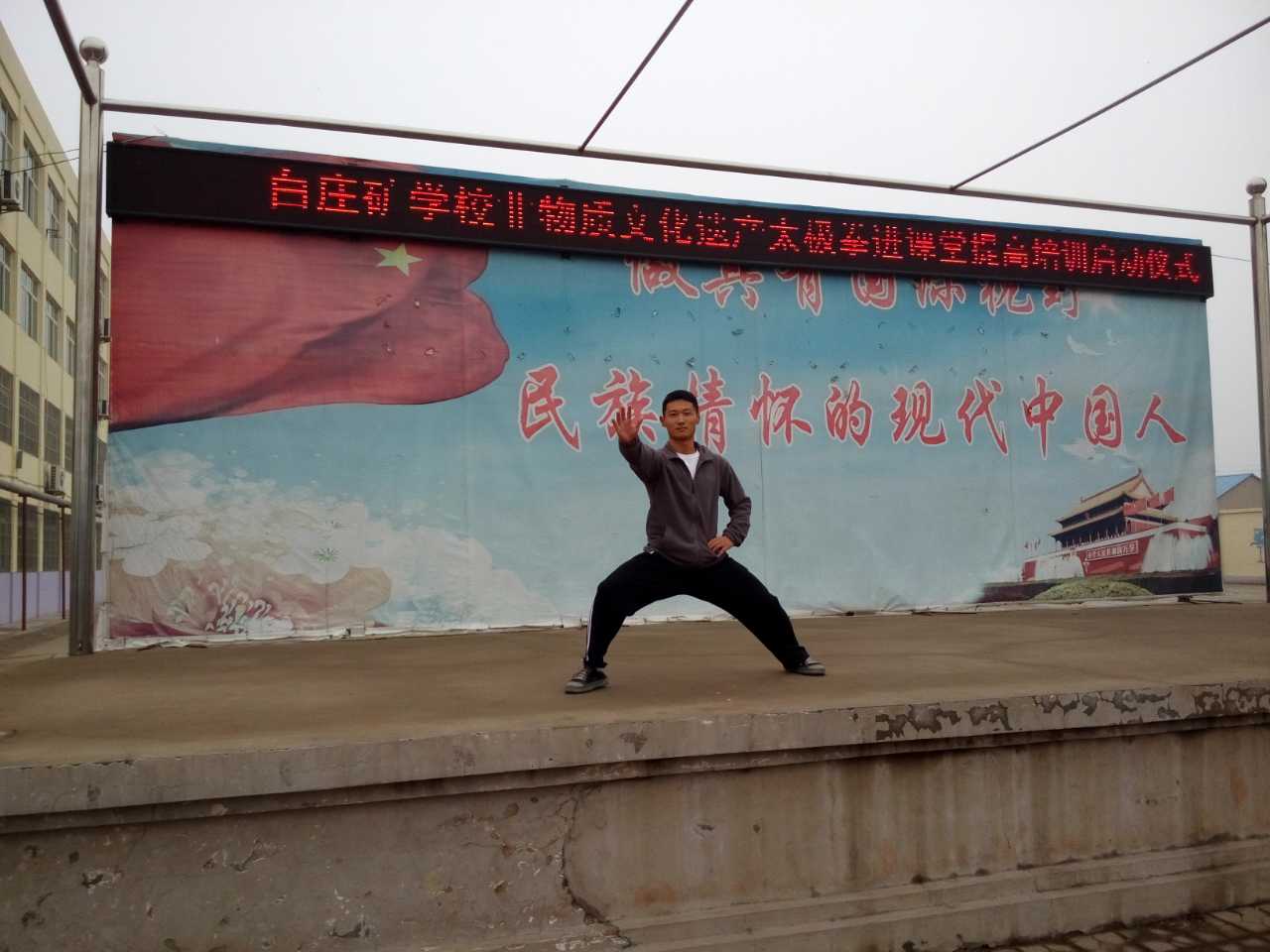
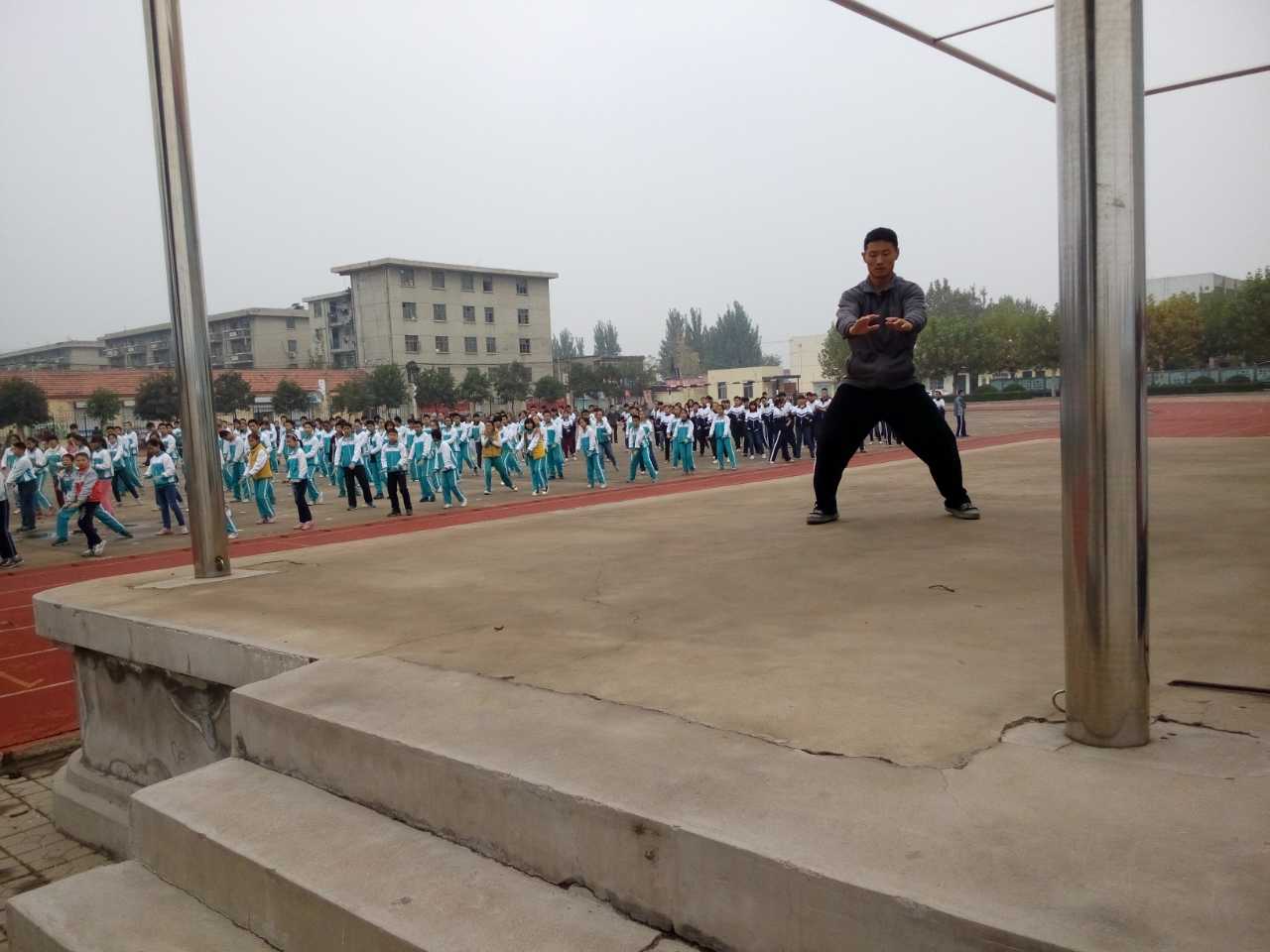
Chen Xu is teaching a one week course on Chen Style Taijiquan Practical Method in a junior high school in Feicheng, Shandong Province. He will go to Shanghai and then Jakarta to meet up with Master Chen Zhonghua after this teaching assignment.


Talk on theory of original energy. clip from Master Chen Zhonghua’s 2014 Daqingshan full time training.
Presenter: Chen Zhonghua Length: 11 min. In: English Year: 2014 Difficulty:1/5 At:Daqingshan, China
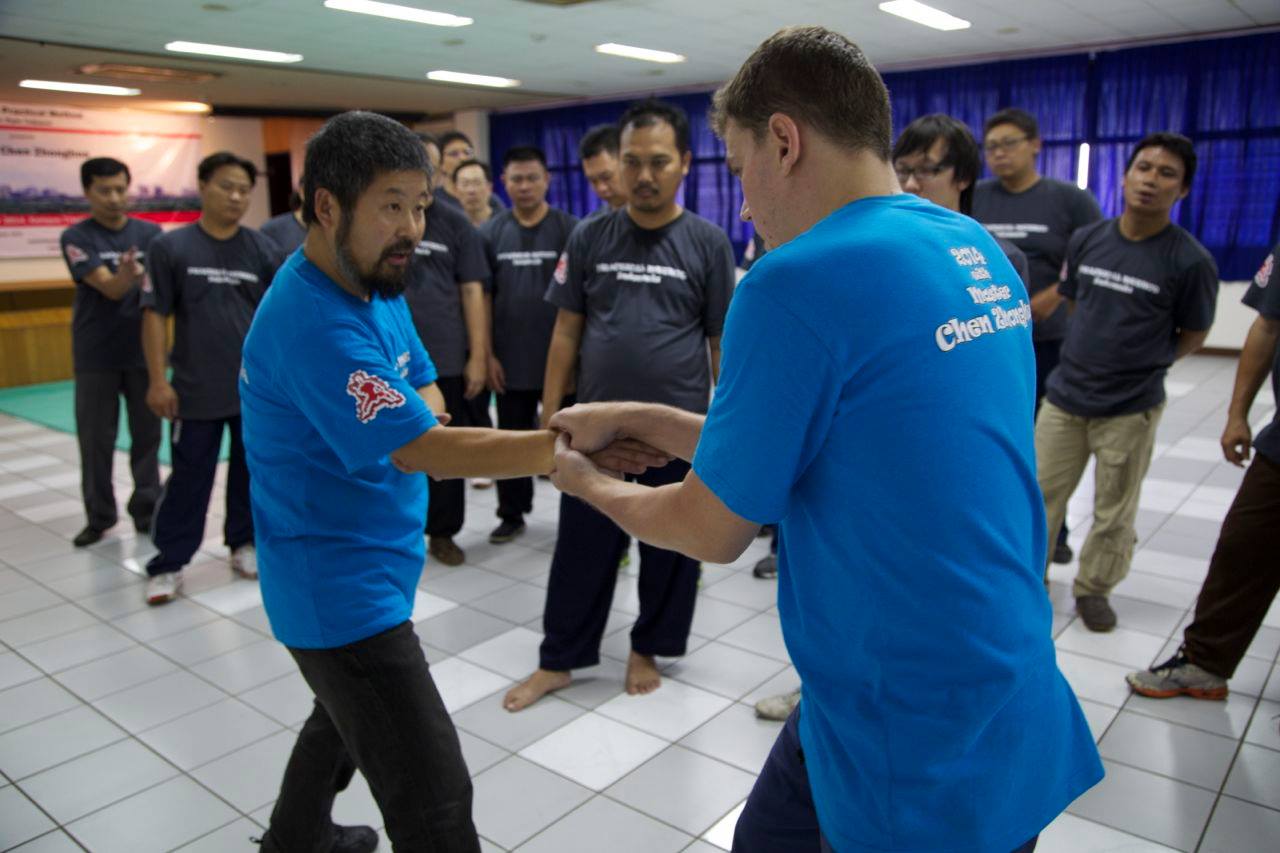
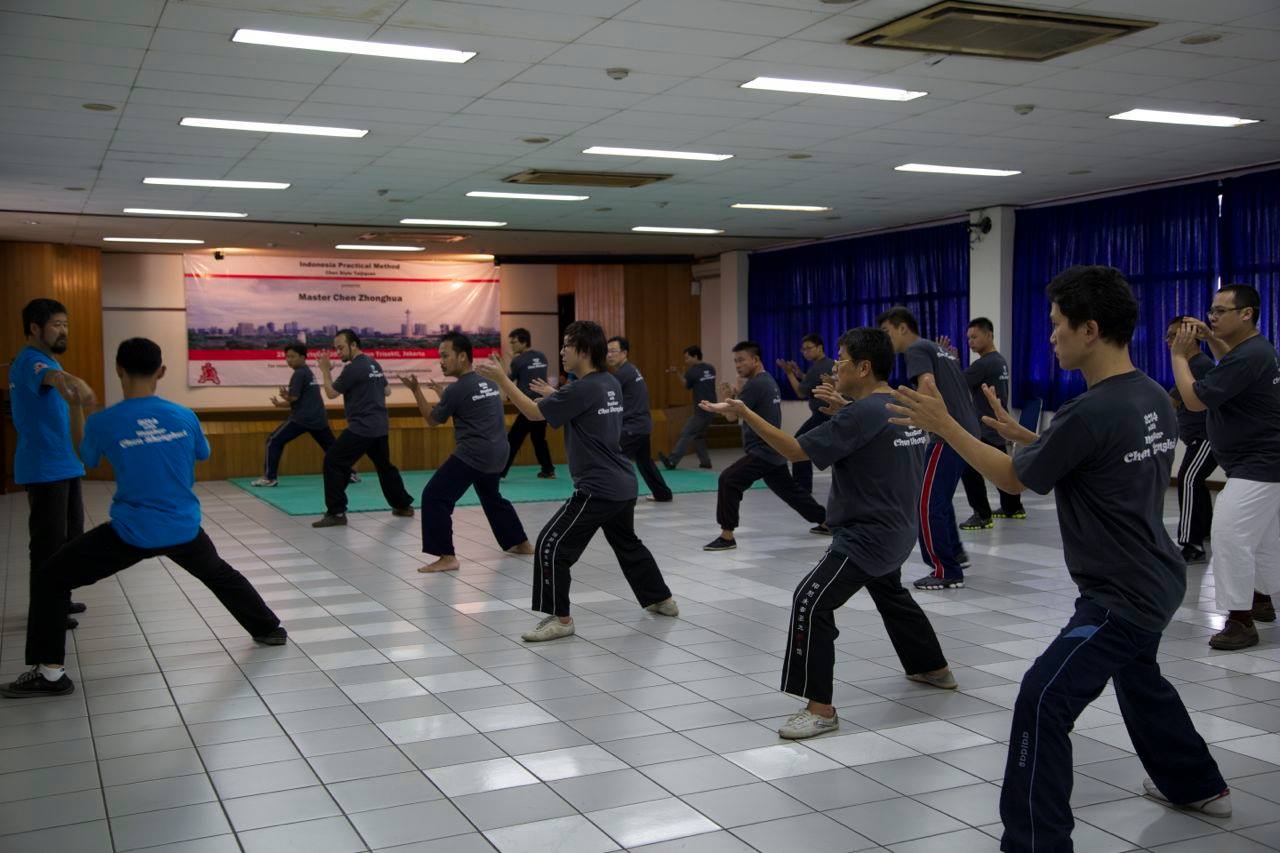
 Today was the first day of the workshop in Sydney. After some adminstrative issues and handing out the t-shirts, Master Chen took control and started in quick sucession of static 3 count elbow in, turn waist, hand out. Soon this developed in stepping positive circles, and before everyone recovered the class was already twisting (wringing) the towel. We also explored the three way split, the effect of the resultant power (usually the other person on the ground).
We then continued with an extensive series of applications related to the movements of ‘Buddha’s Warrior’, and Master Chen demonstrated various variations to the applications with the foot kicking in the knee, the foot sliding behind the leg, the foot sliding behind the leg and kick the opponents leg from under them, the split of the kua at the front for higher moves and the back kua for lower hand moves, how the three way split applies to this, and much, much more. Read more
Energy alignment in Practical Method Cannon Fist form. Part One of Two Cannon Fist Alignment videos.
Presenter: Chen Zhonghua Length: 42 min. In: English Year: 2014 Difficulty:3/5 At:Phoenix, AZ, USA
Phoenix workshop participants, please contact Ping Wei for free access
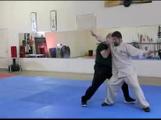
Second part of the Cannon Fist Alignment video. At the end of the video, there is a complete Cannon Fist demonstration by Master Chen Zhonghua in Italy in 2014.
Presenter: Chen Zhonghua Length: 27 min. In: English Year: 2014 Difficulty:3/5 At:Phoenix, AZ, USA
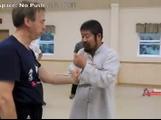
Gaining space training method, and using waist to generate power
Presenter: Chen Zhonghua Length: 39 min. In: English Year: 2014 Difficulty:3/5 At:Toronto
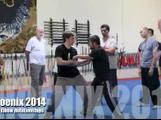
Split in Hand and Elbow, and talk on spiral power
Presenter: Chen Zhonghua Length: 7 min. In: English Year: 2014 Difficulty:2/5 At:Phoenix, AZ, USA
Phoenix workshop participants, please contact Ping Wei for free access
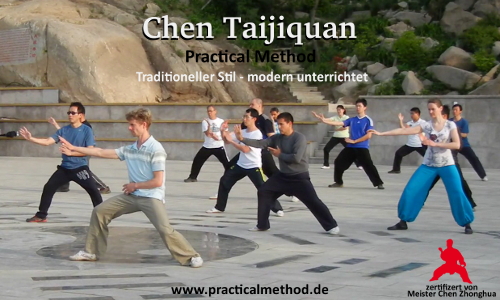 Introduction to “Chen Style Taijiquan Practical Method” in Berlin
Host: Technical University Berlin (Hochschulsport)
Referent: Michael Winkler, disciple of Master Chen Zhonghua
Time: Okt 18th & 19th (Sat,Sun), 10:00-15:00 each day
Content: foundations, first moves of the yilu, some partner exercises, basic theory
Details and link to sign up: ... here
Theory and training to develop engaged power
Presenter: Chen Zhonghua Length: 44 min. In: English Year: 2013 Difficulty:3/5 At:Toronto
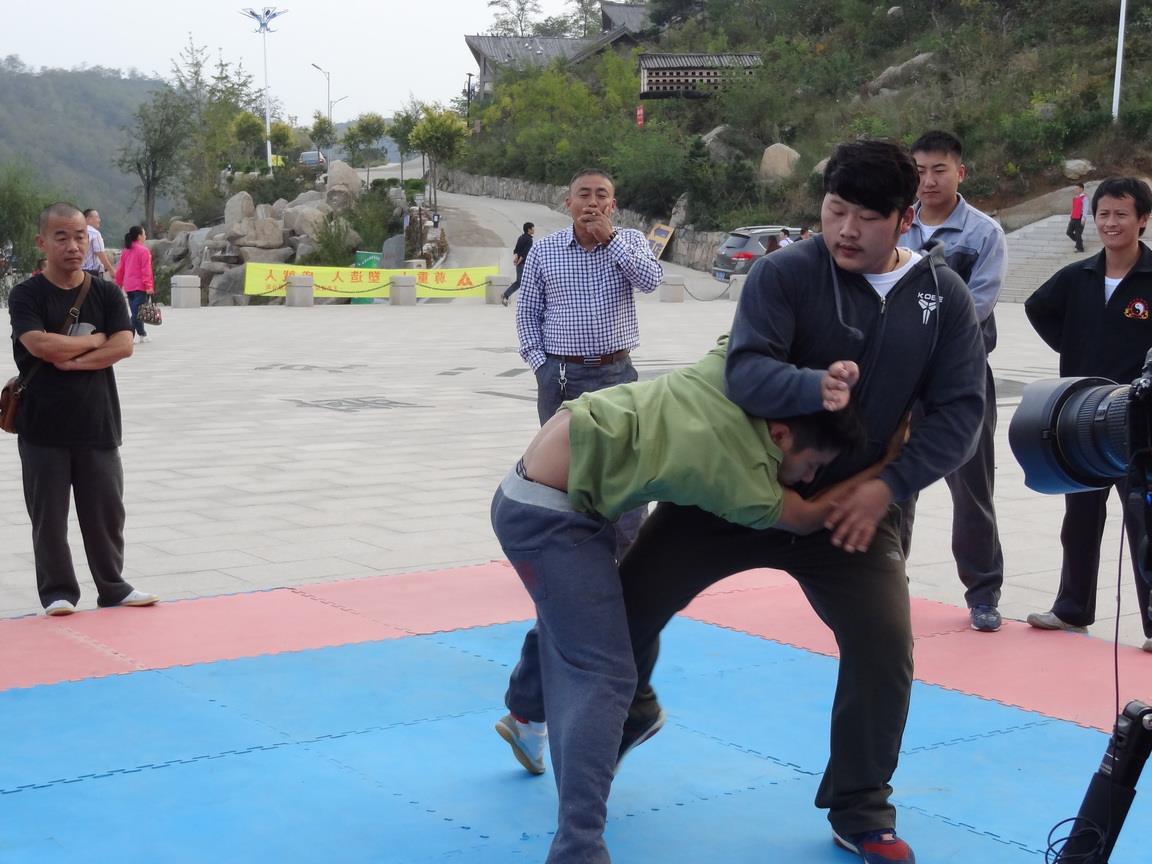
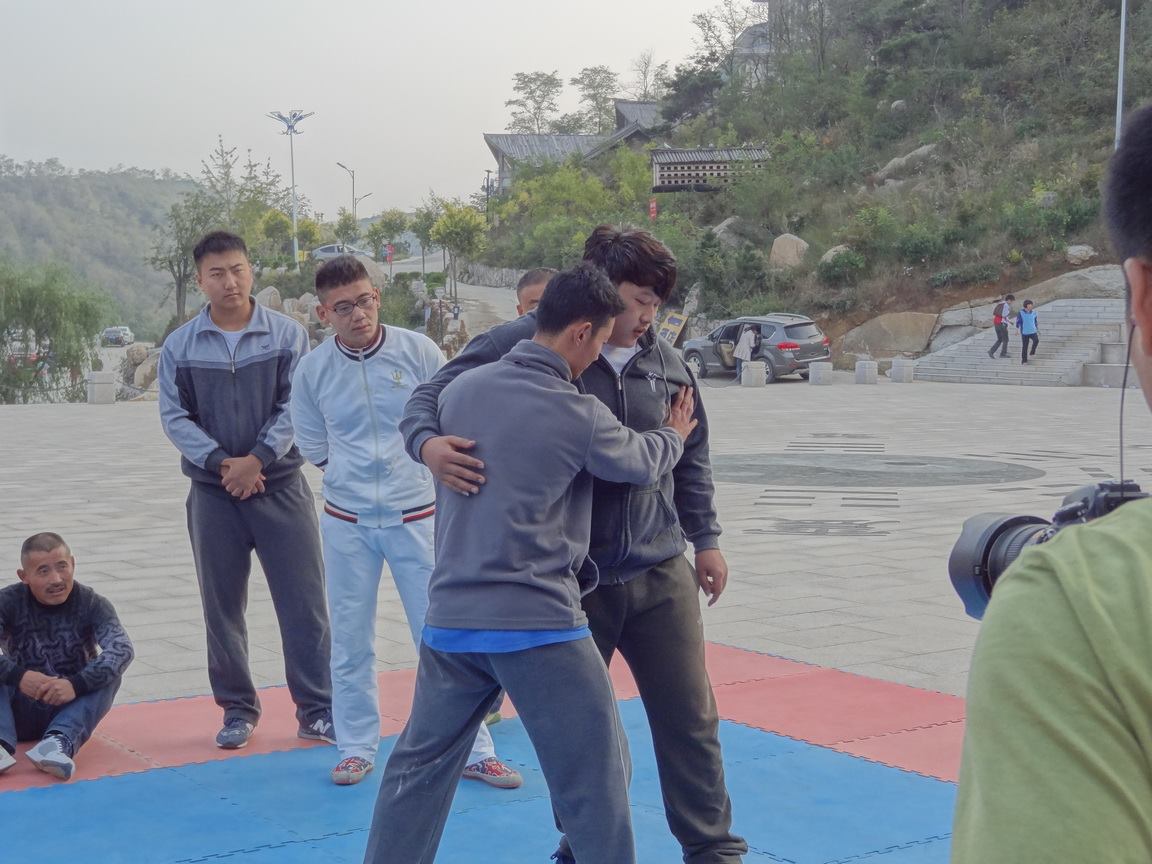
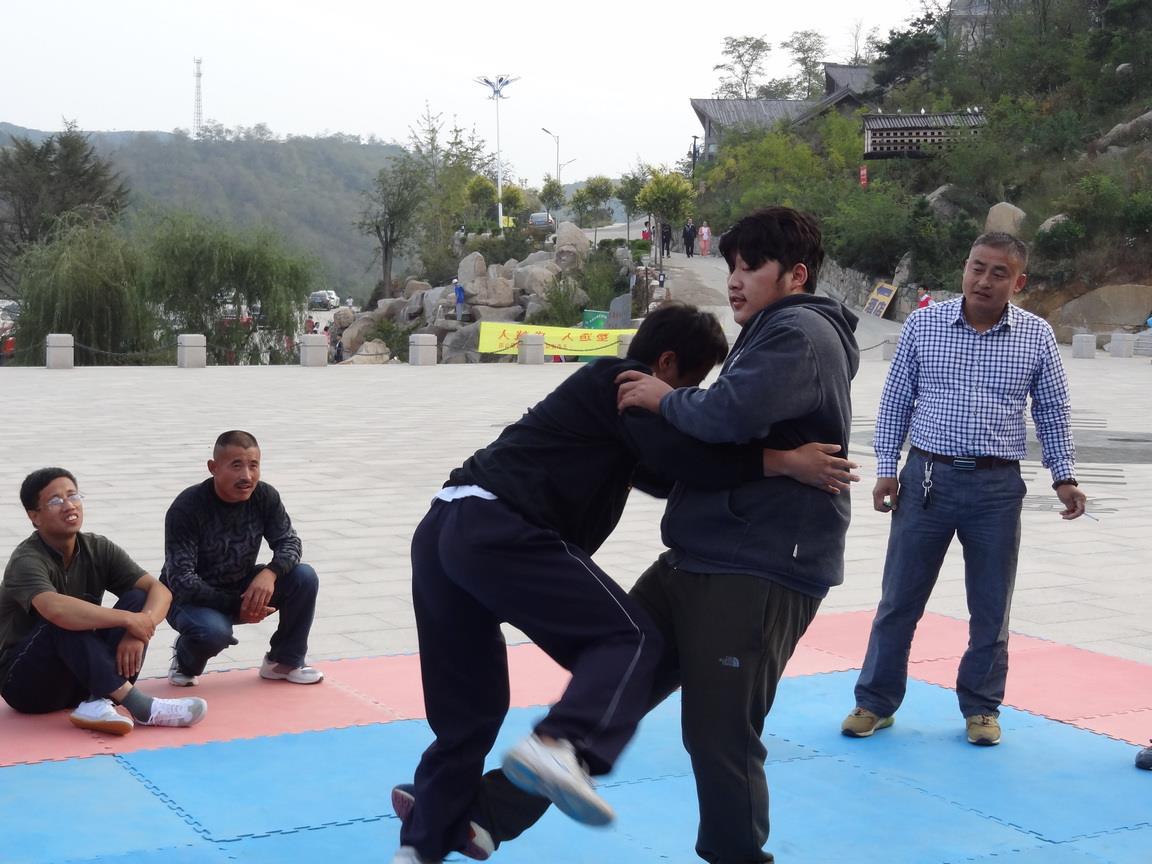
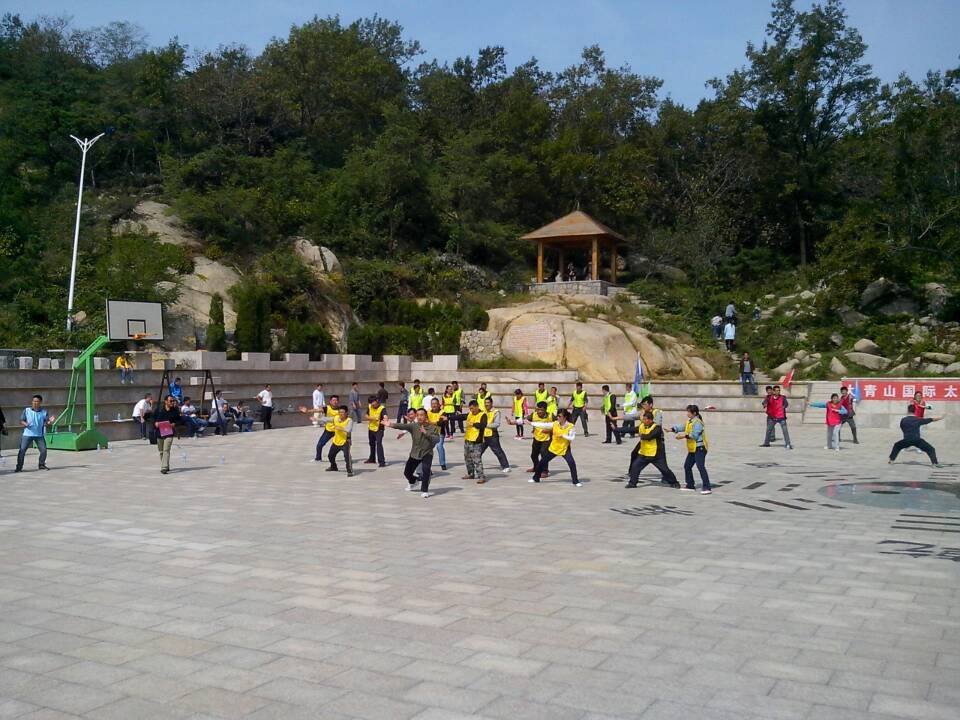
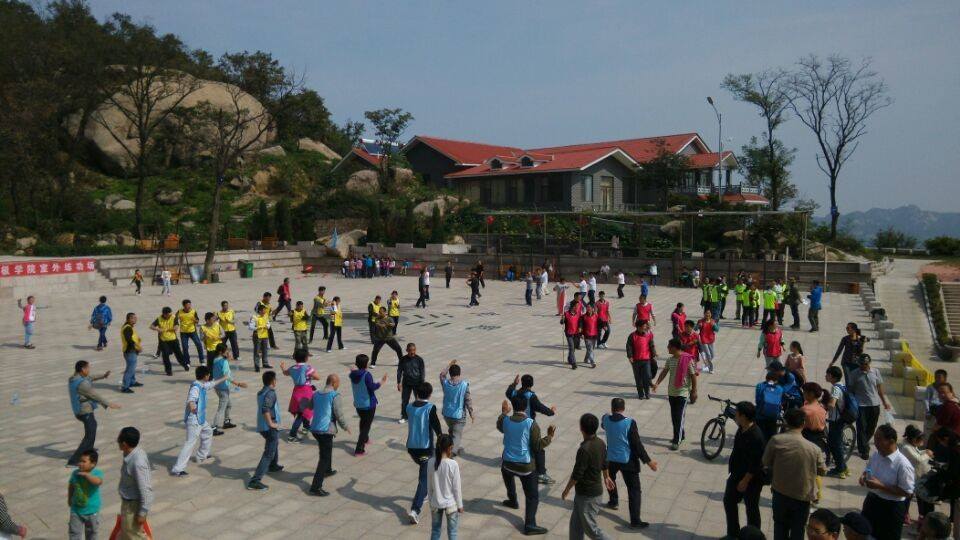
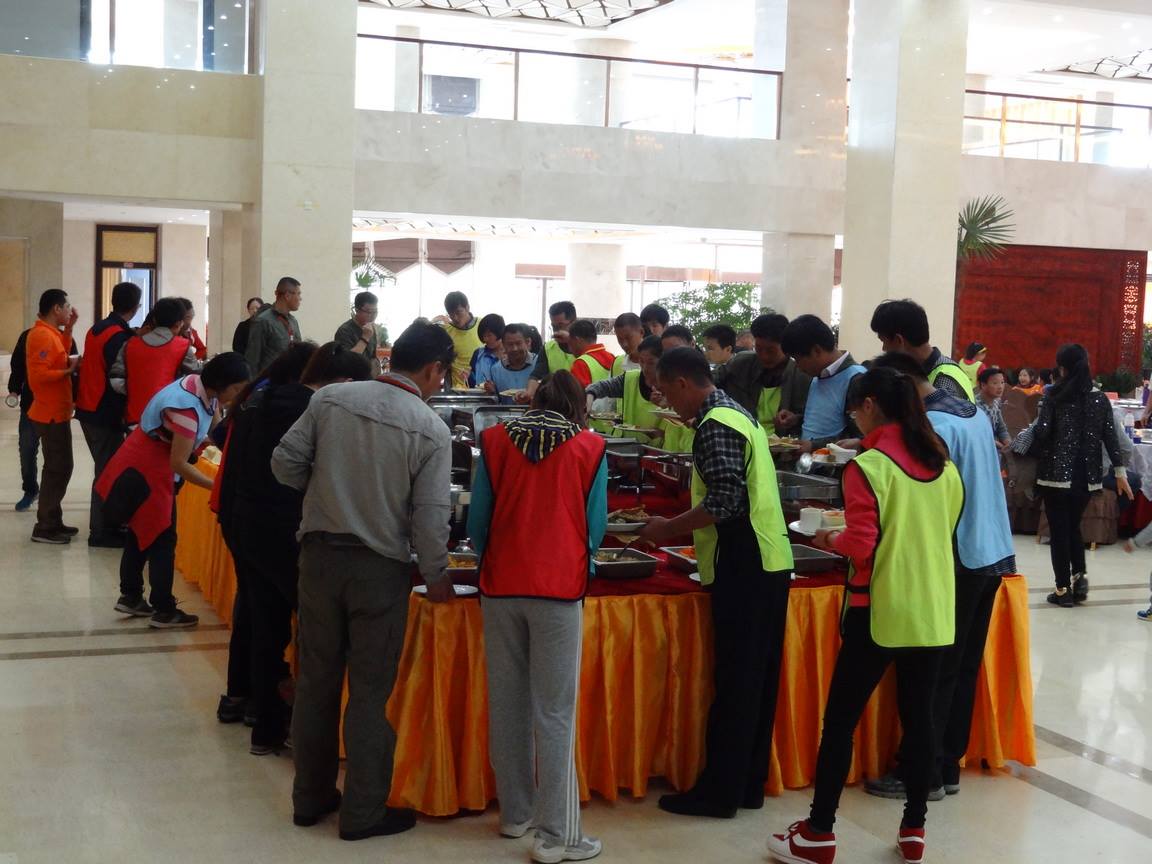
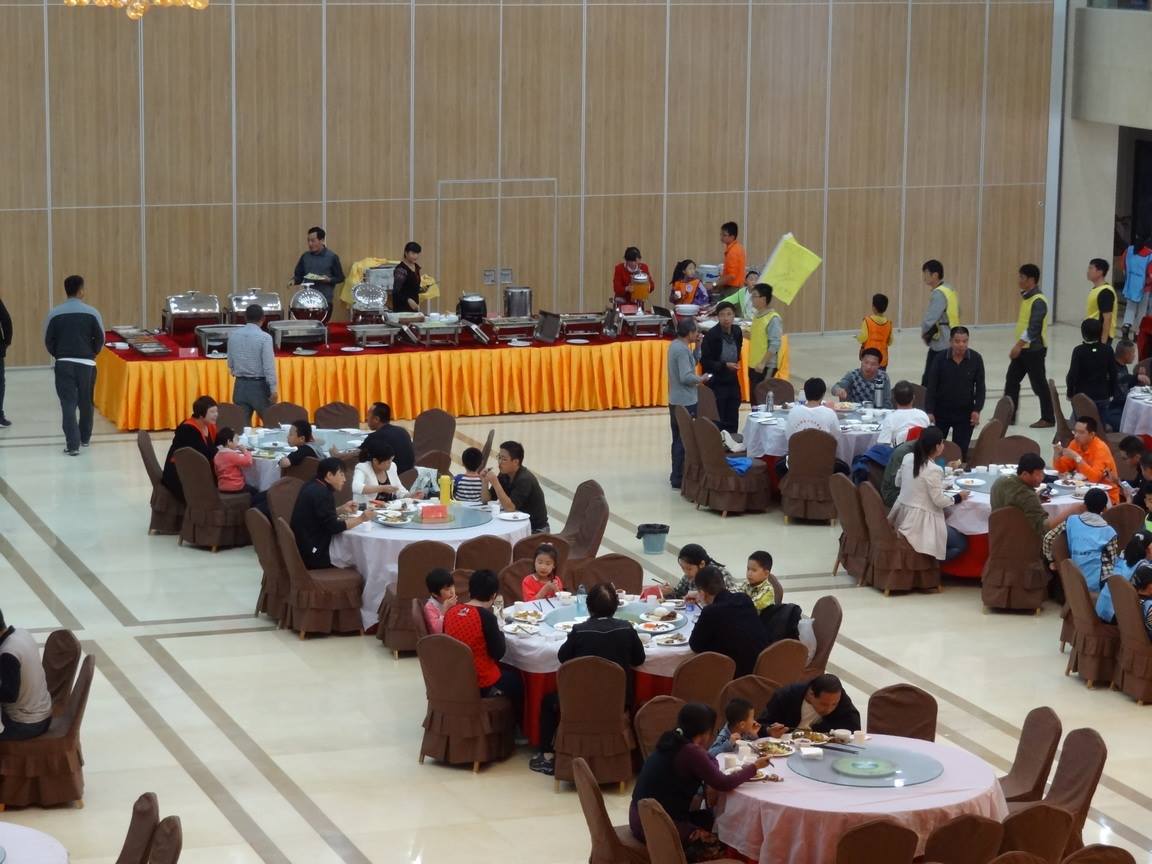
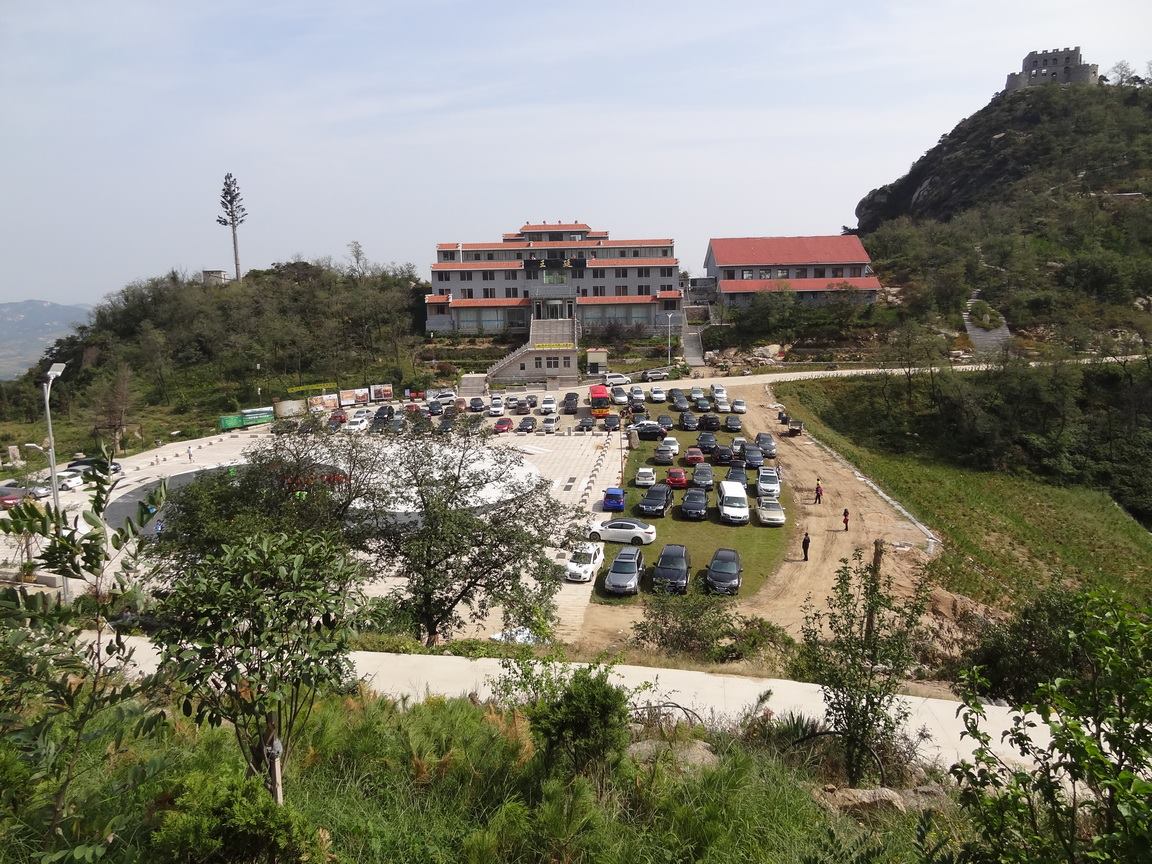
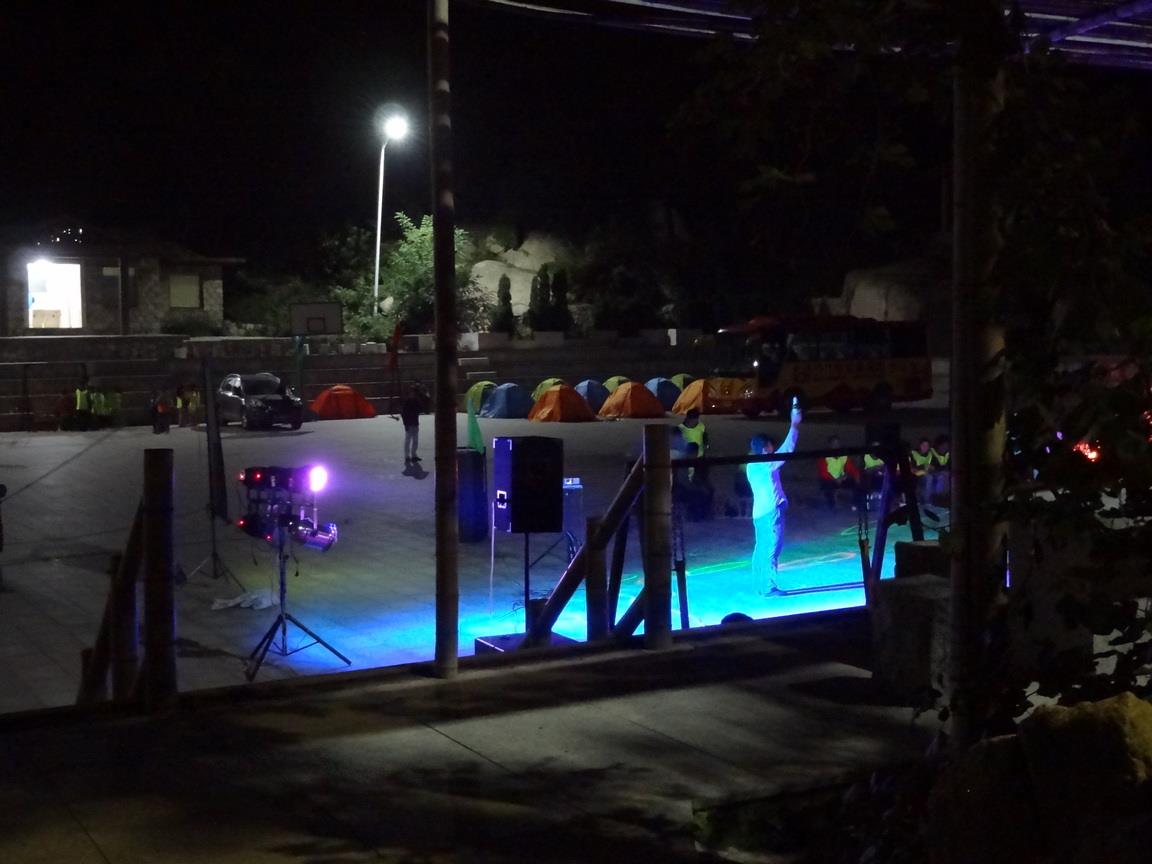
The week October 1 – 7 is holiday in China. Master Chen invited Jiang Linghui (2013, 2014 Daqingshan Champion) to work with the practical method students during the holiday. There are about 30 of them meeting on DQS this long weekend.
 |
Chen Style Taijiquan Practical Method Toronto |