_2021-03-12.jpg)
Presenter: Chen Zhonghua Length: 10 min. In: English Year: 2018 Difficulty:1/5
Presenter: Chen Zhonghua Length: 10 min. In: English Year: 2018 Difficulty:1/5
https://youtu.be/FncBsswHZXI
Yilu count:3460
Foundations: https://youtu.be/DfRUeyU4xVY
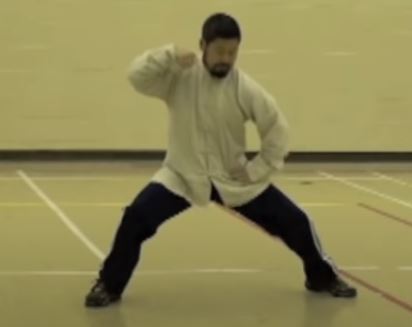
Walking obliquely on both sides. Make sure the R elbow is locked into a triangle shape with the body and only rotate from the torso.
Knees do not follow. Fist draping over body (both knees), lean with the back (L knee). The power in the knees is poking into the ground.
Read more
Presenter: Chen Zhonghua Length: 83 min. In: English Year: 2021 Difficulty:4/5 At:Edmonton Chen Zhonghua Taiji Academy

Lie, break in the middle, is the 6th energy of Chen Style Taijiquan Practical Method system.
Presenter: Chen Zhonghua Length: 3 min. In: English Year: 2021 Difficulty:1/5 At:Edmonton Chen Zhonghua Taiji Academy
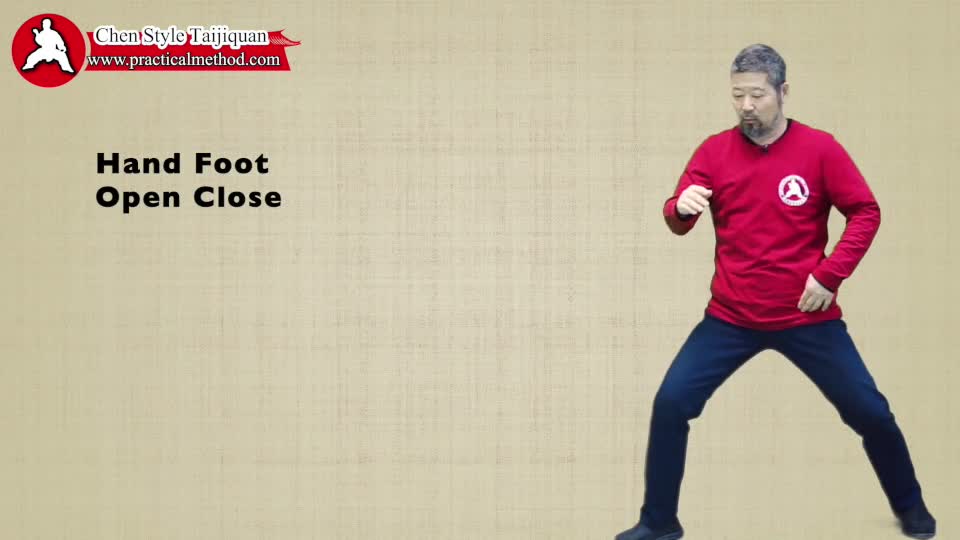
The body must have sticks inside as our basic structure. The hand/foot stick (stretched into one line) is the longest stick in the body and therefore, the most important.
In this mini lesson, Master Chen Zhonghua shows how to create this stick and the pitfalls in trying so.
Presenter: Chen Zhonghua Length: 4 min. In: English Year: 2021 Difficulty:1/5 At:Edmonton Chen Zhonghua Taiji Academy
_2021-03-11.jpg)
Presenter: Chen Zhonghua Length: 10 min. In: English Year: 2018 Difficulty:1/5
Presenter: Chen Zhonghua Length: 70 min. In: English Year: 2021 Difficulty:4/5 At:Edmonton Chen Zhonghua Taiji Academy
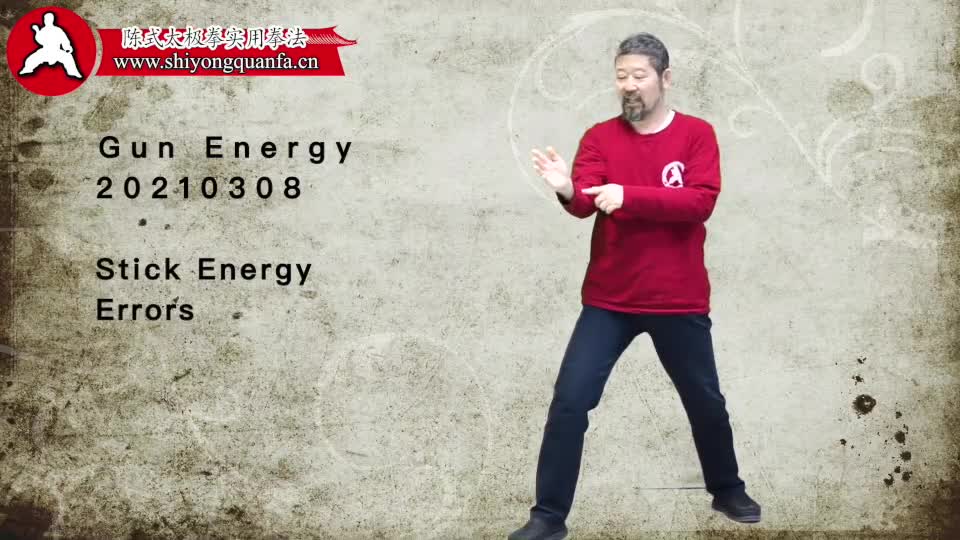
The Gun energy is very difficult to apply in application. This video specified the three common errors.
Presenter: Chen Zhonghua Length: 1 min. In: English Year: 2021 Difficulty:1/5 At:Edmonton Chen Zhonghua Taiji Academy
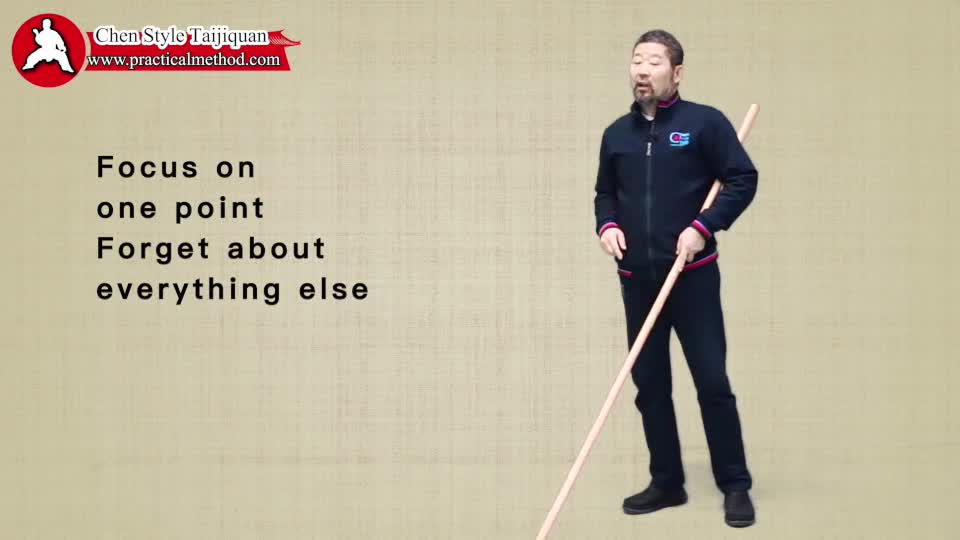
Taiji moves are very sophisticated and well coodinated. In learning, we need to take the complex moves apart and train one aspect of it each time. The finished product is like a complex puzzle put together.
In this video, Master Chen Zhonghua shows how to focus on one move at a time while performing the moves in the form.
Presenter: Chen Zhonghua Length: 3 min. In: English Year: 2021 Difficulty:1/5 At:Edmonton Chen Zhonghua Taiji Academy
_2021-03-10.jpg)
Presenter: Chen Zhonghua Length: 10 min. In: English Year: 2018 Difficulty:1/5
Presenter: Kelvin Ho Length: 63 min. In: English Year: 2021 Difficulty:2/5 At:Toronto Chen Zhonghua Taiji Academy
Private lesson Level one.
Presenter: Chen Zhonghua Length: 60 min. In: English Year: 2021 Difficulty:1/5 At:Edmonton Chen Zhonghua Taiji Academy
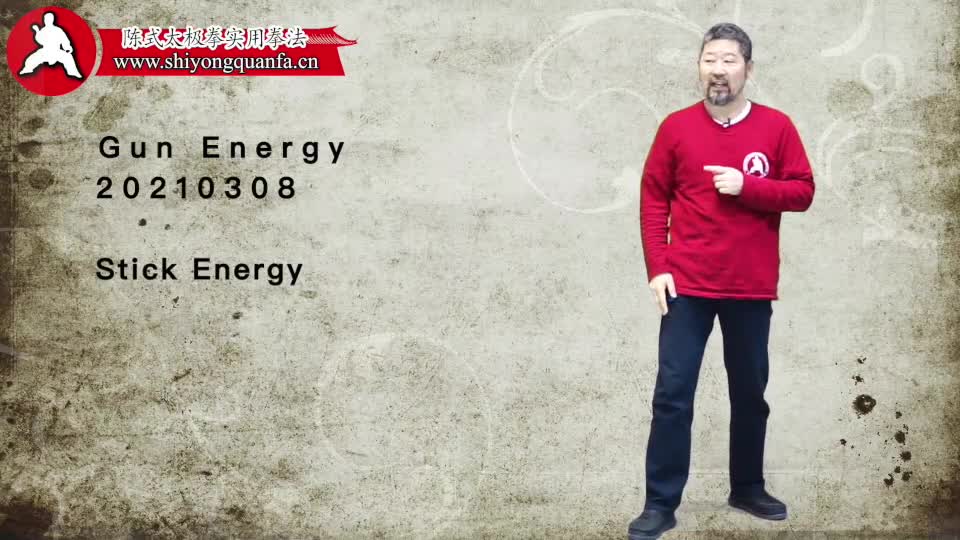
Gun, stick, staff, energy is a special method of power in Chen Style Taijiquan Practical Method. It is to poke with a long staff. This energy can only be used when the body possesses a stick through training.
Presenter: Chen Zhonghua Length: 3 min. In: English Year: 2021 Difficulty:1/5 At:Edmonton Chen Zhonghua Taiji Academy
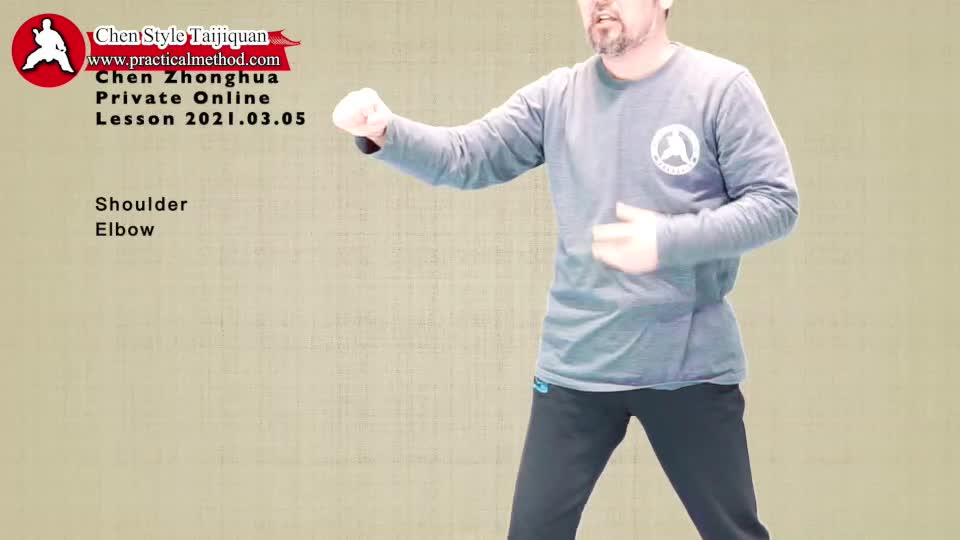
During a private instructor’s lesson, Master Chen Zhonghua teaches how to train the shoulder to add move movements and correct movements to the shoulder.
Presenter: Chen Zhonghua Length: 3 min. In: English Year: 2021 Difficulty:2/5 At:Edmonton Chen Zhonghua Taiji Academy
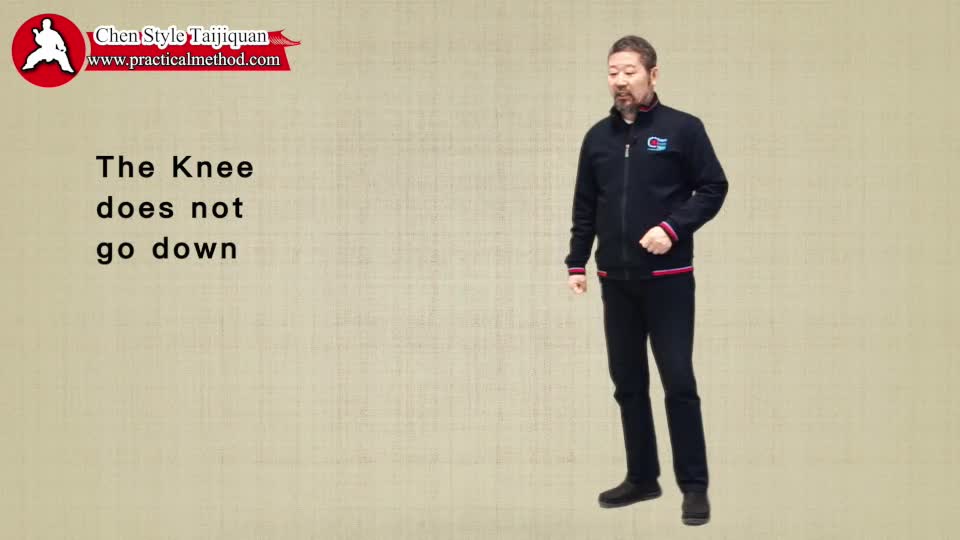
In Practical Method, the knee is not allowed to move and point downwards. In this video, Master Chen Zhonghua shows what this means in the form and how to do it.
Presenter: Chen Zhonghua Length: 4 min. In: English Year: 2021 Difficulty:1/5 At:Edmonton Chen Zhonghua Taiji Academy
_2021-03-09.jpg)
Presenter: Chen Zhonghua Length: 10 min. In: English Year: 2018 Difficulty:1/5
Presenter: Kelvin Ho Length: 73 min. In: English Year: 2021 Difficulty:2/5 At:Toronto Chen Zhonghua Taiji Academy
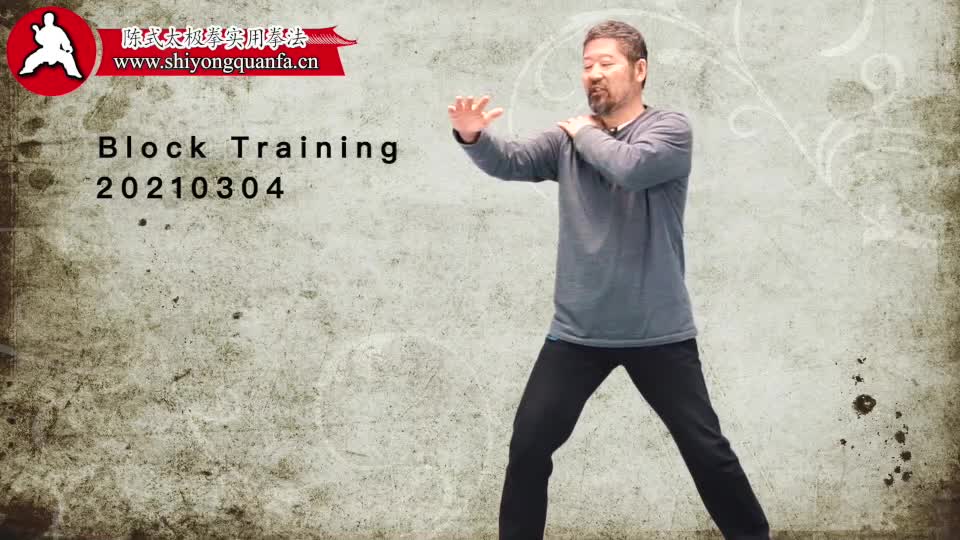
The movements, foundational movements, choreographed movements (routines) are all composed of body part configuration and reconfigurations. These are basic building blocks of taijiquan. In this video, master Chen Zhonghua shows one exercise to illustrate this point. When you regard the kua crease line to the shoulder as one non-divisive block, movements are changed to suit it and therefore cause changes to our physical behavior.
Presenter: Chen Zhonghua Length: 3 min. In: English Year: 2021 Difficulty:1/5 At:Edmonton Chen Zhonghua Taiji Academy
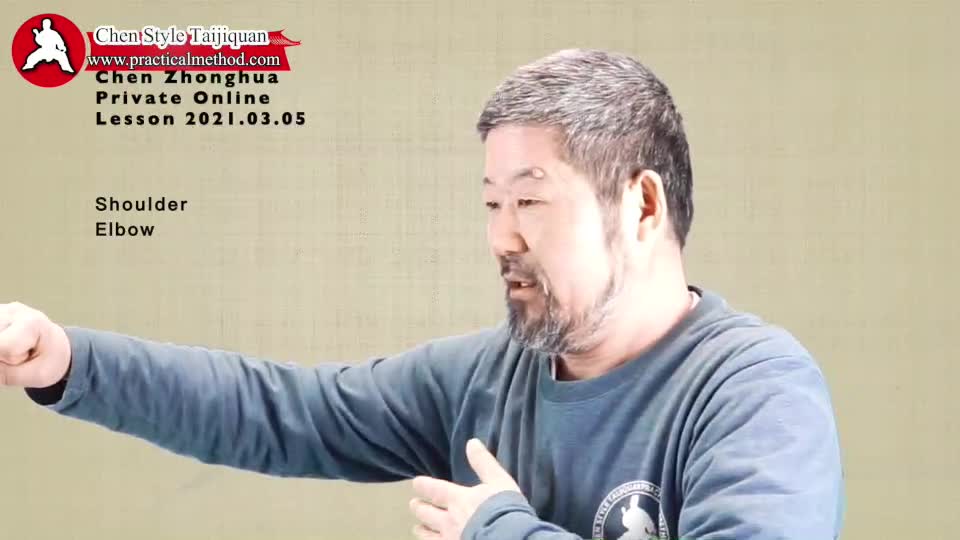
During a private instructor’s lesson, Master Chen Zhonghua teaches how to train the shoulder to add move movements and correct movements to the shoulder.
Presenter: Chen Zhonghua Length: 4 min. In: English Year: 2021 Difficulty:2/5 At:Edmonton Chen Zhonghua Taiji Academy
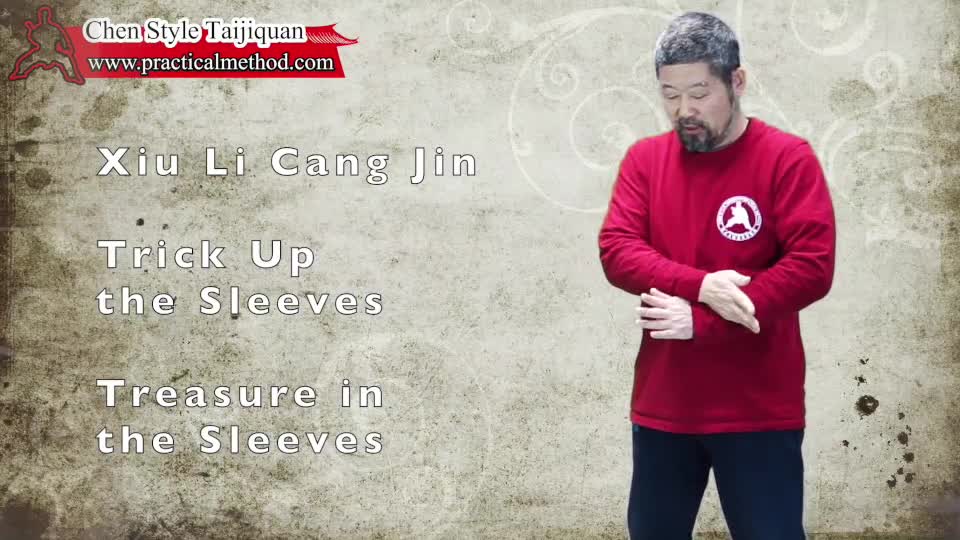
The third move of “Change Palm Three Times” can be trained individually as a separate drill. This drill was discover by Hong Junsheng when observing a habit of Chen Fake…
Presenter: Chen Zhonghua Length: 4 min. In: English Year: 2021 Difficulty:1/5 At:Edmonton Chen Zhonghua Taiji Academy
_2021-03-08.jpg)
Presenter: Chen Zhonghua Length: 10 min. In: English Year: 2018 Difficulty:1/5
During the class I was training the following exercise. I stopped now and then to write down what Master Chen was saying.
Read more
Importance of practicing yilu diligently – only then will you understand what Master Chen is saying – and your yilu will improve.
One principle 分陰陽 (Splitting Yin Yang). Example: Left vs Right. You need a vertical central axis to distinguish L from R. (You need 3.) Same with top and bottom.
六字真言: 不動 旋轉 開胯 (Don’t Move; Rotate; Open Kua)
Read more
_2021-03-07.jpg)
Presenter: Chen Zhonghua Length: 10 min. In: English Year: 2018 Difficulty:1/5
Presenter: Kelvin Ho Length: 30 min. In: English Year: 2021 Difficulty:2/5 At:Toronto Chen Zhonghua Taiji Academy
_2021-03-06.jpg)
Presenter: Chen Zhonghua Length: 10 min. In: English Year: 2020 Difficulty:1/5
Hold a rod not by grabing it with the whole palm, but split the span into two dots. One dot on the index finger underneath the rod acts as the pivot, and another one at the root of the palm placed above the rod acts as the balancing arm. We can tilt the rod the other end of the rod this way without lifting the rod itself.
This is what allows the power to go along the rod to the other end, and it is said to go over.
Read more
_2021-03-05.jpg)
Presenter: Chen Zhonghua Length: 10 min. In: English Year: 2020 Difficulty:1/5
– Today we worked on Pole Shaking (Positive and Negative Circle).
-Pole shaking. Circles. Hand do not come back/reverse. At the beginning when done right, the move is small. Through training, we increase the range. The move overall is synthesized, but each part/move is individual. Arm has no up and down movement. (Arm is in and out). Do the circle horizontally, and the shoulder will get caught, which will be exercised. (tie a knot, then untie). Elbows come in, lock the upper body, bend the knees to go down, then hands go out. Add stepping to increase the range. Later on the moves will merge, and people see the circles. The overall effect is an illusion.
Read more
_2021-03-04.jpg)
Presenter: Chen Zhonghua Length: 10 min. In: English Year: 2020 Difficulty:1/5
_2021-03-03.jpg)
Presenter: Chen Zhonghua Length: 10 min. In: English Year: 2020 Difficulty:1/5
This is part two of the private lesson for David Haro. It contains the most basic elements of Chen Style Taijiquan Practical Method. Fundamental concepts and idea, even before foundational exercises.
Presenter: Chen Zhonghua Length: 57 min. In: English Year: 2021 Difficulty:1/5 At:Edmonton Chen Zhonghua Taiji Academy
Presenter: Chen Zhonghua Length: 10 min. In: English Year: 2020 Difficulty:1/5
Presenter: Kelvin Ho Length: 74 min. In: English Year: 2021 Difficulty:1/5 At:Toronto Chen Zhonghua Taiji Academy
During training (when we are not yet successful), we use extra effort and focus to get it. It is tiring.
Once you are successful, the body gets used to it and will not be tiring anymore. The hair has been combed. The effort has gone through a filter. Read more
This lesson is about staying on topic, and then categorization within a topic.
There are only 3 types of movements in Practical Method: