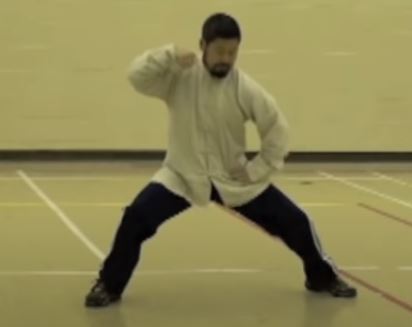
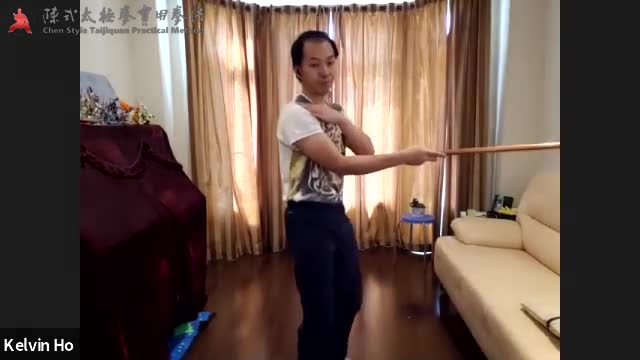
1.Lock the middle, move the two ends, 3 ways; 2. Lock the two ends in a twisted way, break the middle, when doing the lock, the intention of directing the energy is to the middle. 3 ways. The ability to catch. Six sealing four closing. Two hands 90 degree hold a stick, elbows squeeze into the hands, creating forward and back force, accurately aiming to the center of the stick. It is two sets of hands.
Martial arts is not a sport. Real taiji (effect) is dramatic, turning of the joints.
Stretch more, reach far and try to touch everything outside you. Read more
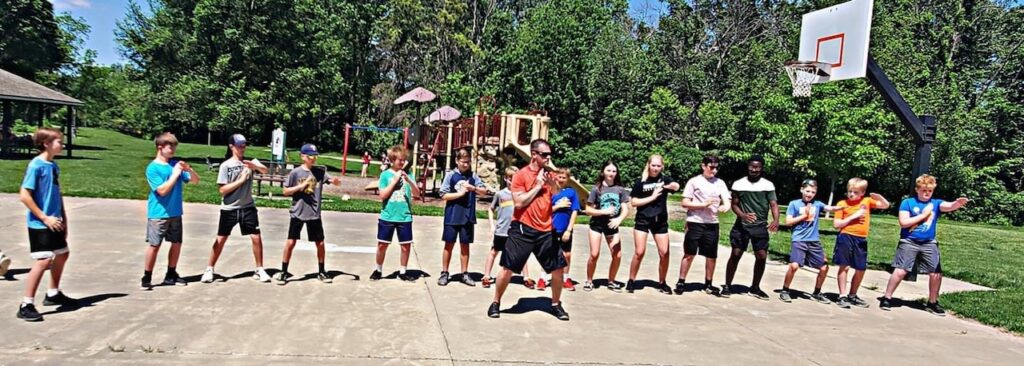
I went to the park to train. It’s the end of the school year so schools have picnics. 5 girls approached me and wanted to learn…so I taught them the first posture. Two school officials approached me and inquired…I gave them my background. It’s a private school and the asked me to teach Taiji next school year. I continued to practice…between yilus a group of 15 kids approached me and wanted to learn….public training is good recruitment of students…
The purpose of having a training is to make practice intentional. It is important to note that I train one thing at a time. These goals are not exclusive; however, it is my main focus. Read more
Yesterday I was pushing hands with a student of mine, Randi. I was focused on maintaining my core and having everything rotate around that. I am training a recent breakthrough. Read more
Torso upright. We tend to lean forward in the forms. White crane spreads its wings, brush the knee, initial closing. We can only lean back, not forward or sideways.
Six sealing four closing. Before the stepping, no movements, only rotate, two gears from the front shoulder-kua axis.
Ground dragon. Put the R hand, shoulder, head and knee onto a wall, push kua to the wall, stick to the wall as one piece, L foot propels the body back. Read more
Lock the left kua, and rotate the right kua around and underneath the left kua.
Twist
Need to break a seal, e.g. how to open a stuck jar lid.
Lock the two hands, use the front elbow to break the line between the two hands.
Lock the two hands, use the front kua to break the line between the two hands.
Break using an action on the outside going in.
Break using an action on the inside going out.
We need to twist ourselves in the setup, we unwind ourselves in the action.
Imagine that you separate our body into top half and bottom half. At the beginning, they are not twisted such that the front of the top lines up with the front of the bottom. You use your top to match the opponent. You change the bottom to face the other way (180 degrees opposite) while the top continues the same. Now that the top half and bottom half are twisted. There is potential energy built up, as you unwind, power is released, and there will be rotational power.
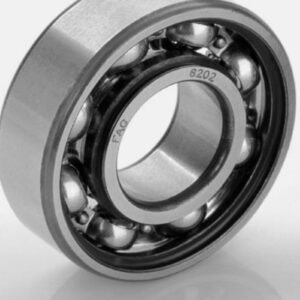
Three parts in ball bearing: outer ring, inner ring and the balls in between we consider as one part.
Taiji is three.
Three steps: 1. Different parts of the body are strong, hard and stiff, which able to combine and recombine into pieces which have the same quality, like the rings and the balls. 2. Establish relationship or connection between different pieces through joints, like the balls seamlessly in between the two rings (through separator and tracks on the rings), engine oil is the joints. 3. Press the button to run the machine. Read more
Kua exercise: 1. Use front kua to draw the circle. Upper body and arms are locked in position, one piece, no move, only use and exaggerate kua movement. You can fold forward and lean back, feet can move to make it even bigger. 2. Use back kua as a hinge/pivot. Front knee can be lifted, lock upper body, arms and front leg as one piece, tight, hinge from the back kua.
All the moves in Chen Style Taijiquan are designed to make your opponent fall onto the back of the head hitting a rock. Read more

_2021-05-26.jpg)
_2021-05-25.jpg)
_2021-05-24.jpg)
_2021-05-23.jpg)
_2021-05-22.jpg)
_2021-05-21.jpg)
_2021-05-20.jpg)
_2021-05-19.jpg)
_2021-05-18.jpg)
_2021-05-17.jpg)
_2021-05-16.jpg)
_2021-05-15.jpg)
_2021-05-14.jpg)
_2021-05-13.jpg)
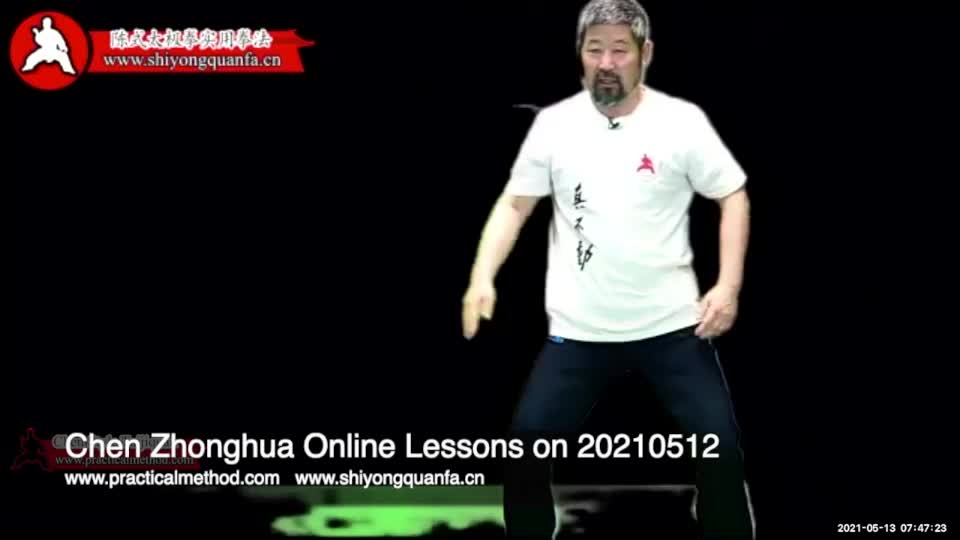
_2021-05-12.jpg)