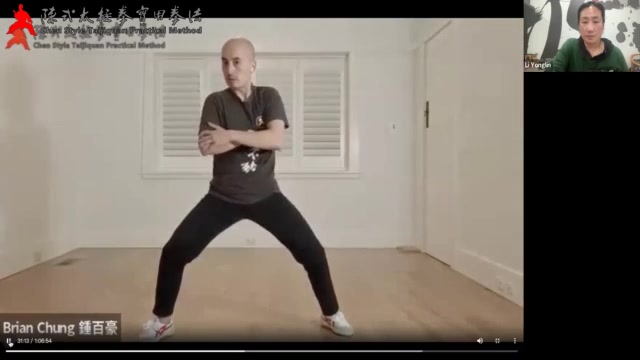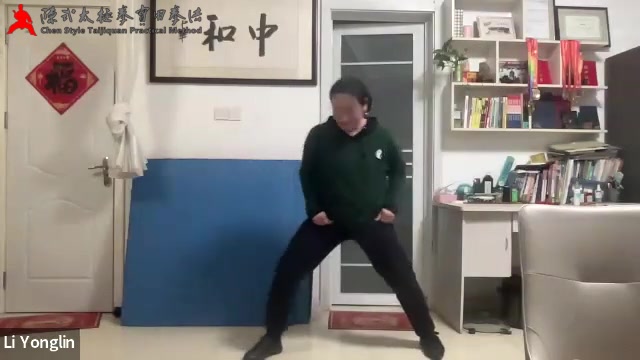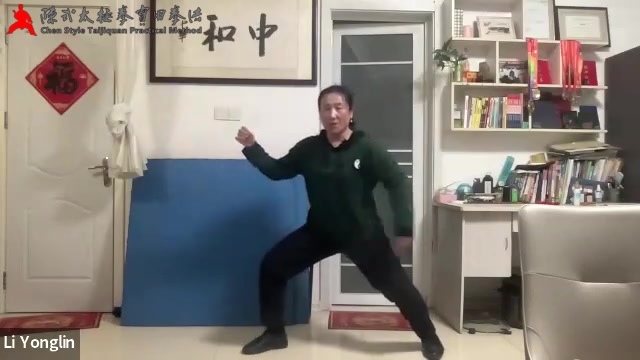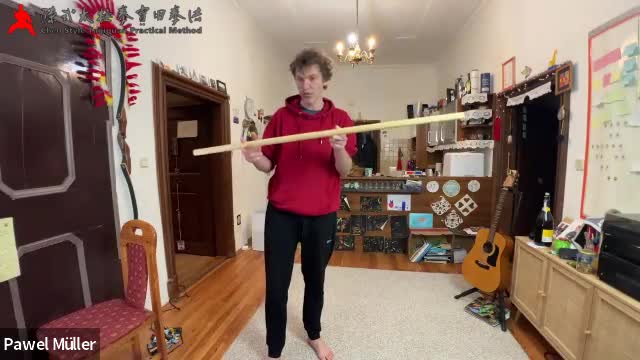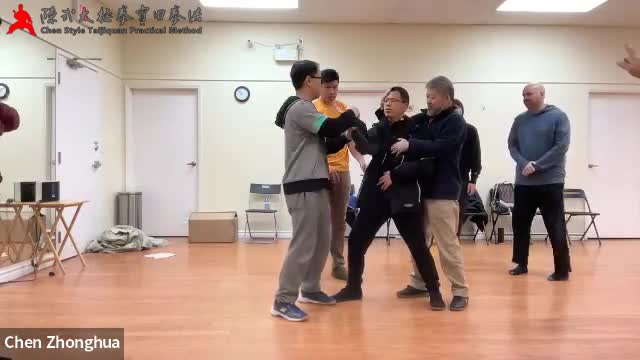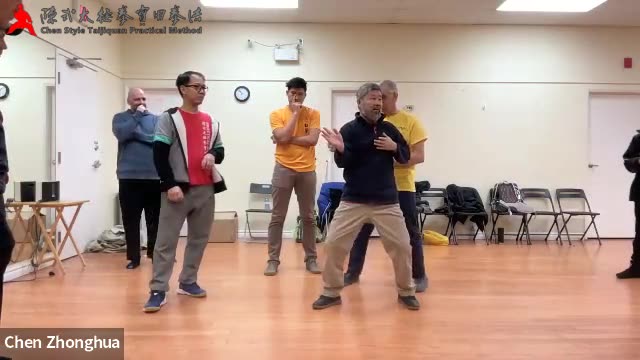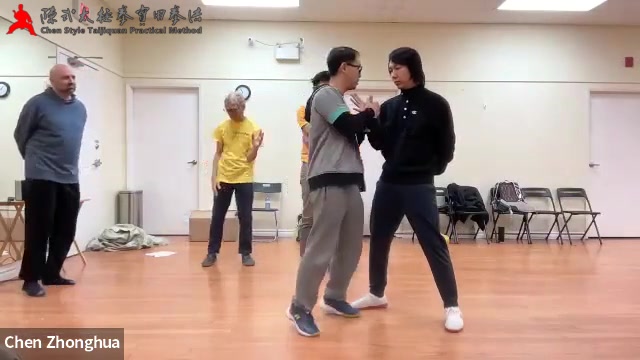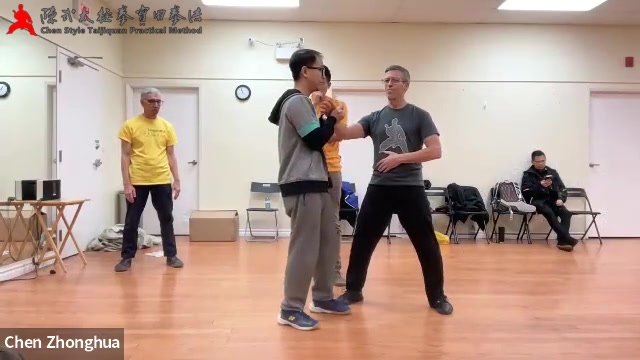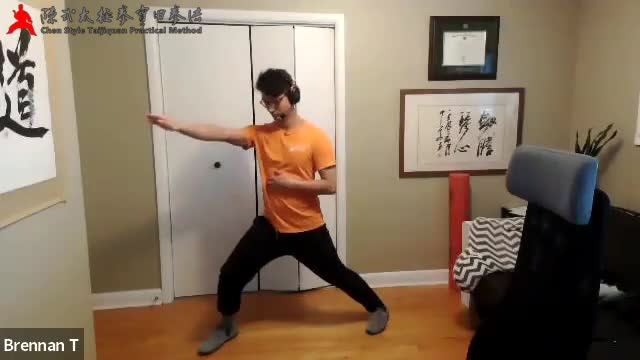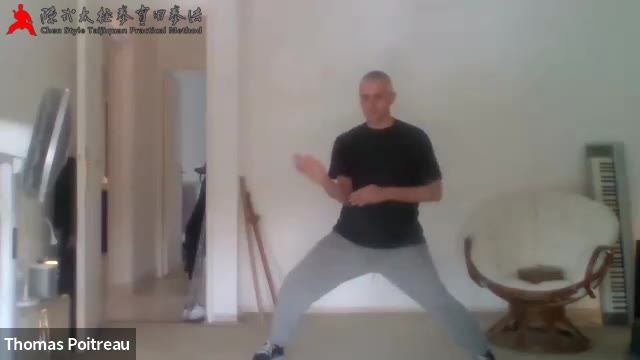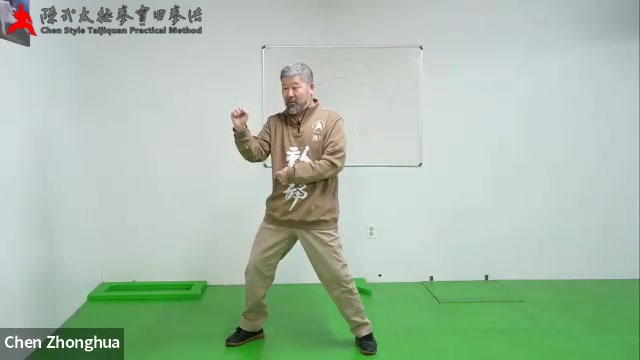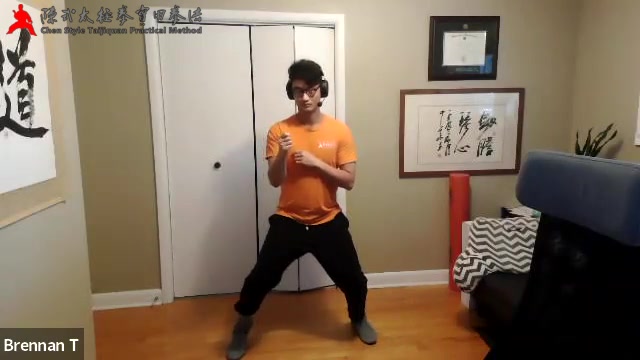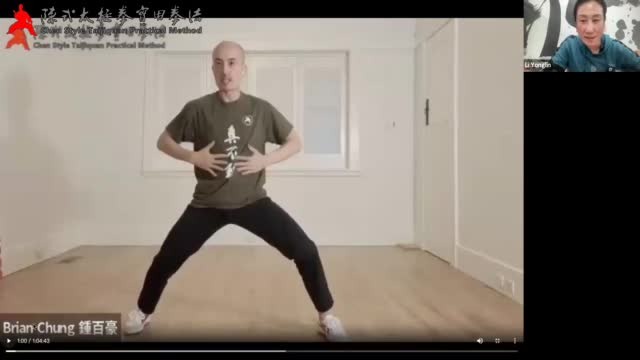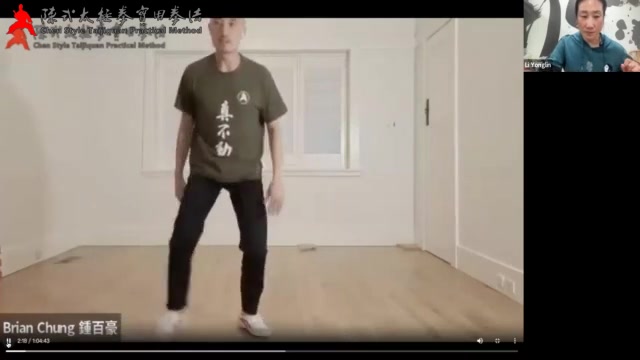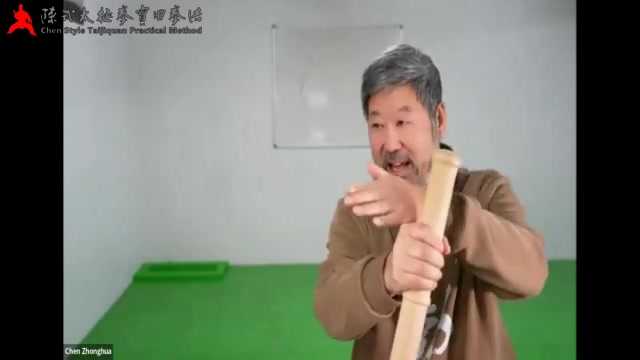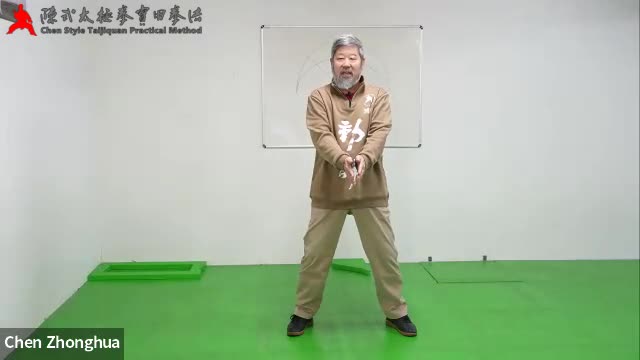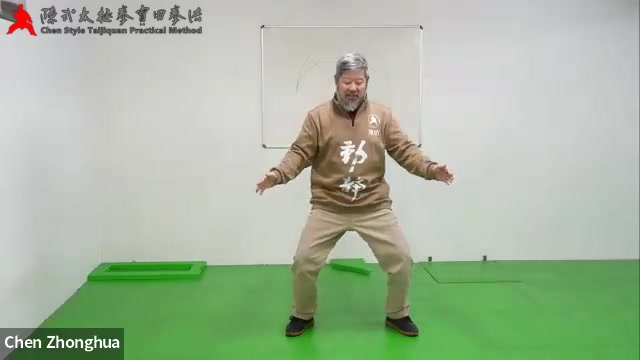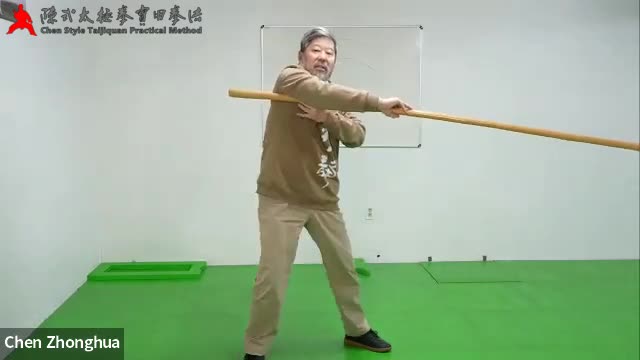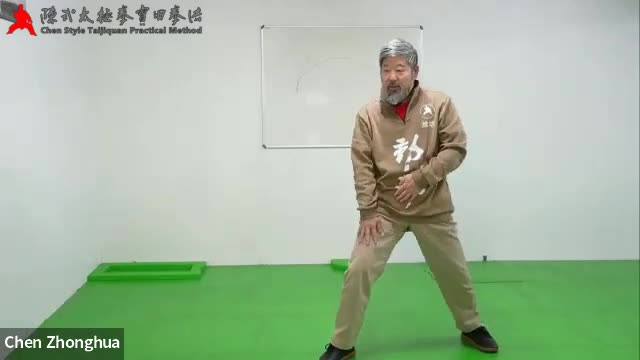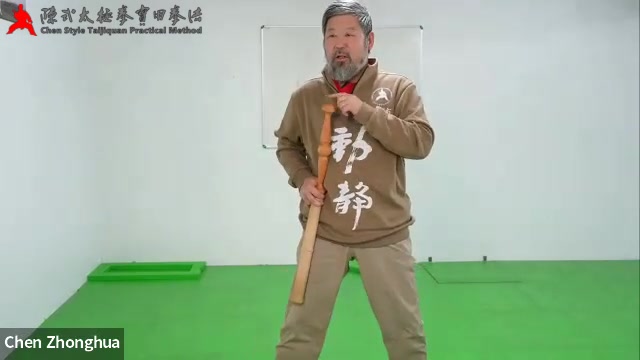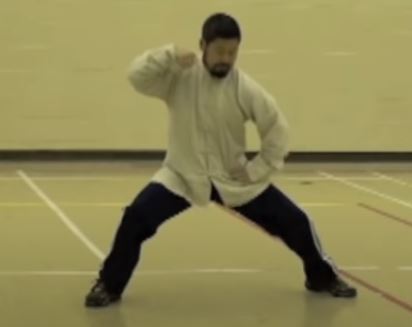
Presenter: Chen Zhonghua Length: 51 mins Difficulty: 3/5 Language: English  
Year: 2026 Location: Edmonton, Canada


View posts in sub-category:
Application Articles Body and Posture Class (Workshop) Notes Common Errors Glossary and terms Hunyuan Knowledge-Movement Explanations Learning Method Principle-Concept Principle-List Principle-Rule Principle-Technical Push Hands Quotations Routine Names Routines Videos Stories Student Evaluations (Private) Taiji Apparatus Taiji FAQ Taiji Sword Thoughts and Understanding Workshop and Class Notes
by Shopmaster on 2026/01/21


by Shopmaster on 2026/01/20


by Shopmaster on 2026/01/20


by Ming on 2026/01/19
![]() |
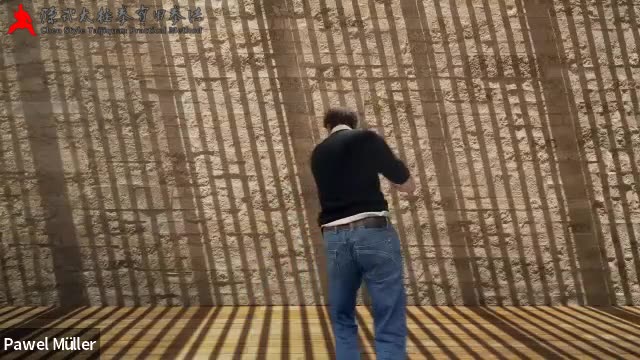
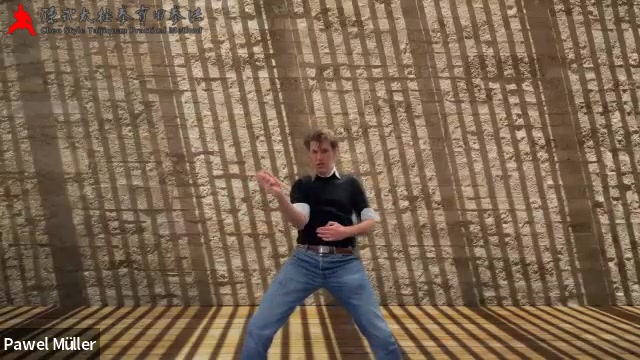
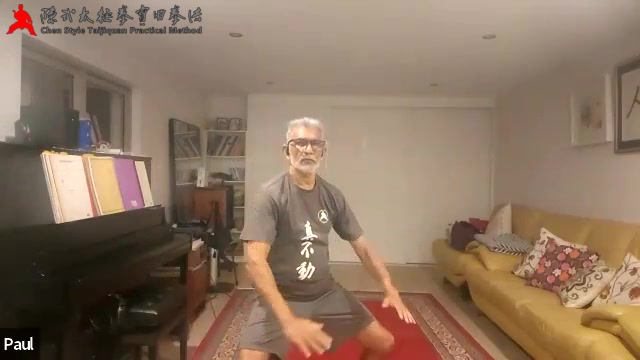
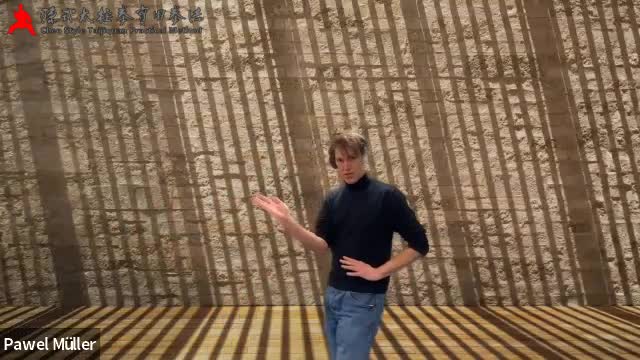
The mechanics of Tai Chi are fundamentally built upon the universal Principle of Three, a concept that not only governs physical structure but also extends to human behavior and operational systems. This principle organizes the body into the Three Rings (太極三環): the stable Ring 1 (内圈/Core), the mediating Ring 2 (中圈/Lever Arm and Major Joints), and the mobile Ring 3 (外圈/Extremities). This mechanical framework is essential for defining structural integrity and efficient power generation in martial arts, establishing Ring 1 as the fixed power source, Ring 2 as the indispensable buffer and kinetic bridge, and Ring 3 as the external application point. |


| Effective force is generated only through the coordinated relationships of adjacent rings, making a direct connection between the Core (R1) and the Extremity (R3) structurally forbidden as it bypasses the necessary leverage of Ring 2. Ultimate power is achieved when all three rings are perfectly and simultaneously integrated, generating a force far greater than the sum of its parts. The core mechanical model is not limited to a simple 2D analysis; it expands into a comprehensive 3D theory of the body and serves as an analogue for general human behavior. The Practical Method of Tai Chi applies this framework through the training of the Positive Circle, which is specifically used to correct deeply ingrained physical and kinetic habits, thereby demonstrating the profound effectiveness of the Three Rings theory in achieving the mastery of integrated action and conduct. | |
| (This is Part 2 of a five part article based on the Three Rings of Tai Chi filmed in 2010, Edmonton, Canada.) |
|
by Shopmaster on 2026/01/16


by Shopmaster on 2026/01/16


by Shopmaster on 2026/01/15


by Shopmaster on 2026/01/15


by Shopmaster on 2026/01/14


by Shopmaster on 2026/01/14


by Shopmaster on 2026/01/13


by Shopmaster on 2026/01/13


by Shopmaster on 2026/01/11
by Shopmaster on 2026/01/09


by Shopmaster on 2026/01/09


by Shopmaster on 2026/01/08


by Shopmaster on 2026/01/08


by Shopmaster on 2026/01/07


by Shopmaster on 2026/01/06


by Ming on 2026/01/03
![]() |
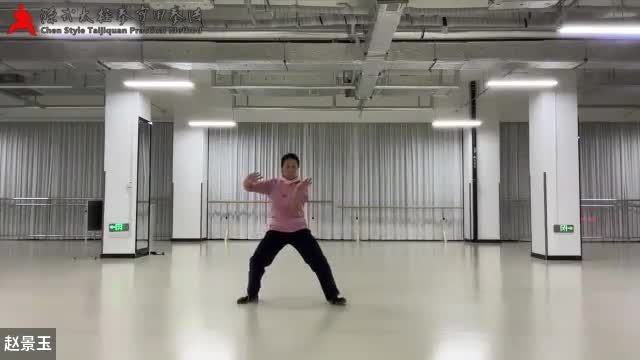
Today’s lesson is on the concept of the Three Rings of Tai Chi (太極三環). Don’t be fooled by the fancy name; this is simply a perspective on a fundamental theory: In Tai Chi, the bare minimum, the essential building block, is a sequence of one, two, and three. We can call this idea the “Principle of Three“. Everything else in the practice—all techniques, coordinated movements, and combinations—is built upon this simple 1-2-3 sequence. For example, 1-2-3 is one complete set. A longer form is just a repetition of this principle: 1-2-3, 1-2-3, and so on. |
| I want to illustrate how prevalent this core idea of “Principle of Three” is, not by explaining how it works in the body yet, but by showing how deeply rooted the concept is in fundamental Chinese thought and is essential for Tai Chi training. | |
| (This is Part 1 of a five part article based on the Three Rings of Tai Chi filmed in 2010, Edmonton, Canada.) |
|
by Shopmaster on 2026/01/02


by Shopmaster on 2026/01/01


by Shopmaster on 2025/12/31


by Shopmaster on 2025/12/31


by Shopmaster on 2025/12/30


by Shopmaster on 2025/12/29


by Shopmaster on 2025/12/26


by Shopmaster on 2025/12/25



by Shopmaster on 2025/12/23


by Shopmaster on 2025/12/23


by John Upshaw on 2025/12/22

by Shopmaster on 2025/12/22


by Shopmaster on 2025/12/19


by Shopmaster on 2025/12/19