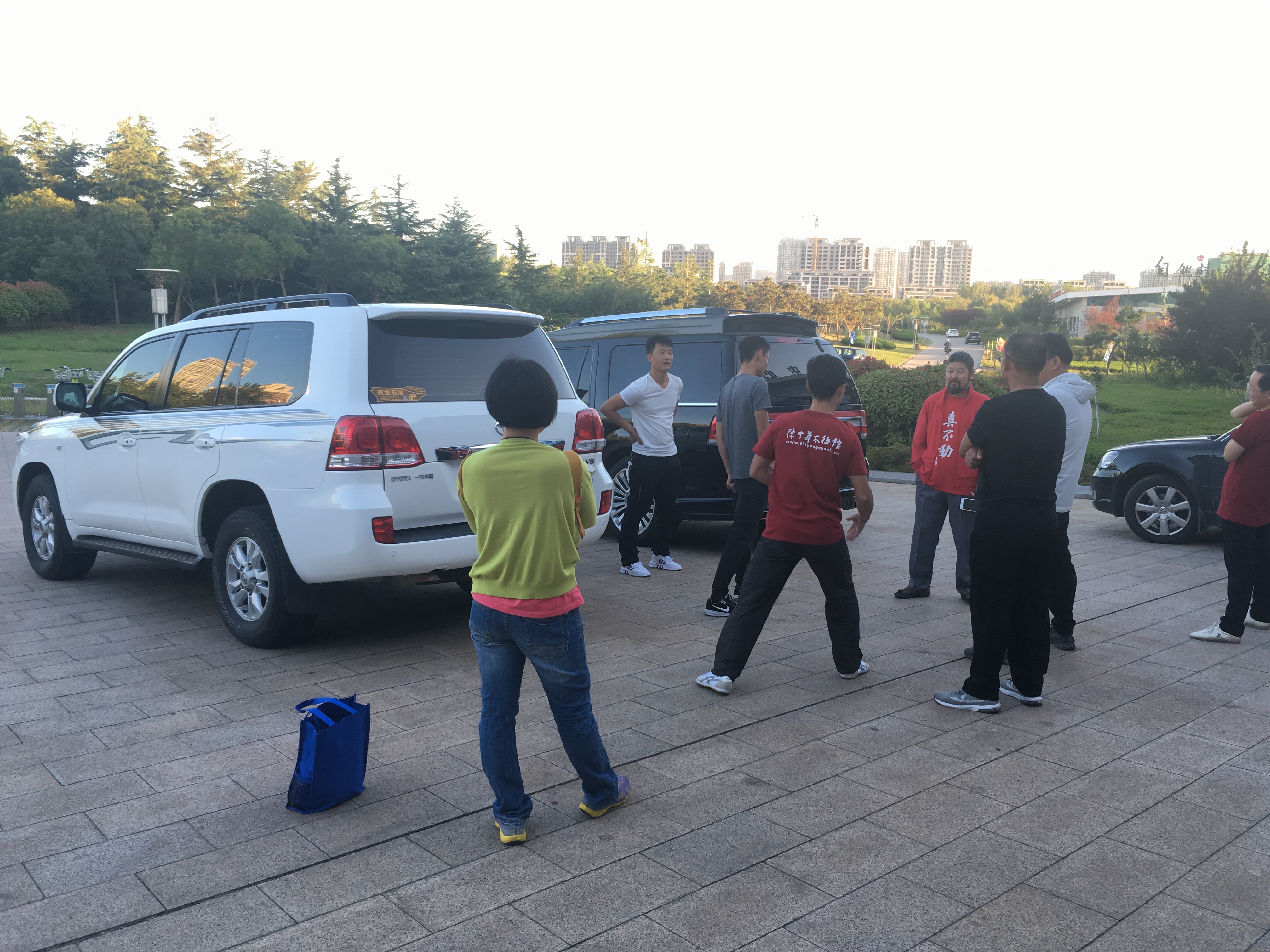
From the 9th to 11th of September 2018, Master Chen and Mister Wang Xin, a big regional liqour manufacturer, took us to Chenjiagou (Chen village), the birthplace if Chen Style Taijiquan! Read more
Master Zhonghua Chen and the Rizhao Chen Zhonghua Taiji Academy team are participating in the Chen Village Push Hands Competition. Master Chen was invited as a guest.
Master Chen Zhonghua and students at Chen Village Competition 2018
In the night from 19th to 20th of August, I arrived on Daqingshan. After I slept of my jetlag, there’s been an early morning gathering for some radio station interview on the 21st. Read more
Presenter: Chen Zhonghua Length: 10 min. In: English Year: 2018 Difficulty:1/5
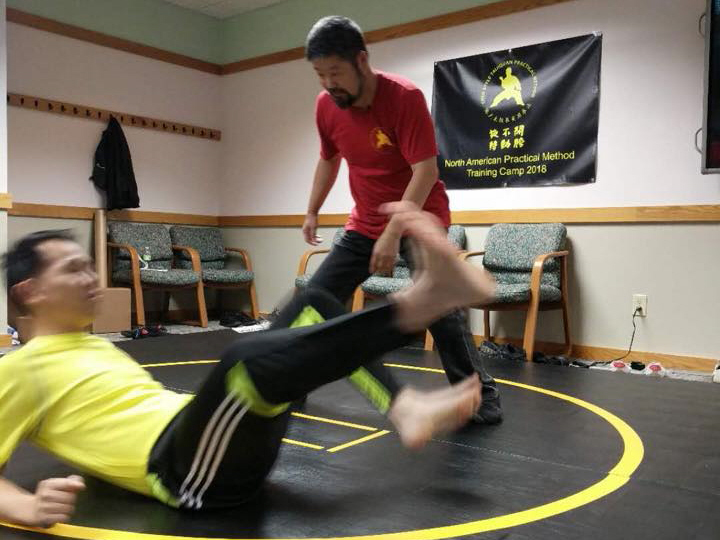
In this video, Master Chen demonstrated how to engage with Levi the Bull, who had tremendous amount of power. Master Chen went in without letting Levi detecting and powering up, and didn’t execute the final action until the setup was complete.
While tumbling to the ground, I have made up my mind to study from Master Chen.
Back in 2003, after watching Master Chen’s Youtube videos, I sent him an email asking if I could observe his class. Among the videos, his demonstration with Michael sticks out. Despite a much more petite statue, tossing Michael around seemed effortless for Master. Later on, I found out that Michael isn’t only a 9th-degree black belt, but he is also a cop who has caught over 200 thieves. Simply put, he is no slouch.
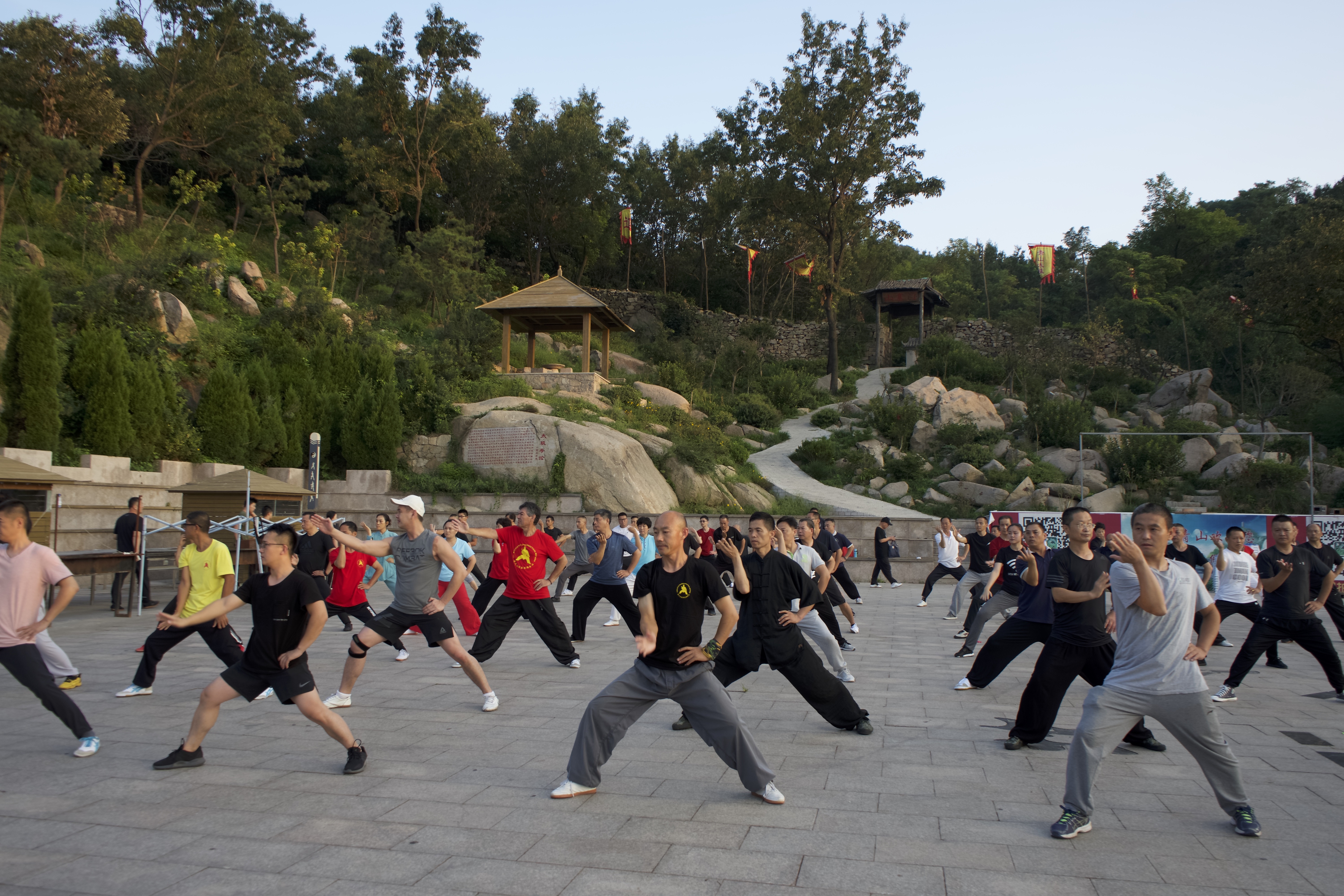
Master Chen Zhonghua’s 28th Daqingshan Seminar on Chen Style Taijiquan Practical Method and Hunyuan Taiji was held from August 11th to 17th, 2018.
Over two hundred students participated at this event. They came from Indonesia, Portugal, and all over China. The youngest participant was 6 years old and oldest was 80 years of age.
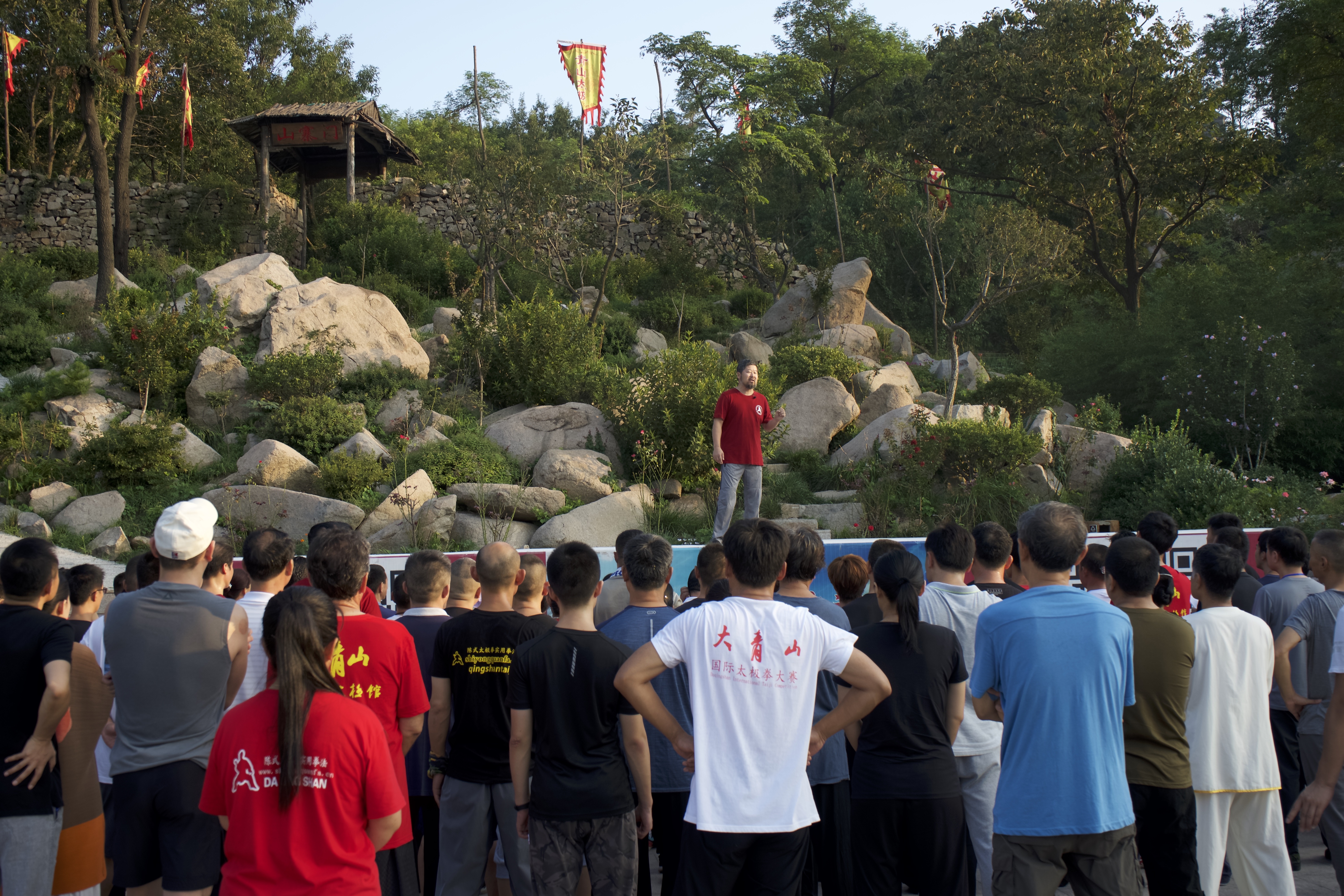
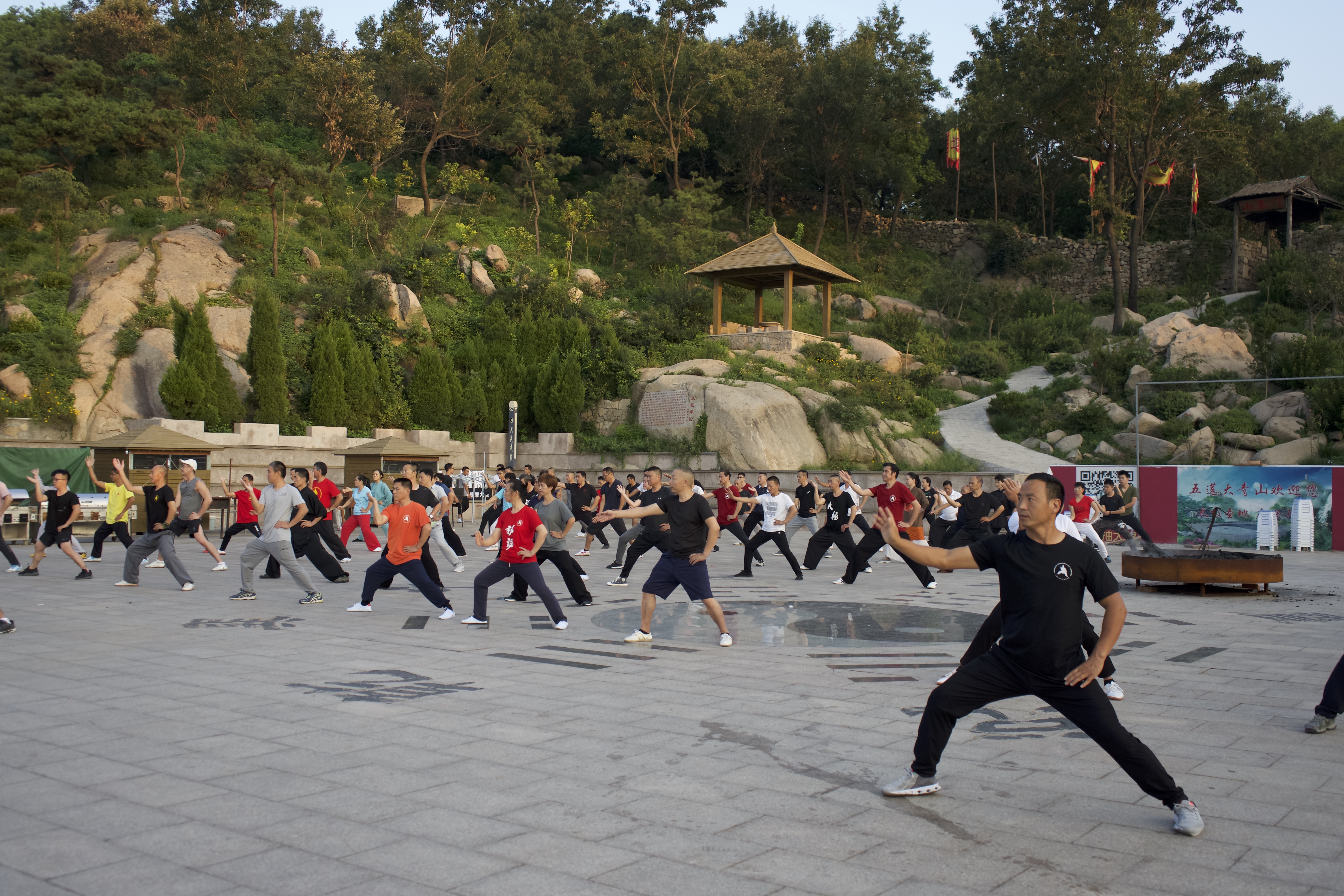
28th Daqingshan Seminar. Master Chen Zhonghua teaches a concept each morning during the early morning session at the Taiji Square on Daqinshan.
28th Daqinshan Seminar Group Photo with Pang Chaoli
28th Daqingshan Seminar Group photo with Ling Ziming
Precision is a word consistently used in Practical Method Taijiquan. But what does that mean in terms of practice? One aspect during Yilu is to not only complete the movement, but to know exactly where that move is aiming towards (which is why knowledge of applications is important). It is not enough to repeat the move, but to understand the energy alignment and aim. As our training continues to develop, and we become more aware of additional body parts (ie: to become aware of the elbow, become aware of the hip, etc.), we are able to aim more pieces towards the same objective – making the move more effective as each body part compounds power on the next.
That same exactness and consciousness of movement is required during push hands. When the foot is being moved, it’s not being moved forward or backwards, but to a very specific spot. The practitioner needs to be aware of exactly where that foot needs to be for that situation, and move it there with purpose.
Every interaction needs to move towards a goal. Too often we push to get a feeling of the other person, to practice getting in a favourable position, waiting for the opponent to make a mistake to capitalize on, etc. This is following our own familiar pattern. Within taijiquan we must be able to change the energy of the interaction without changing the shape.
Efficiency of movement is not changing the position/contact points in order to get into a place that is familiar to us. Rather, it is often to be able to capitalize on the position you are already in. Become comfortable despite being in an awkward position. You have to be able to let go of your ideas on what is a bad position in order to achieve a certain objective. It is often when we feel our body is uncomfortable that our body fights back, getting in our own way of being able to do what we need to do. The mind needs to let go first, train, and the body will follow.
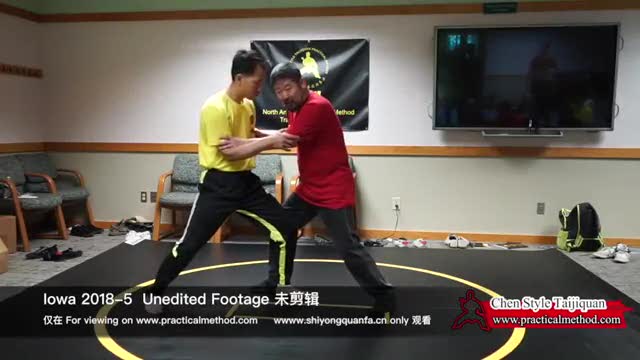
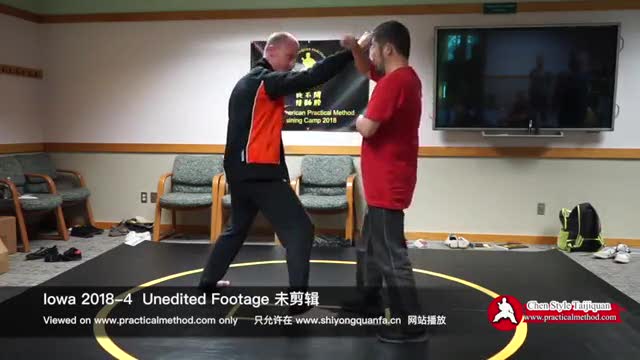
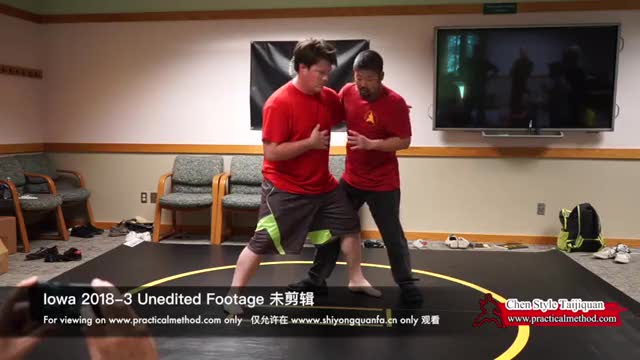
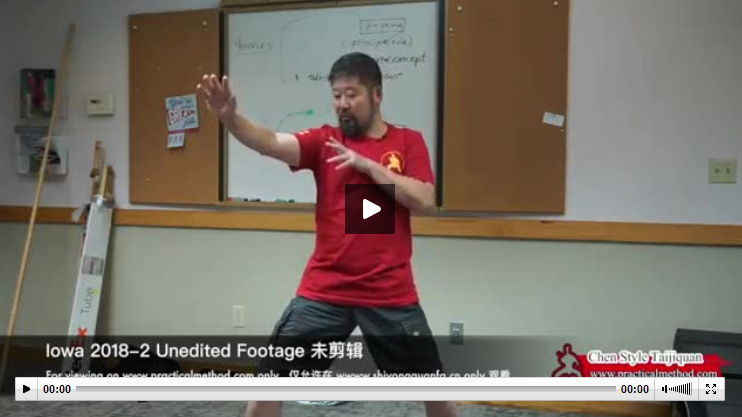
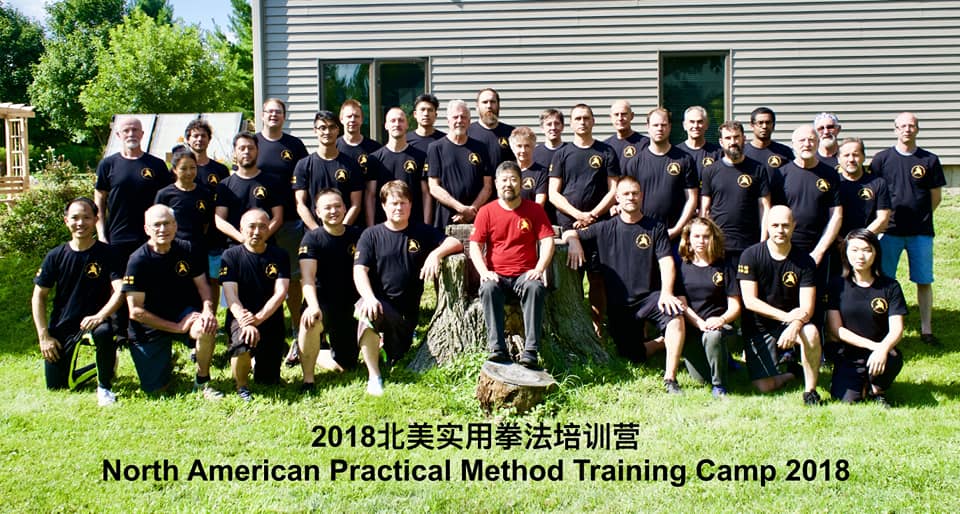
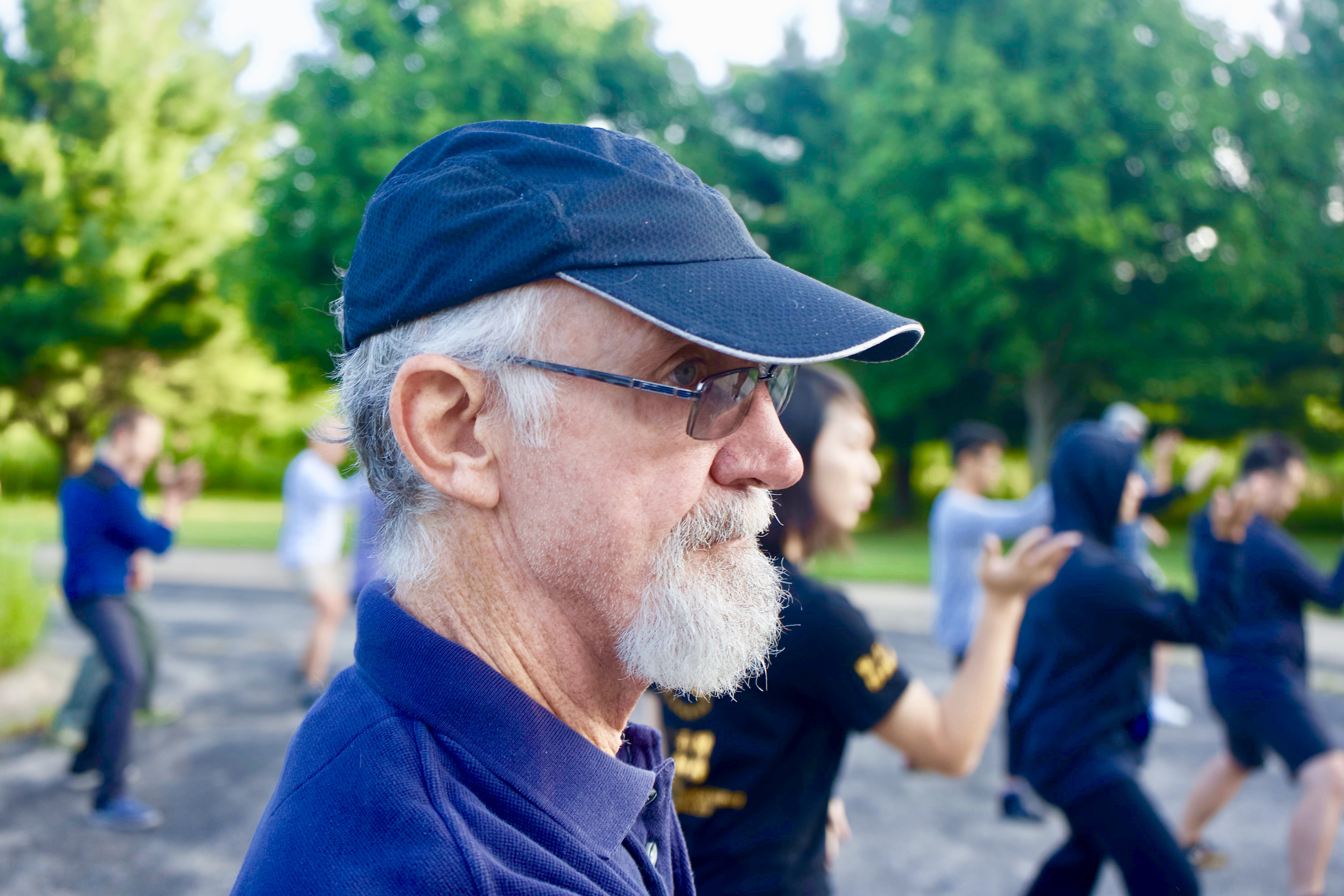
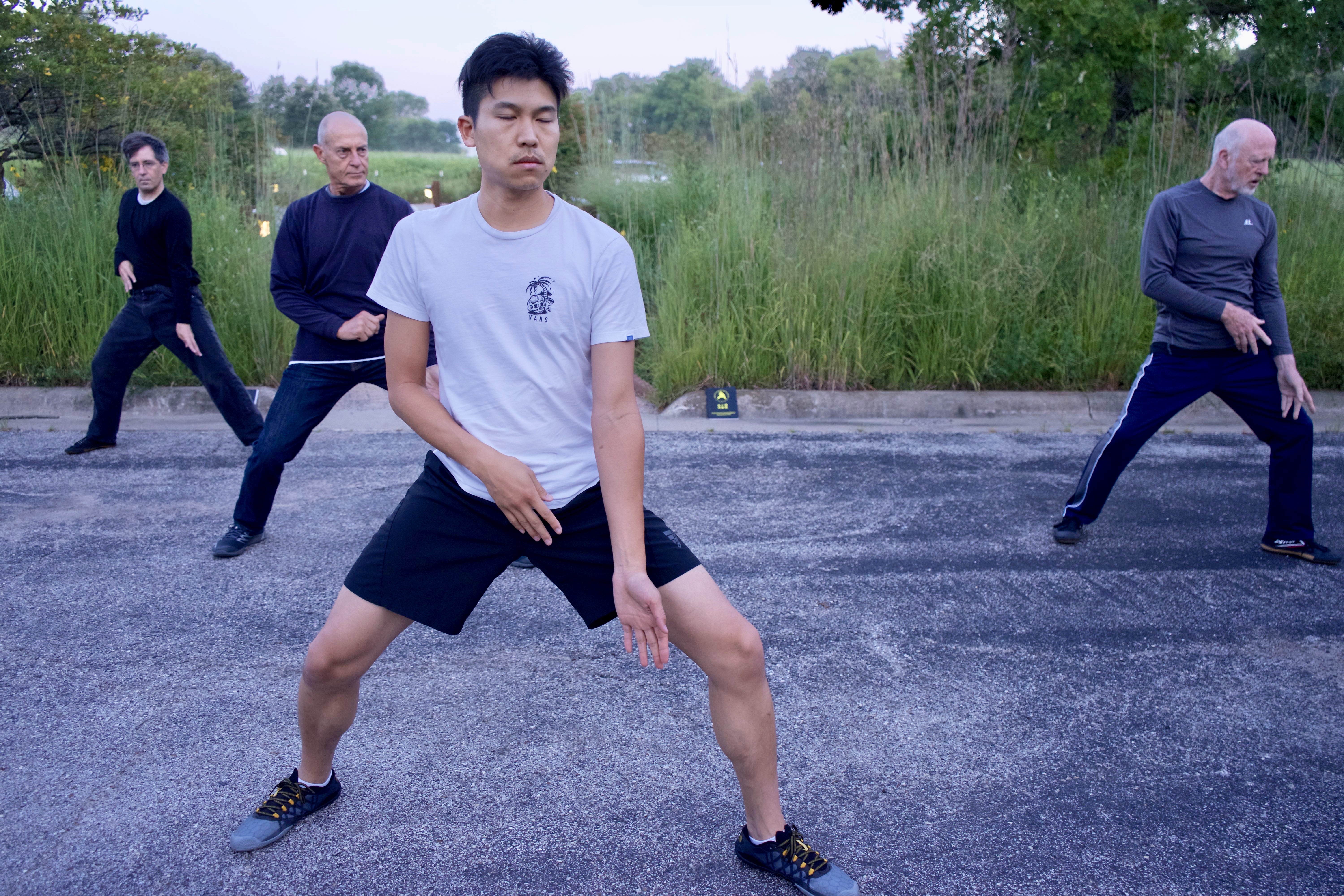
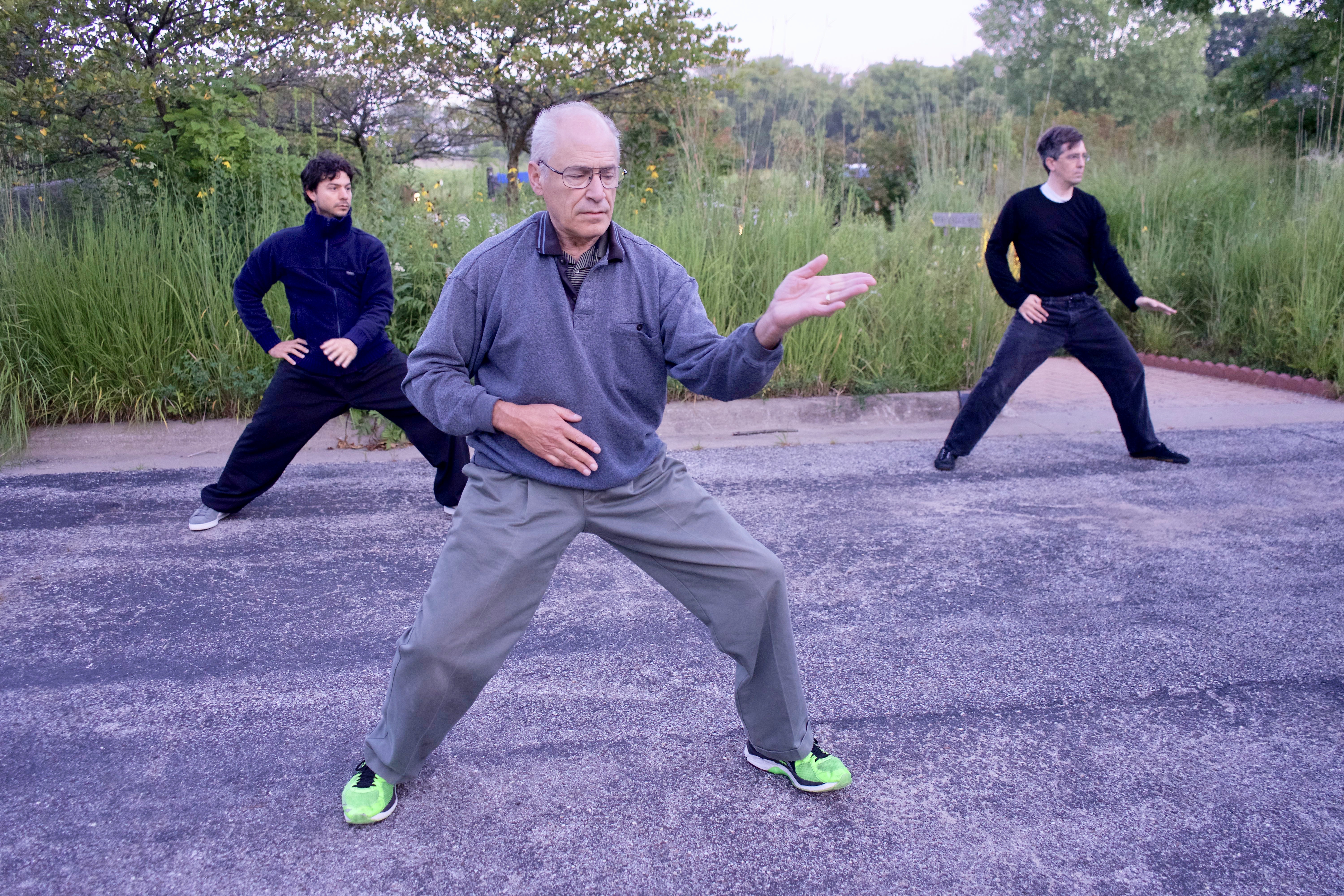
For the second consecutive year the North American Practical Method Training Camp was held at Prairiewoods Franciscan Spirituality Center in Cedar Rapids, Iowa. This seventy acre retreat, located in a mainly residential section of Cedar Rapids, Iowa, provided a relaxed and private location for training. While the center is an outreach ministry of the Franciscan Sisters of Perpetual Adoration it is an informal center with an emphasis on ecology and the many varieties of spirituality. It is easy to mistake the sisters for the volunteers working in the garden or helping maintain the grounds. One of the sisters, who is 80 years old and teaches Tai Chi Chih, a form of Qigong, can often be seen driving a tractor on the grounds. She took a break from her work to watch a group of us practice the First 13. Another sister told me she was happy to see our large, primarily, but not entirely, male group stay at their center, because we provided a different type of energy than is usually found there. My point in mentioning this is to suggest that the folks at Prairiewoods appeared to have enjoyed us being there
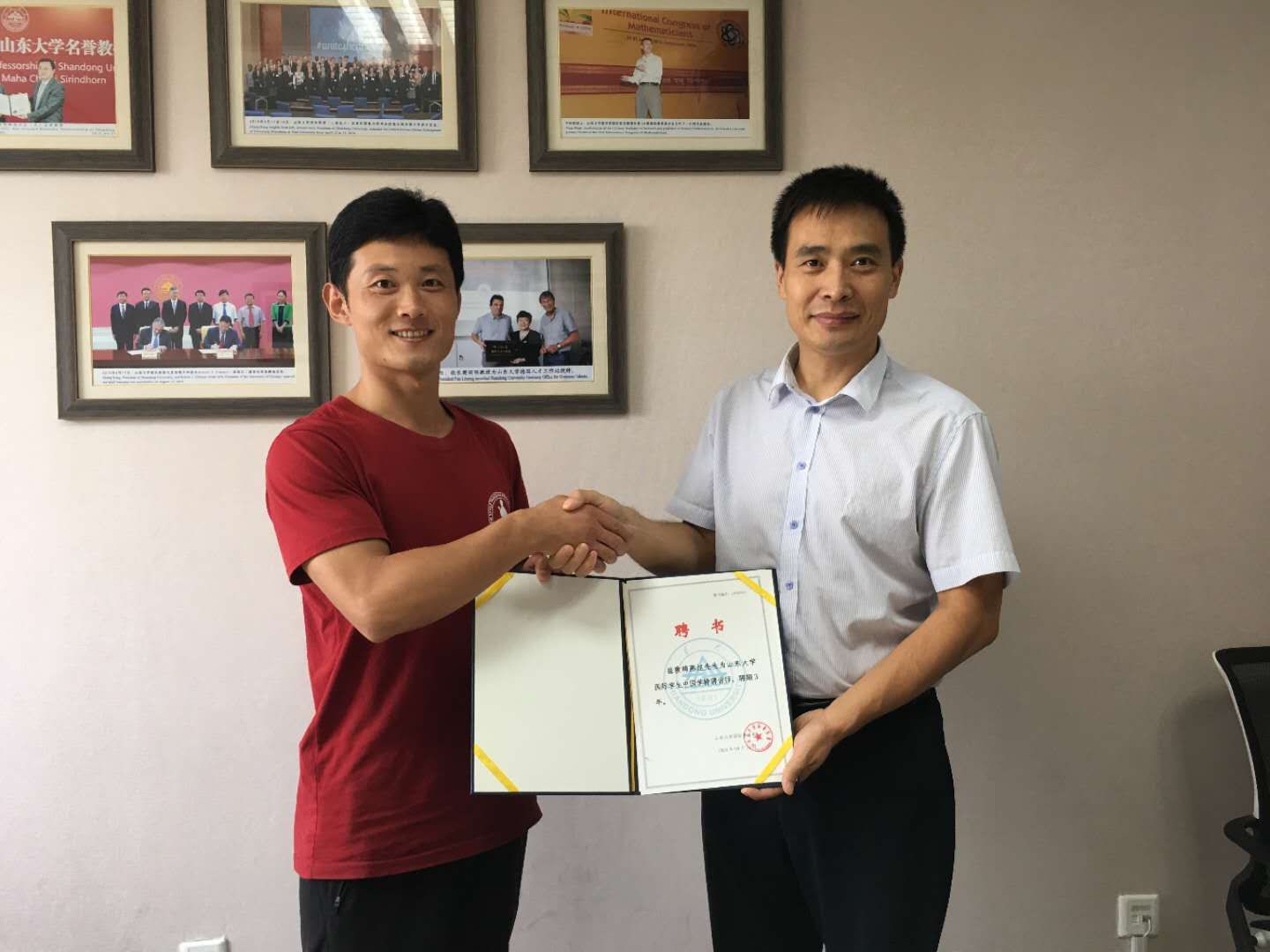
Master Chen’s disciple Ping Wei will again conduct Irvine 1-day workshop. This time Ping will share with us his new understanding on “not-moving” and his lesson plan for his community college teaching. He will also revisit Foundations, more details on First 13 moves and beyond. First timers, beginners are all welcome.
Registration for the workshop is required for all newcomers; the deadline is 9/14/2018. Since Winston will be out of the country next few weeks, Al Yu will be the contact person for this workshop and Winston will still be back in time for the workshop.
In the interim, please direct all inquires to Al Yu at (cell) 949-331-2735, or via email: mralyu@yahoo.com.
My name is Edward Liaw; I currently reside in San Diego, California. I was accepted as Master Chen’s 283rd disciple during the 2018 North American Practical Method Training Camp in Cedar Rapids, Iowa, alongside Nathan Heintz and Spencer Jones. Every day, I am grateful for being a part of a passionate and supportive community of practitioners, students, and teachers. Read more
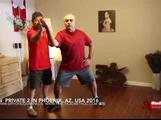
My name is Benjamin Benefiel and I live in Phoenix, Arizona, USA with my wife and two young daughters. On January 21, 2018, I became Master Chen Zhonghua’s 259th disciple along with taiji brother Winston Wang. I grew up near Chicago, Illinois before moving to Phoenix area for graduate school in 1999. My appreciation of martial arts began as a child with karate lessons and a love of ‘kung fu cinema’. During my 20s and early 30s, I studied various styles of martial arts intermittently (including Baguazhang, Xingyiquan, and Deng family Sengmenquan, as well as a very small amount of experience with Yang style Taiji which was taught only as a health exercise). Chen style Taijiquan always held a strong fascination for me, but I was never fortunate enough to find a teacher. Read more
Nathan Heintz was accepted as Master Chen Zhonghua’s disciple on July 28, 2018 at the North American Practical Method Training Camp in Cedar Rapids, Iowa.
*** Square brackets [ ] are used to show my own attempt to add clarity, and not necessarily the words of Master Chen
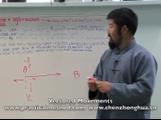
P1:
Beyond the contact point you have to stretch forward
Behind the contact point you have to stretch back
Threading…like coaxial cable…pulling dough to stretch it thin
Produce a dot
Everything behind has to line up with front finger (which is pointing at the target) and makes it’s way to the rear foot…you need every body part to complete the job Read more
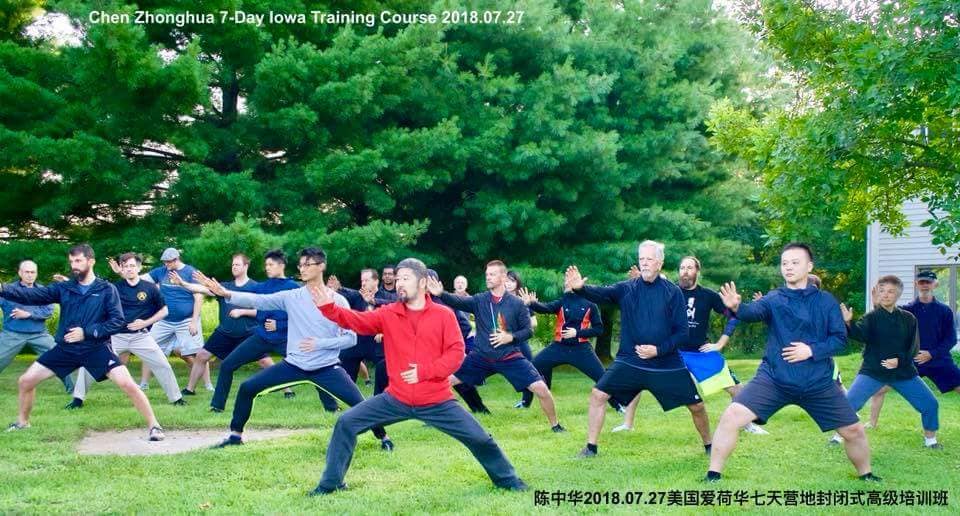
What brings 40 people and 16 disciples to the little city of Cedar Rapids, Iowa? For over a dozen years, Master Chen Zhonghua has been visiting the American Midwest to teach Practical Method and introduce people to Chen Style Taijiquan. Students visited from New York, Texas, Hawaii, Arizona, Colorado, Arkansas, Ohio, California, and Canada to train and learn. Read more
We are collecting people’s impressions of Master Chen’s ability in the format of a short and concise description. Is there anything that shocks you when you met him for the first time? Please add your own impression as a comment below. The following are a few examples:
Wall – Kelvin Ho
Spear that pokes at you – Kelvin Ho
Body is different from a normal person – Kelvin Ho
Able to move individual body part – Kelvin Ho Read more
I’m extremely pleased at what I’ve taken away from the camp. I have a lot to work on between now and the next Master Chen Zhonghua workshop, for instance: Read more
My name is Vincent den Hengst. I am from the Netherlands, Utrecht, where I started practicing Hunyuan taiji under James Fletcher in 2007. From the beginning, I kept exercising daily. In 2013 I stepped over to Practical Method. In 2014 and 2015 I went to Daqinshan for two months in total and observed several workshops since 2013. I regard Practical Method taiji as taught by Grandmaster Chen as the highest possible region of martial art, so I feel lucky and happy I finalized my life’s queeste to find the one martial art.