 I started learning practical method on 2005. I had a lesson once a week from one of Master Chen’s disciples. At that time I practiced maybe once per week.
Read more
I started learning practical method on 2005. I had a lesson once a week from one of Master Chen’s disciples. At that time I practiced maybe once per week.
Read more
Online practice groups are a way to support and motivate each other along our Practical Method journey.
Anyone learning Practical Method can conduct an online foundations practice group regardless of where you are in the world.
This is a post I found drafted but had not published. I thought I would finally share what I had written two years ago in 2018. It’s now March 2020.
……….
The value that you get from Master Chen Zhonghua’s Practical Method workshop is immeasurable. This is was my fourth workshop and I cannot explain just how much was packed into the two days.

Dear fellows,
I also want to announce it here, especially as our Taijiquan is a very central part of our life, that we are up to create a new community within the international township of Auroville, South India.
This should become a self-sustainable project, including training facilities, farming and all sort of arts, music, handcrafts etc. But more than that we want to Read more
Presenter: Chen Zhonghua Length: 9 min. In: English Year: 2019 Difficulty:1/5
Move the Middle (fix the two end and move the middle). Fixed the thigh contact; fix the hand elbow contact; use the kua movement to complete the action.
The last day of the 2020 March Zhonghua Chen Toronto Practical Method Workshop. By Chen Zhonghua and David Dahms.
Presenter: Chen Zhonghua Length: 9 min. In: English Year: 2019 Difficulty:1/5
This is that (concept)
–I missed a good deal today, especially right after lunch, but these are the notes I took–
Foundation practice and Yilu are to warm up the body. The body must be separated into Yin and Yang, structure and action. The body has to completely lock up with the exception of one piece. Then an action has to move that one piece. The action has to be outside the body, but it’s also in the body. It’s like a hand with a powerful grip on a screwdriver. The hand is not part of the screwdriver, but it is part of the screwdriver. All the action comes from the hand, none from the screwdriver. But they move as one.
We have to learn to get a hold on a line. Ignore the arm or whatever it is and just get a hold on the line. A hold requires being on both sides of the line. Scissors are designed to get a hold, to get on both sides, of something as thin as paper.
The power used to throw a cotton ball at someone is the same as the power used to throw a stone at someone. The difference is the cotton ball absorbs that power on impact, while the stone transfers that power to the person it hits on impact.
To deal with a solid object, use a stick. To deal with an object that’s not solid, use a bow and arrow. These two structures can be seen all throughout the world. They are fundamental.
The highest level of fighting is when someone adds the third dot to a line and finishes the opponent’s move for them. Taiji is unclear in a way that is clear. The three dots are totally independent and unrelated to each other, but they must happen at the same time. It is as though a professor is teaching a large class, and everyone is listening and paying attention at the same time, but they are listening and paying attention independent from each other. Our movements are completely separate from each other, but the opponent feels one move. A qun (large mythical bird) and a gnat cannot understand each other, the qun lives for millions of years, the gnat from 9:00 AM to 3:00 PM. And yet, their stories are the same: birth, growth, sex, reproduction, decay, death. They cannot relate, but it’s exactly the same. Taiji is everything put together by one thing: time
Yilu and foundations are for warm up
Presenter: Chen Zhonghua Length: 9 min. In: English Year: 2019 Difficulty:1/5
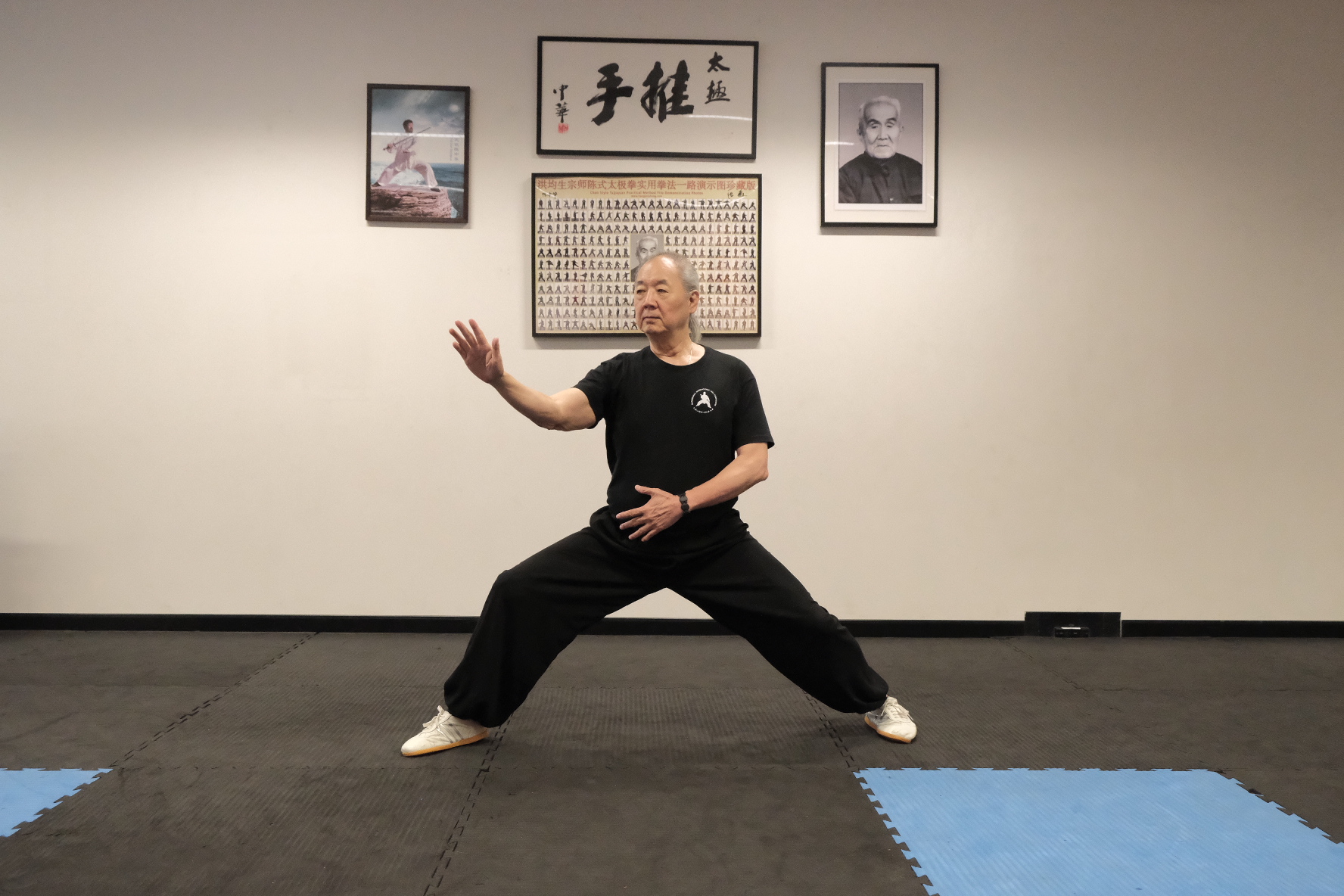
John Saw at Sydney Chen Zhonghua Taiji Academy – 8 March 2020
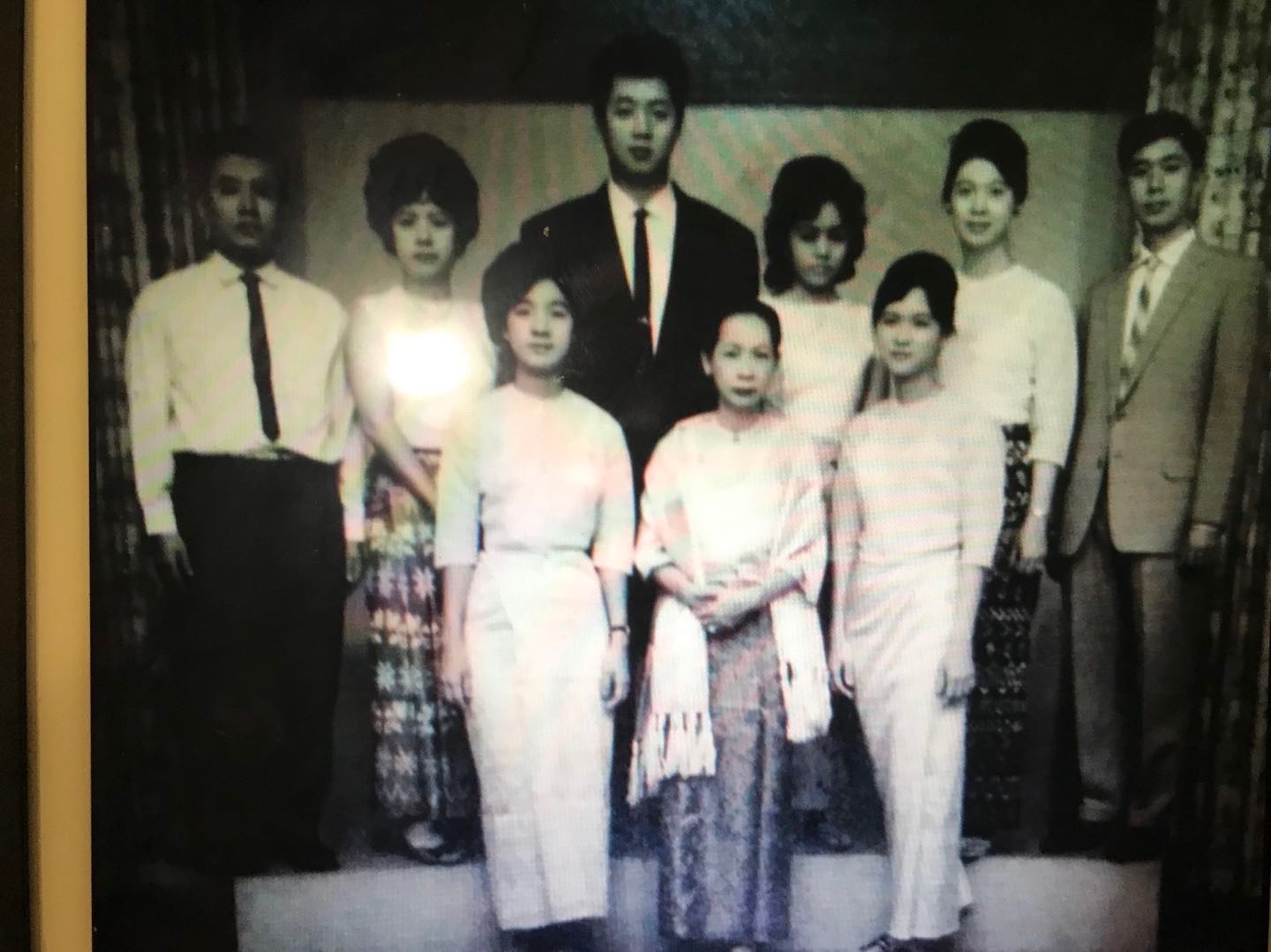
John Saw – Burma Days
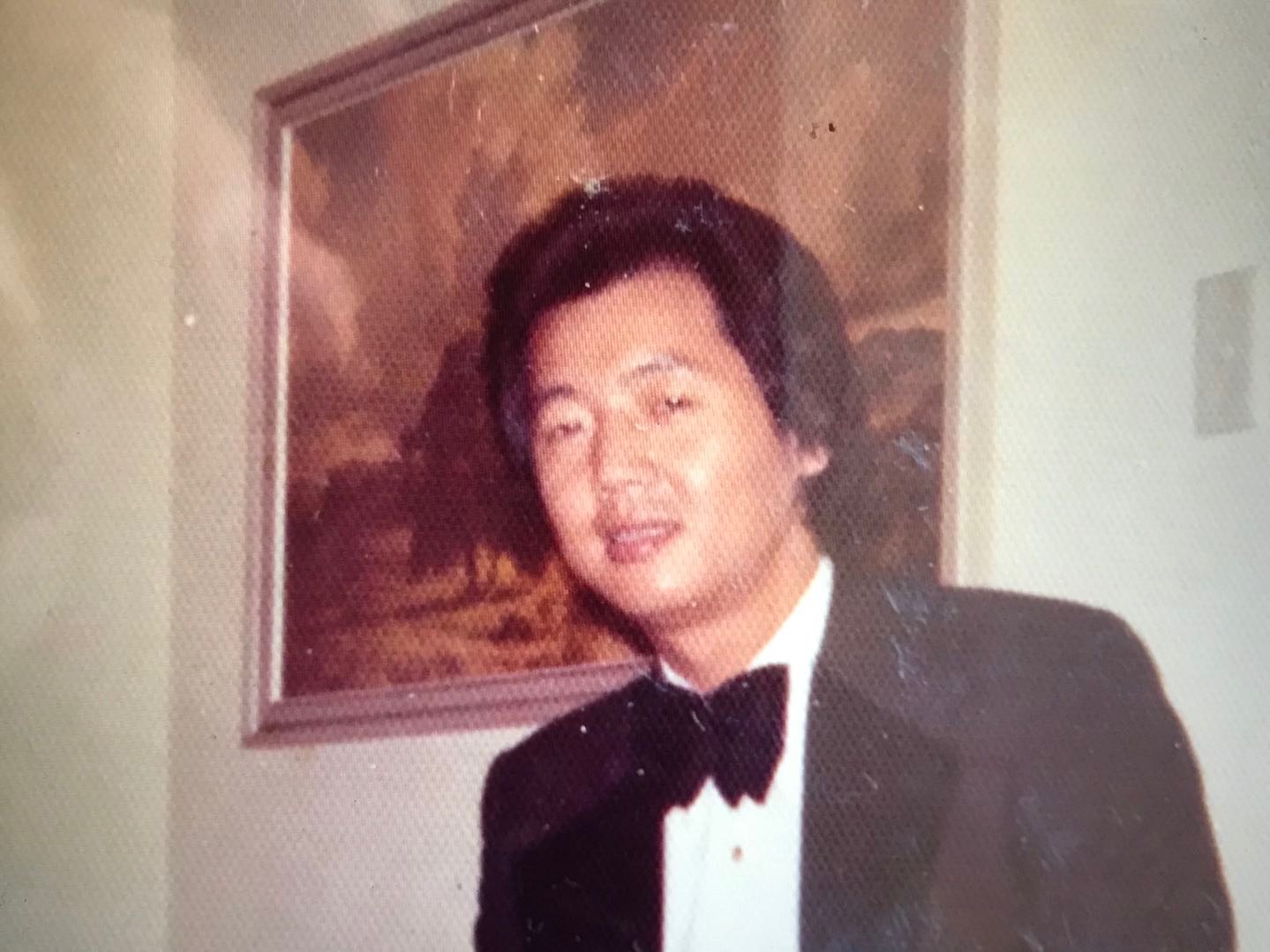
John Saw – Burma Days
John Saw – Gambling Days
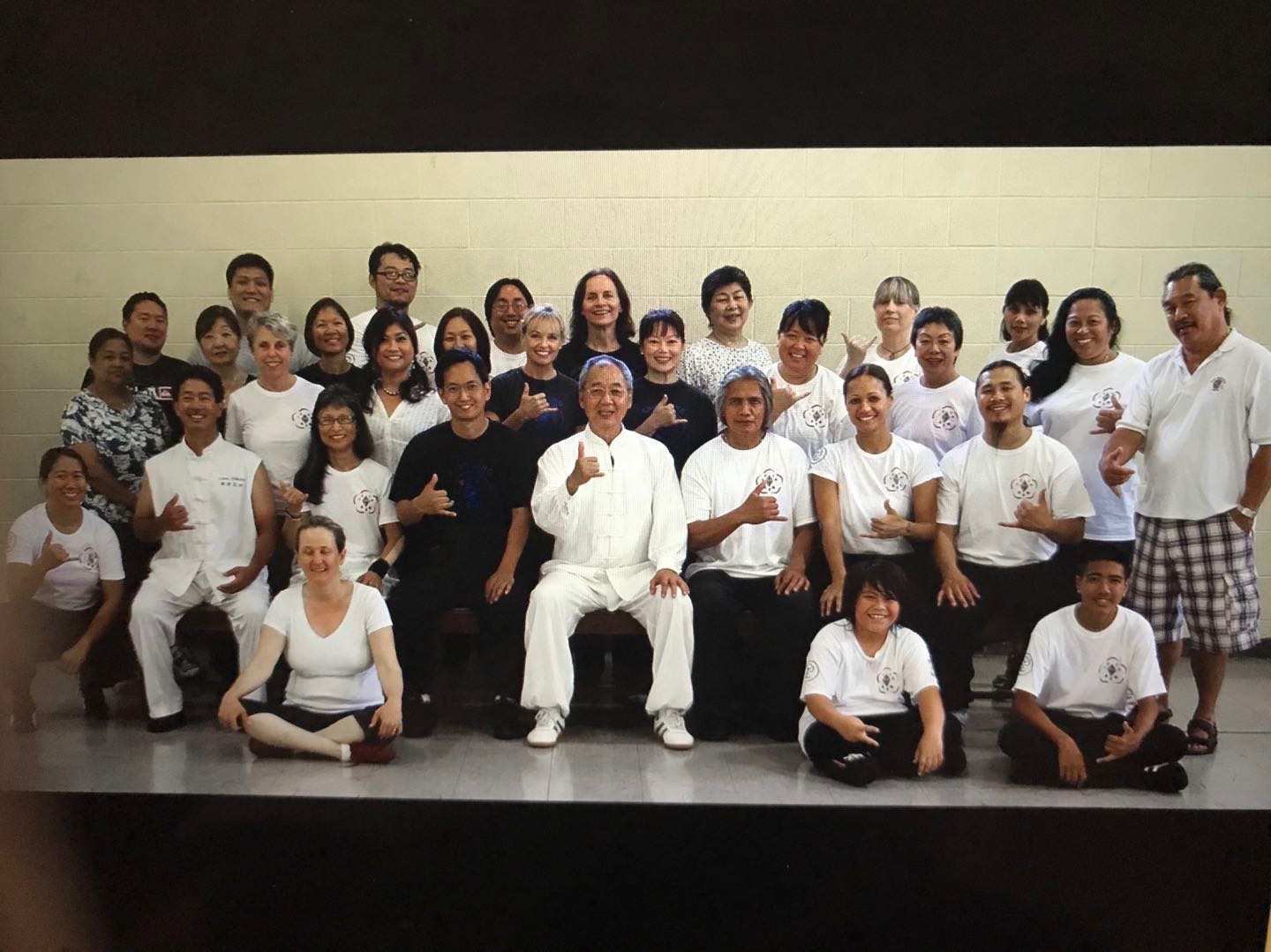
John Saw – Qigong Days
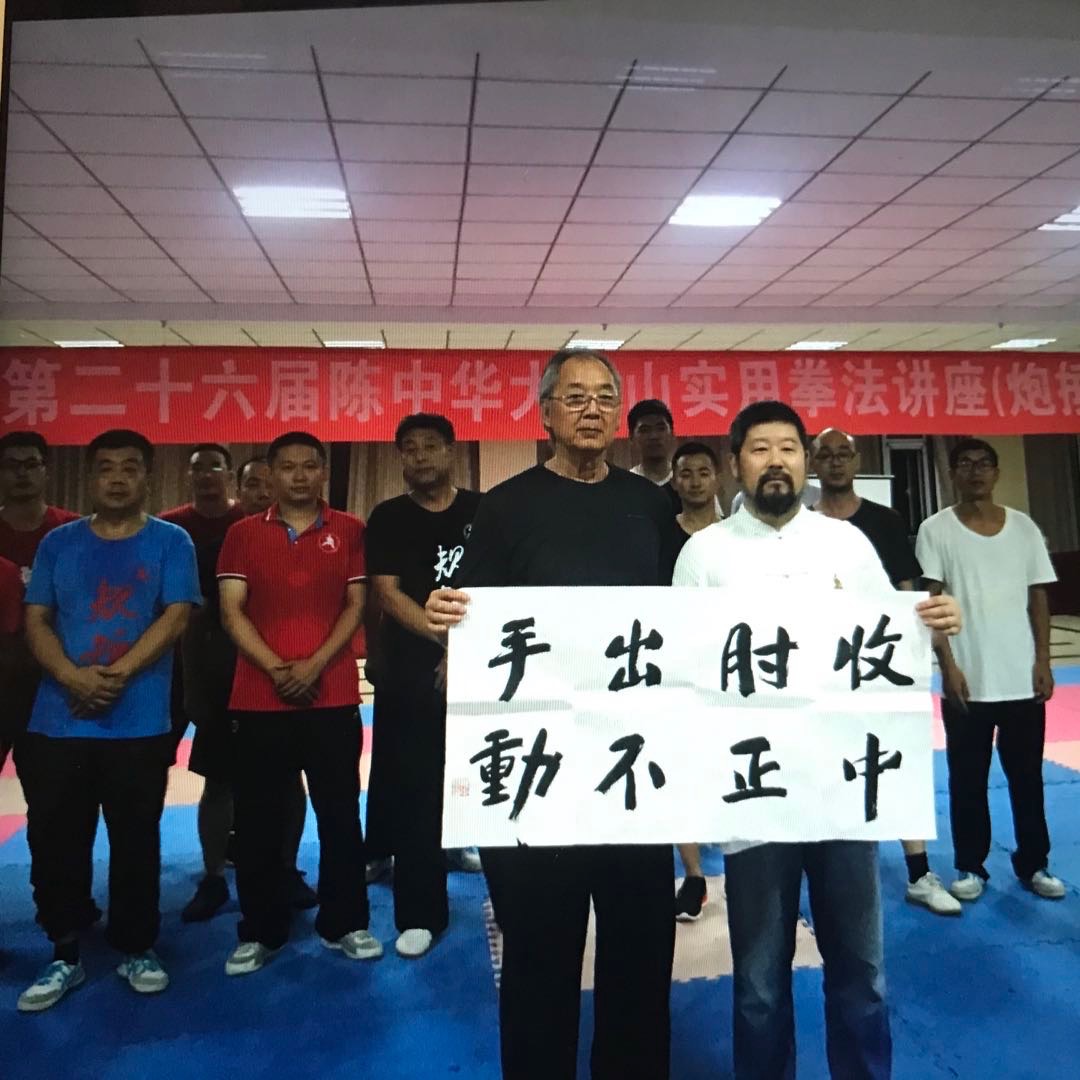
John Saw with Master Chen Zhonghua at Daqingshan
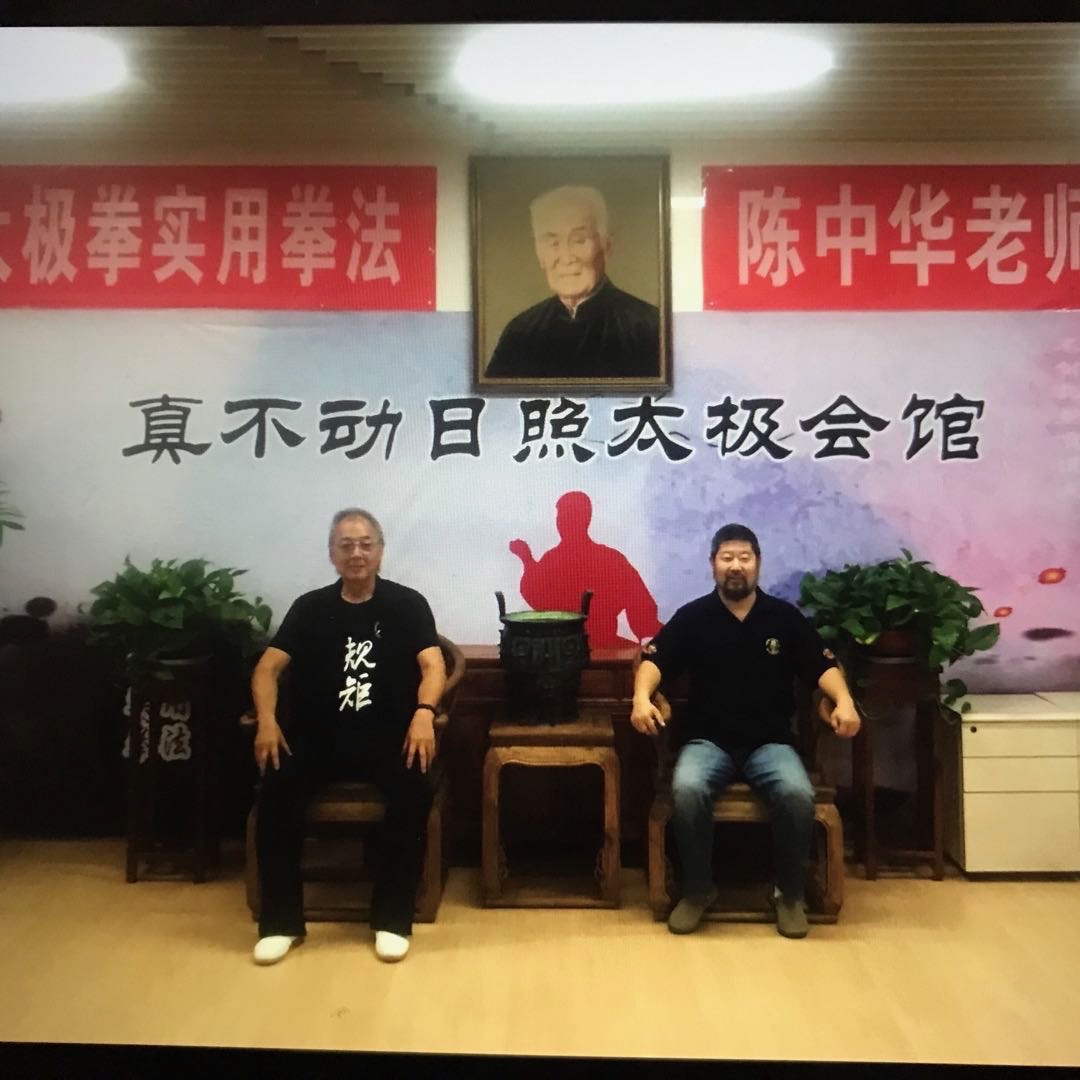
John Saw with Master Chen Zhonghua at Zhenbudong Rizhao Taiji Acacdemy
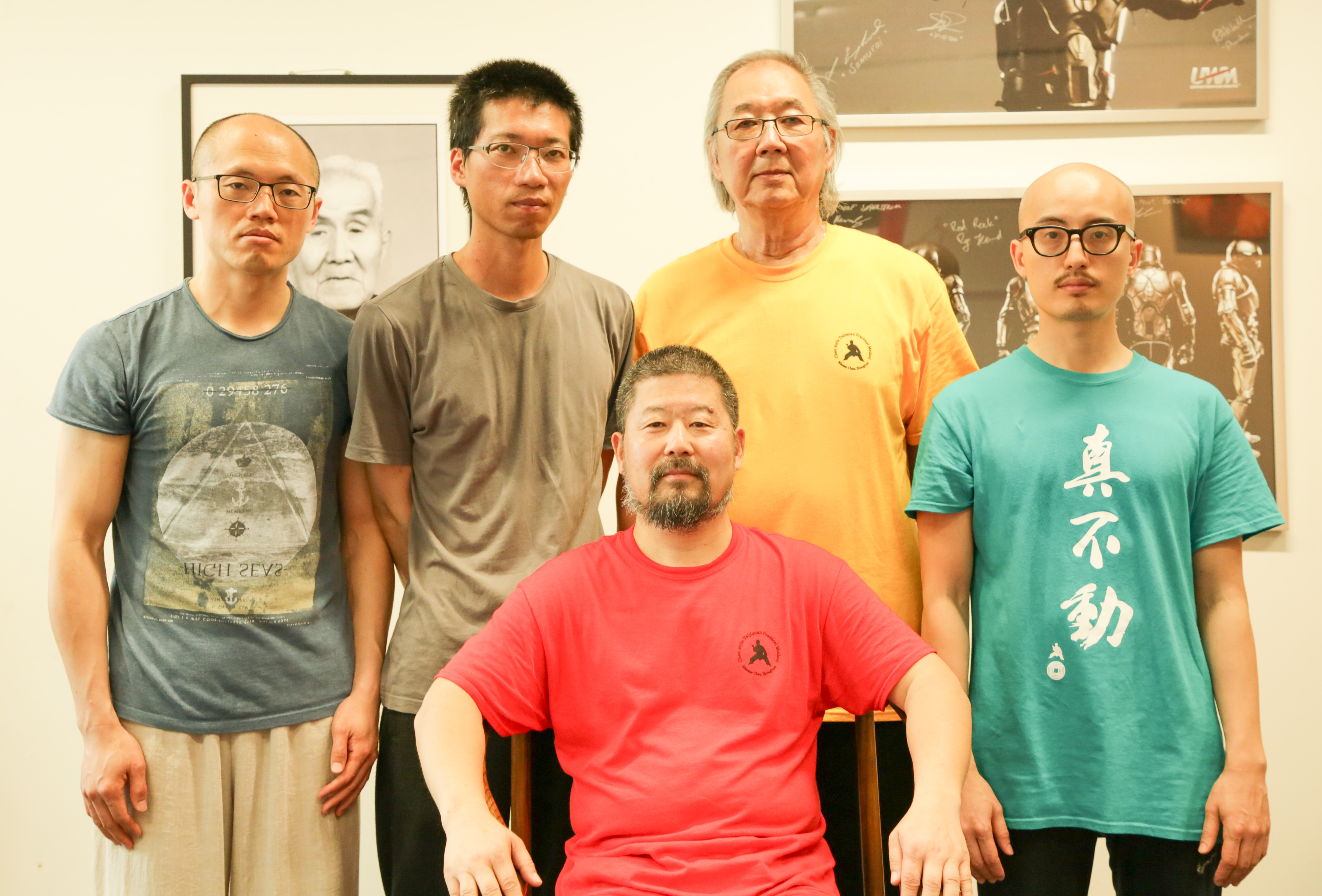
John Saw Discipleship Photo in Sydney with Master Chen Zhonghua
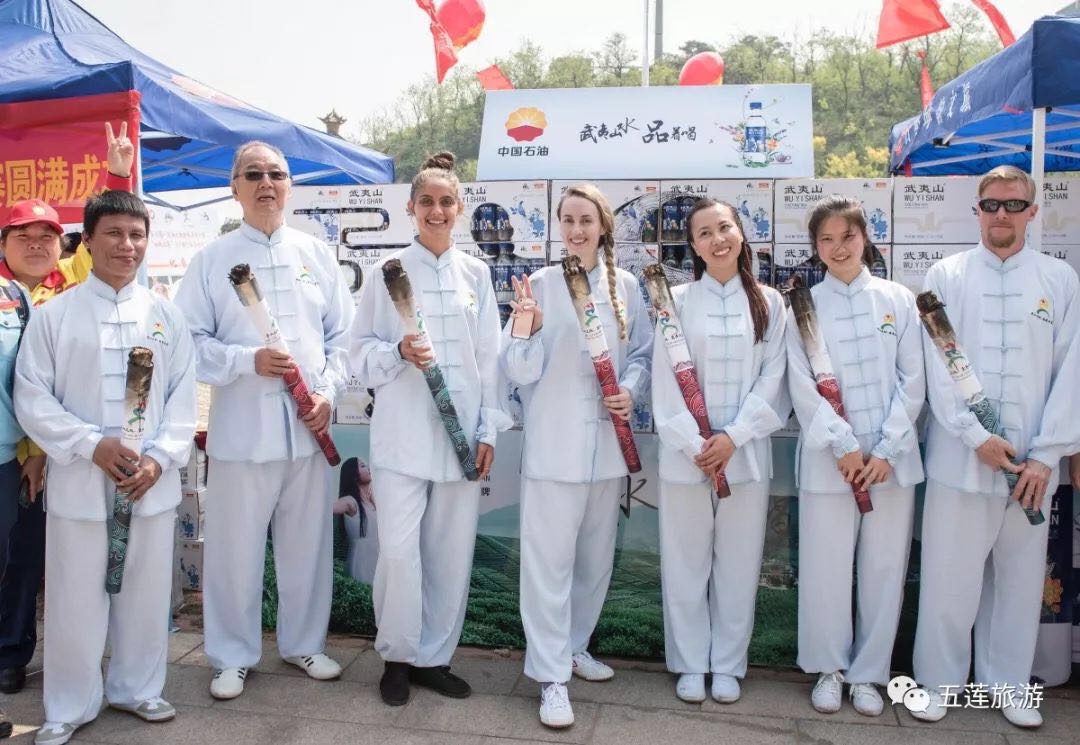
Daqingshan Taiji Flame Torch Bearer 2018
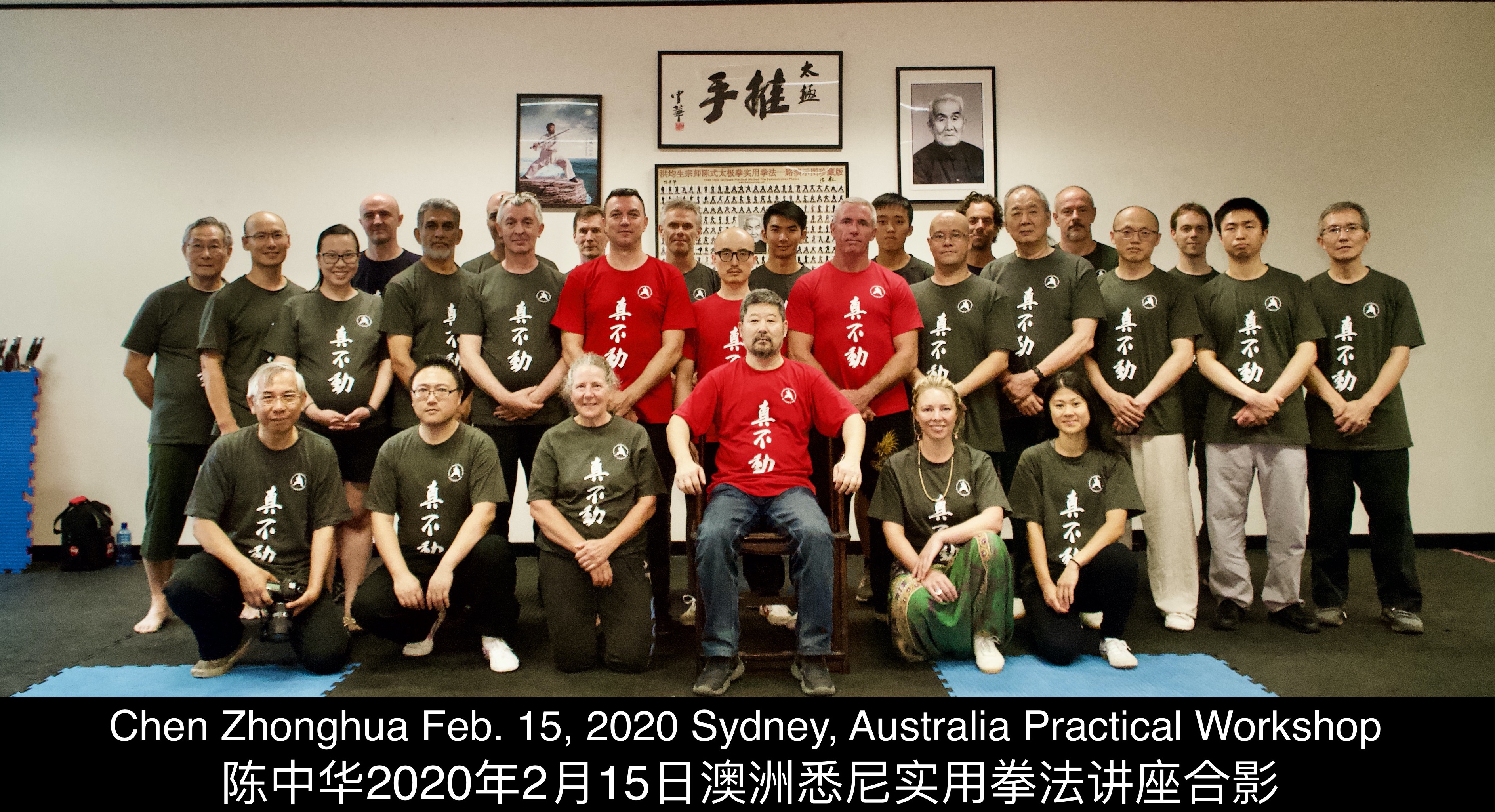
Chen Zhonghua Practical Method Workshop Sydney 2020 February
Tiger’s back and Bear’s waist (doesn’t have)
1) sequence of learning- learn Form (overall structure), stretch (no fight), and how to stretch
2) step in on moving positive circle. Elbow comes in, leg goes out in same direction no deviation
3) bypass/ turning over – there is no direct connection of 2 body parts as if there is you can not connect to ground , can not bypass,
Chen Zhonghua’s Sept. 2019 Toronto Workshop Video.
Presenter: Chen Zhonghua Length: 10 min. In: English Year: 2019 Difficulty:2/5 At:Toronto
Question and Answer part two of the Chen Zhonghua Sept. 2019 Toronto Practical Method Workshop.
Presenter: Chen Zhonghua Length: 10 min. In: English Year: 2019 Difficulty:1/5 At:Toronto
Question and Answer session at the Sept. 2019 Chen Zhonghua Toronto Practical Method Workshop.
Presenter: Chen Zhonghua Length: 10 min. In: English Year: 2019 Difficulty:1/5 At:Toronto
Master Chen Zhonghua’s Sept. 2019 Toronto Practical Method Workshop Videos.
Presenter: Chen Zhonghua Length: 10 min. In: English Year: 2019 Difficulty:3/5 At:Toronto

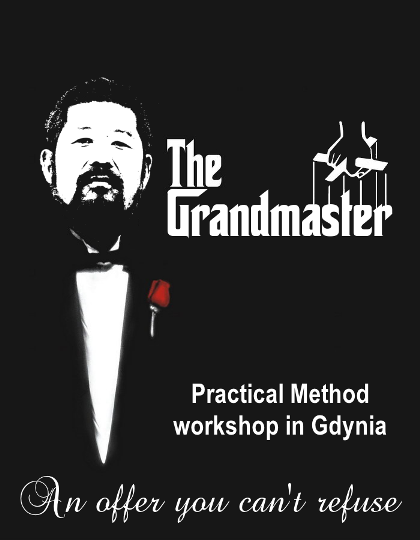
The intro, instructions and outro are in Polish, but you can turn on English subtitles.
I am curious about usefulness of this video for PM students around the world – if you think it is helpful enter your city name in the comment (on YouTube).
Enjoy the practice!
Chen Zhonghua’s Sept. 2019 Toronto Practical Method Seminar.
Presenter: Chen Zhonghua Length: 10 min. In: English Year: 2019 Difficulty:3/5 At:Toronto
Chen Zhonghua’s Sept. 2019 Toronto Practical Method Workshop videos.
Presenter: Chen Zhonghua Length: 10 min. In: English Year: 2019 Difficulty:3/5 At:Toronto
Presenter: Chen Zhonghua Length: 9 min. In: English Year: 2020 Difficulty:1/5
Presenter: Chen Zhonghua Length: 9 min. In: English Year: 2020 Difficulty:1/5
Presenter: Chen Zhonghua Length: 9 min. In: English Year: 2020 Difficulty:1/5
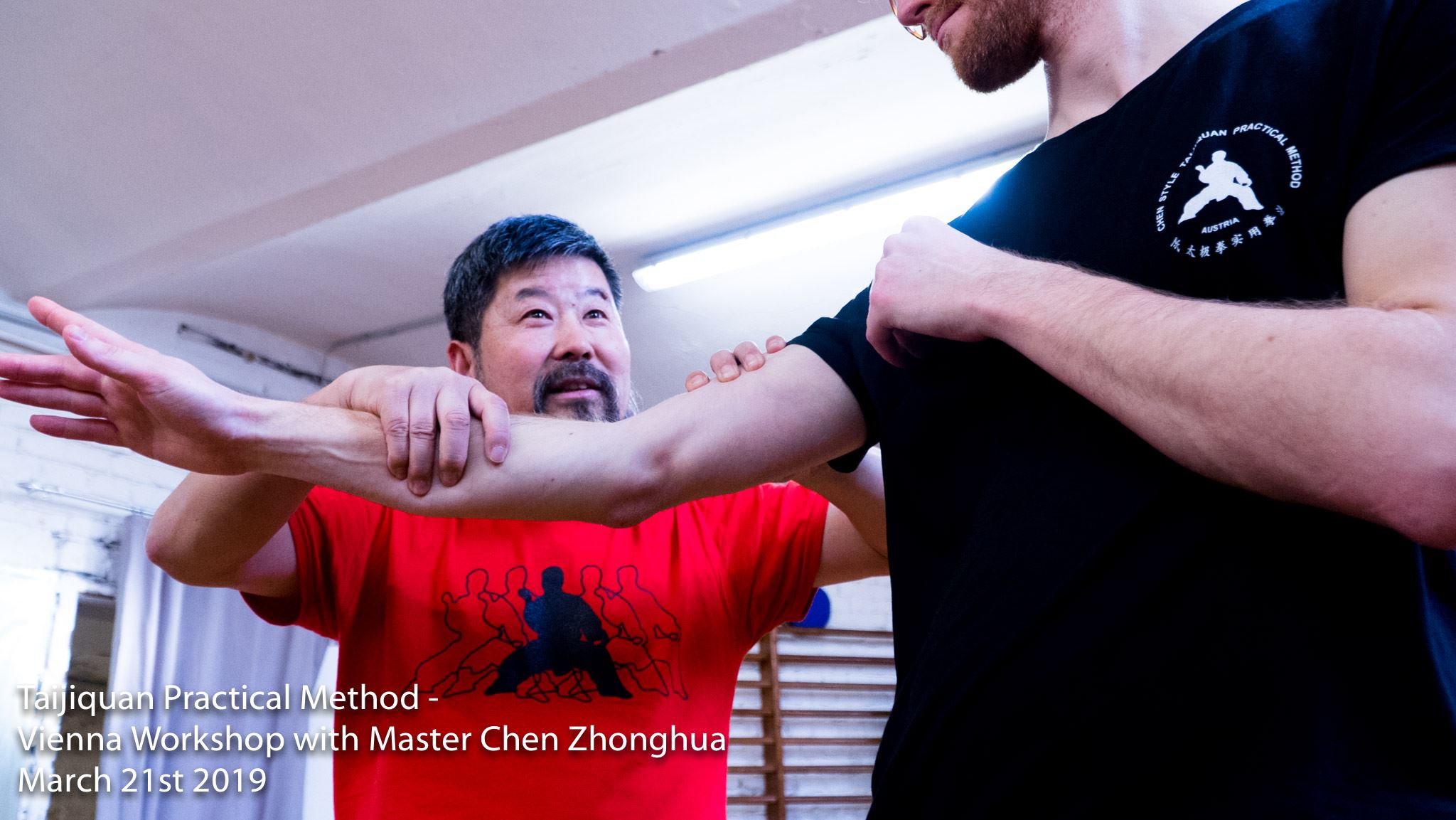
Dear Tai Chi – enthusiasts and those interested!
Please use this link to register: www.practicalmethod.at/vienna-2020
Read more
31st Daqingshan Chen Zhonghua Practical Method Seminar.
Presenter: Chen Zhonghua Length: 10 min. In: English Year: 2019 Difficulty:2/5 At:Daqingshan Chen Zhonghua Taiji Academy
Presenter: Chen Zhonghua Length: 9 min. In: English Year: 2020 Difficulty:1/5
Presenter: Chen Zhonghua Length: 9 min. In: English Year: 2020 Difficulty:1/5
Presenter: Chen Zhonghua Length: 9 min. In: English Year: 2020 Difficulty:1/5
This year, with Master Chen Zhonghua’s 9th Berlin workshop, we’re celebrating 10 years of the Practical Method in Germany. Anyone who’s interested in participating in this anniversary workshop, please click here for further information and sign up:
http://www.practicalmethod.de/angebote/anmeldung-czh-in-berlin/

Looking forward! 🙂
Details coming soon!
www.practicalmethod.pl/en
October 26, 2019 Day 1 Training
Chen Style Taijiquan Seminar
Practical Method Basics & Sabre
Notes prepared by Chan Jadoonath

Learning from Master Chen is a unique experience. One of the most striking things he said during our first day was I give you instructions and you don’t follow it. I didn’t take notes. I made no recording. I took no photos. I cannot describe the form or the details of the foundation drills that we practised. Would I remember anything from the workshop far less follow it? At the end as we were saying goodbye I asked his advice. He said write about the workshop.
I am a complete beginner. I know nothing about tai chi, the culture, the history … so attempting to write is difficult. Whatever I say will be my memory, my interpretation and may not be what Master Chen actually taught. But he knew all that when he said it. Even if writing felt illogical and impractical to me I decided to still follow his suggestion. There is no point asking for advice and not following it.
I’ve just spoken to Shifu and I‘m happy to announce, that there will be discounts on the 8 European workshops this year (2020). It’s simple:
First workshop: Full price
Second workshop: 25% off
Third workshop: 30% off
Fourth and further workshops: FREE
Read more

Energy path is the pathway that energy travels on. There are both a physical path and a virtual path for a given setup. For any three points in the body, they can form a triangle (unless they all fall into one straight line). For this discussion, let’s use right hand, left kua and left foot as the three points. As similarly discussed in this previous article, while the right hand and left kua form one physical (solid) line, and the left kua and left foot form another physical (solid) line, the right hand and left foot form a virtual (invisible) line. While the actual energy travels along the two physical lines, it can be viewed as if it travels on the virtual line.
Read more
Mise en place (French pronunciation: [mi zɑ̃ ˈplas]) is a French culinary phrase that means “putting in place” or “everything in its place”. It refers to the setup required before cooking, and is often used in professional kitchens to refer to organizing and arranging the ingredients, the components that a cook will require for the menu items that are expected to be prepared during a shift.
Master Chen often has referred to “the set up” before applying power…before doing “your move”. What are the ingredients (components) of your set up? What needs to be in place before you do your move/apply power? Please add ingredients!!!