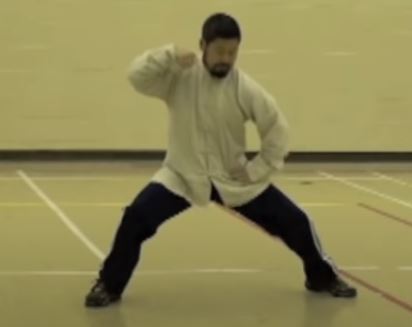
Presenter: Chen Zhonghua Length: 47 mins Difficulty: 1/5 Language: English
Year: 2013 Location: Australia
1. Beginning
2. Positive circle part one
3. Positive circle part two
4. Positive circle part three
5. Positive circle part four
6. Double positive circle
7. Double positive circle moving step (Big Red Fist)
8. Negative circle
9. Double negative circle
10. Positive-negative circle (Pole shaking)
11. Fetch water
12. Six sealing and four closing
13. Full Yilu demonstration in Perth.
Basic Foundation Video 2009 can be found here.
Read more
Chen Style Taijiquan Practical Method system produces power through many ways such as structure, angles and adherence. The result is that this type of power is perceived as real in the eyes of the opponent but not such in the eyes of the practitioner himself/herself. This type of power is called perceived power. Read more
The purpose of training is to enhance the hardness of the body in every aspect. This is a quality issue. Read more
Movements are in the bones; rotations are in the joints. All Practical Method movements are straight movements. The system requires rotations. Rotations are achieved in two ways: Read more
The understanding of vertical movements (line) and horizontal movements (line) is vital. Chen Style Taijiquan Practical Method system requires that all movements must be along the vertical line, not the horizontal line. Read more
Suspended head is an important principle of the Chen Style Taijiquan Practical Method. The suspended head allows the vertical stretch of the body to take place. This creates two lines in the body: 1) head left foot vertical line. 2) head right foot vertical line. Read more
The contacting point must stay in contact with the opponent. Don’t add anything or take away anything. By following this technical principle, one is also complying with the principle of indirect power. Read more
- Privileges
- Disciples are automatically authorized to teach.
- Disciples in good standing can represent the Master and the school.
- Disciples have the right to establish their own schools under the Master’s lineage.
- Responsibilities
- All disciples are obligated to promote the system of the Master.
- A disciple must try to visit the Master annually to upgrade his/her learning.
- A personalised application letter (paper form or electronic) must be submitted.
- A letter of reference from one of the disciples must be submitted.
A letter of reference from someone of repute who has known the applicant for more than five year is required from those who do not know anyone in Master Chen Zhonghua’s Practical Method system. Read more
Please leave comment on the translation, we are still trying different ways on translating chinese clips.
Lesson on foundations (Block Touching Coat 1, BTC1) which train leg and arm stretch, separation and connection. BTC1 applications were taught exclusively. Read more
Every push in the Chen Style Taijiquan Practical Method system must be converted into a pull. This is a major concept. Read more
Erwin Ramthun maintains a blog that covers the activities of the Milwaukee branch at http://milwaukeechen.blogspot.com/p/blog-page.html
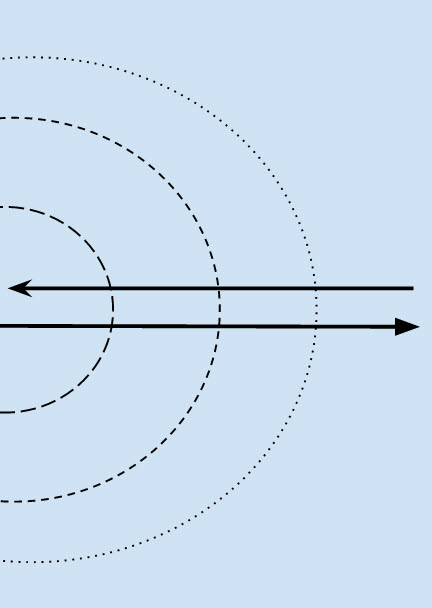 外部的作用:合上。由大到小。
function of outside: harmonize, from large to small
内部的作用:发力。由小到大。
function of insde: issue force, from small to large
Translation of a lesson summary in chinese, please leave another translation or discuss what this lesson about
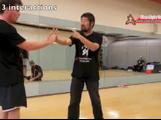
Mini Lesson on how to make 1-2-3 relations in the body and training methods. The body is divided into many sections of three-joints. In each section, there is a special way the three joints must work. In many schools, this is also called the three circles of taijiquan.
Presenter: Chen Zhonghua Length: 7 min + 12 min. In: English Year: 2013 Difficulty:2/5 At:Iowa
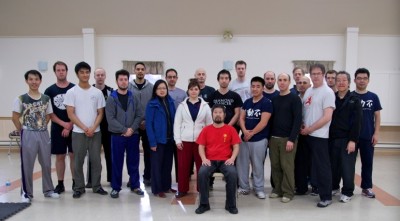
Participants, please leave comments.
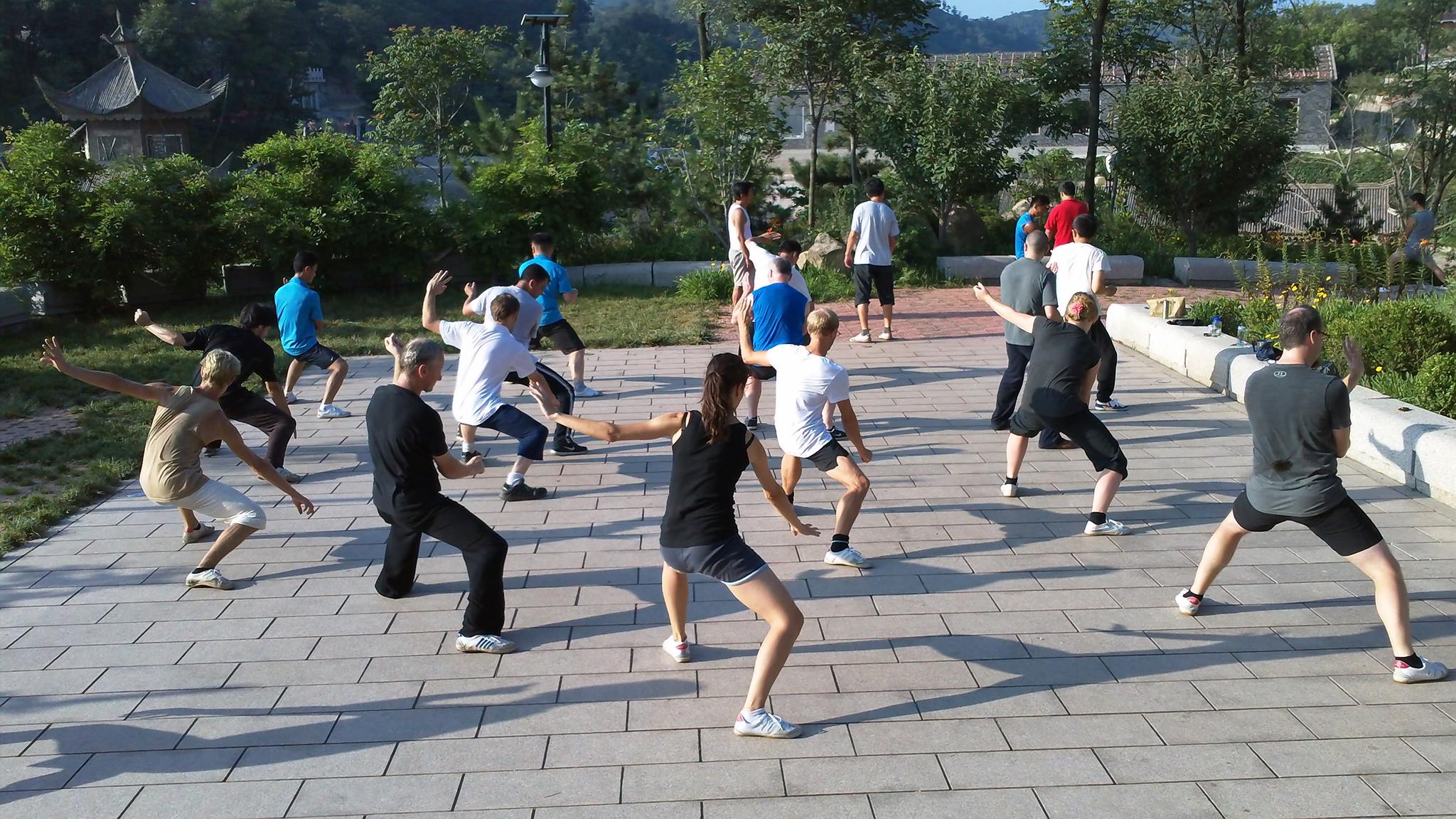
Reasons to make Daqingshan your 2014 vacation/training destination (details for 2014 on this page)
- Constant feedback, feedback in term of practicing with other students together.
- Daily class with Master Chen, if you have questions you can go directly to him for clarification.
- No distraction, only there to learn and practice.
- Motivation and direction for daily practice. This is something you will bring back from Daqingshan.
Having trained daily on the mountain, the body will get used to it and will want to continue after mountain training is over.
I have been there every year since 2010, so these points are all from my experience.
Mini Lesson on how direction of movement is changed through the workings of waist, dang, kua, knee and foot exchanges. The example used for this concept is the circles in the foundation exercises.
Presenter: Chen Zhonghua Length: 16 min. In: English Year: 2013 Difficulty:2/5 At:Berlin
Unedited talks during class session on Daqingshan. Cannon Fist details and indirect power explanation.
Presenter: Chen Zhonghua Length: 30 min. In: English Year: 2013 Difficulty:1/5 At:Daqingshan
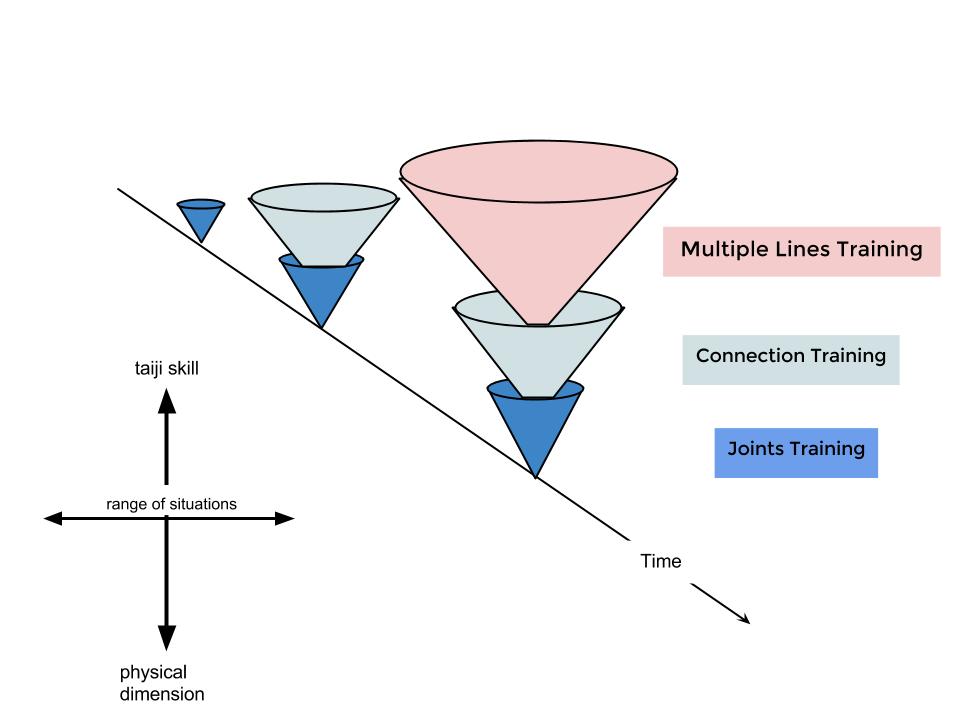 Master Chen has said in an interview that at certain stage he felt his overall strength get much better.
I asked him how was his training different after that stage. His reply is that the training progress to a different dimension. Each dimensions becoming less physical.
However student must complete the first level, Read more
Timing Accuracy Structure, 5 Yes and 5 No, Inside stays inside Outside stays outside, Positive Circle, Positive Circle individual corrections, Positive Circle creating space,
Presenter: Chen Zhonghua Length: 42 min. In: English Year: 2013 Difficulty:1/5 At:Berlin
Master Chen has a mini lesson on slow moves to train the core
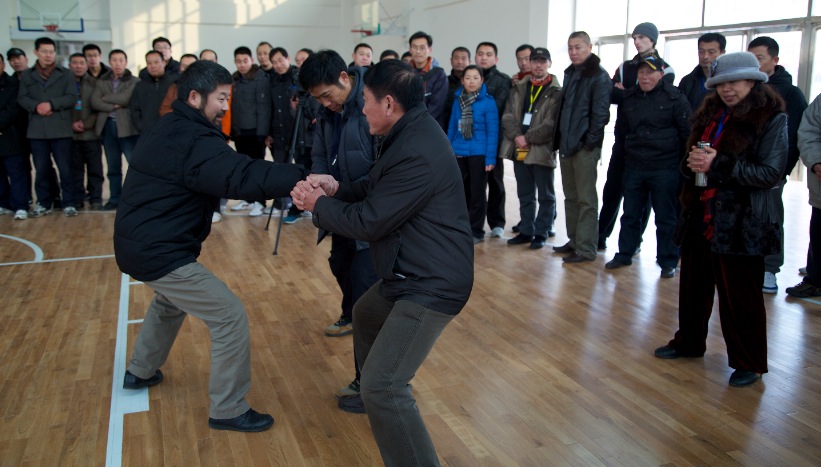
Some photos.
This video and also the full interview you can also view here (no YouTube stream): http://www.practicalmethod.de/en/videos-2/interviews-more/interviews/video/118
All comments are welcome!
Mini lesson on how to train by being clear in yilu
Presenter: Chen Zhonghua Length: 5 min. In: English Year: 2013 Difficulty:1/5 At:Iowa
This video illustrate Kelvin comments on using leg as piston to provide power.
Mini lesson on how every movement must pivot on something.
Presenter: Chen Zhonghua Length: 5 min. In: English Year: 2013 Difficulty:1/5 At:Iowa
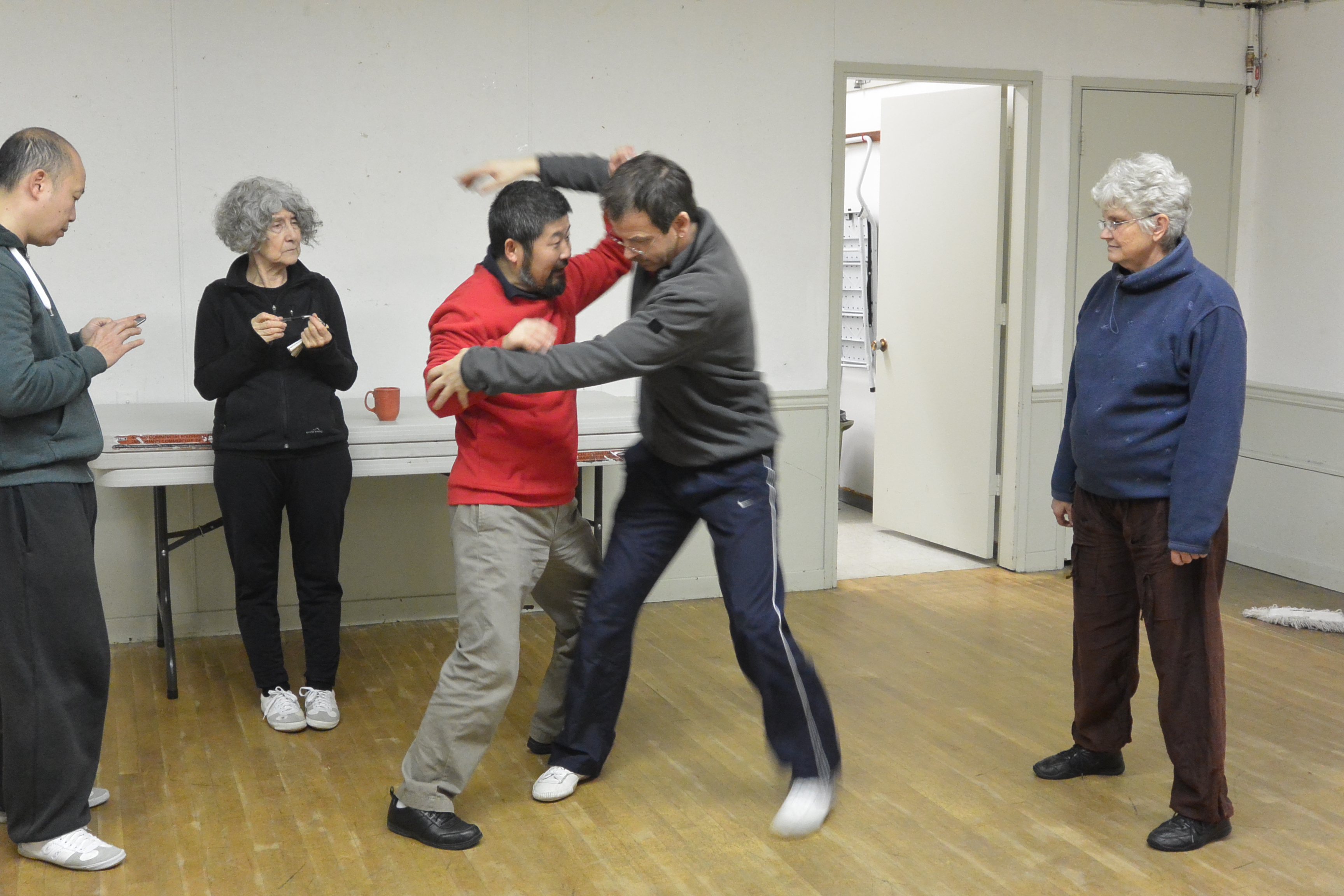
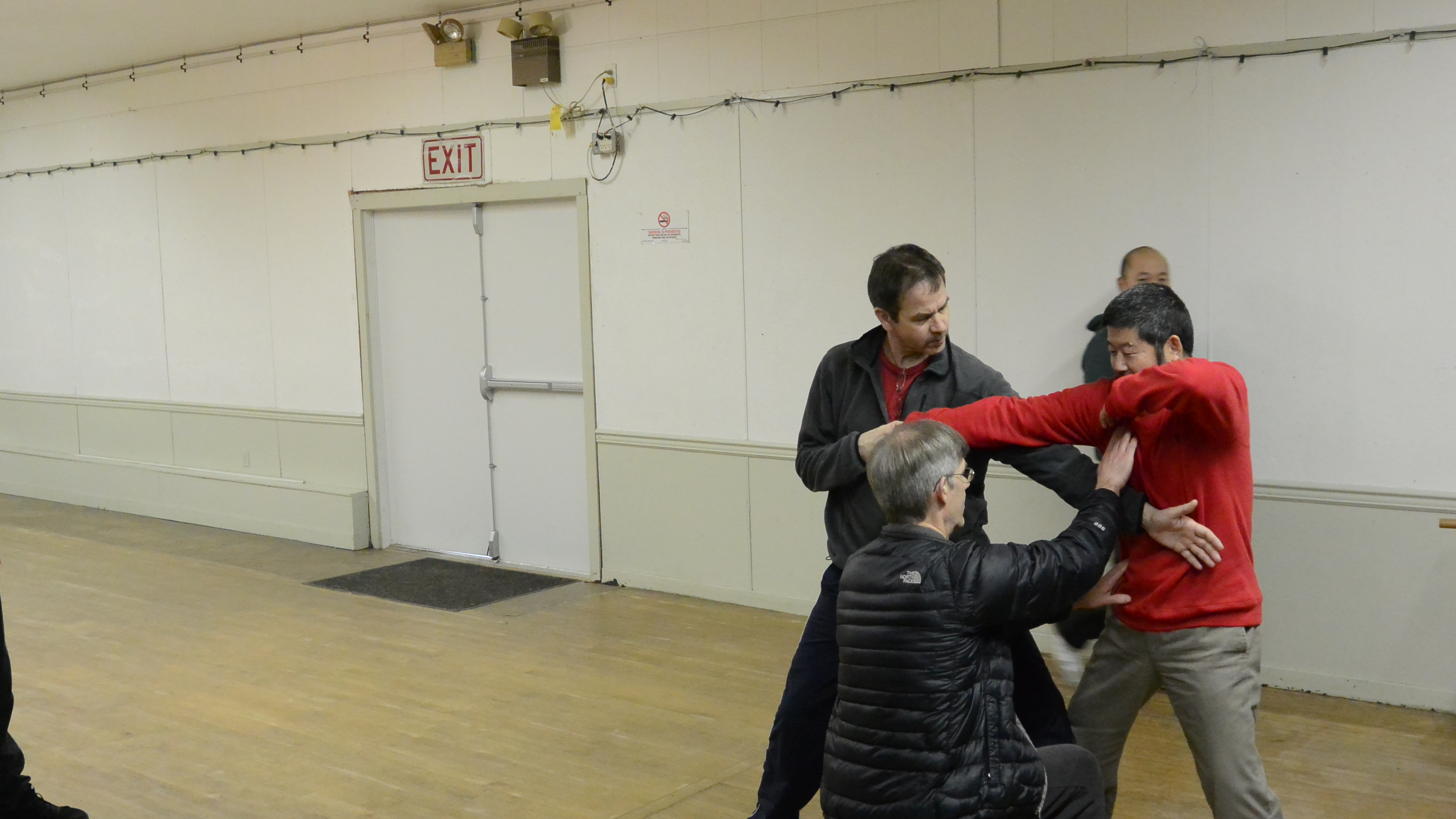
In addition to Gene Hess’s great notes “Lines on the Body”
We can produce 9 lines in different dimensions on the body. We put these lines on our opponents body in different dimensions, you do not have to be touching the opponents body to create a line.
The more lines we can produce on our opponents body the more uncomfortable we make them feel and they eventually bounce themselves out.
Power on the opponent must be indirect. Any local power must be used only for adherence (zhuo, 着法). Indirect power is a key concept in the Chen Style Taijiquan Practical Method system.
On Sunday, Master Chen demonstrated how to set up multiple lines on an opponent’s body when pushing hands. The goal was to set up enough lines that the opponent finally felt like they had to jump out to escape, or they were bounced, or squeezed out. Read more
Some theory, three lines of energy, kua must be open,shoulder-kua-wrist hand must be dead, peng energy, moving step, stepping exercise,pulling exercise
turning of joints, use connection not power, what does it mean to relax.
Presenter: Chen Zhonghua Length: 70 min. In: English Year: 2013 Difficulty:2/5 At:Berlin
This is the requirement of the erected calf. In many styles of martial art, this concept is referred to as zhuang, pile, stake or zhan zhuang.
Tossing is action without rotation or without an axis.
Rotation is the key characteristic of Chen Style Taijiquan Practical Method. It sets this art apart from other arts. There are no natural rotations in human movements. They are made up as a result of specialized training in the Chen Style Taijiquan Practical Method system.