Presenter: Chen Zhonghua Length: 20 min. In: English Year: 2016 Difficulty:1/5 At:Phoenix
Presenter: Chen Zhonghua Length: 20 min. In: English Year: 2016 Difficulty:1/5 At:Phoenix
JhungSiu is fulltime student from Perth staying for 3 months
Presenter: Chen Zhonghua Length: 13 min. In: English Year: 2016 Difficulty:1/5 At:Phoenix
Presenter: Chen Zhonghua Length: 3 min. In: English Year: 2016 Difficulty:1/5 At:Toronto
Presenter: Chen Zhonghua Length: 5 min. In: English Year: 2016 Difficulty:1/5 At:Toronto
We did a lot 13 Yilu repetition with counting. The idea is to be clear in each step of each move. Master Chen mentioned once student learn the choreography, it is helpful to break down each move to understand it better, then latter perform it together again.
This sequence of breaking and putting it back should be repeated several times as student progresses in practice.
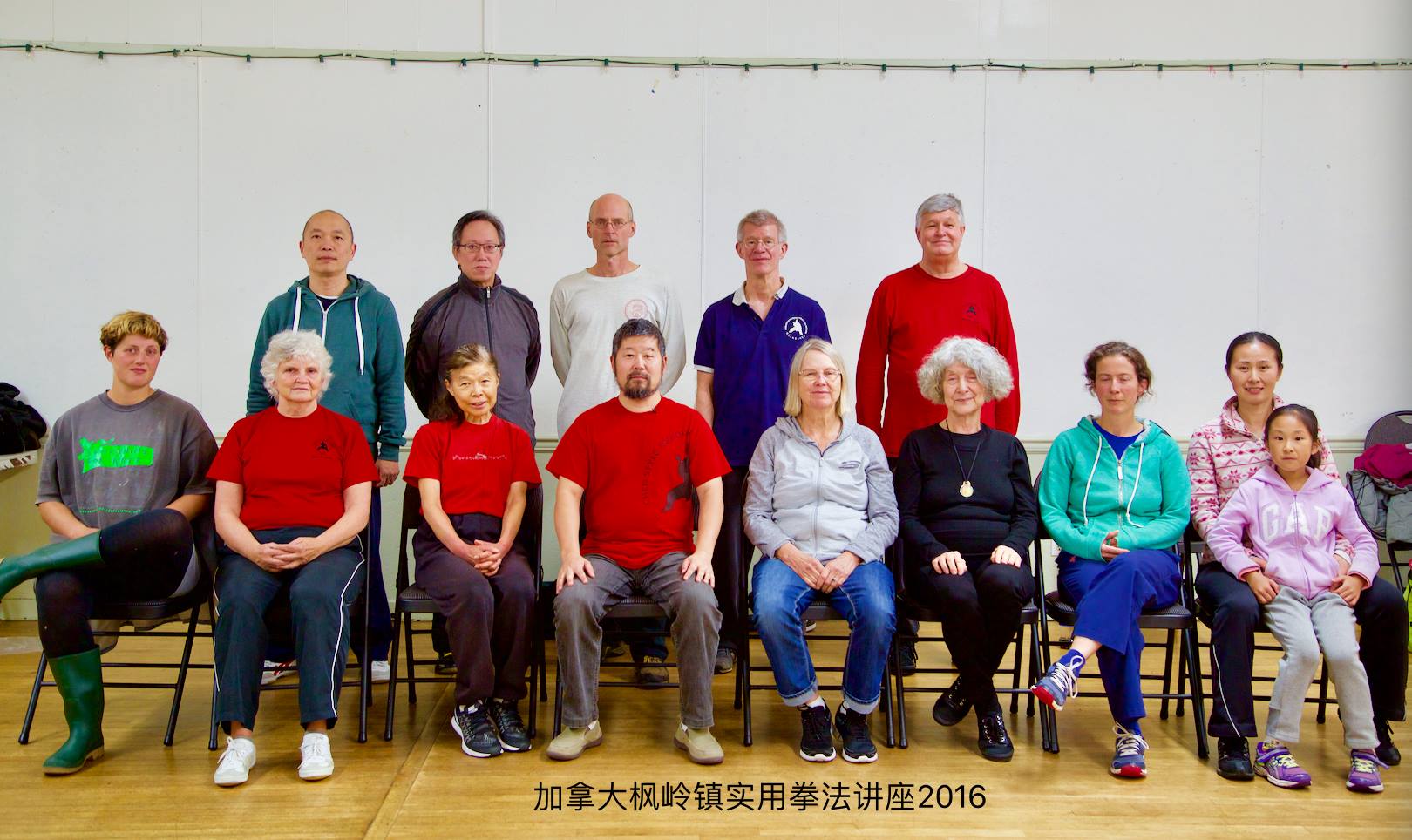
More photos below Read more
Saturday:
1. Gear box / Bite: Don’t add extra moves. With twisting of towel you need to grind elbows on ribs. Everything is proportional and nothing is loose or it will break at higher speeds (like an engine). In this way, nothing leaks out.
2. A rock cannot have a relationship with itself; it needs to split and then one part can move around in relation to the other.
Read more
Maple Ridge Workshop With Chen Zhonghua October15/16, 2016
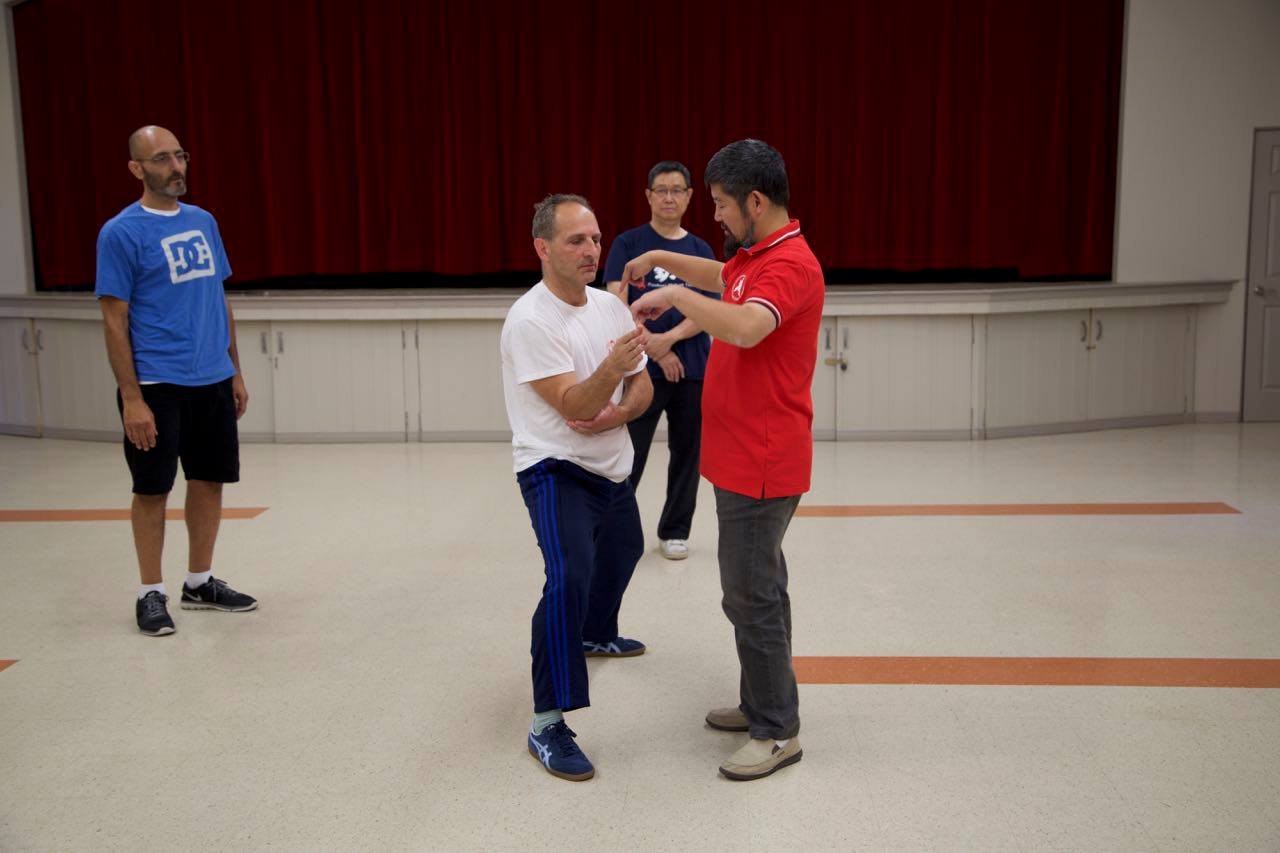
It was windy and raining in Maple Ridge last weekend, but in our cozy hall, Master Chen was telling us once again what he has been telling us for sixteen years: elbow in, hand out, move one thing at a time, observe your opponent, where his energy is located, see his lines.
Detailed Lessons on Foundation
Presenter: Chen Zhonghua Length: 44 min. In: English Year: 2016 Difficulty:1/5
Talk on action necessary to create Yin Yang Separation
Presenter: Chen Zhonghua Length: 11 min. In: English Year: 2016 Difficulty:1/5 At:Toronto
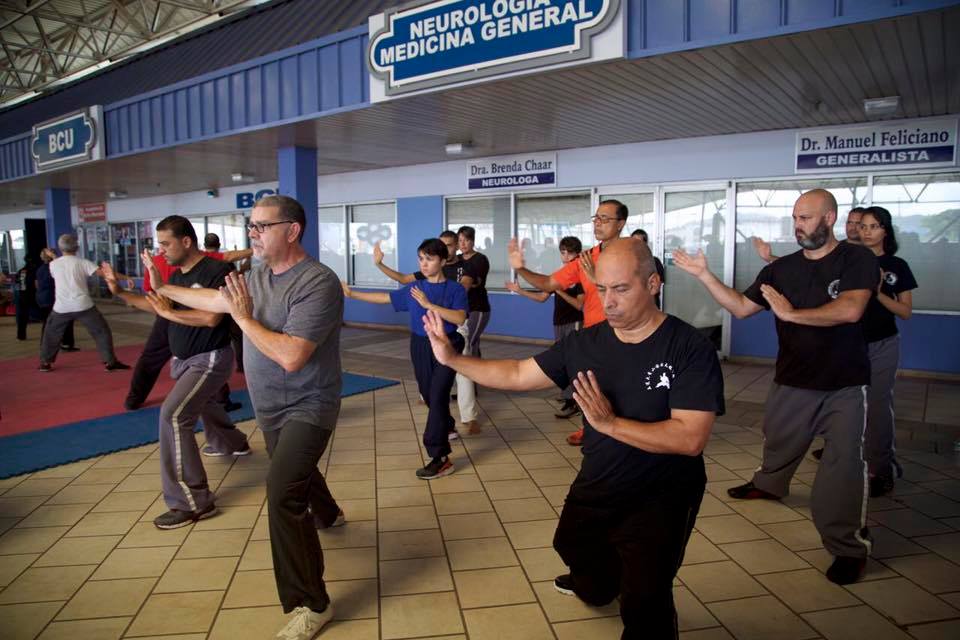
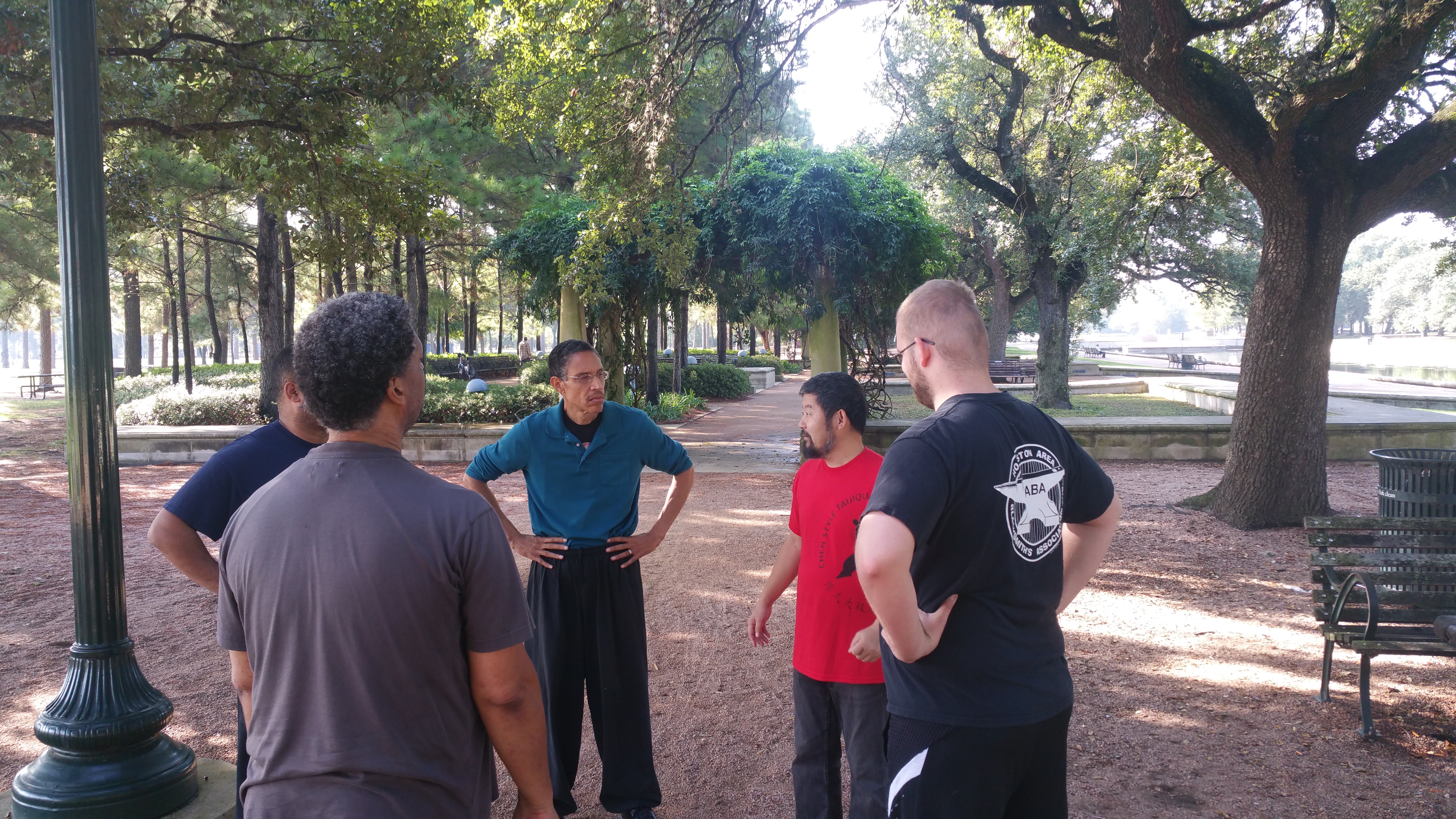 Taiji enthusiasts in Houston, Texas were treated to an unexpected treat, a visit from Master Joseph Chen due to a flight layover. Master Chen’s disciple in Houston, Jeff Clevenger, arranged for a get-together with Master Chen which included breakfast, a training session at a local park followed by lunch at a good BBQ restaurant, before Master Chen had to fly out in the early afternoon. Although it was short notice and during the work week, five participants showed up to meet and train with Master Chen.
How to get the body to be proportionally even
Presenter: Chen Zhonghua Length: 9 min. In: English Year: 2016 Difficulty:1/5 At:Toronto
I don’t know if it’s accurate, but I tried my best to record all I’ve heard and saw in the two-day workshop.
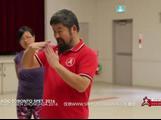
Talk and Demonstration on Five Lines of Power in Taijiquan
Presenter: Chen Zhonghua Length: 10 min. In: English Year: 2016 Difficulty:1/5
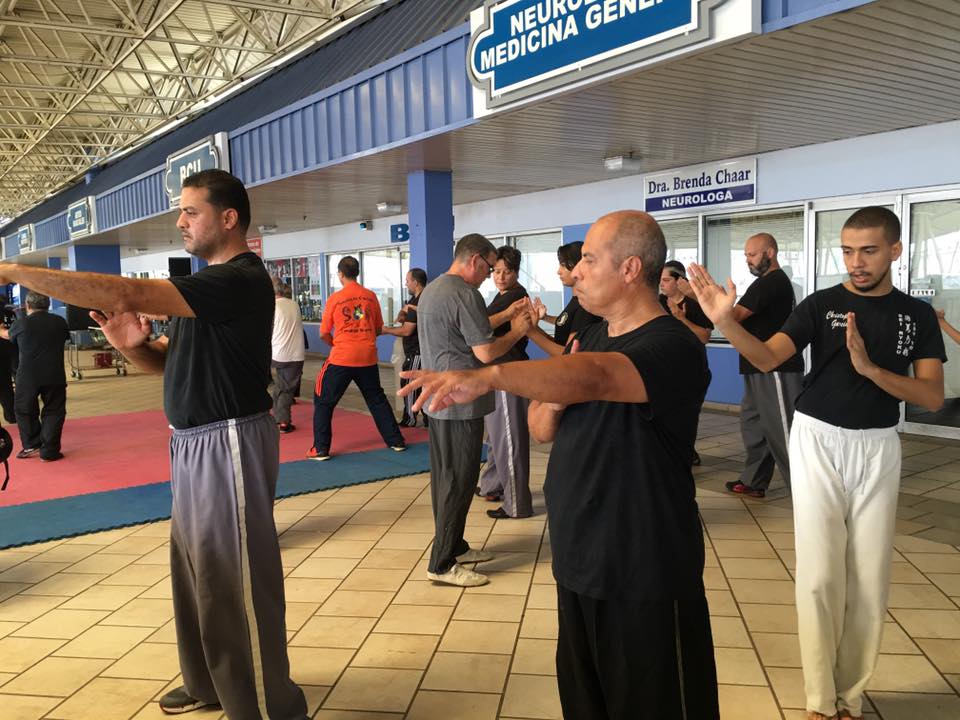
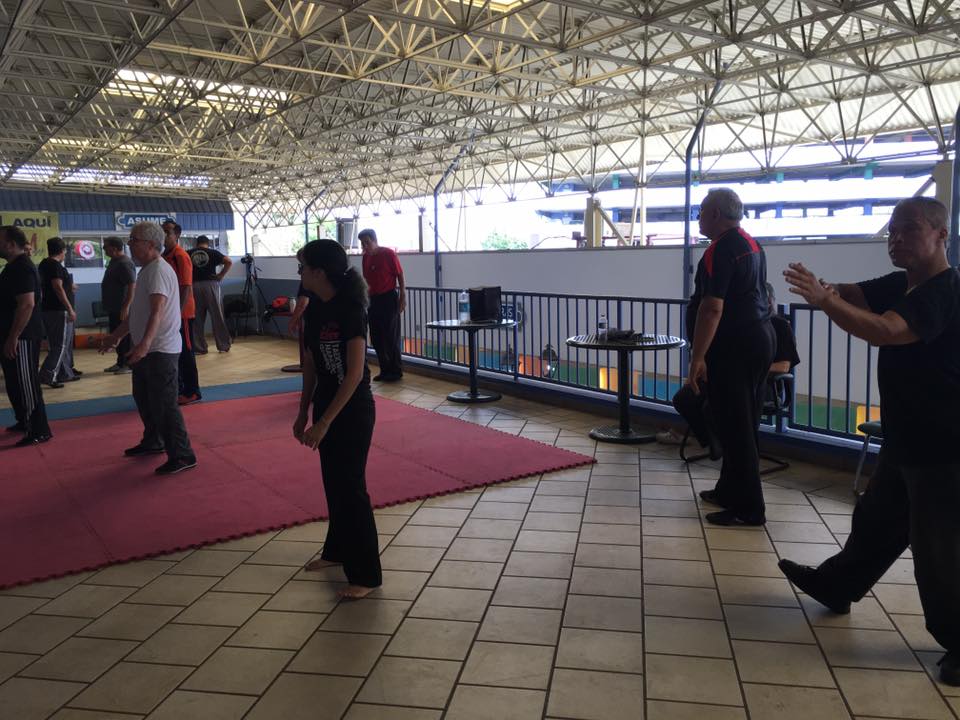
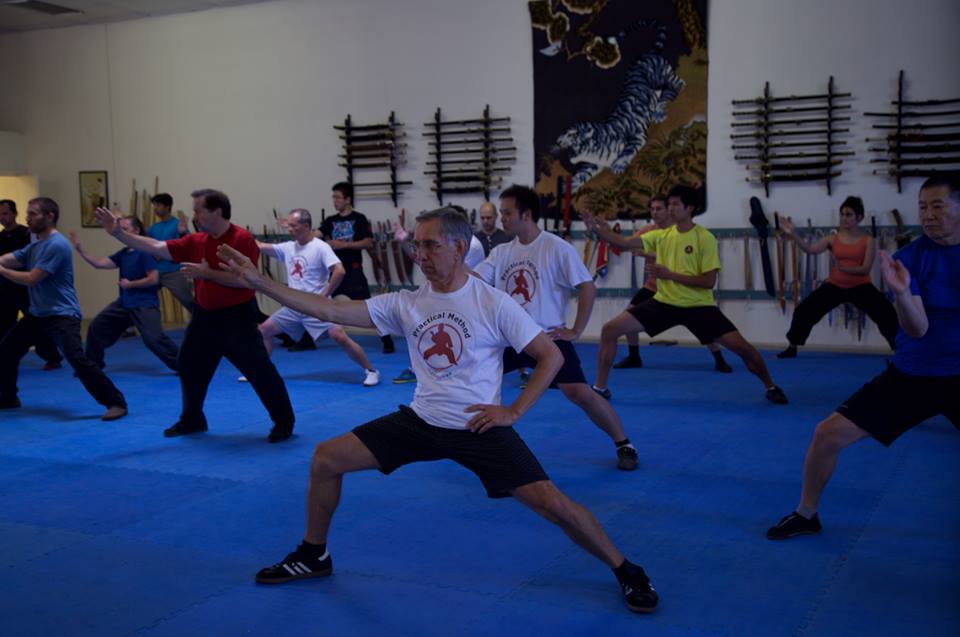
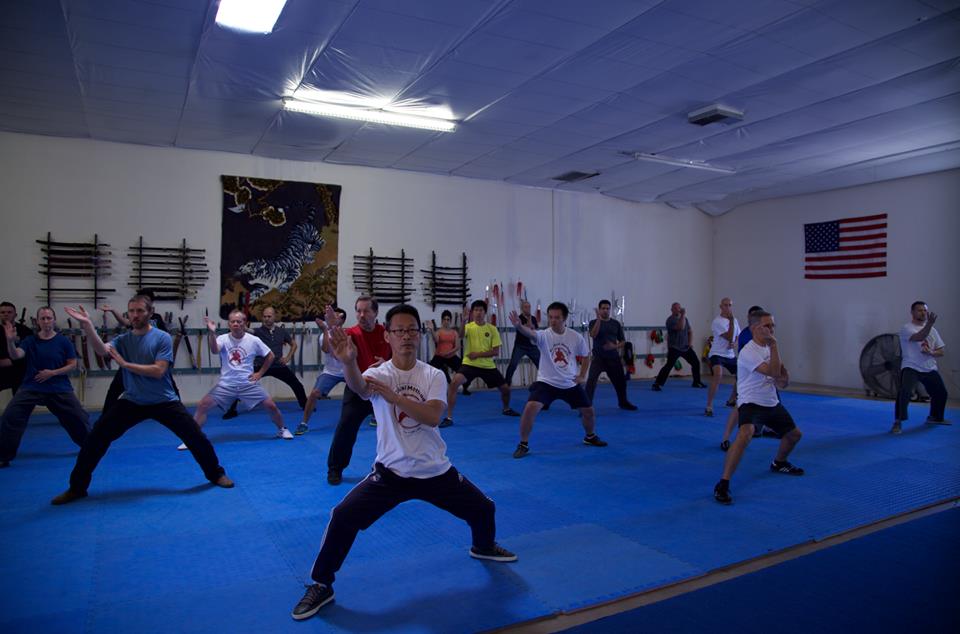
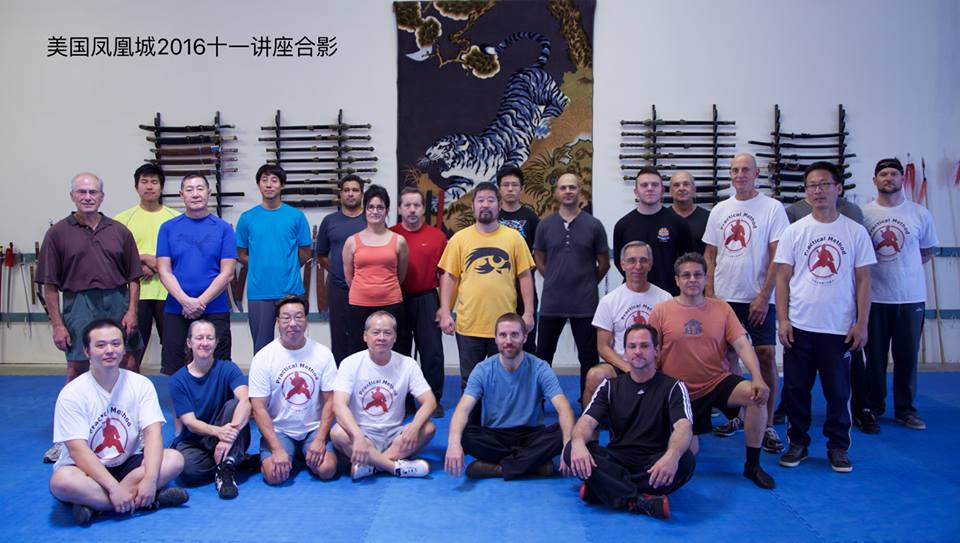
Master Chen’s Practical Method workshop and private lessons in Phoenix, Arizona, October 1-4, 2016. Read more
Presenter: Chen Zhonghua Length: 9 min. In: English Year: 2016 Difficulty:2/5 At:Toronto
Practical Method Phoenix, AZ Workshop October 1, 2016 – October 2, 2016
by Chris Liu on 10/4/2016
When I discovered the Practical Method, I started watching a lot of Master Chen’s videos. This led me to read more in depth about Taiji and its rooted philosophy in Taoism. I watched, and read, and thought about it every day for over a year then one day, I finally believed I was ready to meet Master Chen. Read more
Presenter: Chen Zhonghua Length: 22 min. In: English Year: 2016 Difficulty:1/5
The difference in push hands 1.5 years training can make.
Presenter: Chen Zhonghua Length: 36 min. In: English Year: 2015 Difficulty:1/5
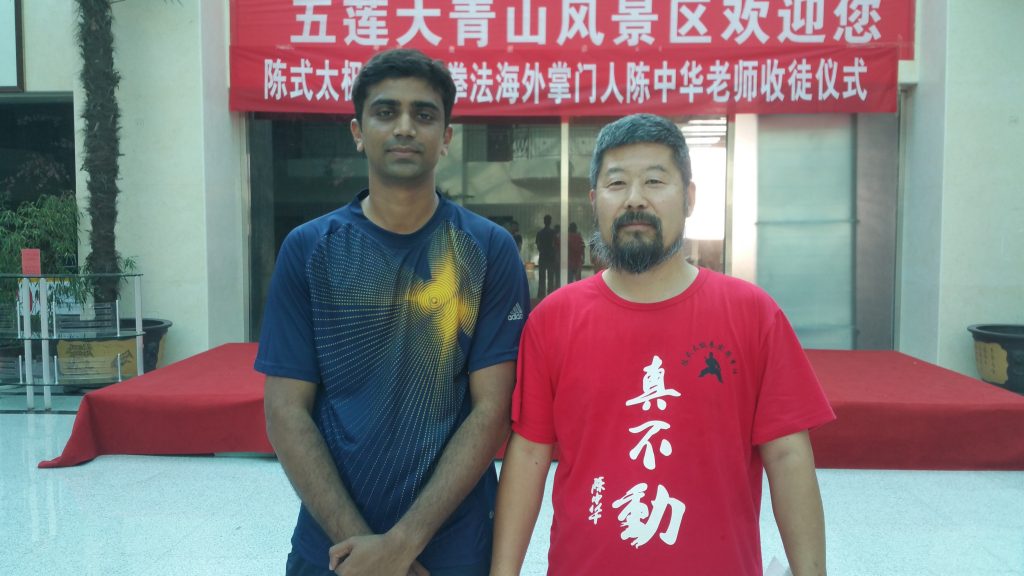 Background: I’m Harshil Meraiya, age 32, from Pune, India. I learnt Yang style Taichi from August 2011 to Jan 2014. I had no other Martial Art background. I was introduced to Practical Method by Sandeep Desai in Jan 2014.
During next 6 months I learned choreography and basic foundations from Videos and Skype sessions with Kelvin Ho and John Upshaw. I started accumulating lots of PM brothers as friends on Facebook providing me feedback, guidance etc on my yilu videos I posted…
1st Place Gold Medal
Presenter: Chen Zhonghua Length: 51 min. In: English Year: 2015 Difficulty:1/5
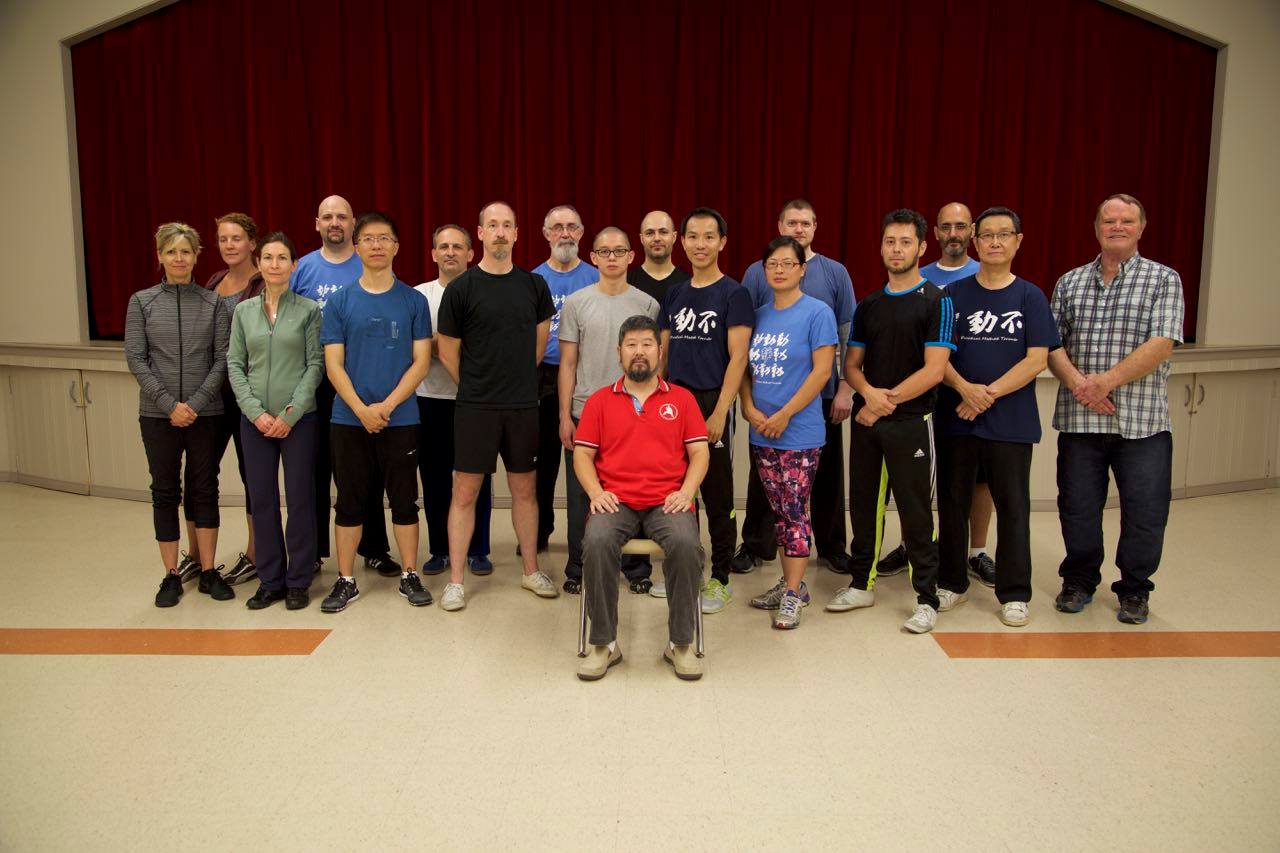
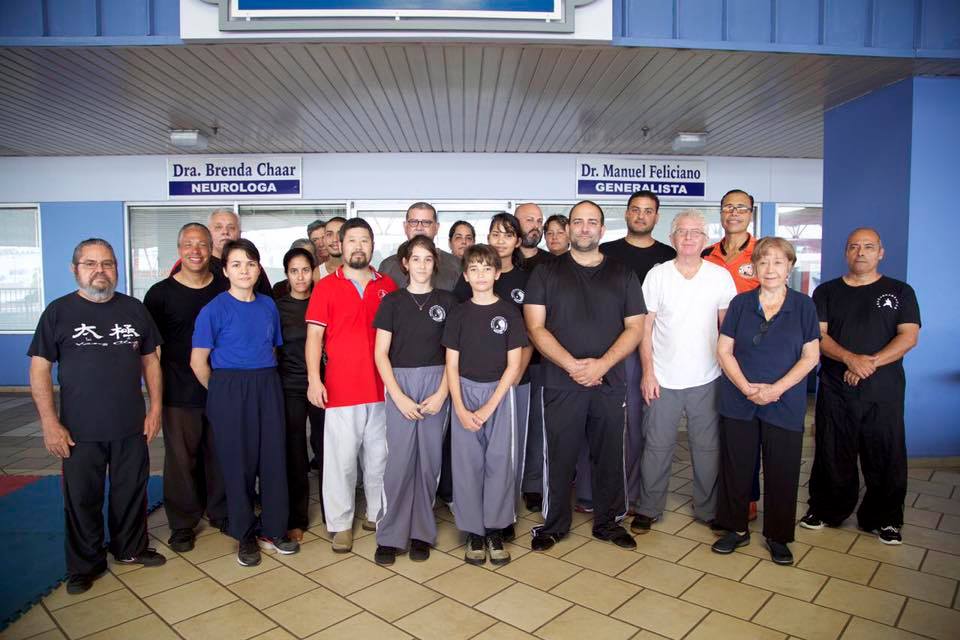
During the Toronto workshop today, Master Chen asked me to write about taking the group photo before we start the activities for the day from now on.
Recorded by Harshil Meraiya
Presenter: Chen Zhonghua Length: 7 min. In: English Year: 2015 Difficulty:1/5
Master Chen’s disciple Ping Wei recently wrote an article regarding how to rotate the Kua and create a stable center (pivot point). The idea is simple: the center will never be stable if you try to control it by only one Kua, you have to have good control of both Kua, and move them both at the same time.
Such a simple idea doesn’t take a genius to understand. So that I read the article, got the idea, and I thought I got it.
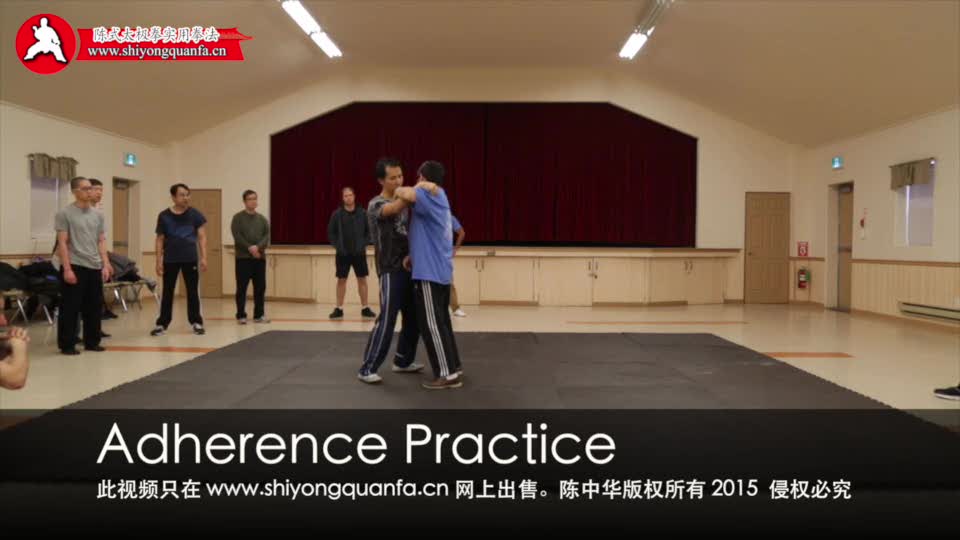 Demonstration on two person Adherence Practice
Presenter: Chen Zhonghua Length: 1 min. In: English Year: 2016 Difficulty:1/5 At:Toronto
New 10-week course by Jean-Philippe Ranger
Starting September 29, 2016
Thursdays 5-6:30 pm
J.B. O’Keefe Centre
St. Thomas University
(Register on site)
Learn the fundamentals (jibengong), the first form ( Yilu ) and push hands (tuishou).
For more information, email: jphranger@gmail.com

Presenter: Chen Zhonghua Length: 10 min. In: English Year: 2016 Difficulty:1/5 At:Iowa

Presenter: Chen Zhonghua Length: 8 min. In: English Year: 2014 Difficulty:2/5 At:Perth
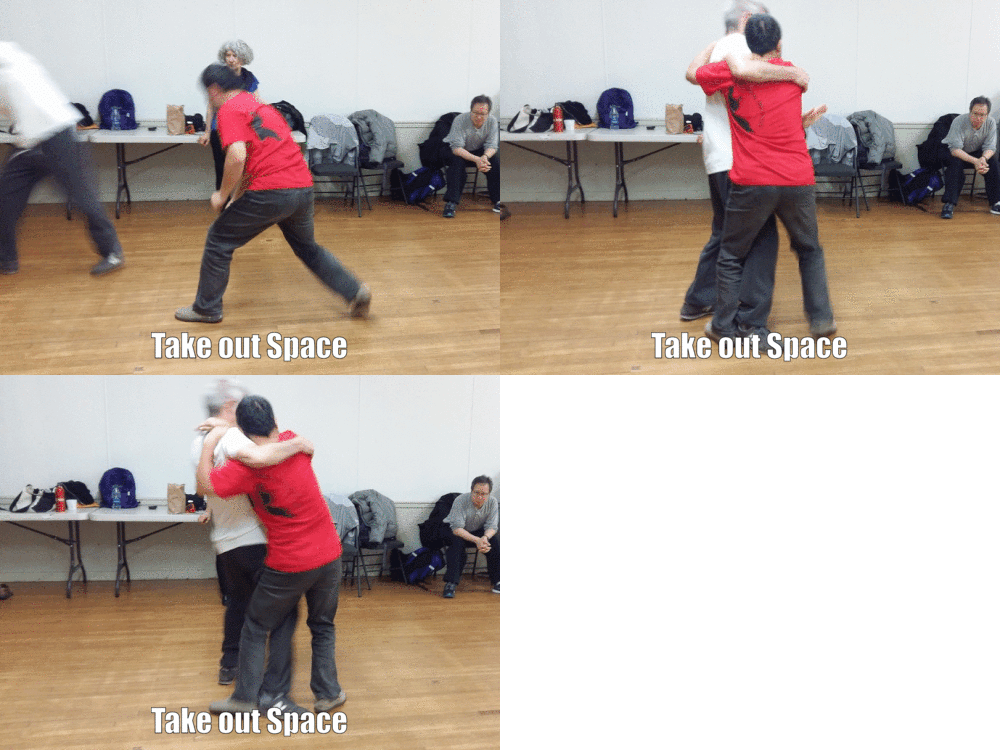
In this short online instructional video, Master Chen teaches many essential elements that are necessary when applying Ji to an opponent and several principles inherit to Practical Method. Ji, squeezing, is a passive action that has “water like qualities”. Ji, like water “takes up all the space in all directions”.
In the beginning of the video, Master Chen has his foot on the bottom of a door with a student on the other side. There was a little space the door could open. Once he occupied that space with his foot, it became a “lock”, which is a passive action. It “jammed”, the door preventing the person on the other side from having that space again.
In the GIF below, Master Chen demonstrates the “water like quality” with the participant, Gawain Siu. He rotates and stretches his shoulder around to fill the space between Gawain’s left elbow and left side. Notice the stretch that is occurring while not moving the contact point.
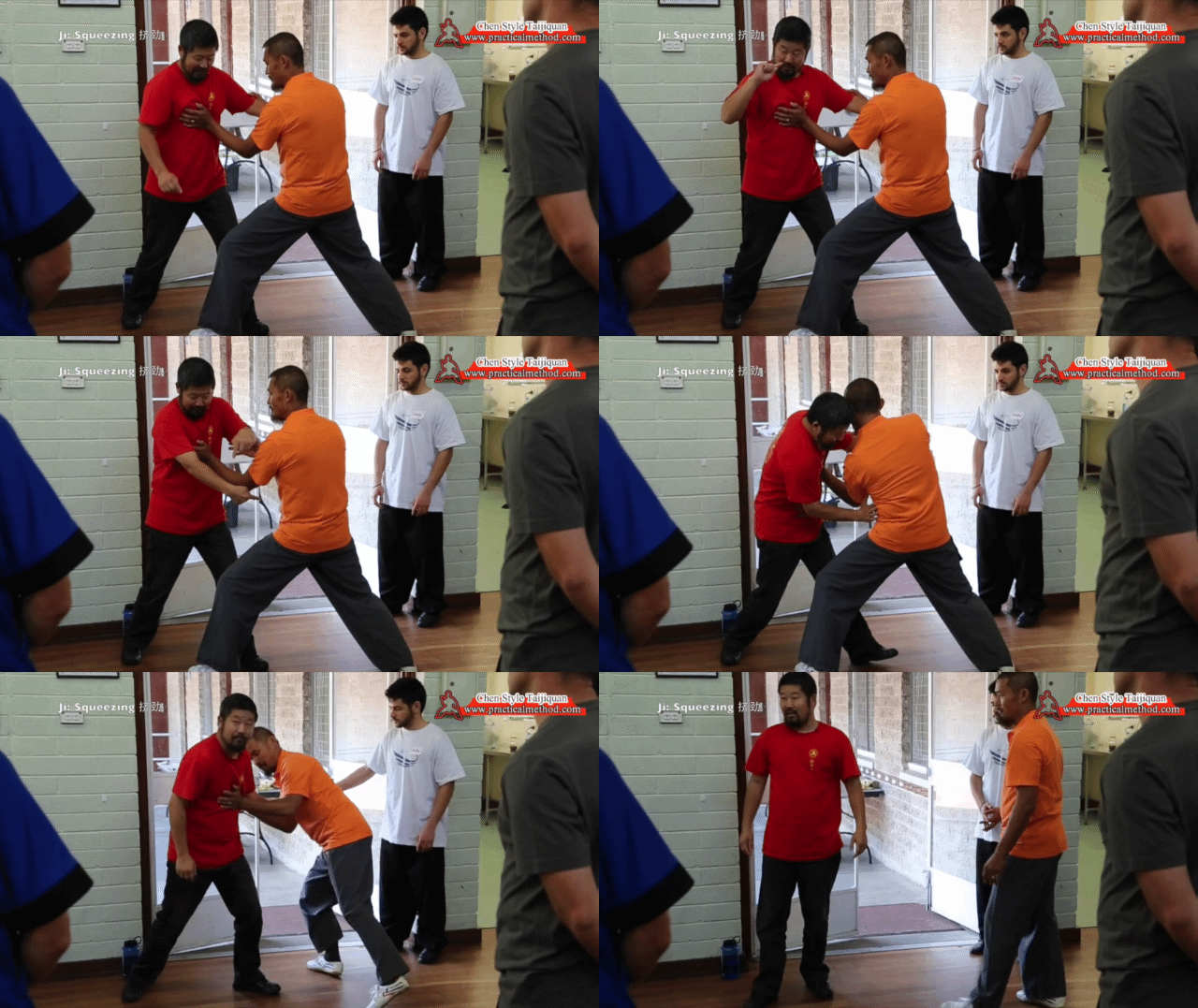
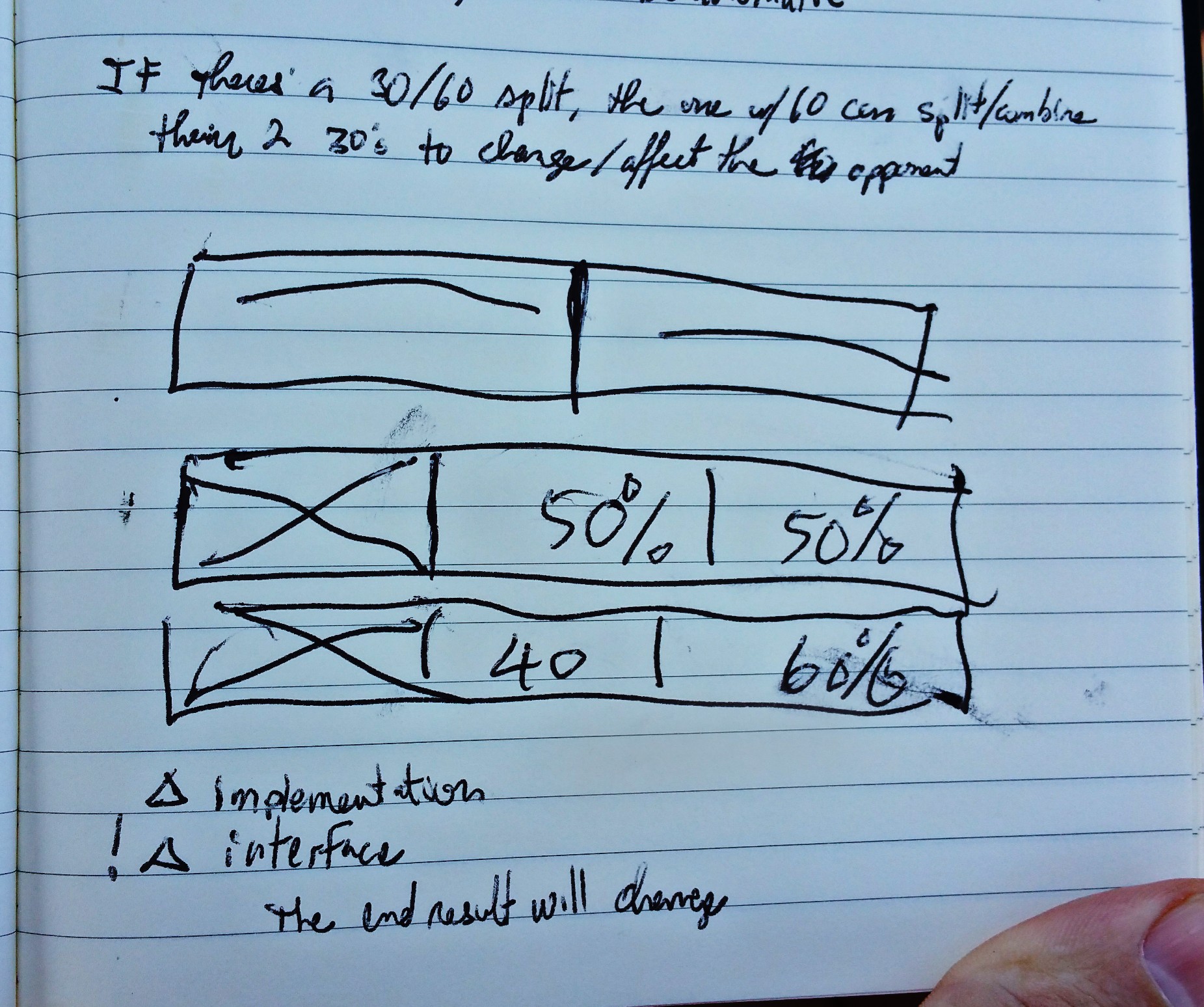
In the GIF below, Master Chen points out Gawain’s Elbow took the middle, which is the Central Equilibrium. He then rotates his shoulder, taking up space and changing the central equilibrium. Master Chen then adds one, shifting the scale of balance. Master Chen says, “The middle is not a physical middle. When you are stronger, I have to be longer than you. When you are weaker, I have to be shorter than you”. Shortly after, he states, “when you change angles, I have to immediately mirror it.” This is significant as it speaks to the 3 ways of matching; length, weight and angle/direction. The 3 ways of matching was taken from my notes during a private lesson I had with Master Chen in Iowa, my note is included
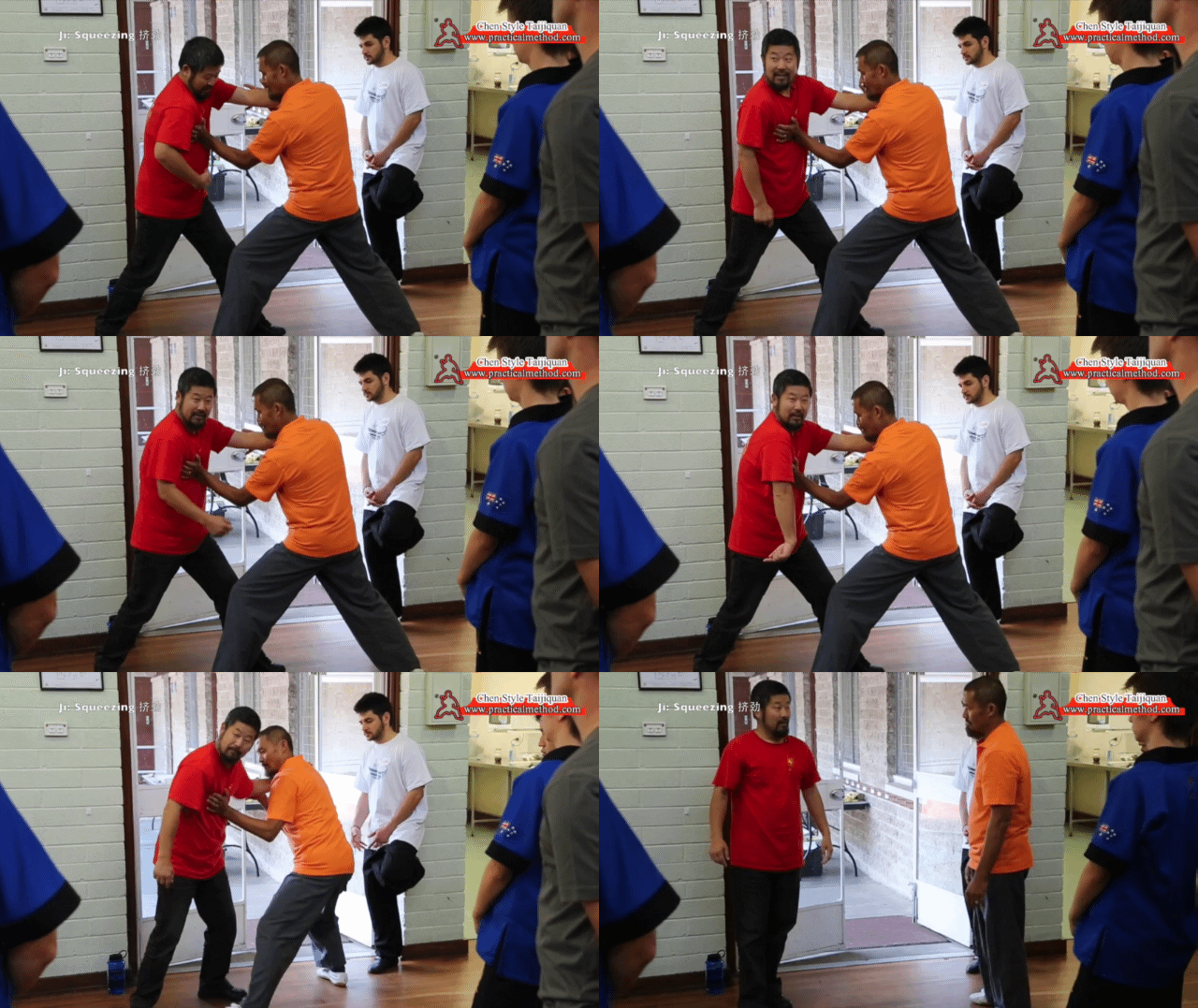

In the first GIF below, Master Chen points out Jhung Siu has the space on top, then points out there is a little space on the ground between them. By taking that little amount of space between them, it is enough to “tip the scale”. Then throughout the rest of the video Master Chen demonstrates locking the top and moving the bottom, utilizing the stepping method that is instilled in all of our forms and movements in Practical Method Taijiquan. Please see the additional GIFS.

Master Chen Demonstrating Stepping

Master Chen Instructing Gawain to take space by stepping
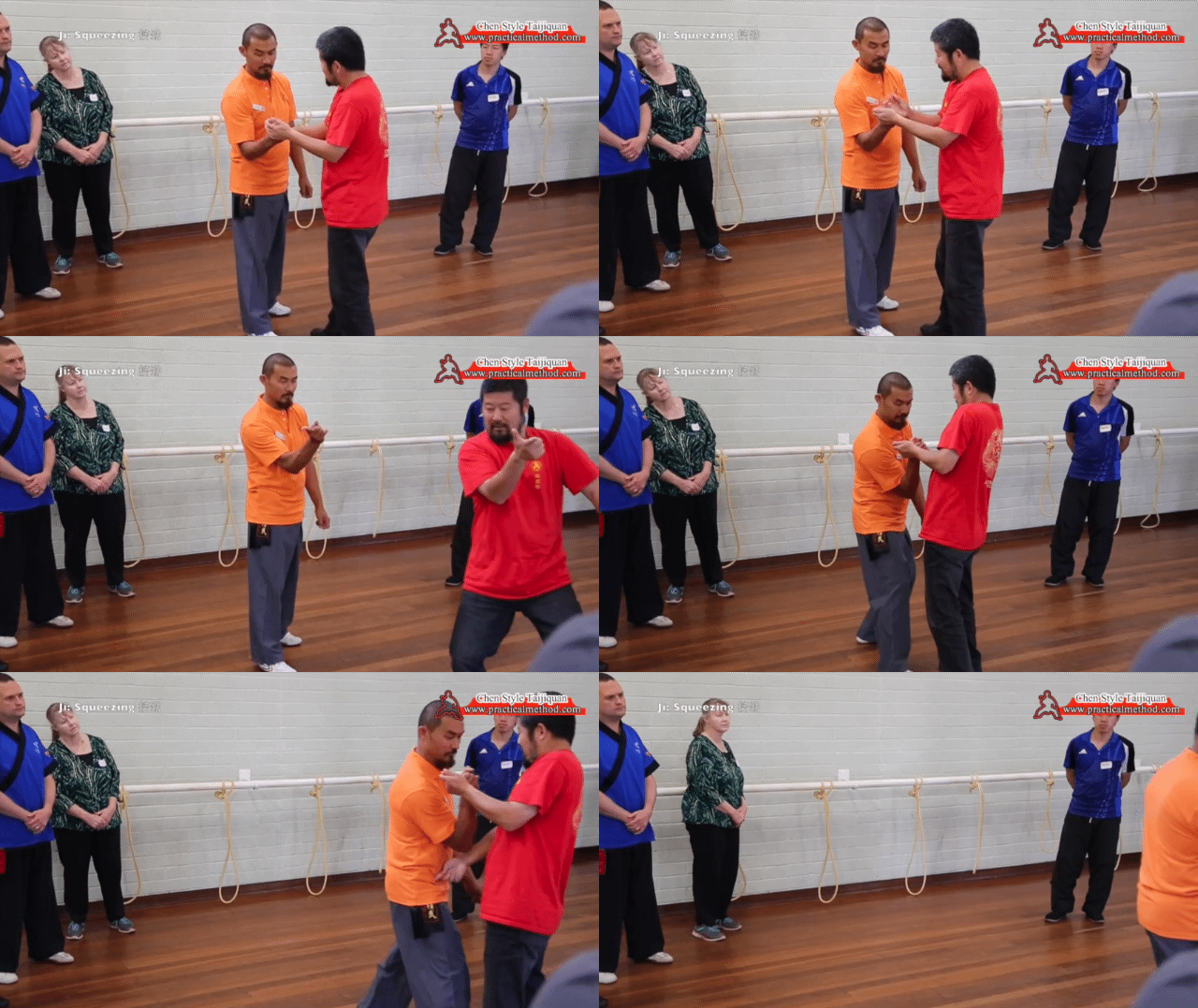
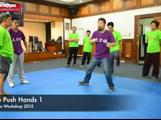
Push Hands with Zili and some instruction
Presenter: Chen Zhonghua Length: 20 min. In: English Year: 2015 Difficulty:1/5