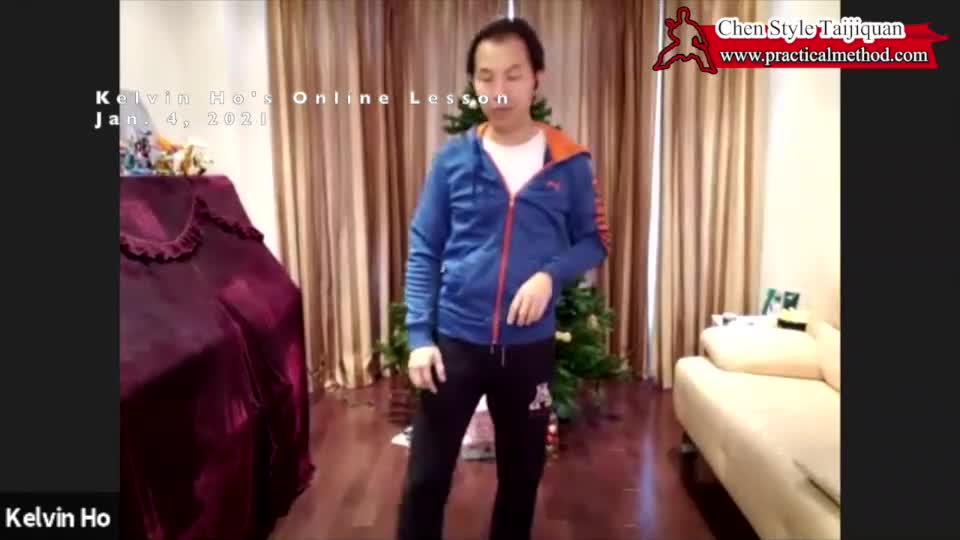
Presenter: Kelvin Ho Length: 61 min. In: English Year: 2021 Difficulty:1/5 At:Toronto Chen Zhonghua Taiji Academy
Presenter: Kelvin Ho Length: 61 min. In: English Year: 2021 Difficulty:1/5 At:Toronto Chen Zhonghua Taiji Academy
_2021-01-04.jpg)
Presenter: Chen Zhonghua Length: 10 min. In: English Year: 2020 Difficulty:1/5
The older and smaller person is Shao Changyu of Juxian, Shandong. She has been taking lessons at the Rizhao Chen Zhonghua Taiji Academy for almost two year. She is a conscientious student. Most of her training was at the Academy by attending afternoon classes. She has no Push Hands training. The opponent is a college student from the Irrigation College who has martial art experiences and is currently on the college Sanda team. This match is an impromptu match. Read more
_2021-01-03.jpg)
Presenter: Chen Zhonghua Length: 10 min. In: English Year: 2020 Difficulty:1/5
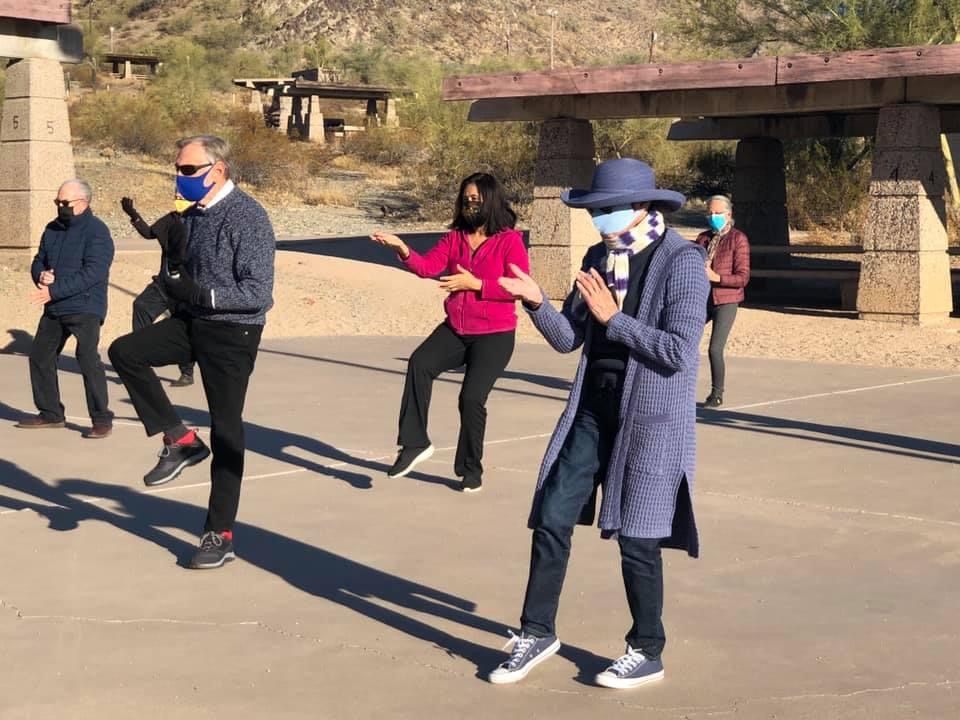
New Year’s Day Tai Chi at North Mountain Park. Glad to see Jan Gould and Pocheng back to practice. They overcame their health problem and injuries from accident in 2020. A great day to start Tai Chi again. A promising year of 2021. Read more
_2021-01-02.jpg)
Presenter: Chen Zhonghua Length: 10 min. In: English Year: 2020 Difficulty:1/5
_2021-01-01.jpg)
Presenter: Chen Zhonghua Length: 10 min. In: English Year: 2020 Difficulty:1/5
Presenter: Chen Zhonghua Length: 66 min. In: English Year: 2020 Difficulty:2/5 At:Edmonton Chen Zhonghua Taiji Academy
Read more– Correction on Six Sealing Four Closing.
My front kua was popping up, but need more horizontal stretch. Also need go bigger.
Read more
Presenter: Chen Zhonghua Length: 75 min. In: English Year: 2020 Difficulty:3/5 At:Edmonton Chen Zhonghua Taiji Academy
– Negative Circle.
First count, shoulder needs to go down and the elbow needs to go over to come in. Hand does not move.
Turn with the waist. The torso is a cylinder and has three sections: shoulder, waist and kua. Only rotate the waist (the middle section of the cylinder), fix the top and bottom to create the stretch.
Read more
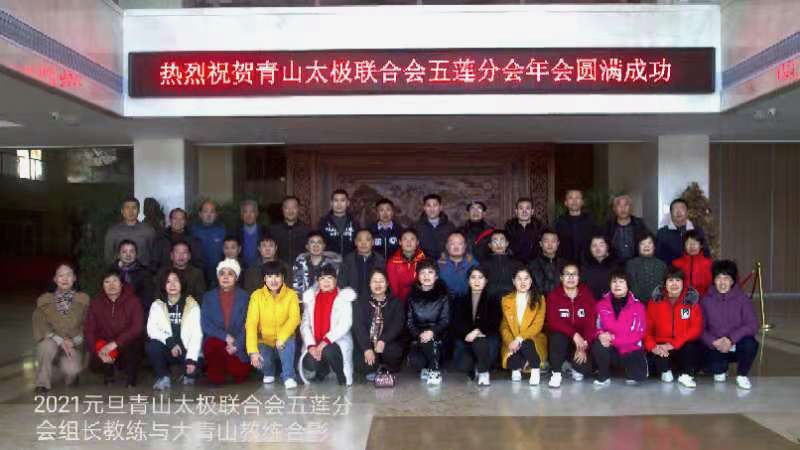
On December 27, 2020, the Wulian Practical Method Federation (10 locations) held its Year-End Party and Meeting on Daqingshan. Read more
Presenter: Kelvin Ho Length: 86 min. In: English Year: 2020 Difficulty:2/5 At:Toronto Chen Zhonghua Taiji Academy
Presenter: Chen Zhonghua Length: 58 min. In: English Year: 2020 Difficulty:1/5 At:Edmonton Chen Zhonghua Taiji Academy 埃德蒙顿陈中华太极馆
You can also buy all the videos for December, 2020 as a package for less.
https://en.shiyongquanfa.cn/product/202012-all-practical-method-online-classes-and-videos/
_2020-12-24.jpg)
Presenter: Chen Zhonghua Length: 10 min. In: English Year: 2020 Difficulty:1/5
– We use linear straight moves to create moves that are not linear. Example: How the crane works and how the airplane takes off.
Read more
Presenter: Chen Zhonghua Length: 86 min. In: English Year: 2020 Difficulty:3/5 At:Edmonton Chen Zhonghua Taiji Academy 埃德蒙顿陈中华太极馆
You can also buy all the videos for December, 2020 as a package for less.
https://en.shiyongquanfa.cn/product/202012-all-practical-method-online-classes-and-videos/
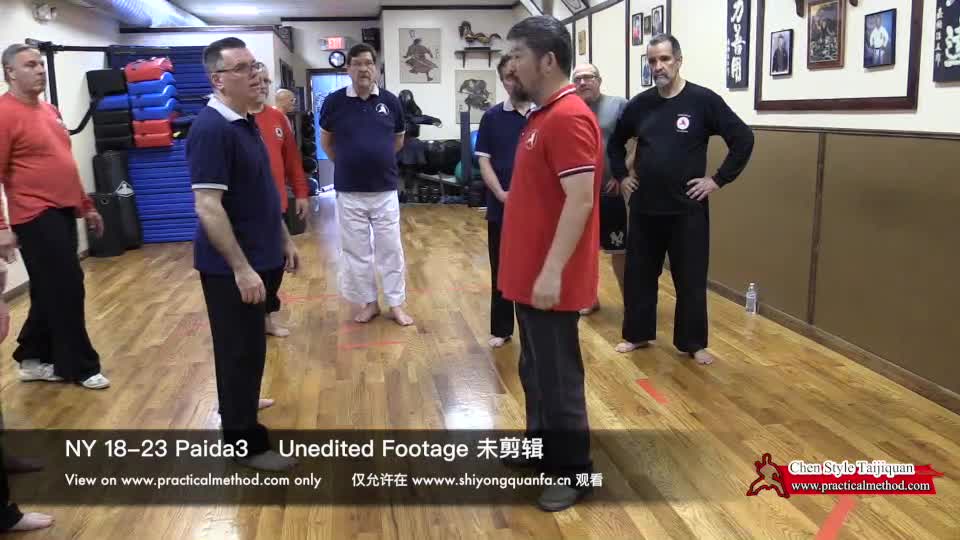
Presenter: Chen Zhonghua Length: 10 min. In: English Year: 2020 Difficulty:1/5
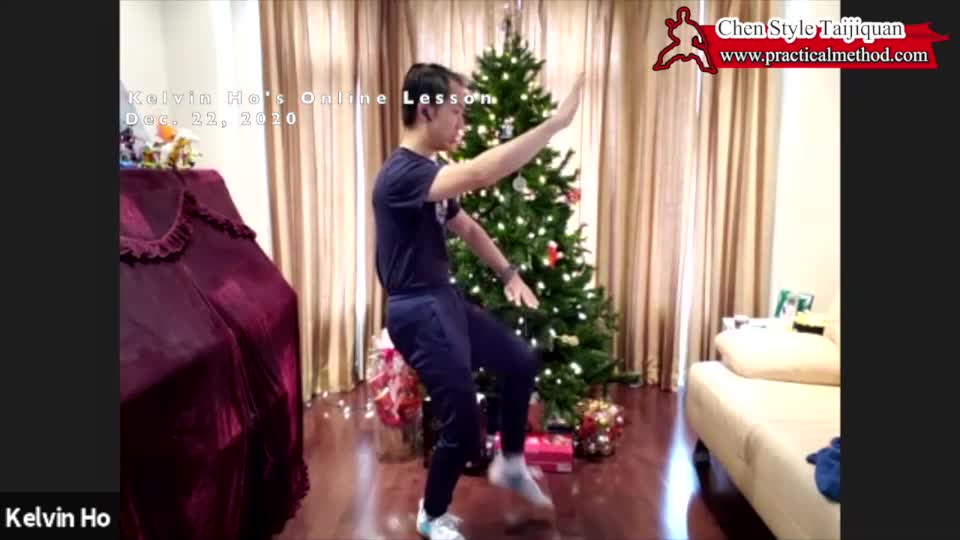
Presenter: Kelvin Ho Length: 65 min. In: English Year: 2020 Difficulty:2/5 At:Toronto Chen Zhonghua Taiji Academy
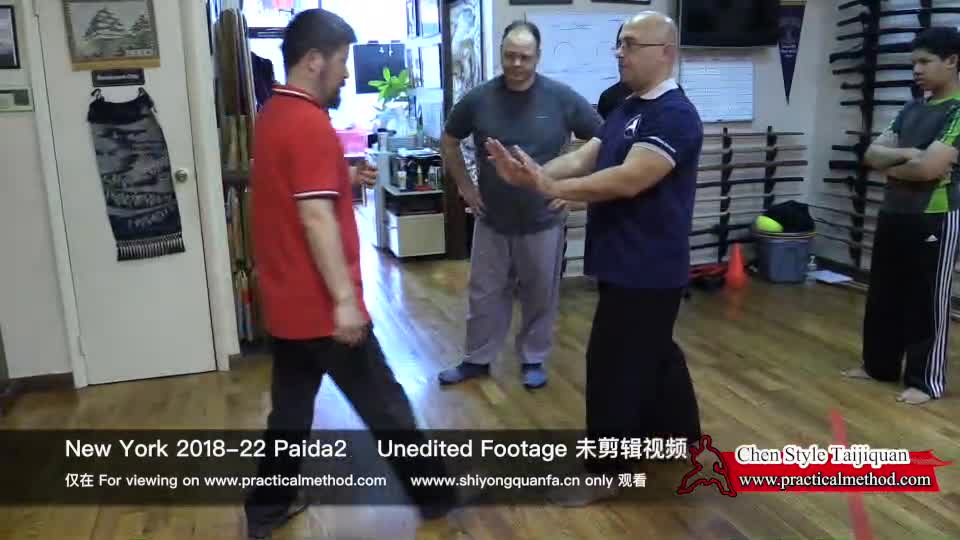
Presenter: Chen Zhonghua Length: 10 min. In: English Year: 2020 Difficulty:1/5
_2020-12-21.jpg)
Presenter: Chen Zhonghua Length: 10 min. In: English Year: 2020 Difficulty:1/5
_2020-12-20.jpg)
Presenter: Chen Zhonghua Length: 10 min. In: English Year: 2020 Difficulty:1/5
_2020-12-19.jpg)
Presenter: Chen Zhonghua Length: 10 min. In: English Year: 2020 Difficulty:1/5
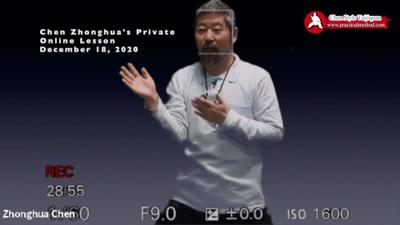
Private Online Class 20201218.
Topics:
* The force breaks but not the intent. How to separate the full circle into three sections without breaking the alignment and trajectory.
* The sequence and body combination of the three-count circle.
* In and Out of Dantian. All movements must come out of the Dantian and then when finished, return back to the Dantian. This is a general principle for movements. This way, movements are always centered and will not toss out of center.
* Scissors Power. How scissors cuts, the theory behind it. How it is applied in Practical Method movements and techniques.
Presenter: Chen Zhonghua Length: 45 min. In: English Year: 2020 Difficulty:4/5 At:Edmonton Chen Zhonghua Taiji Academy
trailoer content 70168
_2020-12-18.jpg)
Presenter: Chen Zhonghua Length: 10 min. In: English Year: 2020 Difficulty:1/5

In early Autumn 2019 I was training with Lutz and Fabian. I was doing a common drill for the Practical Method, Fabian as partner: He was pushing my arm repeatedly with same power, speed, distance and rhythm. On his move I was training the elbow-in/foot out (on the front side). Read more
Presenter: Chen Zhonghua Length: 60 min. In: English Year: 2020 Difficulty:1/5 At:Edmonton Chen Zhonghua Taiji Academy
Topics include: Direction of movements (circles), When to move (Rhythm of movements), Don’t skip any positions (movements must be full), How to jump (Double Shaking Feet), In with Elbow, Out with Hand (The Two Solids of Taiji), In with Elbow in Negative Circle, How Not to Collapse when Moving, How to Generate Power with the Kua, Levels of Taijiquan.
_2020-12-17.jpg)
Presenter: Chen Zhonghua Length: 10 min. In: English Year: 2020 Difficulty:1/5
– Training method by restriction. In early stage, we separate the arms from the torso and train the arms only. Then we train the kua only by keeping other parts of the body not moving. Once the arms are in position, then it is locked. Only move the kua. Now the shoulder elbow and torso are called not moving. Otherwise the movements of the kua will be cancelled by the movements of other parts. We want the parts we don’t restrict to get all the training.
Read more
Waist Match the Body Movement Trailer
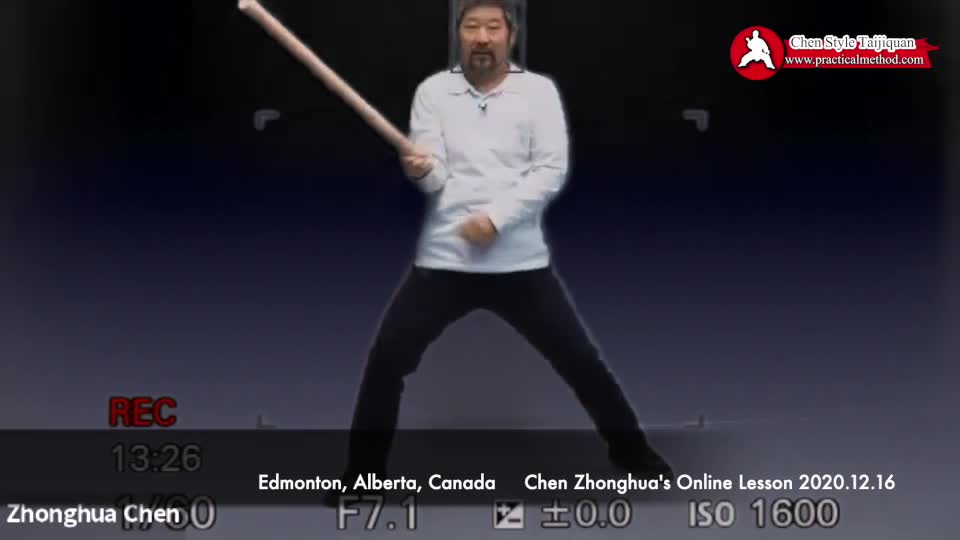
Presenter: Chen Zhonghua Length: 71 min. In: English Year: 2020 Difficulty:3/5 At:Edmonton Chen Zhonghua Taiji Academy
_2020-12-16.jpg)
Presenter: Chen Zhonghua Length: 10 min. In: English Year: 2020 Difficulty:1/5
Presenter: Kelvin Ho Length: 74 min. In: English Year: 2020 Difficulty:1/5 At:Toronto
_2020-12-15.jpg)
Presenter: Chen Zhonghua Length: 10 min. In: English Year: 2020 Difficulty:1/5
– Movements need to be deep enough to make sure every body parts are stretched out. To feel the bottom. Fingers touching the wall and body sinks to find the solid. Read more