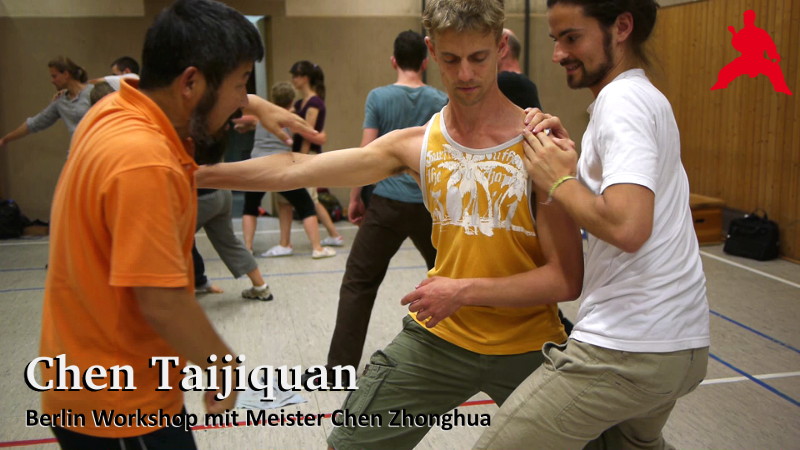
 Details and sign up here:
http://www.practicalmethod.de/en/workshops/upcoming-workshops/197-2015-06-20-21-sat-sun-master-chen-zhonghua-in-berlin
Talk on solid and strength
Presenter: Chen Zhonghua Length: 2 min. In: English Year: 2015 Difficulty:1/5 At:Toronto
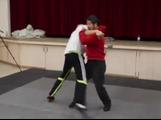
How to use stretch when being pushed
Presenter: Chen Zhonghua Length: 2 min. In: English Year: 2015 Difficulty:2/5 At:Toronto
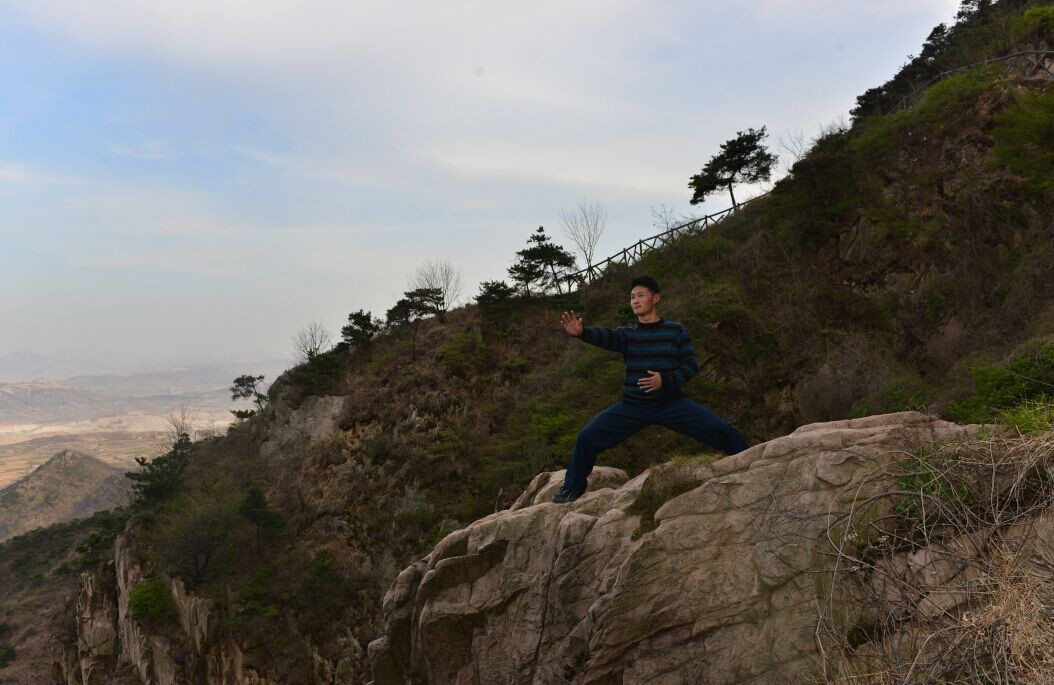
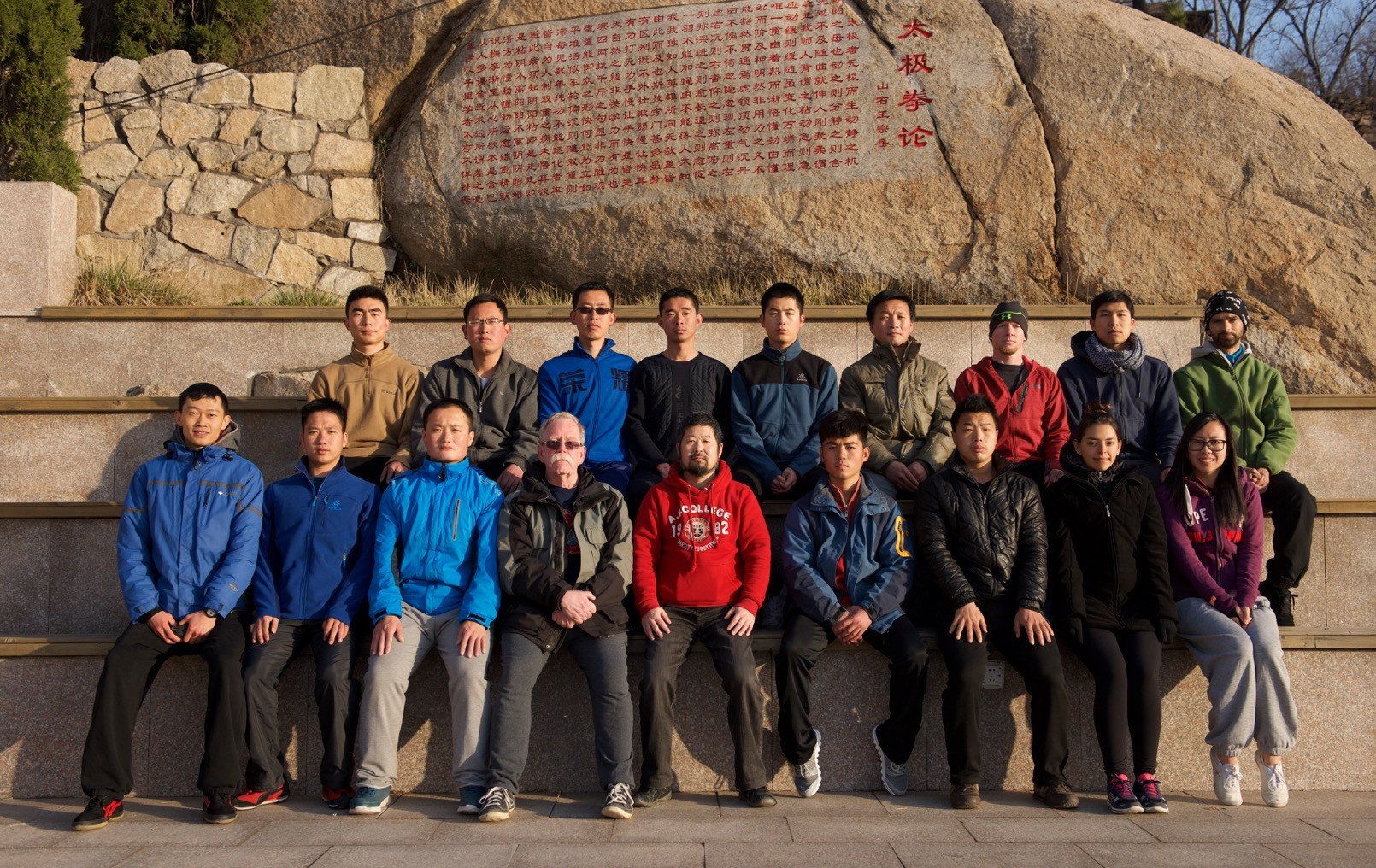
There are long hiking trails around Daqingshan mountain where visitors can explore
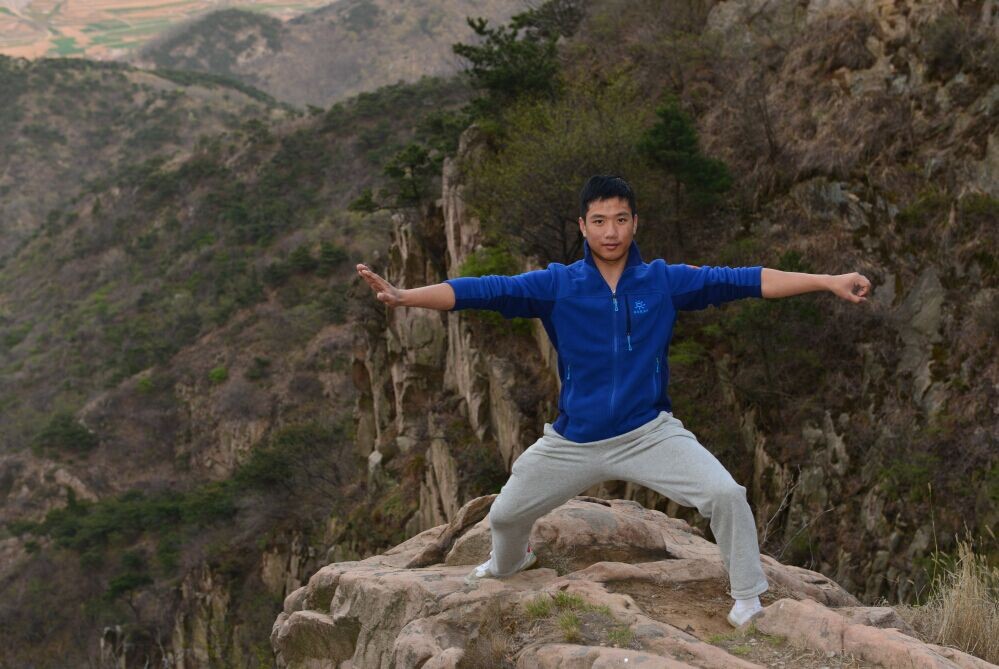
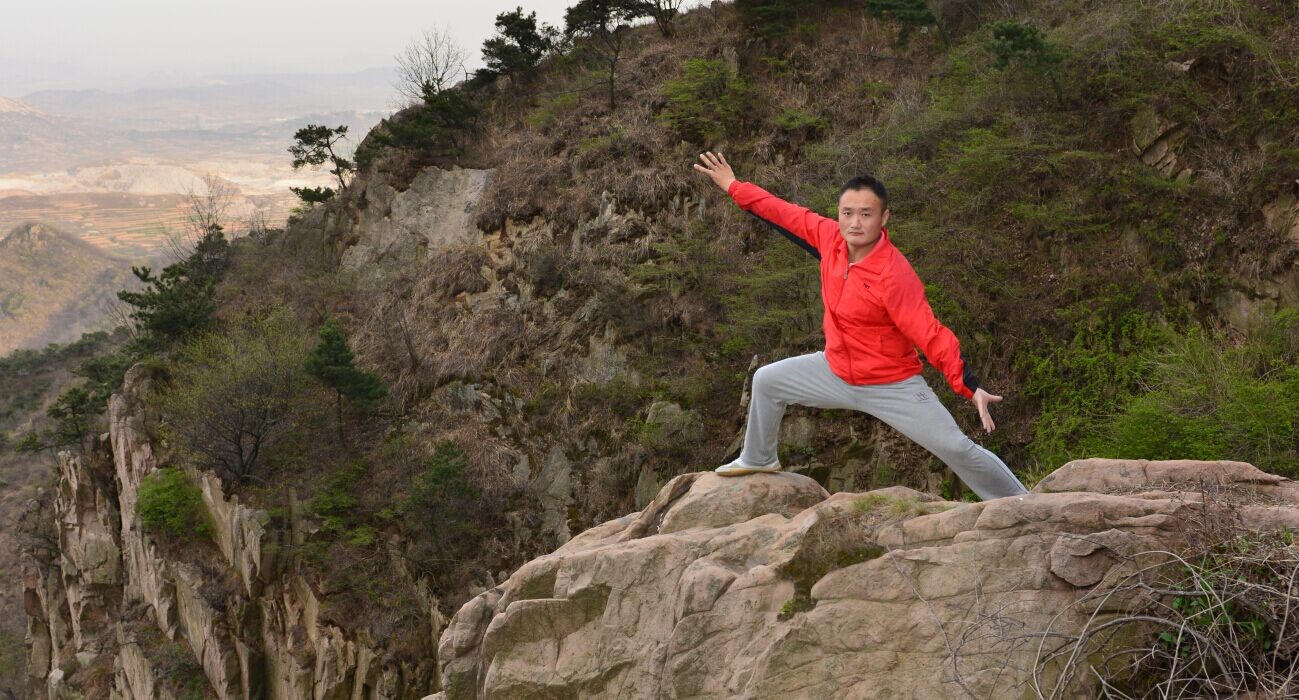
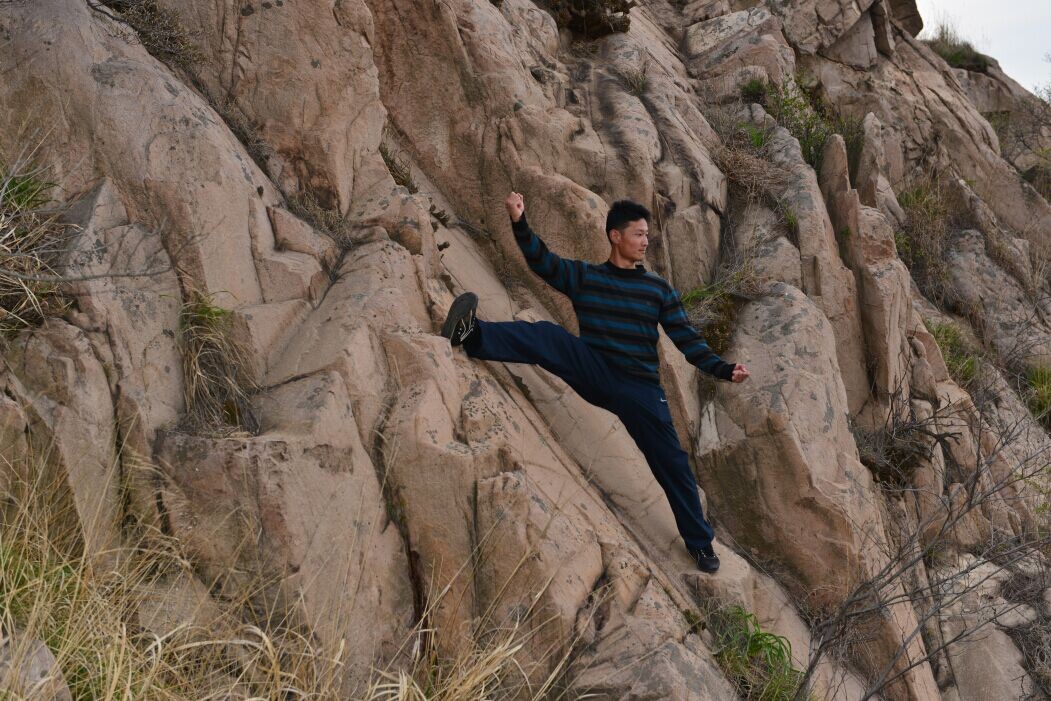
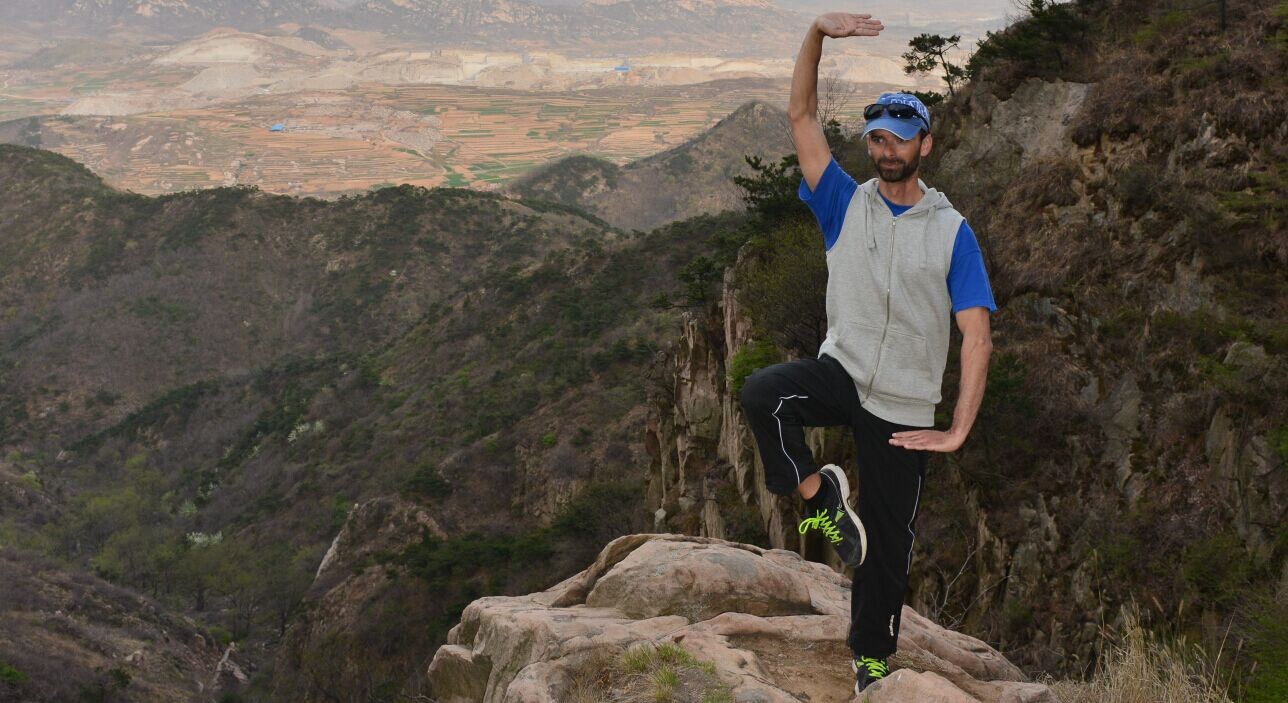

Rick and Wolf joined us from Victoria Island
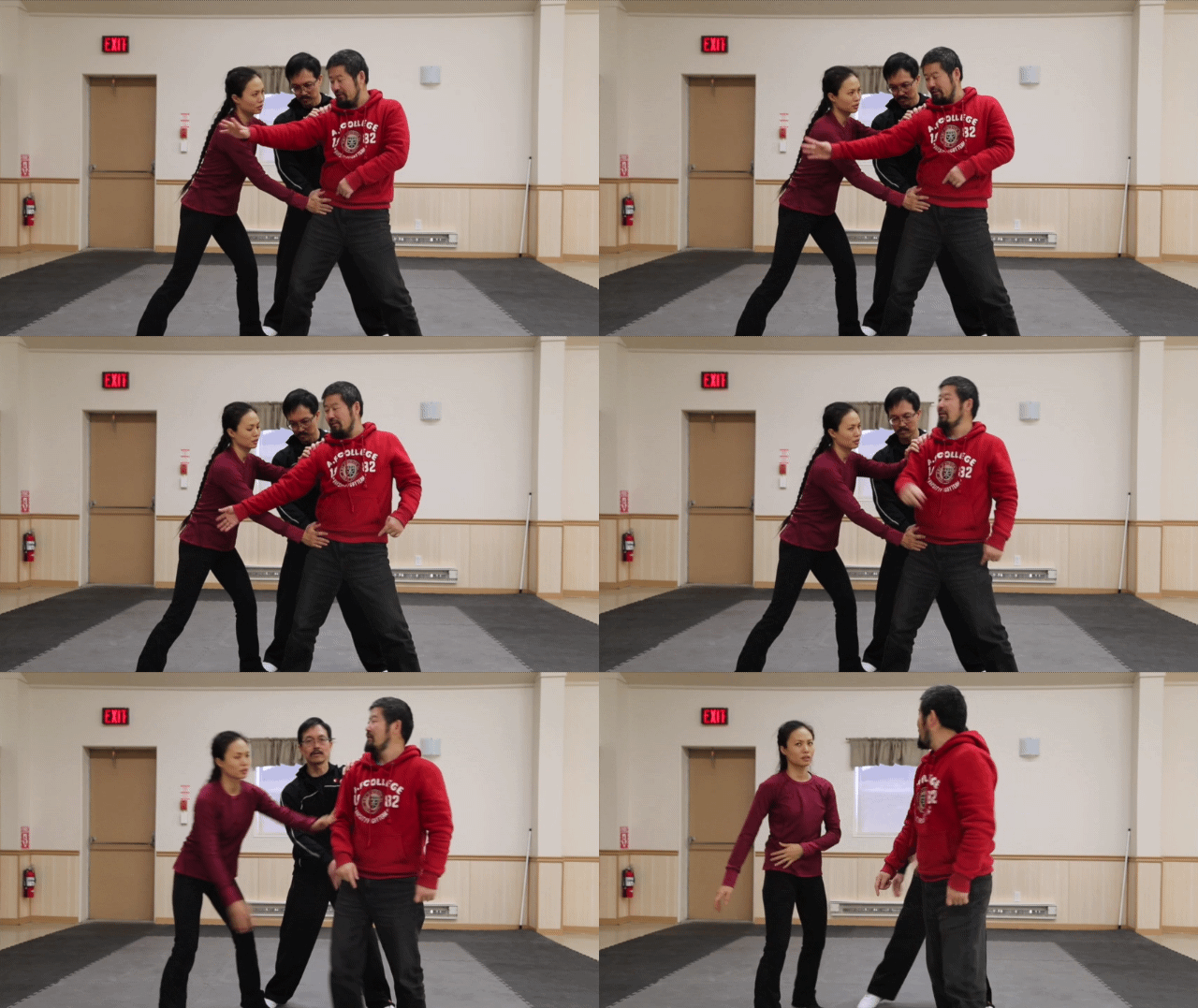
We worked on separation at the shoulder. This is the first time I have a taste of how to do it, as I heard of this principle before but in the past my body can not do it, or just do it by accident, not in controller manner
The application of separation is not just moving the arm in a separate manner, but it is having two focus in the move. One is to keep opponent contact point steady, and one is to have the arm move not affecting the first focus.
It is unnatural because habitually only do one move with one focus at a time. Master Chen showed me the finer detail of this move, like having a stretch to compensate for the arm move.
Elbow in practice, circles in the body,maintain angles in your body
Presenter: Chen Zhonghua Length: 67 min. In: English Year: 2013 Difficulty:1/5 At:Sydney
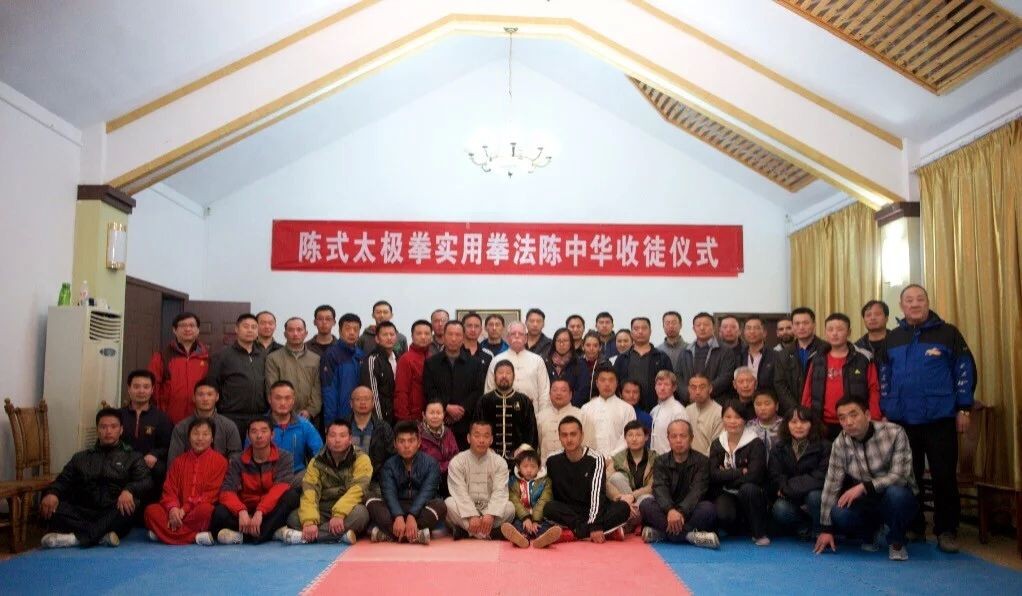
Even though it is still cold, many students attend the workshop.There is also discipleship ceremony, push hand tournament and calligraphy during the weekend

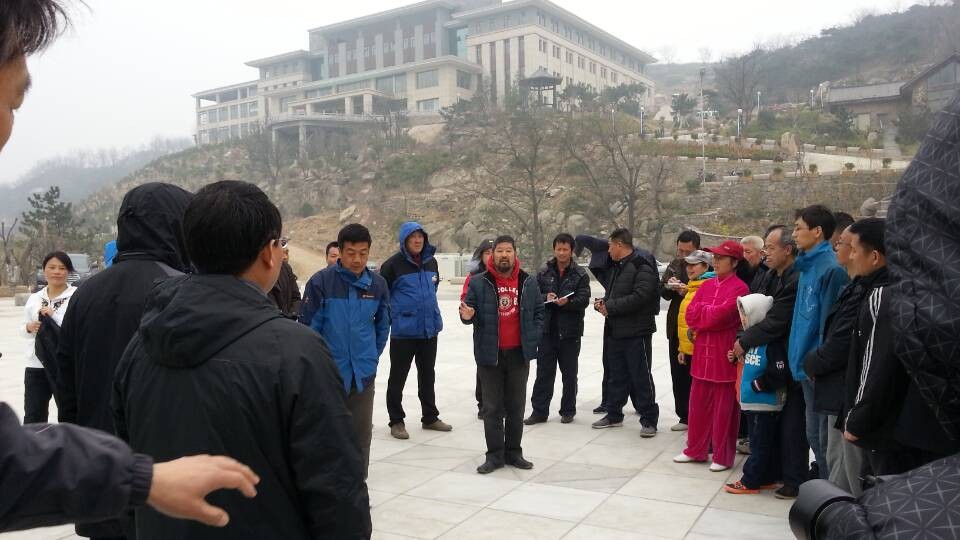
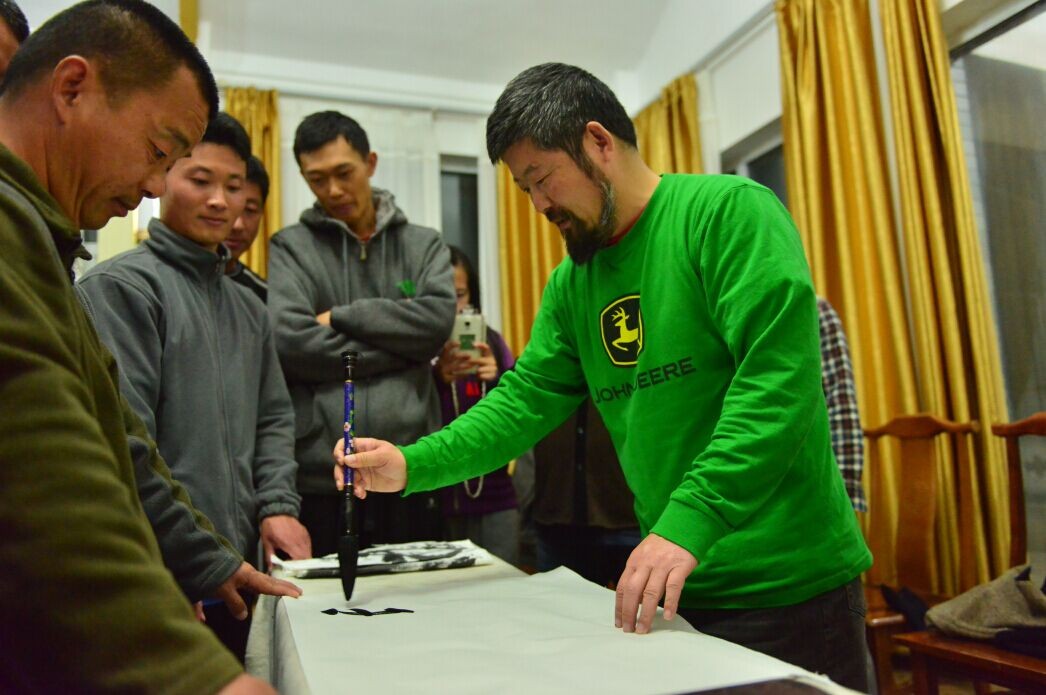
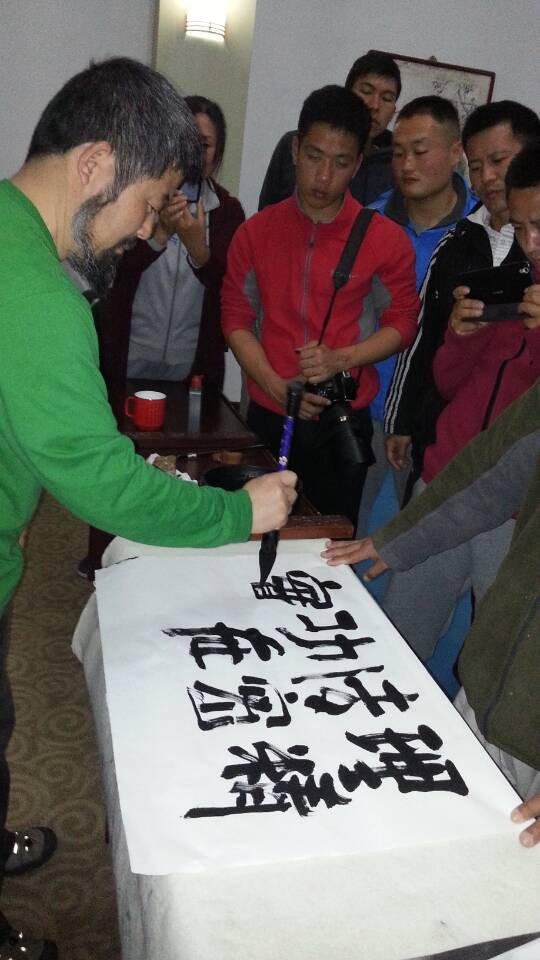
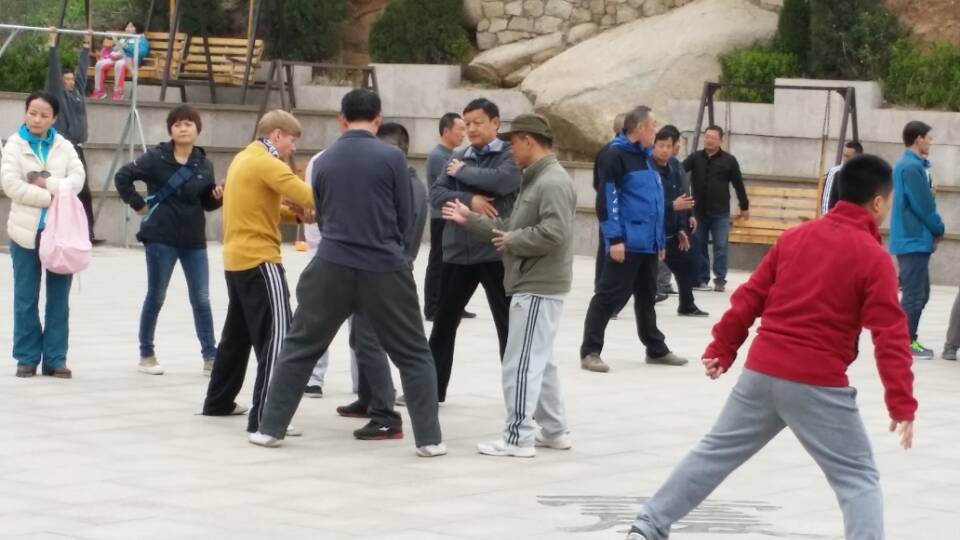
Theory of stretching, dont give opponent a handle, concentrate power to a dot, move in straight line
Presenter: Chen Zhonghua Length: 63 min. In: English Year: 2013 Difficulty:1/5
Lesson on how to generate power from restriction
Presenter: Chen Zhonghua Length: 19 min. In: English Year: 2014 Difficulty:2/5 At:Berlin
Master Chen often talks about having concave curve in the body. It sounds to me like he is describing a parabolic reflector. It’s a concave mirror essentially that reflects energy, that comes in, back toward a single focal point. Parabolic structure is also used to reflect a point of light into a diffuse light.
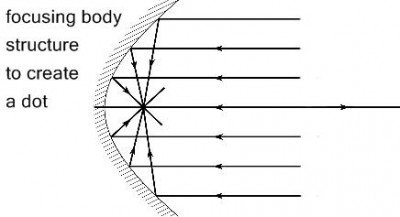
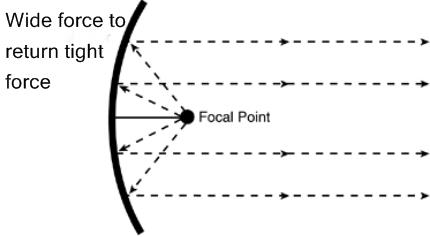
In relation to Taiji training, Master CHen is talking about correct alignment and orientation of the joints of the body, and how often when we think we are in the ‘ correct ‘ position, we are actually quite chaotically misaligned, and lack proper orientation. There is no focal point.
My understanding of what he means is that in the correct structure of the ‘ mother move ‘ of Practical Method all the joints power should be aiming to a central dot. That dot will have cumulative power similar to the idea of the collective beam of concentrated energy from a Parabolic reflector.
In workshop Master Chen also demo about breaking opponent incoming diffuse force with a tight force and vice versa: the concave shape also facilitate this.
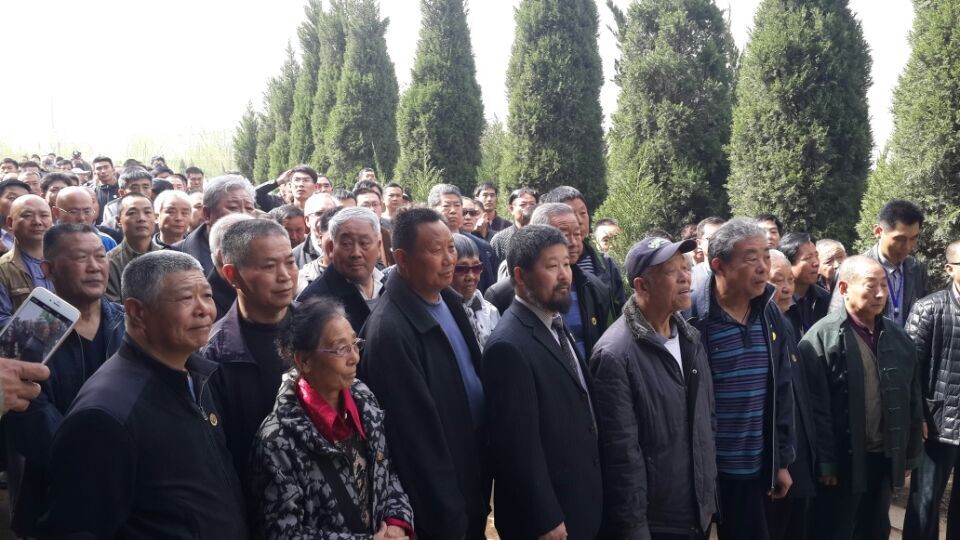
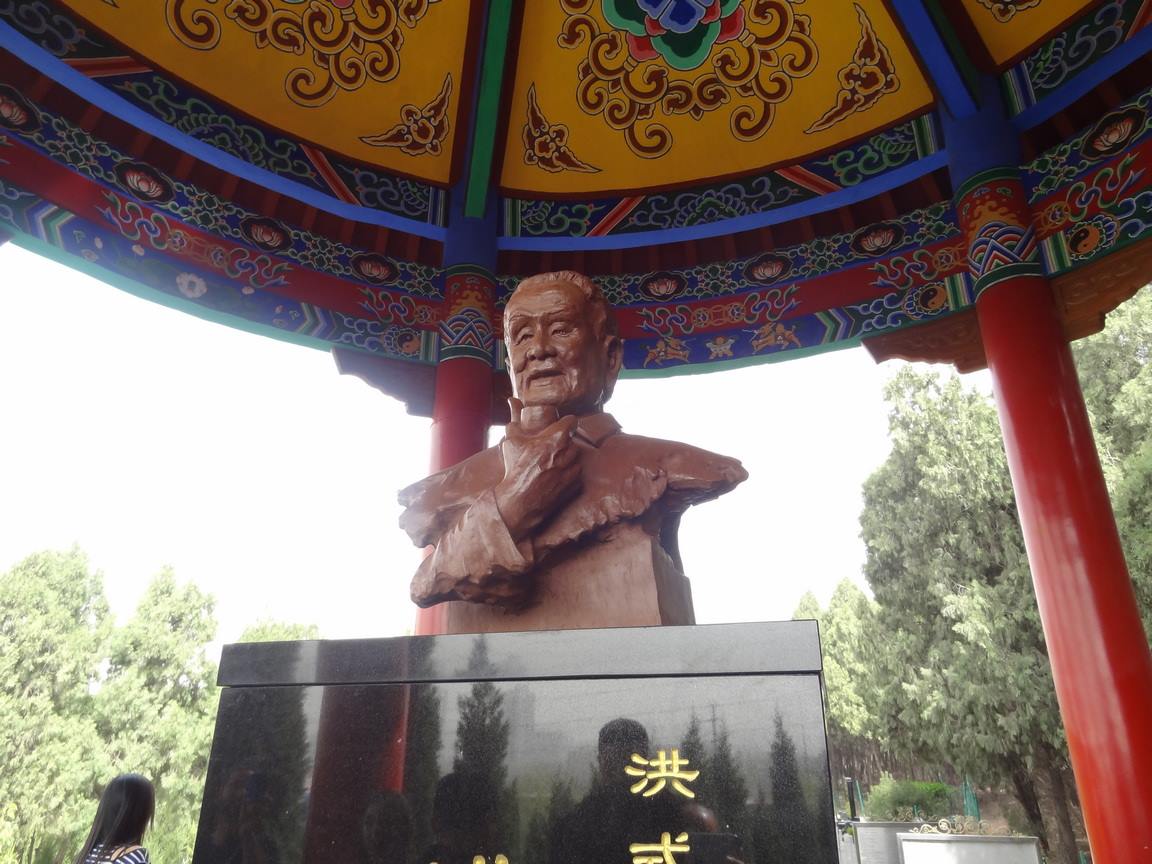
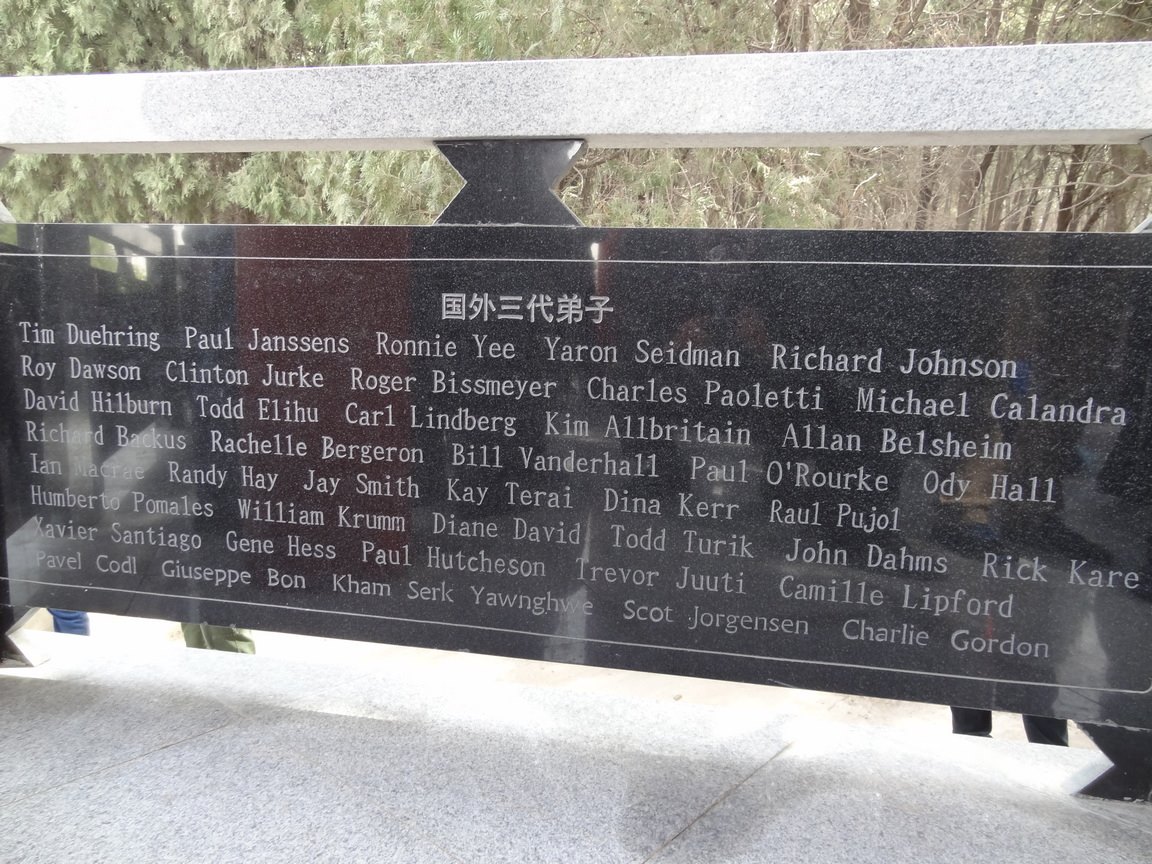
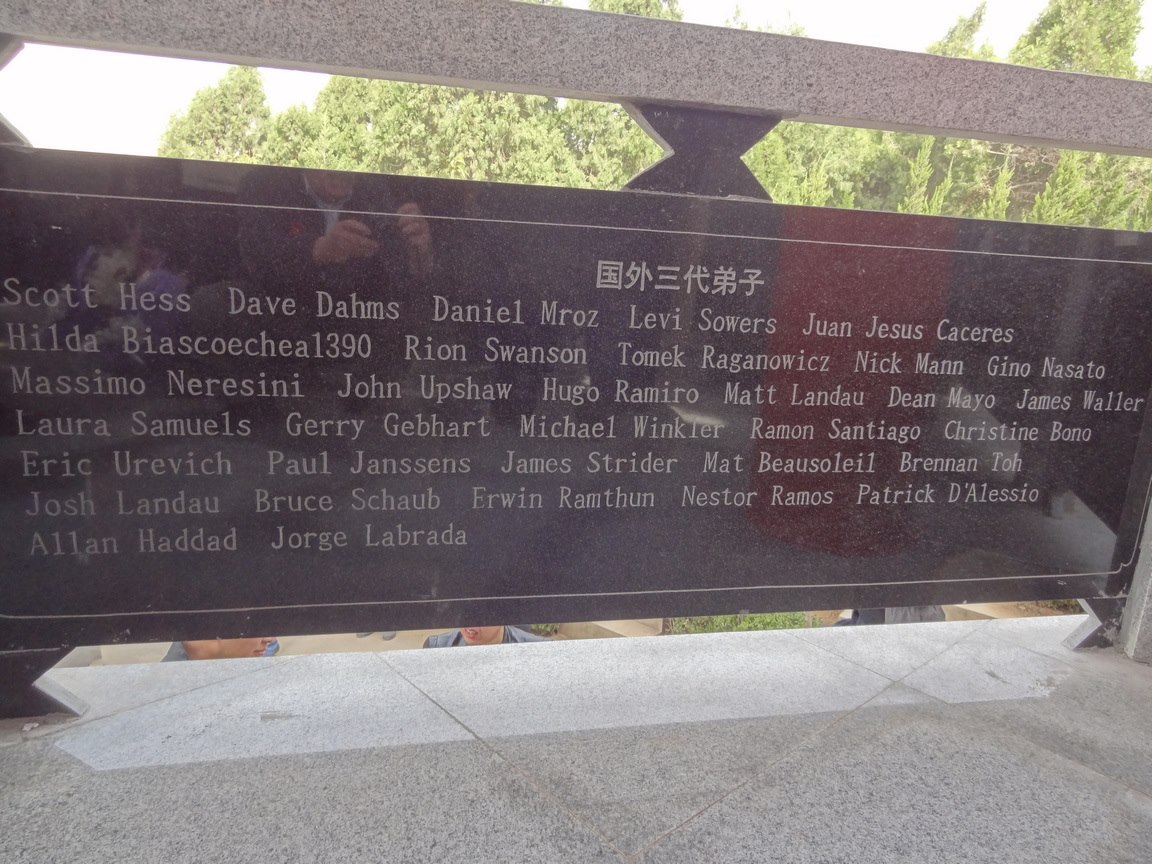
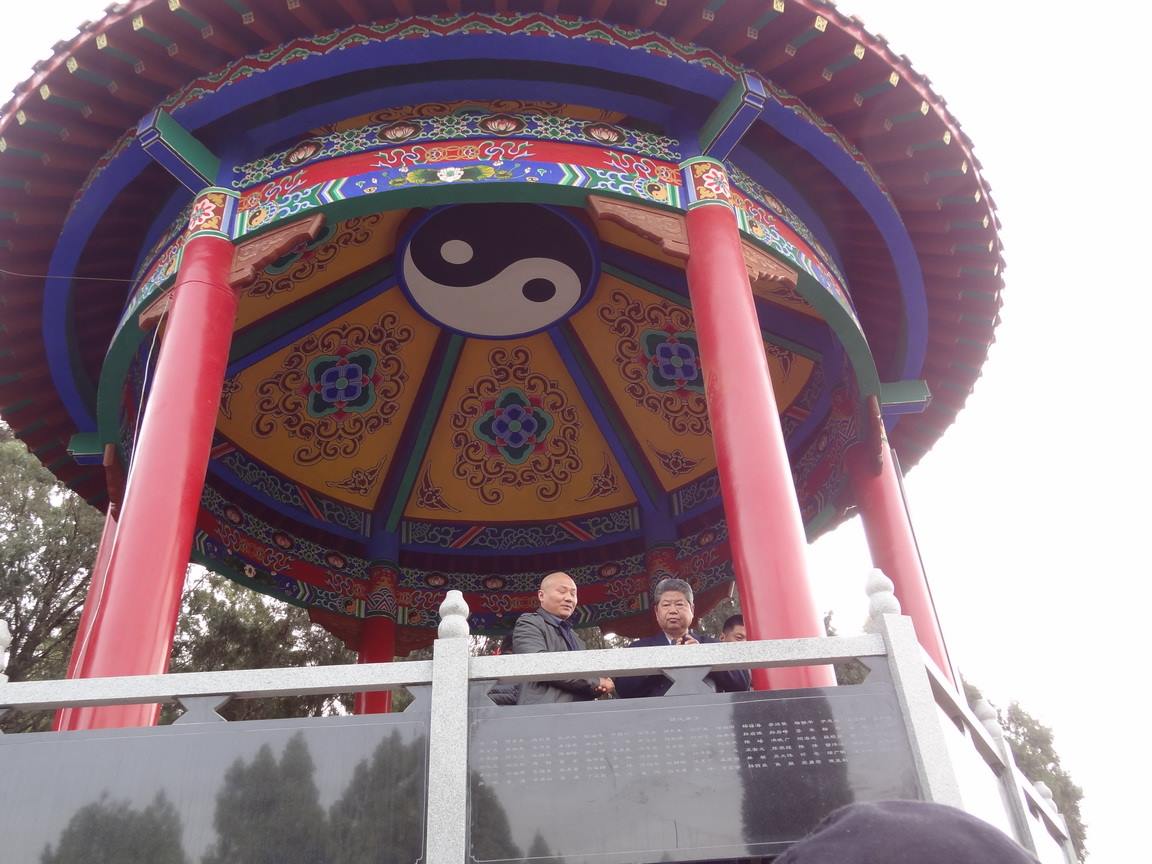
GM Hong Jun Sheng’s grave was relocated to this new site in Jinan. Carved around the statue are the names of the disciples

Theory how to maintain solid connections throughout the body
Presenter: Chen Zhonghua Length: 17 min. In: English Year: 2015 Difficulty:2/5 At:Toronto
From Oblique Single Whip (44) to Single Whip (54), plus demonstration of the last two sections from Middle Cloud Hands (55) to Turn Left and Buddha’s Warrior Pounds Mortar (81).
1) Shovel out the front heel
2) Land the front toes and knee together
3) Extend the hands out
Note: Don’t push the opponent in step 1 and 2.
Forms 45-54 of the Yilu Routine.
Presenter: Chen Zhonghua Length: 7 min. In: English Year: 2015 Difficulty:1/5 At:Edmonton, Alberta, Canada
You can buy all six videos for $40.00 here: http://practicalmethod.com/2020/07/yilu-detailed-instructions-all-six-sections-2015-online-video-purchase/
Yilu Detailed Instructions Section 3, 2015. This section includes moves 29-44 of the Yilu form.
Presenter: Chen Zhonghua Length: 23 min. In: English Year: 2015 Difficulty:1/5 At:Edmonton, Alberta, Canada
You can buy all six videos for $40.00 here: http://practicalmethod.com/2020/07/yilu-detailed-instructions-all-six-sections-2015-online-video-purchase/
This video cover: Move 14 – 28 . Other video in the series: Section 1
Presenter: Chen Zhonghua Length: 23 min. In: English Year: 2015 Difficulty:1/5
You can buy all six videos for $40.00 here: http://practicalmethod.com/2020/07/yilu-detailed-instructions-all-six-sections-2015-online-video-purchase/
Hi all, so this is my Yilu first section, basically learning it from video. Corrections, pointers etc very much appreciated. Only recently realized how good the form practice is to grind the principles.
Theory and practice to focus power in the hand and have the connection from hand to feet
Presenter: Chen Zhonghua Length: 23 min. In: English Year: 2015 Difficulty:3/5 At:Toronto

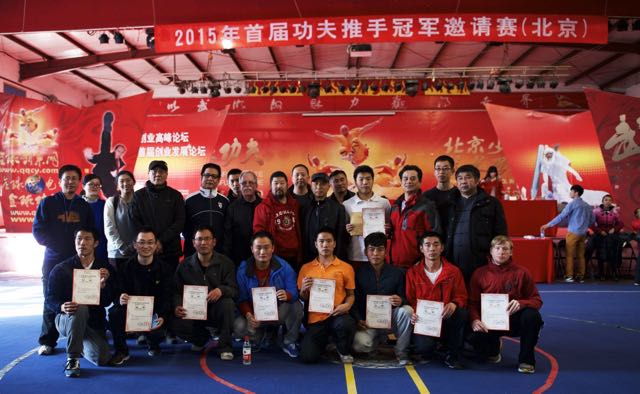
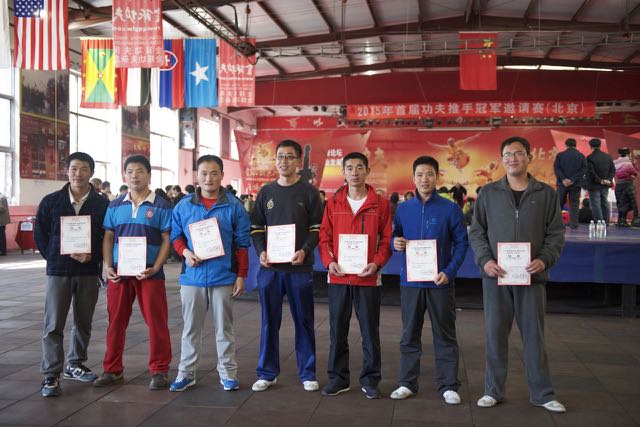
Master Chen is on three weeks trip to China to attend several events. First is at Tan Cheng for workshop and school opening with Master Wang DeYou
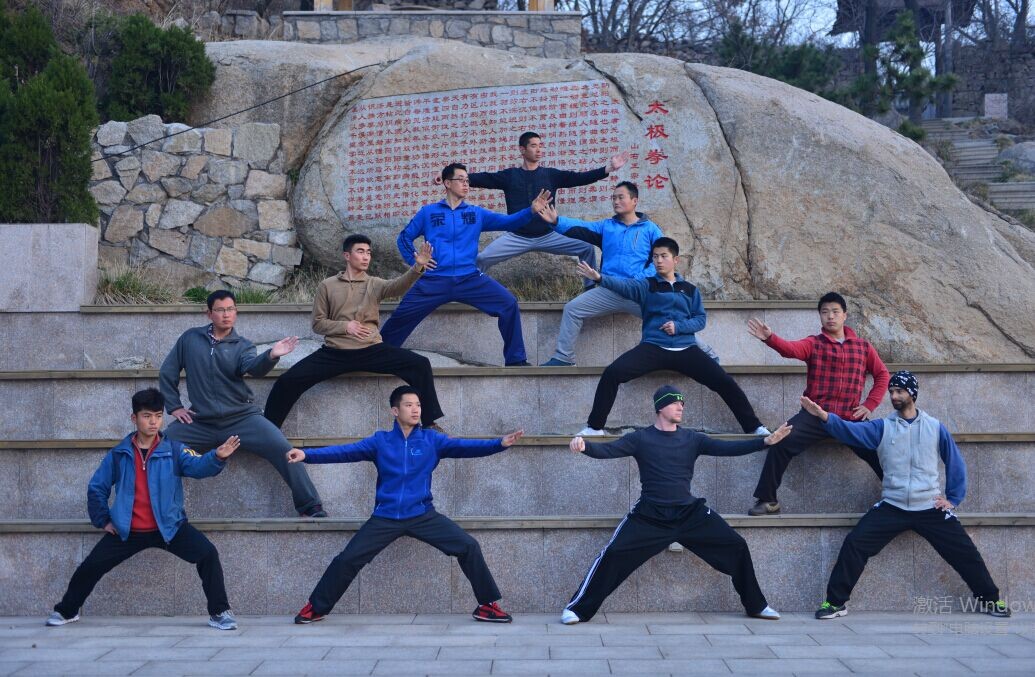
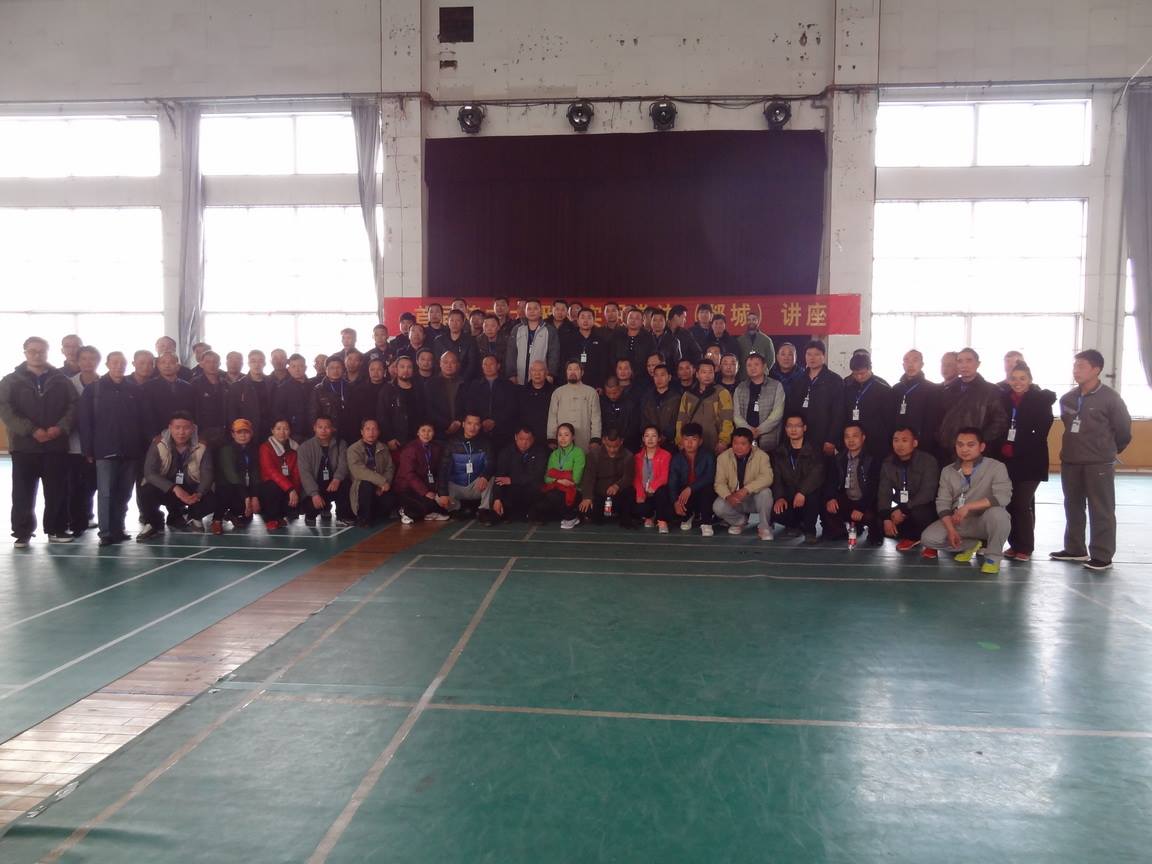
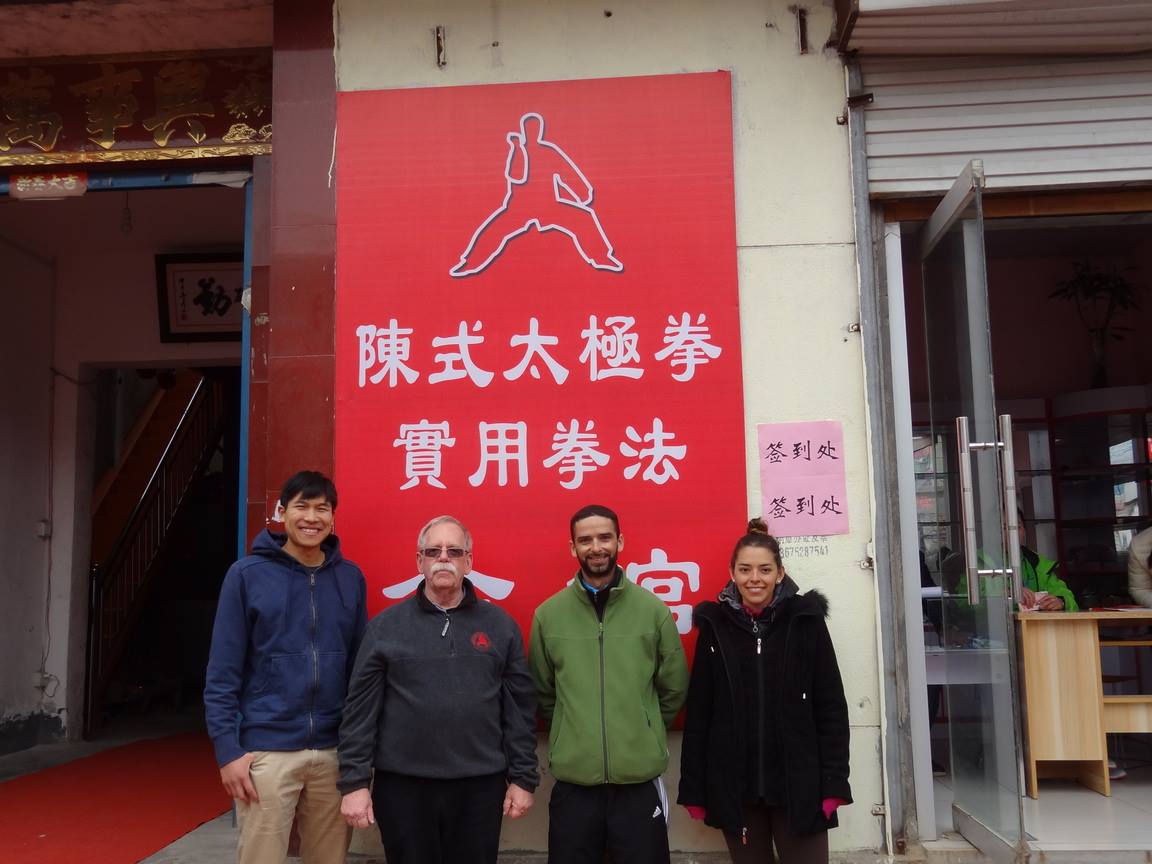

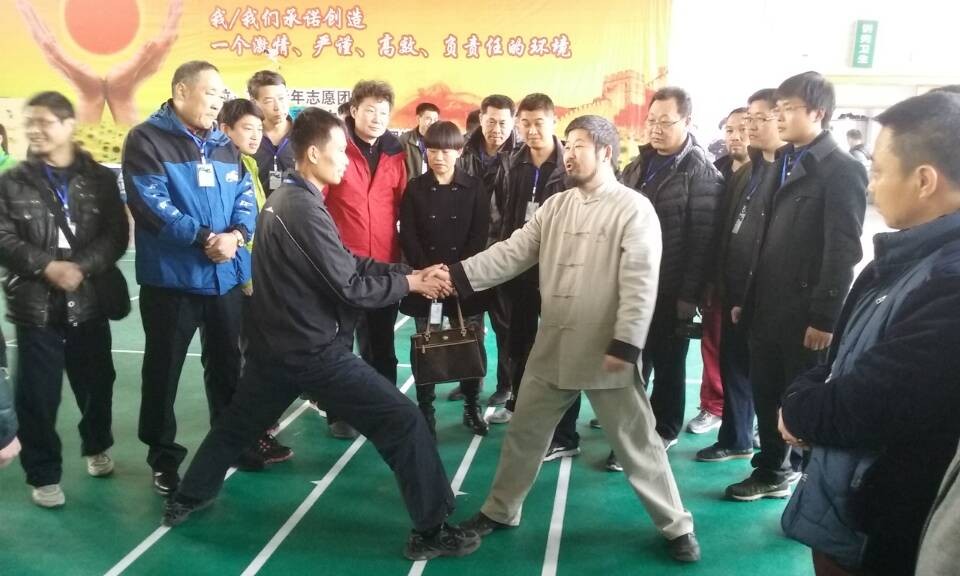
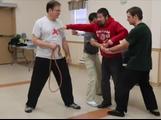
Theory and practice for being full and stretched in each move.
Presenter: Chen Zhonghua Length: 19 min. In: English Year: 2015 Difficulty:1/5 At:Toronto
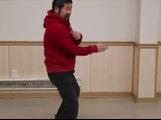
Isolating the Dot sequence with twist towel foundation.
Presenter: Chen Zhonghua Length: 4 min. In: English Year: 2015 Difficulty:2/5 At:Toronto
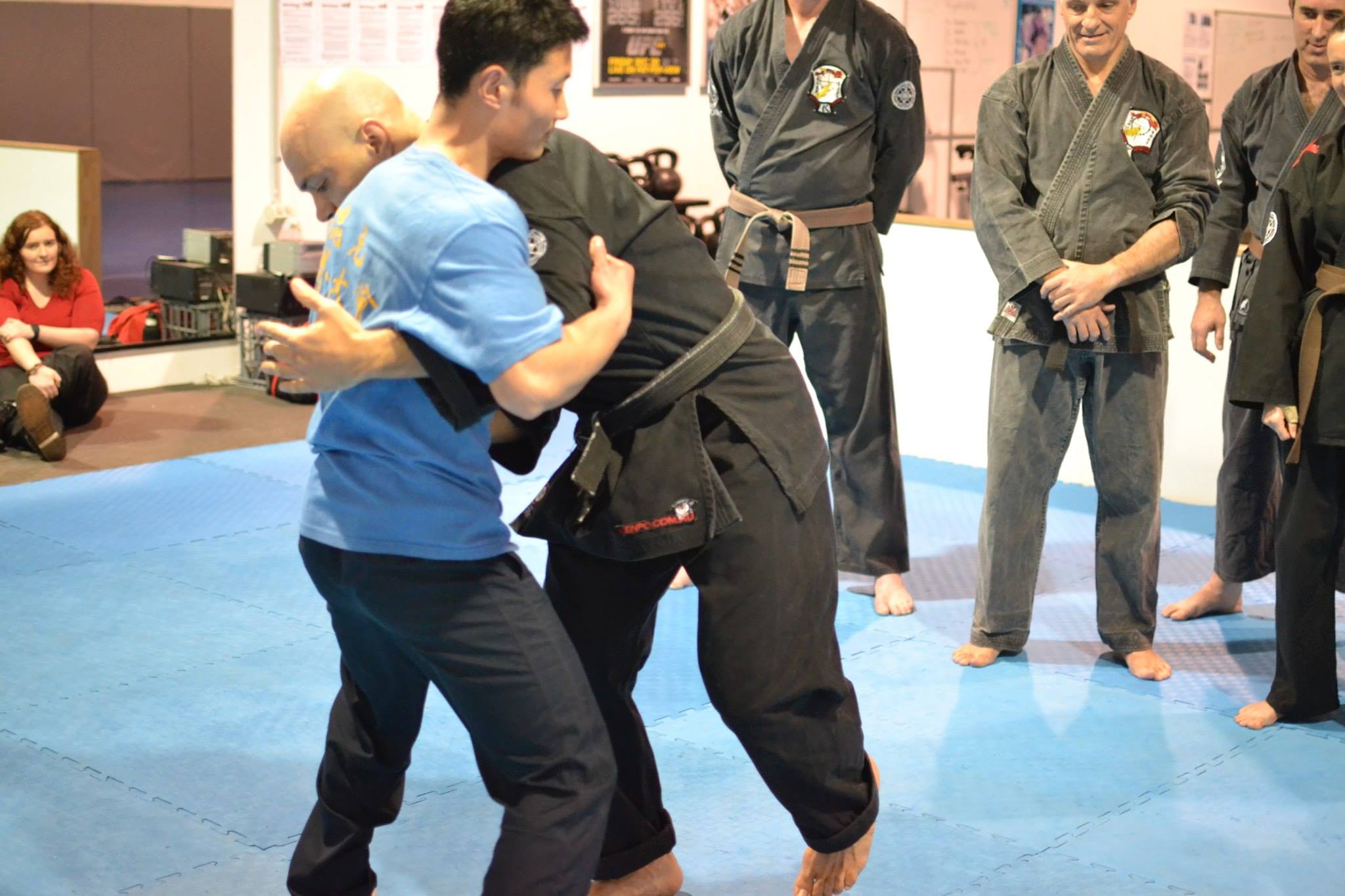
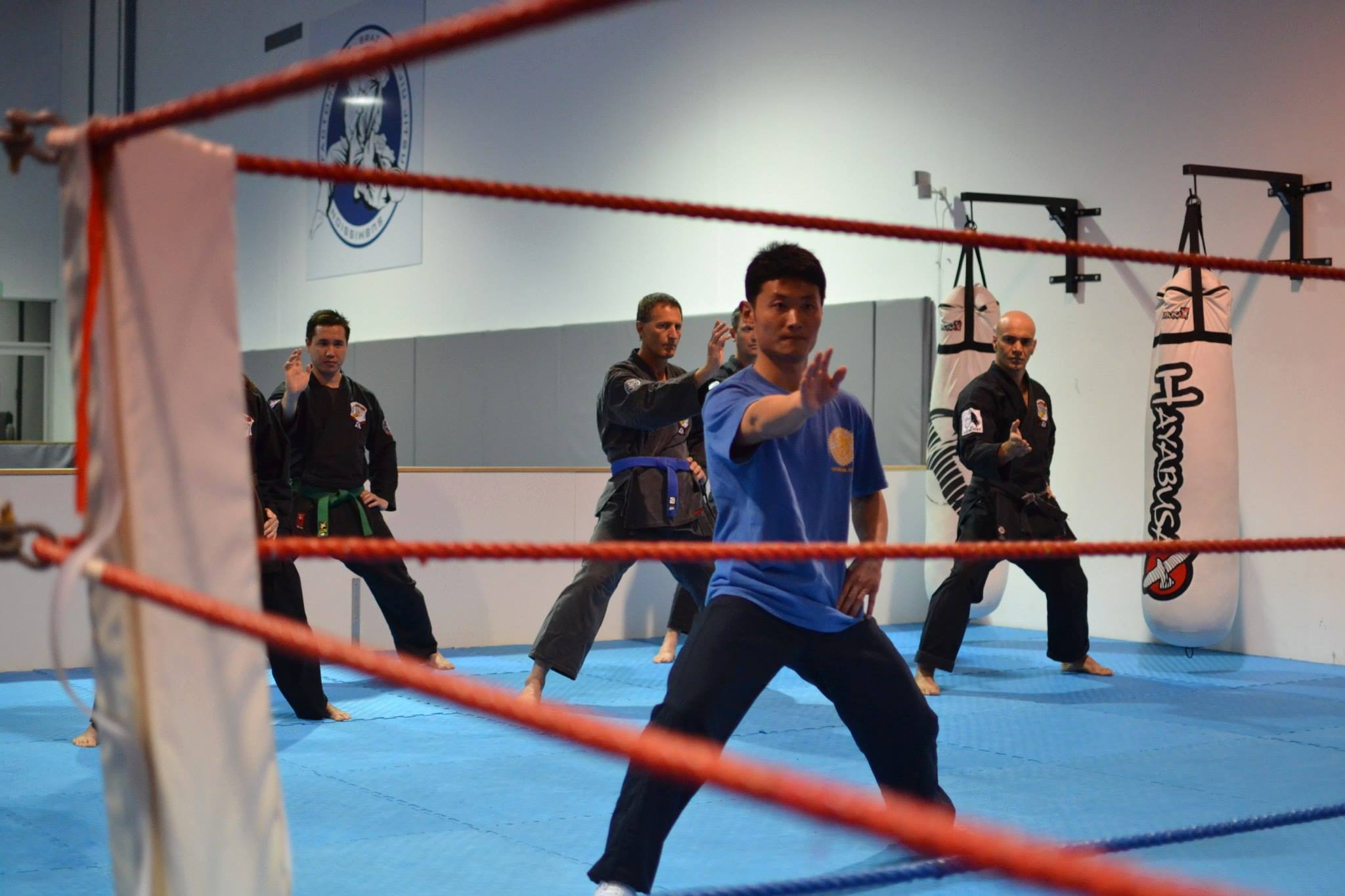
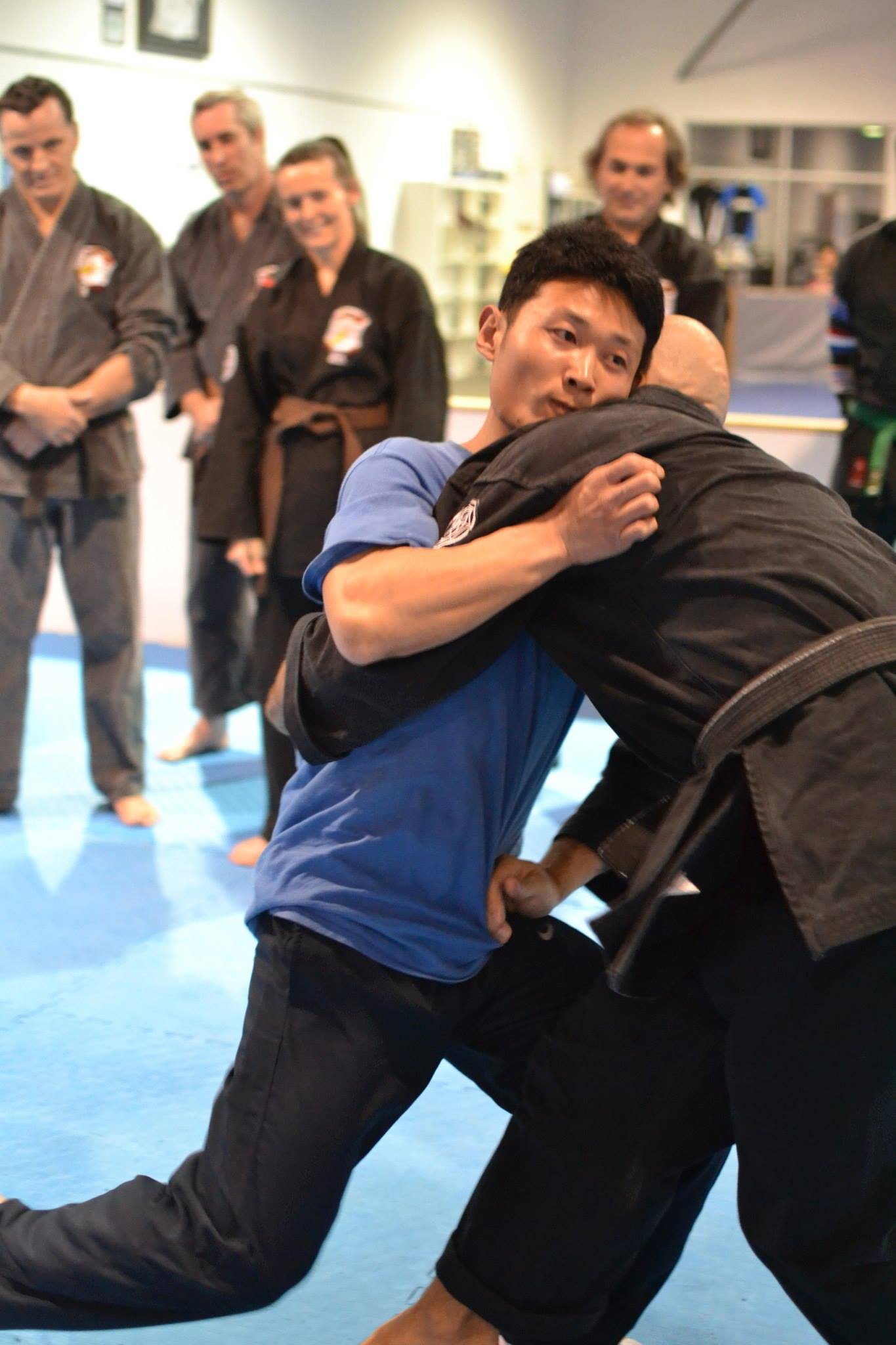
Ping Wei will visit Irvine California and teach foundations and Yilu in a one day workshop on March 21, Saturday. This will be his third workshop in Irvine.
I picked up stage magic before I started learning Practical Method. One evening after a workshop session in Phoenix I was doing some sleight of hand to amuse the other attendees, and Master Chen spoke briefly about the difference between perception and reality as it applies to taiji. I’m including some thoughts I’ve had on the topic since. Read more
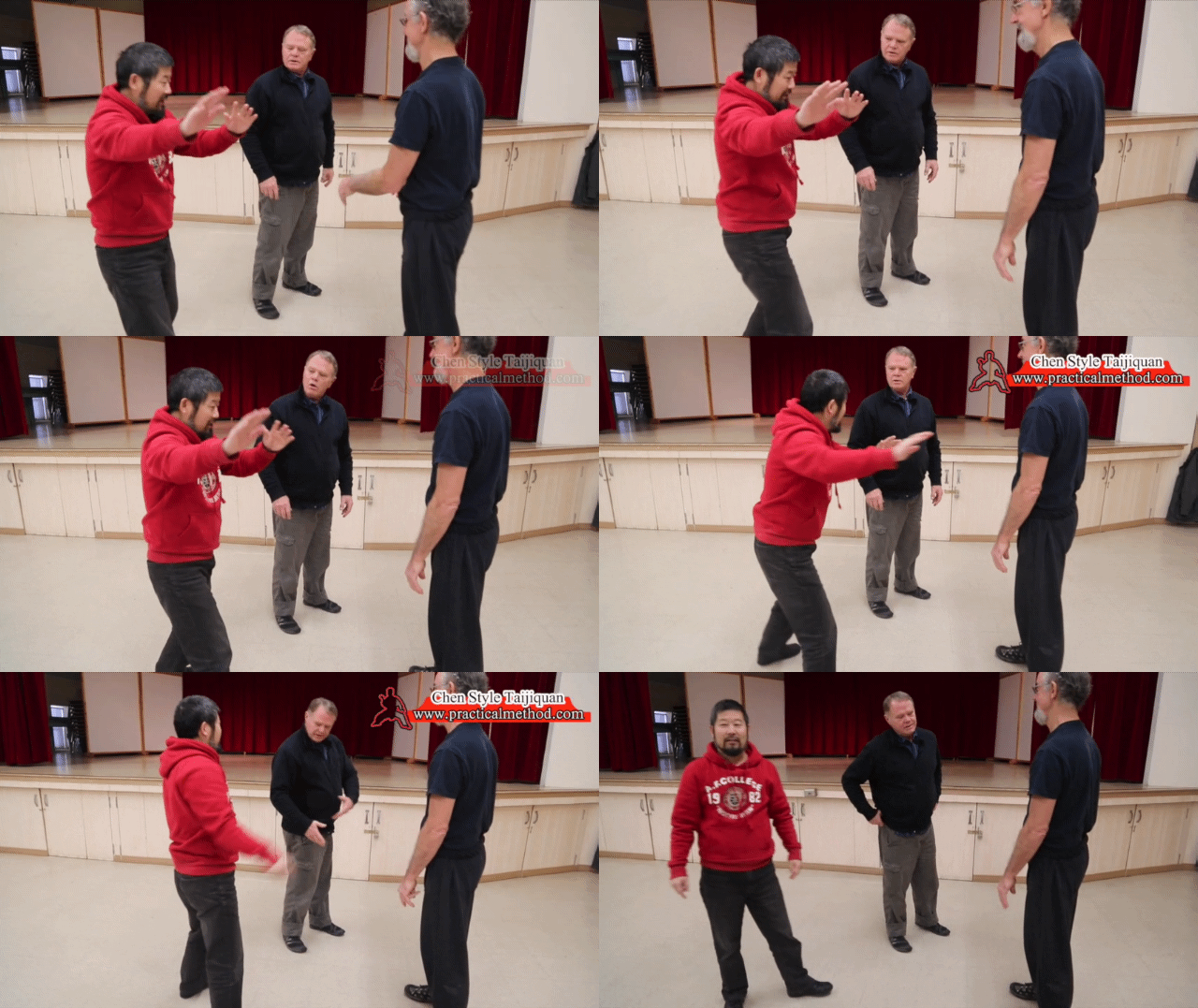
Theory and practice of scissors power
Presenter: Chen Zhonghua Length: 14 min. In: English Year: 2015 Difficulty:2/5 At:Toronto
The important components: 1. Having 2 lines, 2. Having separation 3. Resolve through rotation (one line is the catch or lock and the rotation provides the other action for the other line). Click on the gif
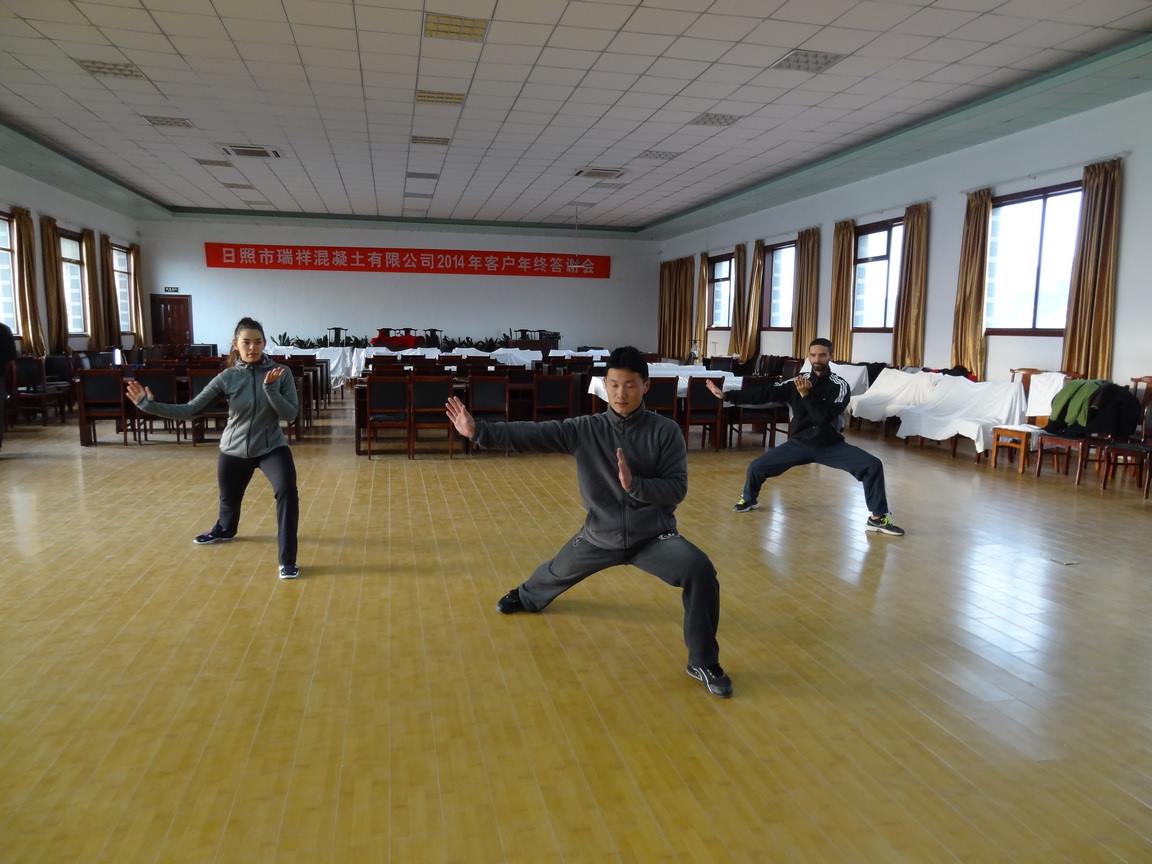
Our first foreign students of the year have arrived. Thanos is from Greece and his wife Carolina is from Mexico.
This is section one of 6 sections of the Yilu Detailed Instructions video by Master Chen Zhonghua. The instruction is set against a grid wall and grid floor so students can see precise positions of each move. This is a must-have for students of the Practical Method system. This video cover: Move 1 – 13. Other video in the series: Section 2
Presenter: Chen Zhonghua Length: 21 min. In: English Year: 2015 Difficulty:2/5 At:Edmonton
You can buy all six videos for $40.00 here: http://practicalmethod.com/2020/07/yilu-detailed-instructions-all-six-sections-2015-online-video-purchase/
 |
Chen Style Taijiquan Practical Method Toronto |
Lock, rotate stretch in push hand, Switching to be longer
Presenter: Chen Zhonghua Length: 15 min. In: English Year: 2015 Difficulty:2/5 At:Toronto
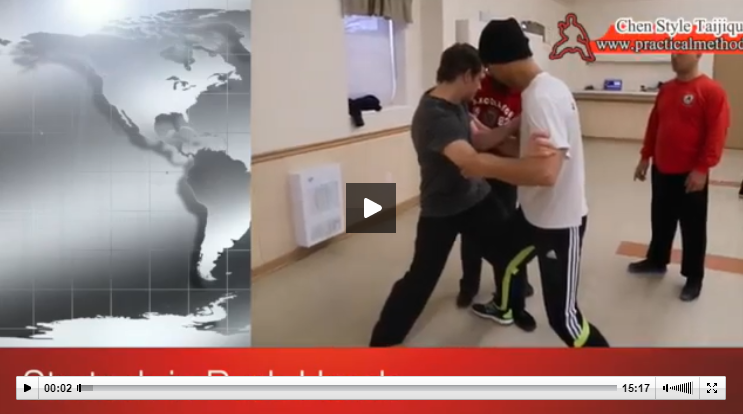
Theory and practice for dealing with opponent push and for pushing through opponent,
Presenter: Chen Zhonghua Length: 20 min. In: English Year: 2015 Difficulty:3/5 At:Toronto