Presenter: Chen Zhonghua Length: 3 mins Difficulty: 3/5 Language: English
Year: 2021 Location: Edmonton, Canada
Read more
_2021-08-28.jpg)
Presenter: Chen Zhonghua Length: 10 min. In: English Year: 2018 Difficulty:1/5
Presenter: Chen Zhonghua Length: 3 mins Difficulty: 3/5 Language: English
Year: 2021 Location: Edmonton, Canada
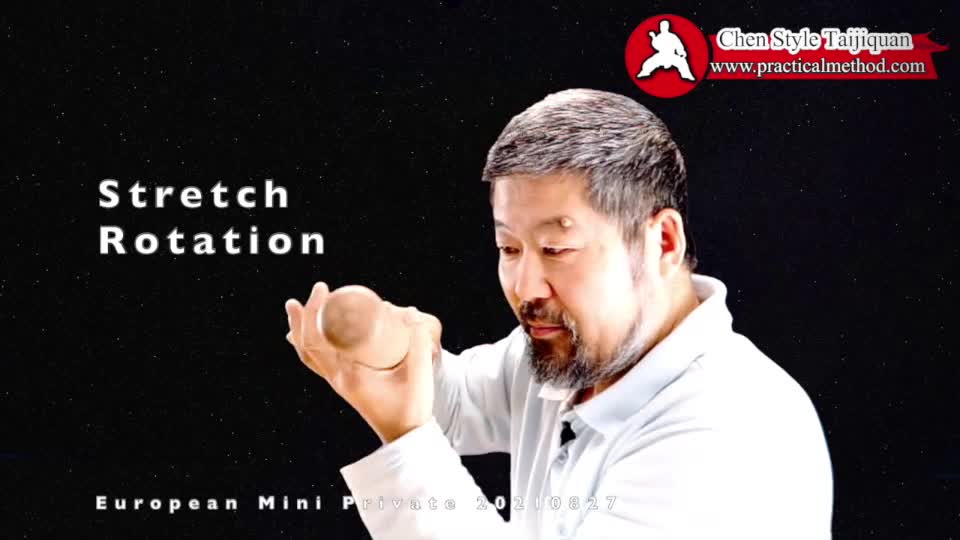
During rotation of the kua/waist area, the hip/buttock moves to the front. This is an error that must be corrected.
Read more
Presenter: Chen Zhonghua Length: 52 mins Difficulty: 3/5 Language: English
Year: 2021 Location: Edmonton, Canada
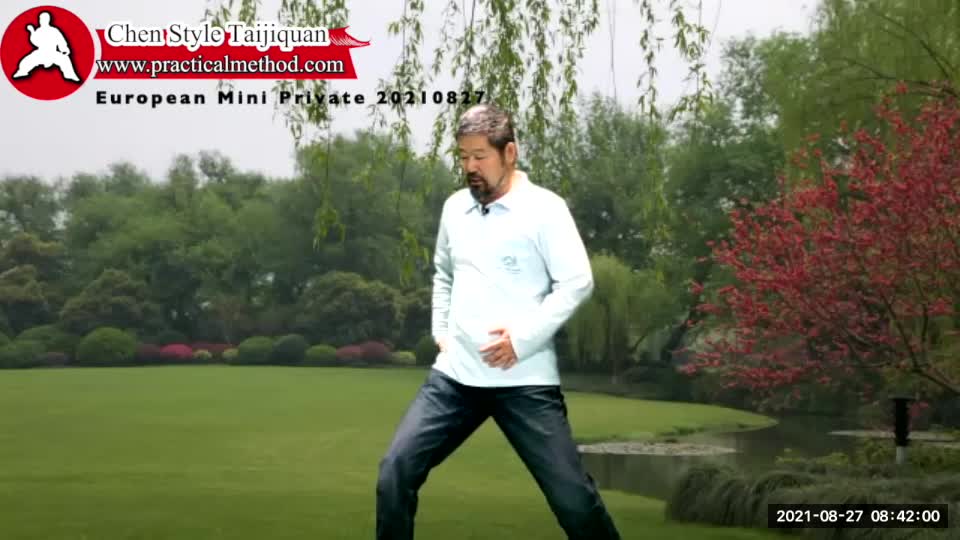
During rotation of the kua/waist area, the hip/buttock moves to the front. This is an error that must be corrected.
Read more
Presenter: Chen Zhonghua Length: 3 mins Difficulty: 3/5 Language: English
Year: 2021 Location: Edmonton, Canada
Read more
_2021-08-27.jpg)
Presenter: Chen Zhonghua Length: 10 min. In: English Year: 2018 Difficulty:1/5
Master showed a short video in one of his workshops in Xi’an China in 2018. The topic is to open from inside.
Open triangle model, which only exists in theory, in reality, the angle of the shoulder is 45 degree opening downwards, and the kua is 45 degree opening upwards from the crest line. A typical move in the forms is the armpit opening in double downward squeeze.
Read more
Presenter: Chen Zhonghua Length: 52 mins Difficulty: 3/5 Language: English
Year: 2021 Location: Edmonton, Canada
Read more
Presenter: Chen Zhonghua Length: 0 mins Difficulty: 3/5 Language: English
Year: 2021 Location: Edmonton, Canada
"Sinking" is a major concept/action in Taijiquan. In Practical Method "sinking" is regarded as a result of stretching. It is associated with the idea of a downward direction. It is totally different from our general concept of sinking.
Read more
_2021-08-26.jpg)
Presenter: Chen Zhonghua Length: 10 min. In: English Year: 2018 Difficulty:1/5
Presenter: Chen Zhonghua Length: 75 mins Difficulty: 3/5 Language: English
Year: 2021 Location: Edmonton, Canada
Read more
Presenter: Chen Zhonghua Length: 3 mins Difficulty: 3/5 Language: English
Year: 2021 Location: Edmonton, Canada
There are two kinds of power in Practical Method. One is structural which is also called static; the other is momentum which is also called dynamic.
In this mini video, Master Chen Zhonghua explains how structure can be viewed and used as power.
Read more
_2021-08-25.jpg)
Presenter: Chen Zhonghua Length: 10 min. In: English Year: 2018 Difficulty:1/5
Presenter: Chen Zhonghua Length: 71 mins Difficulty: 3/5 Language: English
Year: 2021 Location: Edmonton, Canada
Read more
Presenter: Chen Zhonghua Length: 2 mins Difficulty: 3/5 Language: English
Year: 2021 Location: Edmonton, Canada
This is part two of the Shoulder Down Two-Part video. Part one in on the website as a free video.
Read more
_2021-08-24.jpg)
Presenter: Chen Zhonghua Length: 10 min. In: English Year: 2018 Difficulty:1/5
Presenter: Chen Zhonghua Length: 63 mins Difficulty: 3/5 Language: English
Year: 2021 Location: Edmonton, Canada
Read more
Presenter: Chen Zhonghua Length: 1 mins Difficulty: 3/5 Language: English
Year: 2021 Location: Edmonton, Canada
When you are going over, you are actually pulling instead of pushing. In Practical Method, we require that you can only pull, you cannot push. So we have to turn every push into a pull.
Read more
_2021-08-23.jpg)
Presenter: Chen Zhonghua Length: 10 min. In: English Year: 2018 Difficulty:1/5
Presenter: Chen Zhonghua Length: 1 mins Difficulty: 3/5 Language: English
Year: 2021 Location: Edmonton, Canada
Internal Martial Arts require that movements must come from inside, instead of outside. In Practical Method, this means all movements must be generated from joints then expanded to outer limbs.
Read more
_2021-08-22.jpg)
Presenter: Chen Zhonghua Length: 10 min. In: English Year: 2018 Difficulty:1/5
A good question is alreday the answer. A bad question is unrelated.
Question: how to fight a big guy without using muscles?
Don’t use muscles. The problem is you don’t know how to. 1.you need to fight,2.you cannot use muscles,3.there is sth you can use but you don’t know yet. Read more
Presenter: Chen Zhonghua Length: 8 mins Difficulty: 3/5 Language: English
Year: 2021 Location: Edmonton, Canada
Circular movements are in some ways movements that go over something. The concept of Going Over is an important one in Practical Method. In this mini video, Master Chen Zhonghua explains and demonstrates this concept.
Read more
_2021-08-21.jpg)
Presenter: Chen Zhonghua Length: 10 min. In: English Year: 2018 Difficulty:1/5
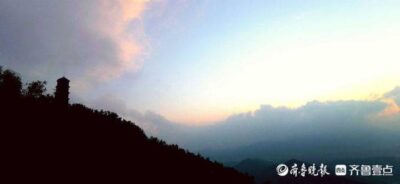
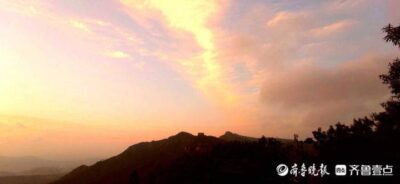
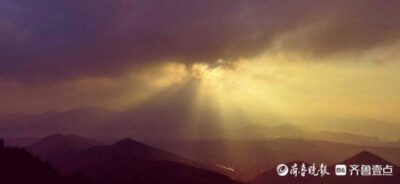
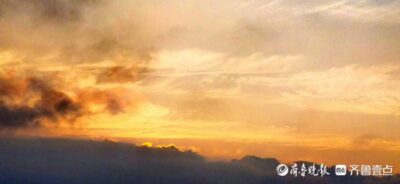
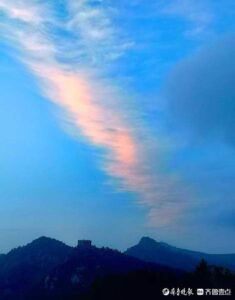
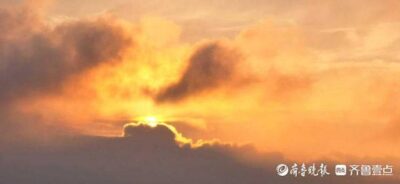
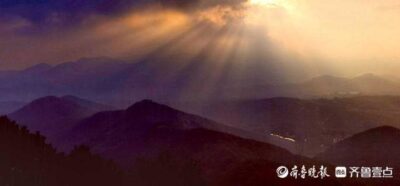
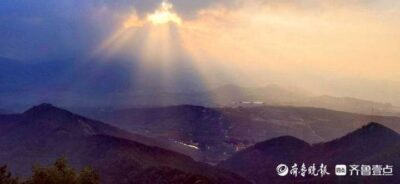 情报站|绝美!日照五莲大青山日出东方,上演一场光与影的大戏
大众报业·齐鲁壹点 2021-08-19 09:54:41
“太阳初出光赫赫,千山万山如火发。”
8月19日,壹粉“刘玉平”向齐鲁晚报官方客户端齐鲁壹点情报站发来一组日照五莲大青山的日出美景图,太阳冉冉升起,光芒万丈,欣赏这如诗如画的美景,令人无不心旷神怡,流连忘返。
当缓缓升起的旭日,越过云层照射到山巅,照亮万物,便会不自觉地感到心中又一次充满希望。
远处的群山层峦叠嶂,在阳光的照耀下闪烁着如火的光芒。
您身边是否也有这精彩的景色?用镜头记录、捕捉身边的美好,把美丽传递, 一起来分享,欢迎上传至情报站哦~
齐鲁晚报·齐鲁壹点 互动编辑 牛耘
Presenter: Chen Zhonghua Length: 2 mins Difficulty: 3/5 Language: English
Year: 2021 Location: Edmonton, Canada
Read more
_2021-08-20.jpg)
Presenter: Chen Zhonghua Length: 10 min. In: English Year: 2018 Difficulty:1/5
Presenter: Chen Zhonghua Length: 70 mins Difficulty: 3/5 Language: English
Year: 2021 Location: Edmonton, Canada
Read more
Presenter: Chen Zhonghua Length: 1 mins Difficulty: 3/5 Language: English
Year: 2021 Location: Edmonton, Canada
Taiji moves are either led by one end or the middle. In this mini video, Master Chen Zhonghua explains how to lead movements with the Kua. Kua is considered the middle of the whole body, therefore, the most important body part in terms of leading.
Read more
_2021-08-19.jpg)
Presenter: Chen Zhonghua Length: 10 min. In: English Year: 2018 Difficulty:1/5
The final thing of learning, one piece of puzzle making the difference. 99% leaving on your own to learn, one piece from the teacher. Master Chen went through everyone to find one thing to improve.
Read more
Presenter: Chen Zhonghua Length: 1 mins Difficulty: 3/5 Language: English
Year: 2021 Location: Edmonton, Canada
Taiji moves are either led by one end or the middle. In this mini video, Master Chen Zhonghua explains how to lead movements with the Kua. Kua is considered the middle of the whole body, therefore, the most important body part in terms of leading.
Read more
_2021-08-18.jpg)
Presenter: Chen Zhonghua Length: 10 min. In: English Year: 2018 Difficulty:1/5
Presenter: Chen Zhonghua Length: 76 mins Difficulty: 3/5 Language: English
Year: 2021 Location: Edmonton, Canada
Read more
Presenter: Chen Zhonghua Length: 1 mins Difficulty: 3/5 Language: English
Year: 2021 Location: Edmonton, Canada
This a a short video of the "Chen Zhonghua Online Lesson 20210805". In this video Master Chen Zhonghua gives some instructions on the form "Wild Horse Parts Its Mane".
Read more
_2021-08-17.jpg)
Presenter: Chen Zhonghua Length: 10 min. In: English Year: 2018 Difficulty:1/5
Teaching Scene 7-Front and Back Separation-16th DQS Practical Method Seminar Trailer.
What this video clip and discuss what you see in terms of Practical Method techniques, movements and principles.