Private lesson for Jonathan Hormadaly, yilu correction, with demonstration of move application. Circle in push hand., internal circle.
Presenter: Chen Zhonghua Length: 81 min. In: English Year: 2012 Difficulty:4/5 At:Toronto, Canada
Private lesson for Jonathan Hormadaly, yilu correction, with demonstration of move application. Circle in push hand., internal circle.
Presenter: Chen Zhonghua Length: 81 min. In: English Year: 2012 Difficulty:4/5 At:Toronto, Canada
Facebook Event: https://www.facebook.com/groups/practical.method.toronto/permalink/513006922096561
Feb. 9, 2014:
Agenda:
6:30 am – 10 Yilus
8:00 am – Examine our negative circles
Hello everyone,
after the birth of my son I like to begin slowly to practise again. But the midwife said, that I have to avoid any type of sport for the next 6 – 8 weeks. Any force which affect the pelvic floor should be avoided (lifting thinks for instance). But I think, that doing the yilu hasn`t any affection on the pelvic floor at all. But being not sure, I like to have your estimation.
Thanks a lot
Sarah



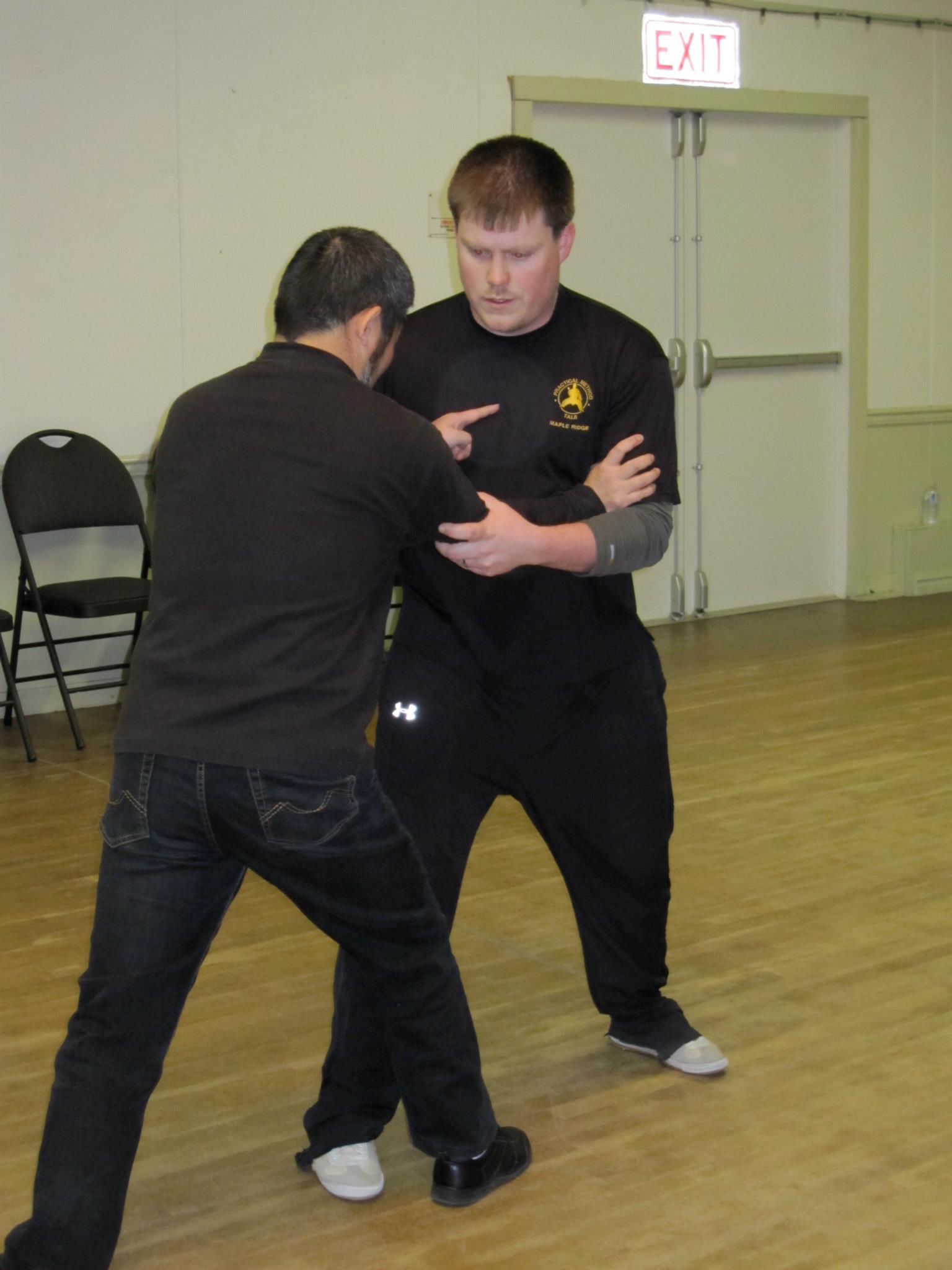
Master Chen talked about warping as the basis of creating power from unmoving structure. I heard this several times before, only now starting to feel it in my body.
Detailed Yilu corrections and talks on practical method principle. Part of a series of one hour private lessons, Master Chen covered different areas of taiji for each student as other private student are watching.
Presenter: Chen Zhonghua Length: 95 min. In: English Year: 2012 Difficulty:1/5 At:Phoenix, USA.
1. Beginning. 2. Movement without moving. 3. Proportional movements. 4. In with elbow; out with hand. 5. Negative circle standards. 6. Leg power switching. 7. Controlled release of power. 8. The lever in the body. 9. Foundations. Presenter: Chen Zhonghua Length: 51 min. In: English Year: 2013 Difficulty:2/5 At:Brazil
[singlepic id=4700 w=320 h=240 float=center]
Read more
1. Chen Zhonghua demonstration: Yilu 3-13. 2. Practice. 3. Differential. 4. Energy transmission. 5. Connection spot. 6. Hollow chest. 7. Tipped Dang. 8. Error corrections. 9. 3-dimensional circle. 10. Taiji 3-Theory.
Presenter: Chen Zhonghua Length: 55 min. In: English Year: 2012 Difficulty:4/5 At:Toronto, Canada
 Correction with application explanation. Presenter: Chen Zhonghua Length: 21 min. In: English Year: 2012 Difficulty:2/5
General Principles
o Peng
Peng has been one of the most talked about topics in Taijiquan. Hong defined Peng as having two meanings: one is the upward expanding action of ward-off and the other the overall combined expanding energy that permeates all moves of Taiji. It is the latter meaning of Peng that is most important to him. “Without Peng, there is no Taiji.” Read more
Since July 2011, Steve has been learning taiji from Master Chen in Toronto.
One of the activities for full time students at Daqingshan.
At a higher level when the inside of the body is stretched out, the outside frames (structure) of the body should start to close. This is in compliance with the principle of “the energy must be released but structure remain intact”.
Here are some simple explanations of the structure and energy movements of the knee. Read more
I think everyone had a good time the other day. I wanted to say thank you to all who participated and those who hosted the event. I met people from Iowa, Wisconsin and Illinois – Some experienced and some newer to Practical Method. We worked on Yilu, foundations, partner excersises and push hands. Everyone seemed genuine and receptive. Read more
Yilu hands on corrections for 12 students at the 2012 September Toronto workshop. This is a good video to see common problems ranging from beginners to intermediate students. Length: 60 min. In: English Year: 2012 Difficulty:2/5
Learning Practical Method on Daqingshan (3)
My Fourth Visit to Daqingshan
If you want to be strong, do Taiji! If you want to be healthy, do Taiji!If you want to be smart, do Taiji!
– From ancient Greek adage
How to Practice Read more
Now people visiting Daqingshan can have one card for door admission, hotel charges, restaurant charges, purchase of any items on Daqingshan.

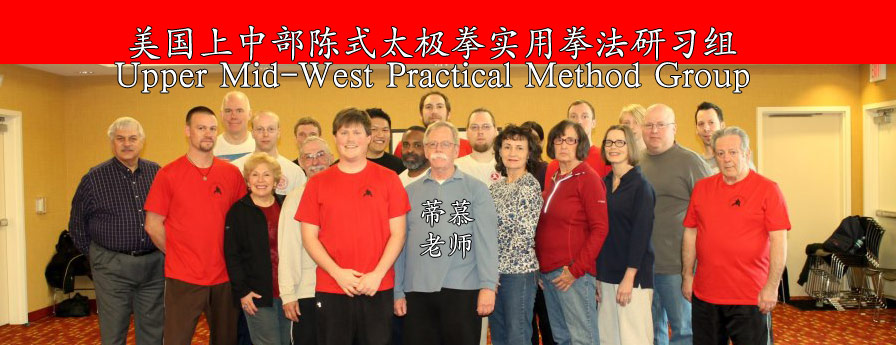 There will be an Upper Midwest Get Together on March 2 and 3, 2013 in Milwaukee, WI. Levi Sowers and John Upshaw will lead. Erwin Ramthun of the Milwaukee-Hunyuan Taiji Academy will be the host. Levi and John are disciples of Master Chen Zhonghua. Tentatively, we will run the class from 10am until 12:30 and break for lunch. Then continue until 5pm. Topics to include, Chen Practical method foundations, yilu form sections 1 and 2, theory, and a lot of applications. For more information contact Erwin, John or Levi. Read more
It seems that I am growing with each year of practicing Taiji!
Detailed Yilu corrections, Sticks and dot
Presenter: Chen Zhonghua Length: 69 min. In: English Year: 2013 Difficulty:2/5 At:Arizona
There are 5 stages of practice. We can also call them five stages of learning.
Note: This is not the 5 levels of gongfu in Taiji. This is just the chronological stages of learning.
Leaking out of energy is a general error among Taiji learners. It occurs in many places and happens quite often.
This is quite difficult to explain. Let me use an example and imagine the following scenario:. Read more
 Correction of the entire Yilu. Presenter: Chen Zhonghua Length: 14 min. In: English Year: 2013 Difficulty:2/5 At:Toronto, Canada
Presenter: Chen Zhonghua Length: 48 min. In: English Year: 2012 Difficulty:3/5 At:Phoenix, AZ. USA
Xu (1)虚: Empty.
Shi (2) 实: Solid.
One is empty while the other one must be solid. Taijiquan is the art of Empty rooted in the Solid and vice versa.
Empty and Solid must be equal. Use the feet as an example. One cannot stand on one foot and then the other. One must be on both feet at all times. But one foot is used to work while the other is used to support.
This is the overall way of action in Taijiquan.
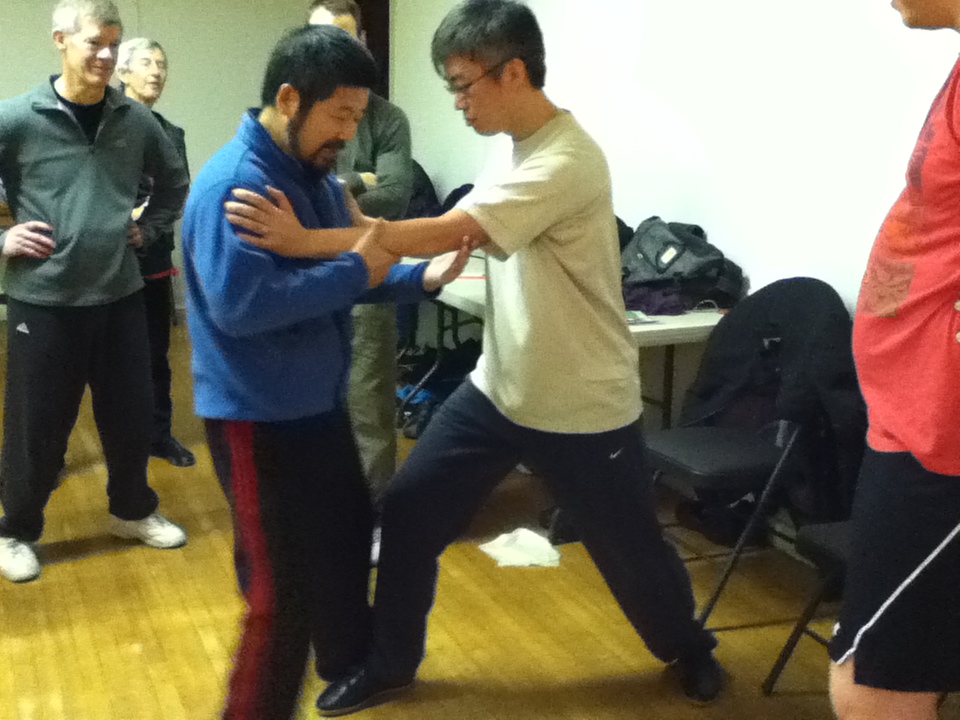
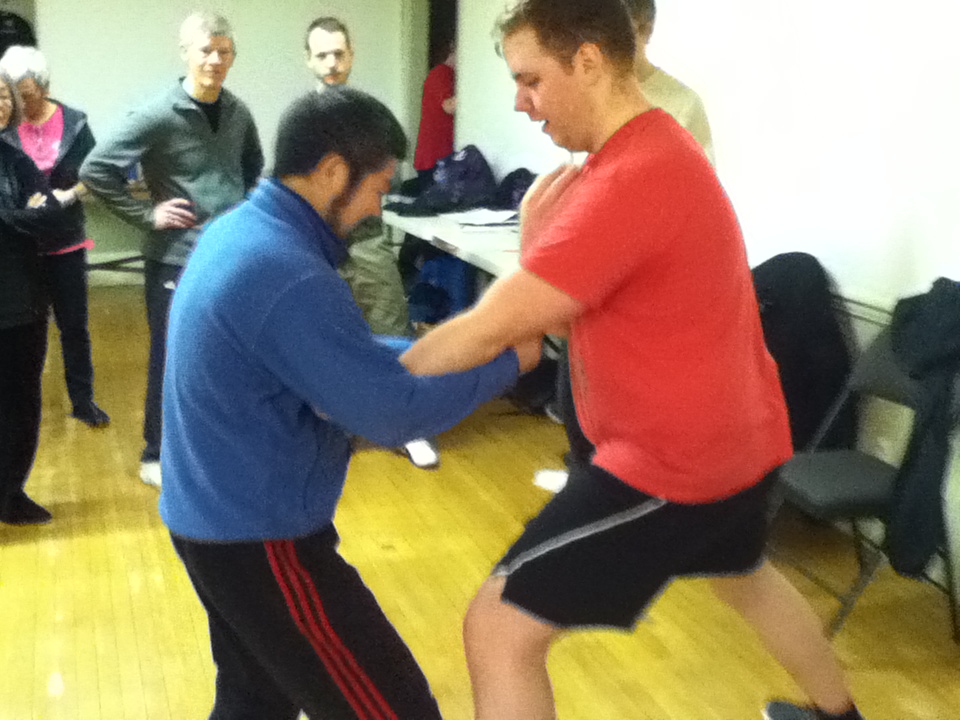
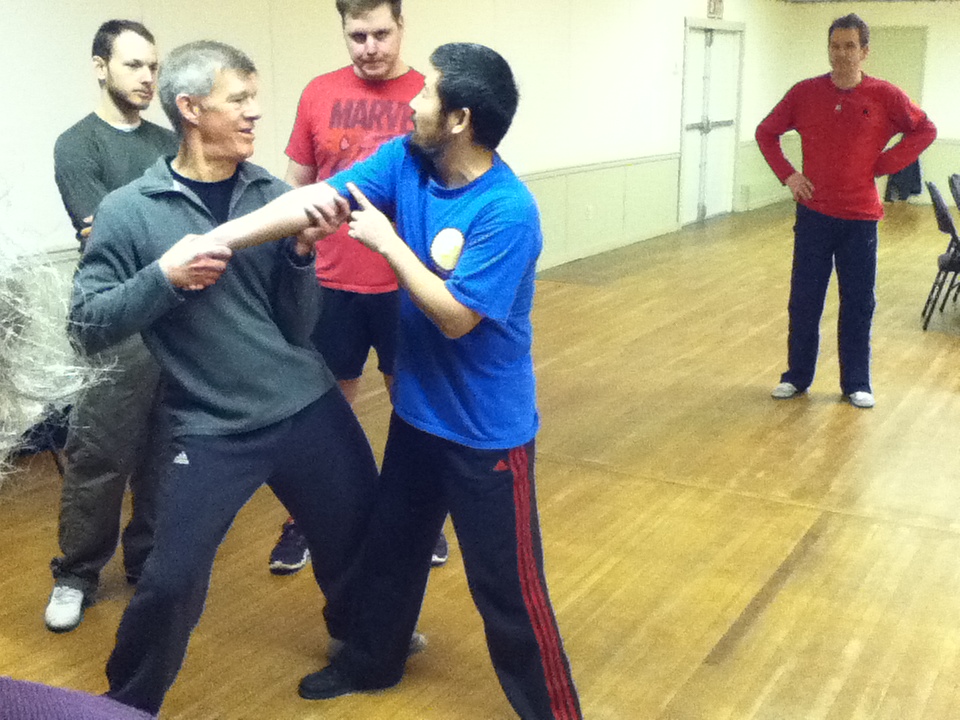

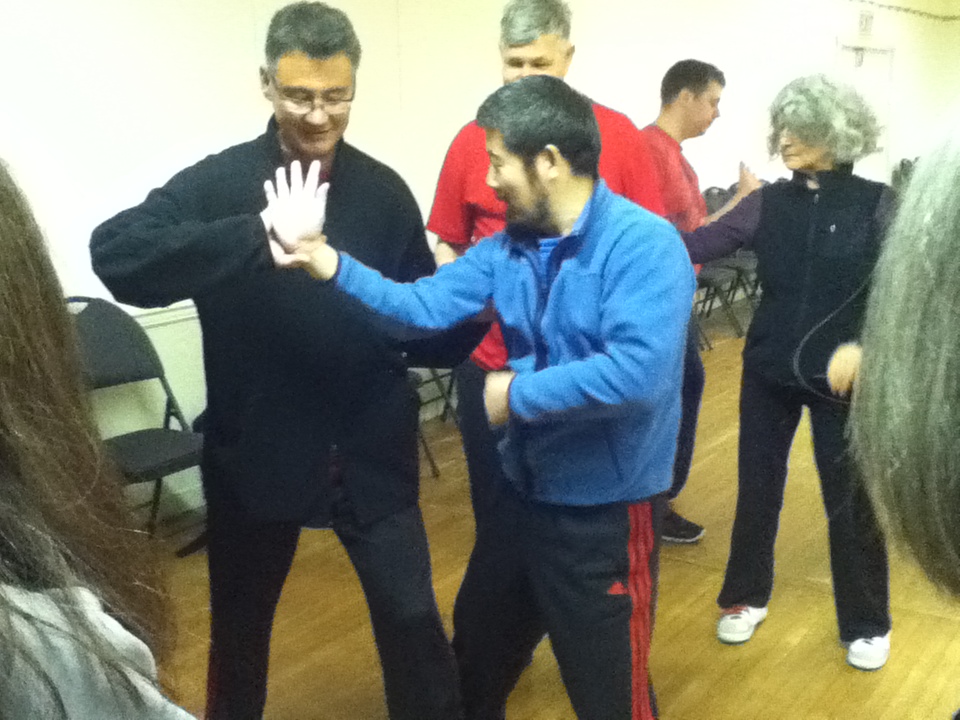
Did a lot of push hand this workshop. Master Chen gave us training tips to get ready for competition in May at Daqingshan. One thing I have to keep in mind is to be willing to fall down then try to get away or shove back. Always get in!
 February 23/24th Maple Ridge workshop.
Well first of all, this was my first time meeting Sifu Chen and I meant to write this as soon as I got back from the workshop and everything was fresh in my head. I say that only because the sheer amount of information taught in this weekend seminar is astounding. In almost every other case you could never hope to learn quite so much on many diverse subjects in this short time for such a low cost. It’s very clear that Sifu Chen is very passionate about just teaching the real deal. Read more
Taijiquan practice requires that the body must possess five bows in order to have power. There are different versions of what the five bows are. In the Chen Style Taijiquan Practical Method system the five bows are defined as:
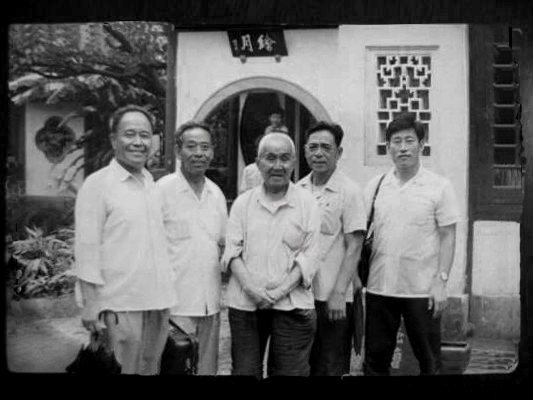
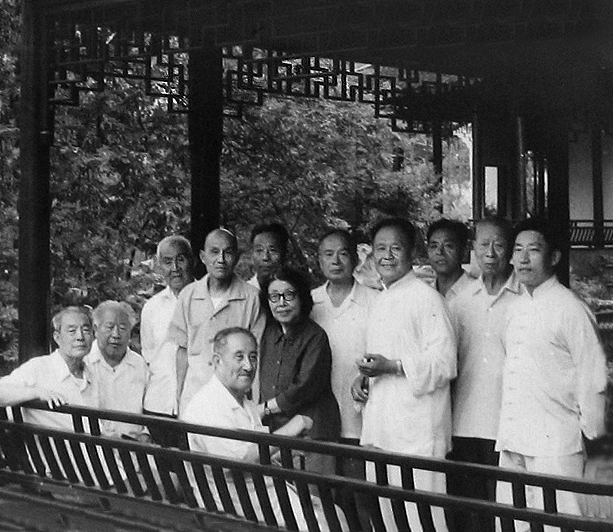
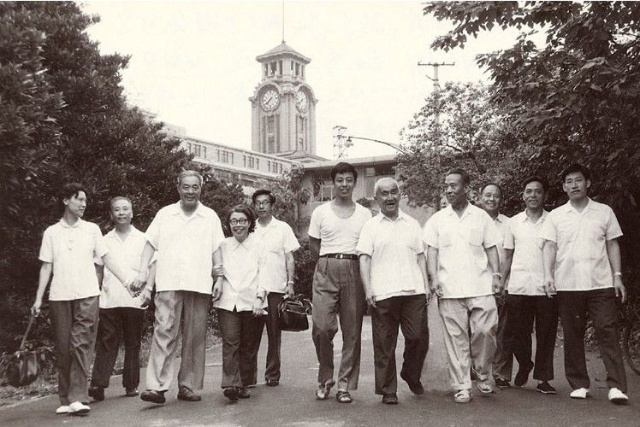
1982 Shanghai
One part of the body always likes to follow the direction of movements of other parts of the body. This will cause tossing and collapsing. If you observe people practice Taijiquan, you will notice that this is a very prevalent problem.
When one’s own body parts follow each other, there will be no possibility for rotation in the body.
The cloud-like moves usually are the result of the mistake. It is something to be circumvented, not something to be desired.
Originally published Nov 2007