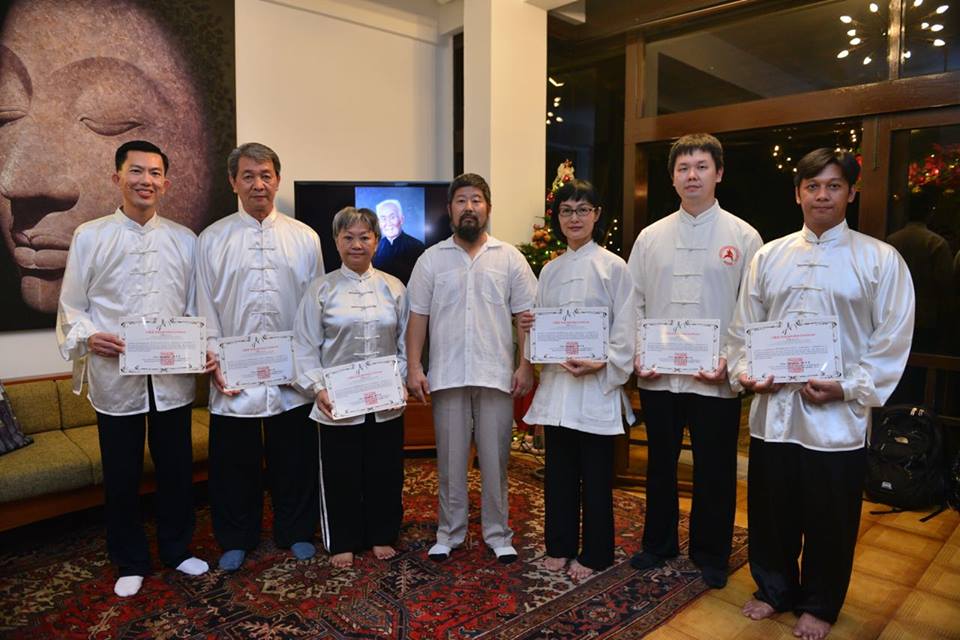
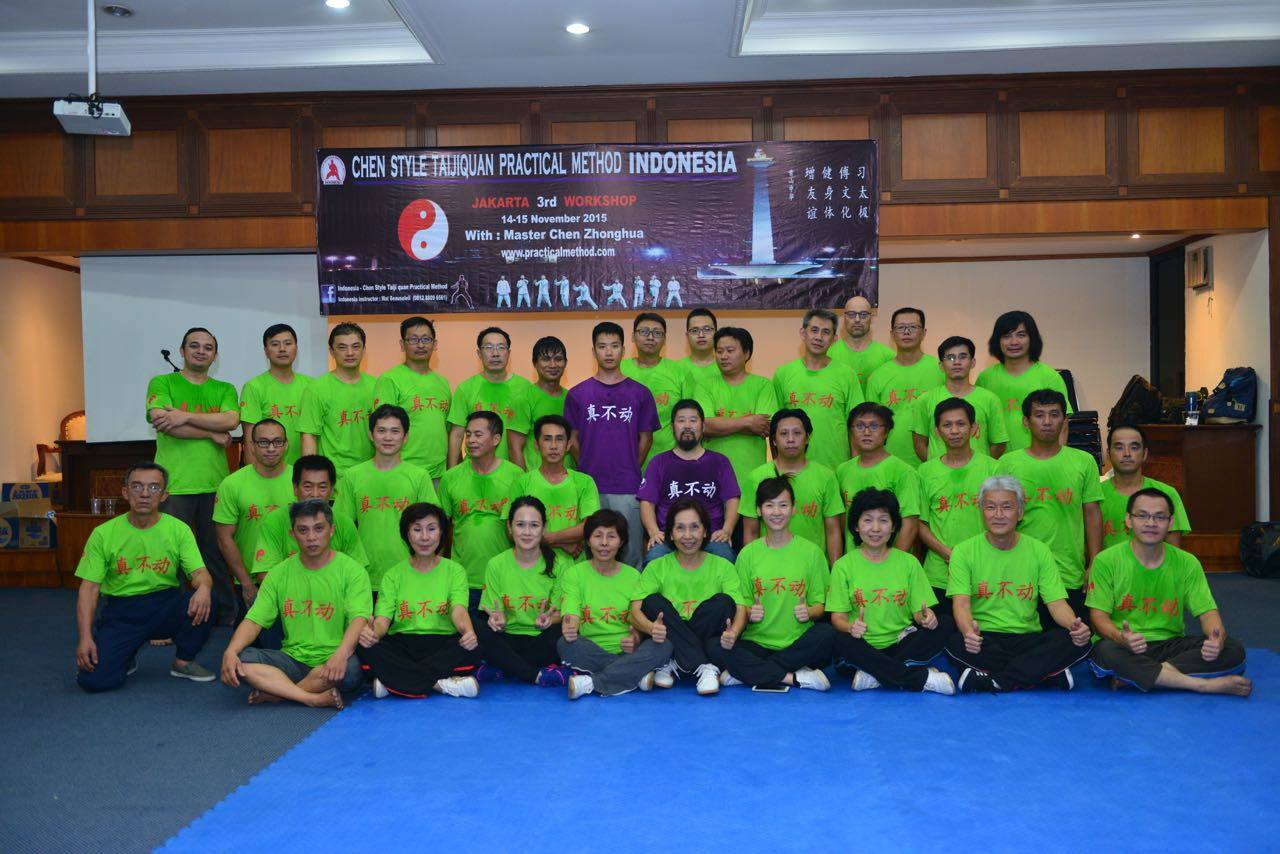
Congratulations to Low Giap Thong,Lee See Seen,David Koh,Idy Cheong,Marjorie Chung, and May Chen
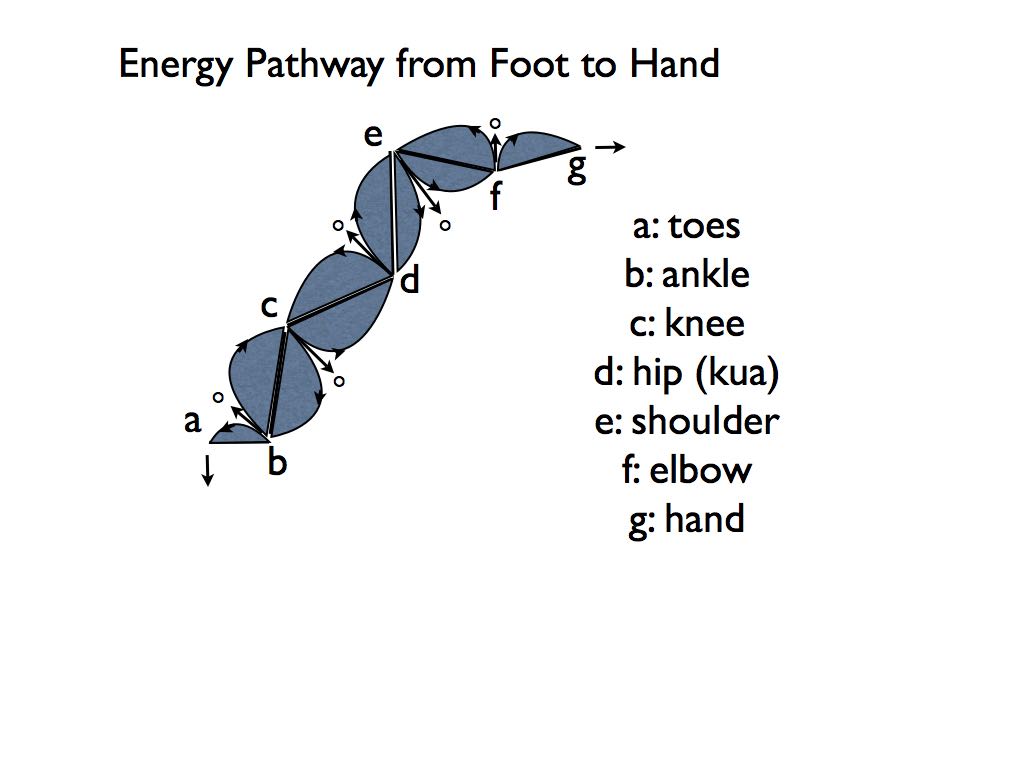
In numerous occasions, Master Chen talked about how to train the body as a gear box. In energy alignment, he talked about the hand and foot connection. In push hand, he instructed us not to push. Instead, push the leg and by opening the “kua” so that the energy is transmitted from foot to hand. He talked about “fill the kua”, “push the shoulder down”, “fix the two dots and hit the middle”, “indirect force/power”, etc. The words Master Chen used most in every workshop are “DON’T MOVE.” Master Chen’s teachings are like puzzle pieces in a box. We need to put these puzzles pieces together in order to see the larger picture of Practical Method. Read more
A summary of our extended stay 2015

After beeing in Daqingshan, Shandong Province in China for 4 month we are on our way back to Berlin now. We, that is me, my wife Sarah and little son Lukas, 2 1/2 years old. The first time I have been on the mountain in 2010, in 2012 Sarah did join and in 2014 the three of us have been here already once all together.
So here´s my summary from this stay: Read more
How to create rounded Dang. The Dang is where the two legs meet, it is a triangle. We want a curvature in every triangle so it has ‘Peng’
Presenter: Chen Zhonghua Length: 11 min. In: English Year: 2015 Difficulty:2/5 At:Perth
 Talk on making energy flow in practice
Presenter: Chen Zhonghua Length: 19 min. In: English Year: 2015 Difficulty:1/5 At:Perth

Negative circle is likely the second thing one learns in Practical Method. The following are some starter instructions for a right-side negative circle:
- The right side is considered the front side, and the left side is consider the rear side.
- Find a line that is parallel to your chest on the ground.
- Put your right foot at 45 degrees to the line with the heel touch the line.
- Put your left foot at 90 degrees to the line with the toes touch the line.
The Edmonton Academy will be closing Monday and Tuesday classes from Dec. 14, 2015 until Jan. 12, 2016 inclusive as the instructor for those days is on medical leave and I will be in Japan. Wednesday am and pm, Thursday, and Friday classes will all run as per our usual schedule. I encourage those who attend our Monday and Tuesday classes to move temporarily to one or more of the Wednesday to Friday classes. Sword Thursday is particularly fun. Sorry for the short notice and wishing Yen Gee a speedy recovery.
Monday and Tuesday classes will resume Jan. 18, 2016.
Our Academy holidays will start Dec. 19 and we will reopen Jan. 6, 2016.
Wishing all an interesting Holiday and keep doing Taiji and Qigong – practice makes perfect especially as probably too much food is coming.
 Foundation practice detail on how to use leg against ground power
Presenter: Chen Zhonghua Length: 7 min. In: English Year: 2015 Difficulty:1/5 At:Perth
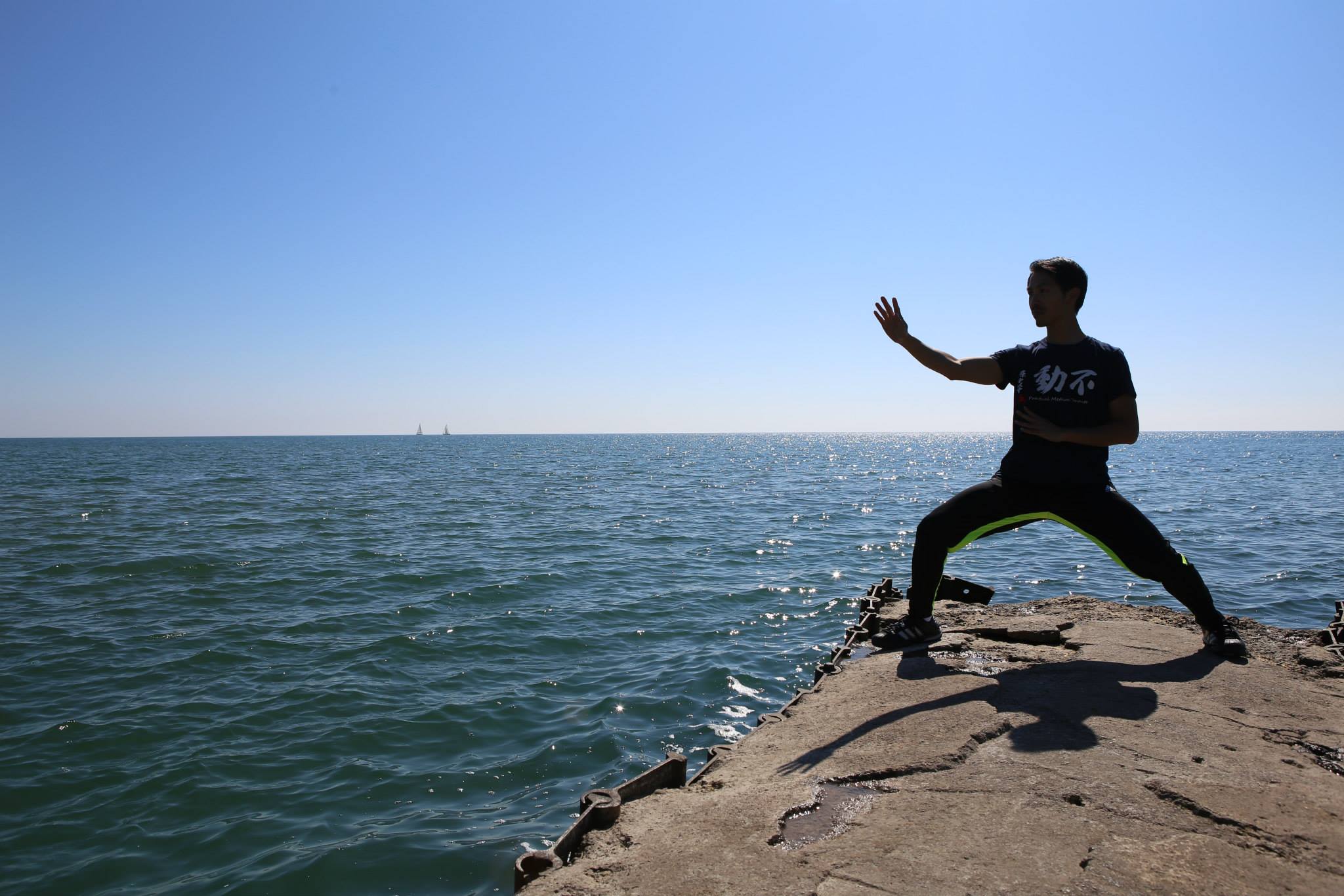
Positive circle is likely the first thing one learns in Practical Method. The following are some starter instructions for a right-side positive circle:
- The right side is considered the front side, and the left side is consider the rear side.
- Find a line that is parallel to your chest on the ground.
- Put your right foot at 45 degrees to the line with the heel touch the line.
- Put your left foot at 90 degrees to the line with the toes touch the line.
 Application of finger position during fighting
Presenter: Chen Zhonghua Length: 11 min. In: English Year: 2015 Difficulty:1/5 At:Perth
Using waist to form a line with hand elbow
Presenter: Chen Zhonghua Length: 15 min. In: English Year: 2015 Difficulty:1/5 At:Perth
Detailed correction and lesson of 13 moves
Presenter: Chen Zhonghua Length: 62 min. In: English Year: 2015 Difficulty:1/5 At:Perth
 |
Chen Style Taijiquan Practical Method Toronto |
Presenter: Chen Zhonghua Length: 66 min. In: English Year: 2015 Difficulty:1/5 At:Perth
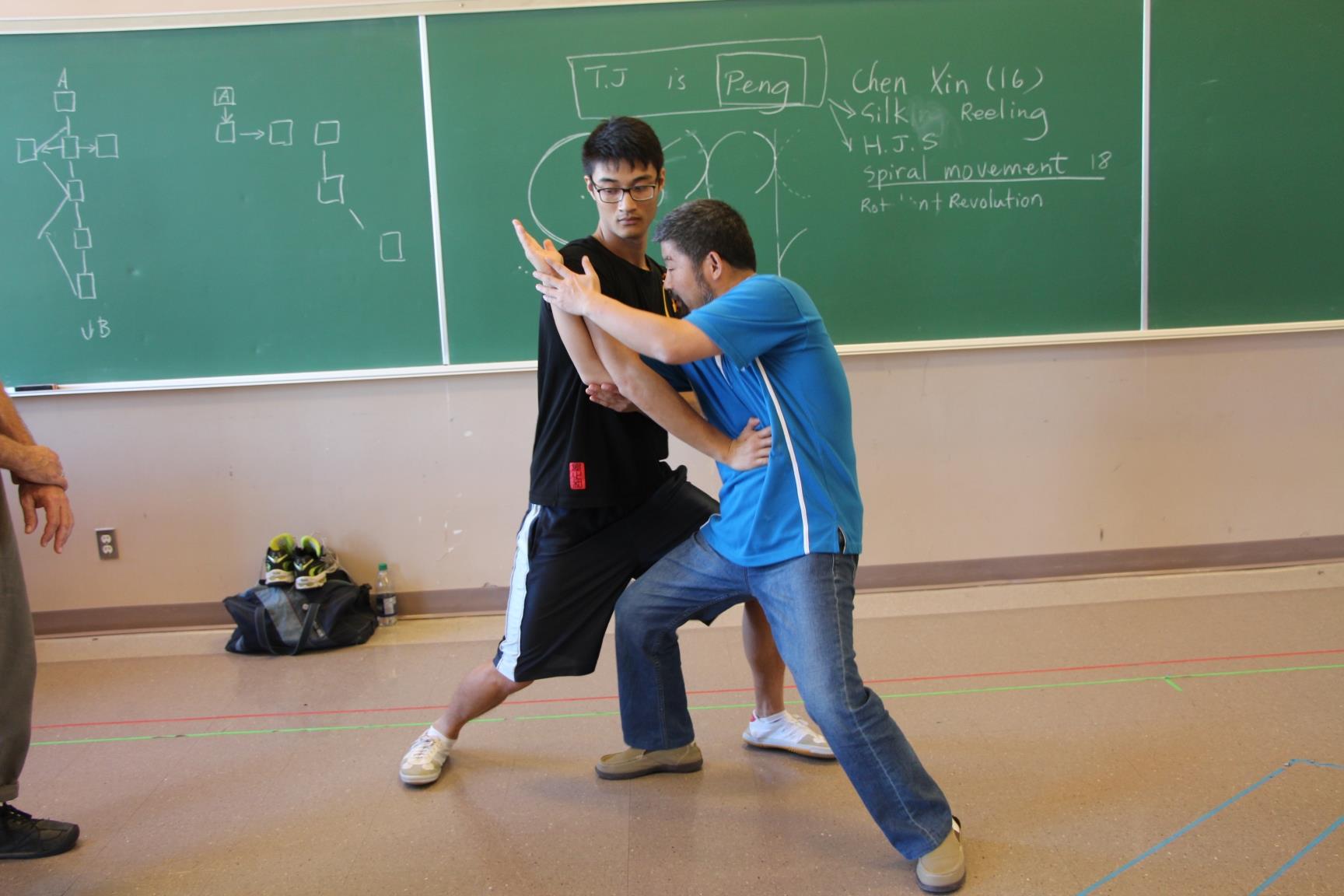 |
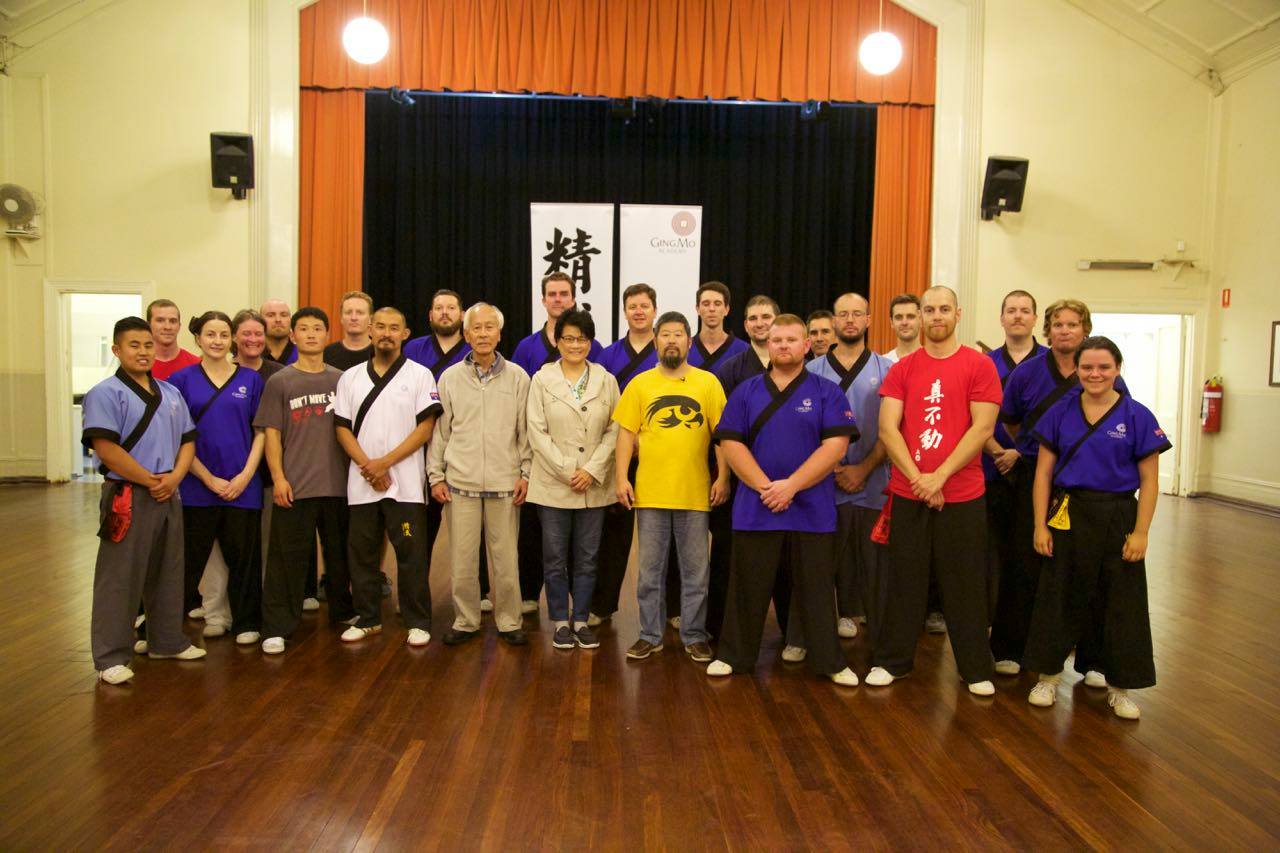
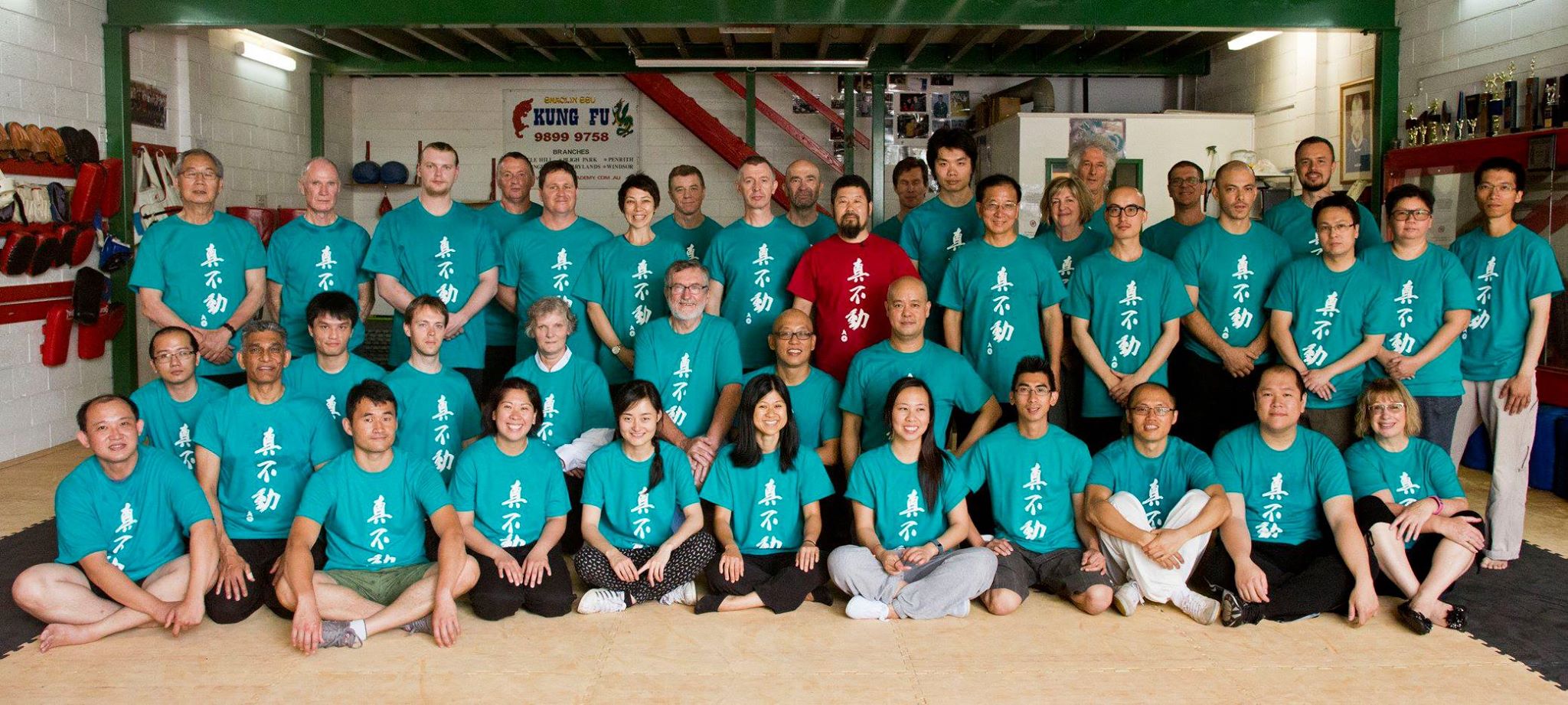
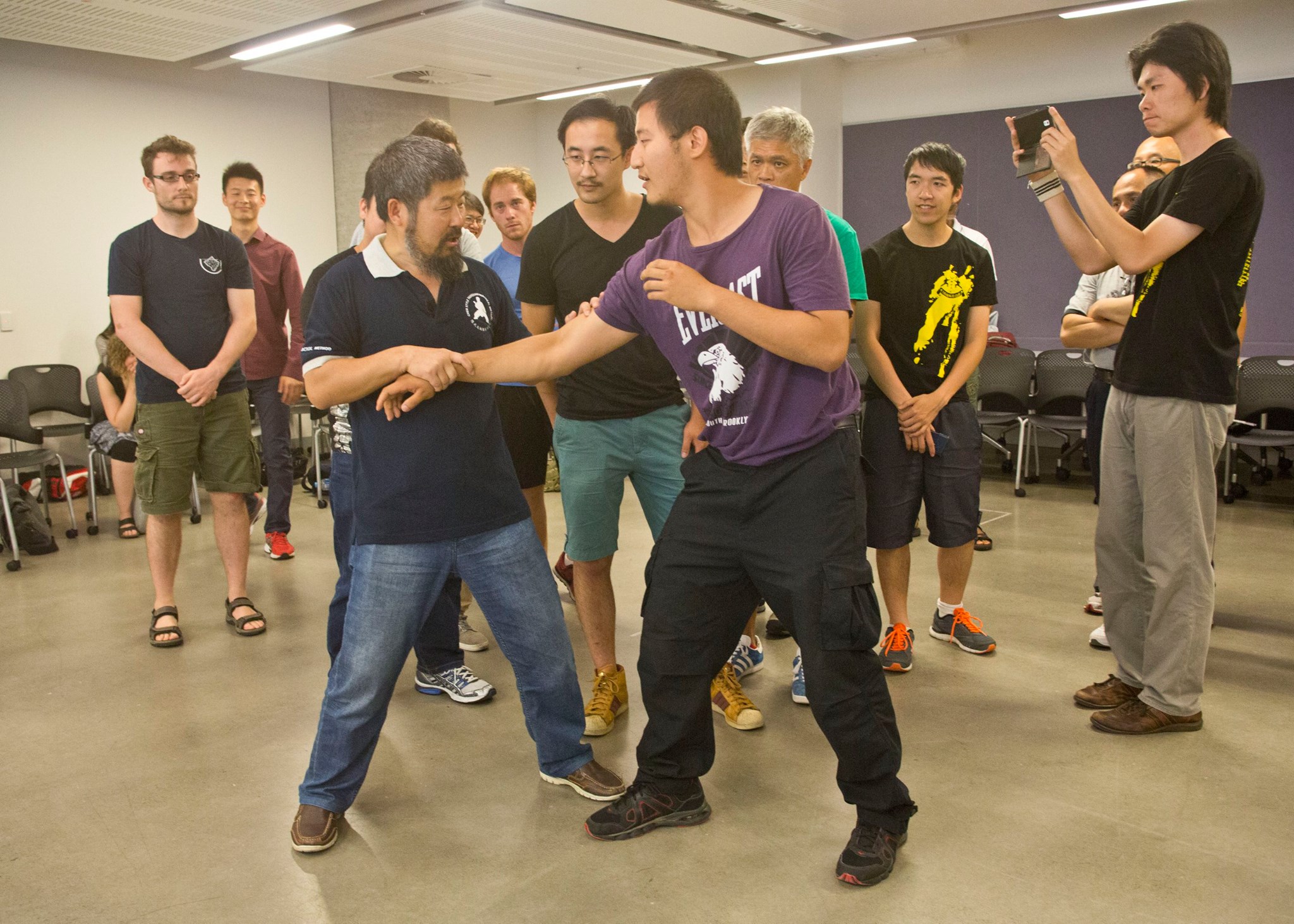
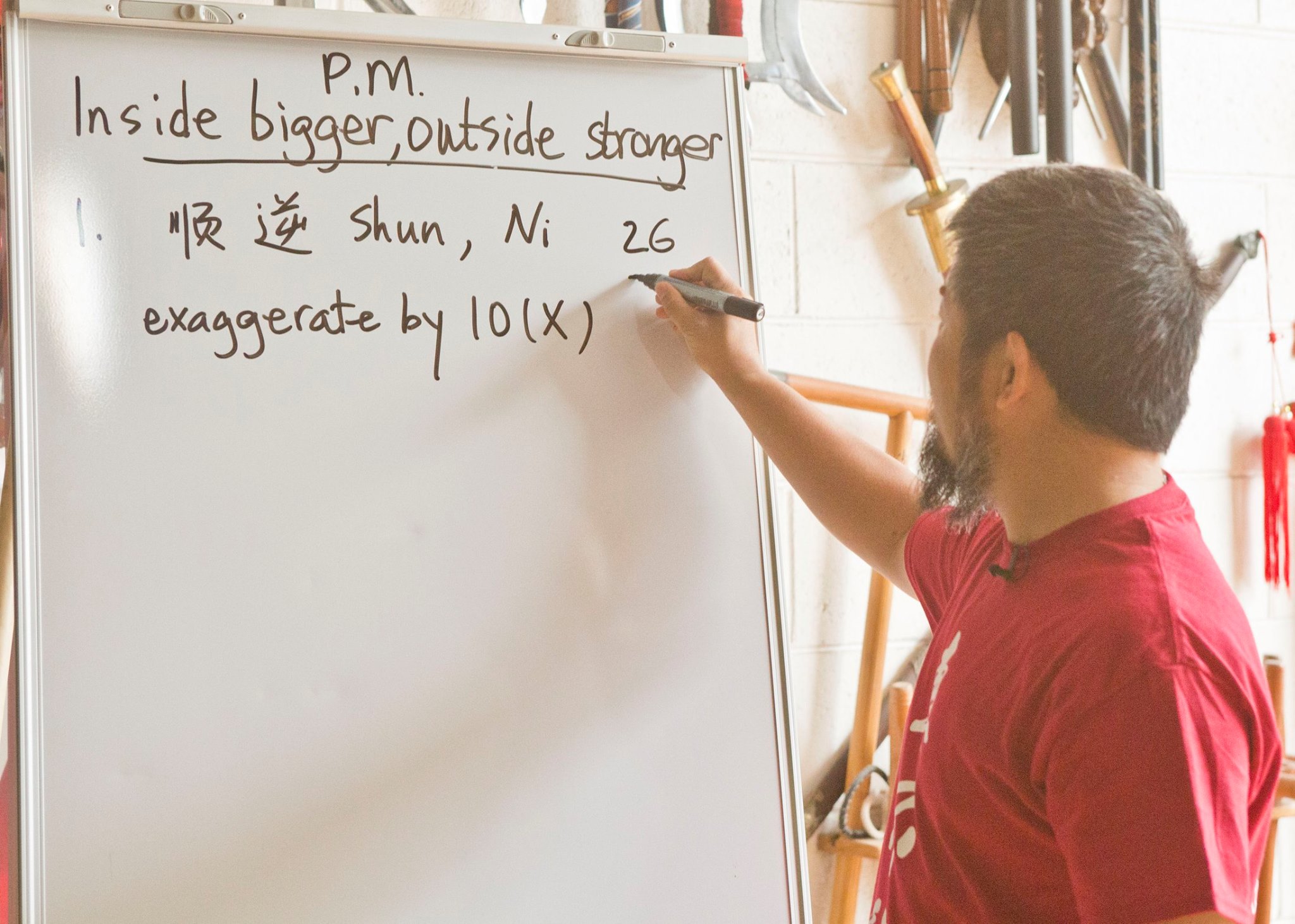
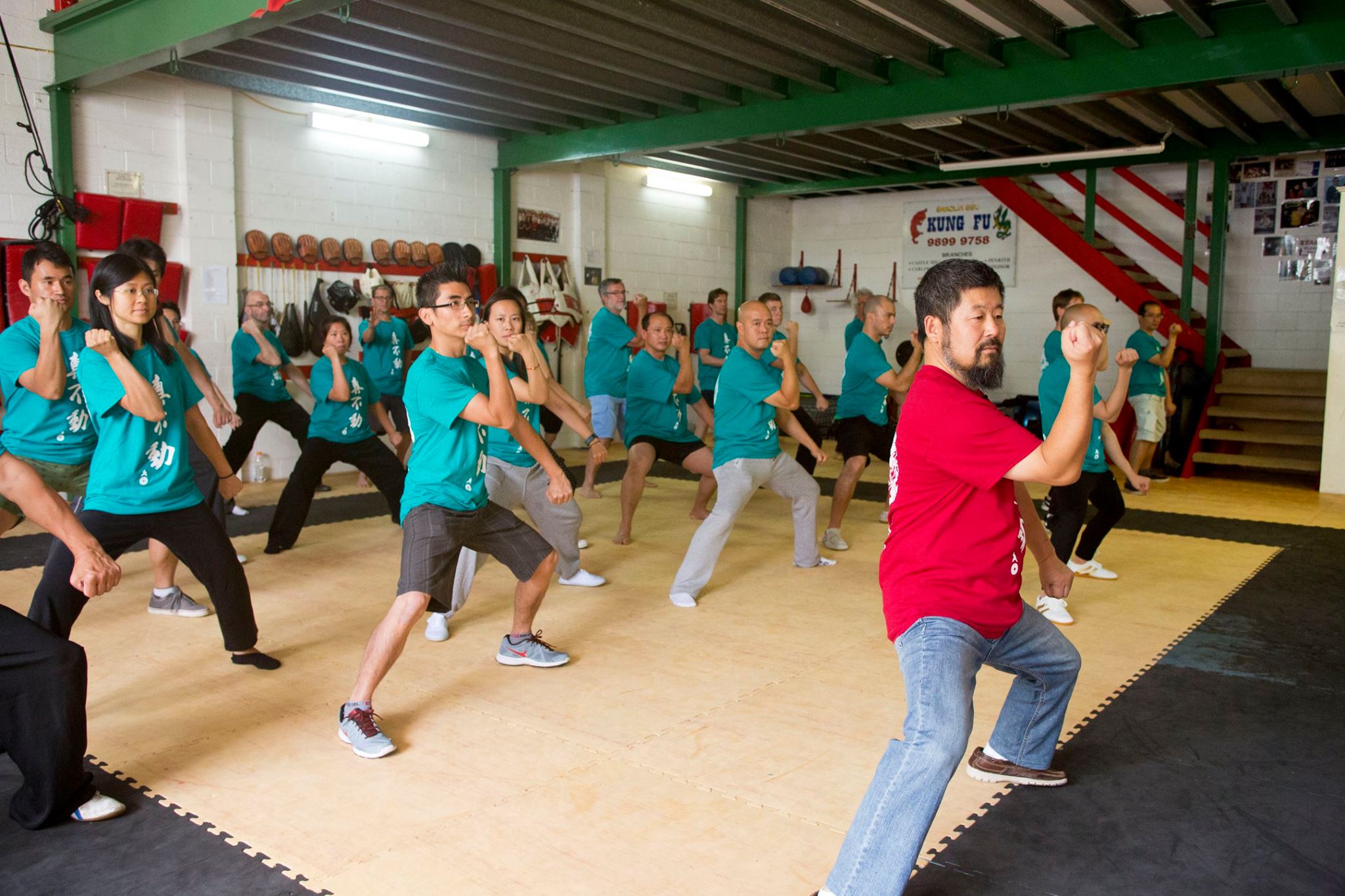
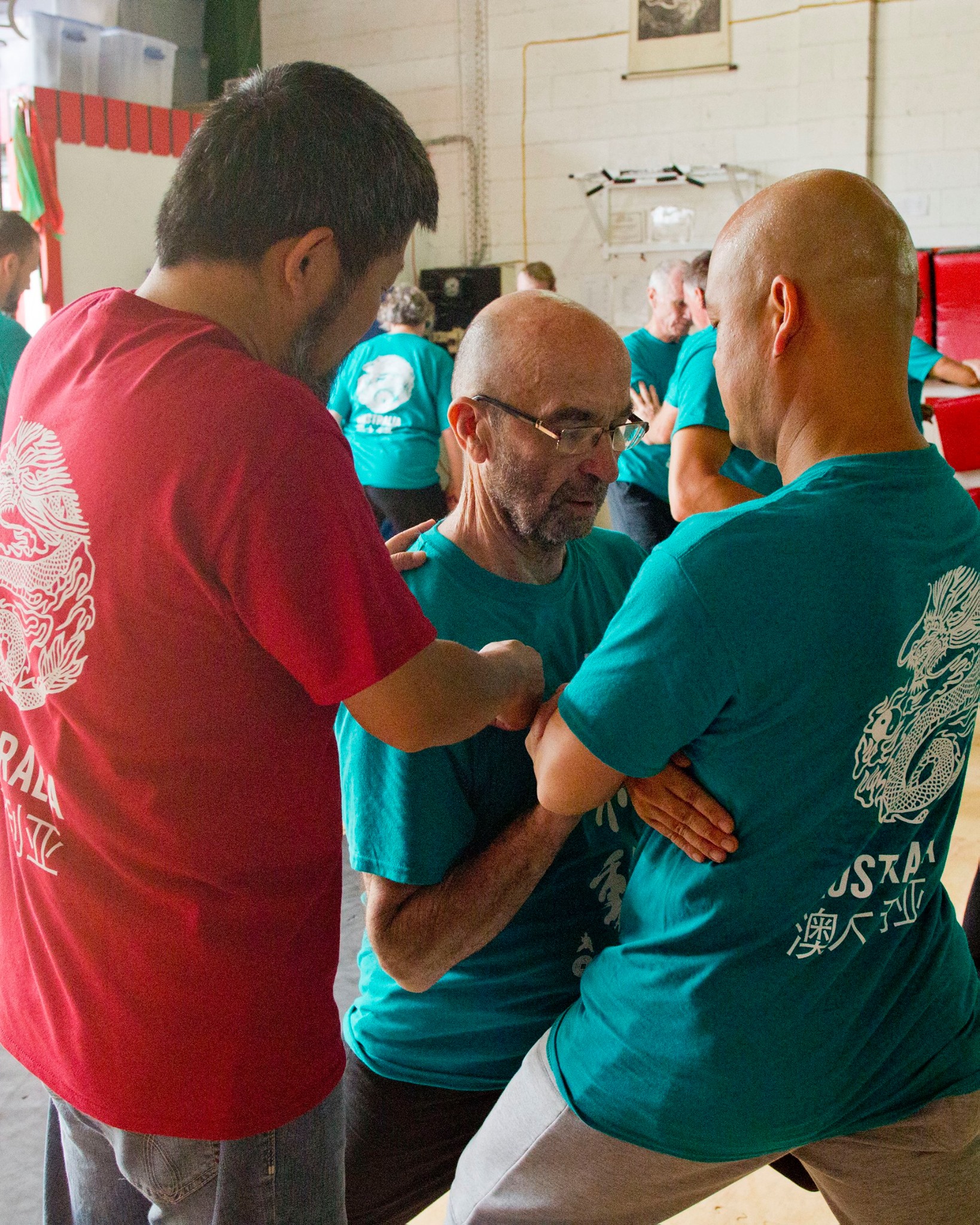
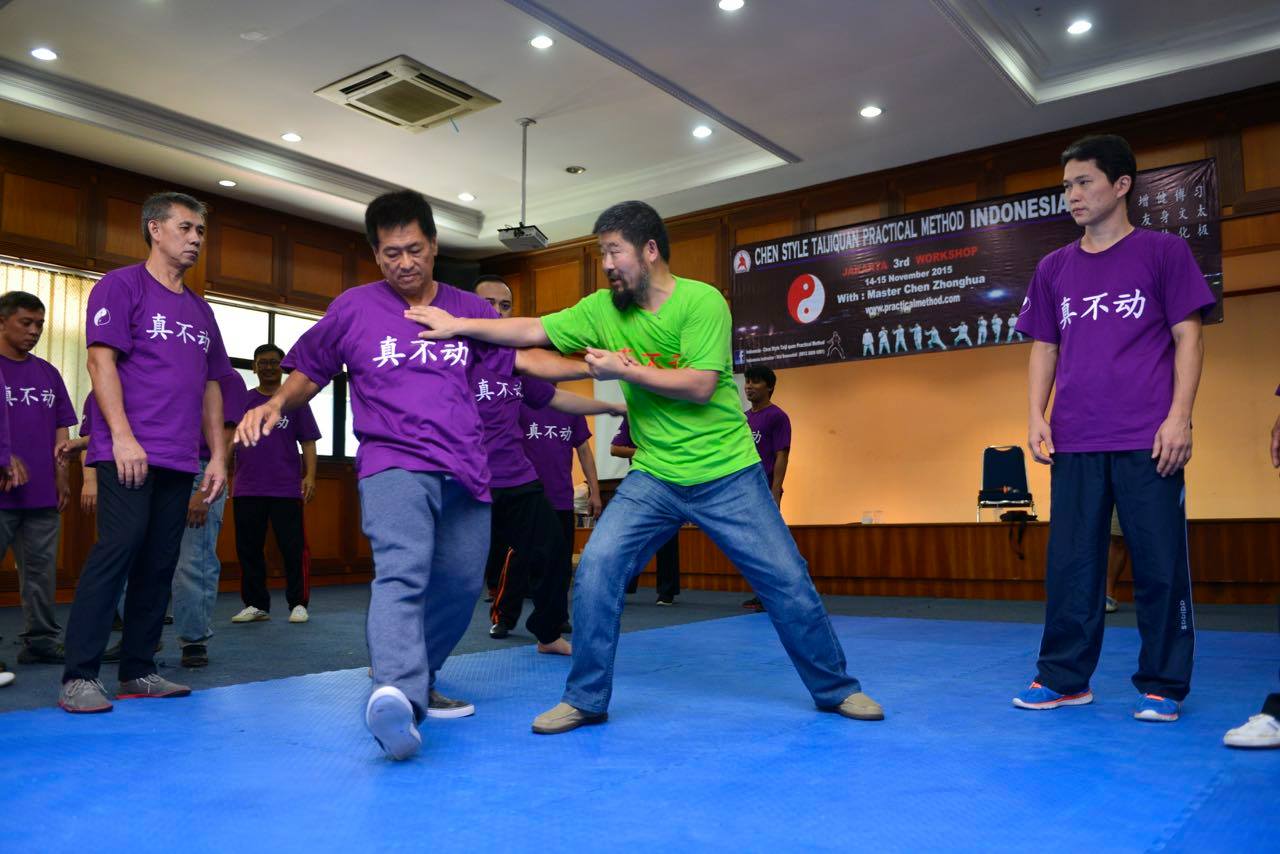
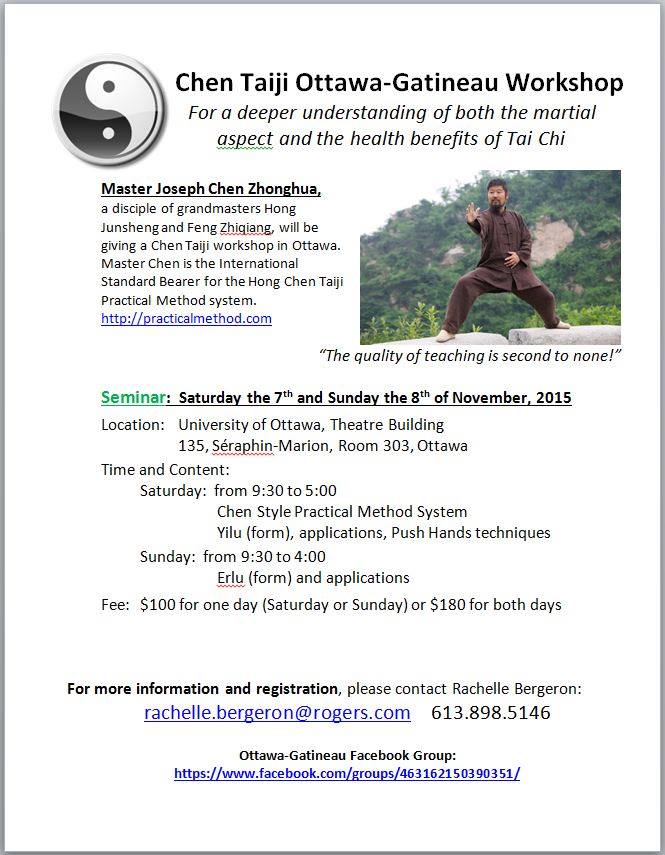
On yet another perfect autumn weekend in Ottawa, Master Chen guided his disciples and Taiji enthusiasts through the intricate art of Taijiquan. With meticulous planning, organizers Rachelle, Daniel, and James curated three days of intense training, immersing participants in Taiji history, philosophy, and the distinctive principles of the Practical Method.
A highlight of the workshop was an entire day dedicated to the hidden art of Pao Chui, offering attendees a rare opportunity to deepen their understanding. |
Special thanks to the dedicated students from Toronto and Montreal who made the long journey to experience hands-on training with Master Chen.
Read more

Application and Alignment practice for Arm
Presenter: Chen Zhonghua Length: 15 min. In: English Year: 2015 Difficulty:2/5 At:Ottawa
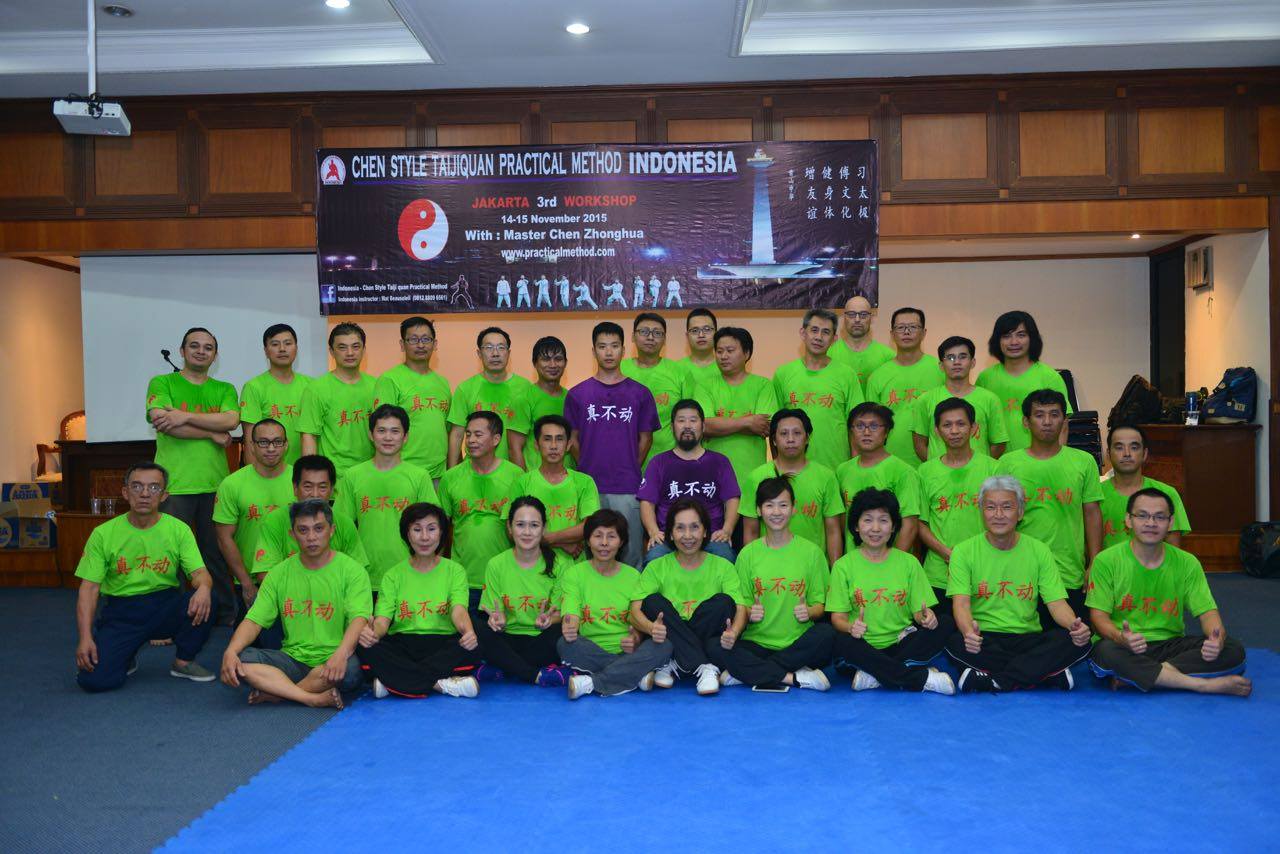

Detailed instruction and practice on correct torso arm alignment for power
Presenter: Chen Zhonghua Length: 12 min. In: English Year: 2015 Difficulty:2/5 At:Ottawa
Presenter: Chen Zhonghua Length: 10 min. In: English Year: 2014 Difficulty:1/5 At:Berlin
I have a question regarding the training speed of Yilu. I remember Chen Laoshi saying, that doing two slow and one fast Yilu (and then again two slow, one fast) would be good. But I am not sure about the context anymore. Here on Daqinshan the „group“ prefer to do fast Yilus (like 4:30 minutes), instead of slow ones (like 8 minutes).
What I would like to know is, if there is a certain method to train Yilu (like two slow – one fast) or if the speed is just depending on the circumstances (learning level, day`s form and so on).
Thank you!
Presenter: Chen Zhonghua Length: 8 min. In: English Year: 2015 Difficulty:2/5 At:Berlin
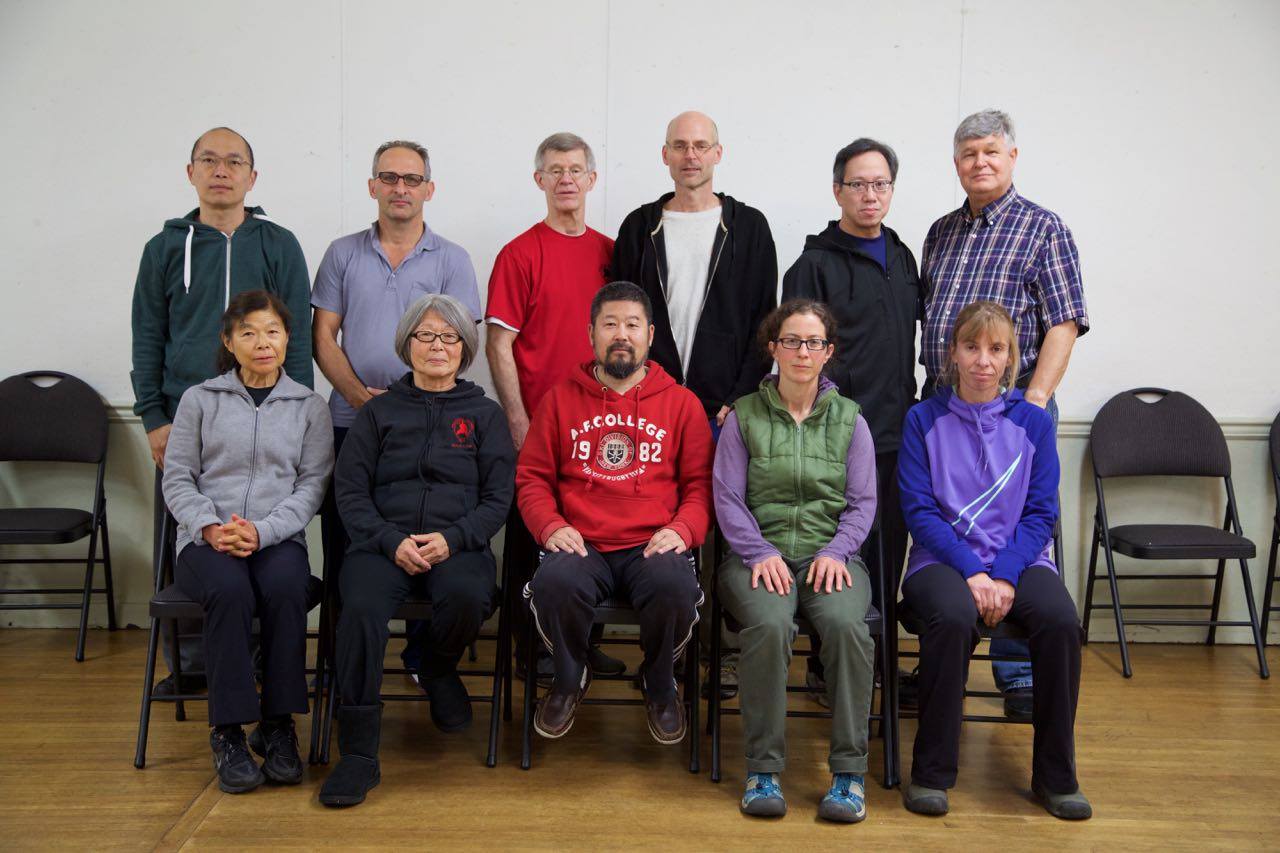
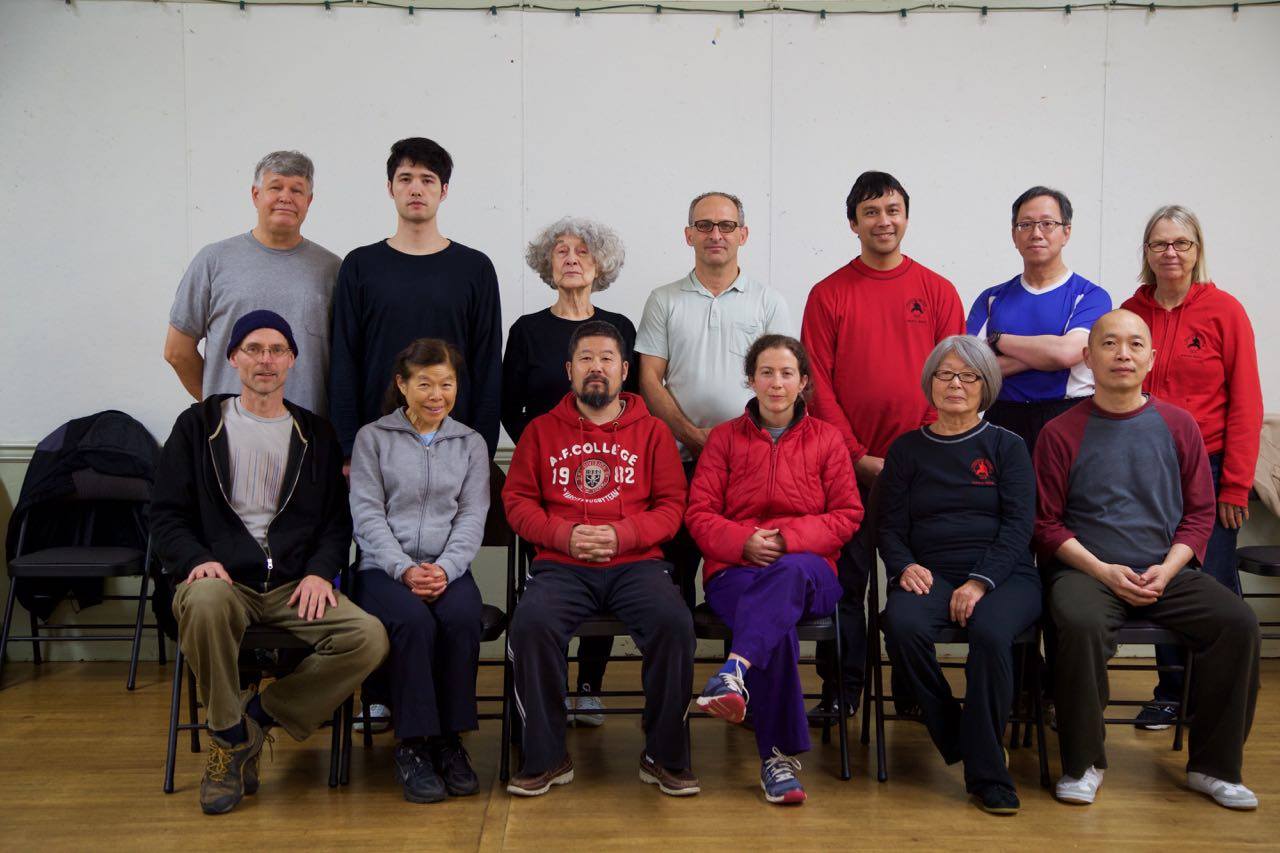
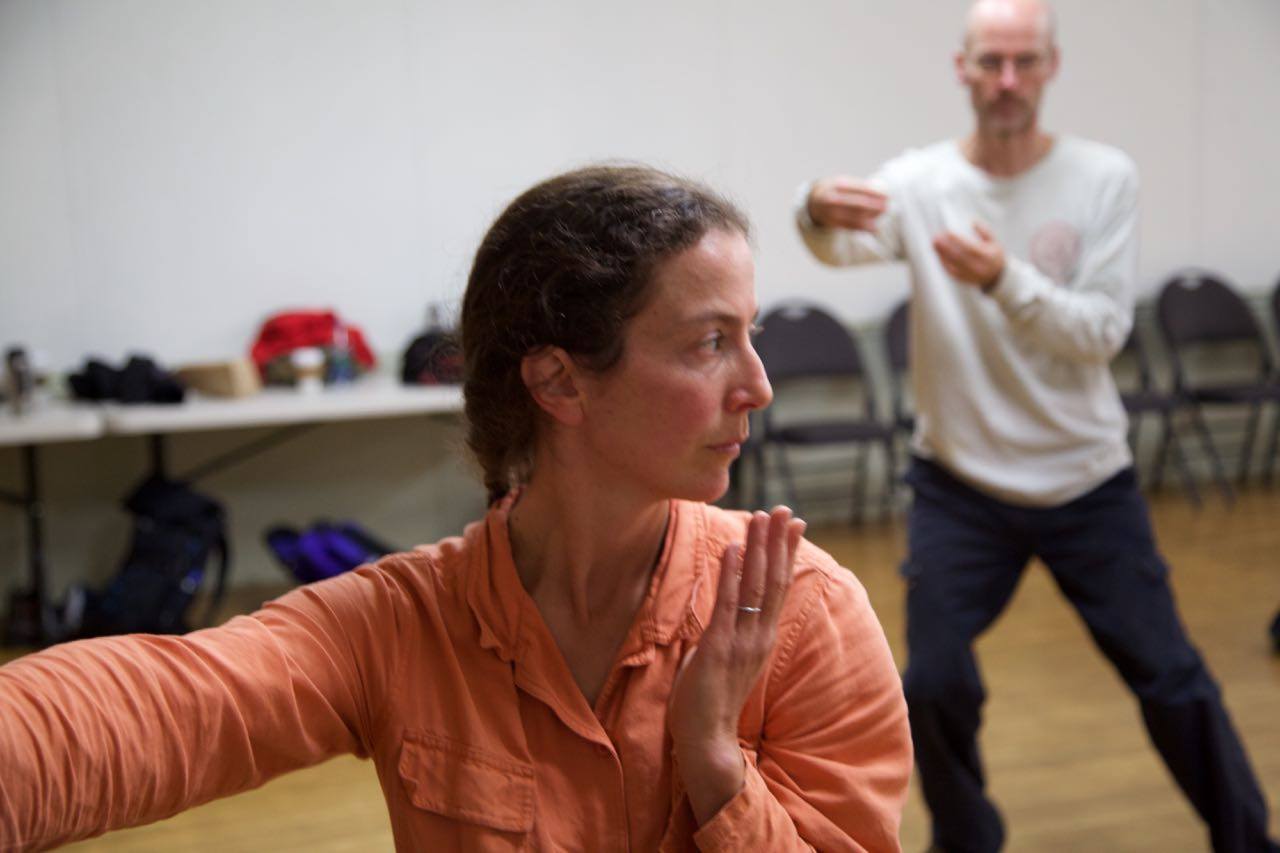
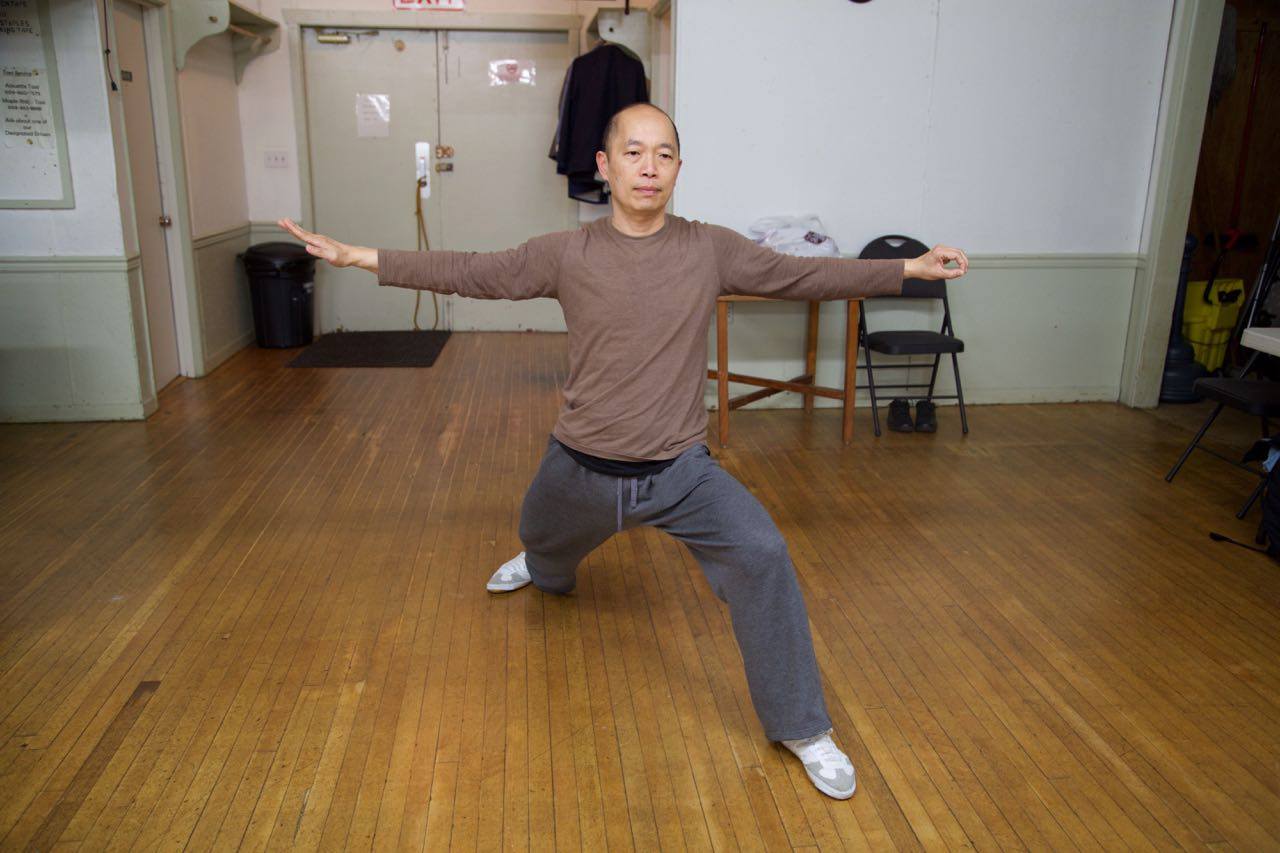
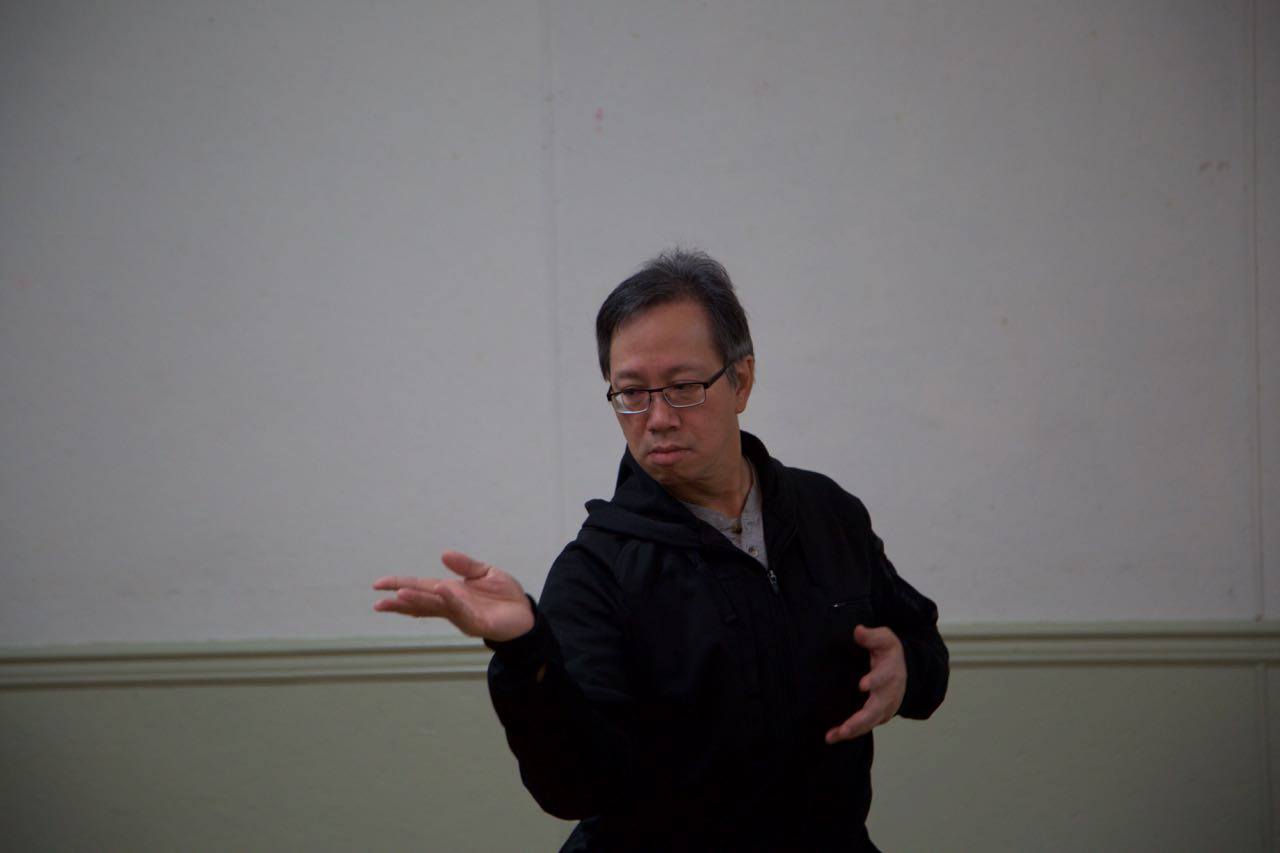
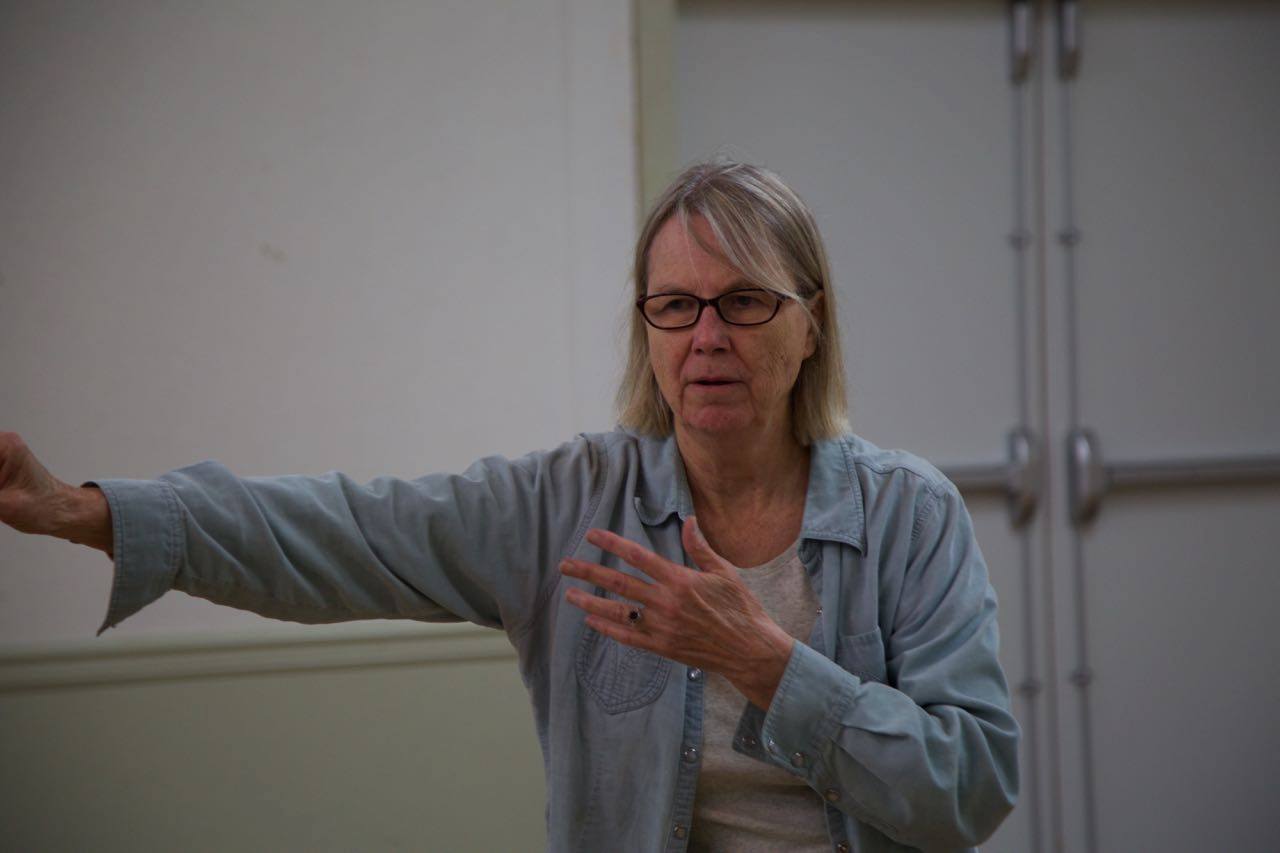
Camille from Port Alberni, and Phil from California joined us.
Four days focused on yilu correction. Master Chen went around while we did yilu and gave lessons based on our errors.
For me, this experience pushed my envelope of what is required from yilu, and I feel a difference on the last day, how my body is more stable in doing it. Master Chen reminded me to keep practicing correctly otherwise I will revert to my old habit.
Some points from my notes:
- keep the head not moving (this engages the core)
- keep the arm shoulder level, while adjusting below
I noticed this kind of motion before from Master Chen but only starting to feel the effect of it in my stability.
In a way Yilu is a progressive system, I only notice the higher difficulty requirement if my body can perform it and can tell the difference when I do it correctly.
Applications Training
Presenter: Chen Zhonghua Length: 15 min. In: English Year: 2015 Difficulty:2/5 At:Italy
Presenter: Chen Zhonghua Length: 15 min. In: English Year: 2015 Difficulty:1/5 At:Italy
Triangles in the body, training for the three spots.
Presenter: Chen Zhonghua Length: 29 min. In: English Year: 2014 Difficulty:3/5 At:Maple Ridge
Body rotation as one piece to generate power.
Presenter: Chen Zhonghua Length: 5 min. In: English Year: 2014 Difficulty:2/5 At:Italy
Stretch and ground at the same time
Presenter: Chen Zhonghua Length: 18 min. In: English Year: 2013 Difficulty:1/5 At:Daqingshan
Step two in the learning process (following the observation) is “to copy”. Here on DQS the chinese guys nearly all do the positive circle like Chen Laoshi is doing them in his yilu from 2013. I was used to pull the elbow in as much as possible and changed that, after the observation, that they all are doing it differently. Some days ago, Chen Laoshi corrected my positive circle and I had to pull the elbow far more in.
The question for me is not, if the chinese guys are doing it right or wrong, because the outer appearance is variable uppon your level (as I understand), the question is HOW TO KNOW, WHAT TO COPY?
My conclusion is for now, not to copy anyone, except Chen Laoshi.
The problem is, that it was said, that we also have to learn from each other, but perhaps that is more related to pushand- and drillsituations.
What do you think?
Please comment on what this video is showing.