I have put together some spreadsheets with the form names listed in English and Chinese, with pinyin annotations for those interested in learning Mandarin.
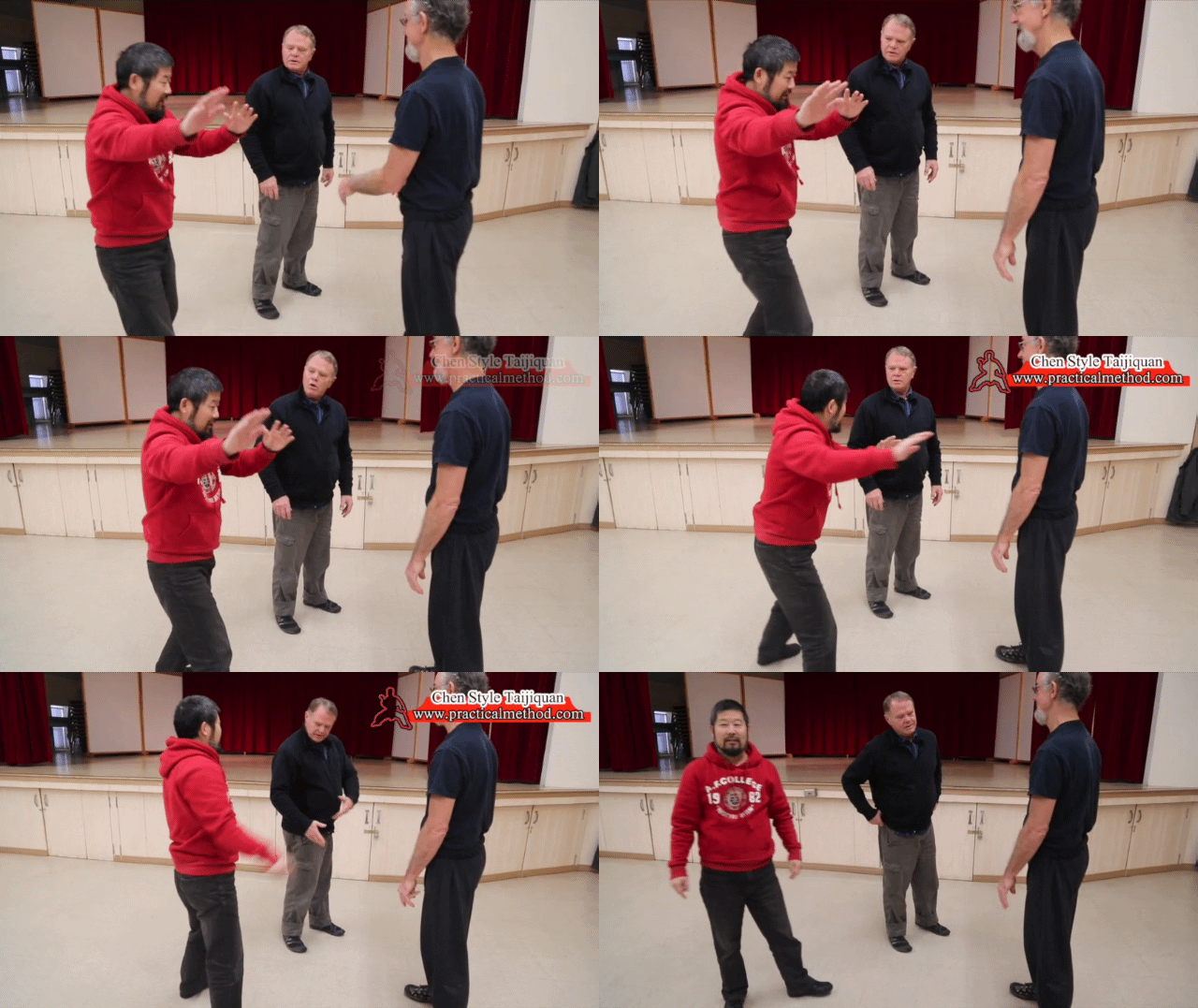
In this video, Master Chen Zhonghua showed clearly how he made the student feel the power at the student’s chest on the initial contact, then Master Chen switched to a different spot on the student’s body. He used the stick to illustrate that he moved something that the opponent couldn’t see.
Video guidance is now available. Please leave comments and questions at http://practicalmethod.com/2015/03/stretch-in-push-hand-online-video-trailer/.
In this short online instructional video, Master Chen teaches many essential elements that are necessary when applying Ji to an opponent and several principles inherit to Practical Method. Ji, squeezing, is a passive action that has “water like qualities”. Ji, like water “takes up all the space in all directions”.
Over the past year, I’ve worked on a number of exercises with a focus on the knees and kua. Here are a few examples and results I’ve noticed:
- Ensure the bottom is represented during the movement
- Step 2 here: How to engage the waist
- What it looks like: When your upper body moves, there is expansion in the bottom. Typically both knees expanding outwards.
- Result: Body becomes more even, action is created from the waist (and lower) rather than entirely from the top.
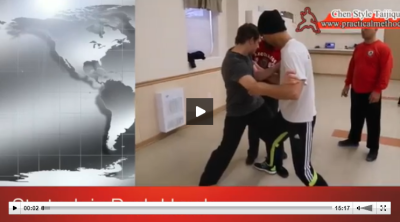
Master Chen showed clearly how he made the student feel the power at the student’s chest on the initial contact, then Master Chen switched to a different spot on the student’s body. He used the stick to illustrate that he moved something that the opponent couldn’t see.
Please leave comments and questions at the comment section of http://practicalmethod.com/2015/03/stretch-in-push-hand-online-video-trailer/.
In Adjust the Middle Online video, Master Zhonghua Chen teaches how to strengthen one’s own structure and how to break your opponent’s structure and take their power away.
Early on in the video Master Chen utilizes a rubber cord to demonstrate how the 2 ends are connected by pulling in the middle. He emphasizes that the outside of the 2 ends are the outside and what is between the 2 outside points is considered inside. In the video he demonstrated this on the rubber cord and then on a student.
Read more
We hereby solemnly declare, our school is in no way or shape related to the Ma Baoguo who was KOed in 40 seconds today (May 17, 2020).
Chen Style Xinyi Hunyuan Taijiquan (Abbreviated as Hunyuan Taiji 陈式心意混元太极拳,简称混元太极拳) was founded by the late Grandmaster Feng Zhiqiang, with its aim as a health exercise for human health. It is an excellent cultural heritage. To date, it has a history of close to one hundred years.
Ma Baoguo has violated our trademark ™ name to call his style Hunyuan Xingyi Taiji Gate (浑元形意太极门) and has repeatedly tarnished our reputation. My grandfather’s disciples have on many occasions launched lawsuit against him. Further, the Hunyuan Taiji Wushu Development Center and the Hunyuan Taiji Professional Committee under the Beijing Martial Arts Association reserve the right to take legal actions against those social media which continue to associate us with such frauds.
Gao Yuan
郑重声明,今天被40秒KO的马保国和本门无关!陈式心意混元太极拳简称混元太极拳,由一代宗师冯志强先生所创办,致力于造福百姓健康,为优秀的非物质文化遗产。发展至今,已经近百年历史。马保国是山寨碰瓷我心意混元,起名为浑元形意太极门,屡次败坏我们混元太极门派盛名,曾多次被我外公的弟子起诉。另如再有自媒体不注重事实,妄自菲薄。混元太极武术文化发展中心,北京武协混元太极拳专业委员会将保留追究其法律责任的权利。
高原

I have been a computer engineer for 24 years and work with 1 and 0s for a living. For a simple light switch, it typically has only two states, and is either on or off. By putting a lot of these switches together, a digital computer was born. Each pair of on and off, represented as 1 and 0 using high voltage and low voltage in a computer, forms a basic unit called a bit. Eight bits make one byte. For the english language, each alphabet or symbol can be represented by such a byte. It is unimaginable how the on and off states of many such switches can be turned into a device, such as a smartphone, tablet, or desktop/notebook computer, that does so many amazing things for us.
In Practical Method, in-with-elbow and out-with-hand are our 1 and 0. Read more
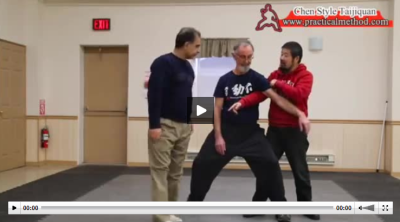
Master Chen gave specific corrections to each student at the workshop for one specific move, which is called “sink the waist to press elbow” (煞腰压肘 sha yao ya zhou). Each student exhibited both common and individual mistakes that were corrected by Master Chen. This video provides a large amount of focused material for us to learn to send power to our hands.
See you online at 10 am on Saturday, May 16, 2020 at http://practicalmethod.com/2015/03/power-to-hand-training-online-video-trailer/.
List view on Chinese site: https://www.shiyongquanfa.cn/archives/118135
Read more

Click on the picture above to go to the video. Please leave comments in the reply video section.
The important components: 1. Having 2 lines, 2. Having separation 3. Resolve through rotation (one line is the catch or lock and the rotation provides the other action for the other line). Click on the gif
 |
In this video, Master Chen demonstrated how dantian would rotate itself, and it would handle incoming force. This video was so important to me that I wrote two articles which main idea came from this video years later without realizing that until now. |
Intent: http://practicalmethod.com/2019/11/intent/
Clarity: http://practicalmethod.com/2018/11/clarity/
See you online at 10 am on Saturday, May 9, 2020 at http://practicalmethod.com/2014/11/dantian-and-pivoting-online-video-trailer/.


In this short video, Master Chen teaches key concepts and principles that are necessary in push hands and in the development of our taiji skills. After watching the video you will gain and understanding of what it means to “match” an opponent’s power. Additionally, you will have a clear understanding of how “adding” beyond the contact point requires yin yang separation, which is an inherent principle to Practical Method Taijiquan.
Read more
We have heard so much about the non-moving dot, and why we need to have it. Do you know how to use it? In this video, Master Chen demonstrated numerous examples on how the opponent fell out by going around the dot.
See you online at 10 am ET on Saturday, May 2, 2020 at http://practicalmethod.com/2014/12/go-around-the-centre-online-video-trailer/.
(I originally posted this on Facebook, but was asked to also post here, so here goes. Readers shouldn’t take any of this seriously, I am a total beginner in Practical Method)
I listened to the Tai Chi Day podcast interview of Master Chen, and two things struck me.
First, I find it very fascinating that Hong Junsheng’s ‘feel’ (sorry I don’t know the right technical term) is very different from master Chen’s.
Master Chen said he had 3 distinct sources of skills (1 from his specific physique, 1 from Hunyuan, 1 from ‘Hong style’) so what we feel when we get instruction is very different from master Chen is often a composite ( at least that is what I understood, I could be wrong) so for example we feel that master Chen has a strong grip – I’ve felt it, like talons of steel, – this apparently comes from his work with the Hunyuan system- , whereas Master Hong Junshen didn’t ‘grip’ and had a completely ’empty’ feel, so when you fell down you’d think it was something wrong you did, and not something he did. I find the idea of each master developing a personal ‘feel’ very intriguing. Read more
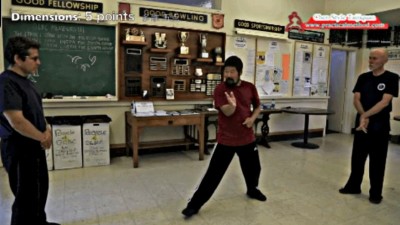
The “Dimension: 5 Points” online video builds upon the understanding and skills that were covered in the Step Up To Ji, Move Into Empty Space and Warping Energy 2 Online videos and classes. It allows Practical Method Taijiquan practitioners the opportunity to expand on ones’ understanding of how to use multiple dimensions to immobilize an opponent much like a spiderweb does to ensnare a moth helpless.
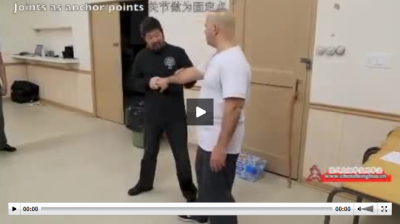
In this video, Master Chen showed us the concept of stretching through the joints, what it took to stretch from end to end in the body, what the impact was by adding a point in space. He introduced the concept of double helix, and what it could do to the opponent. He integrated all of these into our form practice.
See you at 10 am ET on Saturday, April 25, 2020 at http://practicalmethod.com/2015/01/joints-as-anchor-points-online-video-trailer/.

Thus far, the videos I have selected as curriculum have been focused on the functional aspects of using ones own bio-mechanical structure and the structure of the opponent to “take up space” for the gaining of strategic positioning and for martial purposes. The video “Step up to Ji” gave a basic procedure of how to make contact while matching power and move in other body parts that adhere to the Practical Method’s principle of separated and sequential movements. In the following video, “Move into Empty Space”, several lessons were taught by Master Chen in various ways to take up the opponents space and demonstrated a few examples of applications, such as going down and adding a dimension.
In this video, Master Chen teaches additional methods of taking up space by “whatever happens, you fill in the gaps”. It is taking out space, working with space, playing with timing, and/or playing with structure. The information from the previous video online classes come into play. Significant additions are made in this video that further advances ones’ repertoire on how to use ones’ structure and the intentional use of working with space as a means of building martial skills and abilities.
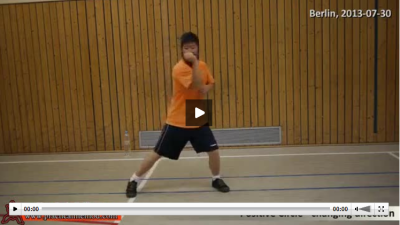
In this week’s third episode of our Positive Circle series, Master Chen covers how we create splitting of energy in the three counts of a positive circle, and how switching we learned last week is used to change direction.
See you at 10 am ET on Saturday, April 18, 2020 at http://practicalmethod.com/2014/02/changing-direction-in-positive-circle-online-video-trailer/.
Bees, Bubbles and Taiji
What’s common between all the above entities? You guessed it – Emergence!

Observing their behaviour shows how distinctly order emerges out of what looks like chaos when looked at superficially.
From work of bees in beehives and work of ants in colonies to swarming of birds or school of fish almost everything in nature display Emergent behaviour. All these earthly creatures act locally doing simple repetitive activities following a fixed rule but collectively they can overcome problems and perform complex feats.
Read more

Move into Empty Space
Various Methods
In this video viewers get to witness Master Chen teaching various methods of how to take up empty space along with a variety of applications. This complex video requires viewers to segment each movement in a number of lessons given. In addition, with the direct examples demonstrated, key principles inherit to practical method are embedded throughout the video.
Read more
Bhargav Khaund

I am an engineer by training, and I work in an energy and chemical company in a senior managerial role within the Supply Chain and business development function covering the Asian region.
Read more
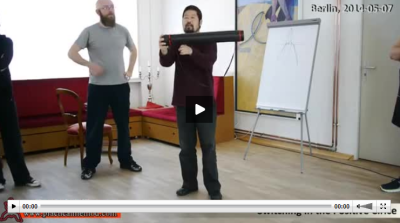
In this video, Master Chen covered the 3 main axes in the body, and how we could switch among them without tossing in the positive circle, and the analogy of a lever with different pivots. We discussed about the shoulder last week at Shoulder Movements in Positive Circle, we will continue this week regarding switching with the lower half of the body.
See you at 10 am ET on Saturday, April 11, 2020 at http://practicalmethod.com/2014/06/switching-in-the-positive-circle-online-video-trailer/
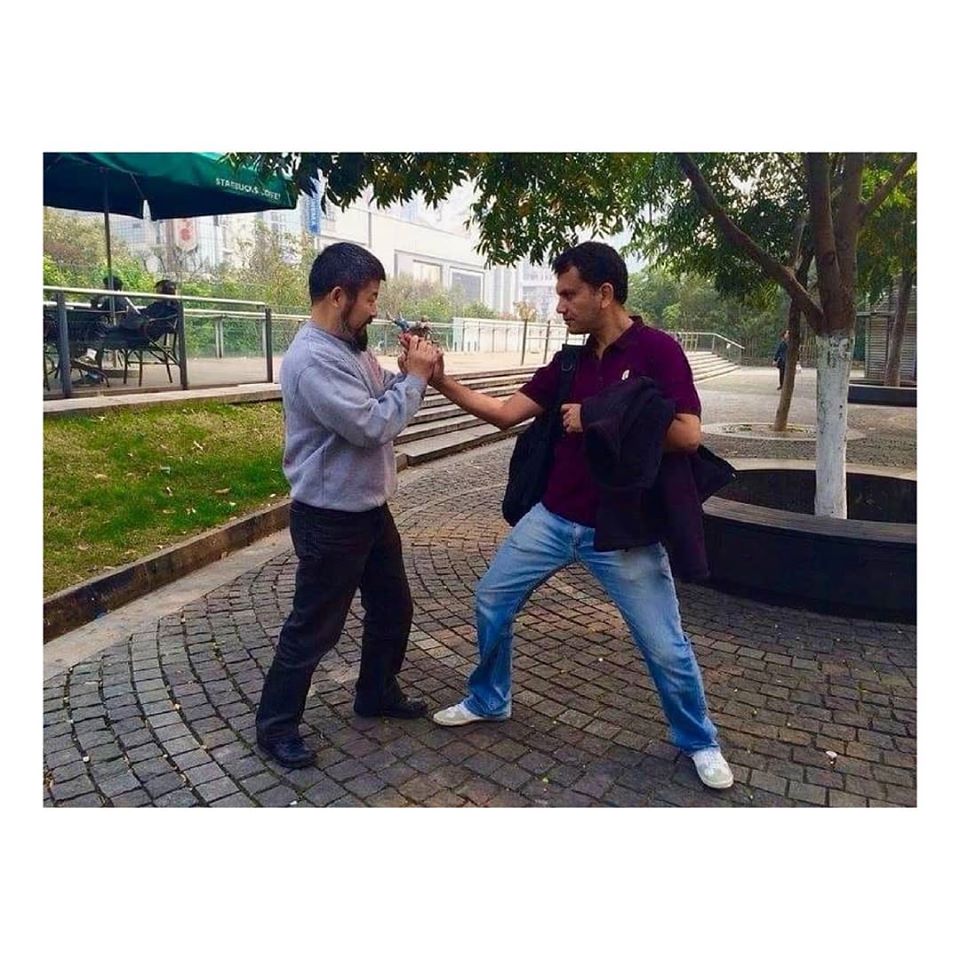
Ever wondered why Taiji is so magical especially at the hands of true masters?
I first experienced that magic when I met Master Zhonghua Chen in Daqingshan on a warm July evening of 2012. Ever since that moment I have developed a fixation of sort to figure out what is behind that magic – it is so ever present in everything Master Chen does, it is impossible to differentiate between the magic and the magician! Read more
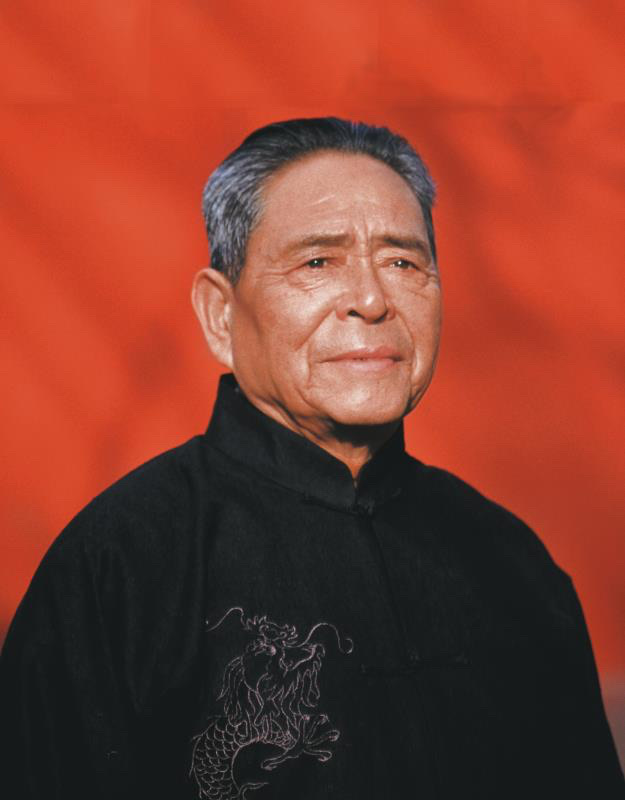
Remember My Masters Hong Junsheng and Feng Zhiqiang 2020.04.04.
It’s CHINESE Qingming (Memorial Day) in China today. Thinking of my two masters: Hong Junsheng and Feng Zhiqiang.
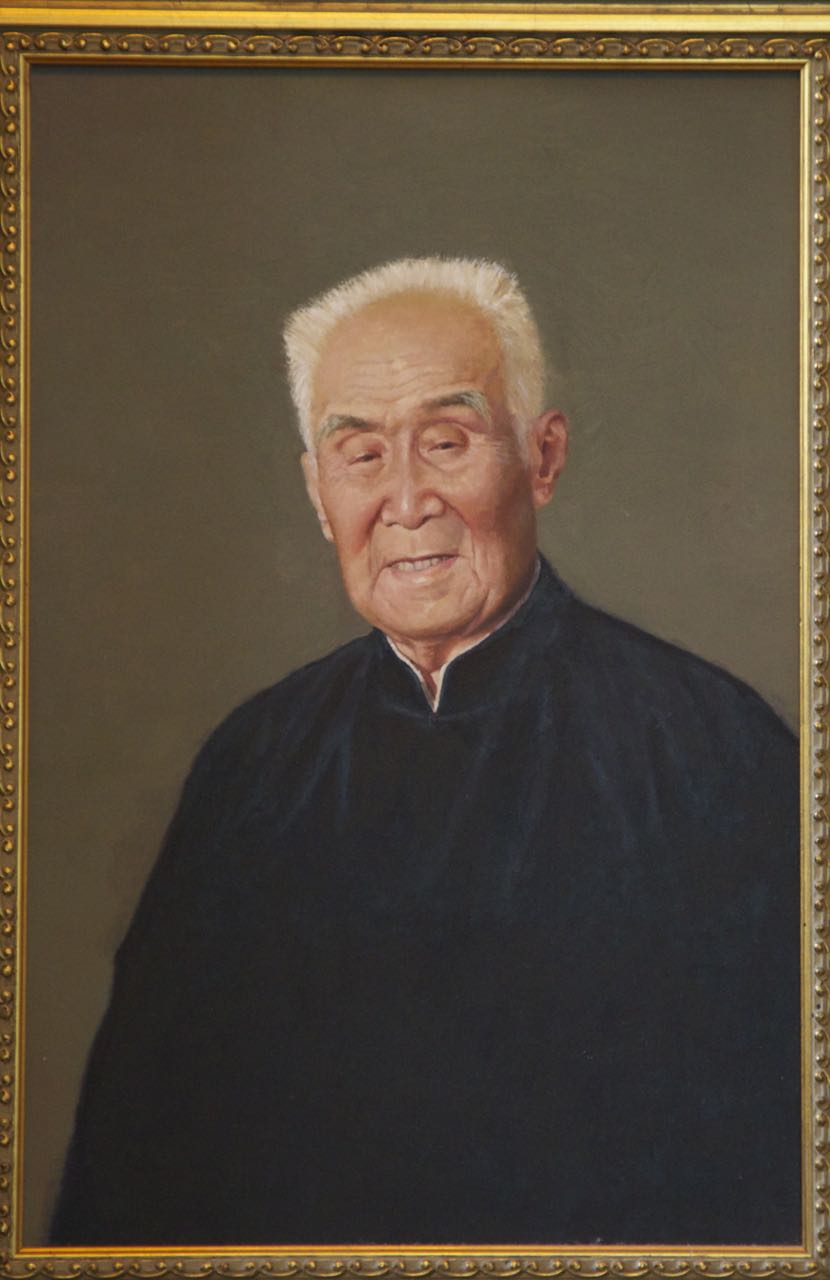
- Grandmaster Feng Zhiqiang
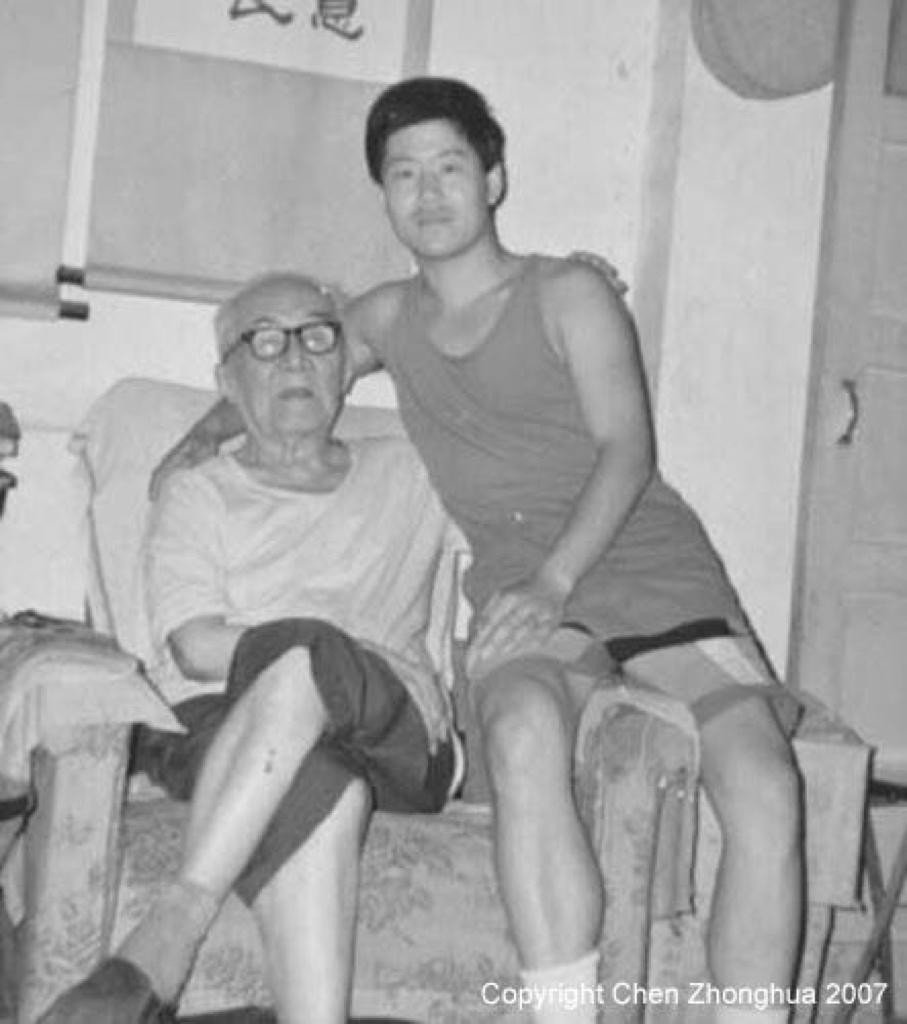
Chen Zhonghua with Grandmaster Hong Junsheng
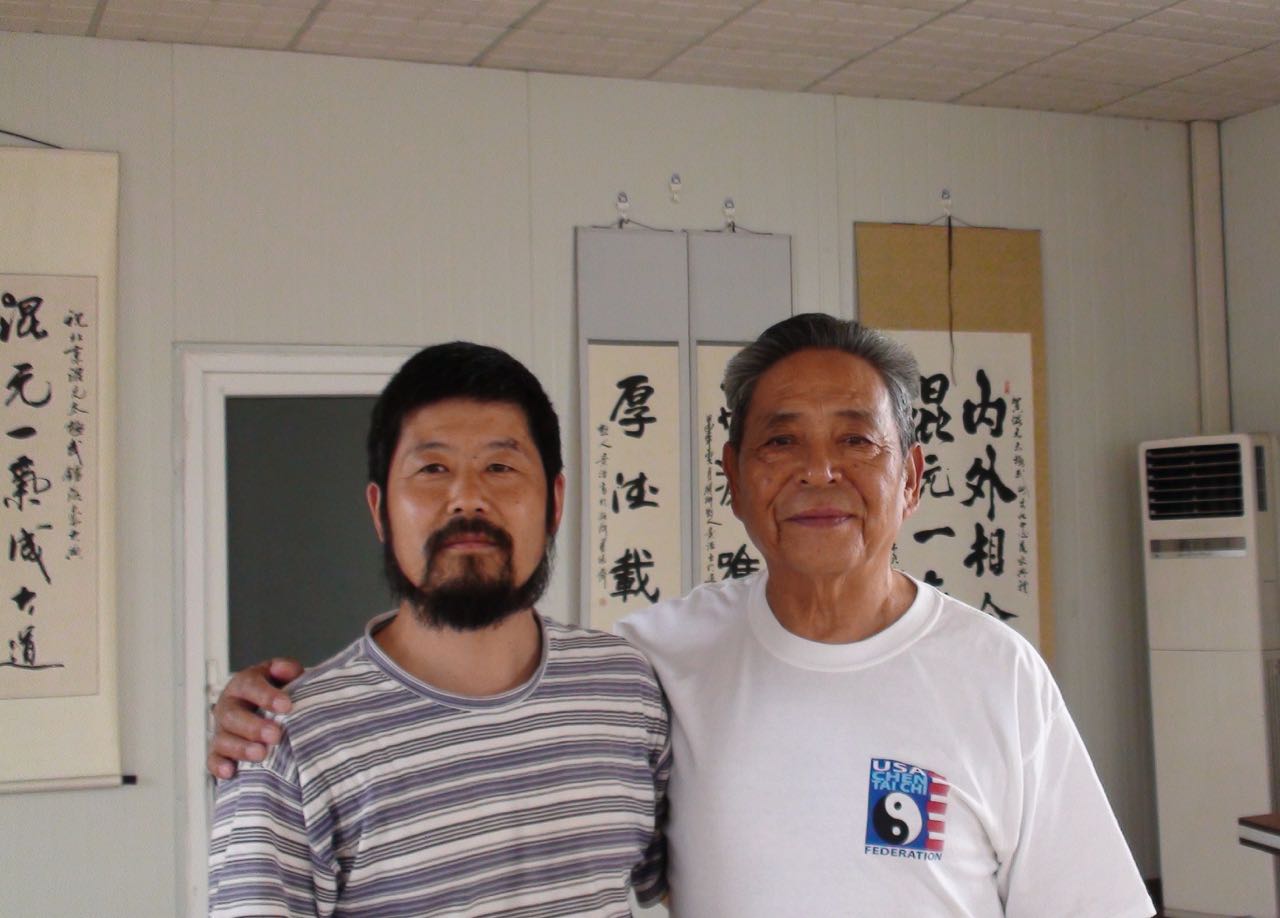
Chen Zhonghua with Grandmaster Feng Zhiqiang
Master Wang Zhanjun uses the video clip “Sink the Waist to Press the Elbow and Whip” to analyze taiji in his teachings. The animation at the end was created by Xu Jingpeng. Master Wang is the son of Grandmaster Wang Xi An, one of the 4 Tigers of the Chen Village. Wang Zhanjun is also. Ten-time National Push-Hands champion in China.

We will have an online class based on this video using the comment section of this video at 10:30 am Central Time, 11:30 pm Eastern Time on Saturday, April 4, 2020. On the days that I am teaching, I have selected a series of videos that will be taught in a sequential manner. The primary emphasis will be improving your understanding of how to take an opponent’s space that utilizes the principles that are inherit to Chen Style Practical Method Taijiquan. The video’s include:
Read more
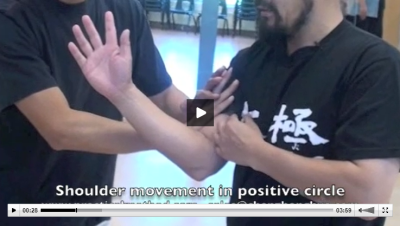
In this video, Master Chen showed us how to prevent an opponent’s incoming force from penetrating into ourselves with the 3rd count of the positive circle. It is a invaluable aspect of the positive circle.
We will have an online class based on this video using the comment section of this video at 10 am Eastern Time on Saturday, April 4, 2020. Come join us!
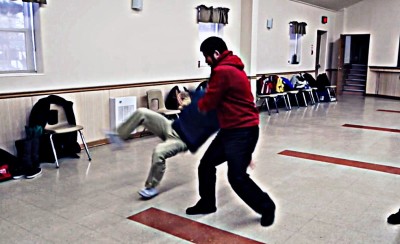
Master Chen Zhonghua always amazes me, whether it is at the next workshop (there is always something new and amazing) or looking back — such as in this video captured during a workshop in Ottawa ten years ago… an easy, seemingly simple, and clean bounce:
What do you see in the video?
John Upshaw: Everything is on a line. He added the right leg to the line…left arm to right leg…
Lou Sacharske: Watch his right shoulder, as he adds the right leg, there is zero deviation to telegraph the execution.
James Tam: I believe the rotation axis is the one joining Shifu’s left shoulder and front foot. And, the stick (effective energy pathway) is from his back foot to Steve’s upper back.
 I started learning practical method on 2005. I had a lesson once a week from one of Master Chen’s disciples. At that time I practiced maybe once per week.
Read more
Online practice groups are a way to support and motivate each other along our Practical Method journey.
Anyone learning Practical Method can conduct an online foundations practice group regardless of where you are in the world.
This is a post I found drafted but had not published. I thought I would finally share what I had written two years ago in 2018. It’s now March 2020.
……….
The value that you get from Master Chen Zhonghua’s Practical Method workshop is immeasurable. This is was my fourth workshop and I cannot explain just how much was packed into the two days.

Dear fellows,
I also want to announce it here, especially as our Taijiquan is a very central part of our life, that we are up to create a new community within the international township of Auroville, South India.
This should become a self-sustainable project, including training facilities, farming and all sort of arts, music, handcrafts etc. But more than that we want to Read more