 |
Chen Style Taijiquan Practical Method Toronto |
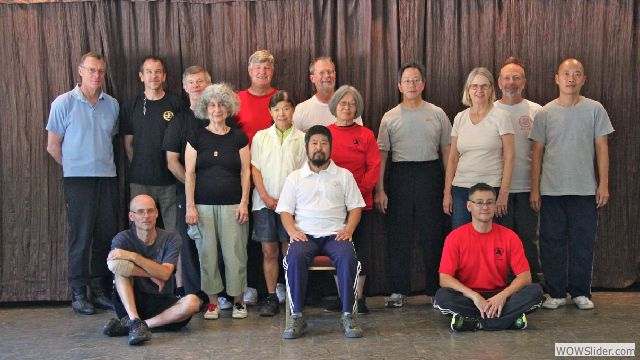
Master Chen Zhonghua will be coming to Toronto for a 4-day workshop. If anyone is interested in meeting Master Chen and exchanging taiji knowledge with him, please join the following event. Read more
|
Chen Style Taijiquan Practical Method Toronto |
Master Chen Zhonghua will be coming to Toronto for a 4-day workshop. If anyone is interested in meeting Master Chen and exchanging taiji knowledge with him, please join the following event. Read more
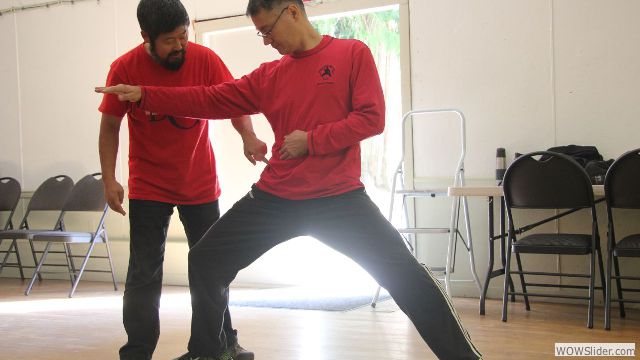
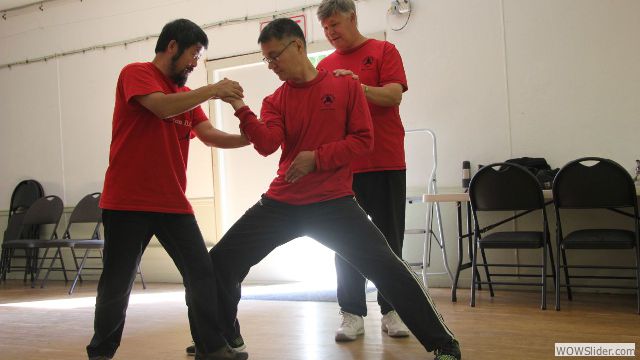
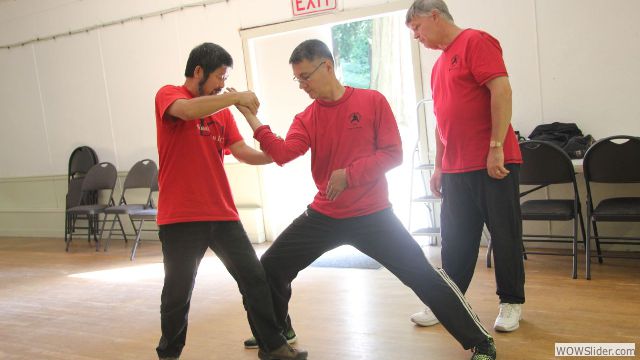
Matching Opponent Move Exercise, Creating Pivoting point, Rotation: if you feel it, you are wrong, Yin yang explanation, Stepping exercise: leg, erect torso. Six sealing Four closing application. Read more
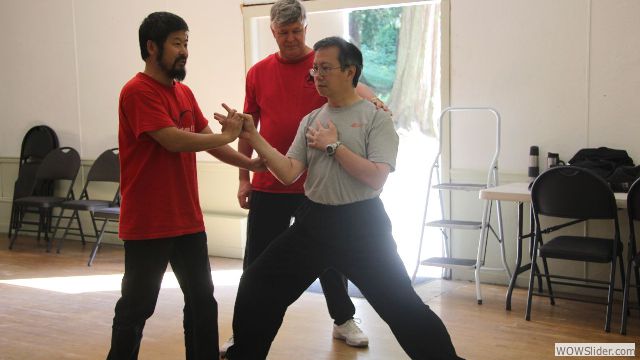
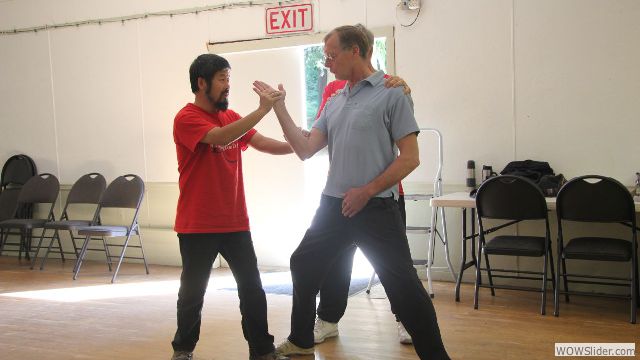
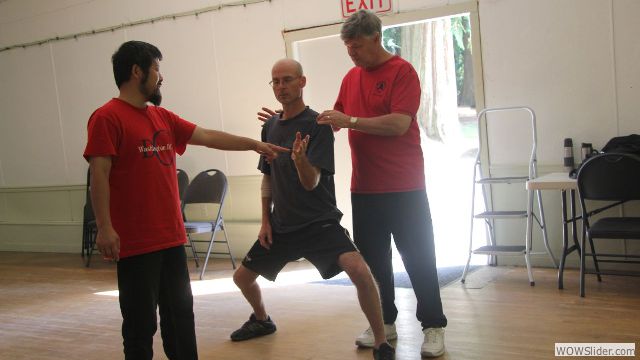
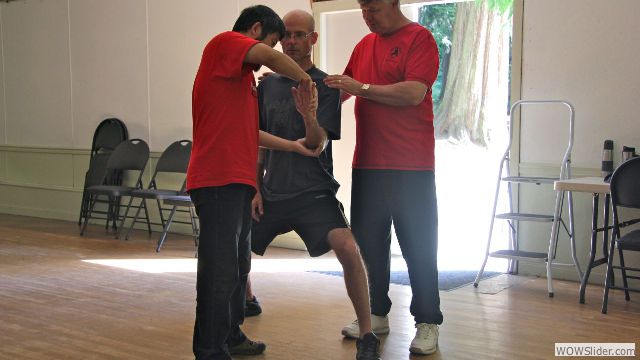
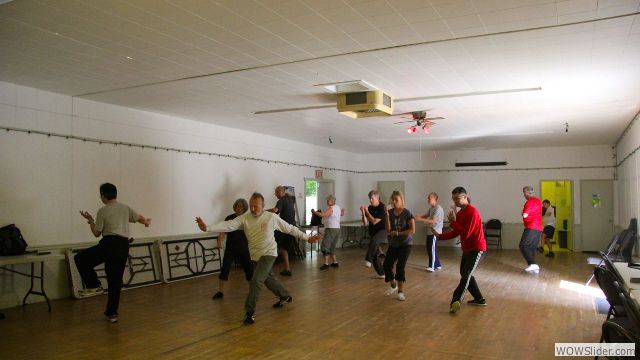
Classes Starting September 17, 2012 (Join at any time)
Mondays & Wednesdays, 6-7 pm Read more
 I heard that Master Chen has left the mountain to begin his journey home, stopping over Vancouver for a workshop.Lucky for the fulltime students there since Master Chen extended his stay by a few weeks to oversee the site development. As it has been posted here and in facebook group, Daqingshan is expanding its training facility as it become the center of taiji training for Wulian county. Read more
1 ‘Block Touching Coat’ Application , 2 ‘Fist Draping Over Body’ Details, 3 ‘Six Sealing and Four Closing’ Drill, 4 Power,rotation and compression, 5 Foundations Training, 6 Converting horizontal to vertical, 7 Movement sequence and usage
Presenter: Chen Zhonghua Length: 62 min. In: English Year: 2012 Difficulty:2/5 At:Prague
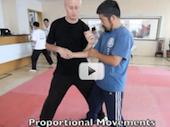 Proportional Movement lesson in Chinese English version here
Presenter: Chen Zhonghua Length: 9 min. In: ChineseYear: 2012 Difficulty:3/5 At:Daqingshan Mountain Resort
Proportional Movement is the key to having an even body. Master Chen show how he can mirror the opponent movement to harmonize and then add one. He goes on to show how to train fine control on all body parts to embody this principle.
Presenter: Chen Zhonghua Length: 9 min. In: English Year: 2012 Difficulty:3/5 At:Daqingshan Mountain Resort
DAQINGSHAN SURVIVAL GUIDE V1.0
so a lot of people i’ve talked to have said they wanted a in depth guide on stuff they might need to bring to the mountain, now this guide is less important for people here for shorter stays so if you’re here for less than a month it wont be so important, but if your here for more than 2 months this list might make your stay much more enjoyable, so here’s my first revision of the daqingshan survival guide apologies in advance for the terrible grammar and spelling Read more
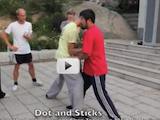
How to generate power, how to break opponent structure. Power is created by body structure, understanding how this principle work allow students to hide their structure while at the same time attack the weak point of opponent structure.
Presenter: Chen Zhonghua Length: 16 min. In: English Year: 2012 Difficulty:2/5 At:Daqingshan Mountain Resort for Taiji
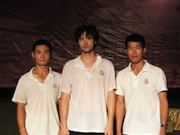 Steve Chan, Chen Xu and Ling Ziming from the Daqingshan International Taiji Training Center participated at the 2012 Beijing Chen Style Taijiquan Competition from August 17 to 19, 2012. Steve won gold in the 75-79 kg category; Chen Xu gold in the 60 kg category; Ling Ziming won silver in the 65 kg category.
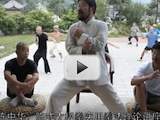
Master Chen talk in chinese on Daqingshan on various aspect of Taijiquan: 阴阳,训练难度,内部和外部协调,横力转竖力 Yin Yang, Training difficulty, inside & outside coordination, horizontal and vertical conversion.
Presenter: Chen Zhonghua Length: 32 min. In: Chinese Year: 2012 Difficulty:1/5 At:Daqingshan Mountain Resort
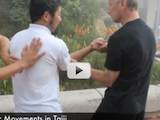 Shoulder joint connection is a complicated one, in this mini lesson, Master Chen demonstrate the correct principle and correct student’s shoulder movement
Presenter: Chen Zhonghua Length: 10 min. In: English Year: 2012 Difficulty:3/5 At:Daqingshan Mountain Resort for Taiji
Filmed by Michael Winkler
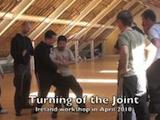
”if the move up and down are equal, the center becomes truly empty”—— “In ancient times the master would never let you feel it…..if you don’t feel it, you will never get it….once you feel it, it’s only a matter of time….”——–”they MUST equalize….”
Thanks to Bruce Schaub who typed in the quote from Ireland workshop video. Please check out Ireland 4 video (now on new video server) for demonstration on turning of the joint and other topics
http://practicalmethod.com/2010/05/ireland-workshop-2010-4-online-video-trailer/
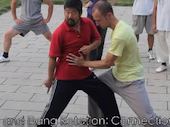 How to connect the energy of the waist and dang to the feet. Legs are the support of waist, and waist provide power to arms. Master Chen show a method to train this with partner, and switching this support to either leg depending on situation.
Presenter: Chen Zhonghua Length: 4 min. In: English Year: 2012 Difficulty:3/5 At:Daqingshan Mountain Resort for Taiji
The government of Wulian sponsored its first Chen Style Taijiquan Practical Method Seminar on Daqingshan. The seminar runs from August 10 to 16, 2012. The government of Wulian has joined efforts with Grandmaster Chen Zhonghua to work towards making Wulian a county of Taiji.
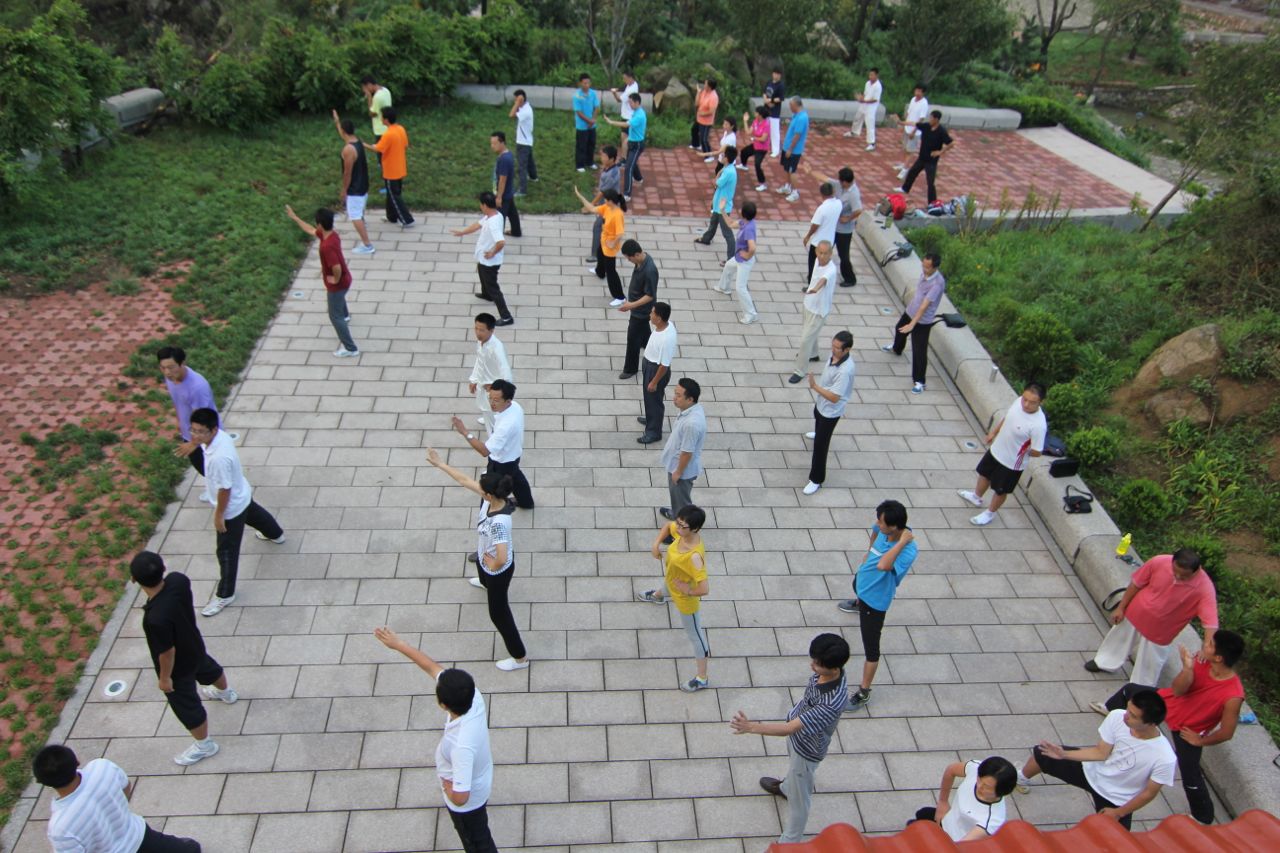
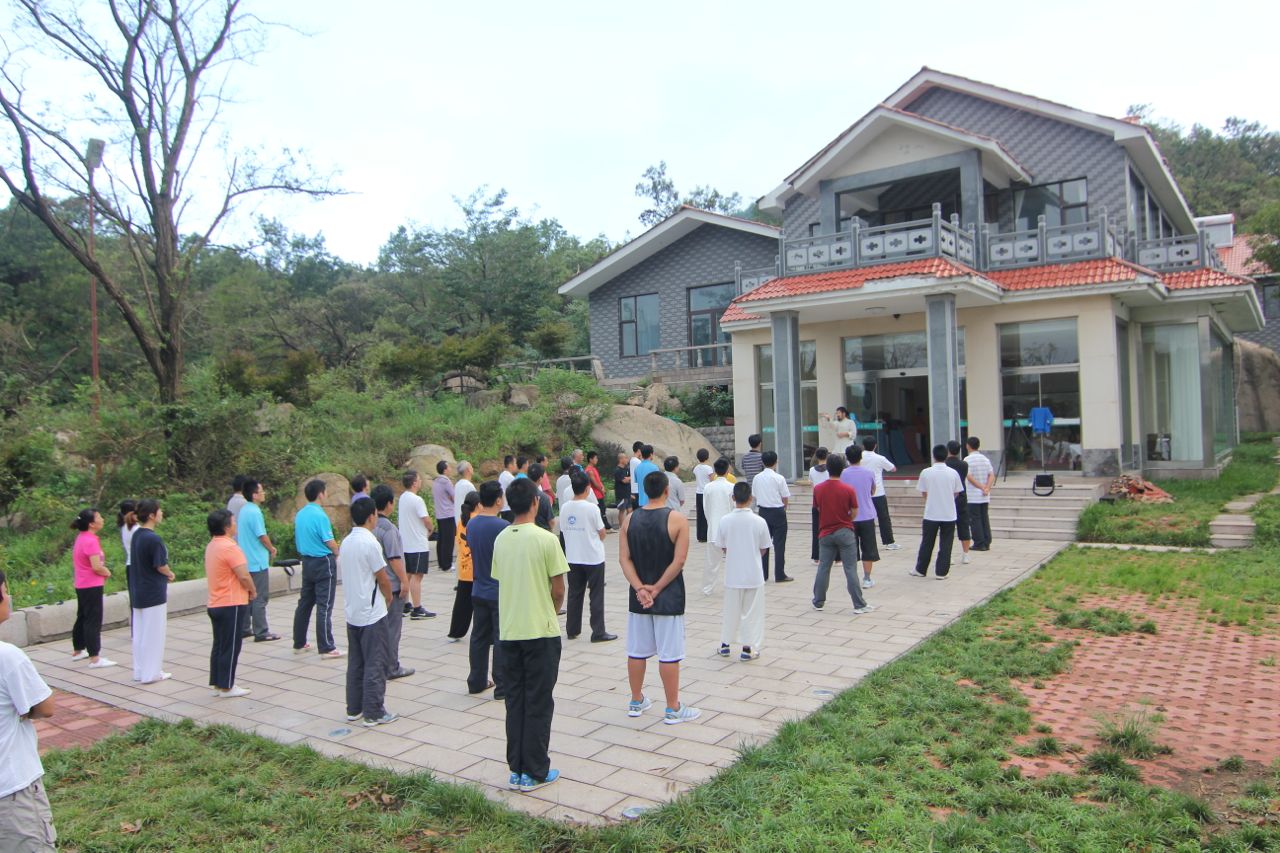
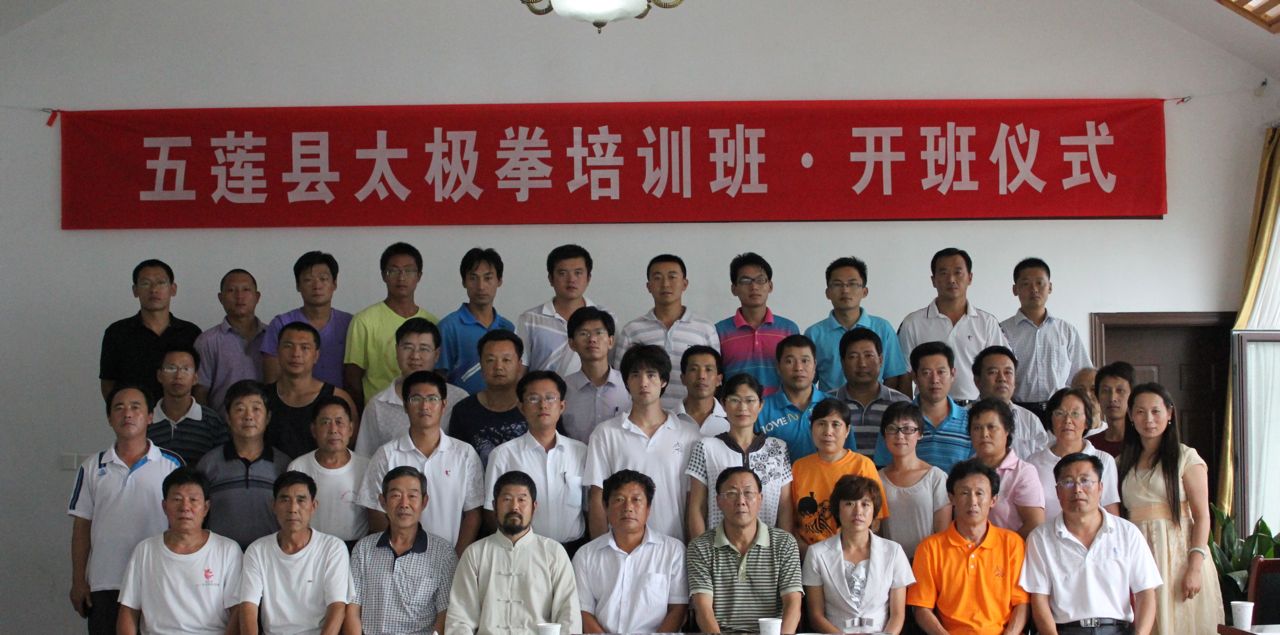
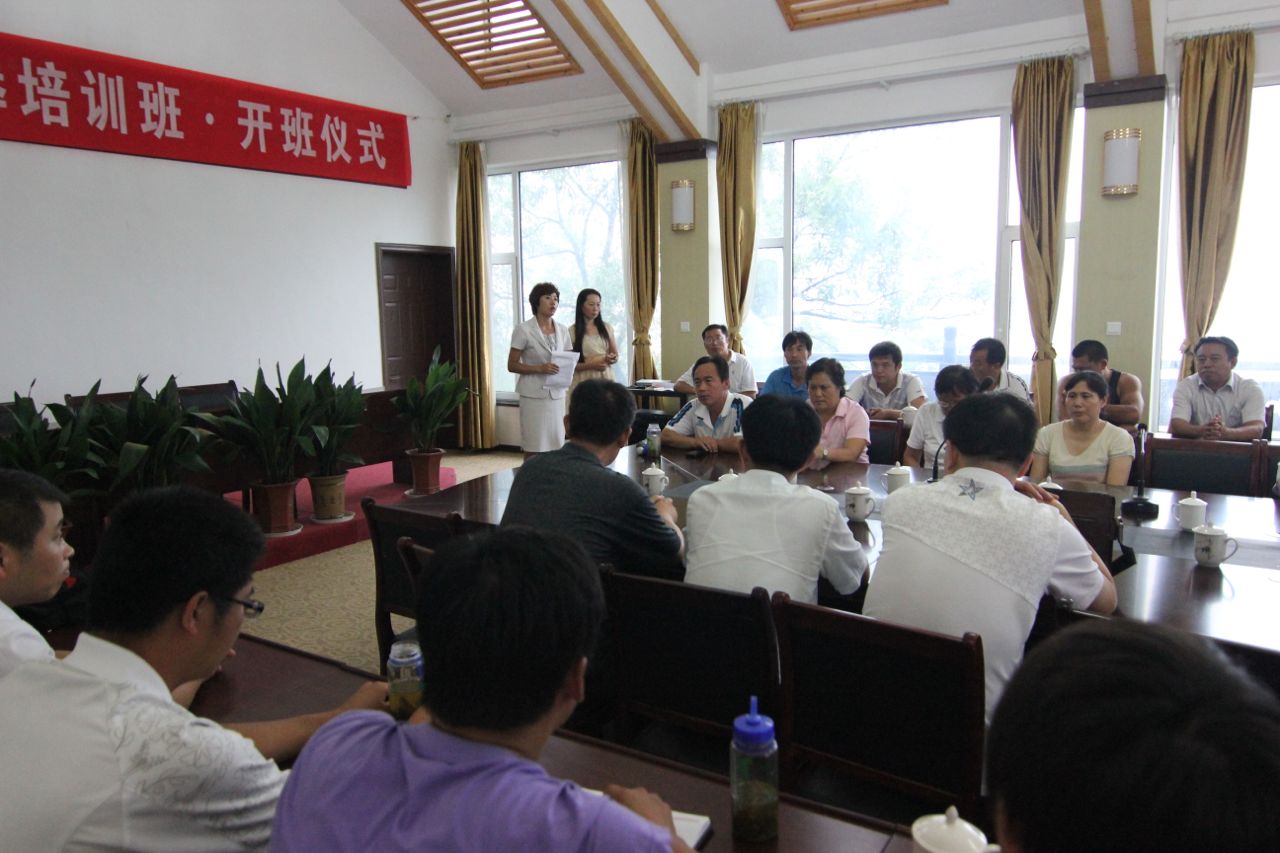
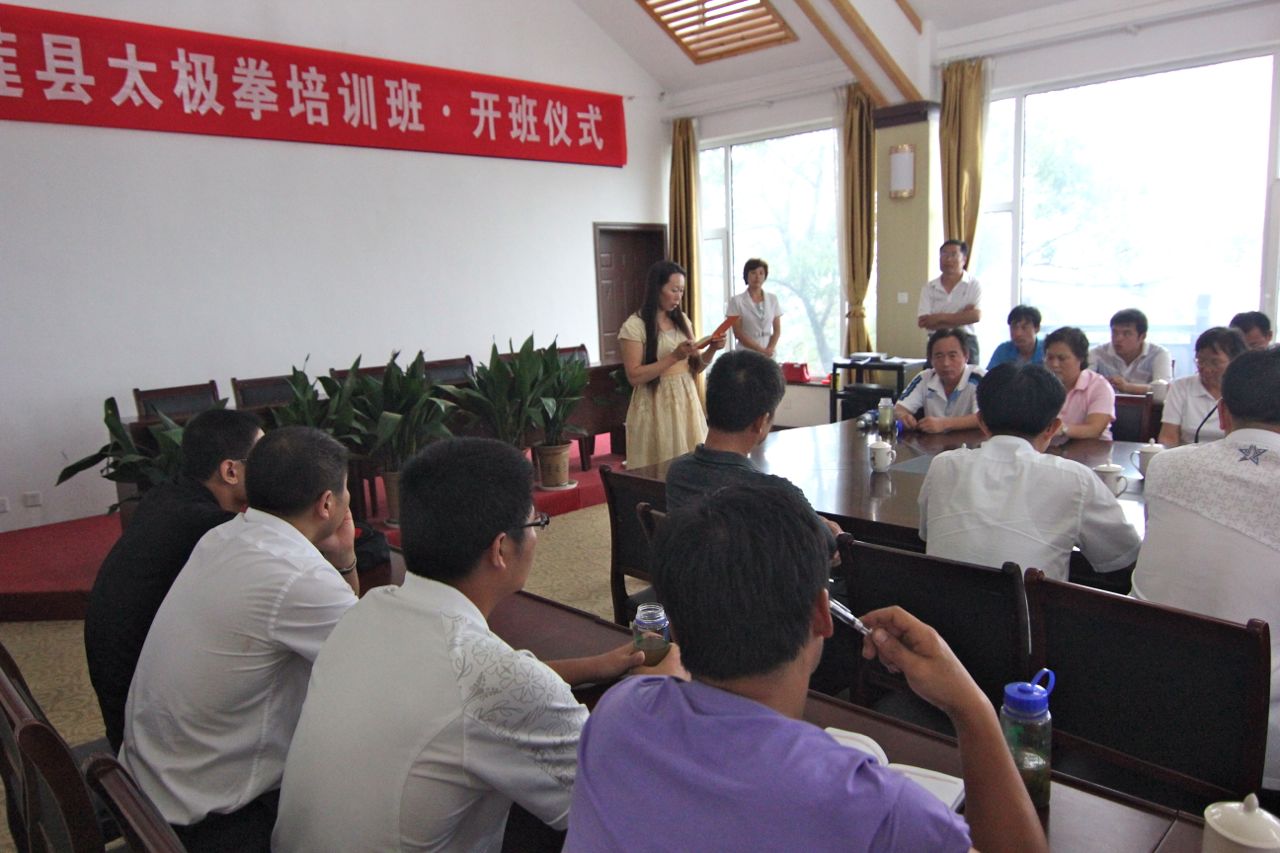
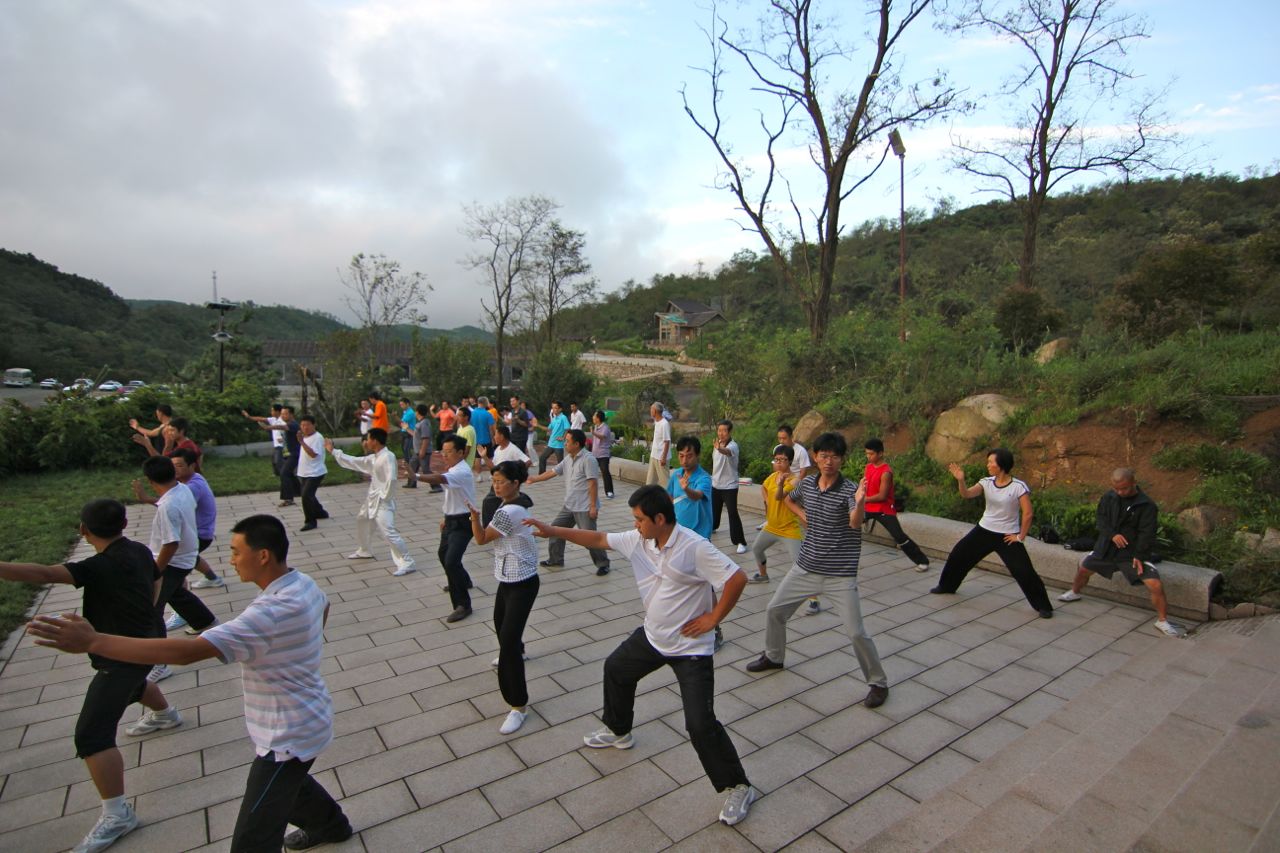
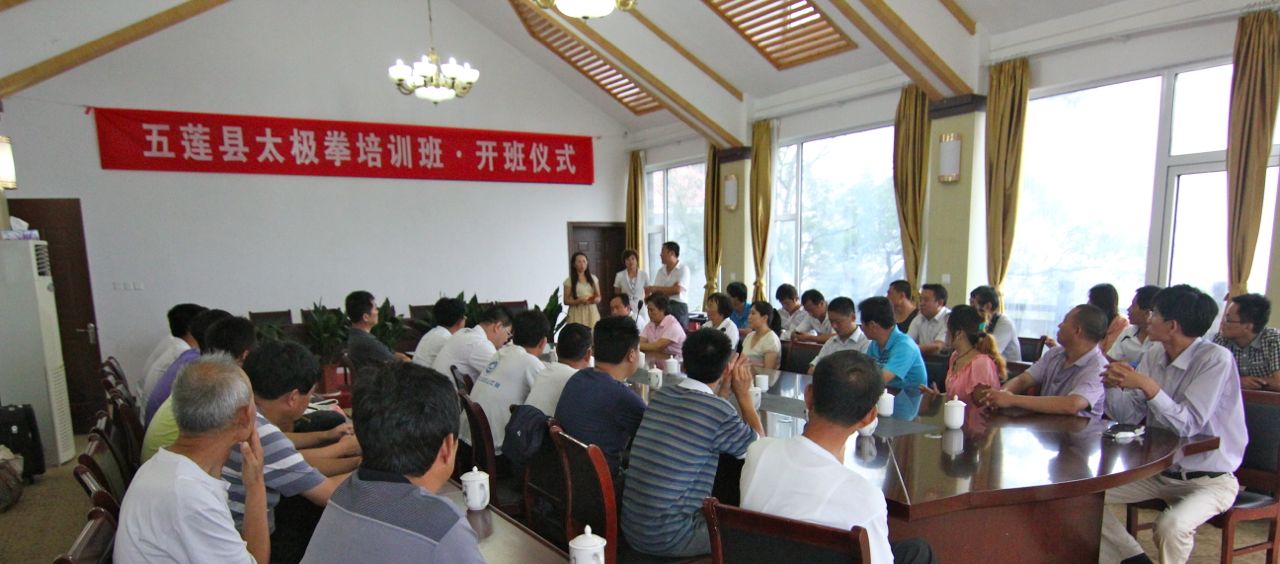

This seminar is made up of 50 students from the government, educational sector, industry, commerce and the rural area. It is a special training course to certify the 50 people to be level one instructors to promote Chen Style Taijiquan Practical Method in Wulian.
The government has plans to host the first Daqingshan International Taiji and Culture Festival from May 26 to 30 in 2013. A series of plans have been made to widen the roads, enhance hotel capacity, indoor training size, etc.
No Trailer
Mini Lesson demonstrating the Five Disallowance in Taijiquan. No Hands; No Waist; No Hips/Buttocks; No Shoulders; No Knees
Presenter: Chen Zhonghua Length: 7 min. In: English Year: 2012 Difficulty:1/5 At:Daqingshan Mountain Resort
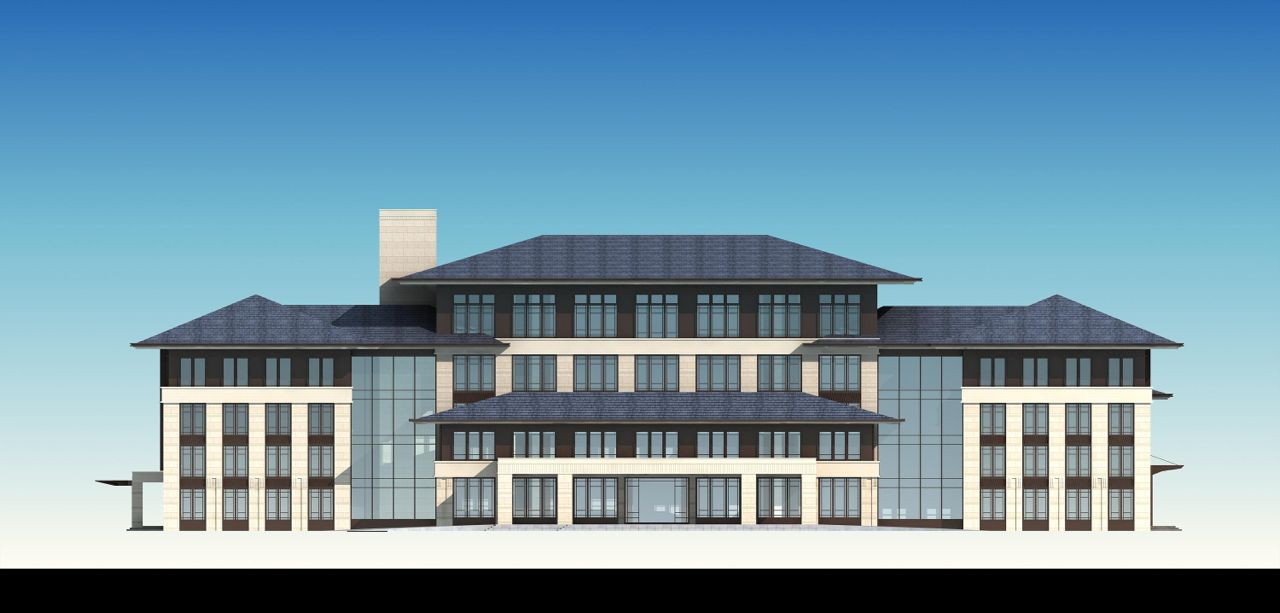
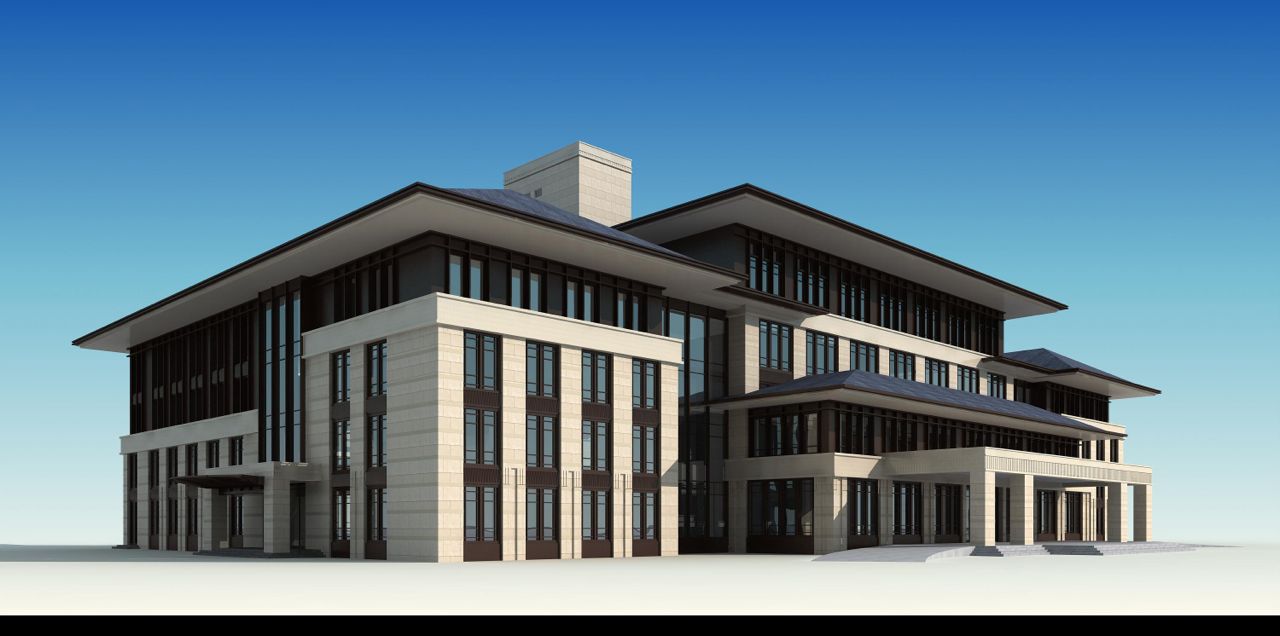
Some design samples for the new hotel, restaurant, and Bagua Bay community.
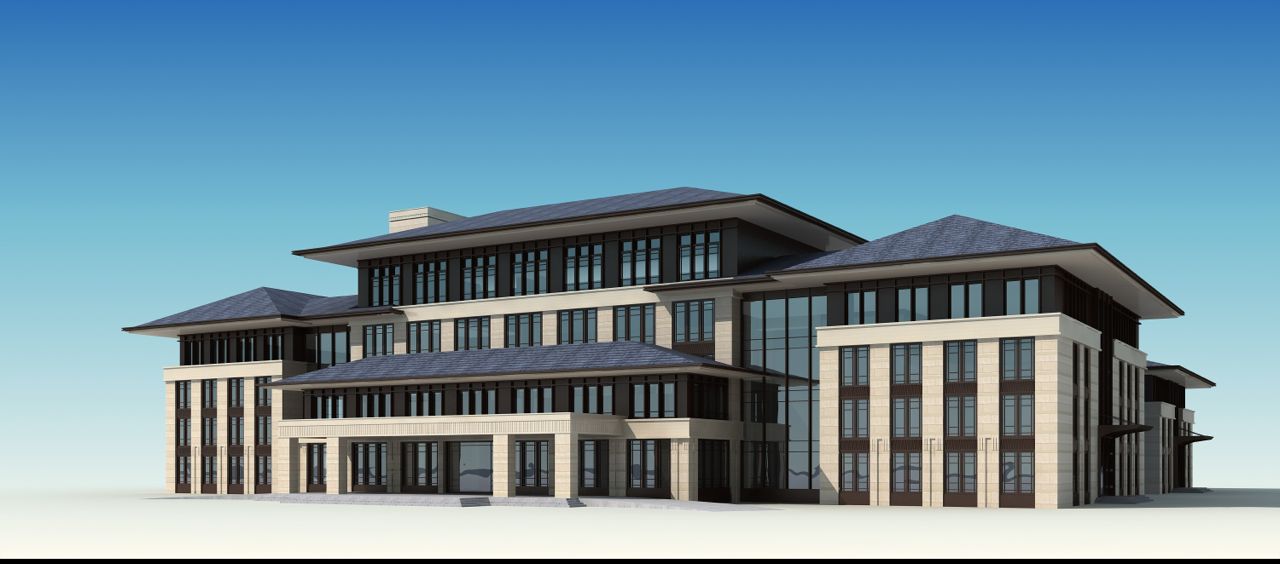
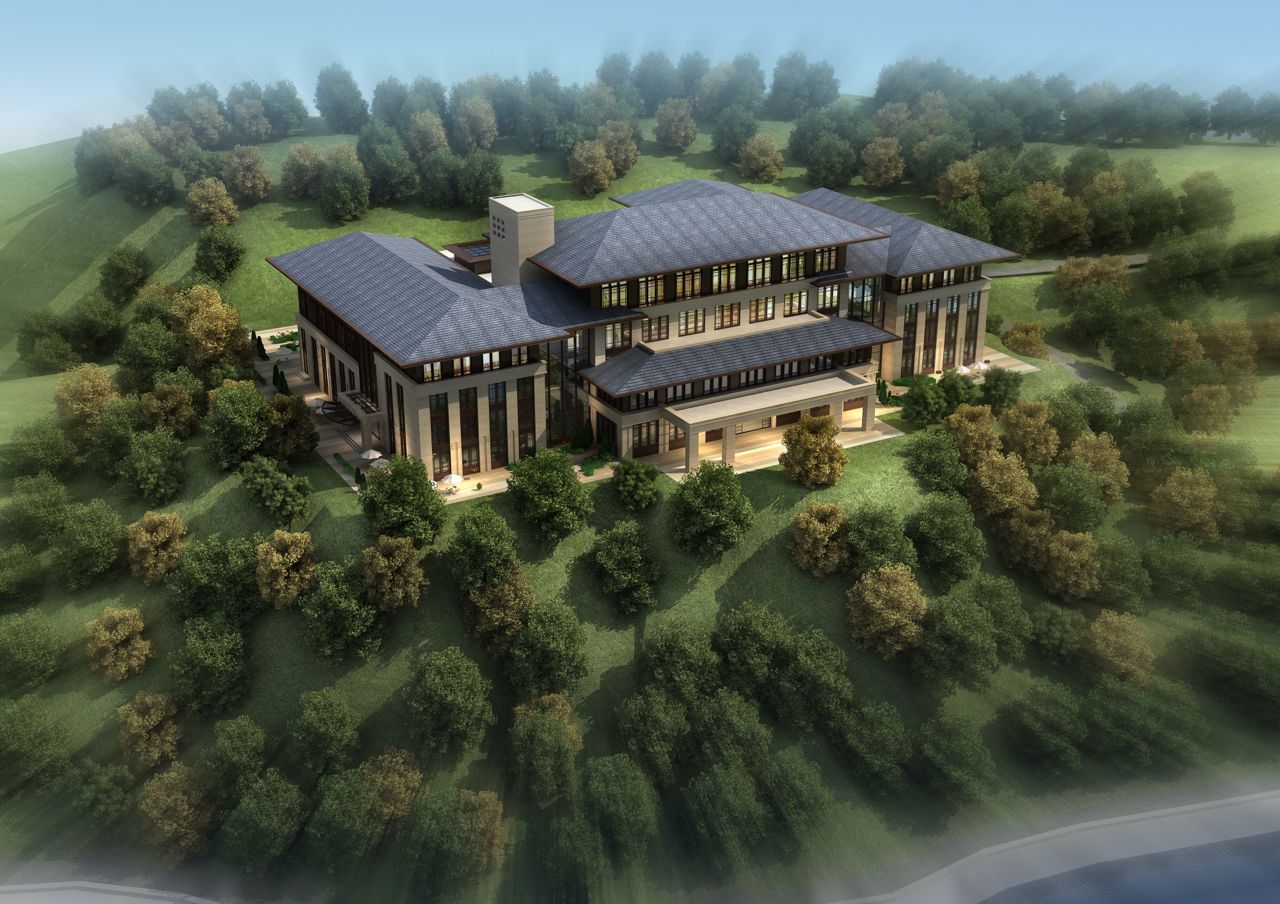

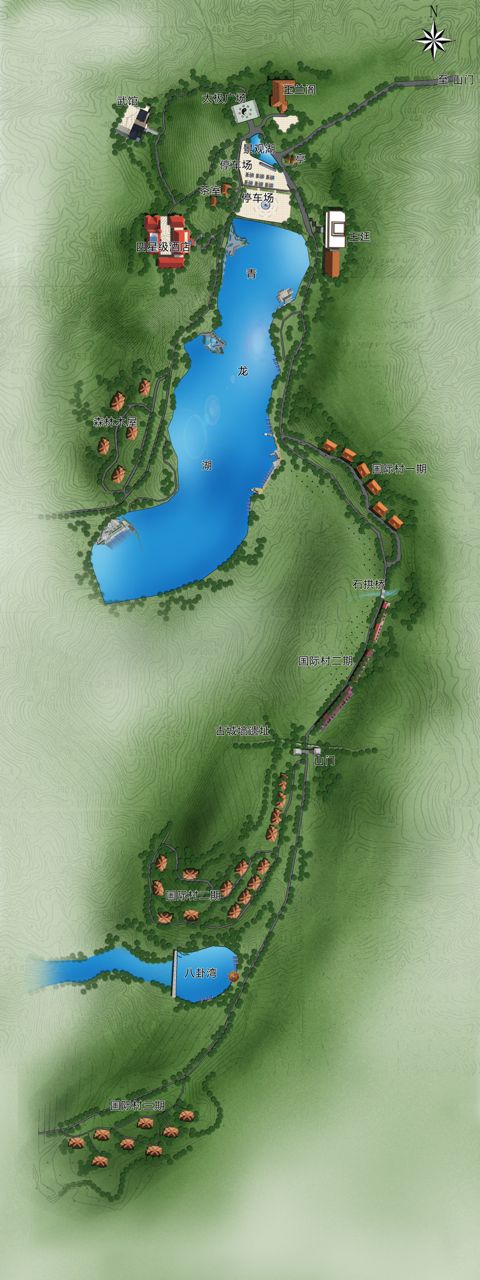
The Edmonton Full Time Training session will be held September 24 until December 21, 2012 so let me know soon if you will be attending. Edmonton, the Home of Grandmaster Chen Zhonghua, has a reputation as being able to give you an incredible amount of instruction for the time you are here.
We specialize in helping beginners or advanced practitioners to learn or correct Practical method Foundations, Silk Reeling, Theory, Applications, Yilu, Erlu, Chen Sword and Broadsword, Hunyuan Qigong and Hunyuan 24 form. Contact me at: allanbelsheim@shaw.ca and check for more
At DaQingShan, Master Chen was discussing push hand with someone, I was observing at the side, I could not resist and said “I have a method”. Master Chen, upon hearing, stood aside, the other person kept the same posture, I used his original posture, applied a effective technique. I held on to that person, as he was working with me, I could not let him fall.
Read more
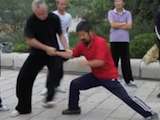 In Taijiquan power must be generated from a point removed from the point of action. This clip show the difference of local power vs indirect power and a method to train indirect power with partner
Presenter: Chen Zhonghua Length: 7 min. In: English Year: 2012 Difficulty:3/5 At:Daqingshan Mountain Resort
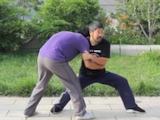 In preparation for Push Hand competition, Master Chen taught full time students a technique using Li (Rollback) energy
Presenter: Chen Zhonghua Length: 4 min. In: English Year: 2012 Difficulty:3/5 At:Daqingshan Mountain Resort
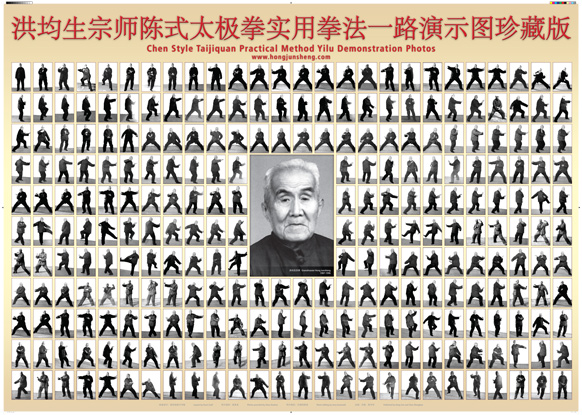 click for bigger image
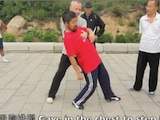
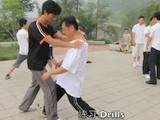 In this mini lesson, Master Chen taught a method to redirect push on the chest to the feet.
Presenter: Chen Zhonghua Length: 2 min. In: English Year: 2012 Difficulty:2/5 At:Daqingshan Mountain Resort
No Trailer
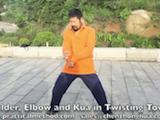
This short video demonstrate the three requirements for shouder, elbow, kua in Twist Towel. It started in Chinese then instructions repeated in English.
Presenter: Chen Zhonghua Length: 3 min. In: Chinese+English Year: 2012 Difficulty:1/5 At:Daqingshan Mountain Resort
Student review: Foundation move contains the essence of taijiquan move, knowing the requirement and seeing how it should be done helps in improving my yilu. Twist towel looks simple but doing it correctly requires coordinating different body parts in a strict sequence.
Master Chen is requesting clips of group doing yilu in landmark location of the local city as part of the Daqingshan Taijiquan festival in 2013.
The festival will be held in last week of May to inaugurate the new Taiji Square, and the plan is to present these clips on the big screen.
Also students coming to Daqingshan can be part of the festival by bringing their local traditional clothing.
No Trailer
Training Method
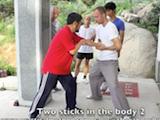
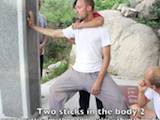
Mini Lesson on body alignment to create sticks in the body. Master Chen also demonstrate a training method to bring out these sticks.
Presenter: Chen Zhonghua Length: 11 min. In: English Year: 2012 Difficulty:3/5 At:Daqingshan Mountain Resort
Related Video: “Two Sticks in the Body 1” Online Video
1. Beginning. 2. Volume 6. 3. How to get in. 4. Big Red Fist. 5. Teaching part one. 6. Teaching part two. 7. Teaching part three. Presenter: Chen Zhonghua Length: 38 min. In: Chinese Year: 2012 Difficulty:4/5 At:Daqingshan Mountain Resort for Taiji, China