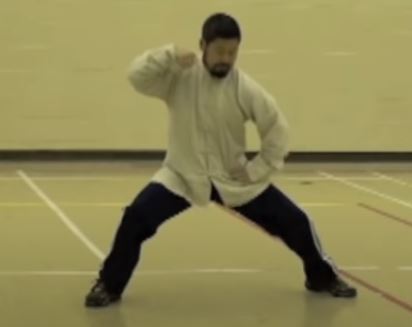
| The Toronto Practical Method workshop will be back on Sep 6 to 9, 2025. If you have not yet attended one, you will be amazed by the magical taiji skills of Master Chen Zhonghua, and his insightful guidance in your taiji journey. He has the missing piece that many people are looking for. If you have been here before, we are looking forward to training with you again. |
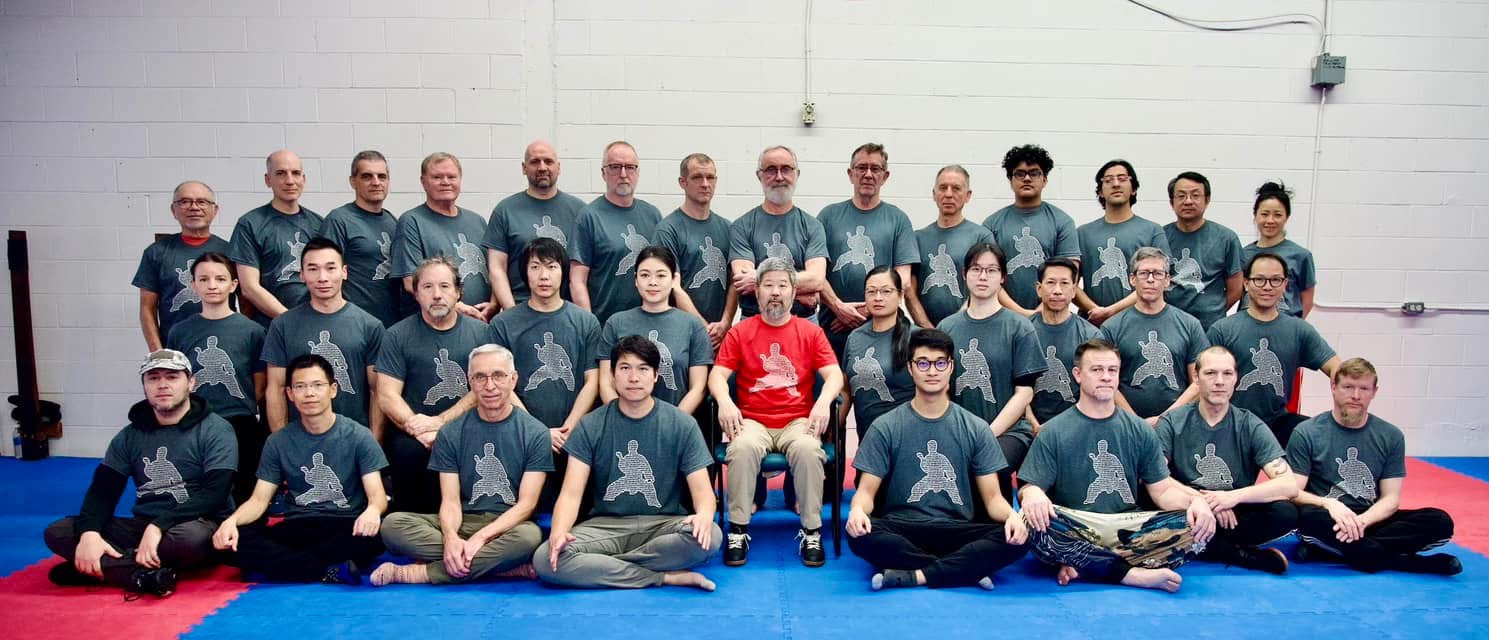
2025 Chen Zhonghua Taiji Academy Activities Photos.
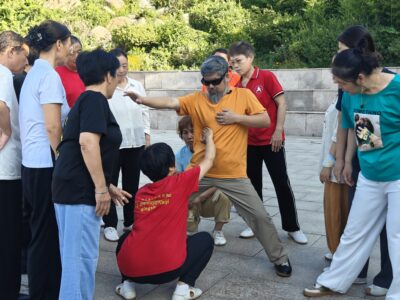
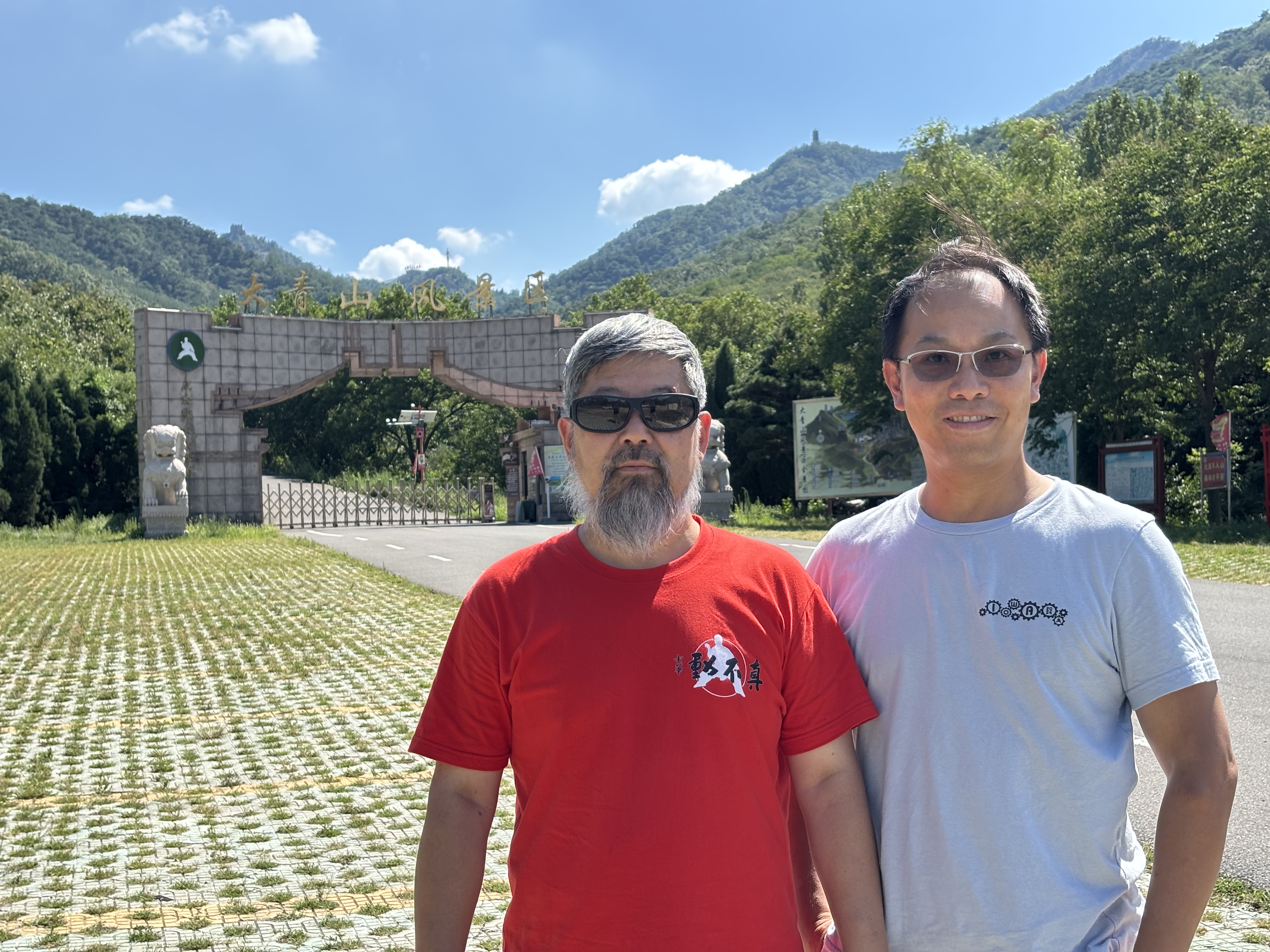
Daqingshan Photos 2025.

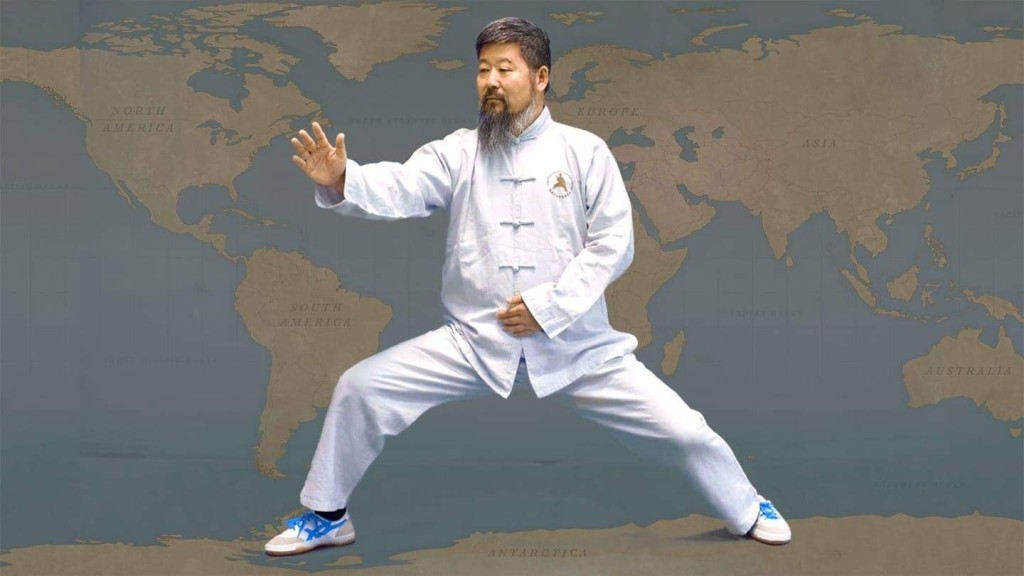
Chen Zhonghua Zhuanyong-Chen Zhonghua Block Touching Coat
Read more


Presenter: Chen Zhonghua Length: 56 mins Difficulty: 3/5 Language: English
Year: 2025 Location: Edmonton, Canada
If you like this video, there is an even greater value in purchasing one of the packages below.
Purchase 202410-202510 Chen Zhonghua European Class Video Package
NOTE:
- Video packages are designed for the convenience of students.
- Some packages are in fact classifications of videos.
- Some videos in packages might have been published and purchased by you individually.
- Average prices of videos in packages are considerably lower than individual videos. The number of videos in the package will increase until the sum of all individual video prices equal to two times or more of the package price.
- In view of this, if you have purchased a video that are also included in a package your have purchased, or vice versa, we will not give refunds or equivalents.
- All videos in packages are paid videos. They are restricted to your personal viewing and other usage. You do not have copyright of the videos and therefore you do not have permission to give/share with others.
- Please note that as a customer/user of the website and/or student of Chen Zhonghua, you have given him and the companies/organizations he represents permission to use videos or photos with you, both personally and commercially.
- Making a paid purchase constitutes agreement to the above terms.
Read more

Presenter: Chen Zhonghua Length: 58 mins Difficulty: 3/5 Language: English
Year: 2025 Location: Edmonton, Canada
If you like this video, there is an even greater value in purchasing one of the packages below.
Purchase 2025 Chen Zhonghua Australian Class Video Package
NOTE:
- Video packages are designed for the convenience of students.
- Some packages are in fact classifications of videos.
- Some videos in packages might have been published and purchased by you individually.
- Average prices of videos in packages are considerably lower than individual videos. The number of videos in the package will increase until the sum of all individual video prices equal to two times or more of the package price.
- In view of this, if you have purchased a video that are also included in a package your have purchased, or vice versa, we will not give refunds or equivalents.
- All videos in packages are paid videos. They are restricted to your personal viewing and other usage. You do not have copyright of the videos and therefore you do not have permission to give/share with others.
- Please note that as a customer/user of the website and/or student of Chen Zhonghua, you have given him and the companies/organizations he represents permission to use videos or photos with you, both personally and commercially.
- Making a paid purchase constitutes agreement to the above terms.
Read more

Presenter: Chen Zhonghua Length: 10 mins Difficulty: 3/5 Language: English
Year: 2025 Location: Prague, Czech Republic
This video was recorded in Prague in February 2025. It's a series of videos covering almost the entire weekend workshop, so check out the whole package to get access to the contents presented during the workshop by Master Chen Zhonghua. Those contents are e.g.
* Detailed instruction on where the lines, connections are in all the 13 Moves
* Corrections of parts of the yilu of some participants
* Detailed presentation of the positive and negative circle from three perspectives at the same time (this as so far unique)
* Master Chen Zhonghua shares some insight in philosophical topics in particular about learning
* How to use the not moving point and where is it
* Introduction to HunYuan QiGong
* Presentation of HunYuan 24 Form by Master Chen Zhonghua
* Presentation of 13 Moves by Master Chen Zhonghua in two different ways
* and more
Read more

Presenter: Chen Zhonghua Length: 9 mins Difficulty: 3/5 Language: English
Year: 2024 Location: Wittman, Arizona
If you like this video, there is an even greater value in purchasing one of the packages below.
Purchase Arizona Push Hands Seminar 20240712-16 Video Package
NOTE:
- Video packages are designed for the convenience of students.
- Some packages are in fact classifications of videos.
- Some videos in packages might have been published and purchased by you individually.
- Average prices of videos in packages are considerably lower than individual videos. The number of videos in the package will increase until the sum of all individual video prices equal to two times or more of the package price.
- In view of this, if you have purchased a video that are also included in a package your have purchased, or vice versa, we will not give refunds or equivalents.
- All videos in packages are paid videos. They are restricted to your personal viewing and other usage. You do not have copyright of the videos and therefore you do not have permission to give/share with others.
- Please note that as a customer/user of the website and/or student of Chen Zhonghua, you have given him and the companies/organizations he represents permission to use videos or photos with you, both personally and commercially.
- Making a paid purchase constitutes agreement to the above terms.
Read more

Presenter: Kelvin Ho Length: 61 mins Difficulty: 3/5 Language: English
Year: 2025 Location: Toronto, Canada
If you like this video, there is an even greater value in purchasing one of the packages below.
Purchase 2025 Full Year Online Class Video Package
NOTE:
- Video packages are designed for the convenience of students.
- Some packages are in fact classifications of videos.
- Some videos in packages might have been published and purchased by you individually.
- Average prices of videos in packages are considerably lower than individual videos. The number of videos in the package will increase until the sum of all individual video prices equal to two times or more of the package price.
- In view of this, if you have purchased a video that are also included in a package your have purchased, or vice versa, we will not give refunds or equivalents.
- All videos in packages are paid videos. They are restricted to your personal viewing and other usage. You do not have copyright of the videos and therefore you do not have permission to give/share with others.
- Please note that as a customer/user of the website and/or student of Chen Zhonghua, you have given him and the companies/organizations he represents permission to use videos or photos with you, both personally and commercially.
- Making a paid purchase constitutes agreement to the above terms.
Read more

Presenter: Chen Zhonghua Length: 10 mins Difficulty: 3/5 Language: English
Year: 2025 Location: Prague, Czech Republic
This video was recorded in Prague in February 2025. It's a series of videos covering almost the entire weekend workshop, so check out the whole package to get access to the contents presented during the workshop by Master Chen Zhonghua. Those contents are e.g.
* Detailed instruction on where the lines, connections are in all the 13 Moves
* Corrections of parts of the yilu of some participants
* Detailed presentation of the positive and negative circle from three perspectives at the same time (this as so far unique)
* Master Chen Zhonghua shares some insight in philosophical topics in particular about learning
* How to use the not moving point and where is it
* Introduction to HunYuan QiGong
* Presentation of HunYuan 24 Form by Master Chen Zhonghua
* Presentation of 13 Moves by Master Chen Zhonghua in two different ways
* and more
Read more
Presenter: Chen Zhonghua Length: 2 mins Difficulty: 3/5 Language: English
Year: 2025 Location: Toronto Chen Zhonghua Taiji Academy
Trailer-15-28th Toronto Chen Zhonghua Taijiquan Seminar 20250116.
The full video can be purchased below:
"15-28th Toronto Chen Zhonghua Taijiquan Seminar 20250116" Online Video Purchase
Read more

Presenter: Chen Zhonghua Length: 10 mins Difficulty: 3/5 Language: English
Year: 2024 Location: Wittman, Arizona
If you like this video, there is an even greater value in purchasing one of the packages below.
Purchase Arizona Push Hands Seminar 20240712-16 Video Package
NOTE:
- Video packages are designed for the convenience of students.
- Some packages are in fact classifications of videos.
- Some videos in packages might have been published and purchased by you individually.
- Average prices of videos in packages are considerably lower than individual videos. The number of videos in the package will increase until the sum of all individual video prices equal to two times or more of the package price.
- In view of this, if you have purchased a video that are also included in a package your have purchased, or vice versa, we will not give refunds or equivalents.
- All videos in packages are paid videos. They are restricted to your personal viewing and other usage. You do not have copyright of the videos and therefore you do not have permission to give/share with others.
- Please note that as a customer/user of the website and/or student of Chen Zhonghua, you have given him and the companies/organizations he represents permission to use videos or photos with you, both personally and commercially.
- Making a paid purchase constitutes agreement to the above terms.
Read more
In with elbow – through the tube by bouncing off the tube wall
Don’t change his words
Single handed push hands exercise:
When the opponent pushes, do in with elbow with the elbow tip going up as much as possible. The chest does not move. Then use the waist to turn from left to right. Push the opponent’s hand to the far right outside of the opponent.
Exercise:
When the opponent pushes to my left side, open the dang, open the shoulder, so that my hand can be on the other side of the contact point.
When teaching, you are allowed to exaggerate, but not change it.
小擒打
Use left foot, connect the left kua with left elbow, the turn the waist back to the left and extend the left arm.
Upper body does not move. The power only goes across the floor horizontally.
Go down by myself, not along with the opponent.
Two hands aim towards the centre point on the opponent’s body, the kua aims towards the same dot, three points converge to that same one at the same time.
The jumping exercise: Jump forward with the kua, and not up. The upper body is a block that is not pushed up.
Find the 90 degrees to the opponent which is on the 180-degree line, like the T. When it is done right, the opponent is bounced back.
Shifu also did a demo on my elbow. I placed my hand on the opponent’s chest. He lined up my elbow with the middle of my palm, he pushed my elbow into that spot, the opponent bounced away. I felt nothing on my arm, it was very weird. I felt no hit on the opponent.
Exercise:
Engage with the opponent in a frontal confrontation way. I need to lower myself without bringing the opponent to me (The way I do is to actually pull my back to the rear foot). Shovel out without affecting my rear side. Pull my body forward without pushing from the top at all. It does not feel good at all. The opponent should feel pressured and be bounced.

Presenter: Chen Zhonghua Length: 10 mins Difficulty: 3/5 Language: English
Year: 2025 Location: Prague, Czech Republic
This video was recorded in Prague in February 2025. It's a series of videos covering almost the entire weekend workshop, so check out the whole package to get access to the contents presented during the workshop by Master Chen Zhonghua. Those contents are e.g.
* Detailed instruction on where the lines, connections are in all the 13 Moves
* Corrections of parts of the yilu of some participants
* Detailed presentation of the positive and negative circle from three perspectives at the same time (this as so far unique)
* Master Chen Zhonghua shares some insight in philosophical topics in particular about learning
* How to use the not moving point and where is it
* Introduction to HunYuan QiGong
* Presentation of HunYuan 24 Form by Master Chen Zhonghua
* Presentation of 13 Moves by Master Chen Zhonghua in two different ways
* and more
Read more
Presenter: Chen Zhonghua Length: 1 mins Difficulty: 3/5 Language: English
Year: 2025 Location: Toronto Chen Zhonghua Taiji Academy
Turn Left Trailer-European Chen Zhonghua Online Class 20250108.
If you like this video, there is an even greater value in purchasing one of the packages below.
Purchase 202410-202510 Chen Zhonghua European Class Video Package
NOTE:
- Video packages are designed for the convenience of students.
- Some packages are in fact classifications of videos.
- Some videos in packages might have been published and purchased by you individually.
- Average prices of videos in packages are considerably lower than individual videos. The number of videos in the package will increase until the sum of all individual video prices equal to two times or more of the package price.
- In view of this, if you have purchased a video that are also included in a package your have purchased, or vice versa, we will not give refunds or equivalents.
- All videos in packages are paid videos. They are restricted to your personal viewing and other usage. You do not have copyright of the videos and therefore you do not have permission to give/share with others.
- Please note that as a customer/user of the website and/or student of Chen Zhonghua, you have given him and the companies/organizations he represents permission to use videos or photos with you, both personally and commercially.
- Making a paid purchase constitutes agreement to the above terms.
Read more

Presenter: Chen Zhonghua Length: 13 mins Difficulty: 3/5 Language: English
Year: 2024 Location: Wittman, Arizona
If you like this video, there is an even greater value in purchasing one of the packages below.
Purchase Arizona Push Hands Seminar 20240712-16 Video Package
NOTE:
- Video packages are designed for the convenience of students.
- Some packages are in fact classifications of videos.
- Some videos in packages might have been published and purchased by you individually.
- Average prices of videos in packages are considerably lower than individual videos. The number of videos in the package will increase until the sum of all individual video prices equal to two times or more of the package price.
- In view of this, if you have purchased a video that are also included in a package your have purchased, or vice versa, we will not give refunds or equivalents.
- All videos in packages are paid videos. They are restricted to your personal viewing and other usage. You do not have copyright of the videos and therefore you do not have permission to give/share with others.
- Please note that as a customer/user of the website and/or student of Chen Zhonghua, you have given him and the companies/organizations he represents permission to use videos or photos with you, both personally and commercially.
- Making a paid purchase constitutes agreement to the above terms.
Read more

Presenter: Chen Zhonghua Length: 7 mins Difficulty: 3/5 Language: English
Year: 2025 Location: Prague, Czech Republic
This video was recorded in Prague in February 2025. It's a series of videos covering almost the entire weekend workshop, so check out the whole package to get access to the contents presented during the workshop by Master Chen Zhonghua. Those contents are e.g.
* Detailed instruction on where the lines, connections are in all the 13 Moves
* Corrections of parts of the yilu of some participants
* Detailed presentation of the positive and negative circle from three perspectives at the same time (this as so far unique)
* Master Chen Zhonghua shares some insight in philosophical topics in particular about learning
* How to use the not moving point and where is it
* Introduction to HunYuan QiGong
* Presentation of HunYuan 24 Form by Master Chen Zhonghua
* Presentation of 13 Moves by Master Chen Zhonghua in two different ways
* and more
Read more
Presenter: Chen Zhonghua Length: 0 mins Difficulty: 3/5 Language: English
Year: 2025 Location: Toronto Chen Zhonghua Taiji Academy
Small Change Palm Trailer-European Chen Zhonghua Online Class 20250107.
If you like this video, there is an even greater value in purchasing one of the packages below.
Purchase 202410-202510 Chen Zhonghua European Class Video Package
NOTE:
- Video packages are designed for the convenience of students.
- Some packages are in fact classifications of videos.
- Some videos in packages might have been published and purchased by you individually.
- Average prices of videos in packages are considerably lower than individual videos. The number of videos in the package will increase until the sum of all individual video prices equal to two times or more of the package price.
- In view of this, if you have purchased a video that are also included in a package your have purchased, or vice versa, we will not give refunds or equivalents.
- All videos in packages are paid videos. They are restricted to your personal viewing and other usage. You do not have copyright of the videos and therefore you do not have permission to give/share with others.
- Please note that as a customer/user of the website and/or student of Chen Zhonghua, you have given him and the companies/organizations he represents permission to use videos or photos with you, both personally and commercially.
- Making a paid purchase constitutes agreement to the above terms.
Read more

Presenter: Chen Zhonghua Length: 11 mins Difficulty: 3/5 Language: English
Year: 2024 Location: Wittman, Arizona
If you like this video, there is an even greater value in purchasing one of the packages below.
Purchase Arizona Push Hands Seminar 20240712-16 Video Package
NOTE:
- Video packages are designed for the convenience of students.
- Some packages are in fact classifications of videos.
- Some videos in packages might have been published and purchased by you individually.
- Average prices of videos in packages are considerably lower than individual videos. The number of videos in the package will increase until the sum of all individual video prices equal to two times or more of the package price.
- In view of this, if you have purchased a video that are also included in a package your have purchased, or vice versa, we will not give refunds or equivalents.
- All videos in packages are paid videos. They are restricted to your personal viewing and other usage. You do not have copyright of the videos and therefore you do not have permission to give/share with others.
- Please note that as a customer/user of the website and/or student of Chen Zhonghua, you have given him and the companies/organizations he represents permission to use videos or photos with you, both personally and commercially.
- Making a paid purchase constitutes agreement to the above terms.
Read more

Presenter: Chen Zhonghua Length: 45 mins Difficulty: 3/5 Language: English
Year: 2025 Location: Edmonton, Canada
Read more

Presenter: Chen Zhonghua Length: 82 mins Difficulty: 3/5 Language: English
Year: 2025 Location: Edmonton, Canada
If you like this video, there is an even greater value in purchasing one of the packages below.
Purchase 2025 English Instructor Class Video Package
NOTE:
- Video packages are designed for the convenience of students.
- Some packages are in fact classifications of videos.
- Some videos in packages might have been published and purchased by you individually.
- Average prices of videos in packages are considerably lower than individual videos. The number of videos in the package will increase until the sum of all individual video prices equal to two times or more of the package price.
- In view of this, if you have purchased a video that are also included in a package your have purchased, or vice versa, we will not give refunds or equivalents.
- All videos in packages are paid videos. They are restricted to your personal viewing and other usage. You do not have copyright of the videos and therefore you do not have permission to give/share with others.
- Please note that as a customer/user of the website and/or student of Chen Zhonghua, you have given him and the companies/organizations he represents permission to use videos or photos with you, both personally and commercially.
- Making a paid purchase constitutes agreement to the above terms.
Read more

Presenter: Chen Zhonghua Length: 44 mins Difficulty: 3/5 Language: English
Year: 2025 Location: Edmonton, Canada
If you like this video, there is an even greater value in purchasing one of the packages below.
Purchase 202504-202603 Chen Zhonghua Edmonton Class Video Package
NOTE:
- Video packages are designed for the convenience of students.
- Some packages are in fact classifications of videos.
- Some videos in packages might have been published and purchased by you individually.
- Average prices of videos in packages are considerably lower than individual videos. The number of videos in the package will increase until the sum of all individual video prices equal to two times or more of the package price.
- In view of this, if you have purchased a video that are also included in a package your have purchased, or vice versa, we will not give refunds or equivalents.
- All videos in packages are paid videos. They are restricted to your personal viewing and other usage. You do not have copyright of the videos and therefore you do not have permission to give/share with others.
- Please note that as a customer/user of the website and/or student of Chen Zhonghua, you have given him and the companies/organizations he represents permission to use videos or photos with you, both personally and commercially.
- Making a paid purchase constitutes agreement to the above terms.
Read more

Presenter: Chen Zhonghua Length: 10 mins Difficulty: 3/5 Language: English
Year: 2025 Location: Prague, Czech Republic
This video was recorded in Prague in February 2025. It's a series of videos covering almost the entire weekend workshop, so check out the whole package to get access to the contents presented during the workshop by Master Chen Zhonghua. Those contents are e.g.
* Detailed instruction on where the lines, connections are in all the 13 Moves
* Corrections of parts of the yilu of some participants
* Detailed presentation of the positive and negative circle from three perspectives at the same time (this as so far unique)
* Master Chen Zhonghua shares some insight in philosophical topics in particular about learning
* How to use the not moving point and where is it
* Introduction to HunYuan QiGong
* Presentation of HunYuan 24 Form by Master Chen Zhonghua
* Presentation of 13 Moves by Master Chen Zhonghua in two different ways
* and more
Read more
Presenter: Chen Zhonghua Length: 1 mins Difficulty: 3/5 Language: English
Year: 2025 Location: Toronto Chen Zhonghua Taiji Academy
Shovel Out-European Chen Zhonghua Online Class 20250107.
If you like this video, there is an even greater value in purchasing one of the packages below.
Purchase 202410-202510 Chen Zhonghua European Class Video Package
NOTE:
- Video packages are designed for the convenience of students.
- Some packages are in fact classifications of videos.
- Some videos in packages might have been published and purchased by you individually.
- Average prices of videos in packages are considerably lower than individual videos. The number of videos in the package will increase until the sum of all individual video prices equal to two times or more of the package price.
- In view of this, if you have purchased a video that are also included in a package your have purchased, or vice versa, we will not give refunds or equivalents.
- All videos in packages are paid videos. They are restricted to your personal viewing and other usage. You do not have copyright of the videos and therefore you do not have permission to give/share with others.
- Please note that as a customer/user of the website and/or student of Chen Zhonghua, you have given him and the companies/organizations he represents permission to use videos or photos with you, both personally and commercially.
- Making a paid purchase constitutes agreement to the above terms.
Read more

Presenter: Chen Zhonghua Length: 10 mins Difficulty: 3/5 Language: English
Year: 2024 Location: Wittman, Arizona
If you like this video, there is an even greater value in purchasing one of the packages below.
Purchase Arizona Push Hands Seminar 20240712-16 Video Package
NOTE:
- Video packages are designed for the convenience of students.
- Some packages are in fact classifications of videos.
- Some videos in packages might have been published and purchased by you individually.
- Average prices of videos in packages are considerably lower than individual videos. The number of videos in the package will increase until the sum of all individual video prices equal to two times or more of the package price.
- In view of this, if you have purchased a video that are also included in a package your have purchased, or vice versa, we will not give refunds or equivalents.
- All videos in packages are paid videos. They are restricted to your personal viewing and other usage. You do not have copyright of the videos and therefore you do not have permission to give/share with others.
- Please note that as a customer/user of the website and/or student of Chen Zhonghua, you have given him and the companies/organizations he represents permission to use videos or photos with you, both personally and commercially.
- Making a paid purchase constitutes agreement to the above terms.
Read more

Presenter: Chen Zhonghua Length: 58 mins Difficulty: 3/5 Language: English
Year: 2025 Location: Edmonton, Canada
Read more

Presenter: Chen Zhonghua Length: 61 mins Difficulty: 3/5 Language: English
Year: 2025 Location: Edmonton, Canada
If you like this video, there is an even greater value in purchasing one of the packages below.
Purchase 2025 Full Year Online Class Video Package
NOTE:
- Video packages are designed for the convenience of students.
- Some packages are in fact classifications of videos.
- Some videos in packages might have been published and purchased by you individually.
- Average prices of videos in packages are considerably lower than individual videos. The number of videos in the package will increase until the sum of all individual video prices equal to two times or more of the package price.
- In view of this, if you have purchased a video that are also included in a package your have purchased, or vice versa, we will not give refunds or equivalents.
- All videos in packages are paid videos. They are restricted to your personal viewing and other usage. You do not have copyright of the videos and therefore you do not have permission to give/share with others.
- Please note that as a customer/user of the website and/or student of Chen Zhonghua, you have given him and the companies/organizations he represents permission to use videos or photos with you, both personally and commercially.
- Making a paid purchase constitutes agreement to the above terms.
Read more

Presenter: Chen Zhonghua Length: 64 mins Difficulty: 3/5 Language: English
Year: 2025 Location: Edmonton, Canada
If you like this video, there is an even greater value in purchasing one of the packages below.
Purchase 2025 Chen Zhonghua Australian Class Video Package
NOTE:
- Video packages are designed for the convenience of students.
- Some packages are in fact classifications of videos.
- Some videos in packages might have been published and purchased by you individually.
- Average prices of videos in packages are considerably lower than individual videos. The number of videos in the package will increase until the sum of all individual video prices equal to two times or more of the package price.
- In view of this, if you have purchased a video that are also included in a package your have purchased, or vice versa, we will not give refunds or equivalents.
- All videos in packages are paid videos. They are restricted to your personal viewing and other usage. You do not have copyright of the videos and therefore you do not have permission to give/share with others.
- Please note that as a customer/user of the website and/or student of Chen Zhonghua, you have given him and the companies/organizations he represents permission to use videos or photos with you, both personally and commercially.
- Making a paid purchase constitutes agreement to the above terms.
Read more

Presenter: Chen Zhonghua Length: 10 mins Difficulty: 3/5 Language: English
Year: 2025 Location: Prague, Czech Republic
This video was recorded in Prague in February 2025. It's a series of videos covering almost the entire weekend workshop, so check out the whole package to get access to the contents presented during the workshop by Master Chen Zhonghua. Those contents are e.g.
* Detailed instruction on where the lines, connections are in all the 13 Moves
* Corrections of parts of the yilu of some participants
* Detailed presentation of the positive and negative circle from three perspectives at the same time (this as so far unique)
* Master Chen Zhonghua shares some insight in philosophical topics in particular about learning
* How to use the not moving point and where is it
* Introduction to HunYuan QiGong
* Presentation of HunYuan 24 Form by Master Chen Zhonghua
* Presentation of 13 Moves by Master Chen Zhonghua in two different ways
* and more
Read more

Presenter: Chen Zhonghua Length: 1 mins Difficulty: 3/5 Language: English
Year: 2025 Location: Toronto Chen Zhonghua Taiji Academy
Shovel Out-European Chen Zhonghua Online Class 20250107.
If you like this video, there is an even greater value in purchasing one of the packages below.
Purchase 202410-202510 Chen Zhonghua European Class Video Package
NOTE:
- Video packages are designed for the convenience of students.
- Some packages are in fact classifications of videos.
- Some videos in packages might have been published and purchased by you individually.
- Average prices of videos in packages are considerably lower than individual videos. The number of videos in the package will increase until the sum of all individual video prices equal to two times or more of the package price.
- In view of this, if you have purchased a video that are also included in a package your have purchased, or vice versa, we will not give refunds or equivalents.
- All videos in packages are paid videos. They are restricted to your personal viewing and other usage. You do not have copyright of the videos and therefore you do not have permission to give/share with others.
- Please note that as a customer/user of the website and/or student of Chen Zhonghua, you have given him and the companies/organizations he represents permission to use videos or photos with you, both personally and commercially.
- Making a paid purchase constitutes agreement to the above terms.
Read more

Presenter: Chen Zhonghua Length: 8 mins Difficulty: 3/5 Language: English
Year: 2024 Location: Wittman, Arizona
If you like this video, there is an even greater value in purchasing one of the packages below.
Purchase Arizona Push Hands Seminar 20240712-16 Video Package
NOTE:
- Video packages are designed for the convenience of students.
- Some packages are in fact classifications of videos.
- Some videos in packages might have been published and purchased by you individually.
- Average prices of videos in packages are considerably lower than individual videos. The number of videos in the package will increase until the sum of all individual video prices equal to two times or more of the package price.
- In view of this, if you have purchased a video that are also included in a package your have purchased, or vice versa, we will not give refunds or equivalents.
- All videos in packages are paid videos. They are restricted to your personal viewing and other usage. You do not have copyright of the videos and therefore you do not have permission to give/share with others.
- Please note that as a customer/user of the website and/or student of Chen Zhonghua, you have given him and the companies/organizations he represents permission to use videos or photos with you, both personally and commercially.
- Making a paid purchase constitutes agreement to the above terms.
Read more

Presenter: Chen Zhonghua Length: 55 mins Difficulty: 3/5 Language: English
Year: 2025 Location: Edmonton, Canada
If you like this video, there is an even greater value in purchasing one of the packages below.
Purchase 202410-202510 Chen Zhonghua European Class Video Package
NOTE:
- Video packages are designed for the convenience of students.
- Some packages are in fact classifications of videos.
- Some videos in packages might have been published and purchased by you individually.
- Average prices of videos in packages are considerably lower than individual videos. The number of videos in the package will increase until the sum of all individual video prices equal to two times or more of the package price.
- In view of this, if you have purchased a video that are also included in a package your have purchased, or vice versa, we will not give refunds or equivalents.
- All videos in packages are paid videos. They are restricted to your personal viewing and other usage. You do not have copyright of the videos and therefore you do not have permission to give/share with others.
- Please note that as a customer/user of the website and/or student of Chen Zhonghua, you have given him and the companies/organizations he represents permission to use videos or photos with you, both personally and commercially.
- Making a paid purchase constitutes agreement to the above terms.
Read more

Presenter: Chen Zhonghua Length: 60 mins Difficulty: 3/5 Language: English
Year: 2025 Location: Edmonton, Canada
If you like this video, there is an even greater value in purchasing one of the packages below.
Purchase 202504-202603 Chen Zhonghua Edmonton Class Video Package
NOTE:
- Video packages are designed for the convenience of students.
- Some packages are in fact classifications of videos.
- Some videos in packages might have been published and purchased by you individually.
- Average prices of videos in packages are considerably lower than individual videos. The number of videos in the package will increase until the sum of all individual video prices equal to two times or more of the package price.
- In view of this, if you have purchased a video that are also included in a package your have purchased, or vice versa, we will not give refunds or equivalents.
- All videos in packages are paid videos. They are restricted to your personal viewing and other usage. You do not have copyright of the videos and therefore you do not have permission to give/share with others.
- Please note that as a customer/user of the website and/or student of Chen Zhonghua, you have given him and the companies/organizations he represents permission to use videos or photos with you, both personally and commercially.
- Making a paid purchase constitutes agreement to the above terms.
Read more

Presenter: Chen Zhonghua Length: 10 mins Difficulty: 3/5 Language: English
Year: 2025 Location: Prague, Czech Republic
This video was recorded in Prague in February 2025. It's a series of videos covering almost the entire weekend workshop, so check out the whole package to get access to the contents presented during the workshop by Master Chen Zhonghua. Those contents are e.g.
* Detailed instruction on where the lines, connections are in all the 13 Moves
* Corrections of parts of the yilu of some participants
* Detailed presentation of the positive and negative circle from three perspectives at the same time (this as so far unique)
* Master Chen Zhonghua shares some insight in philosophical topics in particular about learning
* How to use the not moving point and where is it
* Introduction to HunYuan QiGong
* Presentation of HunYuan 24 Form by Master Chen Zhonghua
* Presentation of 13 Moves by Master Chen Zhonghua in two different ways
* and more
Read more
Presenter: Chen Zhonghua Length: 0 mins Difficulty: 3/5 Language: English
Year: 2025 Location: Toronto Chen Zhonghua Taiji Academy
Elbow Nichan Trailer-European Chen Zhonghua Online Class 20250107.
If you like this video, there is an even greater value in purchasing one of the packages below.
Purchase 202410-202510 Chen Zhonghua European Class Video Package
NOTE:
- Video packages are designed for the convenience of students.
- Some packages are in fact classifications of videos.
- Some videos in packages might have been published and purchased by you individually.
- Average prices of videos in packages are considerably lower than individual videos. The number of videos in the package will increase until the sum of all individual video prices equal to two times or more of the package price.
- In view of this, if you have purchased a video that are also included in a package your have purchased, or vice versa, we will not give refunds or equivalents.
- All videos in packages are paid videos. They are restricted to your personal viewing and other usage. You do not have copyright of the videos and therefore you do not have permission to give/share with others.
- Please note that as a customer/user of the website and/or student of Chen Zhonghua, you have given him and the companies/organizations he represents permission to use videos or photos with you, both personally and commercially.
- Making a paid purchase constitutes agreement to the above terms.
Read more

Presenter: Chen Zhonghua Length: 11 mins Difficulty: 3/5 Language: English
Year: 2024 Location: Wittman, Arizona
If you like this video, there is an even greater value in purchasing one of the packages below.
Purchase Arizona Push Hands Seminar 20240712-16 Video Package
NOTE:
- Video packages are designed for the convenience of students.
- Some packages are in fact classifications of videos.
- Some videos in packages might have been published and purchased by you individually.
- Average prices of videos in packages are considerably lower than individual videos. The number of videos in the package will increase until the sum of all individual video prices equal to two times or more of the package price.
- In view of this, if you have purchased a video that are also included in a package your have purchased, or vice versa, we will not give refunds or equivalents.
- All videos in packages are paid videos. They are restricted to your personal viewing and other usage. You do not have copyright of the videos and therefore you do not have permission to give/share with others.
- Please note that as a customer/user of the website and/or student of Chen Zhonghua, you have given him and the companies/organizations he represents permission to use videos or photos with you, both personally and commercially.
- Making a paid purchase constitutes agreement to the above terms.
Read more

Presenter: Chen Zhonghua Length: 55 mins Difficulty: 3/5 Language: English
Year: 2025 Location: Edmonton, Canada
If you like this video, there is an even greater value in purchasing one of the packages below.
Purchase 202410-202510 Chen Zhonghua European Class Video Package
NOTE:
- Video packages are designed for the convenience of students.
- Some packages are in fact classifications of videos.
- Some videos in packages might have been published and purchased by you individually.
- Average prices of videos in packages are considerably lower than individual videos. The number of videos in the package will increase until the sum of all individual video prices equal to two times or more of the package price.
- In view of this, if you have purchased a video that are also included in a package your have purchased, or vice versa, we will not give refunds or equivalents.
- All videos in packages are paid videos. They are restricted to your personal viewing and other usage. You do not have copyright of the videos and therefore you do not have permission to give/share with others.
- Please note that as a customer/user of the website and/or student of Chen Zhonghua, you have given him and the companies/organizations he represents permission to use videos or photos with you, both personally and commercially.
- Making a paid purchase constitutes agreement to the above terms.
Read more

Presenter: Chen Zhonghua Length: 59 mins Difficulty: 3/5 Language: English
Year: 2025 Location: Edmonton, Canada
If you like this video, there is an even greater value in purchasing one of the packages below.
Purchase 2025 Chen Zhonghua Australian Class Video Package
NOTE:
- Video packages are designed for the convenience of students.
- Some packages are in fact classifications of videos.
- Some videos in packages might have been published and purchased by you individually.
- Average prices of videos in packages are considerably lower than individual videos. The number of videos in the package will increase until the sum of all individual video prices equal to two times or more of the package price.
- In view of this, if you have purchased a video that are also included in a package your have purchased, or vice versa, we will not give refunds or equivalents.
- All videos in packages are paid videos. They are restricted to your personal viewing and other usage. You do not have copyright of the videos and therefore you do not have permission to give/share with others.
- Please note that as a customer/user of the website and/or student of Chen Zhonghua, you have given him and the companies/organizations he represents permission to use videos or photos with you, both personally and commercially.
- Making a paid purchase constitutes agreement to the above terms.
Read more

Presenter: Chen Zhonghua Length: 10 mins Difficulty: 3/5 Language: English
Year: 2025 Location: Prague, Czech Republic
This video was recorded in Prague in February 2025. It's a series of videos covering almost the entire weekend workshop, so check out the whole package to get access to the contents presented during the workshop by Master Chen Zhonghua. Those contents are e.g.
* Detailed instruction on where the lines, connections are in all the 13 Moves
* Corrections of parts of the yilu of some participants
* Detailed presentation of the positive and negative circle from three perspectives at the same time (this as so far unique)
* Master Chen Zhonghua shares some insight in philosophical topics in particular about learning
* How to use the not moving point and where is it
* Introduction to HunYuan QiGong
* Presentation of HunYuan 24 Form by Master Chen Zhonghua
* Presentation of 13 Moves by Master Chen Zhonghua in two different ways
* and more
Read more
Presenter: Chen Zhonghua Length: 0 mins Difficulty: 3/5 Language: English
Year: 2025 Location: Toronto Chen Zhonghua Taiji Academy
Elbow Nichan Trailer-European Chen Zhonghua Online Class 20250107.
If you like this video, there is an even greater value in purchasing one of the packages below.
Purchase 202410-202510 Chen Zhonghua European Class Video Package
Purchase Theory-Zhujigong 筑基功 Core Elements-shunni-Video Package 1
NOTE:
- Video packages are designed for the convenience of students.
- Some packages are in fact classifications of videos.
- Some videos in packages might have been published and purchased by you individually.
- Average prices of videos in packages are considerably lower than individual videos. The number of videos in the package will increase until the sum of all individual video prices equal to two times or more of the package price.
- In view of this, if you have purchased a video that are also included in a package your have purchased, or vice versa, we will not give refunds or equivalents.
- All videos in packages are paid videos. They are restricted to your personal viewing and other usage. You do not have copyright of the videos and therefore you do not have permission to give/share with others.
- Please note that as a customer/user of the website and/or student of Chen Zhonghua, you have given him and the companies/organizations he represents permission to use videos or photos with you, both personally and commercially.
- Making a paid purchase constitutes agreement to the above terms.
Read more

Presenter: Chen Zhonghua Length: 13 mins Difficulty: 3/5 Language: English
Year: 2024 Location: Wittman, Arizona
If you like this video, there is an even greater value in purchasing one of the packages below.
Purchase Arizona Push Hands Seminar 20240712-16 Video Package
NOTE:
- Video packages are designed for the convenience of students.
- Some packages are in fact classifications of videos.
- Some videos in packages might have been published and purchased by you individually.
- Average prices of videos in packages are considerably lower than individual videos. The number of videos in the package will increase until the sum of all individual video prices equal to two times or more of the package price.
- In view of this, if you have purchased a video that are also included in a package your have purchased, or vice versa, we will not give refunds or equivalents.
- All videos in packages are paid videos. They are restricted to your personal viewing and other usage. You do not have copyright of the videos and therefore you do not have permission to give/share with others.
- Please note that as a customer/user of the website and/or student of Chen Zhonghua, you have given him and the companies/organizations he represents permission to use videos or photos with you, both personally and commercially.
- Making a paid purchase constitutes agreement to the above terms.
Read more
 |
Master Chen emphasizes the importance of adhering to rules in traditional training. He begins: “The entire Practical Method system is founded on positive and negative circles, allowing no [other] movements. Every action of the body must conform to either a positive or negative circular motion, similar to the mechanics of a car or gearbox. In a gearbox, movement occurs solely in clockwise or counterclockwise directions—either synchronized or unsynchronized—but the gears cannot separate or function independently. Likewise, within this system, there is no personal freedom; every motion must follow a prescribed pattern. “ |
| (This is Part One of an edited transcript of the Basic Principles of the Positive Circle in the 2013 Workshop in Sacramento sponsored by Carmen Farrugia.) |
|

Presenter: Kelvin Ho Length: 54 mins Difficulty: 3/5 Language: English
Year: 2025 Location: Toronto, Canada
If you like this video, there is an even greater value in purchasing one of the packages below.
Purchase 2025 Full Year Online Class Video Package
NOTE:
- Video packages are designed for the convenience of students.
- Some packages are in fact classifications of videos.
- Some videos in packages might have been published and purchased by you individually.
- Average prices of videos in packages are considerably lower than individual videos. The number of videos in the package will increase until the sum of all individual video prices equal to two times or more of the package price.
- In view of this, if you have purchased a video that are also included in a package your have purchased, or vice versa, we will not give refunds or equivalents.
- All videos in packages are paid videos. They are restricted to your personal viewing and other usage. You do not have copyright of the videos and therefore you do not have permission to give/share with others.
- Please note that as a customer/user of the website and/or student of Chen Zhonghua, you have given him and the companies/organizations he represents permission to use videos or photos with you, both personally and commercially.
- Making a paid purchase constitutes agreement to the above terms.
Read more

Presenter: Chen Zhonghua Length: 10 mins Difficulty: 3/5 Language: English
Year: 2025 Location: Prague, Czech Republic
This video was recorded in Prague in February 2025. It's a series of videos covering almost the entire weekend workshop, so check out the whole package to get access to the contents presented during the workshop by Master Chen Zhonghua. Those contents are e.g.
* Detailed instruction on where the lines, connections are in all the 13 Moves
* Corrections of parts of the yilu of some participants
* Detailed presentation of the positive and negative circle from three perspectives at the same time (this as so far unique)
* Master Chen Zhonghua shares some insight in philosophical topics in particular about learning
* How to use the not moving point and where is it
* Introduction to HunYuan QiGong
* Presentation of HunYuan 24 Form by Master Chen Zhonghua
* Presentation of 13 Moves by Master Chen Zhonghua in two different ways
* and more
Read more