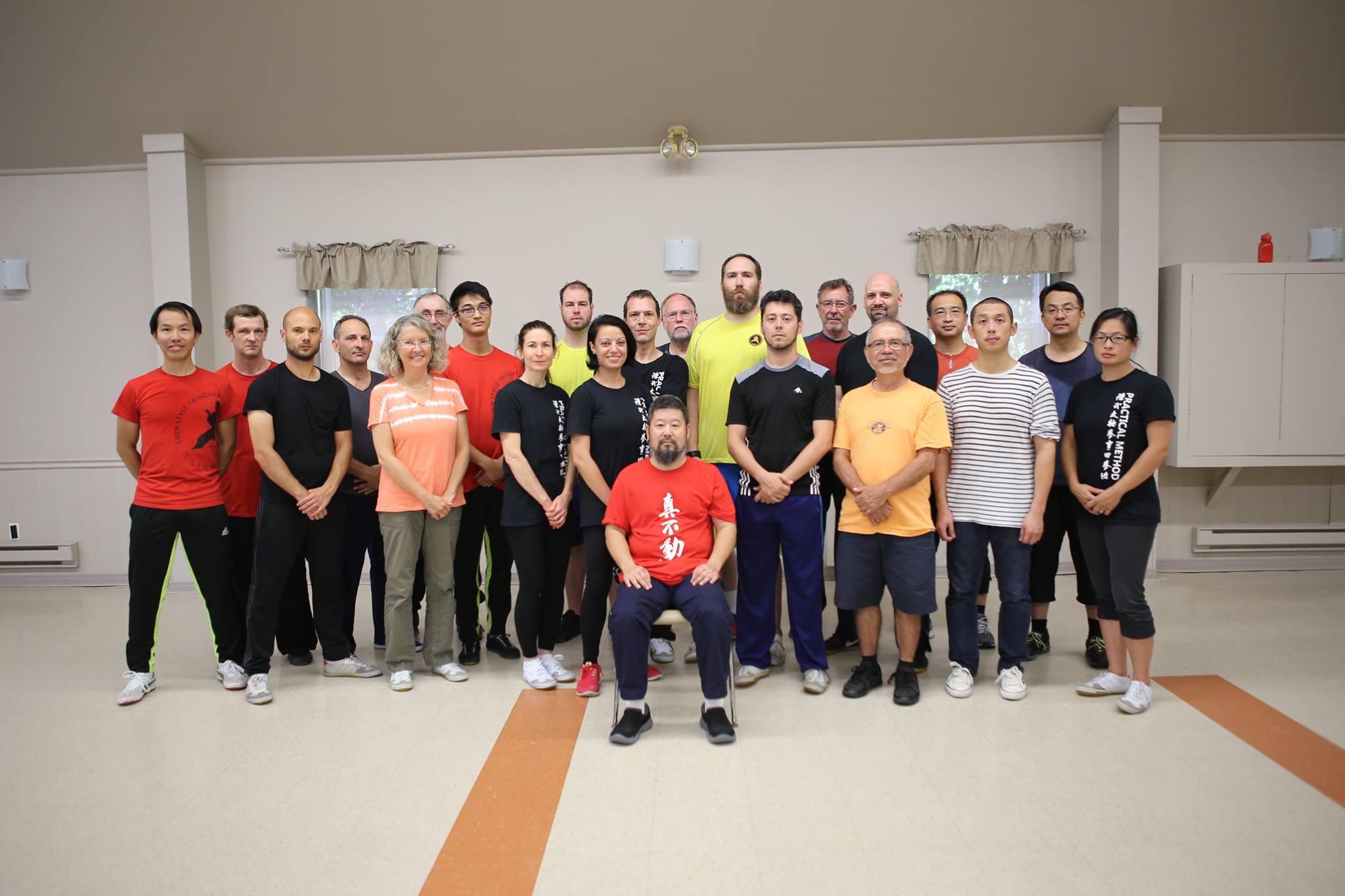
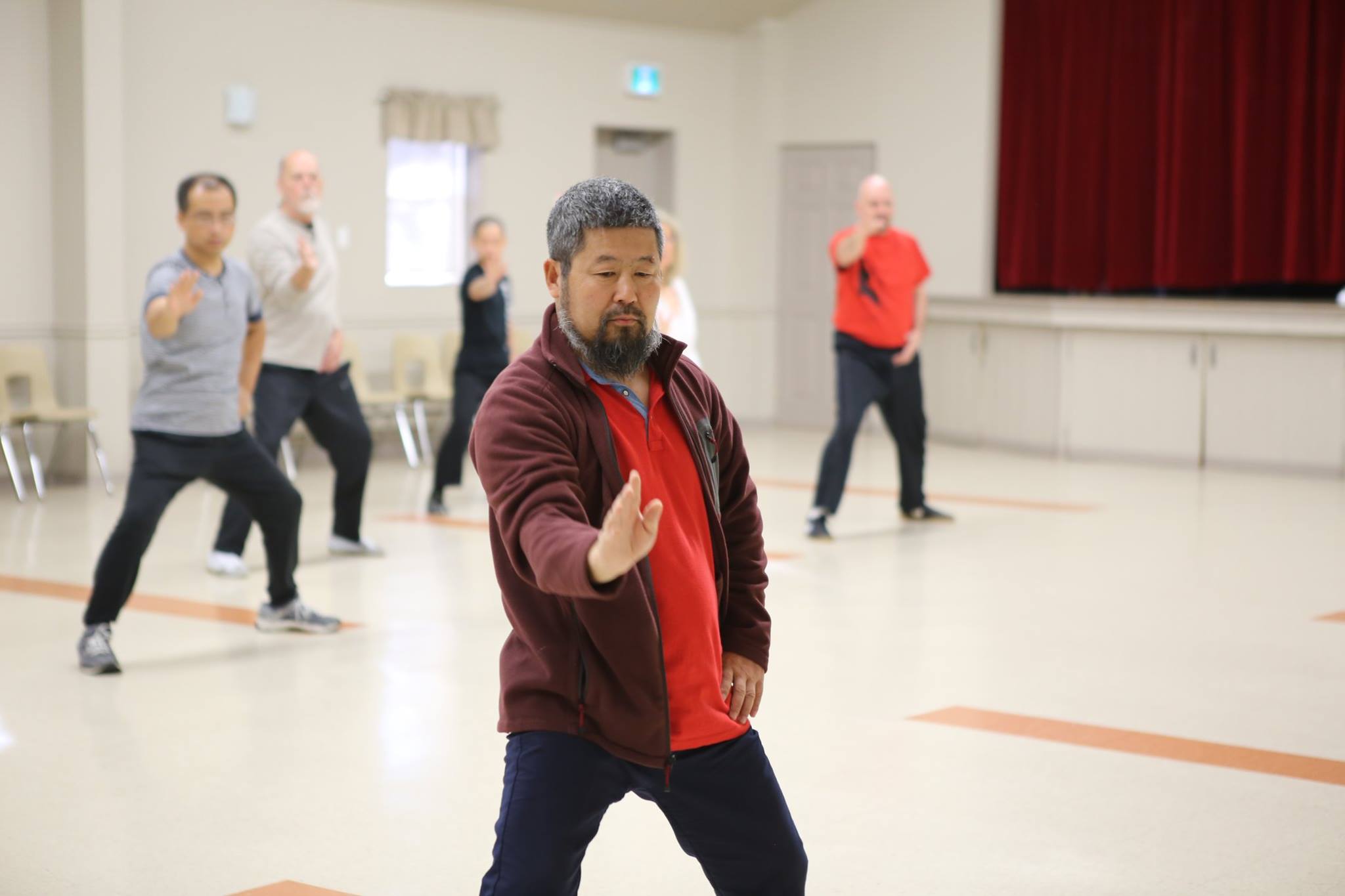
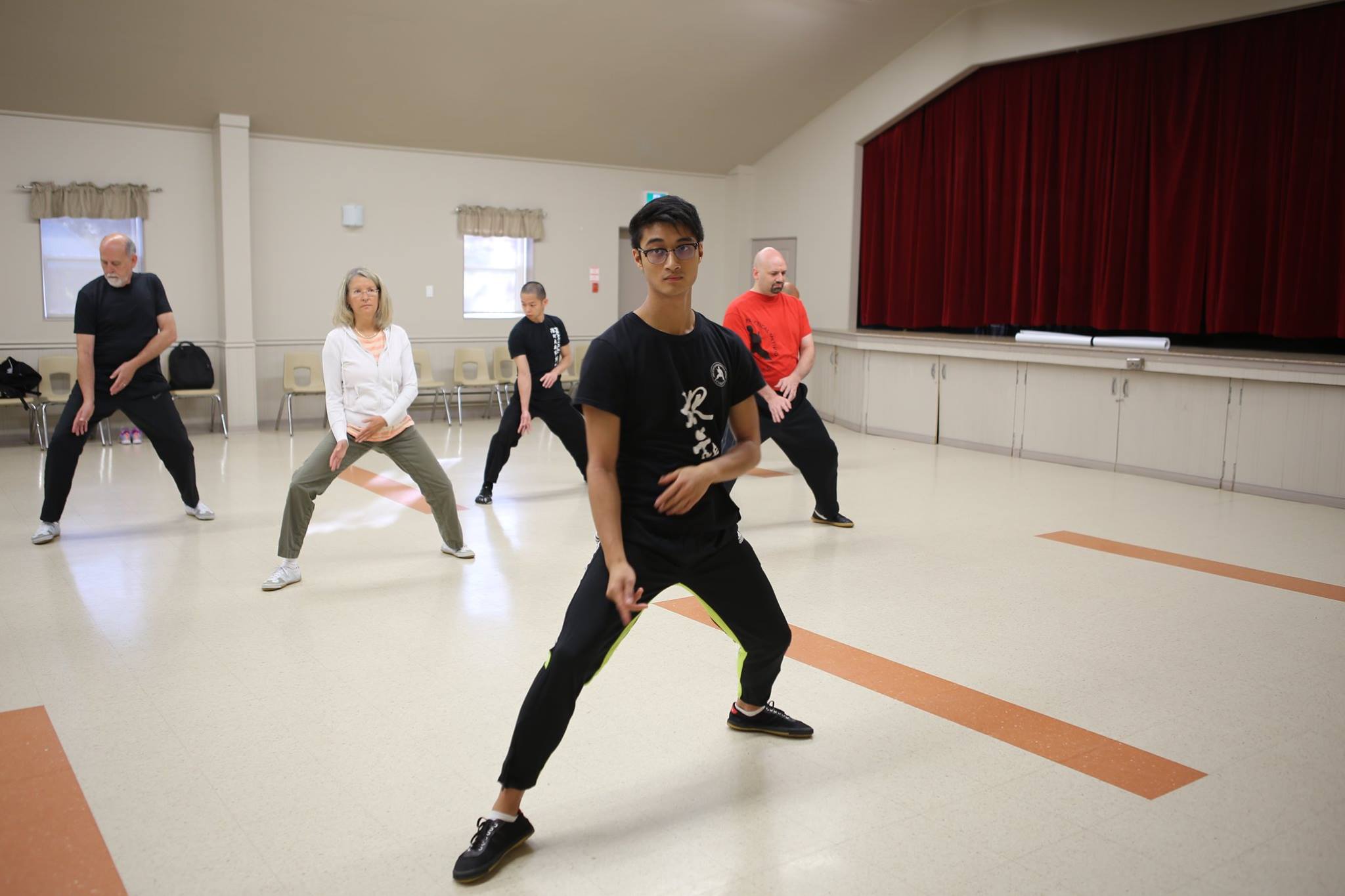
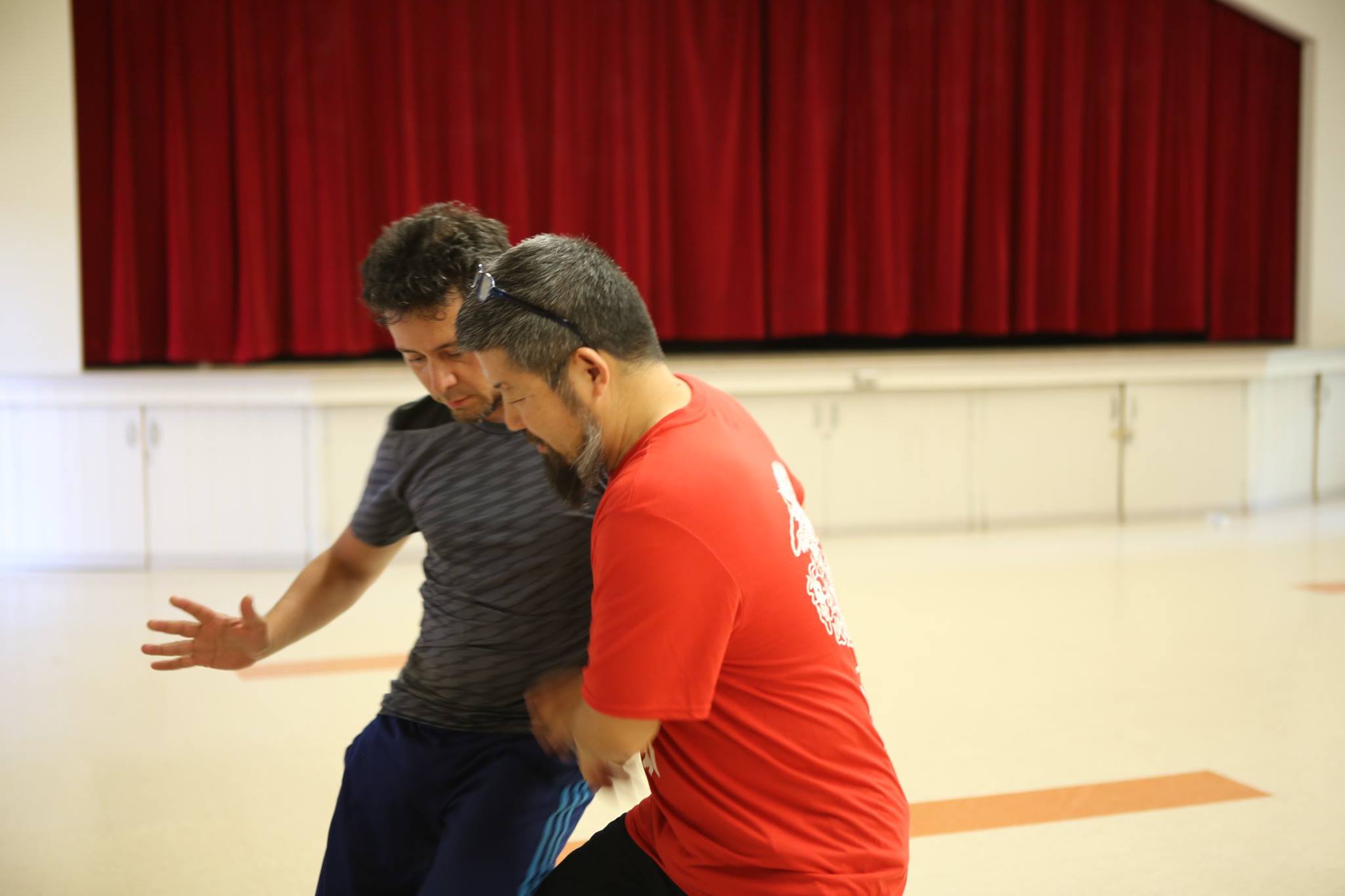
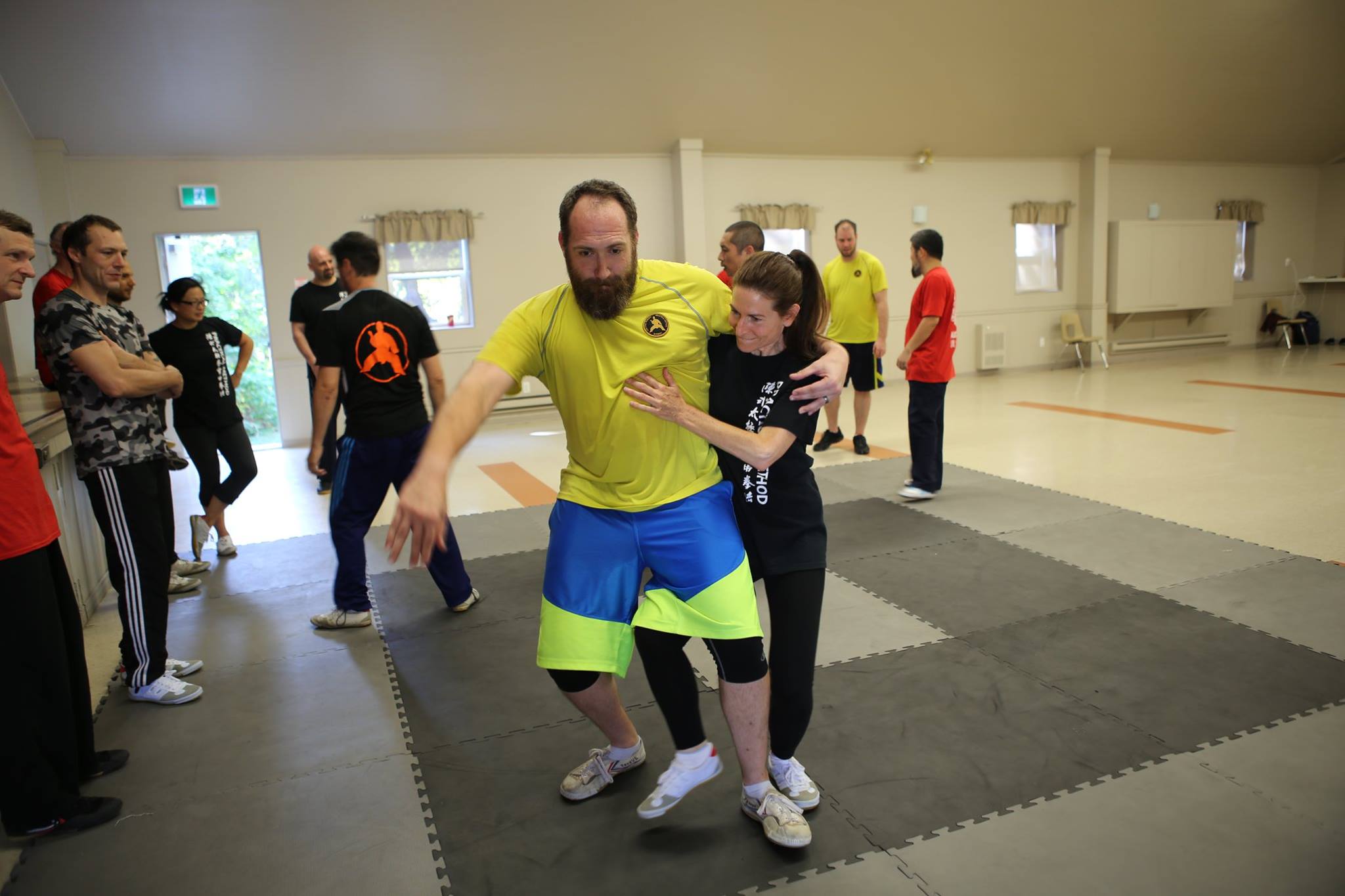
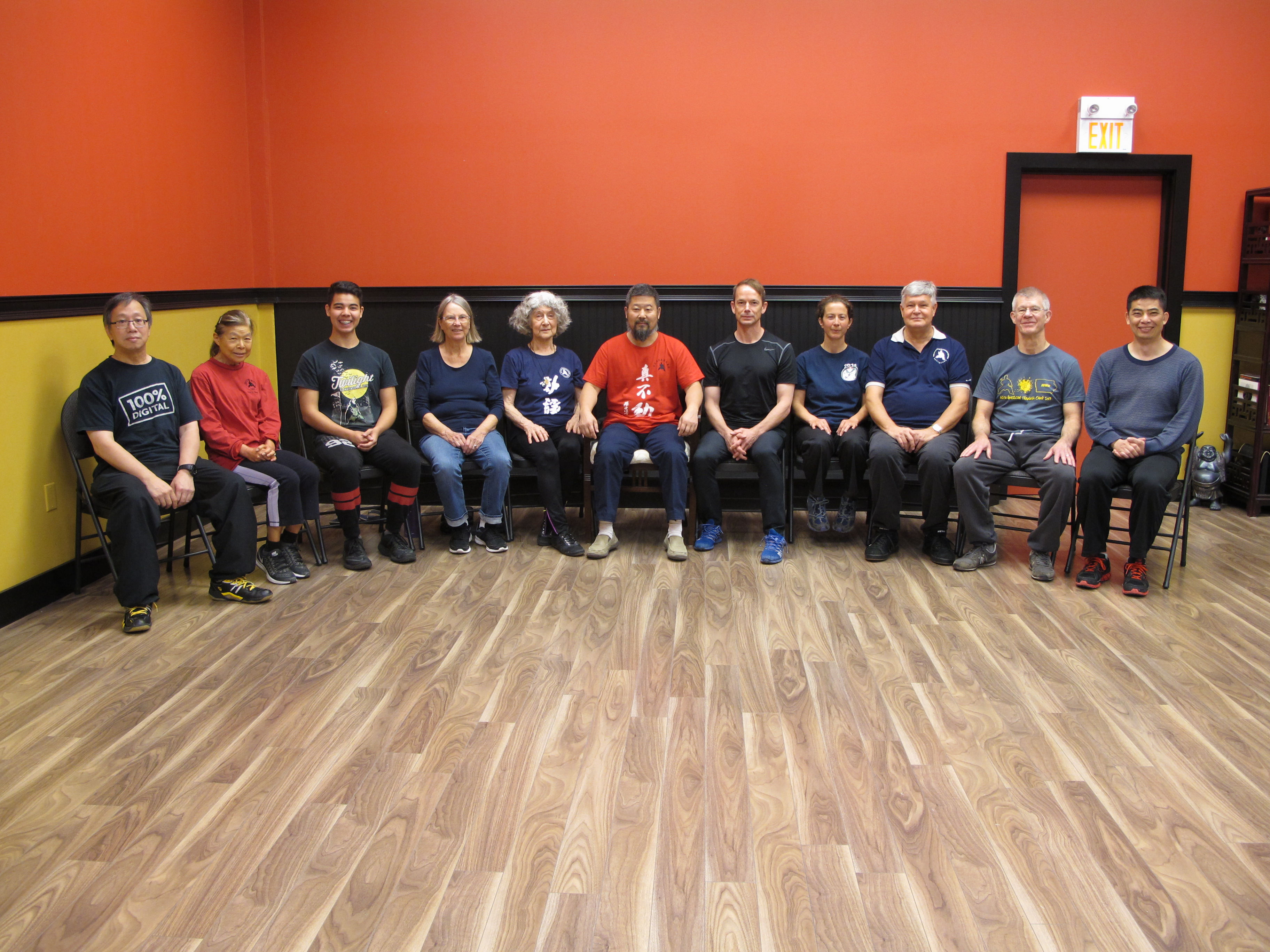
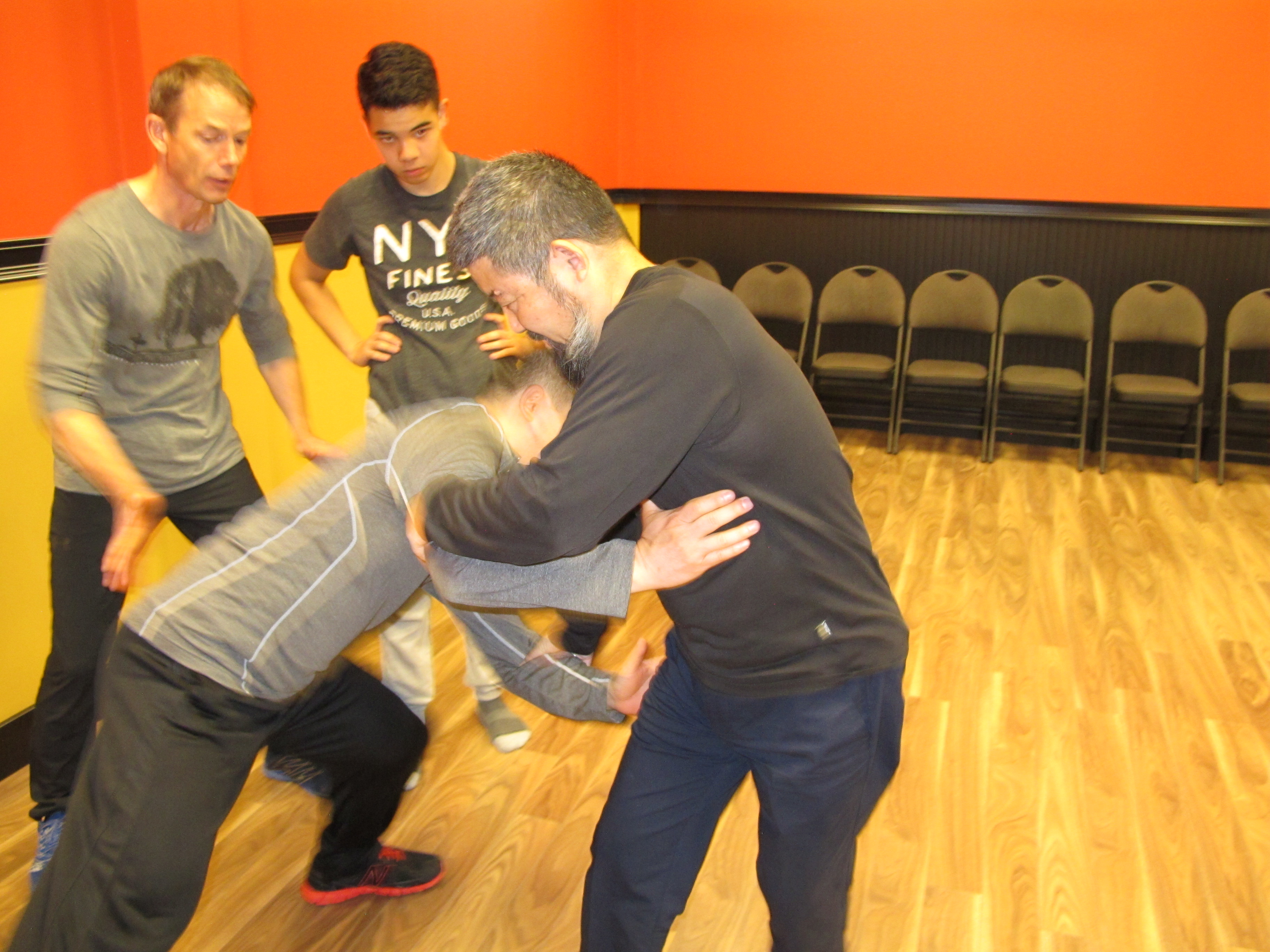
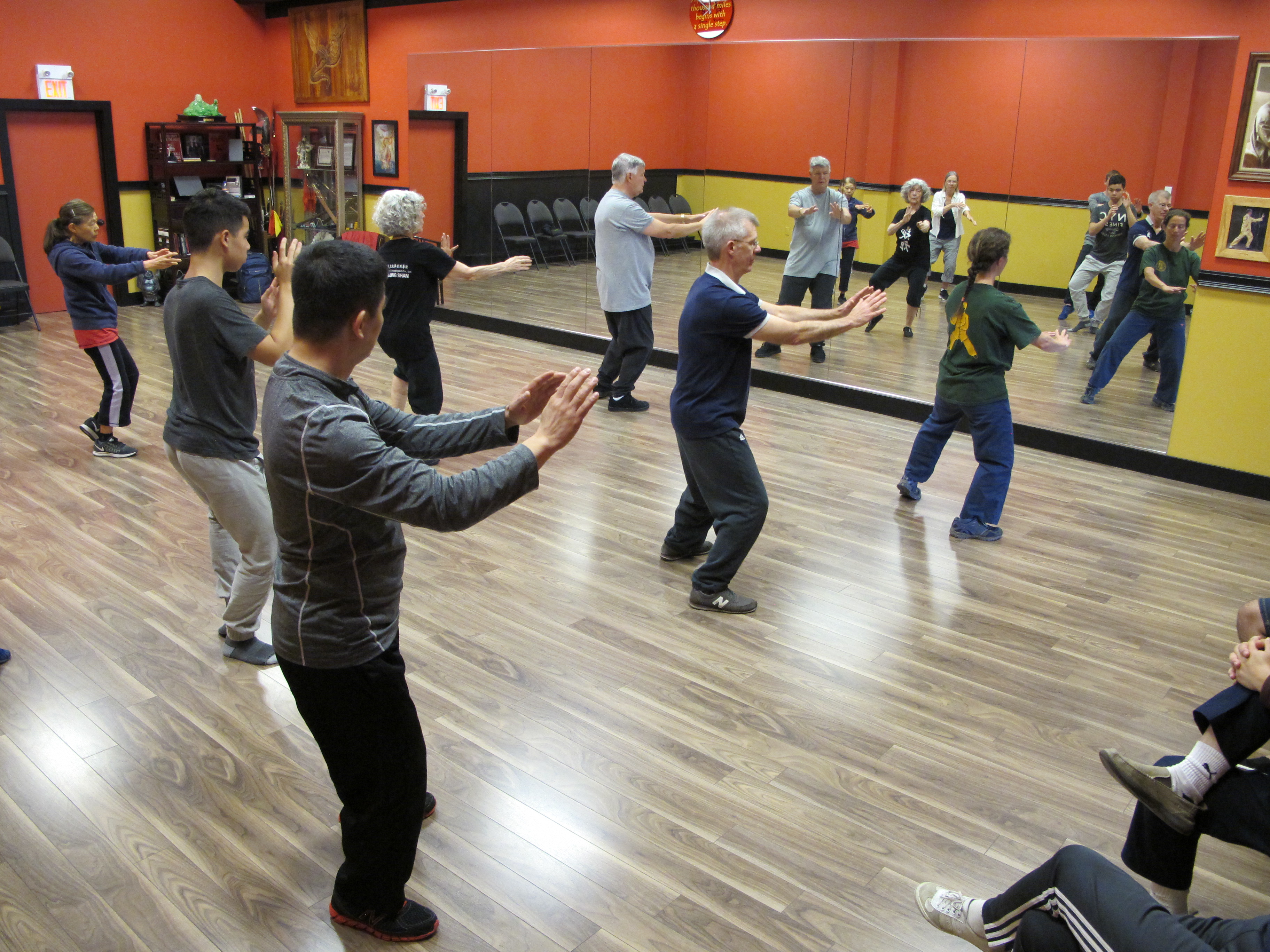
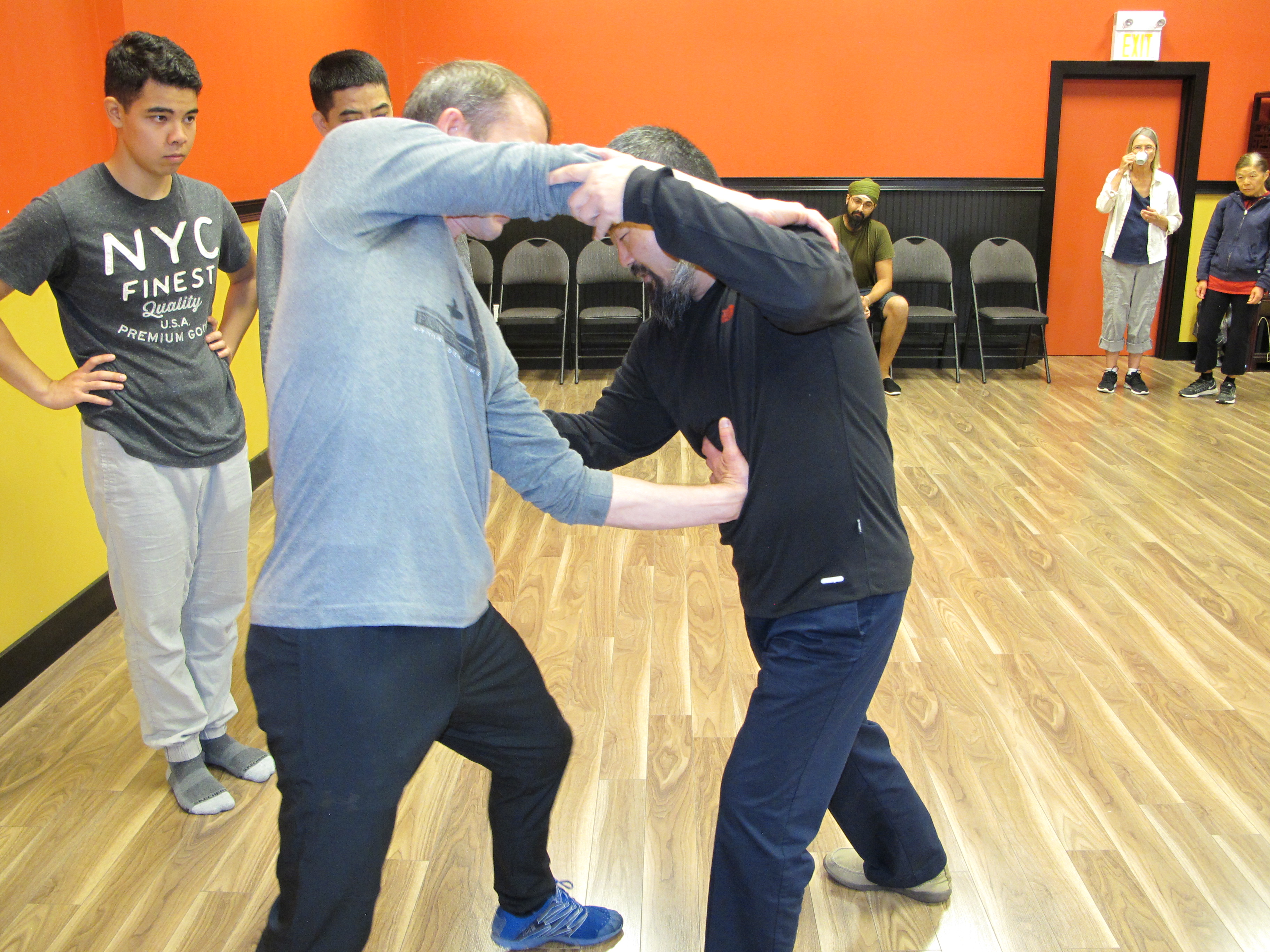
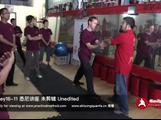
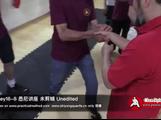
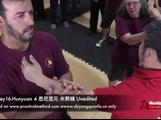
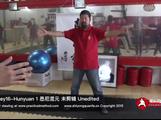
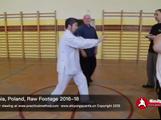
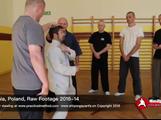
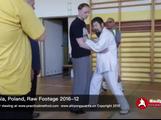
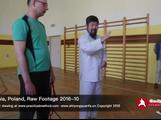
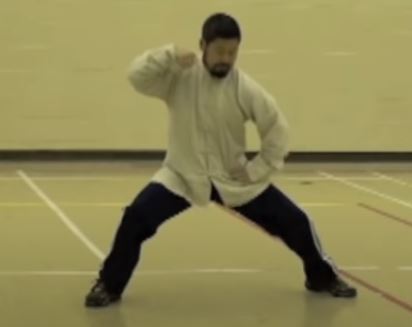
In the late afternoon of the first day of my first workshop with Master Chen, a wave of remorse and sadness swelled up in me, seemingly out of nowhere. Earlier in the day, two other workshop participants talked to me about decisions they were faced with that reminded me of a difficult period in my life, but there were no other obvious reasons why these emotions would well up.
I was not exerting myself in that moment, most of us were standing in a circle watching Master Chen demonstrate something on one of the other participants. The feelings were intense, but not overwhelming. I continued to pay attention, participate, and enjoy the workshop. There was also a degree of detachment from the feelings, a sense that they were somehow taiji-related and would pass. The feelings moved from foreground to background after a few minutes, but became strong again after the workshop had ended for the day and I was on the subway alone.
They faded for good the next morning after a restful sleep. I have since been told that Master Chen recommends being unmoved by feelings that occur during training or that take us away from training. I feel I did a reasonably good job of this at the time. I find it encouraging that training remained my priority in the midst of a potentially powerful distraction.
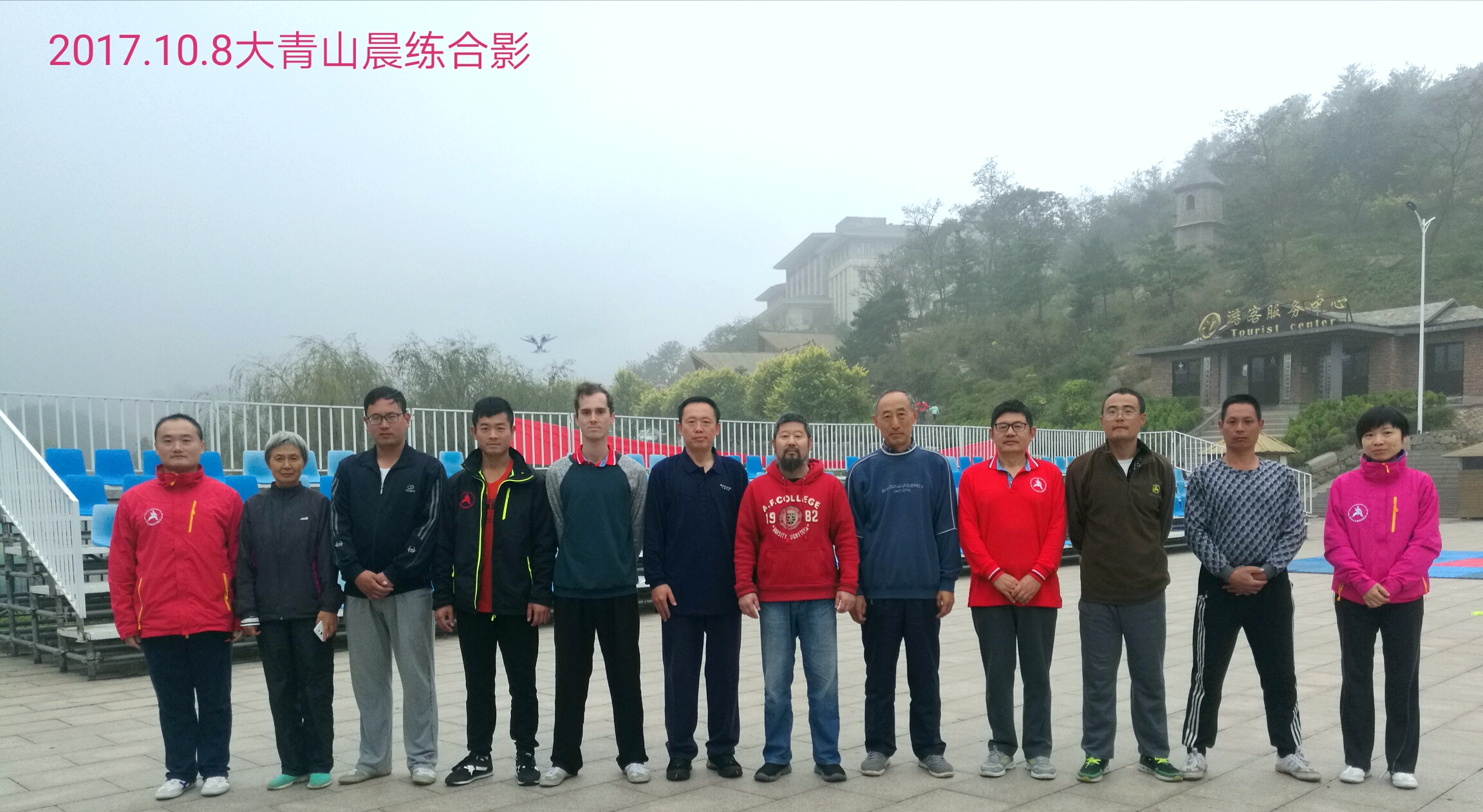
Here are some of my notes from this morning’s training on Daqingshan where Master Chen went over the two different types of movements in push hands:
An opponent can make “local” or “global” moves against you. Local moves involve only part of the body. Global moves involve the whole body.
We must learn to match an opponent’s local move with a global move, and vice versa.
In Practical Method, local and global moves are as follows:
– Local = “rotations” occurring in the upper body
– Global = “revolution” generated through stepping
No matter how large a movement is, if it doesn’t involve stepping, it is still a local move.
Hope these notes make sense without seeing what he was talking about. Happy training!
This morning at training on the small square of Daqingshan, Master Chen had us all write down the following points to remember for push hands and when making contact with an opponent:
Hand must be fixed on opponent
Elbow must go down and horizontal (towards dantian).
Elbow cannot be lined up with hand. (Master Chen had to elaborate a little more on this one: “The elbow cannot push towards the hand. It moves inward towards dantian but the force generated lines up with the hand”).
Shoulder must go straight down
Front foot steps in, rear foot follows
If there was any more elaboration on these points, I missed it unfortunately, due to my lacking Chinese language skills, but I hope these points can help you in your training!
A potential participant of our upcoming November 28th, 29th, 30th Hong Kong workshop posed the following questions. Sifu suggested that I pose the answers here so that everyone, especially newcomers, would benefit: Read more
Address for September workshop: 33735 Essendene Ave Abbotsford BC at the Two Dragons Tai Chi Academy (Abbotsford Downtown)
For the people coming from the Vancouver area, take the Freeway over the Port Mann. No more tolls.
Early Bird by Oct 31st, 2017; 2000 HKD, 2200HKD thereafter for all three nights.
三晚學費為港幣二千二百元. 十月三十一日前繳費為港幣二千元.
One night: 1200 HKD
Two nights: 1800 HKD
一晚學費為港幣一千二百元
兩晚學費為港幣一千八百元
Private lesson: 1600 HKD/2hours. Please contact me to arrange a time: nicholasfung@icloud.com
私人課為每兩小時一千六百元. 安排時間請接洽: nicholasfung@icloud.com
Registration: send the following to nicholasfung@icloud.com:
– proof of bank transfer to Stand Chartered Bank account number 33019969831 (foreign students please contact me for an alternate arrangement)
– your t-shirt size
– your name and nights of participation
Facebook Live Interview with our Tim Duehring. Tim is a disciple of Master Chen Zhonghua and had stayed at DaQingShan for a couple of years. He will share about his practice of Hunyuan Chen Style TaiJi and Practical Method. And share his experience living on the mountain. For those of you who are interested what it is like living in China as a foreigner.