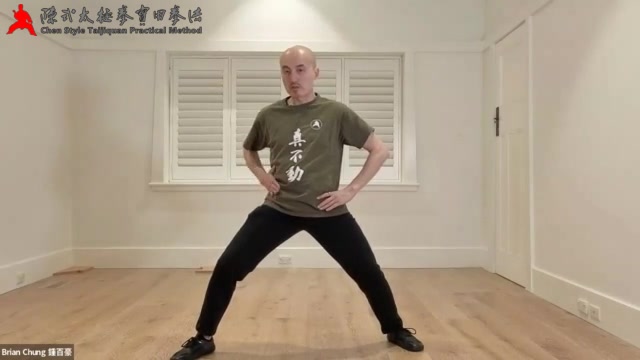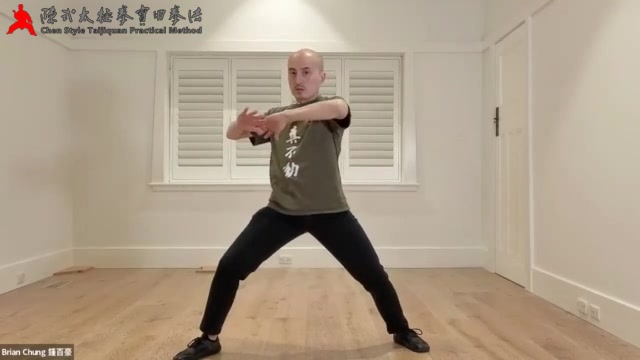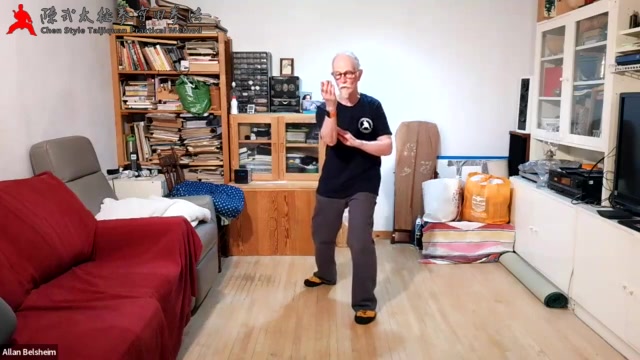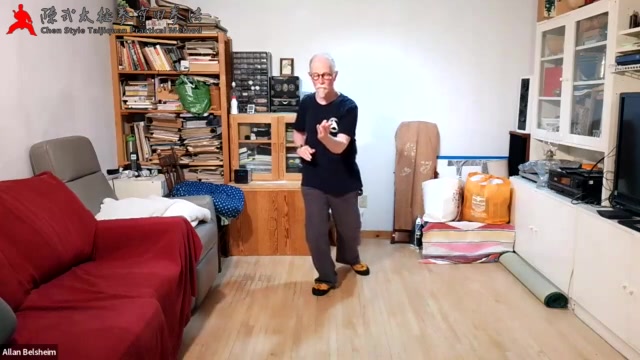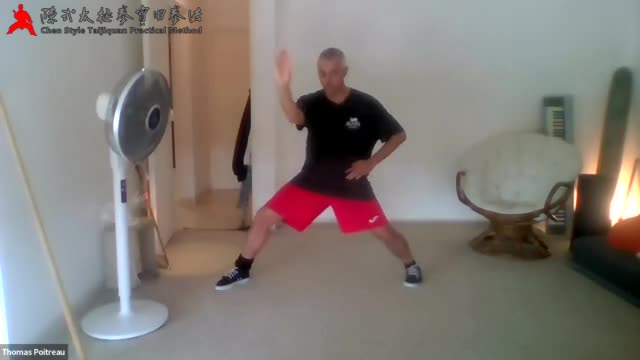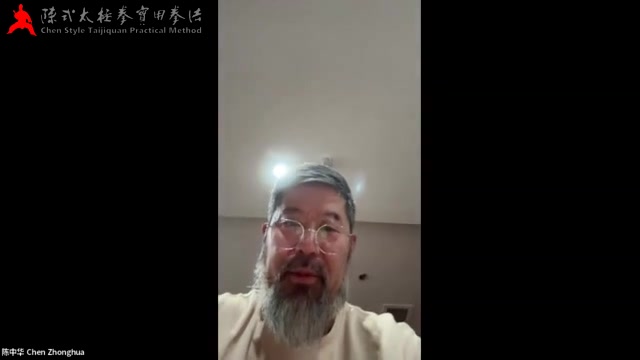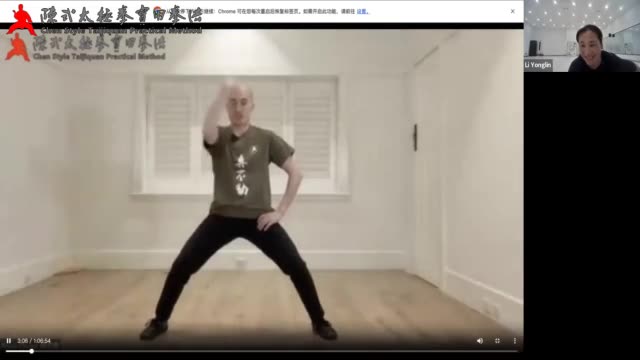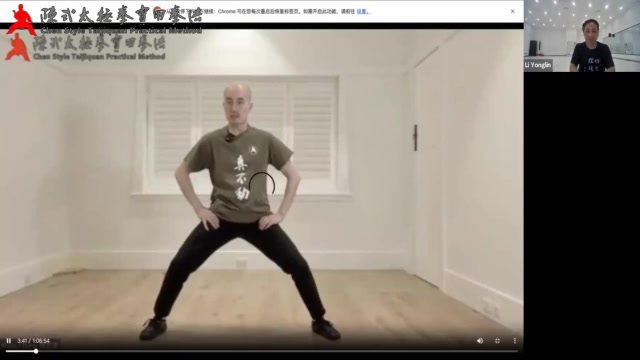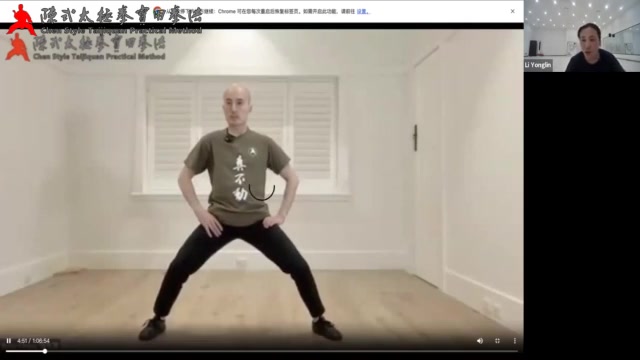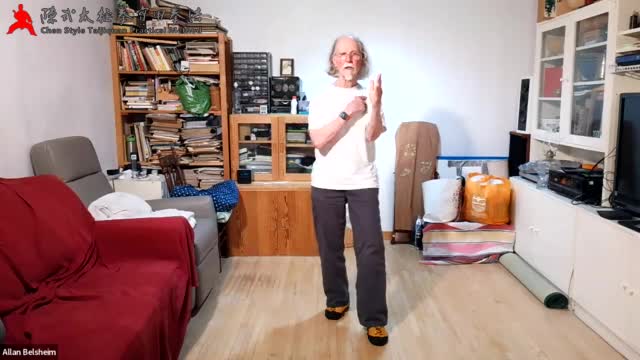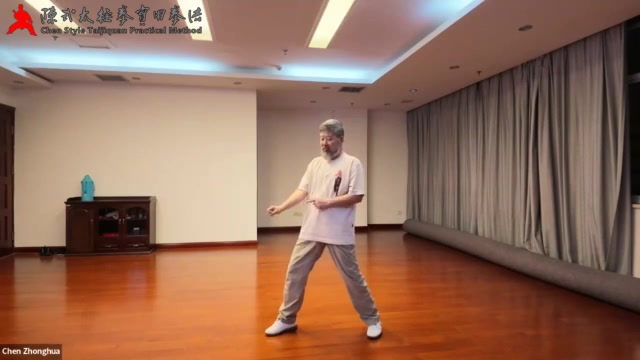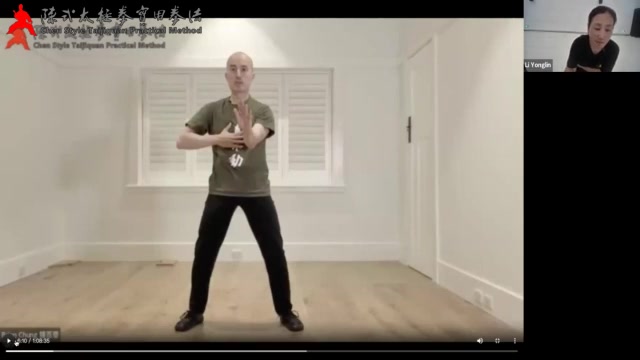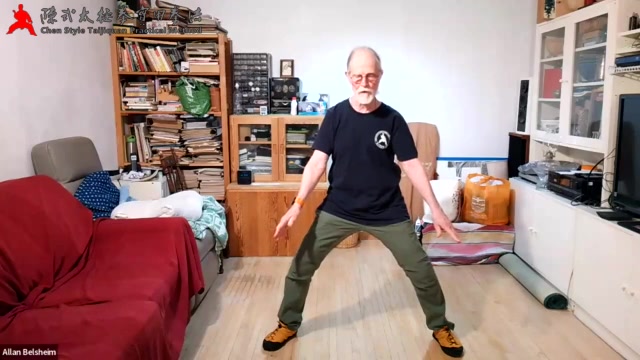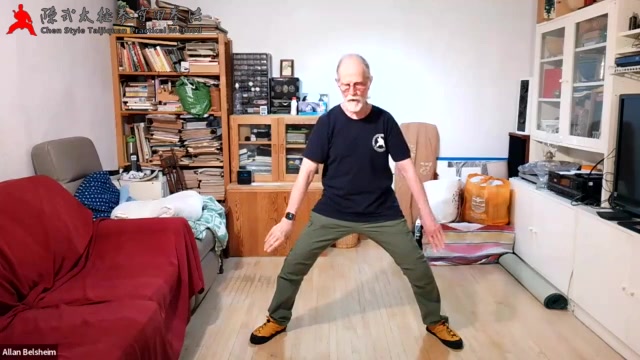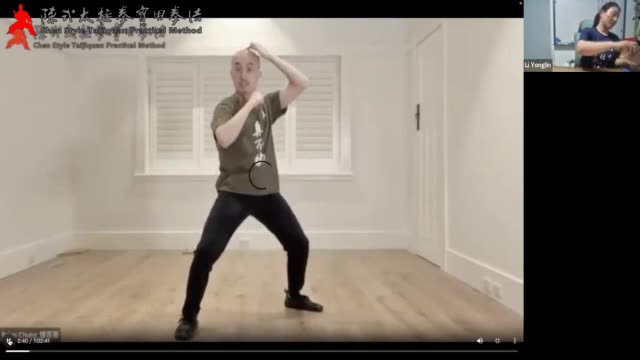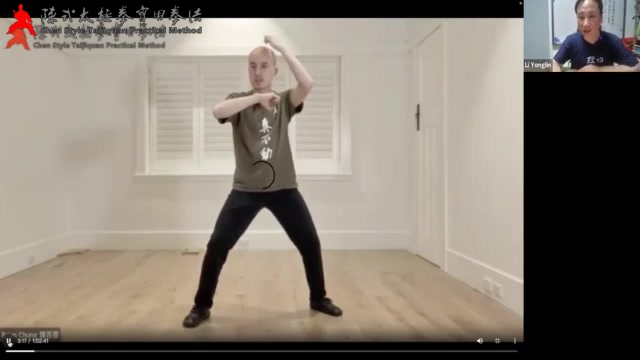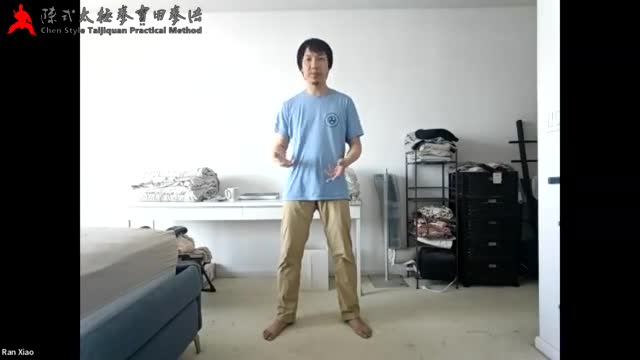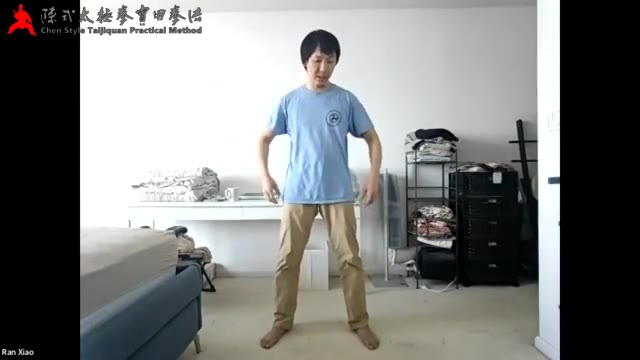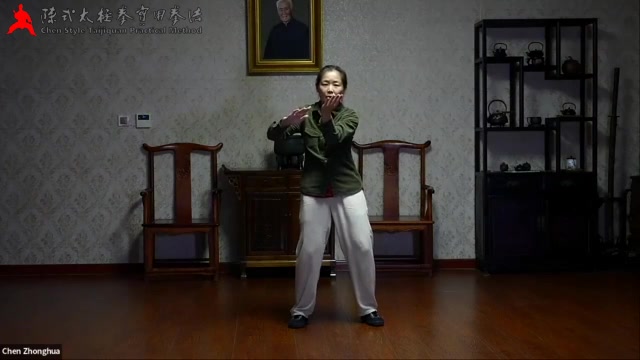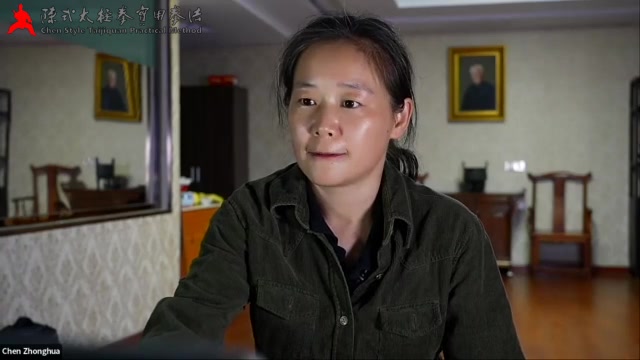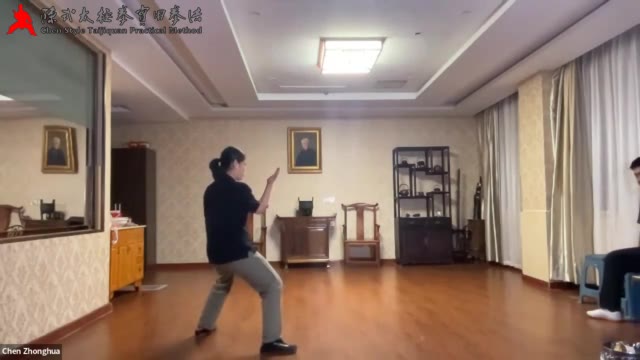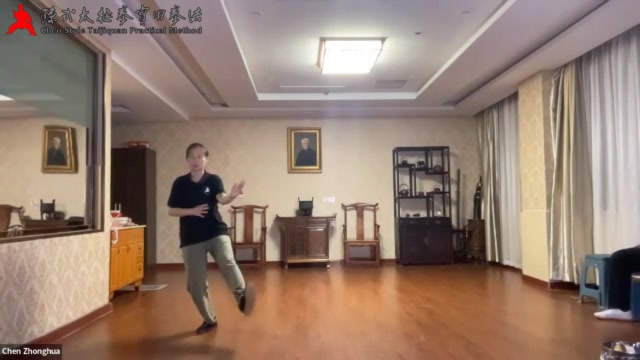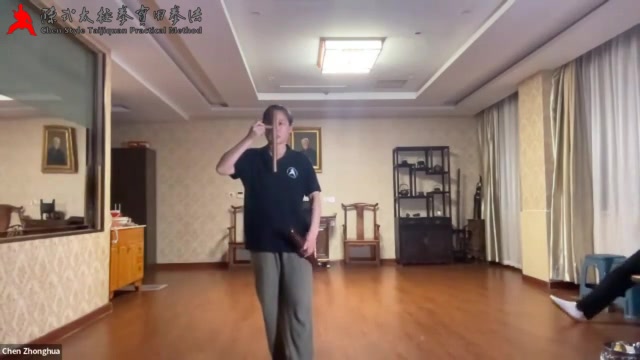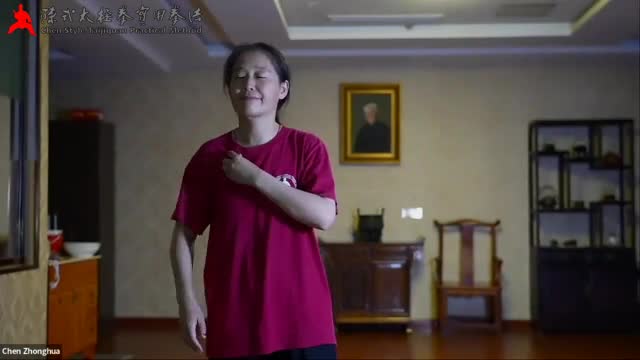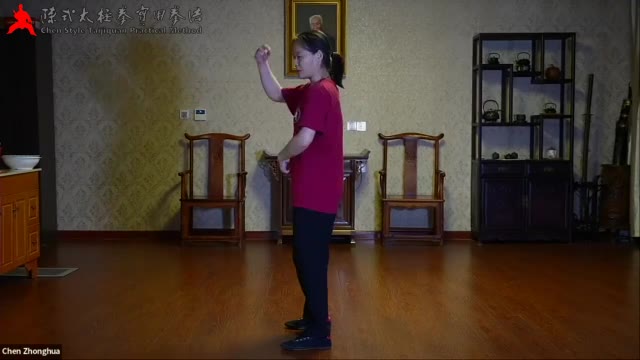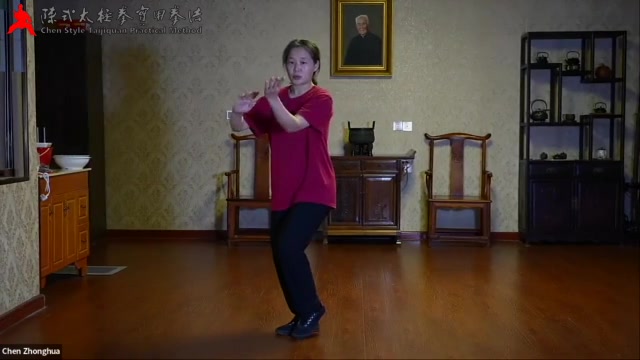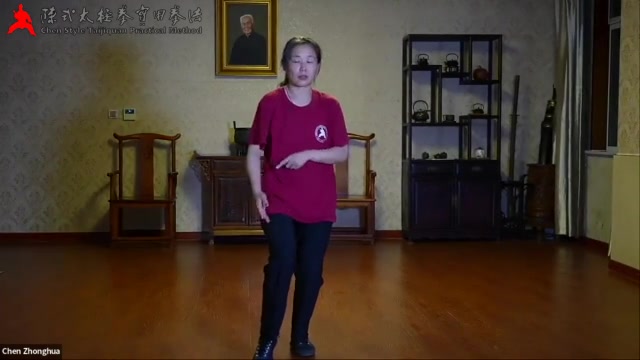
Presenter: Chen Zhonghua Length: 59 mins Difficulty: 3/5 Language: English  
Year: 2026 Location: Edmonton, Canada


by Shopmaster on 2026/04/02


by Shopmaster on 2026/04/01


by Shopmaster on 2026/04/01


by Shopmaster on 2026/04/01


by Shopmaster on 2026/03/31


by Shopmaster on 2026/03/31


by Ming on 2026/03/29
![]() |
|
|
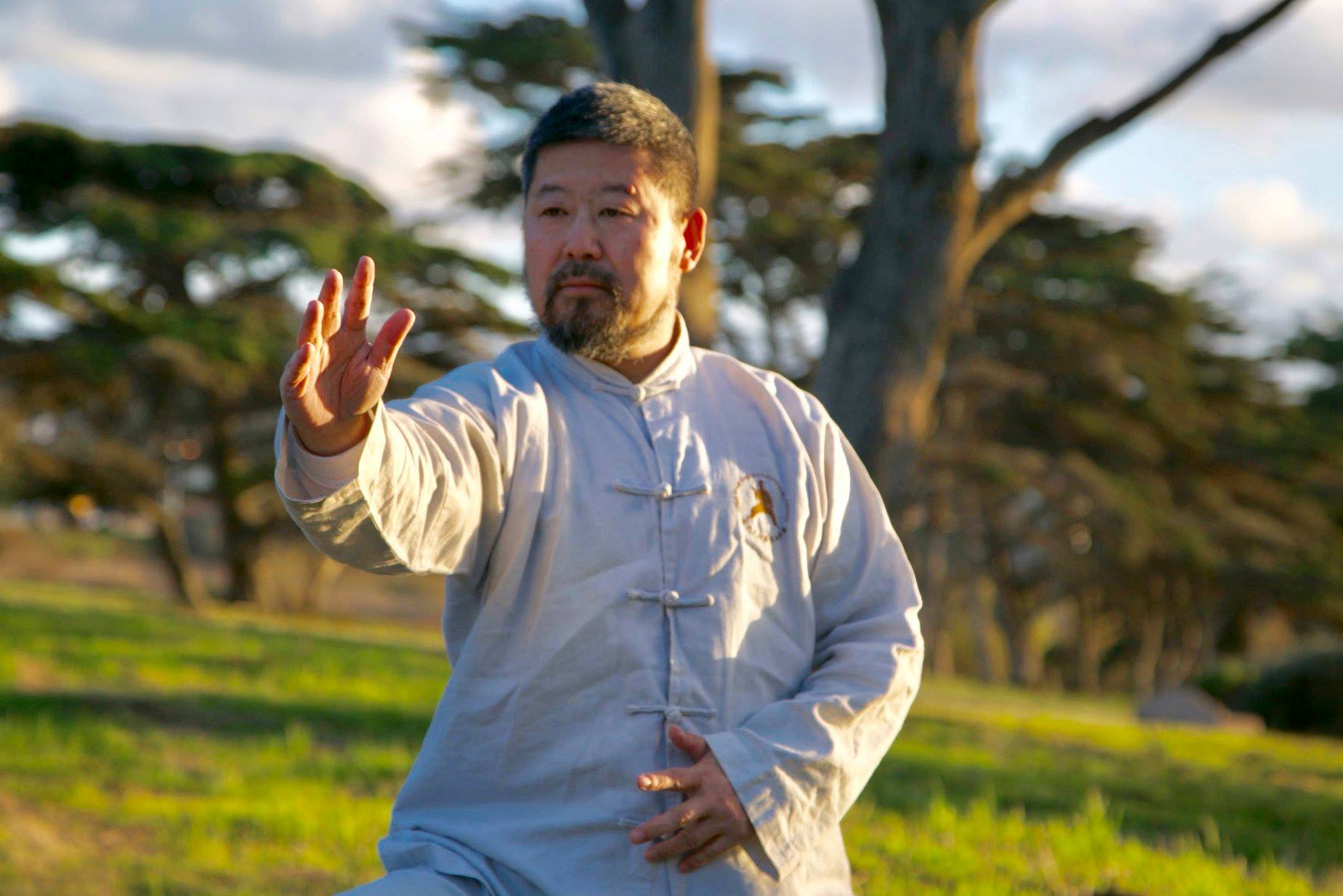
What is this Wuxia (武俠) play we are watching? In the life of Chen Zhonghua, the ‘knight-errantry‘ of the martial hero (俠義) feels less like theatrical flourish and more like the steady unfolding of responsibility. One role gives way to another; one teacher’s voice continues long after the lesson has ended.He comes from a lineage often spoken of in reverent tones. Chen Fake rose from village life to leave a deep mark on the Wulin (武林). Hong Junsheng, Confucian scholar and inheritor, weathered years of hardship yet held fast to his quan(拳) , practicing, refining, and teaching even when circumstances offered little comfort. For those who met him, the tradition was not abstract. It lived in the way he stood, the way he explained, the way he endured.
Chen Zhonghua inherited not only method, but obligation. |
|
|
Adapted and translated from the article:
“Chen Zhonghua’s World Tai Chi Road.” by Xu Jiaqiang and Xie Yan 太极天下 — 许家强 谢岩 published in 2019年5月17日 |
|
by Shopmaster on 2026/03/27


by Shopmaster on 2026/03/27


by Shopmaster on 2026/03/26


by Shopmaster on 2026/03/26


by Shopmaster on 2026/03/25


by Shopmaster on 2026/03/25


by Shopmaster on 2026/03/25


by Shopmaster on 2026/03/24


by Shopmaster on 2026/03/24


by Shopmaster on 2026/03/22
by Shopmaster on 2026/03/20


by Shopmaster on 2026/03/20


by Shopmaster on 2026/03/19


by Shopmaster on 2026/03/19


by Shopmaster on 2026/03/18


by Shopmaster on 2026/03/18


by Shopmaster on 2026/03/17


by Ming on 2026/03/14
![]() |
|
|
An unseen thread brought Hong Junsheng, a frail young Confucian scholar, to the doorstep of Chen Fake, then a little-known master from rural Henan. Years later, in a quiet park, circumstance placed a university freshman before an elderly man whose modest bearing concealed a lifetime of depth. The meeting itself may have been chance.
What followed was not. The young student returned. He listened. He practiced. In doing so, Chen Zhonghua stepped onto a path that would gradually define the course of his life. From his early years with Hong to his later studies with Feng Zhiqiang—the last disciple of his grandmaster—Chen’s journey unfolded within a living chain of transmission. Yet lineage alone explains nothing. At each stage he had to decide: whether to endure, whether to continue, whether to accept the weight that accompanied genuine instruction. This article seeks the person inside those decisions. We follow Chen Zhonghua across countries and cultures, watching how a Chinese-Canadian martial artist confronts uncertainty, opportunity, and moments of real danger—including a journey marked by a once-in-a-lifetime volcanic eruption. Again and again, the same question emerged: how should he honor what he had been given? The answer was never automatic. It took shape through long practice, private doubt, sacrifice, and persistence. Ultimately, it led to a turning point that would redirect his entire future—the choice to devote himself fully to preserving and advancing Hong Junsheng’s Practical Method, and through it, a living current of Chinese history. |
|
|
Adapted and translated from the article:
“Chen Zhonghua’s World Tai Chi Road.” by Xu Jiaqiang and Xie Yan 太极天下 — 许家强 谢岩 published in 2019年5月17日 |
|
by Shopmaster on 2026/03/13


by Shopmaster on 2026/03/12


by Shopmaster on 2026/03/12


by Shopmaster on 2026/03/11


by Shopmaster on 2026/03/11


by Shopmaster on 2026/03/10


by Shopmaster on 2026/03/10


by Ming on 2026/03/09
![]() |
Comparing Taiji to MMA often leads to a false equivalence. Critics point to high-profile losses as proof that traditional claims are exaggerated—or even fraudulent—yet these comparisons ignore the differing objectives of each discipline. The legacy of Master Hong Junsheng (洪均生)’s Practical Method (陈式太极拳实用拳法) does not hide behind the philosophical or ethical justifications often used to shield traditional arts from scrutiny; rather, the system is based on Master Hong’s uncompromising premise: |
Taiji possesses a raw, mechanical efficiency that is as practical as it is profound. However, for those watching from the sidelines, the saying holds true: “A summer insect cannot be reasoned with about ice” (夏虫不可语冰). Until one moves from the distant shore of observation into the depths of dedicated practice, the true value of Taiji remains invisible. Sun Yang (孙洋) was once that observer on the shore. A veteran champion with gold in Bangkok (2019) and titles in the Beijing MMA League, Sun dismissed Taiji as impractical for the cage—until he attempted to take down a Practical Method practitioner. What followed was a total neutralization of his professional skill set that forced him to rethink the laws of combat physics. |
|
|
Adapted and translated from the article:
“Why a MMA Champion Studies Under Master Chen Zhonghua.” by Sun Yang 格斗选手为什么会拜陈中华老师为师 — 孙洋 published in 2018 |
|
by Shopmaster on 2026/03/06


by Shopmaster on 2026/03/06


by Shopmaster on 2026/03/05


by Shopmaster on 2026/03/05


by Ming on 2026/03/04
|
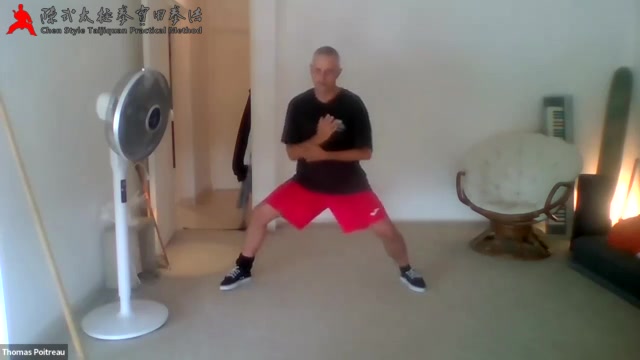
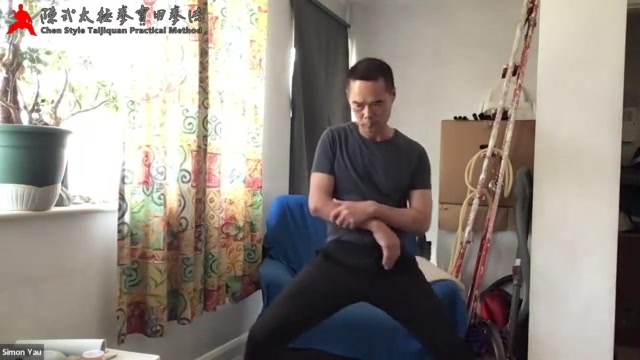
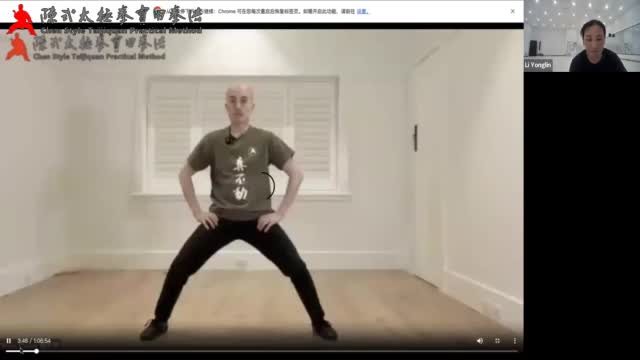
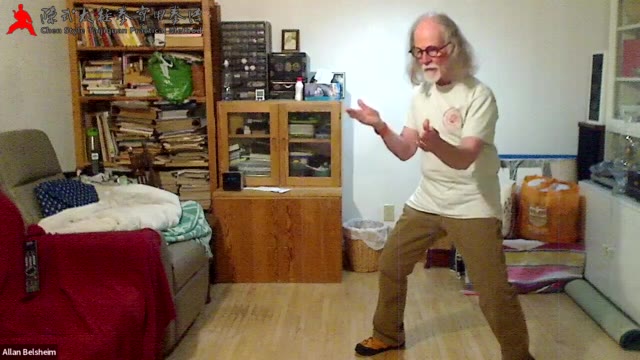
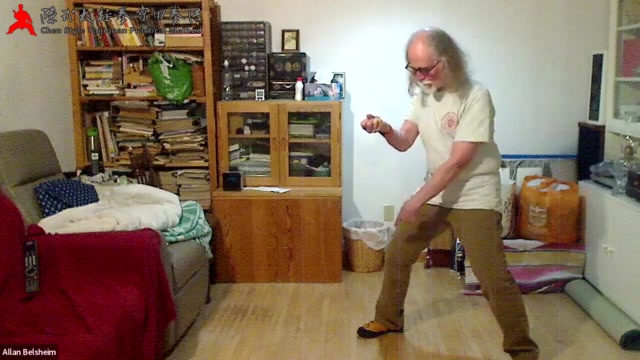
The practice session focuses on applying the Theory of Three Rings through hands-on experimentation. Master Chen emphasized that the Practical Method requires “mutual” practice, which necessitates partners to verbalize their actions and provide constant feedback and guidance between participants. In general, normal, untrained actions fail because they rely on muscular strength, which allows the opponent’s structural “looseness” to dissipate the force, highlighting the necessity of precision, accuracy, and correct aim. |
| Master Chen stressed that a correct Taiji technique must be directed toward a stable point on the opponent’s body (like the Dantian or the line connecting to the rear foot), not just the limb. Success requires the initiator to maintain perfect alignment—a straight, continuous virtual line connecting their rear foot, body, elbow, hand, and the target—while resisting the urge to move or “derail” (a natural reflex) when the opponent’s strength is felt. The goal is not brute strength but achieving a “stuck” state, or “lock,” which is created by leveraging the body’s internal bone structure and maintaining the integrity of all Three Rings relationships, ensuring power is generated by the unified structure and remains on the straight line, a critical distinction from conventional, muscle-based actions. | |
| (This is Part 5 of a five part article based on the Three Rings of Tai Chi filmed in 2010, Edmonton, Canada.) |
|
by Shopmaster on 2026/03/04