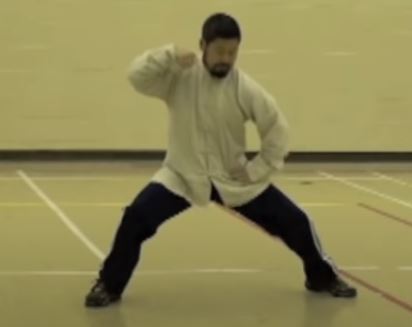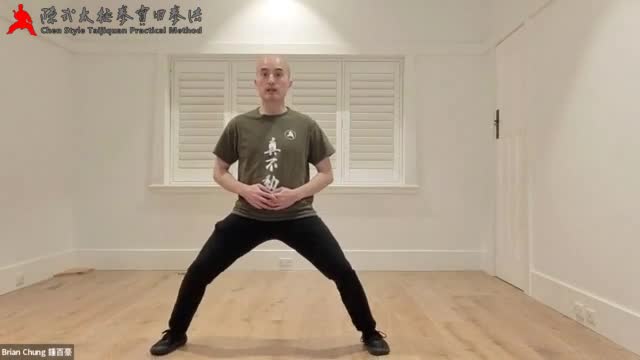
Presenter: Chen Zhonghua Length: 66 mins Difficulty: 3/5 Language: English
Year: 2026 Location: Edmonton, Canada
Chen Style Taijiquan and Hunyuan Taiji email: practicalmethod@qq.com
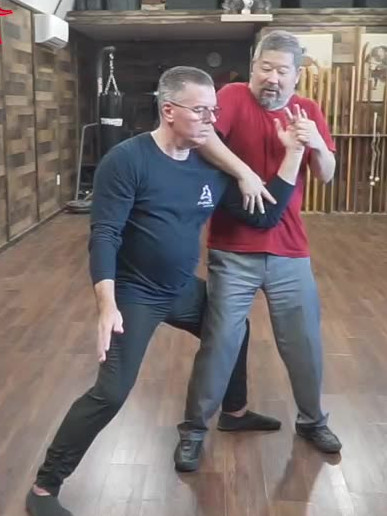 |
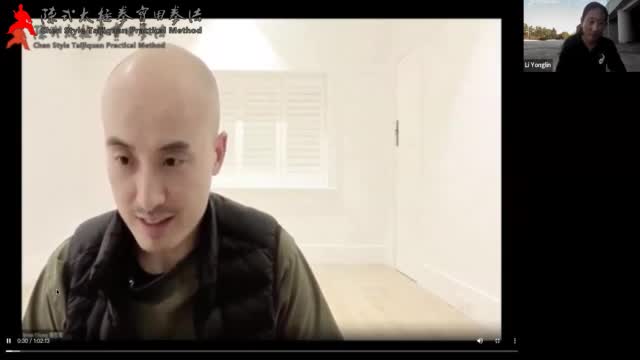
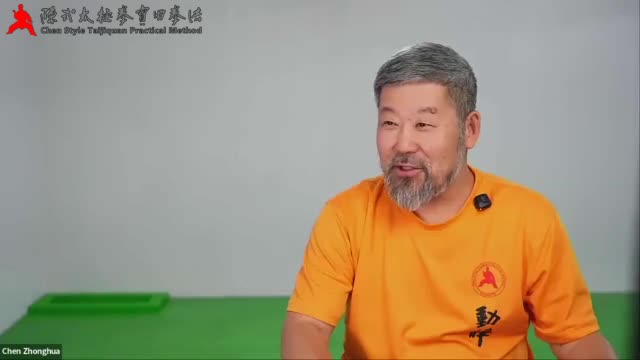
Michael Calandra, a retired veteran of the NYPD, 10th Dan Hanshi in Isshin-Ryu Karate, and owner of the Seishinkan West Dojo in Wittmann, Arizona, hosts The Martial Truth Podcast. In this wide-ranging conversation, Master Chen Zhonghua details his journey from a university student collecting Wushu forms to becoming the International Representative for the Chen Style Taijiquan Practical Method. The interview opens with the vivid story of his encounter with a “mystery master” in a public park. An experience that shattered his previous understanding of martial arts and led him to become a disciple of the legendary Hong Junsheng. |
| The discussion shifts to the physical manifestation of this art: Daqingshan. Master Chen describes the transformation of a barren, secluded mountain into a massive, 200,000-square-foot international training center and home to an annual International Taiji competition. He emphasizes the importance of integrity in his sponsored competition, explaining how he utilizes modern technology and international judges to eliminate the bias and corruption that often plague traditional martial arts tournaments.Finally, the dialogue tackles the controversial “Internal vs. External” debate. Master Chen rejects the notion of “internal” as a mysterious or magical shortcut, instead using the “Stealth Fighter” analogy to describe high-level engineering and hidden mechanics. He concludes by asserting that the legendary health benefits of Taiji are a direct byproduct of its martial structure; without the rigorous training and correct alignment required for combat, the art loses its inherent power to heal and prolong life. | |
|
Adapted from a Podcast Transcript:
“The Martial Truth Podcast EP20” Interview with Master Chen Zhonghua 1 broadcasted Jul 24, 2023 |
|
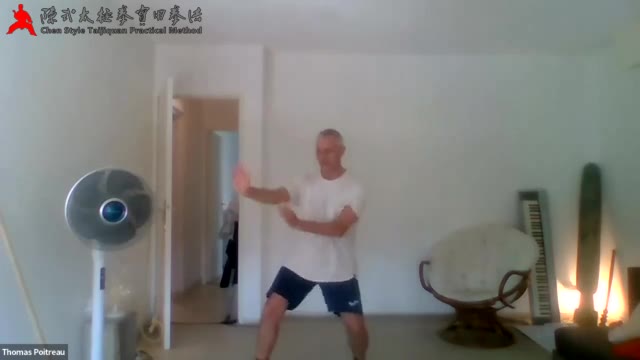
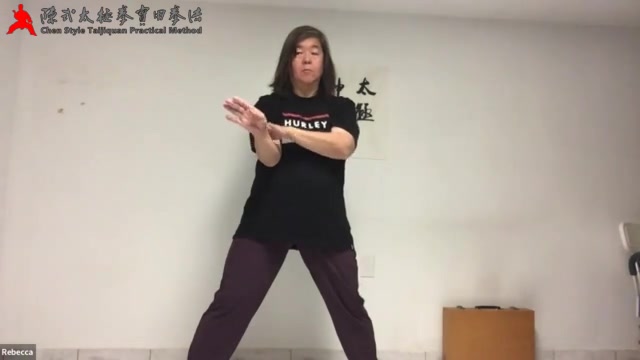
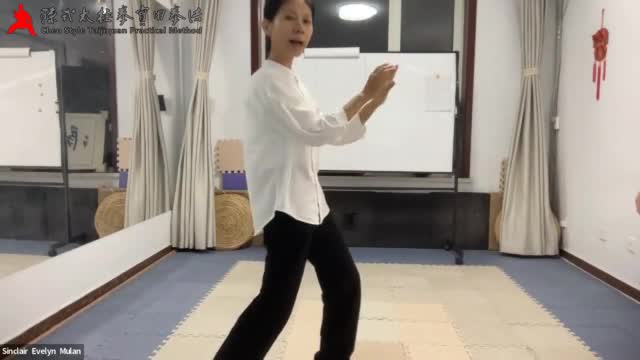


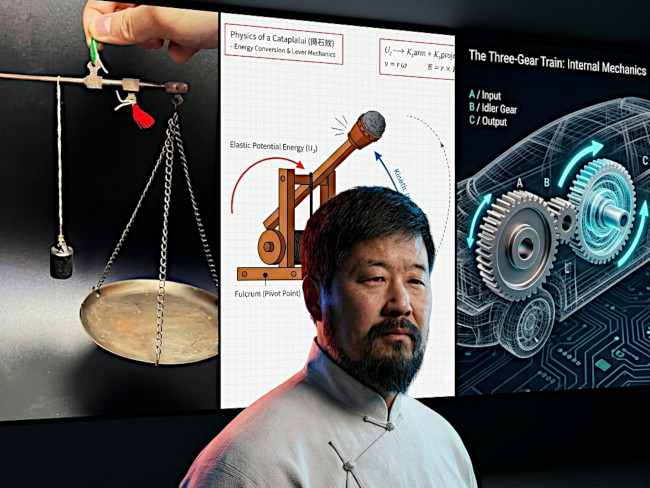 |
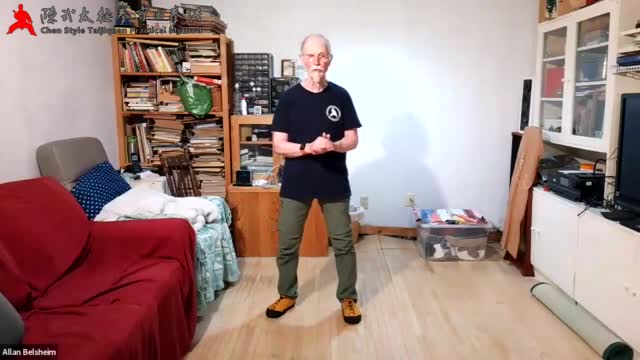
From the quiet wisdom of Wang Zongyue, who likened the body to a level and a wheel, to Chen Xin, who described Taijiquan as the subtle art of measurement, this essay follows a tradition that seeks balance not through force, but through understanding. In the hands of Hong Junsheng, these poetic ideas took on mechanical clarity, revealing the body as a system of “Two Scales”—one to listen, one to respond. Chen Zhonghua carries this vision forward, transforming still diagrams into a living machine of motion. |
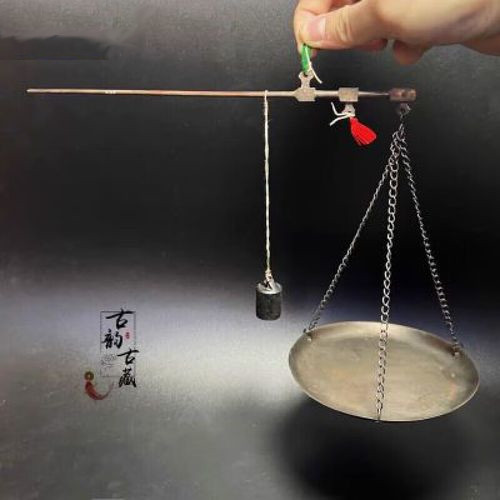
| At first, the body appears as a pair of simple tools: the Děngzi, a delicate steelyard that senses and balances incoming force, and the catapult, coiled and ready to release power. Both are levers, turning quietly around a central axis. But levers, bound to their arcs, can only go so far. Then comes the shift: the body is no longer a set of levers—it becomes a system of gears. | |
| (Based on: The Theory of Two Scales: Matching Opponent Force“, Perth, Australia, 2013. |
|
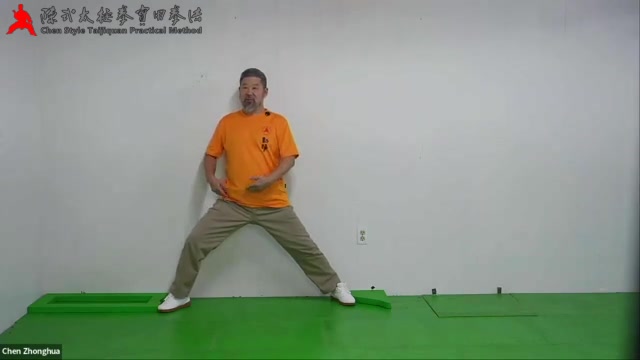
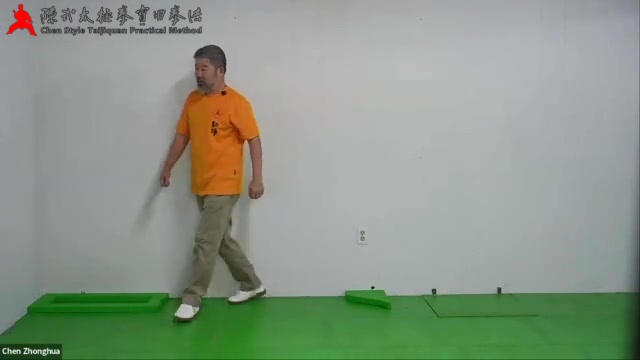
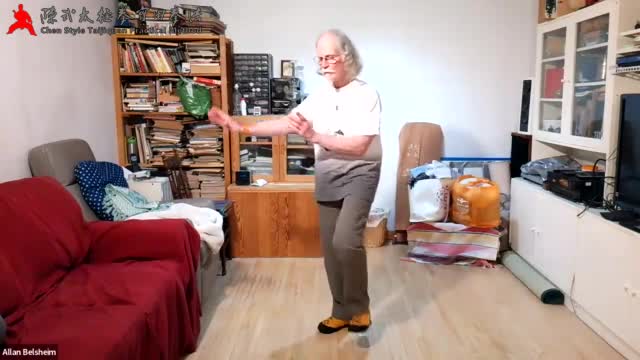
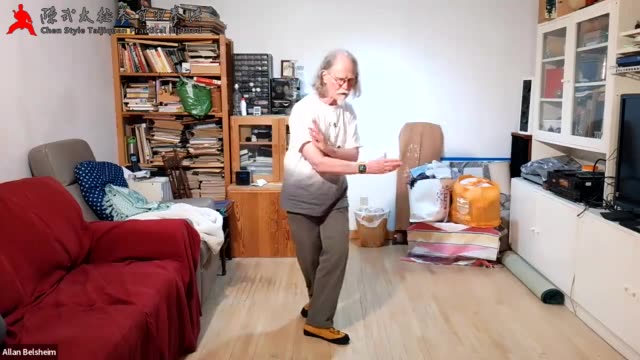
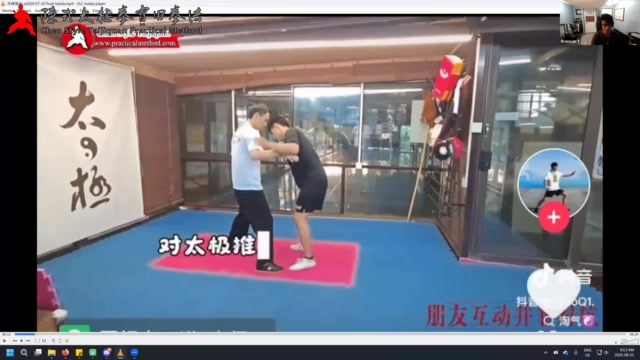
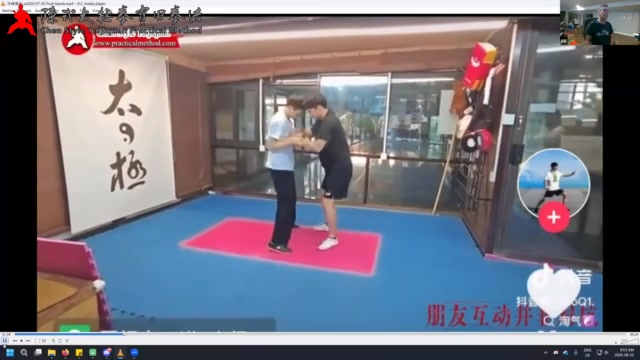
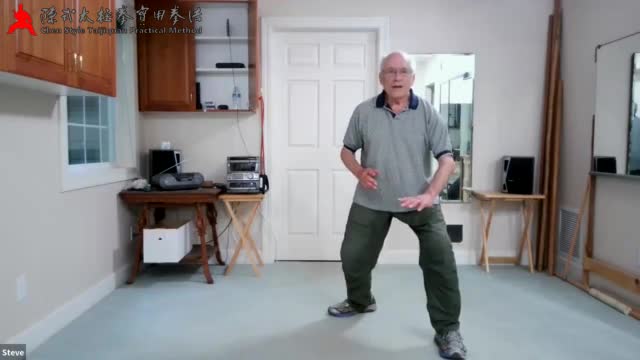
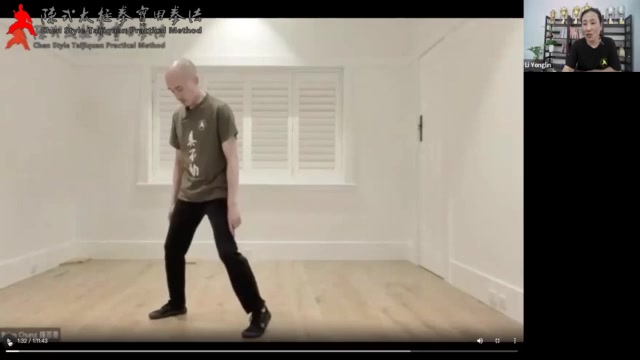
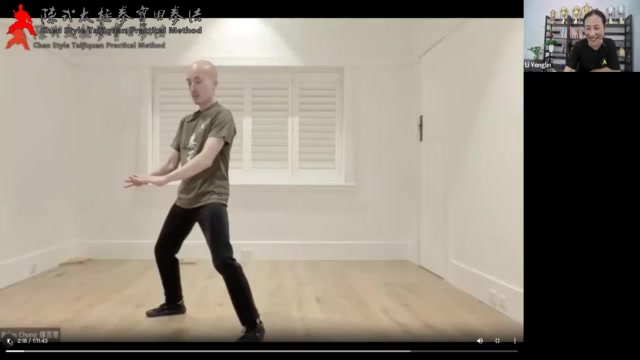
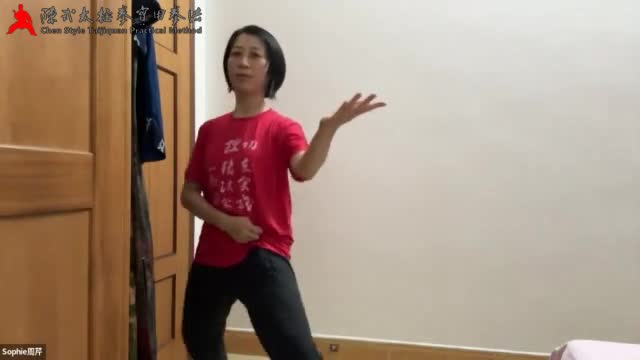
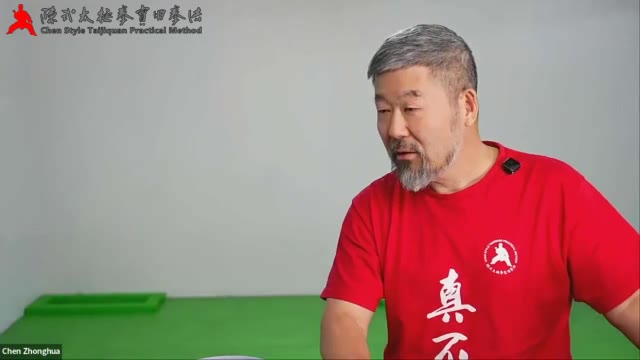
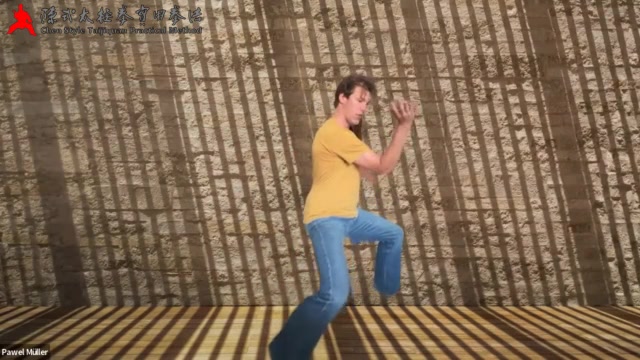
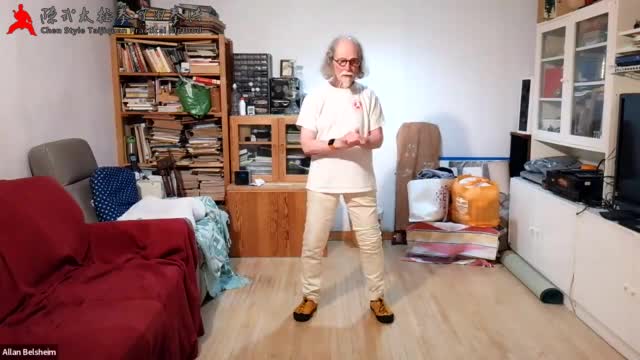
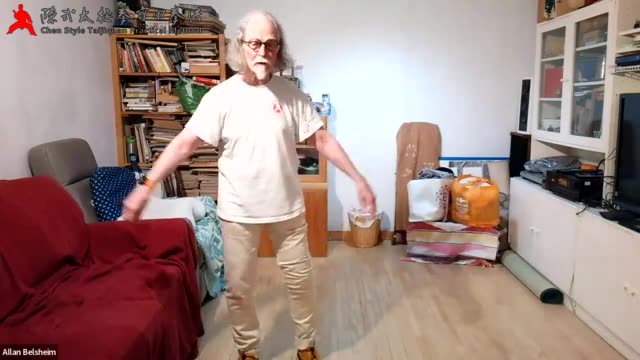
Screenshot
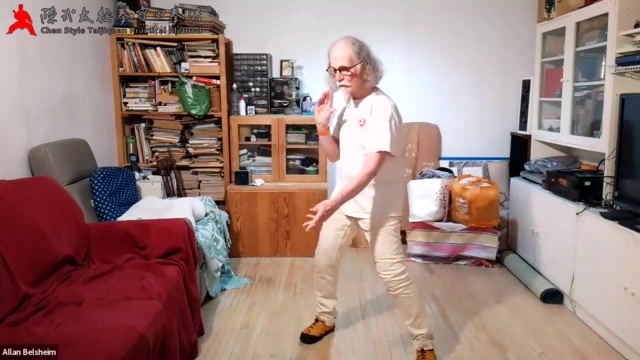
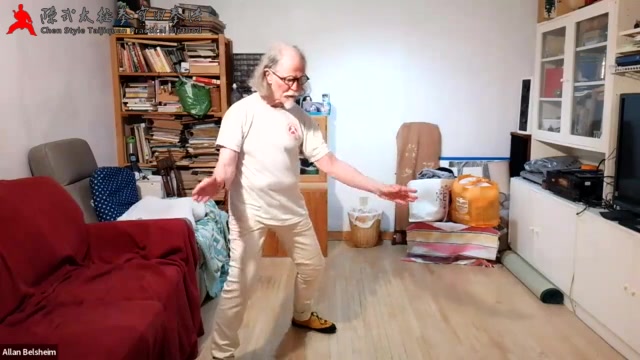
Here is my summary at this stage:
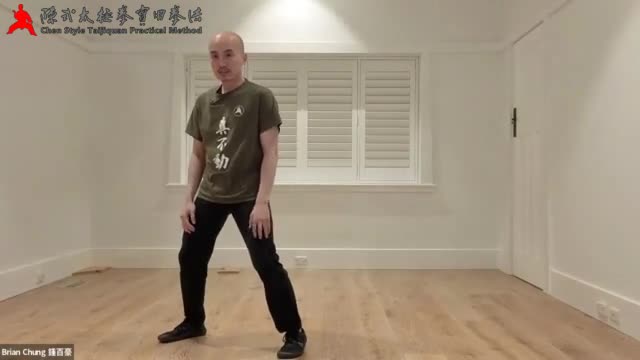
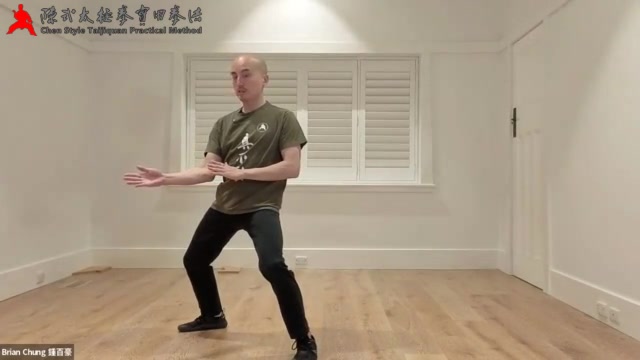
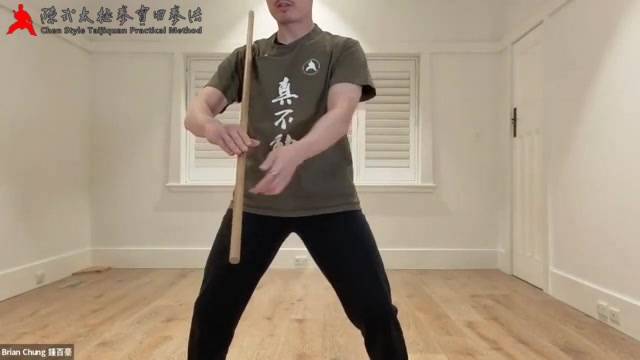
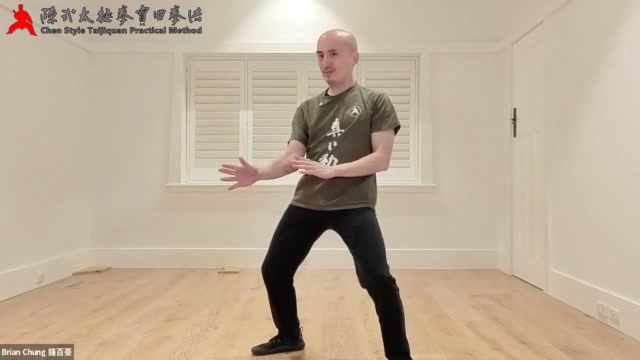
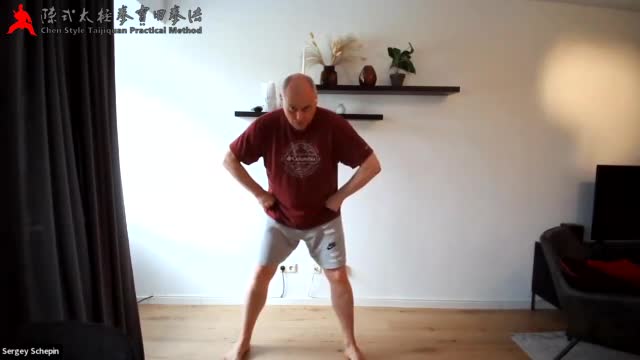
Taijiquan is our body expression of separation of yin and yang. There are different degrees, layers, and dimensions of separation, which are manifested as different levels of ability.
这是我现阶段对太极拳的总结:
太极拳就用身体来演绎分阴阳。怎样分可以有不同的程度、层次、维度,也是功力深厚的表现。
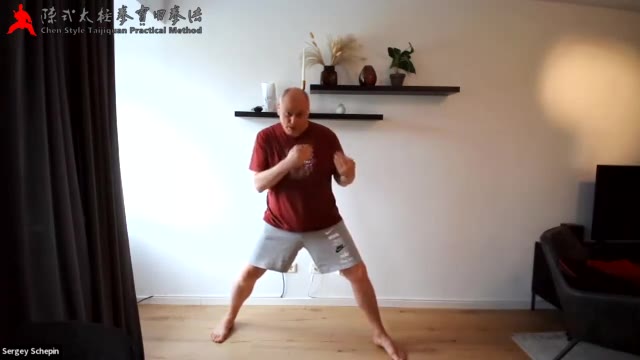
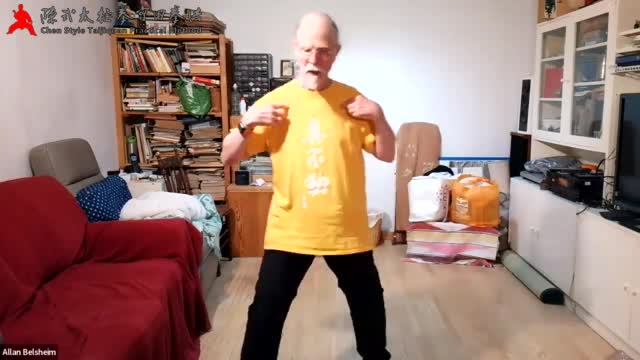
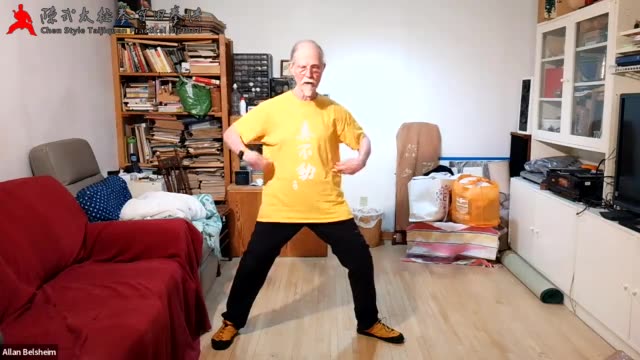
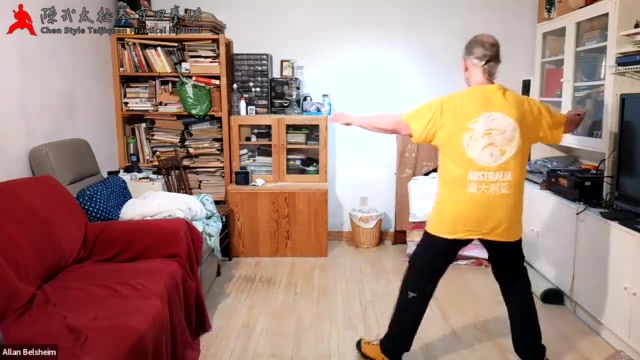
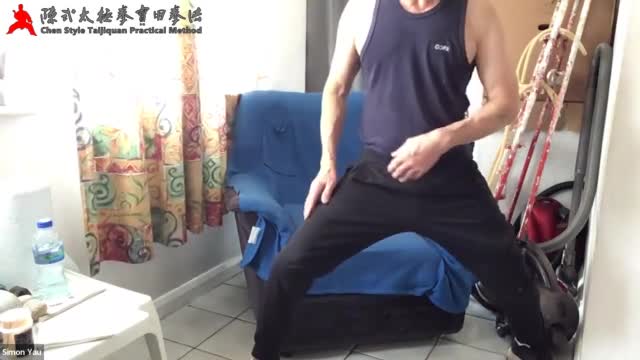
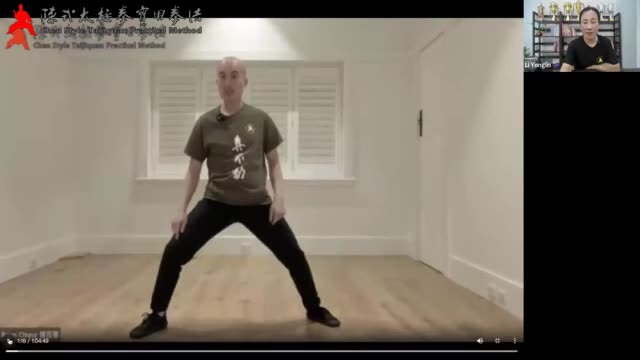
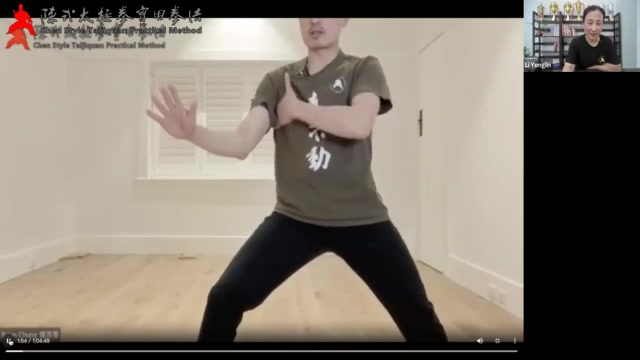
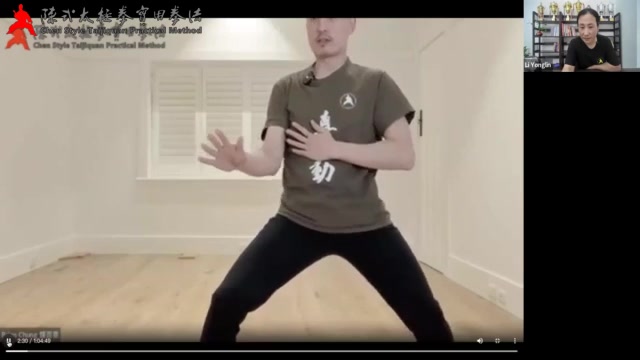
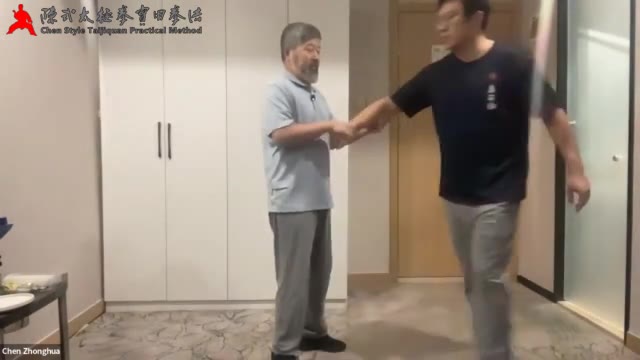
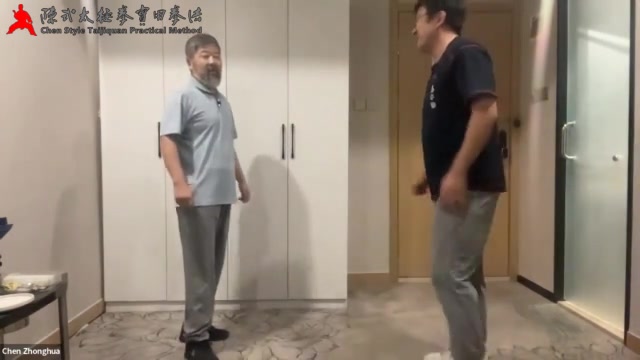
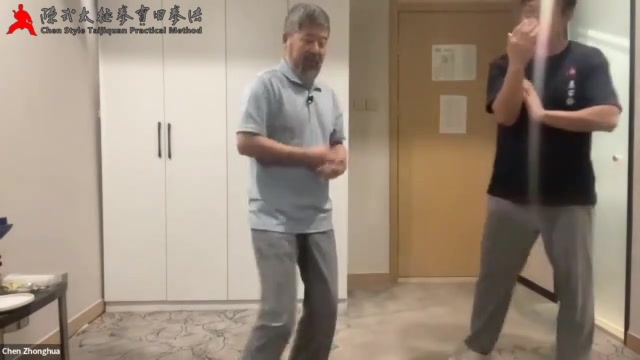
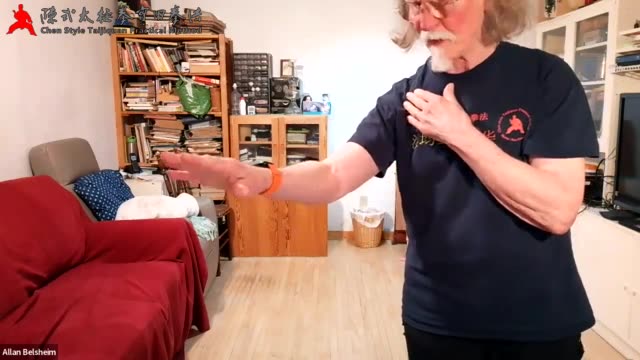
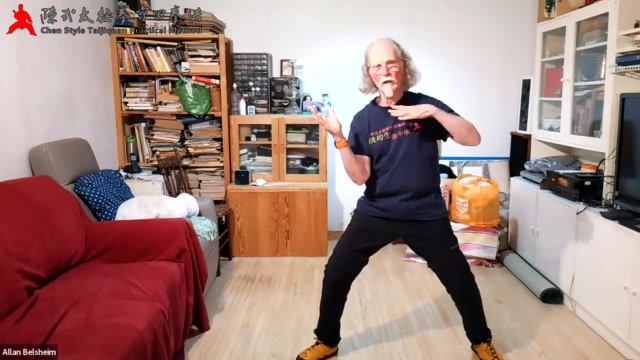
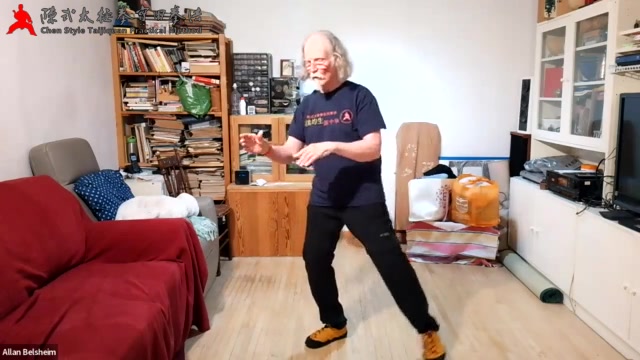
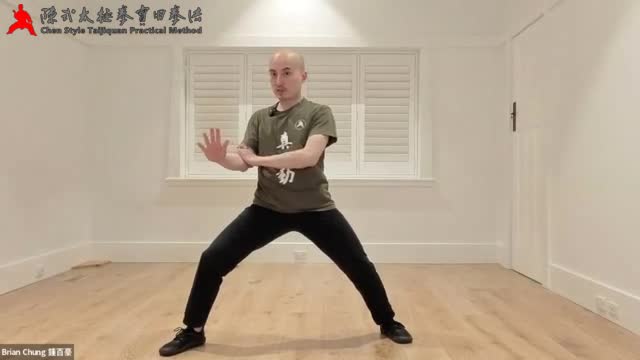
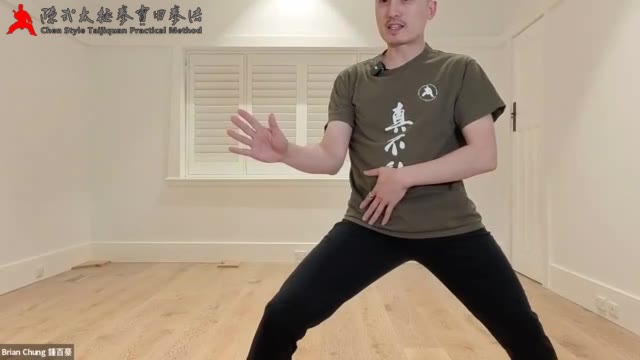
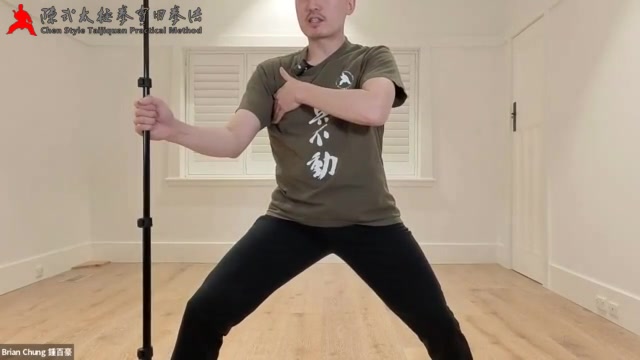
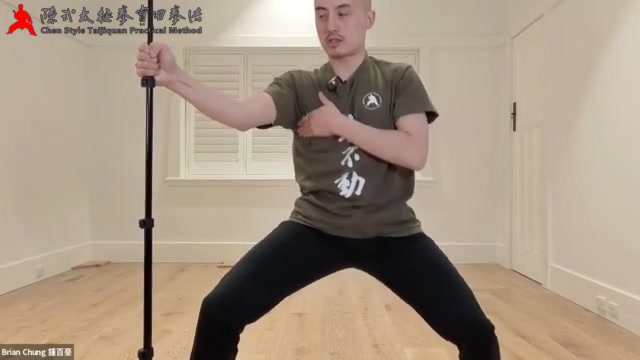
 |
First of all, the original intent of Taijiquan was never as a recreational sport for health. It was a martial art with a rigorous internal focus—one that is distinct from all other systems. This specific art is found only in Chen Village and the branches derived from it.
Taijiquan is about balance. Regardless of the method used, Taijiquan will weigh you like a balance scale. This “weighing” is the specialized method of Chen Style Taijiquan, a method absent in other martial systems. |
| While Taijiquan, Xing Yi Quan, and Bagua Zhang are all considered internal arts, Taijiquan is all-encompassing: it possesses what other styles have, but it also uniquely possesses what they do not.This is the method of weighing an opponent. No matter how heavy you are, I only need to nudge the counterweight one tiny notch on the scale to achieve balance. If you were lucky enough to have touched Grandmaster Hong Junsheng, you would understand this immediately; otherwise, it is not easy to grasp.
The scale is an object, and nudging a counterweight is merely an action. So, where is the “internal” in this? If you put one ton of weight on a scale and I move the counterweight just one unit to balance it—and you do not see that as “internal“—then you will never find the internal in this world. To seek intangibles like Jing (劲), Qi (氣), and Shen (神) without understanding this mechanics is to put the cart before the horse. |
|
| (This article is based on the Interview with Chen Stylist Chen Zhonghua by Guo Yi, first posted in 2011.) |
|