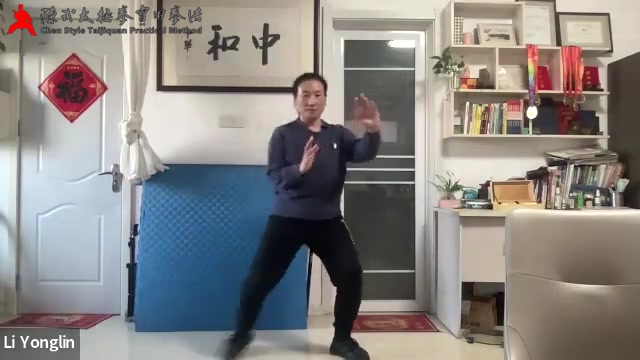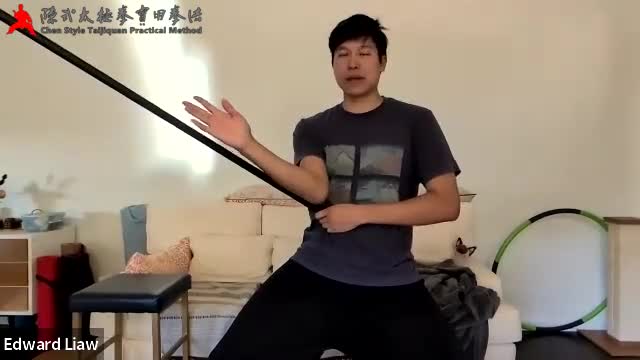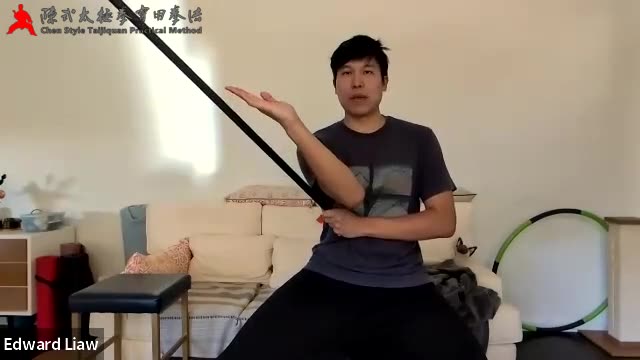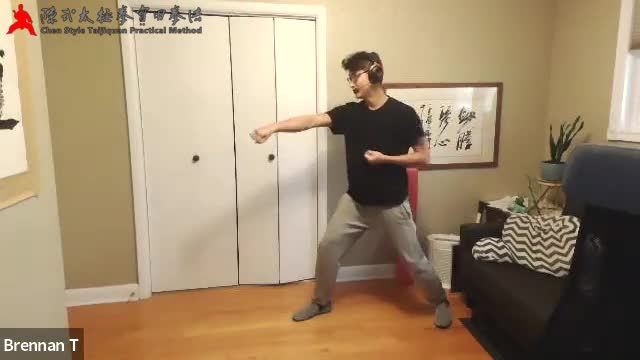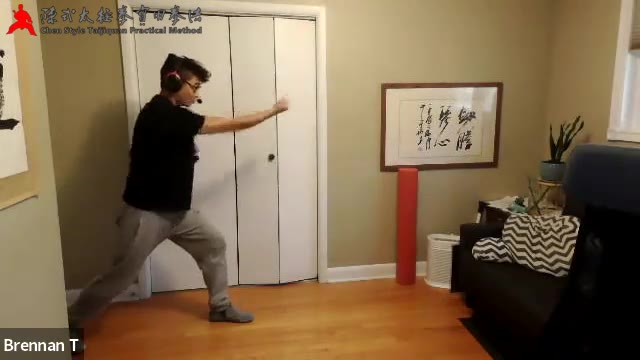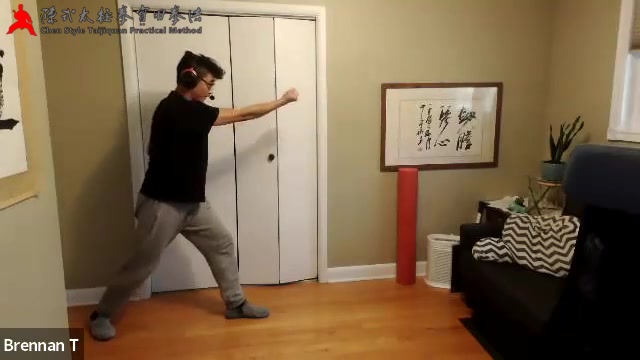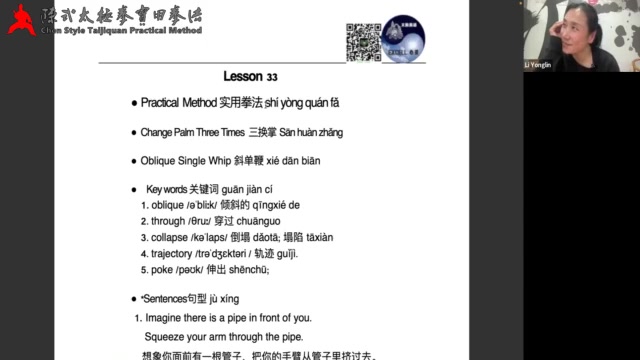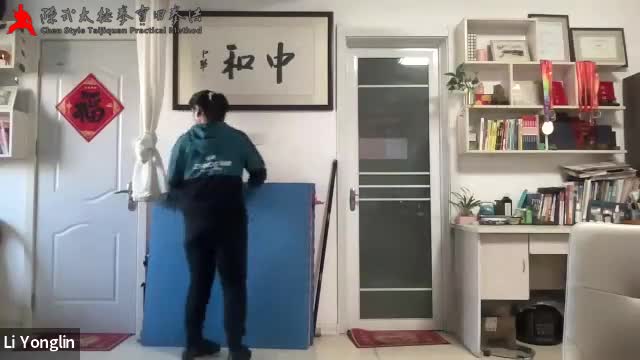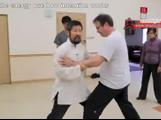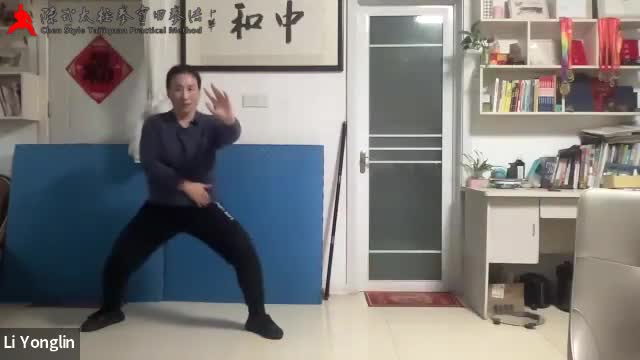
Presenter: Chen Zhonghua Length: 48 mins Difficulty: 3/5 Language: English  
Year: 2025 Location: Edmonton, Canada


by Shopmaster on 2025/09/25


by Shopmaster on 2025/09/25


by Shopmaster on 2025/09/24


by Shopmaster on 2025/09/24


by Shopmaster on 2025/09/24


by Shopmaster on 2025/09/23


by Shopmaster on 2025/09/23


by Kelvin Ho on 2025/09/22
by Shopmaster on 2025/09/22


by John Upshaw on 2025/09/20

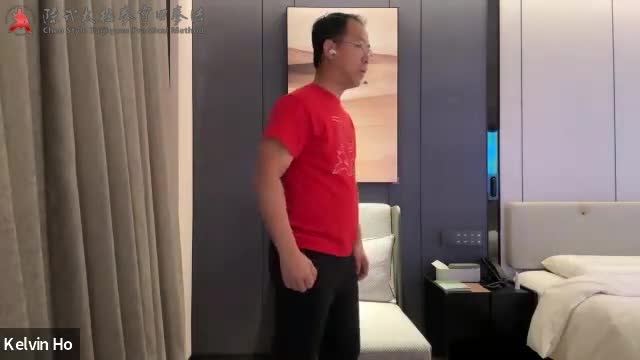
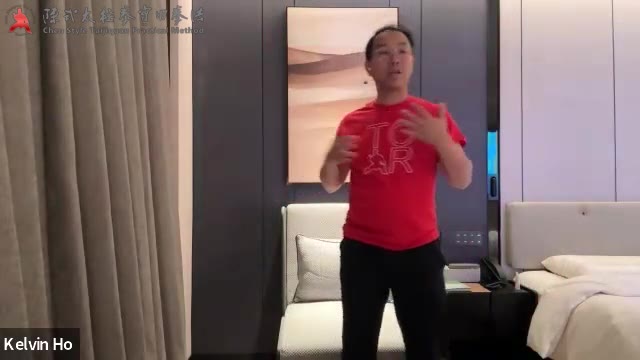
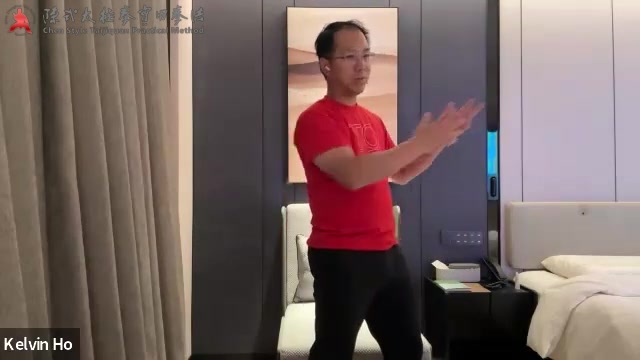
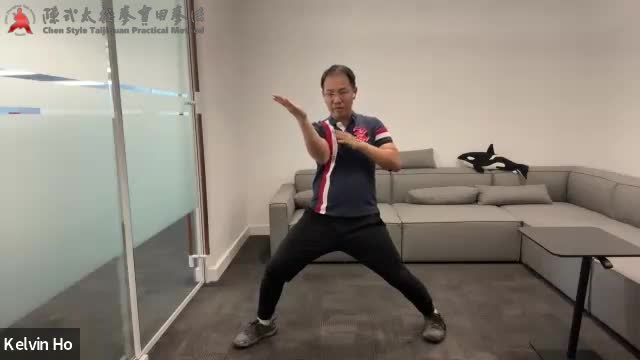
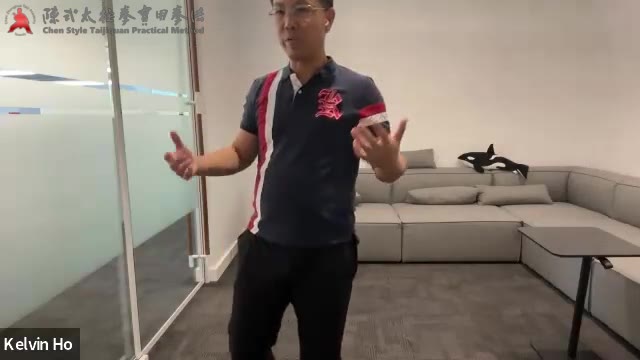
In this morning’s practice with Kelvin, he provided constructive feedback and we engaged in meaningful Taiji discussions. Two major themes emerged:
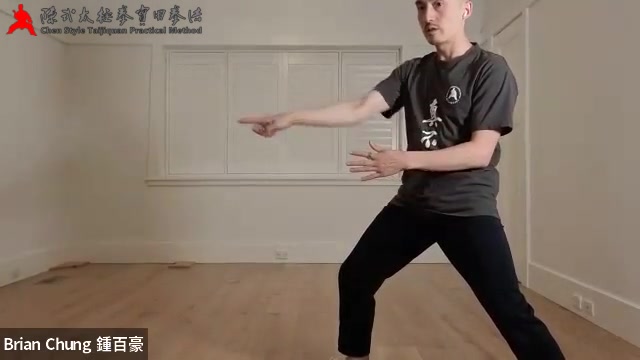
Using Joint Rotation to Create a Solid Structure
Exploring how rotation and counter-rotation of the joints create stretch, connection, and stability throughout the body.
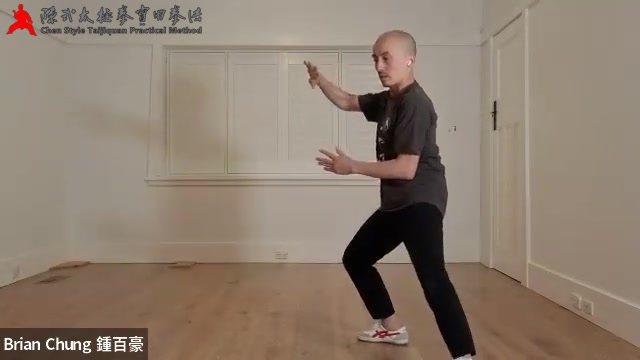
Kelvin initially pointed out that I was losing my structure whenever I moved because I did not have an adequate “wall” behind me. To create the line I required, I needed to rotate my kua to “put it in the heel.” This revealed the principle that rotating the joints creates a stretch that connects one joint to the next.
The combination of joint rotation and stretch builds a solid structure. When two joints rotate in opposite directions, they generate a twist that cinches up the connective tissue and ligaments between them. These paired rotations exist throughout the body and across the entire form.
One clear example is the opening of the elbow: the forearm and bicep rotate in opposite directions, which not only opens the elbow but also creates a stretch and the capacity to function in two dimensions. This principle is especially visible in the posture of “lifting and blocking” within Cannon Fist, where the rotation, stretch, and connection produce a stable yet dynamic structure.
Reflections on Matching in Taijiquan
Matching in Multiple Dimensions – Recognizing that while it is possible to jam or match force in one dimension, higher-level practitioners often apply force across multiple lines, requiring matching on more than one plane simultaneously.
Another important discussion we had was about matching. During a private lesson with Master Chen Zhonghua in 2015, the main theme centered on matching power, length, and angle.
In my recent discussion with Kelvin, he emphasized that when matching an angle, an opponent may establish lines in two separate dimensions, both of which must be matched simultaneously. This was significant information for me, as it expanded my understanding of why a single match may not be sufficient.
In practice, when doing push hands with my more advanced Taiji brothers, I have often been able to jam them in one dimension. However, they frequently apply force across multiple dimensions, making a single match or jam ineffective.
This morning’s training with my Taiji brother Kelvin offered excellent insights into the depth of matching. It highlighted that true skill lies not only in neutralizing one line of force but also in perceiving and connecting with the multiple dimensions of power being expressed.
by Shopmaster on 2025/09/19


by Practical Method on 2025/09/18
| The Ottawa Practical Method workshop will be back on Oct 18 to 19, 2025. |
by Chen Zhonghua Taiji Academy on 2025/09/18
Berlin Chen Zhonghua Taijiquan Seminar Photos 20250913-16.
by Shopmaster on 2025/09/18


by Shopmaster on 2025/09/18


by Shopmaster on 2025/09/18


by Shopmaster on 2025/09/18


by Shopmaster on 2025/09/17


by Shopmaster on 2025/09/17


by Shopmaster on 2025/09/17


by Shopmaster on 2025/09/16


by Shopmaster on 2025/09/16


by Shopmaster on 2025/09/15


by Shopmaster on 2025/09/12


by Ming on 2025/09/11
![]() |
Master Hong emphasizes that the upper torso’s core requirement is an upright, suspended head—encapsulated in the classical axiom “虚领顶劲” (“suspend the collar to lift the energy”). In his book, “Chen Style Taijiquan Practical Method V1: Theory” , he reinforces this idea by quoting the Thirteen Postures Song (《十三势行功总歌》): “the whole body is light, and the head is suspended” (“满身轻利,顶头悬” ). Although “push” and “suspend” differ in wording, Hong clarifies that both demand a lifted crown, as if the body were hung by a rope from the baihui point, echoing Chen Xin’s metaphor – ‘ A subtle chin tuck then allows the head to self-balance atop a straight spine, naturally aligning the neck ‘ (如同用绳子从头顶百会穴将全身向上悬起似的). This principle, praised in Wang Zongyue’s Tai Chi Theory (王宗岳 《太极拳论》) and is ranked first among the “Ten Essentials” in Yang style Tai Chi (杨派太极拳列为“十要”之首). |
| What does this principle truly mean in practice? Master Chen brings clarity by demonstrating it through mechanical models, stripping away abstract interpretations. As he puts it, ‘Ignore… the so-called Taiji concept, do this…’ and, drawing from Master Hong’s teachings, ‘Once you follow this rigid mechanical model… you get it.’ His approach translates traditional wisdom into tangible, repeatable technique. | |
| (This is an edited transcript of the Suspended Head filmed in Winter, 2010, Edmonton, Canada.) |
|
by Shopmaster on 2025/09/11


by Shopmaster on 2025/09/11


by Shopmaster on 2025/09/10


by Shopmaster on 2025/09/10


by Shopmaster on 2025/09/09


by Practical Method on 2025/09/06
| The Toronto Practical Method workshop will be back on Sep 6 to 9, 2025. If you have not yet attended one, you will be amazed by the magical taiji skills of Master Chen Zhonghua, and his insightful guidance in your taiji journey. He has the missing piece that many people are looking for. If you have been here before, we are looking forward to training with you again.
The workshop is now FULL, and will not be able to accept new registrations. |
by Shopmaster on 2025/09/05


by Shopmaster on 2025/09/05


by Shopmaster on 2025/09/04


by Shopmaster on 2025/09/04