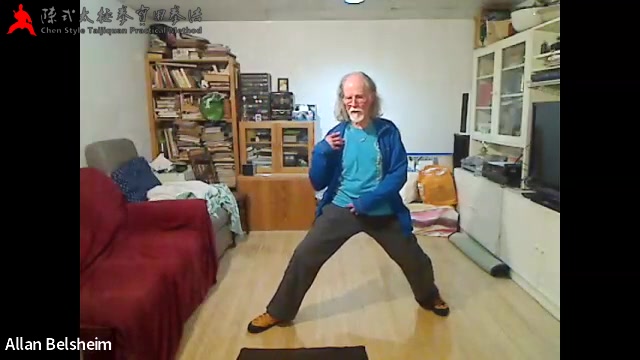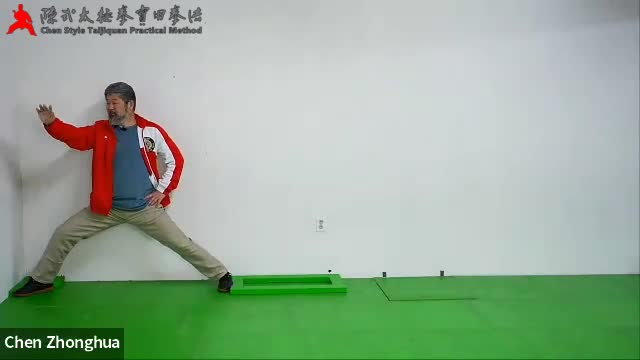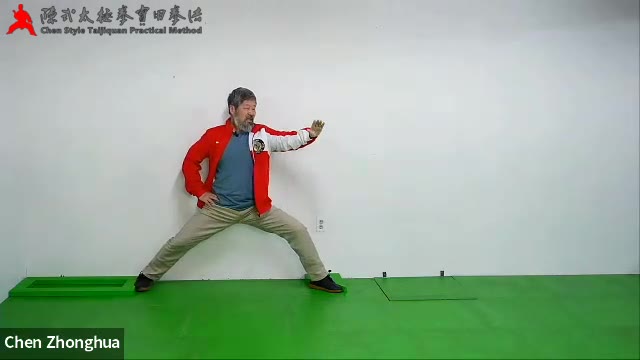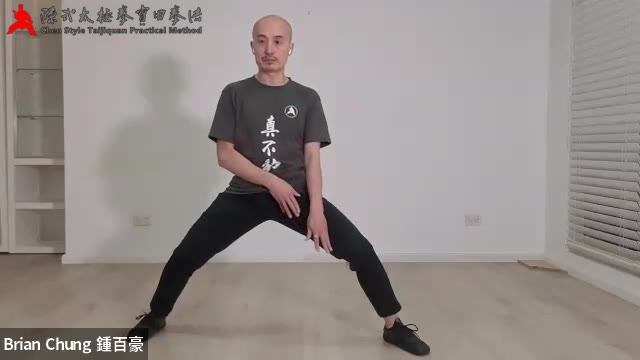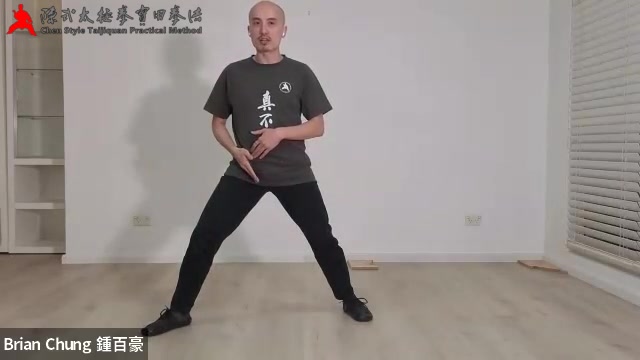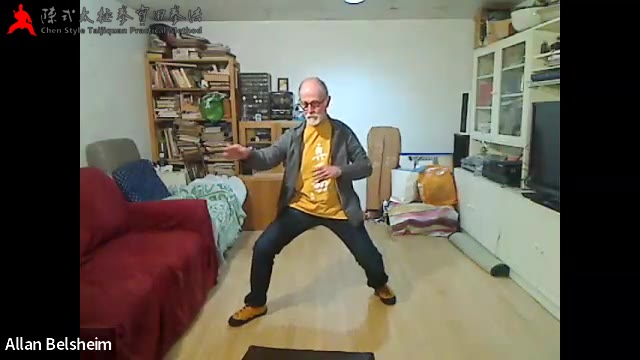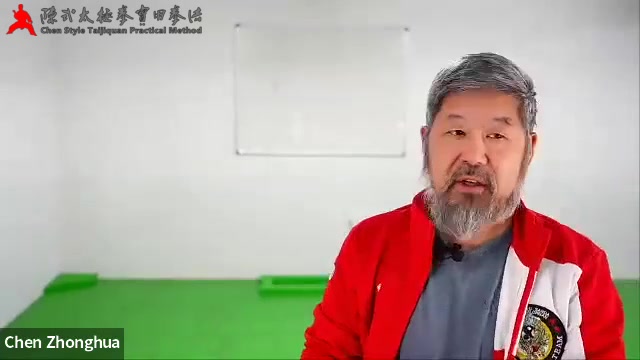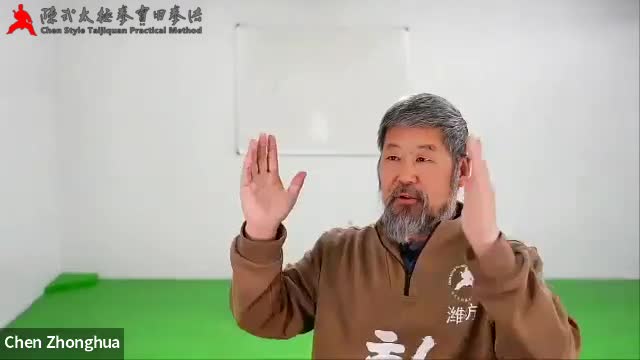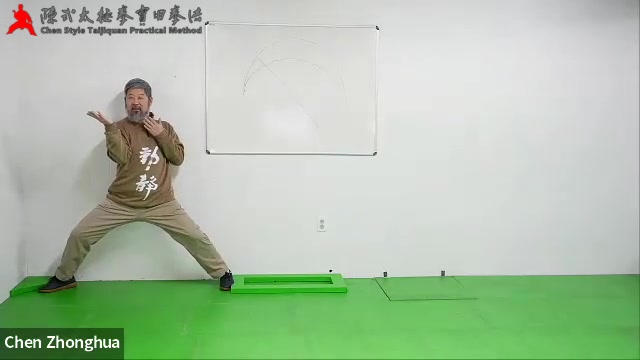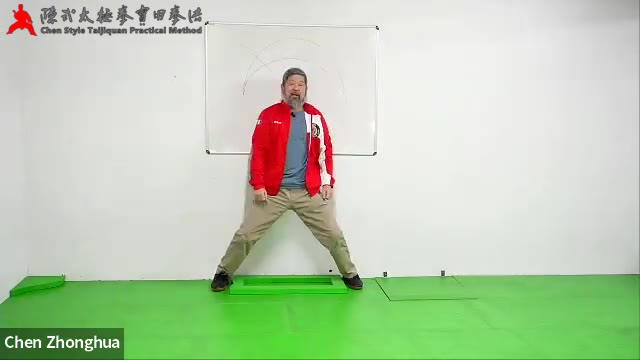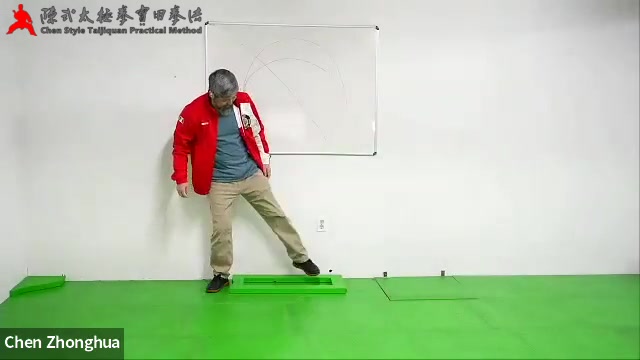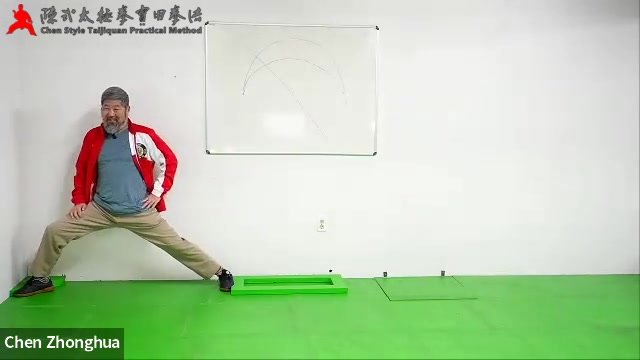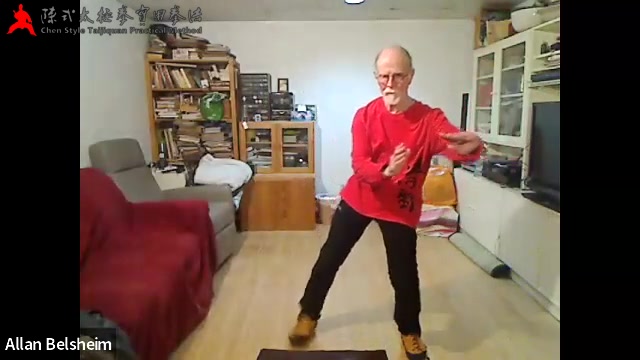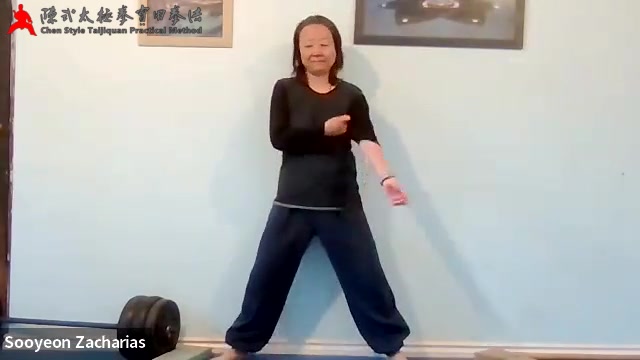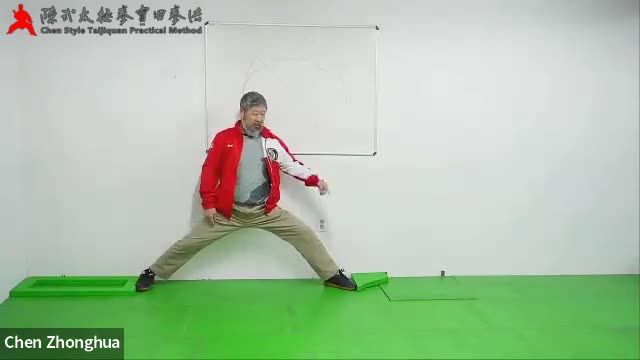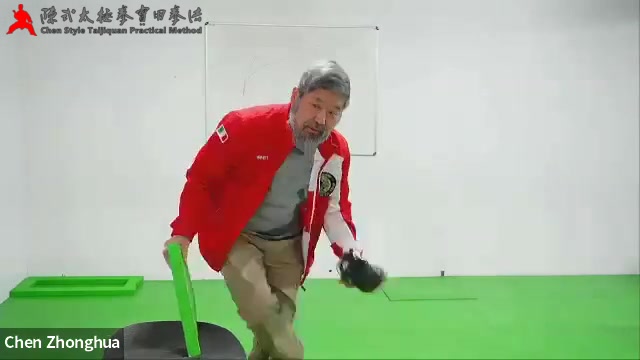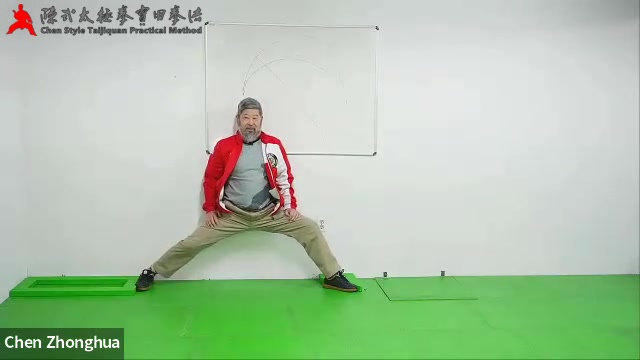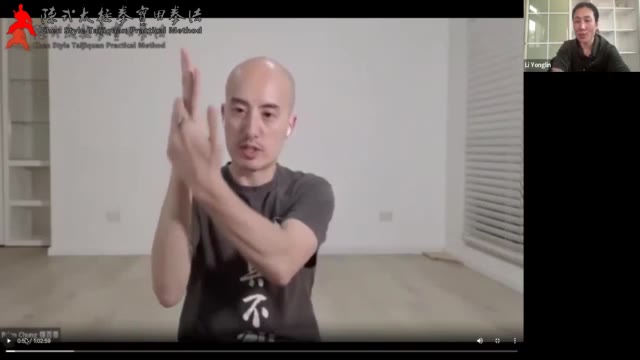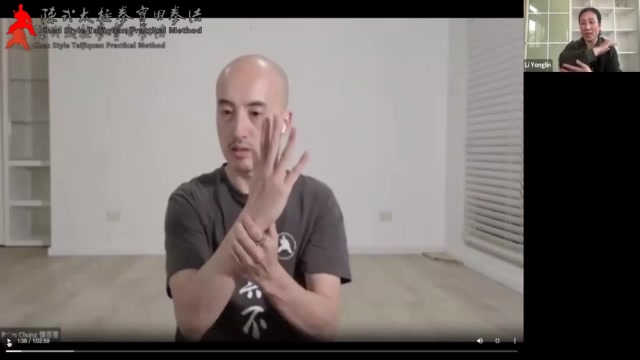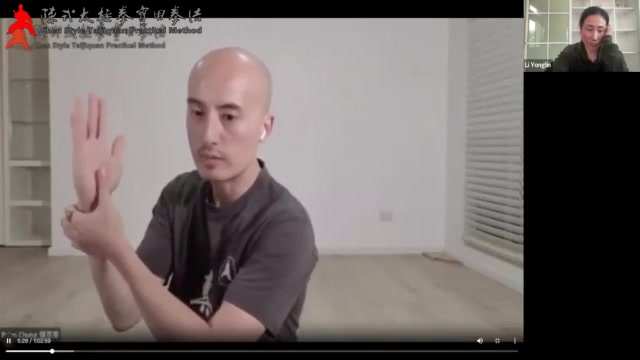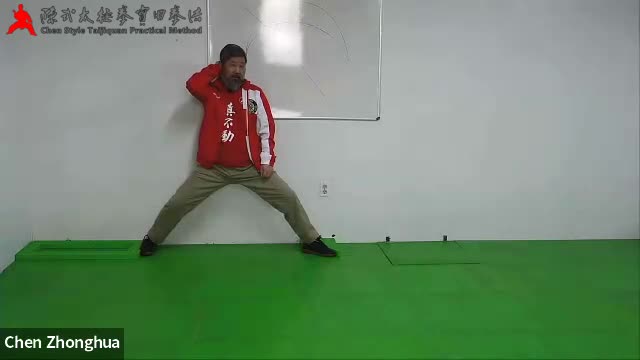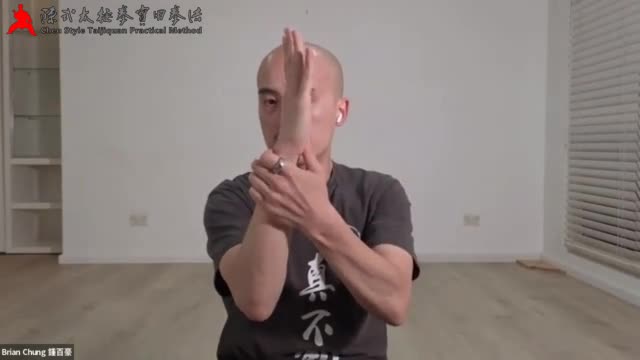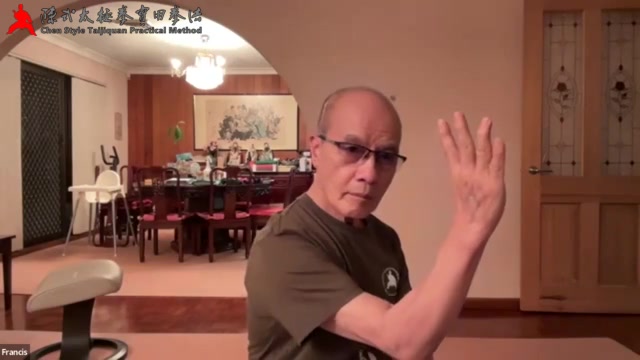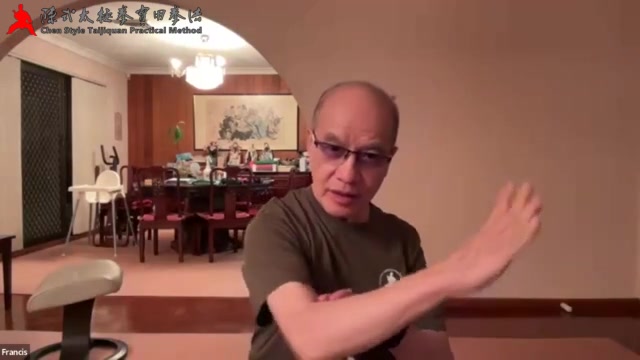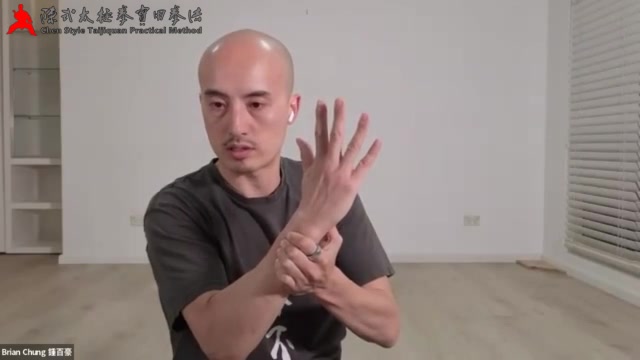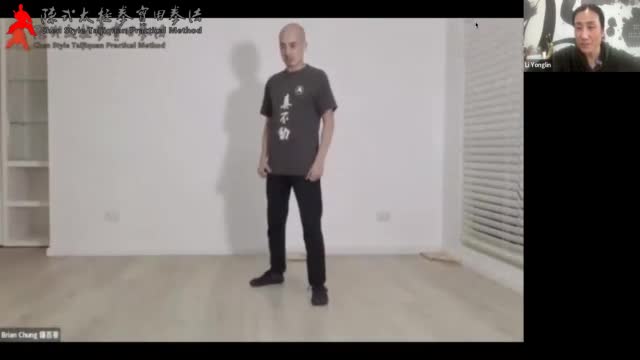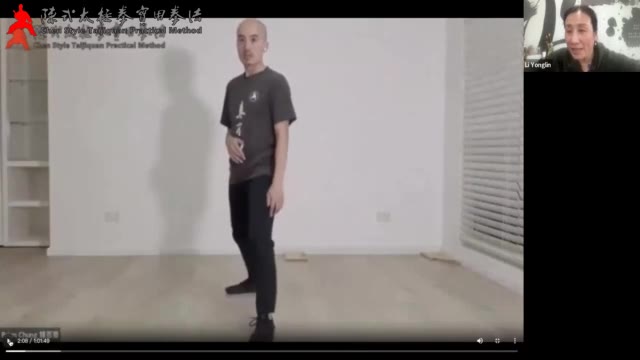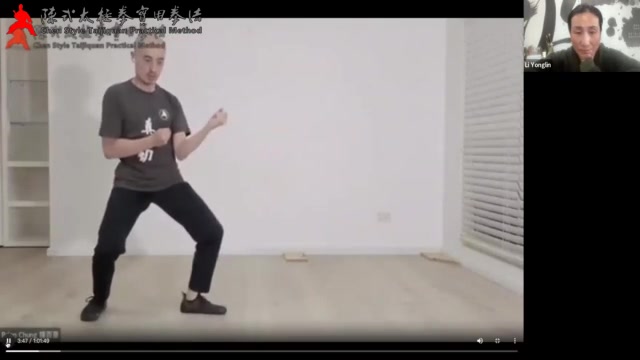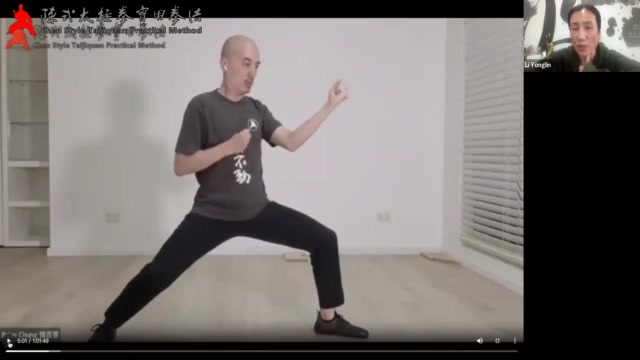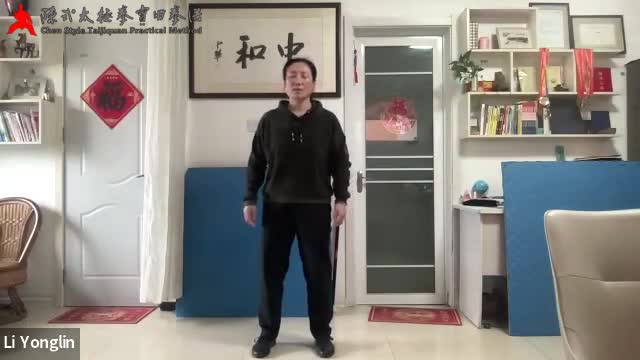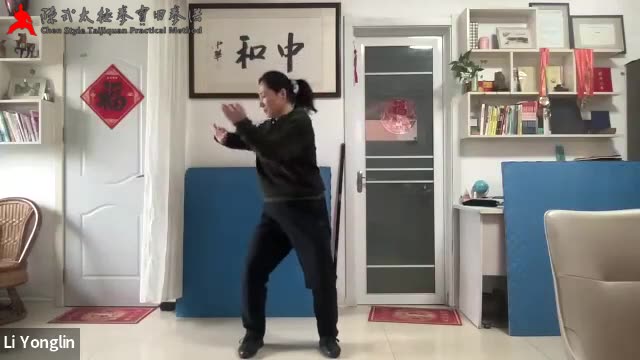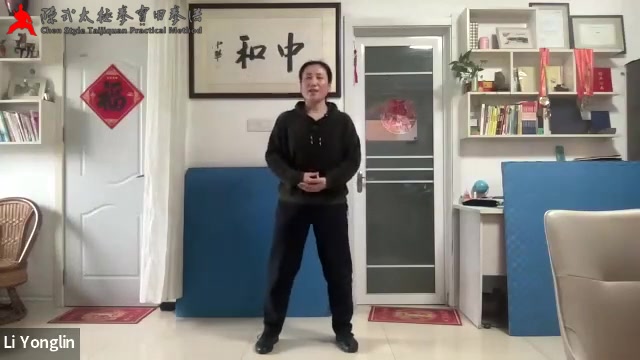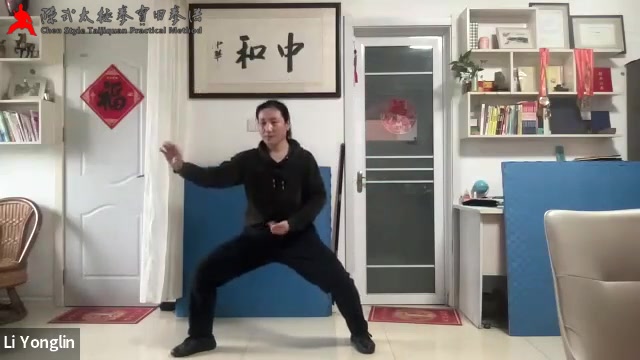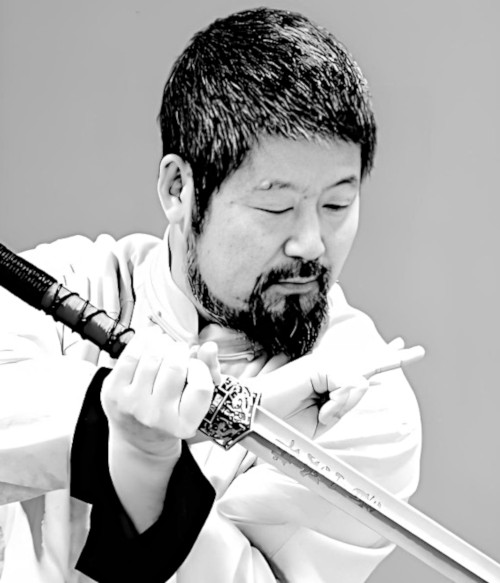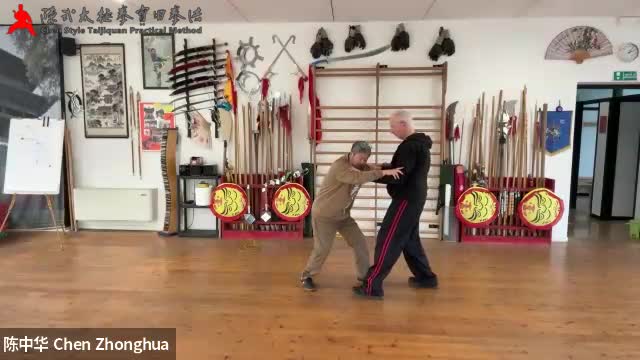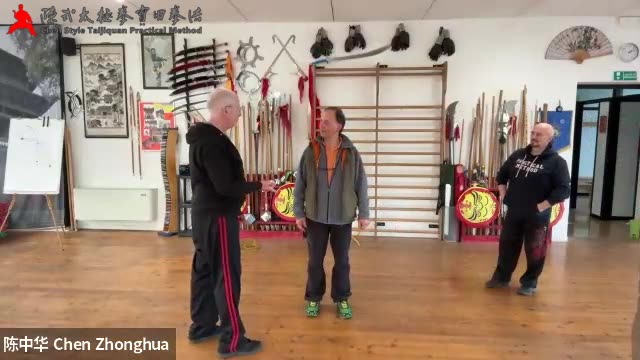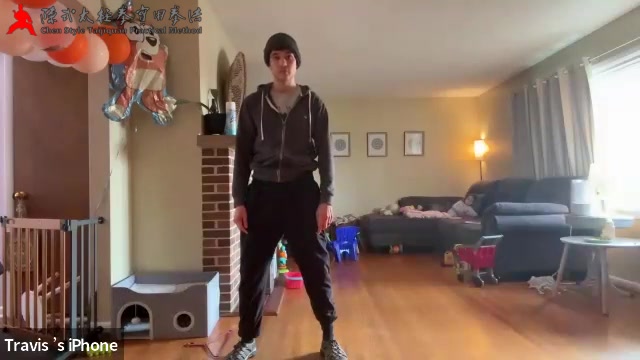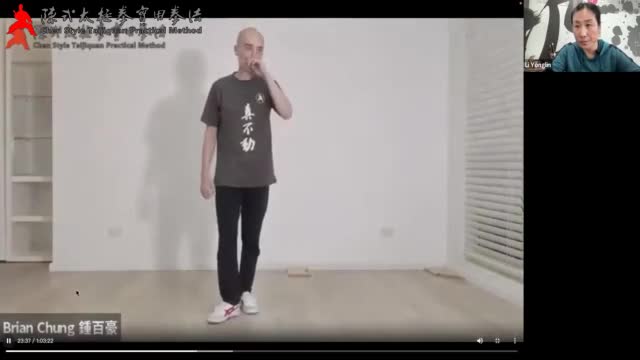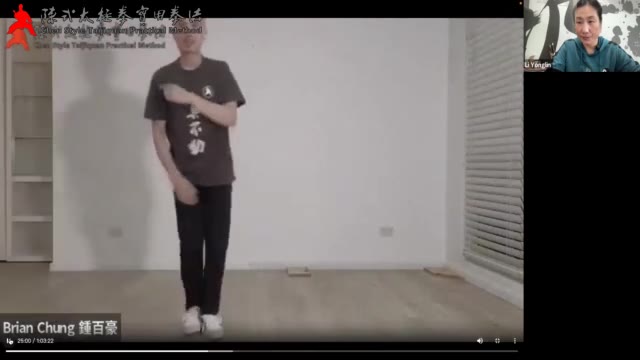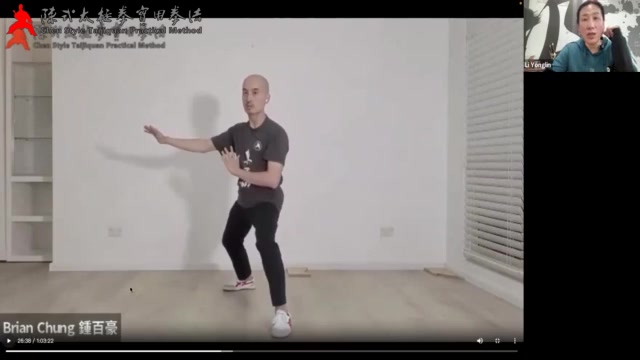
Presenter: Chen Zhonghua Length: 67 mins Difficulty: 3/5 Language: English
Year: 2026 Location: Edmonton, Canada
If you like this video, there is an even greater value in purchasing one of the packages below.
Purchase 2026 English Instructor Class Video Package
NOTE:
- Video packages are designed for the convenience of students.
- Some packages are in fact classifications of videos.
- Some videos in packages might have been published and purchased by you individually.
- Average prices of videos in packages are considerably lower than individual videos. The number of videos in the package will increase until the sum of all individual video prices equal to two times or more of the package price.
- In view of this, if you have purchased a video that are also included in a package your have purchased, or vice versa, we will not give refunds or equivalents.
- All videos in packages are paid videos. They are restricted to your personal viewing and other usage. You do not have copyright of the videos and therefore you do not have permission to give/share with others.
- Please note that as a customer/user of the website and/or student of Chen Zhonghua, you have given him and the companies/organizations he represents permission to use videos or photos with you, both personally and commercially.
- Making a paid purchase constitutes agreement to the above terms.